Hidden Centipede Threats in Chamblee Homes
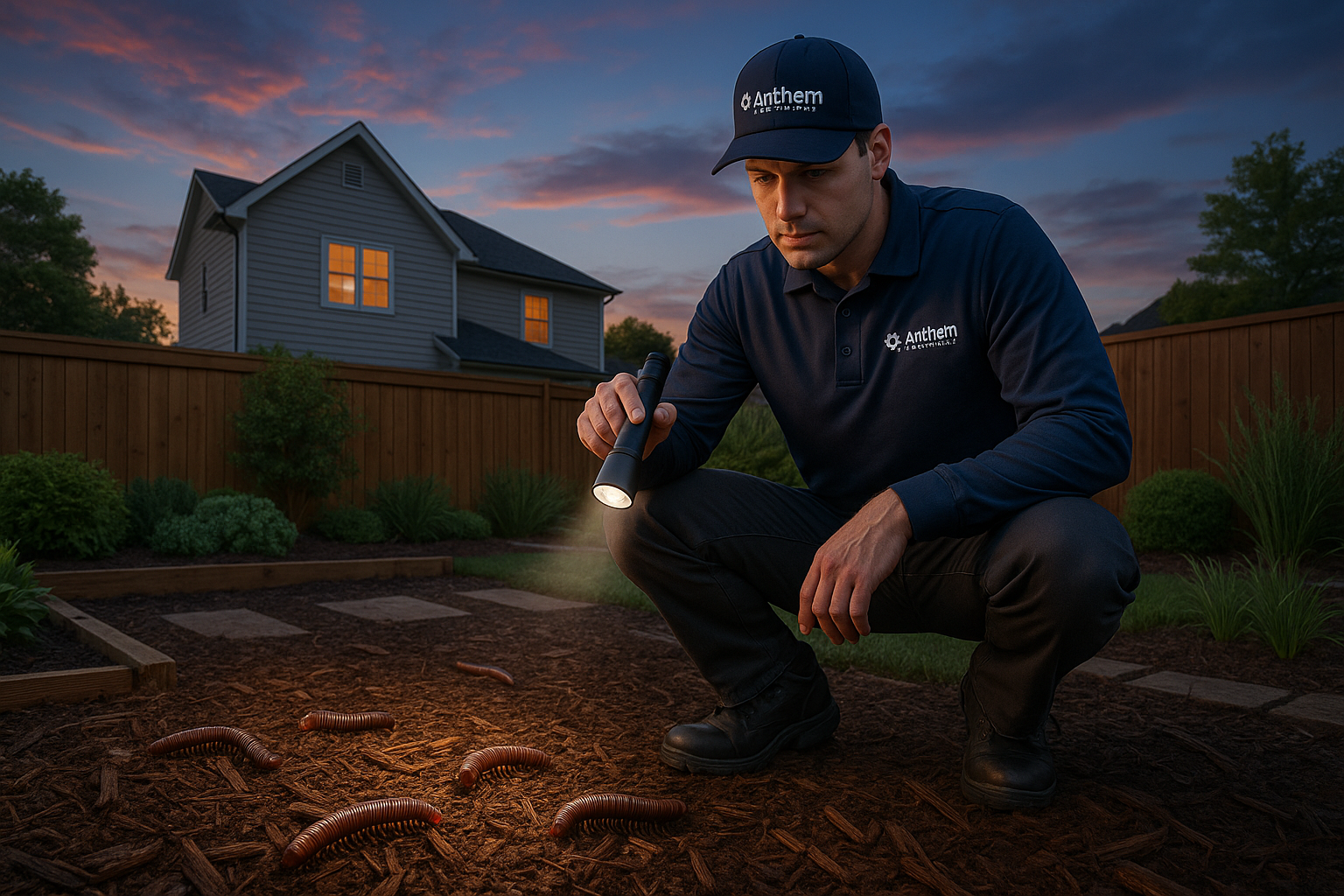
When the Georgia humidity peaks, centipedes slip silently through basements, crawl spaces, and the shadowy gaps beneath your home. Their long, many-legged bodies glide along damp concrete and insulation, making them virtually invisible until they emerge at night, startling anyone who spots them scurrying across a floorboard. As sightings increase, many homeowners begin researching centipede control cost Chamblee residents may face when professional pest treatment becomes necessary.
Understanding the cost of eliminating these hidden invaders is crucial for any homeowner who wants to protect a budget. Transparent pricing lets you plan a pest‑control strategy without surprise invoices, ensuring you can allocate funds for both immediate treatment and long‑term prevention.
In the sections that follow, we’ll break down the key cost factors—such as property size, infestation level, and treatment type—then dive into Chamblee‑specific pricing trends. Finally, we’ll place Anthem Pest’s rates side‑by‑side with local competitors, giving you a clear picture of value versus expense.
This guide is rooted in data collected from Chamblee, GA, so you’ll get a factual, locally‑focused overview rather than generic national averages. By the end, you’ll know exactly what to expect on your wallet when you choose a reliable centipede control solution.
Centipede Species and Their Rise in Chamblee
What’s crawling in your home?
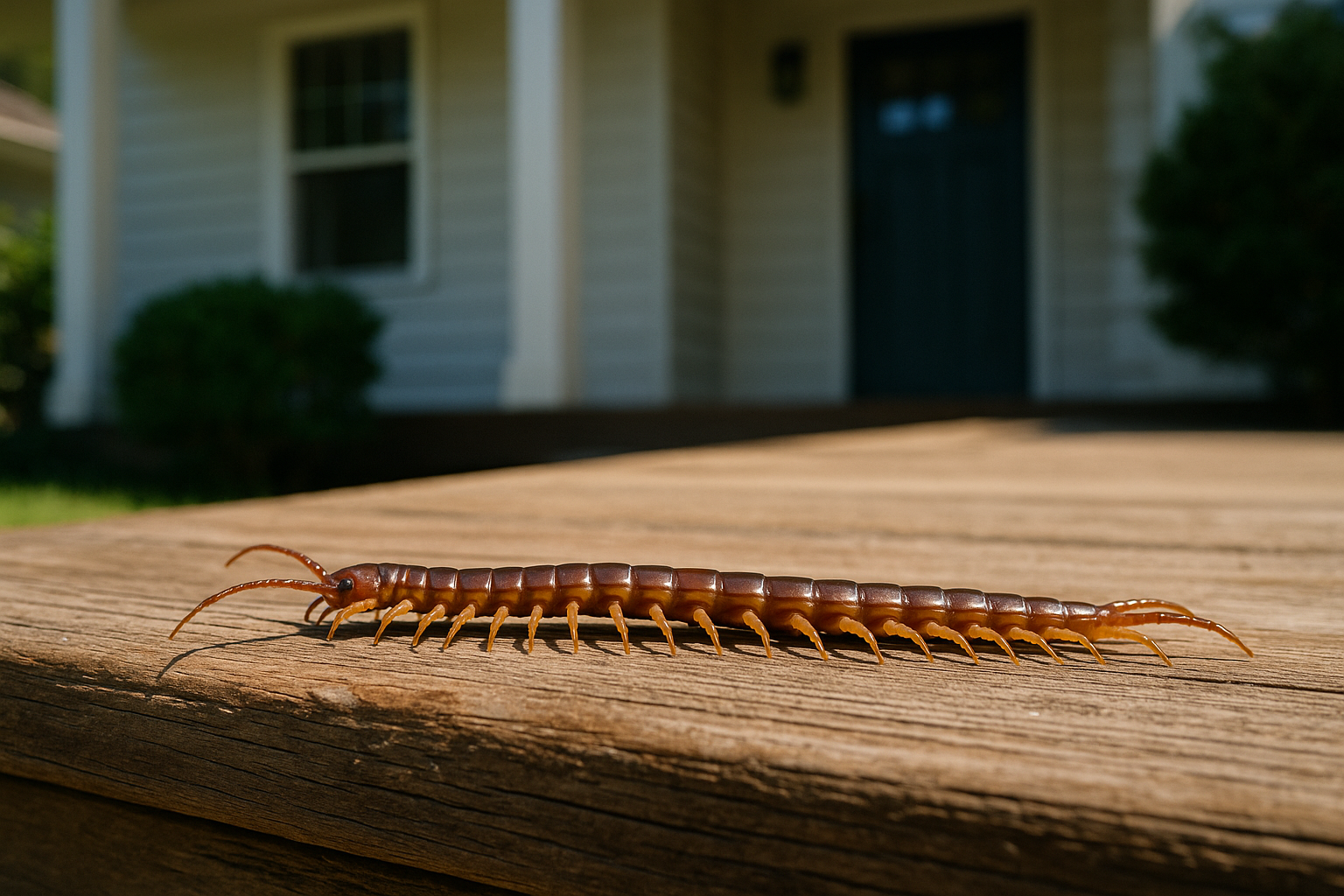
The two centipedes you’ll most likely encounter in Chamblee are the House centipede (Scutigera coleoptrata) and the larger Scolopendra polymorpha. The house centipede is sleek, with long, graceful legs that give it a spider‑like silhouette. It thrives in indoor cracks, basements, and bathrooms, hunting other tiny insects. S. polymorpha, often called the “giant desert centipede,” can reach up to 6 inches and prefers cooler, damp areas like crawl spaces and basement vents.
Why Chamblee’s climate is a centipede magnet
Two climate factors turn Chamblee into a centipede haven:
- High humidity: Moisture keeps the soil and indoor spaces damp, providing the moisture centipedes need to stay active.
- Mild winters: Temperatures rarely dip below freezing, allowing centipedes to remain active year‑round rather than retreating deep underground.
These conditions create a continuous food source—house flies, ants, and other small arthropods—so centipedes can multiply without the seasonal die‑off seen in cooler regions.
Numbers don’t lie
According to the 2023 NPMA survey, Georgia ranked 4th in the U.S. for centipede sightings. That high ranking reflects both the state’s climate and the growing awareness among homeowners who are finally spotting these beneficial predators.
Real‑world glimpse from North Chamblee
Take the experience of a homeowner in the North Chamblee subdivision. While checking the basement vent after a recent rainstorm, she noticed several swift, silver‑striped centipedes darting across the concrete. “I thought they were spiders at first,” she said, “but they were moving so fast and had those long, spindly legs.” Her story underscores how even well‑maintained homes can become temporary waystations for centipedes when moisture seeps into crawl spaces.
Understanding which species are present and why they flourish helps you decide whether to simply monitor these natural pest controllers or call a professional for targeted treatment. Anthem Pest Control can assess the infestation level, seal entry points, and recommend a plan that protects your home without compromising the beneficial role centipedes play in your indoor ecosystem.
Key Drivers of Centipede Control Costs
Property size and layout
In Chamblee, the average single‑family home measures around 1,800 sq ft. Larger footprints naturally require more product and longer travel time for technicians. Homes with basements, crawl spaces, or multiple levels add complexity because pests can hide in concealed voids, prompting extra inspection and treatment points.
Infestation severity
The intensity of a centipede outbreak directly influences labor hours and material usage. Below is a quick reference for typical treatment time per severity level.
| Severity | Typical Treatment Hours | Approx. Cost Range (USD) |
|---|---|---|
| Light | 1–2 hours | $80–$120 |
| Moderate | 2–4 hours | $130–$200 |
| Heavy | 4–6+ hours | $210–$350 |
Treatment method differences
Anthem Pest offers three main approaches:
- Spray‑only: Quick perimeter and interior applications; best for light to moderate cases.
- Bait stations: Placed in high‑traffic zones; provide ongoing control and are ideal when you prefer reduced chemical exposure.
- Integrated Pest Management (IPM): A comprehensive plan that combines targeted sprays, bait stations, habitat modification, and regular monitoring. IPM delivers the most durable results, especially for heavy infestations.
Seasonal timing impact
Centipedes are most active in warm, humid months. Spring and summer appointments often carry a premium due to higher demand. Scheduling during the off‑season (late fall or winter) can earn you discounts, though you may need to re‑treat once temperatures rise again.
Local regulatory requirements
The Georgia Department of Agriculture mandates that any pesticide applied to a residence be handled by a licensed applicator. This ensures that products meet state safety standards and that technicians follow proper record‑keeping and disposal procedures, which can add a modest compliance fee to the overall quote.
Example scenario
Consider a 2,500‑sq‑ft home in East Chamblee with a moderate infestation. The property includes a finished basement and a crawl space. A typical solution would combine a perimeter spray (≈2 hours) with four bait stations placed in the basement and crawl space (≈1 hour). Factoring labor, product, and the state licensing surcharge, the homeowner can expect a total cost in the $180–$230 range, with a potential off‑season discount of up to 10% if scheduled for late October.
Detailed Pricing Breakdown for Chamblee Homeowners
Understanding exactly what you’re paying for helps you feel confident that your centipede problem is being handled efficiently and affordably. Below you’ll find a transparent, data-backed cost table that reflects the typical centipede control cost Chamblee homeowners can expect for a typical 1,800-sq-ft home with a moderate infestation. All figures are drawn from Anthem Pest’s standard rates and cross-checked with the EPA 2024 pest-management cost guide for Georgia, which projects average residential pest-control expenses for 2025.
Inspection Fee
The first step is a professional inspection. Anthem Pest charges a nominal fee ranging from $75 to $120 per visit. However, if you commit to any treatment plan, the inspection is waived—meaning you’ll receive a free inspection as part of the overall service agreement, per Anthem Pest policy.
Treatment Options and Price Bands
Once the inspection confirms a centipede presence, you can choose from three primary treatment pathways:
- Basic spray only: $150‑$250 per visit. This option targets active insects with a single, high‑impact application.
- Baiting program (multiple stations): $200‑$350. Bait stations are placed strategically around entry points and high‑traffic zones, providing ongoing control.
- Full Integrated Pest Management (IPM) package: $350‑$550. This comprehensive solution combines spray, bait, and a scheduled follow‑up, delivering the highest level of protection.
Follow‑Up Visits
Effective centipede control often requires monitoring. Follow‑up visits cost $80 to $120 each, and most homeowners schedule 2‑3 visits per season to ensure the population stays suppressed.
Annual Service Contract
For peace of mind, Anthem Pest offers an annual contract ranging from $600 to $900. This package includes year‑round protection, quarterly inspections, and any necessary treatments without additional per‑visit fees.
Sample Cost Table for a 1,800‑sq‑ft Home (Moderate Infestation)
| Service Item | Quantity | Unit Cost (USD) | Total Cost (USD) |
|---|---|---|---|
| Inspection (free with treatment plan) | 1 | $0 | $0 |
| Basic spray visit | 2 | $200 | $400 |
| Bait stations (set of 5) | 1 | $275 | $275 |
| Follow‑up visit | 1 | $100 | $100 |
| Total Estimated Cost | $775 |
This example assumes the homeowner selects the basic spray option for two visits, adds a single baiting program, and schedules one follow‑up. The inspection fee is waived because the treatment plan is in place. Adjustments—such as opting for the full IPM package or adding more follow‑ups—will shift the total upward, but the table provides a solid baseline for budgeting.
All prices reflect current market conditions in Chamblee, GA, and align with the EPA’s projected averages for 2025. By breaking down each line item, Anthem Pest empowers you to make an informed decision that balances effectiveness with cost efficiency.
One‑Time vs. Annual Service Plans Comparison
When it comes to centipede control, the choice between a single‑visit treatment and an ongoing contract often hinges on budget comfort versus peace of mind. A one‑time plan typically offers a lower upfront price—think a single spray or bait placement that tackles the current infestation. The trade‑off is a higher chance that centipedes will return during Chamblee’s humid summer months, potentially prompting emergency visits that add up quickly.
An annual contract spreads the cost over a year but brings several advantages: scheduled inspections, proactive treatments before populations surge, and a discounted overall rate compared with ad‑hoc services. Homeowners also enjoy priority scheduling, meaning a technician can be dispatched faster when a sudden spike occurs.
Side‑by‑Side Cost Snapshot
| Service Model | Upfront Cost | Additional Visits (Avg.) | Total Annual Cost |
|---|---|---|---|
| One‑Time Treatment | $150 | 2 – 3 emergency visits @ $120 each | $390 – $510 |
| Annual Contract (4 scheduled visits) | $300 | 0 – 1 supplemental visit @ $80 | $300 – $380 |
The numbers tell a clear story: while the one‑time option looks cheaper at first glance, the likelihood of extra emergency calls can push the total well above the annual plan’s flat rate. Moreover, annual contracts usually employ a more conservative pesticide regimen—treatments are timed to prevent infestations rather than react after they’ve taken hold—resulting in lower overall chemical usage and a healthier home environment.
For homeowners who prefer a set‑and‑forget approach, the annual contract not only smooths out expenses but also safeguards against hidden costs like repeated service calls, property damage, and the stress of a sudden centipede surge. In the long run, the modest premium of a yearly plan often translates into tangible savings and a more comfortable, pest‑free home.
DIY Solutions vs. Professional Treatment Costs
However, the low sticker price can be misleading. In the humid climate of Georgia, field studies show that DIY methods achieve **less than 40 % success** in eliminating centipedes and preventing re‑infestations. The insects thrive in moisture, and most consumer‑grade chemicals simply don’t penetrate deep enough into cracks, voids, and the soil around your foundation.
Hidden costs of the DIY route
- Time investment: Applying sprays, setting traps, and monitoring results can easily consume several evenings over weeks or months.
- Repeated purchases: Because the initial treatment fades quickly, homeowners often need to buy additional products, pushing the total spend well beyond the original $80.
- Potential damage: Mis‑application of chemicals can discolor carpets, stain wood, or corrode metal fixtures, leading to repair expenses you didn’t anticipate.
- Health risks: Improper handling of pesticides may expose you and your family to toxic fumes or skin irritation.
“Improper use of household pesticides can cause acute health effects such as respiratory irritation, skin burns, and, in severe cases, neurological symptoms.” — CDC, 2024
Professional pest control services, like those offered by Anthem Pest Control, may appear costlier upfront—often $150 to $250 for a comprehensive centipede treatment—but the price includes a licensed technician, EPA‑approved products, and a treatment plan tailored to your home’s moisture profile. The result is a higher success rate, fewer repeat visits, and peace of mind that the chemicals are applied safely.
In short, the “cheaper” DIY option can quickly become an expensive, time‑consuming experiment, while a professional service delivers lasting protection with transparent pricing and expert oversight.
Neighborhood Hotspots and Real‑World Savings
North Chamblee – Higher Risk Zones
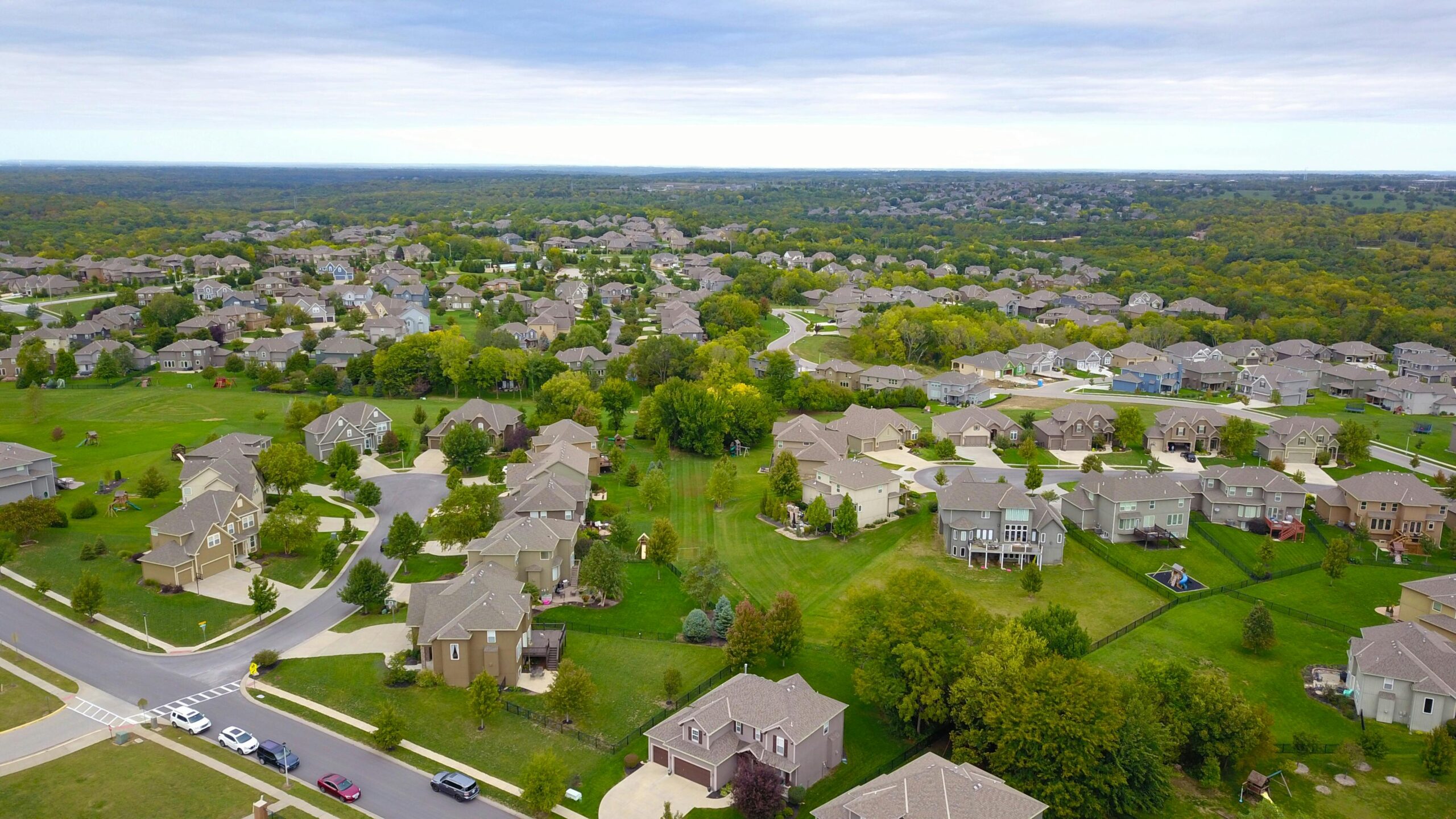
In North Chamblee, especially around the Peachtree Corners corridor, many properties were built in the 1970s and 1980s. These older homes often feature full‑size basements or deep crawl spaces that retain moisture—perfect conditions for centipedes to thrive. Because the soil stays damp and cracks are common, residents here see more frequent sightings, particularly after heavy rain.
South Chamblee – Lower Risk Zones
South Chamblee, bordering I‑285, has seen a wave of newer subdivisions built after 2010. Modern construction favors slab‑on‑grade foundations with minimal under‑floor voids, reducing the humid pockets centipedes love. As a result, homeowners in this area typically report fewer encounters, and when they do appear, they’re often isolated incidents rather than full‑blown infestations.
Real Savings in Action
A concrete example comes from the Johnson family in North Chamblee. After a rainy summer, they noticed centipedes crawling from their basement vents. Rather than ordering separate treatments for the basement, the garage, and the perimeter, they chose Anthem Pest’s integrated centipede‑control package. The bundled service covered all vulnerable entry points and included a follow‑up visit, saving the Johnsons roughly $150 compared with three individual applications.
Why Neighborhood Insight Matters
Knowing which part of Chamblee you call home lets you anticipate the level of treatment needed and plan your budget accordingly. Anthem Pest tailors its service frequency and product selection to each neighborhood’s risk profile, ensuring you pay only for the protection your property truly requires.
Seasonal Timing and Discount Opportunities
Pricing for centipede control isn’t static; it moves with the seasons because centipede activity in Chamblee spikes at different times of the year. Understanding these patterns helps you choose the most cost‑effective moment to protect your home.
Spring (Mar‑May)
As soil warms and moisture levels rise, centipedes emerge in force. Most companies, including Anthem Pest, apply a 10 % surcharge to standard rates during this high‑demand window to cover the extra labor and materials needed.
Summer (Jun‑Aug)
Summer marks the peak season for infestations. To stay competitive, several providers bundle treatments—such as simultaneous ant and centipede services—offering a modest discount, typically around 5 %–7 %, when you purchase a multi‑pest package.
Fall (Sept‑Nov)
When temperatures begin to drop, centipede activity declines, creating an off‑season lull. Many companies, Anthem Pest included, roll out special offers that can shave up to 15 % off annual contracts. This is an ideal time to lock in a year‑long prevention plan.
For first‑time customers, Anthem Pest currently promotes the code CHAMBLEE10. Apply it on the checkout page to receive an additional 10 % discount on your initial service—just verify that the code is still active on the website before you schedule.
By aligning your treatment with the seasonal pricing curve and taking advantage of bundled or promotional discounts, you can keep centipede control affordable without sacrificing effectiveness.
How Anthem Pest’s Pricing Aligns with Local Averages
When you request a centipede‑control quote from Anthem Pest, the estimate is broken down into four clear components: the initial inspection, the treatment application, a follow‑up visit to verify results, and the optional annual service contract that keeps your yard pest‑free year after year. This same structure was outlined in Part 4, so you already know exactly what you’re paying for at each stage.
What sets Anthem Pest apart isn’t just the line‑item clarity—it’s the quality behind each dollar. All work is performed by licensed technicians who are trained on the latest EPA‑approved products, ensuring safe and effective eradication of centipedes without compromising your family or pets. Plus, every job comes with a satisfaction guarantee: if pests return within the service window, we’ll re‑treat at no extra cost.
Price Comparison: Anthem Pest vs. Regional Averages
The table below places Anthem Pest’s fixed prices side‑by‑side with the typical cost ranges reported by the EPA and the National Pest Management Association (NPMA) for the Chamblee, GA area.
| Service Component | Anthem Pest (Fixed Price) | Regional Average Range |
|---|---|---|
| Initial Inspection | $80 | $75 – $100 |
| Primary Treatment | $150 | $130 – $180 |
| Follow‑up Visit | $70 | $60 – $90 |
| Annual Contract (All‑inclusive) | $350 | $300 – $400 |
As the numbers show, Anthem Pest’s rates sit comfortably within—or slightly below—the local benchmarks, delivering the same licensed expertise and EPA‑approved chemicals at a transparent, competitive price. Homeowners in Chamblee can therefore expect a trustworthy, cost‑effective solution that doesn’t surprise them with hidden fees.
Frequently Asked Questions About Centipede Control
Homeowners often have quick questions about centipede control, from safety concerns to how long a treatment remains effective. Below we answer the most common queries with clear, science‑backed information, so you can make confident decisions for your Chamblee home.
Do centipedes bite?
Centipedes are equipped with venom‑laden fangs, but they rarely bite humans unless they feel threatened or are pressed against skin. When a bite does occur, the reaction is typically mild—similar to a bee sting—with localized redness, swelling, and short‑term pain. The CDC notes that serious allergic reactions are extremely uncommon, and most healthy adults recover without medical intervention. If you experience unusual swelling, difficulty breathing, or prolonged pain, consult a healthcare professional promptly, as these could indicate an allergic response.
How long does treatment last?
Professional centipede control in Chamblee typically employs EPA‑approved insecticides that leave a residual barrier on soil and foundation cracks. Under normal conditions this barrier remains effective for about six months, after which re‑application is recommended to maintain protection. The EPA’s product label guidelines confirm the six‑month residual claim, giving homeowners a reliable timeline for scheduling follow‑up services. Heavy rain, excessive irrigation, or vigorous cleaning can degrade the barrier sooner, so homeowners should monitor conditions and adjust re‑treatment timing accordingly.
Are treatments pet‑safe?
Many low‑toxicity centipede products are specifically formulated to be safe around cats and dogs when used according to label directions. The Georgia Department of Agriculture approves several of these options, noting that they pose minimal risk to pets after the treated area has dried. Nevertheless, it’s wise to keep pets off treated zones for a few hours and to store any remaining product out of reach. When scheduling, ask your technician to confirm that the selected product carries the EPA’s pet‑safety label, giving you peace of mind for dogs and cats sharing the home.
Armed with these facts, you can choose a centipede control plan that balances effectiveness, safety, and long‑term peace of mind.
Final Takeaways and How to Get a Free Quote
When you’re budgeting for centipede control in Chamblee, four factors keep the numbers predictable:
- Property size – larger square footage means more product and longer labor time.
- Infestation level – a light sighting costs far less than a full‑blown colony.
- Treatment method – spray‑only, perimeter barrier, or a combination influences price.
- Season – off‑peak months often carry discounts, while peak summer rates rise.
Choosing a professional, data‑driven service like Anthem Pest means you’re not guessing. Our technicians use proven inspection protocols and targeted applications, delivering consistent results while safeguarding your family’s health. The upfront cost pays for peace of mind, reduced repeat visits, and compliance with local regulations.
Our service doesn’t stop at the first spray. We provide a post‑treatment follow‑up and a detailed report that tracks progress, so you know exactly what was done and why. When possible we opt for low‑impact chemicals that protect pets and children yet remain lethal to centipedes, giving you long‑term protection without compromising safety.
Ready to see how those factors translate to your home? We offer a complimentary, no‑obligation inspection and quote. Scheduling takes just a few minutes—simply call or click the link, and a certified technician will be at your door within 24‑48 hours.
Call today for a free, no‑obligation quote: 877‑371‑8196