Why Millipedes Matter in Chamblee
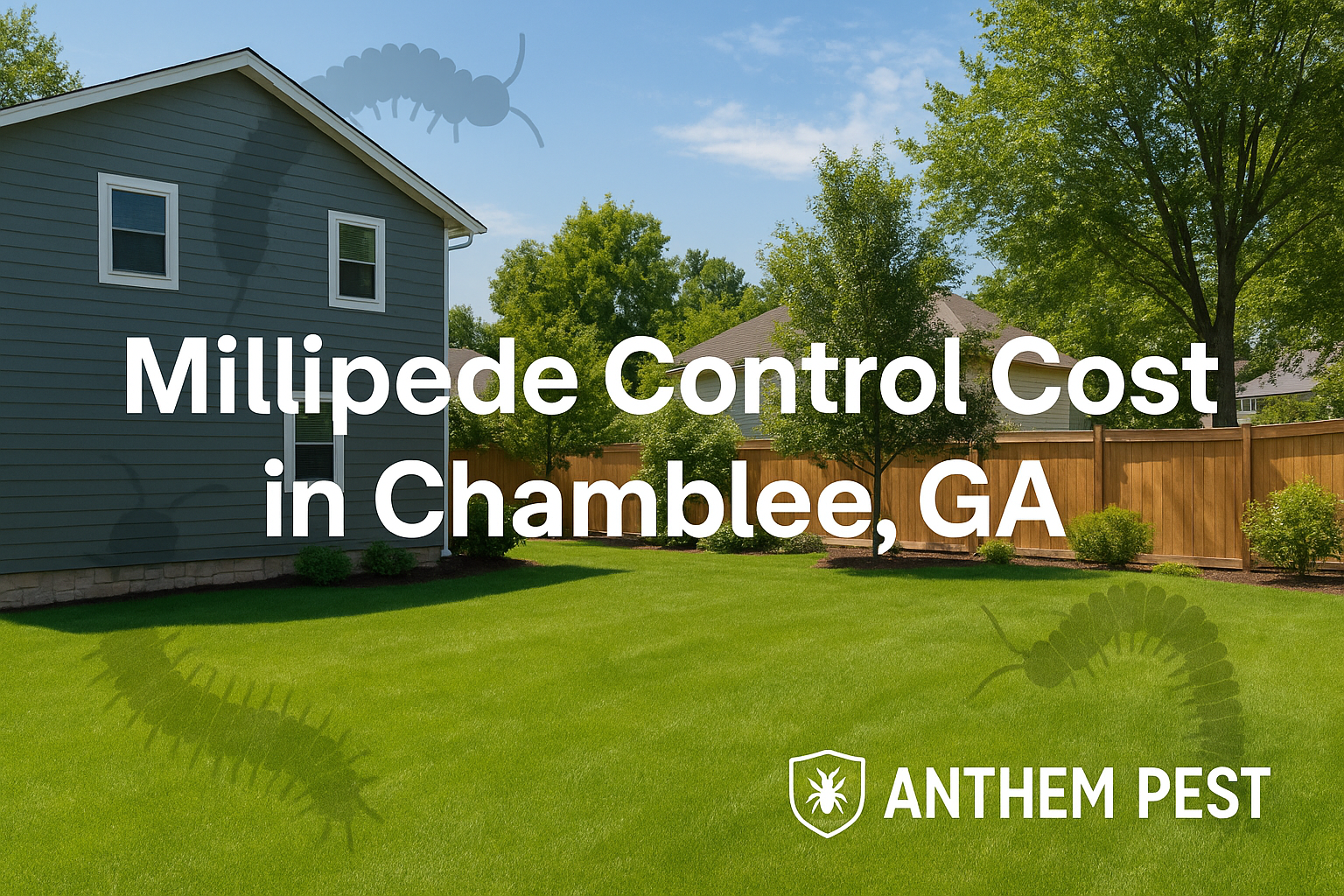
Every summer, Georgia joins the rest of the Southeast in witnessing a dramatic surge of millipedes. Warm, humid nights and abundant leaf litter create the perfect breeding ground, and by late July the state’s forests and backyards can be swarming with these many-legged arthropods. In Chamblee, the pattern is unmistakable: after a week of rain, homeowners often spot dozens of millipedes marching up foundations, across patios, and into garden beds. As these seasonal infestations grow, many residents begin searching for information about millipede control cost Chamblee homeowners may face when professional treatment becomes necessary. This seasonal spike isn’t just a curiosity—it’s a predictable nuisance that can turn outdoor relaxation into a “creepy-crawl” experience.
For the average Chamblee homeowner, the problem shows up in three familiar ways. First, large congregations gather on concrete foundations, leaving a slick, milky slime that can be slippery and unsightly. Second, the millipedes’ slow, deliberate movements create a visual “creep factor” that many families find unsettling, especially children and pets. Finally, the sheer numbers can clog gutters and drainage channels, leading to minor water‑management issues. While millipedes don’t bite or spread disease, their presence can deter you from enjoying a backyard barbecue or a simple evening stroll on the porch.
According to the U.S. Environmental Protection Agency, millipedes are classified as “nuisance pests” because they can cause property damage, create unsanitary conditions, and provoke psychological discomfort for occupants.
This EPA classification matters because it signals that homeowners have a legitimate reason to seek professional intervention. Ignoring the problem may seem harmless at first, but the cumulative effect of slime, clogged drainage, and constant visual disturbance can erode the comfort of your home environment. That’s why Anthem Pest Control has crafted this guide: to give Chamblee residents transparent, data‑driven cost information for effective millipede control. By understanding the seasonal dynamics, the typical nuisance behaviors, and the regulatory perspective, you’ll be better equipped to decide when and how to protect your property without surprise fees.
Spotting Millipedes Inside Your Home
Millipedes may look like harmless garden critters, but when they start appearing inside your living space they can signal a moisture problem or an entry point that needs sealing. Knowing what they look like and how they get in helps you catch an infestation before it turns into a larger nuisance.
Physically, millipedes are elongated, soft‑bodied arthropods with two pairs of legs per body segment. Most species you’ll encounter in Chamblee are dark brown to black, though some have a glossy, almost metallic sheen. They prefer damp environments, so you’ll often find them crawling along baseboards, under sinks, or near any area that stays moist for extended periods.
Common entry points
- Cracks in the foundation or basement walls.
- Gaps around exterior doors and sliding patio doors.
- Utility penetrations such as plumbing, electrical conduit, and HVAC ducts.
- Vents and crawl‑space openings that lack proper screening.
Visible signs of a millipede presence
- Silvery‑white, milky trails left behind as they secrete defensive fluids.
- Small clusters of the insects near foundations, decks, or potted plants.
- Occasional sightings on indoor walls, especially after a rainstorm pushes them through cracks.
- Increased activity in basements, bathrooms, and laundry rooms where humidity is higher.
According to 2024 data from the Georgia Extension, the state saw a 12 % increase in millipede complaints during the summer months. The spike coincides with higher outdoor humidity and frequent rain, both of which drive millipedes to seek shelter indoors. For a formal definition of what constitutes a pest, you can refer to the EPA’s pest definition.
The easiest way to keep millipedes out is to eliminate the moisture they love. Repair leaky pipes, use a dehumidifier in basements, and ensure gutters direct water away from the foundation. Sealing cracks with caulk or expanding foam creates a physical barrier that most species won’t cross.
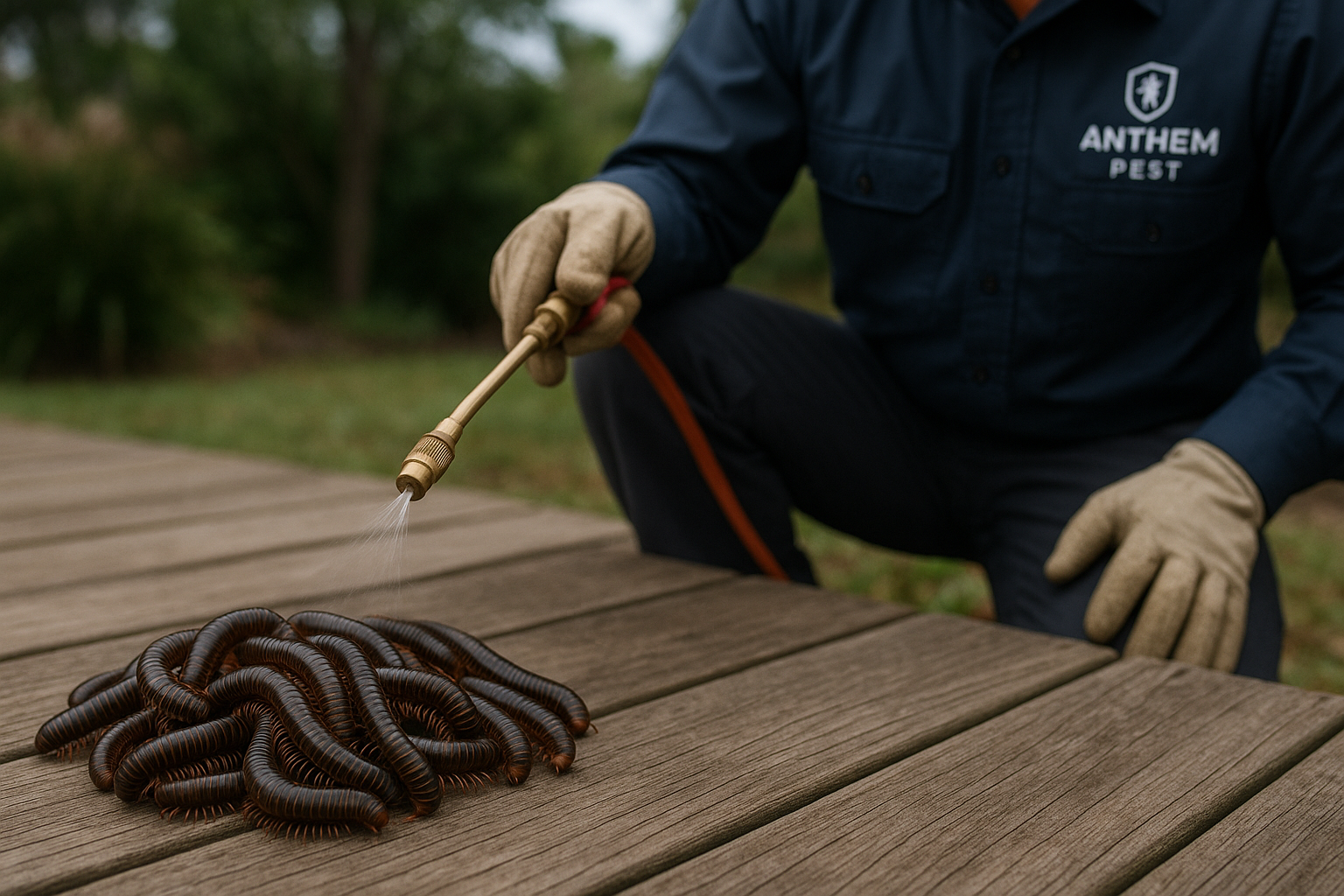
By regularly inspecting the areas listed above and watching for the tell‑tale milky trails, you can spot a millipede problem early and call a professional like Anthem Pest Control before the insects become a persistent indoor issue.
Treatment Options Overview
DIY Sprays
Many homeowners start with over‑the‑counter millipede sprays you can find at home‑improvement stores. These products are inexpensive—often under $30 for a bottle that treats a few hundred square feet. The main advantage is the low upfront cost and the ability to apply the treatment on your own schedule. However, DIY solutions typically provide limited coverage, require frequent re‑application, and may not penetrate deep soil where millipedes hide. Without professional training, you also risk missing entry points, which reduces overall effectiveness.
Professional Perimeter Treatments
Perimeter applications are performed by licensed technicians who spray a continuous band around the exterior of your home, usually covering up to 1,500 sq ft. In Chamblee, Georgia, the average price for this service ranges from $199 to $249. The treatment creates a protective barrier that repels millipedes before they can cross onto your foundation. Because the chemicals are applied by experts, the coverage is uniform and the product selection is tailored to local pest pressure, delivering better results than most DIY options.
Integrated Pest Management (IPM)
IPM blends monitoring, targeted chemical applications, and preventive measures such as moisture control and landscaping adjustments. Rather than a one‑size‑fits‑all spray, an IPM plan identifies where millipedes are entering your property, how moisture levels are contributing to infestations, and which non‑chemical tactics can reduce their numbers. This approach often combines a reduced‑volume perimeter treatment with strategic indoor applications, delivering long‑term control while minimizing chemical use.
Why Choose Anthem Pest’s IPM
Anthem Pest employs EPA‑registered products that have been vetted for safety and efficacy. All technicians complete rigorous training on proper mixing, application rates, and safety protocols, ensuring that each treatment is both effective and compliant with local regulations. By using a data‑driven IPM strategy, Anthem can pinpoint high‑risk zones around your home and apply the right amount of product only where it’s needed, which often translates to a lower overall cost compared with repeated DIY purchases.
Environmental and Pet Safety Considerations
Both DIY and professional options can impact the environment and household pets if misused. Anthem Pest prioritizes low‑toxicity formulations and follows strict guidelines to protect beneficial insects, soil health, and water sources. Technicians wear protective gear and advise homeowners on post‑treatment ventilation and pet re‑entry timelines. Choosing a reputable provider reduces the risk of over‑application and ensures that any residues left behind are within safe limits for children and animals.
Cost Comparison at a Glance
- DIY Sprays: $20‑$35 per bottle; limited coverage; re‑application every 2‑4 weeks.
- Professional Perimeter: $199‑$249 for up to 1,500 sq ft; single‑application barrier lasting 6‑8 weeks.
- Anthem IPM Program: $250‑$350 for a comprehensive plan that includes monitoring, targeted treatments, and preventative recommendations; designed for lasting control and reduced chemical use.
Detailed Cost Breakdown for Chamblee Homeowners
Inspection Fee
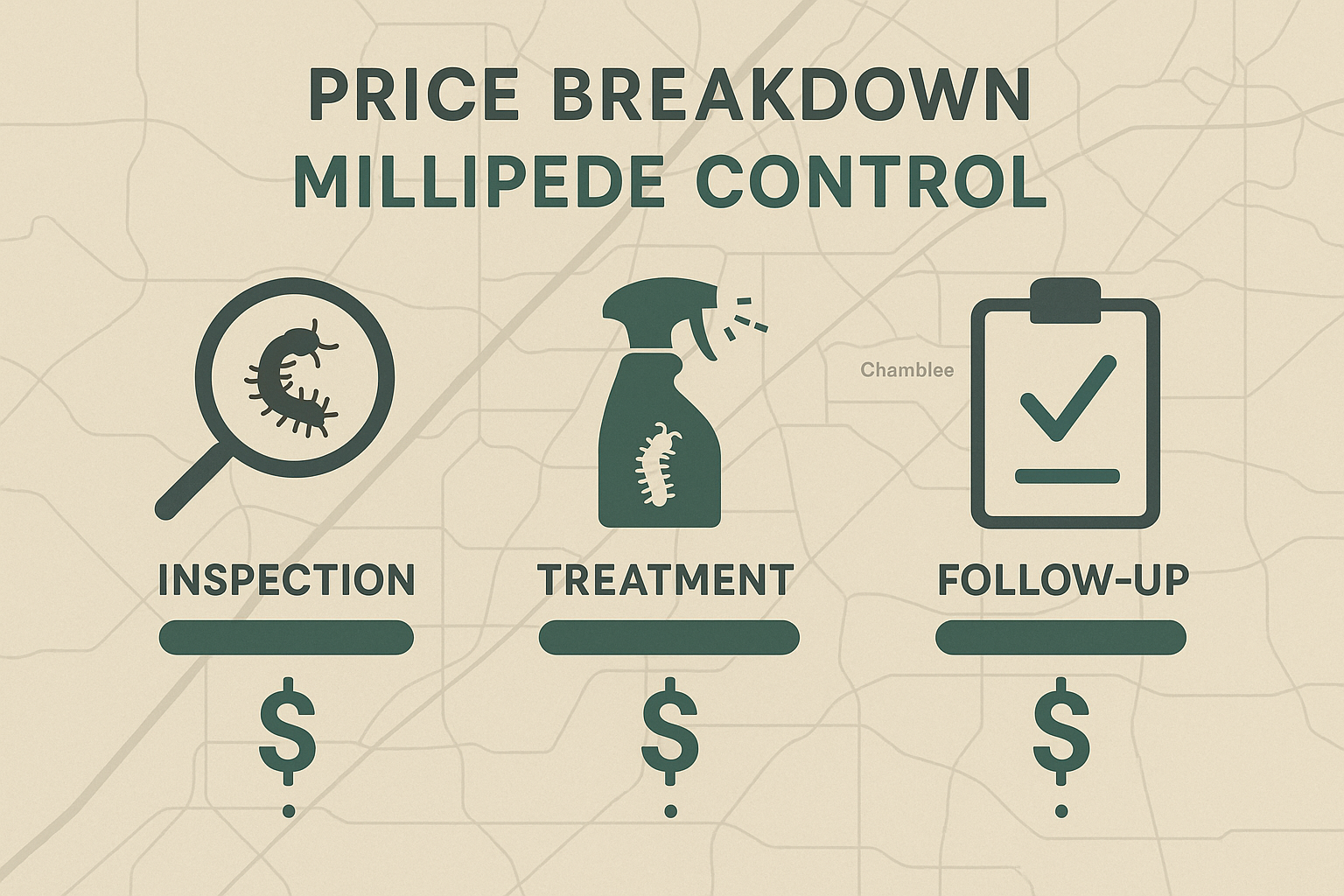
Before any treatment, Anthem Pest schedules a thorough on-site inspection to evaluate the millipede control cost Chamblee homeowners may expect based on the size of the property and infestation level. The standard fee ranges from $75 to $95. Most Chamblee residents find this charge waived when they book a treatment plan during the same visit, turning the inspection into a value-added service rather than an extra cost.
One‑Time Treatment
A single millipede eradication session is priced based on the home’s square footage. For a typical 1,500 sq ft residence, expect a cost between $180 and $260. Larger properties may see a modest increase, while compact homes often fall at the lower end of the range. The price includes:
- Professional application of EPA‑approved millipede control products
- Targeted treatment of entry points, foundations, and landscaping zones
- Post‑treatment walkthrough to verify effectiveness
Follow‑Up / Annual Plan
To keep millipedes from returning, most homeowners opt for a scheduled maintenance program. Each visit costs between $120 and $150, and the plan typically calls for 2–3 visits per year. These follow‑ups include:
- Re‑inspection of vulnerable areas
- Re‑application of preventative treatments
- Adjustment of barriers based on seasonal activity
Bundling visits into an annual contract often secures a small discount and guarantees priority scheduling during peak millipede season.
Neighborhood Examples
Pricing can shift slightly depending on the neighborhood’s layout and access challenges:
- North Chamblee (near I‑285) – Easy driveway access keeps costs at the baseline range.
- East Chamblee (near Peachtree Industrial Blvd) – Proximity to commercial zones may require extra perimeter treatment, adding roughly $15‑$25 per visit.
- Historic Downtown Area – Older homes with stone foundations sometimes need specialized sealants, nudging the one‑time treatment toward the higher end of the $260 range.
These adjustments are minor, but they reflect Anthem Pest’s commitment to tailoring solutions for each property’s unique characteristics.
Verify 2025 local millipede control cost statistics from Anthem Pest and Georgia Department of Agriculture.
Factors That Influence the Final Price
When you ask Anthem Pest Control for a quote, the number you see isn’t a random figure—it reflects the unique characteristics of your home and the level of protection you need. Understanding the variables that drive the cost helps you compare options confidently and avoid surprise fees later.
Property size
The larger the square footage, the more insecticide and labor are required. A modest 1,200‑sq‑ft cottage typically needs a single technician with a standard amount of product, while a 3,000‑sq‑ft two‑story house may demand extra crew time, additional spray lines, and more perimeter material. Because the price is calculated per square foot, every additional 500 sq ft can add roughly $30‑$45 to the bill.
Infestation severity
Millipedes are seasonal, but a heavy cluster that’s already inside walls or under decks will need more intensive work. Light infestations often respond to one perimeter treatment, whereas heavy infestations usually require a follow‑up application to break the life cycle. Each extra visit adds labor and product costs, typically $80‑$120 per treatment.
Treatment type
Homeowners can choose between a simple perimeter barrier and a full‑home Integrated Pest Management (IPM) program. A perimeter‑only plan creates a shield around the foundation and is the most budget‑friendly option. Full‑home IPM adds interior sprays, structural wood treatments, and ongoing monitoring, which raises the price but also reduces the chance of future millipede spikes. Adding structural treatments—such as treating crawl‑space joists—can increase the estimate by $100‑$150.
Seasonal discounts and bundled services
Concrete example
Imagine a 2,200‑sq‑ft home in Chamblee with a heavy millipede infestation. The homeowner opts for a full‑home IPM approach, including perimeter spray, interior treatment, and structural wood protection. Because the infestation is severe, the technician recommends two applications spaced three weeks apart. The base price for a property of this size is about $250. Adding the second treatment ($90) and structural work ($60) brings the subtotal to $400. If the homeowner takes advantage of a 10 % spring discount, the final invoice drops to roughly $360.
By breaking down each component—size, severity, treatment scope, and any discounts—you can see why two seemingly similar homes may receive different quotes. At Anthem Pest Control, we keep the pricing transparent so you know exactly what you’re paying for and why.
How Anthem Pest Guarantees Value
When you call a pest‑control company, price is only part of the story. Anthem Pest backs every millipede treatment with guarantees that turn a one‑time service into a lasting partnership. Below are the three ways the company adds value beyond the cost of chemicals.
Free on‑site inspection and detailed report
Before any spray or bait is applied, a certified technician visits your home at no charge. During the free on‑site inspection the expert checks the foundation, landscaping, and interior entry points for signs of millipedes and other pests. Within minutes you receive a written report that highlights hot spots, explains why millipedes are attracted to your property, and outlines the recommended treatment plan. A clear, written roadmap lets you see exactly what you’re paying for and eliminates surprise fees.
30‑day “no‑re‑infestation” guarantee
Anthem stands behind its work with a simple promise: if millipedes reappear within 30 days of the initial treatment, the company returns for a re‑treatment at no extra charge. The guarantee covers the original service area and any additional zones you added to the quote, so you’re protected even if you expanded coverage after the first visit. This policy pushes technicians to apply the correct dosage and target the right nesting sites the first time.
Included 30‑day follow‑up visit
Most packages automatically schedule a follow‑up inspection a month after the first application. During this visit the technician verifies that the population has stayed low, checks for new entry points, and offers tips for landscaping or moisture control that can keep millipedes from moving back in. Because the follow‑up is bundled into the price, you don’t have to budget for an extra callout.
Want to see the full list of services and read the fine print? Visit Anthem’s dedicated page for millipede control and discover how the guarantees fit into each treatment package.
Prevention Tips to Lower Future Costs
Keeping millipedes out of your home is often cheaper than treating an infestation after it’s taken hold. Simple, low‑cost adjustments around the foundation and yard can make your property far less inviting to these moisture‑loving critters, which in turn reduces the frequency of professional treatments.
1. Trim Back Excess Mulch and Decaying Matter
Millipedes love the cool, damp environment provided by thick layers of mulch, leaf litter, and rotting wood. Pull back mulch so it sits no closer than six inches from the foundation, and regularly rake away fallen leaves or compost piles that sit against the house. This removes their primary shelter and forces them to look elsewhere for food and moisture.
2. Seal Cracks, Gaps, and Utility Penetrations
Even the smallest opening can become a highway for millipedes. Inspect the perimeter for cracks in the foundation, gaps around windows, doors, and especially where pipes, cables, or vent pipes enter the home. Use a high‑quality silicone caulk for narrow seams and expanding spray foam for larger voids. A well‑sealed envelope leaves millipedes with nowhere to slip inside.
3. Keep Gutters and Downspouts Clear
Standing water in clogged gutters creates the damp conditions millipedes thrive on. Clean out leaves, twigs, and debris at least twice a year, and ensure downspouts direct water at least three feet away from the foundation. Adding a simple gutter guard can further reduce moisture buildup with minimal effort.
4. Manage Yard Moisture Through Smart Irrigation
Over‑watering lawns or garden beds raises soil moisture levels, inviting millipedes to the surface. Schedule irrigation early in the morning, allowing water to soak in and evaporate before nightfall. If you notice soggy spots, improve drainage with a French drain or a shallow grading adjustment to guide water away from the house.
5. Schedule Annual Inspections
One proactive visit from a licensed technician each year can catch early millipede activity before it escalates. During the inspection, professionals will look for hidden entry points, moisture problems, and signs of buildup, offering targeted recommendations that keep future costs low.
6. Follow NPMA Landscaping Guidance
According to the 2024 NPMA guidance, proper landscaping—such as keeping vegetation trimmed, avoiding dense ground cover near foundations, and maintaining good soil drainage—can reduce millipede entry by up to 30%. Implementing these best practices not only deters millipedes but also benefits overall yard health.
By integrating these straightforward steps into your routine home maintenance, you’ll create an environment that’s hostile to millipedes while saving money on repeated pest‑control treatments. For personalized advice or a professional inspection, give Anthem Pest Control a call at 877‑371‑8196 or visit anthempest.com.
Frequently Asked Questions
How long does treatment last?
Most homeowners in Chamblee see a protective window of four to six weeks after we apply a perimeter spray. The formulation creates a barrier that kills millipedes as they cross the treated zone, and the residual activity typically holds up through the humid summer months. If you enroll in an Integrated Pest Management (IPM) plan, we schedule follow‑up visits—usually every 30 days—so the barrier is refreshed before the chemicals lose potency. This approach not only extends protection but also reduces the total amount of product applied over the season. Rainfall within the first 24‑48 hours can wash away a portion of the spray, so we advise keeping the area dry if possible.
Are the chemicals safe for pets?
We only use EPA‑registered products that are classified as low‑toxicity for mammals. In practice, that means the active ingredients break down quickly and pose minimal risk when applied according to label directions. As a precaution, we ask that pets stay indoors for a few hours after the spray dries—typically two to four hours—just to avoid direct contact with wet residue. Once the surface is dry, the risk drops to background levels that are considered safe for cats, dogs, and even small wildlife. For more details on EPA‑registered products, see the EPA pesticide safety page. If you have a senior pet or a pet with respiratory issues, consult your veterinarian before the treatment.
Can I treat the problem myself?
DIY kits are available at big‑box stores, but they often miss the hidden entry points around foundations, crawl spaces, and landscaping where millipedes congregate. Moreover, many over‑the‑counter products are not EPA‑approved for the specific species found in Georgia, which can leave you with a false sense of security. A professional service like Anthem Pest Control follows strict EPA safety standards, applies the correct dosage, and maps out a comprehensive treatment plan that guarantees coverage. Professional technicians also wear protective gear and follow EPA‑mandated disposal procedures, which further protects your family and the environment. In short, you can try a home remedy, but you’ll likely spend more time and money chasing a problem that a licensed technician can resolve in one visit.
Local Resources & Further Reading
When you want to dive deeper into safe millipede control, these trusted resources are a great place to start. All links open in a new tab for easy access while you continue browsing our site.
- EPA – Pesticide Safety: Provides a comprehensive overview of EPA‑approved chemicals, label requirements, and best‑practice safety measures for homeowners and professionals alike. It’s the go‑to reference for understanding what products are legally permitted and how to apply them responsibly.
- National Pest Management Association (NPMA) – Pest Facts: Offers industry‑standard factsheets, including recommended treatment thresholds, integrated pest management (IPM) strategies, and guidance on selecting licensed exterminators. The NPMA’s data helps you gauge when professional intervention is warranted. The factsheets are updated annually to reflect new regulations and emerging control technologies.
- University of Georgia Extension – Pest Management Guide: Tailored specifically for Georgia homeowners, this guide covers seasonal pest activity, region‑specific control options, and environmentally conscious practices that work in the Chamblee area. It also includes printable checklists to help you track treatment dates and monitor results.
- American Society of Agricultural and Biological Engineers – Pest Control Education: Although broader in scope, this portal includes research‑backed articles on millipede biology, habitat preferences, and non‑chemical control methods that complement chemical treatments.
Bookmark these sites for quick reference, and feel free to share them with your family or neighbors who may also be seeking reliable information on pest management.
Making an Informed Decision Today
When you’re weighing millipede control options in Chamblee, the numbers matter as much as the results. The typical cost breakdown looks like this:
- Initial inspection and assessment: $0–$75, often waived when you book a treatment.
- Treatment application: $150–$300 per visit, depending on property size and severity.
- Follow‑up visits: $50–$100 each, usually bundled into a seasonal plan.
- Guarantee and warranty: Most Anthem Pest contracts include a 30‑day “no‑re‑infestation” guarantee at no extra charge.
Those figures are transparent, and they reflect more than just labor. They cover EPA‑approved products, protective equipment for our technicians, a written follow‑up schedule, and a pest‑identification guide—everything you need to stay ahead of future invasions. In short, you’re paying for a solution that protects both your yard and your property value. All of this is included in the quoted price, so you never encounter hidden fees.
Professional millipede control does more than eliminate the immediate nuisance. By targeting the insects before they establish breeding sites, you avoid costly damage to landscaping, foundation moisture issues, and the hidden expense of repeated DIY attempts. Homeowners who choose a licensed service report fewer repeat calls and enjoy a healthier outdoor environment year after year.
Ready to enjoy a millipede‑free yard without surprise costs? Our local experts are standing by to assess your home and tailor a plan that fits your budget. Call us today at 877‑371‑8196 for a free inspection and a personalized quote.