Proactive Pest‑Control Strategy Saves Money and Peace of Mind
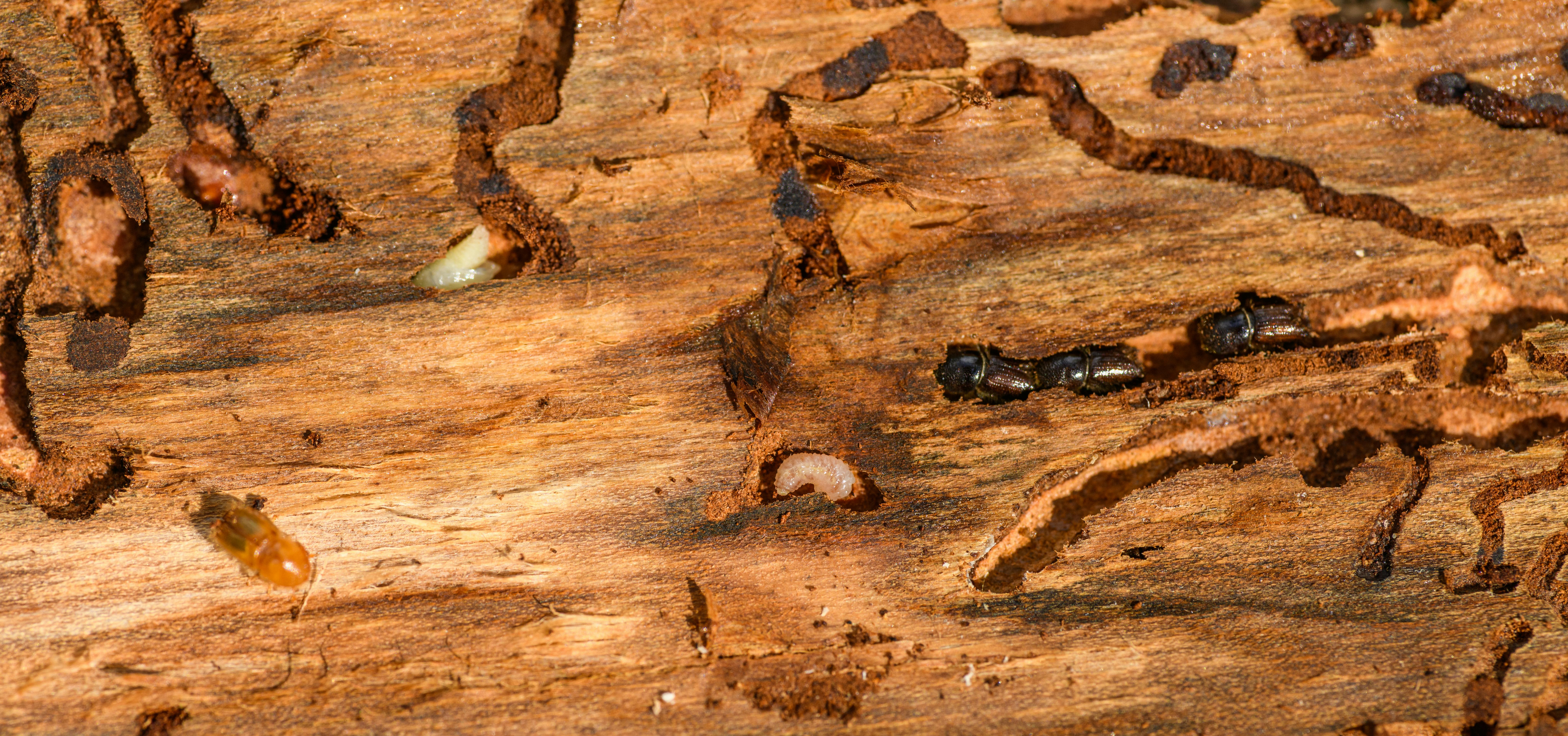
Proactive pest‑control means treating your home before insects, rodents, or other unwanted guests become a full‑blown infestation. Instead of reacting after damage appears, you schedule regular inspections and preventive treatments. This approach stops problems in their tracks, keeping repair bills and stress levels low.
Why waiting costs more
When a pest problem is ignored, the damage often spreads silently. Termites chew through structural wood, rodents gnaw wiring, and cockroaches leave behind allergens that trigger health issues. By the time you notice the signs, you’re likely facing:
- Property damage: costly repairs to walls, foundations, or electrical systems.
- Health risks: exposure to allergens, disease‑carrying insects, and contaminated food.
- Reduced resale value: buyers shy away from homes with pest histories, forcing lower offers.
Hidden costs in numbers
The U.S. Environmental Protection Agency estimates that homeowners collectively spend more than $5 billion each year on damage caused by pests. That figure includes repairs, medical expenses, and lost productivity—expenses that could be dramatically reduced with a preventive plan.
What’s coming next
In the sections that follow, we’ll break down the most common household pests, map out a seasonal calendar for targeted treatments, share DIY steps you can start today, and explain when it’s time to call a professional.
Anthem Pest Control’s promise
At Anthem Pest Control, we pair local expertise with transparent pricing. Our technicians know the regional pest pressures in your neighborhood, and we provide clear, upfront cost estimates so you never face surprise fees. By choosing a proactive strategy with us, you protect your home’s integrity, safeguard your family’s health, and keep your budget in check—giving you both financial savings and lasting peace of mind.
The Top Five Pests Every Homeowner Should Know
Termites
Termites rarely announce their presence, but a few tell‑tale clues can give them away. Look for mud‑like tubes skirting foundation walls or crawling up wooden siding—these are the highways termites build to stay moist. Inside walls, wood that sounds hollow when tapped or shows a honey‑comb pattern on a cut surface signals damage. In desert‑type suburbs such as Phoenix, activity peaks during the warm, dry months when colonies expand to find water.

NPMA 2023 statistic: One in five homes in the Southeast is affected by termites, underscoring the importance of early detection.
Quick tip: If you spot mud tubes or suspect wood damage, schedule a professional inspection within 48 hours. Early treatment can prevent structural loss and costly repairs.
Mosquitoes
Mosquitoes breed in standing water—think clogged gutters, birdbaths, or even a forgotten rain barrel. Their bite pattern is often a small, itchy red bump that appears in clusters around the ankles or wrists. In Tampa Bay, Florida, the summer months bring a surge of activity as warm temperatures accelerate the life cycle. Reducing water sources and installing screens are the first lines of defense.
Quick tip: Empty or treat any container holding water every 48 hours during summer. Use larvicide tablets in ornamental ponds and keep window screens intact to keep the buzz at bay.
Rodents
Rats and mice leave unmistakable evidence: dark, pellet‑shaped droppings near food sources, gnaw marks on wood, plastic, or wiring, and a faint, musky odor. Urban environments like the Bronx, New York, provide abundant food scraps and hidden entry points, making them hotspots for rodent activity year‑round. Look for shredded paper or insulation near baseboards—these are signs of nesting.
Quick tip: Seal gaps larger than ¼ inch, store food in airtight containers, and set snap traps or bait stations along walls. Call a professional if you notice droppings in multiple rooms.
Cockroaches
Cockroaches are nocturnal and thrive in humid conditions. In the Midwest, humidity spikes during spring and early summer trigger population surges. Common signs include oily smears in cabinets, egg casings in hidden corners, and a faint, musty odor. They prefer dark, moist places like under sinks, behind appliances, and in basements.
Quick tip: Reduce moisture by fixing leaks, run a dehumidifier, and keep countertops clear of food debris. Apply gel baits in cracks and crevices; replace them every 30 days during peak season.
Ants
Ants travel in well‑defined trails, leaving a silvery line of pheromones that other workers follow. Indoor foraging species—such as odorous house ants—often enter through foundation cracks to reach sugary foods. In the South, fire ants dominate outdoor areas, while carpenter ants target damp wood in the Pacific Northwest. Spotting a trail near a kitchen sink or pantry is a clear signal that an infestation is underway.
Quick tip: Wipe down surfaces to erase scent trails, seal entry points, and place bait stations near the trail’s origin. If the trail persists, a professional inspection can locate hidden nests.
Seasonal Pest Activity Calendar and Prevention Steps
Understanding when pests are most active lets you act before they become a problem. Below is a month‑by‑month guide that highlights the primary pests you’ll encounter across the United States and the key actions you can take to keep them out of your home.
| Month | Highlighted Pests | Primary Regions |
|---|---|---|
| January | Rodents (mice, rats) | Nationwide, especially colder climates |
| February | Rodents, early‑season ants | Nationwide |
| March | Termites (swarmers), spring‑emerging ants | Southeast, Gulf Coast |
| April | Termites, spider mites | Southeast, Midwest |
| May | Termites, mosquitoes (first bites) | Southern states, Gulf Coast |
| June | Mosquitoes, fire ants | Southern & Southwest |
| July | Mosquitoes (peak), stink bugs | Gulf Coast, Mid‑Atlantic |
| August | Mosquitoes, cockroaches | All warm climates |
| September | Mosquitoes, Asian lady beetles | Gulf Coast, Northeast |
| October | Stink bugs, rodents returning | Nationwide |
| November | Rodents, boxelder bugs | Nationwide |
| December | Rodents, winter‑active cockroaches | Nationwide |
Seasonal Prevention Checklist
- Winter (Dec‑Feb): Seal cracks around foundations, windows, and doors before the first freeze. Install door sweeps and weather‑stripping to block rodents seeking warmth.
- Early Spring (Mar‑Apr): Conduct a thorough inspection for termite swarmers. Trim back tree branches and shrubs that touch the house, reducing pathways for ants and spiders.
- Late Spring to Summer (May‑Aug): Eliminate standing water in gutters, birdbaths, and planters to curb mosquito breeding. Follow the CDC 2024 guidance on mosquito‑borne disease risk by using larvicides in high‑risk areas and wearing EPA‑approved repellents.
- Early Fall (Sep‑Oct): Reduce indoor humidity to 45‑50% with dehumidifiers, limiting cockroach and mold‑associated pest activity. Clean out leaf piles and store firewood away from the home’s exterior.
- Late Fall to Early Winter (Nov‑Dec): Perform a final exterior sweep: clear debris, seal any new gaps, and store outdoor furniture. Schedule a professional rodent exclusion service before temperatures dip.
Timing matters. Intervening before a pest reaches its peak can cut treatment costs by up to 30%, according to industry studies. Early sealing, vegetation management, and humidity control not only prevent infestations but also reduce the amount of pesticide needed later in the season.
At Anthem Pest Control, we align our service calendar with this activity guide so you receive the right protection at the right time—keeping your home safe, comfortable, and pest‑free year‑round.
DIY Prevention Checklist for Homeowners
Before you dial a professional, a few simple maintenance habits can dramatically reduce the likelihood of an infestation. By tackling moisture, vegetation, food sources, and structural gaps on a regular schedule, you create an environment that’s inhospitable to pests while also protecting your home’s value.
Home Drainage and Grading
Water pooling around the foundation is a magnet for termites, ants, and rodents. Ensure that gutters and downspouts direct rain at least six feet away from the house. If the soil slopes toward the foundation, re‑grade the area so it falls away at a 2‑to‑5 percent slope. Installing a French drain or a shallow trench with perforated pipe can further divert groundwater, keeping basement walls dry and deterring moisture‑loving pests.
Vegetation Clearance Distances
Plants, shrubs, and tree branches that touch or hover close to the exterior walls act as bridges for insects and rodents. Keep all vegetation trimmed at least two feet from the foundation and prune tree limbs to clear a ten‑foot radius above windows and doors. This creates a clear buffer zone, eliminates shade that encourages nest building, and improves air circulation around the house.
Food Storage Best Practices and Waste Management
Even a crumb in the pantry can attract cockroaches or ants. Store dry goods in sealed, airtight containers and promptly clean up spills. Keep garbage cans sealed with tight‑fitting lids and take out trash at least once a week, or more often during hot weather. Compost bins should be positioned far from the home and maintained with a secure lid to prevent rodents from making a habit of your yard.
Regular Exterior Inspections
Make a habit of walking the perimeter of your home each month. Look for cracks in siding, gaps around utility penetrations, and damaged flashing. Pay special attention to areas where water has stained or warped wood—these are early signs of moisture intrusion. Seal any openings with silicone caulk or expandable foam before pests can exploit them.
Checklist: Weekly & Monthly Tasks
- Weekly
- Empty and clean garbage cans; replace liners.
- Inspect kitchen counters and floor for crumbs; sweep/vacuum.
- Check exterior drains for debris and clear as needed.
- Monthly
- Trim vegetation to maintain a 2‑foot clearance from the foundation.
- Examine gutters and downspouts; remove leaves and ensure water flow.
- Walk the house exterior, sealing cracks, gaps, and entry points.
- Verify that grading slopes away from the home; adjust soil if water pools.
Cost‑Saving Example
Sealing entry points isn’t just a pest‑proofing measure—it’s a financial one. According to the U.S. Environmental Protection Agency, homeowners who proactively seal cracks and gaps can cut their annual pest‑control expenses by up to 30 %. That reduction translates to hundreds of dollars saved each year, especially when combined with the other low‑cost steps outlined above.
What to Expect from a Licensed Pest‑Control Service

Treatment Options You’ll See on the Job
When a certified technician arrives, the first thing you’ll notice is a clear explanation of the chosen treatment method. Licensed services typically rotate among four proven strategies, each tailored to the pest type and the structure’s layout:
- Chemical Barrier: A perimeter spray creates a long‑lasting shield that stops termites, ants, and crawling insects before they breach the foundation.
- Baiting Systems: Stations placed in walls, crawl spaces, or around landscaping release a slow‑acting attractant that workers carry back to the colony, effectively eliminating the source.
- Heat Treatment: For bed bugs or hidden infestations, technicians raise interior temperatures to 120‑130 °F for several hours, killing pests without chemicals.
- Biological Controls: Beneficial nematodes or microbial agents are released into soil or voids to target pests like grubs or fungus‑gnats while preserving the surrounding ecosystem.
Each method is presented with pros, cons, and an estimated duration, so you can make an informed decision rather than being sold a one‑size‑fits‑all solution.
Safety First: How Professionals Protect Your Home and Family
Safety isn’t an afterthought—it’s built into every step of a licensed service. Technicians follow strict protocols that keep occupants, pets, and the environment out of harm’s way:
- Only low‑toxicity, EPA‑registered pesticides are used, meaning they meet rigorous federal safety standards.
- Products are applied with calibrated equipment that limits drift and ensures precise coverage.
- All technicians wear protective gear—gloves, goggles, and respirators—when handling chemicals.
- Pre‑treatment briefings explain which areas should be vacated, how long to wait before re‑entering, and any post‑treatment ventilation steps.
These safeguards give homeowners confidence that the cure isn’t worse than the problem.
Transparent Pricing – What the Numbers Mean
One of the biggest frustrations for homeowners is hidden fees. A reputable, licensed provider breaks down costs up front, letting you compare services without surprises. Below is a snapshot of typical price ranges you’ll encounter from Anthem and other industry players.
| Service | Typical Cost Range | What’s Included |
|---|---|---|
| Termite Inspection | $75 – $125 | Comprehensive visual and moisture meter assessment, detailed report, and treatment recommendation. |
| Full Termite Treatment (Barrier + Bait) | $1,200 – $3,500 | Perimeter chemical barrier, bait stations, and a 5‑year warranty on structural protection. |
| Mosquito Yard Service (Seasonal) | $99 – $199 per season | Targeted larvicide applications, adult mosquito fogging, and a follow‑up inspection. |
All estimates are provided after the initial inspection, and any additional work—such as unexpected hot spots—will be discussed before any extra charges are applied.
Real‑World Savings: Austin, TX Family Case Study
In Austin, a family faced recurring termite damage that had already cost them over $5,000 in repairs. After a thorough inspection, Anthem installed a pre‑emptive chemical barrier and a series of bait stations. The comprehensive approach prevented a full‑scale infestation, saving the household an estimated $2,400 in avoided treatment and structural repairs. You can read the full story here.
Why Anthem Stands Out: 24‑Hour Response and Nationwide Licensing
Even the best‑planned prevention can be interrupted by an unexpected surge—think a sudden ant invasion after a rainstorm. Anthem’s dedicated 24‑hour response line means a licensed technician is on call, ready to assess and act within hours, not days. Because every state has its own licensing requirements, Anthem maintains a roster of fully certified professionals in every market it serves, guaranteeing that the same high standards apply whether you’re in a suburban Texas neighborhood or a coastal Florida community.
How to Vet a Local Pest‑Control Provider
Choosing a pest‑control partner is more than picking the lowest price. A reliable provider protects your home, your health, and your wallet.
Quick Vetting Checklist
Start with this five‑point checklist to separate reputable companies from fly‑by‑night operators.
- Valid state licensing – confirms the company meets local regulations and can legally treat pests.
- EPA‑approved certification – guarantees the chemicals used are vetted for safety and effectiveness.
- Full insurance coverage – protects you from liability if a technician is injured on your property.
- Verified customer reviews – look for consistent five‑star feedback on independent platforms, not just the company’s website.
- Clear service guarantees – a written promise of follow‑up visits or refunds if the problem persists.
Why Anthem Pest Stands Out
Anthem Pest Control checks every box on that list and then some. We hold active licenses in all 50 states, so no matter where you call, our technicians are fully authorized to work. Every treatment uses EPA‑approved products, giving you the confidence that the chemicals are both safe for your family and proven to eliminate pests. Our operations are fully insured, and we back every job with a 24‑hour response line that guarantees you’ll never wait days for a follow‑up.
What Real Customers Say
“Anthem arrived within an hour, identified the ant trail, and had it gone by the next day. Their team was courteous, and the results speak for themselves.” – Sarah L., Charlotte, NC
Comparing Quotes & Asking the Right Questions
When you’ve narrowed the field, request written quotes that break down labor, products, and any follow‑up visits. Compare not just the bottom line but the scope of work—does the provider include a thorough inspection, a customized treatment plan, and a warranty? Ask specific questions such as: “What EPA‑approved chemicals will you use?” and “How long will the treatment remain effective?” A reputable company will answer confidently, provide proof of insurance, and never pressure you into unnecessary add‑ons. Use the checklist as a scoring sheet; the provider with the highest total is usually the safest bet.
Secure Your Home with Anthem Pest Control Today
Throughout this guide we’ve highlighted the power of early pest identification, the importance of timing treatments to seasonal patterns, simple DIY steps you can take now, and why partnering with a professional service is the smartest long‑term strategy. By catching signs early—whether it’s tiny ant trails in the kitchen or a faint rustling in the attic—you give yourself a head start. Acting during peak activity periods, such as spring for termites or summer for mosquitoes, maximizes the effectiveness of any intervention. And while DIY prevention (like sealing cracks and removing standing water) can keep the numbers low, a trained technician brings the expertise, equipment, and guarantees that home‑based solutions simply cannot match.
Protect your home, protect your family—let the experts handle the pests.
That simple promise is the foundation of Anthem Pest Control’s service philosophy. Our locally trained teams know the pests that thrive in your neighborhood, and we use EPA‑approved products that are safe for children and pets. Transparent pricing means you’ll never be surprised by hidden fees, and our satisfaction guarantee ensures the job is done right the first time.
Take the next step toward a pest‑free home
Ready for a professional, no‑obligation inspection? Our specialists will assess your property, pinpoint vulnerabilities, and outline a customized prevention plan—all at no cost to you. We’ll walk you through every recommendation, explain the science behind each treatment, and provide a clear, upfront quote before any work begins.
Call us today at 877‑371‑8196 or visit Anthem Pest Control to schedule your free inspection. Let us give you the peace of mind that comes from knowing your home is protected by the nation’s most trusted pest experts.