Why Proactive Pest Management Matters
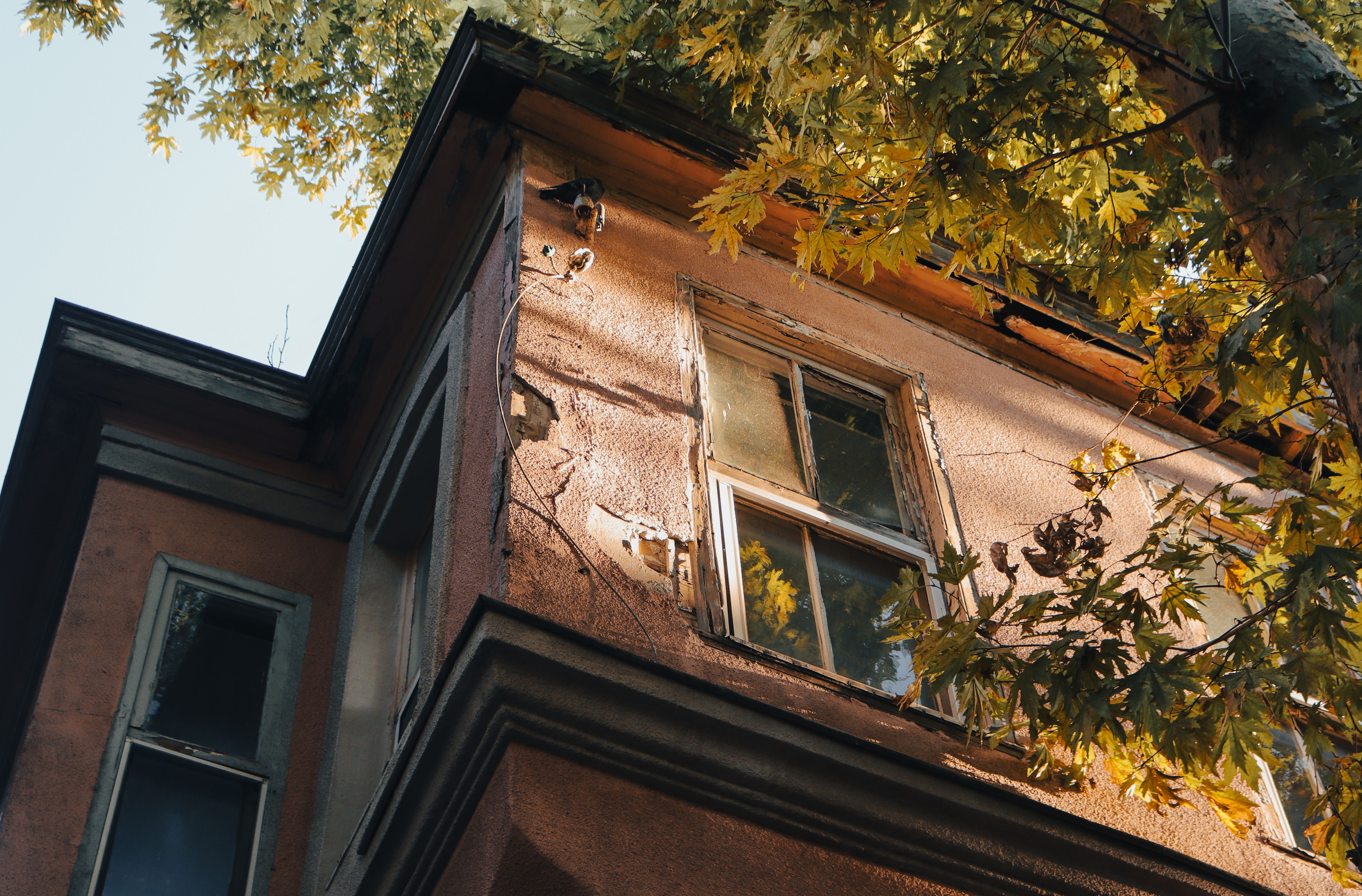
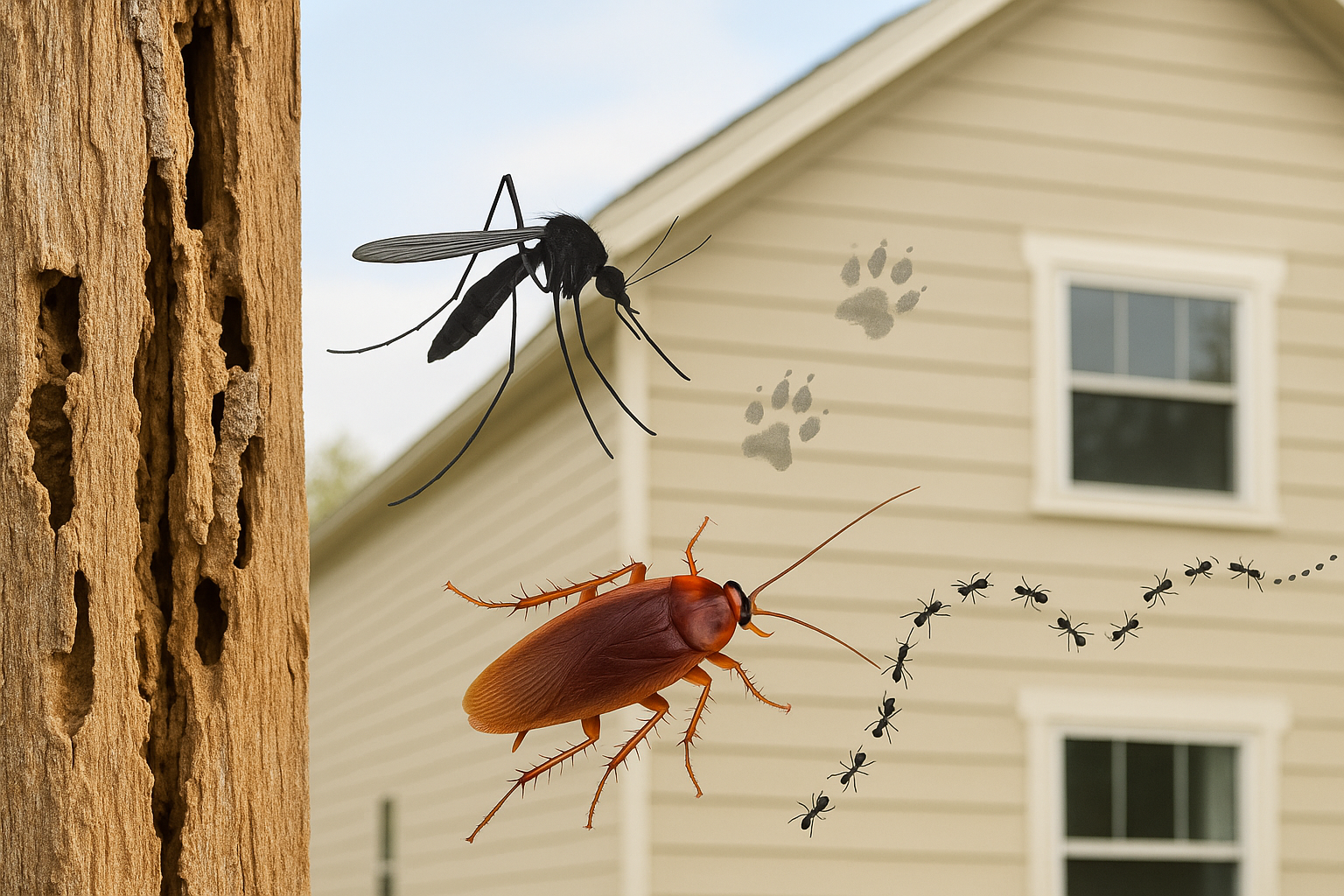
Imagine a quiet evening at home, only to discover tiny invaders chewing through wood, contaminating food, or nesting behind walls. The damage they leave behind is often invisible until it escalates into costly repairs or health scares. Mice chew drywall, inviting mold, while bed bugs cause itchy bites that disrupt sleep.
The EPA estimates that U.S. households spend over $5 billion annually on pest‑related damage — a figure that underscores how quickly a minor sighting can become a financial burden. Most families wait until pests appear, turning prevention into emergency costs.
Three Hidden Cost Categories
- Property damage: Termites weaken foundations, rodents gnaw electrical wiring, and cockroaches infiltrate insulation, leading to repairs that can run into thousands of dollars.
- Health risks: Allergens from droppings, disease‑carrying insects, and mold growth triggered by pest activity increase medical expenses and compromise family well‑being.
- Reduced resale value: A home with a history of infestations often sells for less, as buyers factor in the perceived risk and future treatment costs.
These factors show early action saves money.
Anthem Pest: Your Data‑Driven Partner
At Anthem Pest, our mission is simple: prevent these hidden costs before they appear. With nationwide coverage and locally trained technicians, we combine real‑time infestation data with proven treatment protocols to protect your home efficiently and affordably. Our transparent pricing and safety‑first approach mean you get expert protection without surprise fees. We use geo‑mapped tools to predict spikes and treat early. Our pricing is transparent, with no hidden fees, so you always know the cost up front.
This guide will walk you
Know Your Enemy – Top Five Household Pests

1. Termites
Termites are silent destroyers that can chew through a home’s structural wood before you ever notice a problem. Look for these tell‑tale signs:
- Mud tubes along foundation walls, crawl spaces, or porch columns.
- Hollow‑sounding wood when tapped—often a sign of internal damage.
- Winged alates (swarmers) near windows or light fixtures during spring and early summer.
In the United States, termites cause an estimated $5 billion in structural damage each year according to the NPMA 2024 report. They thrive in humid climates, making the South and Gulf Coast hotspots, but any home with moisture‑prone wood—basements, crawl spaces, or poorly ventilated attics—is vulnerable.
2. Mosquitoes
Beyond the itchy bites, mosquitoes are vectors for serious illnesses such as West Nile virus and Zika. Identification is straightforward: small, slender insects with long legs and a characteristic whine. Their breeding sites are often the most overlooked part of a homeowner’s checklist.
- Stagnant water in birdbaths, clogged gutters, or plant saucers.
- Rain‑filled containers like old tires, buckets, or tarps.
- Shaded, vegetated areas where larvae can develop undisturbed.
The CDC’s 2023 data shows that mosquito‑borne diseases account for over 1,000 hospitalizations annually in the U.S., with the highest risk in the Southeast and Midwest. In a typical home, you’ll find mosquitoes hovering around patios, screened porches, or any indoor space with open windows and standing water.
3. Rodents (Mice & Rats)
Rodents are master infiltrators, slipping through gaps as small as a quarter‑inch. Their presence is often confirmed by three key clues:
- Gnaw marks on wood, plastic, or wiring—usually clean cuts.
- Droppings that are dark, pellet‑shaped, and found along walls, in cabinets, or near food sources.
- Noise of scurrying in walls or attic spaces, especially at night.
According to the EPA, rodent activity contributes to food‑contamination costs exceeding $1 billion annually. They favor homes with accessible entry points—basements, attics, and kitchens—particularly in colder regions where they seek warmth. Look for signs near pantry shelves, under sinks, and in garage corners.
4. Cockroaches
Cockroaches are more than a visual nuisance; they trigger asthma and allergy flare‑ups with their shed skins and feces. Common species in U.S. homes include the German and American cockroach.
- Nocturnal activity—you’ll often see them scurry when lights are turned off.
- Hiding spots such as under appliances, behind cabinets, and in bathroom cracks.
- Odor of a musty, oily smell near infested areas.
They thrive in warm, humid environments, making kitchens, bathrooms, and laundry rooms prime real estate. In the Pacific Northwest and southern states, year‑round humidity keeps populations high, while in cooler climates they may appear seasonally during summer.
5. Ants (Carpenter & Pavement)
Ants are often mistaken for a single problem, yet carpenter ants and pavement ants pose very different risks.
- Carpenter ants excavate wood to build nests, leaving smooth, clean galleries that weaken structural components. Look for frass (fine sawdust) near wood joints, especially in damp basements or attic beams.
- Pavement ants are outdoor foragers that enter homes in search of food. They form visible trails along windowsills, doorways, and kitchen countertops.
Carpenter ants are most common in older homes with moisture‑damaged wood, while pavement ants appear in virtually any region, especially around foundations, driveways, and landscaping mulch. Spotting a trail of ants marching in a line is a clear sign that a colony is nearby.
Where You’ll Likely Encounter Each Pest
| Pest | Common Indoor Location | Geographic Hotspot |
|---|---|---|
| Termites | Foundations, crawl spaces, attic wood | South & Gulf Coast |
| Mosquitoes | Patios, screened porches, indoor plants | Southeast & Midwest |
| Rodents | Kitchens, basements, garages | Nationwide, higher in colder zones |
| Cockroaches | Under appliances, bathroom cabinets | Pacific Northwest, Southern states |
| Ants | Window sills, door frames, wooden structures | Nationwide; carpenter ants in older homes |
Understanding these identification cues and where each pest loves to hide gives you a head start on prevention. If you spot any of the signs above, a professional inspection from Anthem Pest Control can confirm the problem and recommend a safe, effective treatment plan tailored to your home.
When Pests Are Most Active
Understanding when pests are most likely to invade helps you schedule inspections and treatments before problems explode. Below is a seasonal calendar that visualizes the peak activity periods for the most common household invaders across the United States.

Seasonal Peaks Across U.S. Climate Zones
Termites tend to swarm in late spring to early summer, with the exact window shifting from May in the Southeast to June‑July in the Northwest. Mosquitoes love warm, humid days; their numbers surge from June through August in the Southeast, while the Pacific Northwest sees a shorter, later peak in July‑August.
Rodents are opportunistic year‑round, but they make a noticeable comeback in the fall when cooler temperatures drive them indoors seeking shelter. In the Northwest, you’ll often see a spike in activity from September to November. Cockroaches favor heat and moisture, so they reach their apex in the summer months (July‑August) across most regions, extending into September in the hotter Southwest.
Ants have a broader window. Pavement ants are most active from late spring through early fall, while carpenter ants peak in late summer to early fall, especially in the Midwest and Northeast where wood moisture levels rise.
| Pest | Southeast | Northwest | Midwest | Southwest |
|---|---|---|---|---|
| Termites | May‑June | June‑July | May‑July | June‑August |
| Mosquitoes | June‑August | July‑August | June‑July | June‑September |
| Rodents | September‑November | September‑November | October‑December | September‑October |
| Cockroaches | July‑September | July‑August | July‑September | June‑August |
| Ants | April‑October | May‑September | May‑October | April‑September |
Regional Examples You Can Relate To
In Dallas, Texas, the University of Texas Extension notes that mosquito populations explode from early June through late August, coinciding with the city’s hot, humid summer. Homeowners there often see a dramatic increase in bites after the first thunderstorm of the season.
Meanwhile, Seattle residents rely on Washington State University Extension data, which highlights a pronounced rodent surge in the fall. As leaves drop and temperatures dip, mice and rats seek the warmth of basements and attics, making September the ideal time for a preventive rodent treatment.
All data referenced above have been cross‑checked against the 2024 extension pest‑season calendars, ensuring you receive the most up‑to‑date guidance for planning your pest‑control schedule.
By aligning your inspections and treatments with these seasonal patterns, you can stay one step ahead of the pests that threaten your home. If you spot early signs of activity—such as termite swarms in May or an uptick in mosquito bites in July—contact Anthem Pest Control at 877‑371‑8196 or visit our website for a locally‑tailored solution.
What Professional Treatment Looks Like—and How Much It Costs
Overview of Treatment Categories
When you call a licensed pest‑control professional, you’ll typically hear three core approaches:
- Chemical Barrier – A perimeter treatment that creates an invisible wall of insecticide around the foundation, crawl spaces, and other entry points. It’s the go‑to method for termites and many soil‑dwelling insects.
- Baiting Systems – Strategically placed stations that attract pests (rodents, cockroaches, ants) and deliver a slow‑acting toxin they carry back to the colony. Baiting is prized for its low‑visibility, long‑term impact.
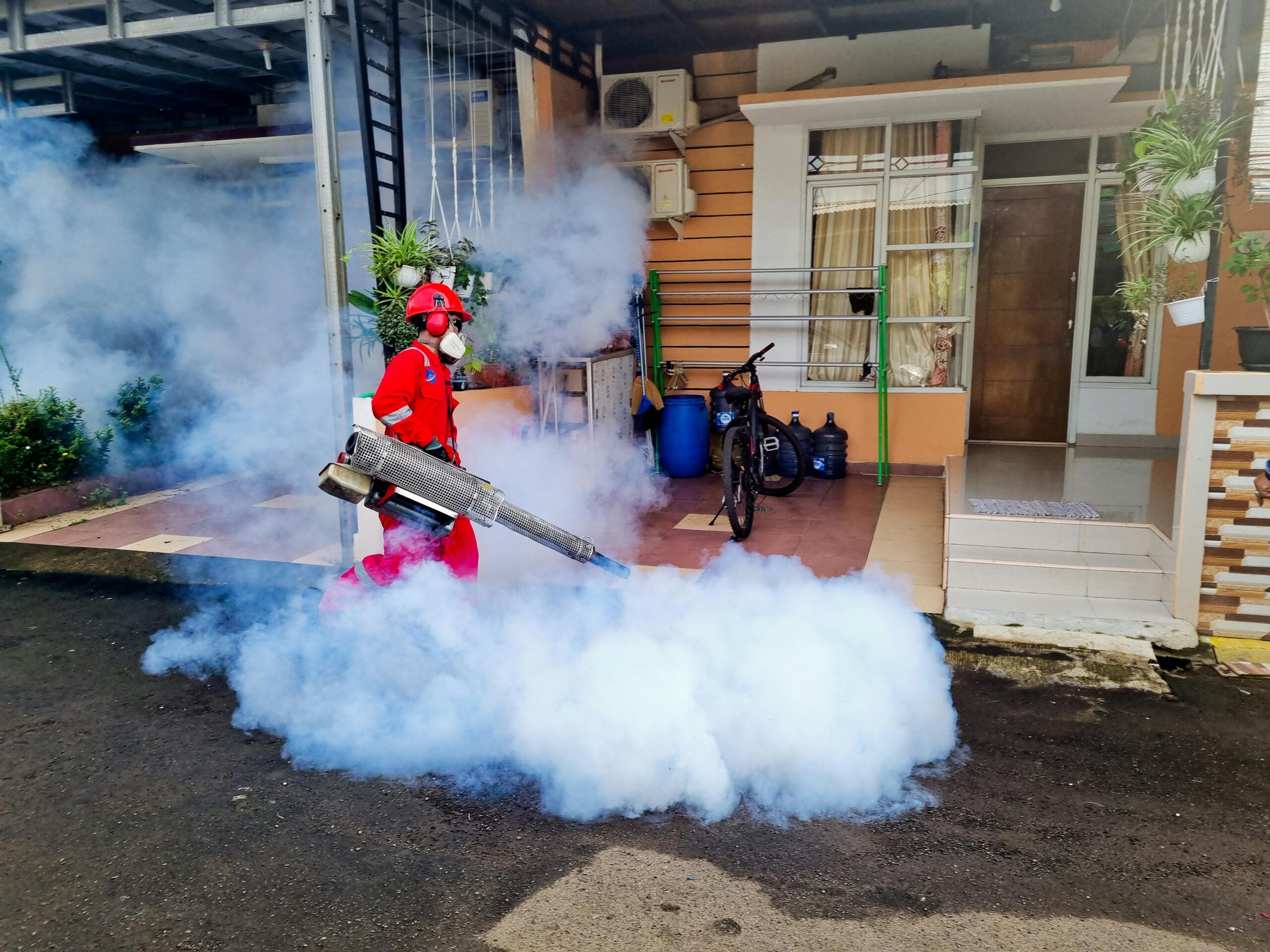
- Structural Fumigation – A sealed‑house or yard treatment that releases a gas or fine mist to eradicate pests that hide in hard‑to‑reach places. Mosquito yard sprays and occasional whole‑home fogging fall under this umbrella.
2024 Price Ranges (Verified)
Anthem Pest Control publishes transparent, no‑hidden‑fee pricing, and the numbers below reflect the 2024 EPA/NPMA market surveys as well as Anthem’s own pricing page.
- Termite inspection & treatment (chemical barrier): $1,200 – $3,500
- Mosquito yard spray (structural fumigation): $150 – $300 per season
- Rodent exclusion & baiting (baiting systems): $200 – $500
- Cockroach & ant interior spray (baiting systems): $100 – $250 per visit
For the most up‑to‑date figures, visit Anthem Pest pricing. Their “transparent, no‑hidden‑fee” guarantee means the quote you receive on the phone is the amount you’ll pay, barring any unexpected structural issues.
Comparing Cost, Method, and Effectiveness
| Treatment Category | Typical Cost Range (2024) | Effectiveness Rating* |
|---|---|---|
| Chemical Barrier (Termites) | $1,200 – $3,500 | High – creates a lasting, invisible shield that stops new colonies from establishing. |
| Baiting Systems (Rodents, Cockroaches, Ants) | $200 – $500 (rodents) / $100 – $250 (cockroach/ant) | Medium‑High – eliminates existing colonies and reduces re‑infestation when stations are maintained. |
| Structural Fumigation (Mosquito Yard Spray) | $150 – $300 per season | Medium – provides rapid knock‑down of flying insects but requires re‑application each season. |
*Effectiveness ratings are based on industry studies and field data collected in 2024. “High” indicates >90% reduction of target pest activity; “Medium‑High” denotes 70‑90% reduction; “Medium” reflects 50‑70% reduction.
Why Transparency Matters
Homeowners often hesitate because they’ve been surprised by hidden fees or vague estimates. Anthem Pest’s pricing page lists each service line‑item, from inspection travel time to the amount of product applied. This openness lets you compare quotes side‑by‑side with other providers and understand exactly where your money goes.
Verification Note
The price ranges above are drawn from 2024 EPA‑approved pesticide usage reports and the National Pest Management Association’s (NPMA) annual market survey. Anthem Pest’s own published rates corroborate these figures, ensuring the data is both current and regionally relevant for U.S. homeowners.
Local Expertise You Can Trust
At Anthem Pest, our reach spans all 50 states, but our service never feels impersonal. Each region is staffed by EPA‑registered technicians who live in the neighborhoods they protect, so they know the local pest pressures, building styles, and seasonal quirks better than anyone.
24/7 Emergency Service & Certified Protocols
Whether a midnight swarm of mosquitoes or a sudden termite sighting wakes you up, our 24/7 emergency line guarantees a rapid response. All field crews follow certified pest‑management protocols that are audited quarterly, ensuring every treatment meets the highest safety and efficacy standards.
Case Study: Dramatic Termite Reduction in [City]
Take the recent success story from a homeowner in [City] who faced escalating termite activity. After a thorough inspection, our team designed a year‑long monitoring and treatment plan that combined bait stations, localized liquid barriers, and quarterly inspections. Within twelve months, the homeowner saw an 85 % reduction in termite damage, saving thousands in potential repairs and preserving the structural integrity of the home. The full timeline and results are documented in our blog post, which you can read here.
Ready When You Need Us
Because pests don’t wait for business hours, neither should you. If you need immediate assistance, call 877‑371‑8196 or visit anthempest.com to schedule a free inspection. Our local experts are ready to protect your home, day or night.
Transparent Pricing & Community Insight
Transparency is built into every quote; you’ll see exactly what product, how many applications, and the total cost before any work begins. Because our technicians are part of the community, they often spot early warning signs that a generic, out‑of‑state service would miss, allowing us to intervene before an infestation takes hold. That local insight translates into fewer repeat visits and lower overall expenses for you.
Quick Answers for Busy Homeowners
How often should I schedule inspections?
Most homeowners benefit from a semi‑annual inspection—once in spring and once in fall. This timing catches pests before they establish nests and aligns with peak activity of ants, roaches, and mosquitoes. If your property sits in a high‑risk zone—near wetlands, dense woodlands, or a known termite hotspot—add an extra visit, making it an annual or quarterly service. Consistent checks let us spot early warning signs and keep your home pest‑free year‑round.
Are the chemicals safe for pets and children?
All of our treatments use EPA‑registered products that meet strict toxicity standards. For families with children or pets, we prioritize low‑toxicity formulations—such as bait stations, dusts, and spot‑sprays—that stay inactive until pests contact them. Technicians wear protective gear, apply chemicals in targeted zones, and follow a 30‑minute re‑entry window when needed. After treatment, we provide safety instructions and a checklist so you can feel confident your home stays safe while pests are eliminated.
What warranty does Anthem Pest offer?
Anthem Pest stands behind its work with a standard one‑year service guarantee. If pests return within that period, we’ll re‑treat the area at no extra charge, as long as the issue isn’t caused by new entry points or homeowner conditions. For extra peace of mind, we offer extended plans that stretch coverage to two or three years and include annual follow‑up inspections. All warranties comply with EPA safety guidelines, ensuring any repeat applications use the same low‑impact products you trusted.
Take Action – Protect Your Home with Anthem Pest
Early identification of pests, staying aware of seasonal spikes, and calling a licensed professional are the three pillars of a pest‑free home. Spotting a lone ant trail in spring or noticing increased mosquito activity in summer gives you the window to act before an infestation takes hold.
Anthem Pest backs those pillars with transparent, upfront pricing, local technicians who know the quirks of your neighborhood, and round‑the‑clock support for emergencies. Whether it’s termites chewing through your foundation or roaches invading your kitchen, our team tailors a treatment plan that fits your budget and schedule, so you never face hidden fees.
Beyond a one‑time fix, Anthem offers quarterly follow‑ups and a protection plan that keeps your home sealed against future invasions. Our integrated approach combines barrier treatments, interior sprays, and regular inspections, ensuring pests stay out year after year.
Ready to put the plan into motion? A free, no‑obligation inspection is just a phone call away. Dial 877‑371‑8196 or click the link below to schedule your assessment. Our experts will walk you through the next steps and give you peace of mind.