Why Fast Rat Extermination Matters in Vinings
Vinings blends tightly packed single-family homes with leafy parks, walking trails, and the Chattahoochee River’s riparian corridor. Those green pockets are a magnet for rats seeking shelter, food, and water. When a rodent finds a convenient entry point—often a small gap around a pipe or a cracked foundation—it can quickly turn a quiet cul-de-sac into a bustling infestation, which is why contacting a professional rat exterminator Vinings homeowners trust is often the fastest way to stop the problem before it spreads.

A swift response is more than a convenience; it’s a protection strategy. Rats gnaw on wood, insulation, and electrical wiring, which can compromise structural integrity and create fire hazards. Their droppings and urine carry pathogens that trigger diseases such as leptospirosis, hantavirus, and salmonellosis. The CDC estimates that 7,000 – 10,000 rat‑related disease cases occur each year in the United States [CDC]. By acting within hours, homeowners can stop damage before it becomes costly repairs or a health emergency.
Local data underscores the urgency. A recent Vinings neighborhood report documented a 15 % rise in rodent complaints over the past six months, with many residents noting that the problem escalated dramatically after a single sighting. The trend reflects both the attractiveness of the area’s green spaces and the speed at which rats reproduce—one pair can produce up to 2,000 offspring in a year if left unchecked.
That’s where Anthem Pest steps in. We understand Vinings’ unique layout, from the historic homes near the Vinings Overlook to the newer developments bordering the golf course. Our 24‑hour response promise means a certified technician will be at your door the same day you call, armed with proven baiting, trapping, and exclusion techniques. We don’t just eliminate the current infestation; we seal entry points and advise on sanitation practices to keep rats from returning.
Choosing a local partner with rapid, reliable service gives Vinings homeowners peace of mind. Fast rat extermination protects your family’s health, preserves the value of your property, and prevents the ripple effect of a small problem becoming a neighborhood crisis. With Anthem Pest’s around‑the‑clock availability, you have a trusted ally ready to act the moment a rat is spotted.
The Vinings Rat Landscape
Primary Species
In Vinings, the two rat species you’ll most likely encounter are the Norway rat (Rattus norvegicus) and the roof rat (Rattus rattus). Norway rats prefer ground‑level habitats, nesting in burrows, under decks, or inside crawl spaces. Roof rats are arboreal, favoring elevated sites such as attics, trees, and the tops of fences. Both species thrive in residential settings, but they differ in the way they infiltrate your home and the signs they leave behind.
Why Vinings Attracts Rats
The mild, humid climate of Cobb County creates a year‑round food supply and shelter for rodents. In Vinings, several local features amplify this advantage:
- Storm drains—their underground networks provide cool, damp tunnels that mimic natural burrows.
- Compost piles—organic waste releases a steady scent of food, drawing foraging rats.
- Pet food left outdoors—even a small bowl can become a nightly banquet.
- Dense landscaping—shrubs, mulch, and leaf litter offer cover from predators and harsh weather.
Combined, these conditions turn an ordinary neighborhood into a veritable rat oasis, especially during the cooler months when rodents seek warmth inside homes.
What the Numbers Say
According to the EPA’s rodent‑control data, urban areas of Georgia average roughly 15–20 rats per acre. In densely populated districts like Vinings, the density can climb higher due to the abundance of the micro‑habitats listed above. This statistical backdrop explains why homeowners often notice increased droppings, gnaw marks, and noisy activity during spring and fall.
Neighborhood Comparisons
When we look at nearby communities, the rat activity pattern shifts subtly:
- West Cobb—similar climate but fewer storm‑drain networks, resulting in a slightly lower rat density (about 12–14 rats per acre).
- Druid Hills—older homes with extensive tree canopies favor roof rats, pushing the proportion of arboreal sightings to 60% of total captures.
- Smyrna—a mix of commercial zones and newer housing leads to a balanced presence of both species, though commercial waste management often spikes temporary population spikes.
Understanding these nuances helps Vinings homeowners anticipate where rats are most likely to appear and choose the right prevention strategy before an infestation takes hold.
Red Flags in Your Home
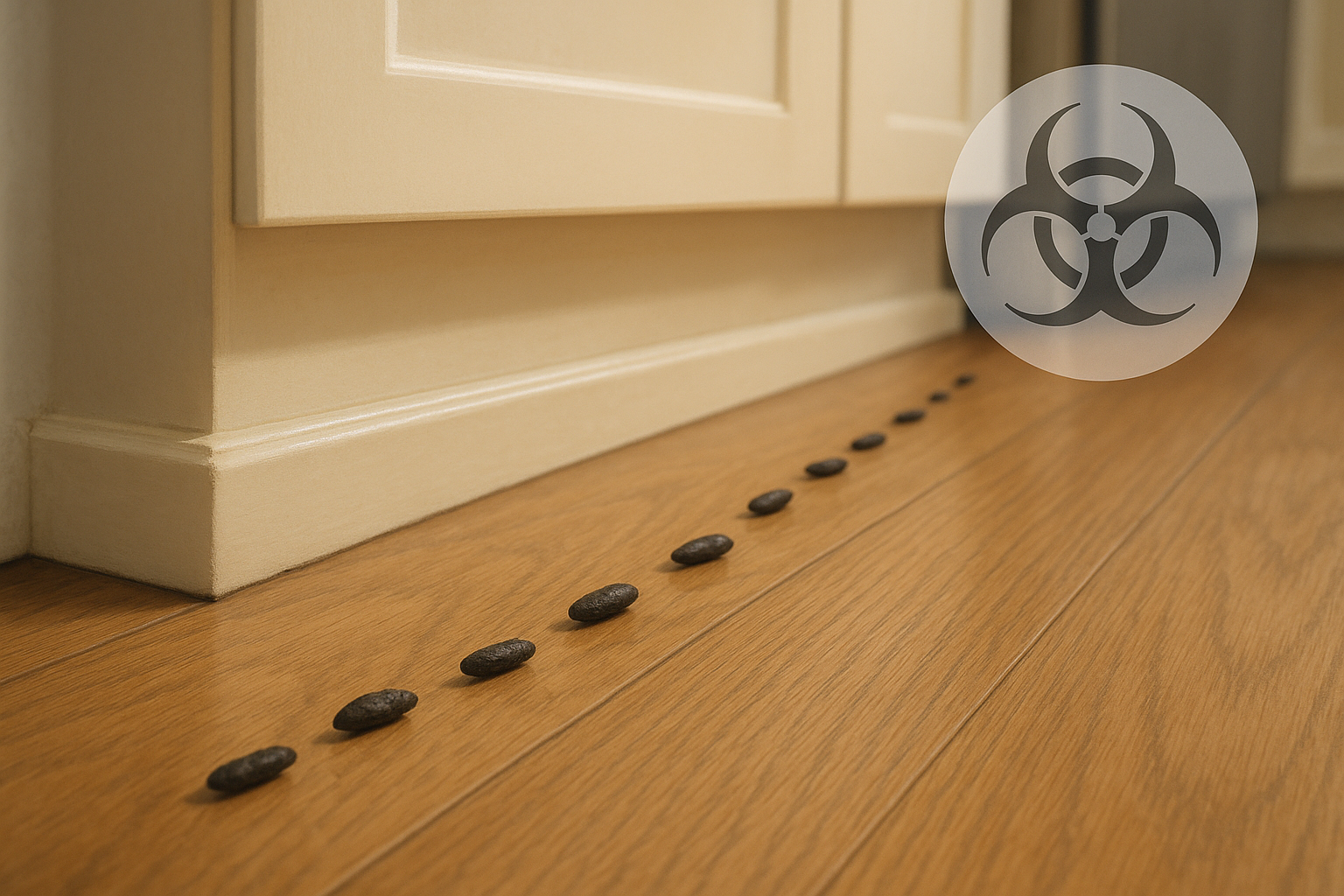
When rats slip into a house they leave a trail of clues. Spotting those clues early can save you from costly damage and health risks. Below are the three tell‑tale signs every Vinings homeowner should know.
1. Droppings
Rats produce dark brown to black droppings that are about the size of a grain of rice—roughly ¼‑inch long and ⅛‑inch wide. You’ll often find them in straight lines or scattered clusters along kitchen baseboards, pantry shelves, and behind appliances. Because droppings dry quickly, they may appear as tiny specks that are easy to miss unless you look closely. Because rat droppings can carry hantavirus and salmonella, avoid touching them with bare hands and clean any found piles with a disinfectant solution.
2. Gnaw Marks
Rats have ever‑growing incisors that leave distinctive tooth‑size holes. Look for neat, round gnaw marks on wooden framing, plastic packaging, and especially on electrical wiring. A single bite can be as large as a pencil tip, but repeated chewing creates a series of holes that weaken structures and create fire hazards. If you discover gnawing on electrical cords, turn off power to the affected circuit and schedule an inspection immediately to prevent a potential fire.
3. Nocturnal Noises
Rats are most active after dark. Listen for faint scratching, scurrying, or squeaking sounds coming from attics, wall cavities, or under floorboards. The noises often start as a light patter and grow louder as the rodents move through insulation or chase each other. Noise often intensifies after rain when rats seek drier shelter, so a sudden increase in scurrying during a storm is another red flag.
Statistically, 68% of homeowners first notice droppings before any visible damage occurs (NPMA 2023 survey). That early warning gives you a crucial window to call a professional exterminator before the infestation spreads.
Key Inspection Points
- Attic insulation – rats use it for nesting and travel routes.
- Garage corners – dark, undisturbed areas attract new entrants.
- Pantry shelves – food sources encourage feeding and breeding.
- Under appliances – easy concealment spots for nests and droppings.
These locations are the most common pathways rats use to travel between the outdoors and your living spaces.
By regularly checking these hotspots and knowing what each sign looks like, you can act fast and prevent a minor sighting from turning into a full‑blown invasion. If you spot any of these red flags, contact Anthem Pest Control at 877‑371‑8196 or visit our website for a rapid, affordable solution.
Protecting Your Family’s Health
When rats set up shop in your home, they bring more than just noise and gnawed wires—they carry a suite of pathogens that can jeopardize the health of every family member, from toddlers to senior pets. Rapid detection and prompt extermination aren’t just about comfort; they’re a critical line of defense against diseases that can spread quickly in a household environment.
Key Diseases Transmitted by Rats
- Leptospirosis – A bacterial infection that enters the body through cuts, abrasions, or contaminated water, leading to fever, muscle pain, and, in severe cases, kidney or liver failure.
- Hantavirus – Contracted by inhaling aerosolized droppings, urine, or saliva. The virus can cause Hantavirus Pulmonary Syndrome (HPS), a severe respiratory illness.
- Salmonella – Often spread when rats contaminate food surfaces, resulting in gastrointestinal distress, fever, and dehydration, especially risky for young children.
Children are particularly vulnerable because they explore surfaces with their hands and frequently put objects in their mouths. Pets, especially dogs that love to sniff or chew on discarded food, can ingest the same contaminated material, leading to similar infections or gastrointestinal upset. A single rat droplet on a kitchen counter can become a hidden health hazard for weeks if left unchecked.
According to the Centers for Disease Control and Prevention (CDC), Hantavirus Pulmonary Syndrome carries a 38% fatality rate based on 2024 data.
— CDC, Hantavirus Fact Sheet, 2024
Because the stakes are high, the cleanup process after a rat removal is just as important as the extermination itself. Professionals at Anthem Pest Control not only eliminate the rodents but also recommend a thorough sanitizing protocol: dispose of all nesting material, vacuum and wipe down all surfaces with a hospital‑grade disinfectant, and safely discard any food that may have been compromised. Pay special attention to hidden areas—under appliances, inside cabinets, and in crawl spaces—where droppings often accumulate unnoticed.
By acting quickly and following a meticulous sanitation routine, you dramatically reduce the chance of disease transmission, safeguarding the well‑being of both your loved ones and your pets. Fast, effective rat control paired with proper post‑treatment cleaning is the most reliable way to keep your home a healthy, rat‑free haven.
Quick Action, Lasting Results
Our dispatch center logs your request, cross‑checks the nearest certified crew, and assigns a technician who arrives at your doorstep within 24 hours—no extra fees for the rush. The guarantee also includes a follow‑up call 48 hours after treatment to confirm that activity has ceased, giving you peace of mind that the job is truly done.
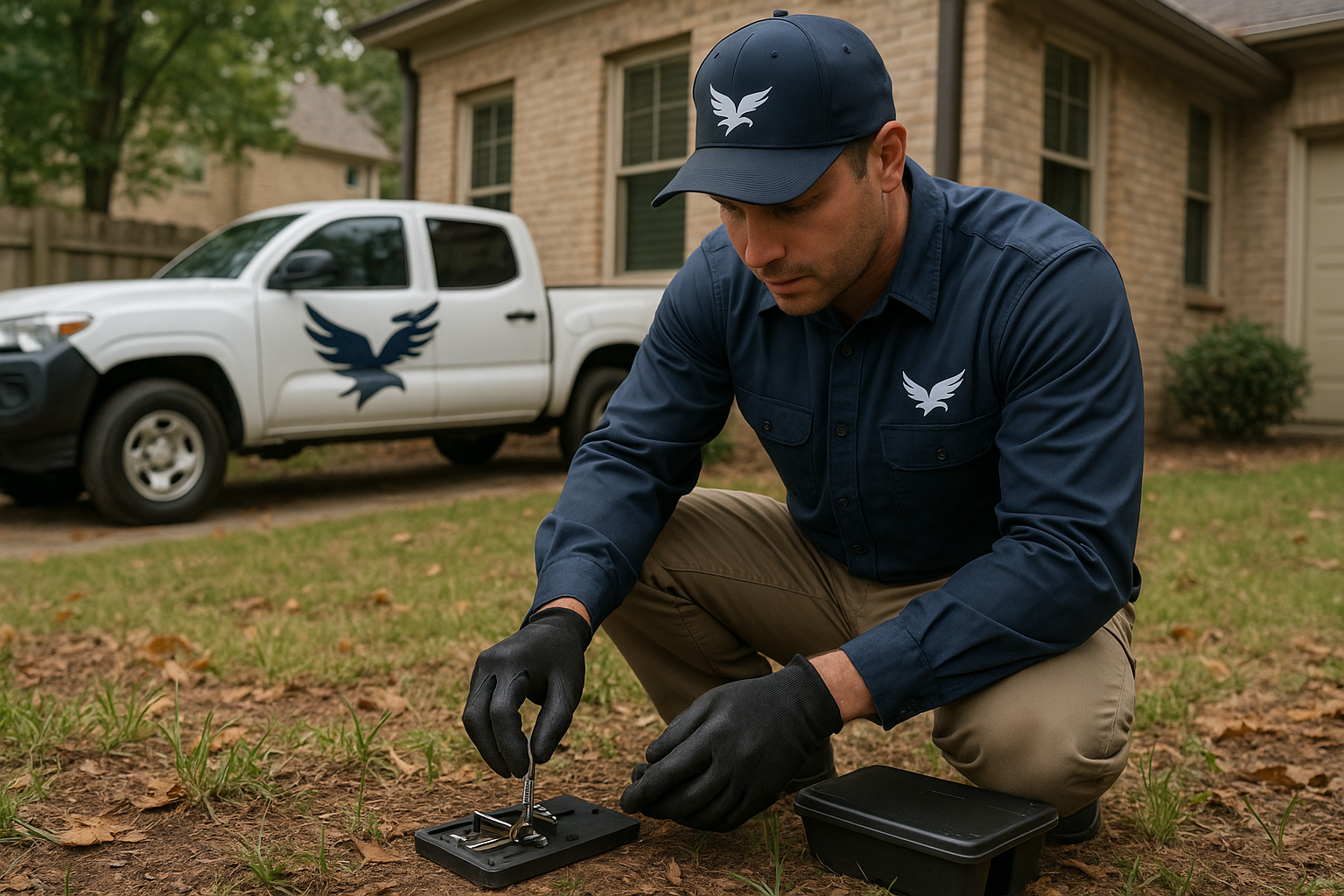
Same‑Day Inspection & Customized Treatment
Upon arrival, the technician conducts a thorough, same‑day inspection. Using flashlights, moisture meters, and proven entry‑point detection methods, they map every possible rat pathway. The findings are immediately turned into a customized treatment plan that targets hot spots while preserving the rest of your home.
- EPA‑approved products: Low‑odor, child‑ and pet‑safe rodenticides applied precisely where rats travel.
- Strategic bait placement: Stations are set in concealed, high‑traffic zones to maximize uptake.
- Exclusion measures: Gaps around pipes, vents, and doors are sealed to prevent re‑entry.
Real‑World Success: A Vinings Home
One Vinings homeowner called after discovering droppings in the attic and gnaw marks on insulation. Anthem Pest responded within 18 hours, completed the inspection, and executed a single, comprehensive treatment. Two weeks later, the homeowner reported zero rat activity. A third‑month check confirmed the same result—no new sightings, no fresh droppings, and no damage.
This case illustrates how a swift, well‑planned intervention can eradicate a problem before it establishes a breeding ground. The homeowner saved on what could have become months of ongoing treatments, repairs, and health risks.
Technician Professionalism & Safety Protocols
Every Anthem Pest technician is EPA‑certified and undergoes quarterly training on the latest rodent‑control technologies. While on the job, they wear gloves, respirators, and protective eyewear, ensuring that both the resident’s family and the environment stay safe. All equipment is calibrated before each visit, and product labels are strictly followed to avoid over‑application.
By combining rapid response, precise inspection, EPA‑approved solutions, and a disciplined safety culture, Anthem Pest delivers results that last. Vinings homeowners can trust that a single call leads to a single, decisive treatment—leaving their homes rat‑free and their peace of mind intact.
Proven Methods for Rat Eradication
1. Snap Traps – Immediate, High‑Kill Solution
Snap traps are the classic “set‑and‑forget” tool that delivers instant results. When placed along walls, behind appliances, and near known runways, a properly baited snap trap can eliminate a rat in a single strike. In field trials conducted by local pest professionals, snap traps achieved a 92 % success rate within 48 hours of deployment.
Pros:
- Rapid knock‑down—no waiting for poison to take effect.
- Visible confirmation of catch, which reassures homeowners.
- No chemical residues, making it safe for pets and children when positioned correctly.
Cons:
- Requires strategic placement; cluttered or multi‑level homes may need many traps.
- Can be unsettling for occupants who prefer a less “hands‑on” approach.
- Effectiveness drops if rats learn to avoid the baited area.
2. Bait Stations – EPA‑Registered Anticoagulant Solutions
Bait stations house EPA‑approved anticoagulant pellets that disrupt a rat’s blood clotting mechanism. These stations are sealed, tamper‑resistant units that protect non‑target animals while delivering a slow‑acting poison to the rodent. Properly positioned bait stations can reduce a population by up to 85 % within two weeks.
Safety Measures:
- Install stations at least 3 feet off the ground and away from pet pathways.
- Use child‑proof locks and label each station for household awareness.
- Rotate bait types only under professional guidance to prevent bait aversion.
Pros:
- Ideal for hard‑to‑reach areas such as attics, crawl spaces, and wall voids.
- Works on hidden rats that may never encounter a snap trap.
- Reduced need for frequent monitoring once stations are correctly placed.
Cons:
- Requires diligent placement and periodic inspection to ensure bait freshness.
- Potential concern for households with curious pets or small children, despite tamper‑resistant design.
- Effect is not immediate; rats typically die 2–4 days after ingestion.
3. Integrated Pest Management (IPM) – A Holistic Approach
IPM blends exclusion, sanitation, and continuous monitoring to create a long‑term barrier against rats. The National Pest Management Association (NPMA) reports that homes employing a full IPM program experience an average 80–90 % reduction in rodent activity over a 12‑month period.
Key IPM components include:
- Exclusion: Sealing entry points—gaps around pipes, vents, and foundation cracks.
- Sanitation: Removing food and water sources, storing waste in sealed containers.
- Monitoring: Deploying motion‑activated stations and periodic inspections to catch re‑infestations early.
Pros:
- Provides lasting protection; once the environment is hostile, rats are less likely to return.
- Minimizes reliance on chemicals, aligning with eco‑friendly homeowner preferences.
- Adaptable to any home layout—single‑family, multi‑story, or older properties with structural gaps.
Cons:
- Initial setup can be more time‑intensive and may involve professional assessment.
- Requires homeowner participation in sanitation and maintenance.
- Effectiveness builds over weeks rather than delivering instant kills.
Choosing the Right Method for Your Home Layout
For a compact, single‑story house with limited clutter, snap traps placed along perimeter walls often provide the quickest relief. In contrast, multi‑level homes or older constructions riddled with hidden voids benefit from bait stations combined with targeted exclusion work. If you own a larger property with frequent guest traffic, an IPM program offers the most comprehensive defense, ensuring that each entry point is sealed and that sanitation habits keep rats from finding a foothold.
Ultimately, the most effective strategy often blends two or more of these methods. A professional technician can assess your specific layout, recommend optimal trap or bait placement, and design an IPM plan that aligns with your budget and comfort level.
What You’ll Pay for Fast Rat Control
Typical cost breakdown
- Inspection: $75‑$100 – A certified technician surveys your property, identifies entry points, and maps activity hotspots.
- Standard treatment (per visit): $150‑$300 – Includes a targeted bait or snap‑trap deployment, plus a follow‑up inspection within two weeks.
- Full‑service package: $500‑$800 – Covers the initial inspection, three treatment visits, exclusion work (sealing gaps, door sweeps), and unlimited follow‑up calls for a full 90‑day guarantee.
How our prices stack up against the nation
The EPA’s 2023 pricing report lists the national average for a single rat treatment at roughly $350. That figure reflects a one‑time service without the added protection of exclusion or ongoing monitoring. By contrast, our standard treatment range of $150‑$300 is typically below that average, while the full‑service package, though higher, bundles the extra work that many homeowners end up paying for separately.
| Service | Anthem Pest (Vinings, GA) | National Avg (per treatment) |
|---|---|---|
| Inspection | $75‑$100 | — |
| Standard treatment | $150‑$300 | $350 |
| Full‑service package | $500‑$800 | — |
What’s really included
Every price tier comes with a clear set of deliverables. The inspection fee covers a thorough walk‑through, a detailed report, and a customized action plan. The standard treatment includes the placement of EPA‑approved rodenticide stations or snap traps, a safety briefing for household members, and a post‑treatment check to confirm activity has dropped.
The full‑service package adds the most value: after the initial treatment, we return twice more to replace bait, adjust trap placement, and perform exclusion work such as sealing cracks, installing door sweeps, and advising on sanitation practices that deter future infestations. Unlimited phone support and a 90‑day guarantee are also part of the package, so you won’t face surprise charges if rats reappear.
Finally, keep in mind that 2024 pricing trends show a modest rise of 3‑5 % across the industry due to increased material costs and stricter safety regulations. We regularly review our rates to stay competitive while maintaining the high‑quality service Vinings homeowners expect.
Keeping Rats Out for Good
Even after a successful extermination, the real victory comes when rats never return. The best defense is a proactive “seal‑and‑store” strategy that makes your home uninviting to these clever rodents. Below are five practical steps you can start today, plus a quick reminder of why sealing matters.
1. Seal every opening ≤ ¼ inch
Rats can squeeze through gaps the size of a dime. Inspect the exterior for cracks around windows, doors, utility penetrations, and the foundation. Use one of these materials to block the entry:
- Steel wool – pack tightly into gaps, then cover with caulk for a durable seal.
- Caulk – ideal for small cracks in siding or around trim.
- Hardware cloth (½‑inch mesh) – secure over larger openings such as vent pipes or crawl‑space vents.
Remember to check after heavy rain or seasonal temperature shifts, as new gaps can appear.
2. Store food securely
Rats are opportunists; a pantry left open is an open invitation. Transfer grains, cereals, and pet food into airtight containers made of glass or heavy‑wall plastic. Keep countertops clear of crumbs, and wipe down surfaces after meals.
3. Keep garbage sealed
Outdoor trash cans should have tight‑fitting lids, and indoor bins need a rubber seal. Empty kitchen trash daily, and store recycling in a dry, enclosed area to prevent moisture buildup that attracts rodents.
4. Tame the landscape
Vegetation that brushes against the house creates a natural bridge for rats. Trim trees and shrubs to at least 2 ft away from the exterior walls. Remove leaf piles, wood stacks, and other debris where rats could hide or travel unnoticed.
5. Schedule quarterly professional inspections
A licensed technician can spot hidden entry points, assess bait placement, and verify that your preventive measures remain effective. Regular visits also catch early signs of activity before an infestation takes hold.
According to a 2022 University of Georgia Extension study, sealing gaps as small as a quarter‑inch reduced rat entry by 80 %. This data underscores the impact of diligent sealing as the cornerstone of long‑term rat control.
University of Georgia Extension, 2022
By combining these five steps—seal, store, secure, trim, and inspect—you create multiple barriers that keep rats out for good. At Anthem Pest Control, we’re ready to back up your efforts with expert guidance and affordable, ongoing protection. Feel confident that your home stays rat‑free, season after season.
When Rats Are Most Active
Rats aren’t active year‑round; they follow the climate. In Vinings, GA, you’ll notice a clear surge in movement during the cooler months when food sources become scarcer and shelter‑seeking behavior spikes. Knowing these cycles helps you stay one step ahead.
Peak Activity in the Fall
From late September through November, rats intensify their foraging. The drop in temperature pushes them deeper into homes searching for warmth and stored food. This is also the time they establish new nesting sites, making early detection crucial.
Early Spring Surge
March and early April bring another wave. As winter thaws, rats emerge from their burrows to replenish depleted stores. The combination of milder weather and fresh vegetation creates ideal conditions for rapid population growth.
Rain‑Triggered Movements
Heavy rains flood outdoor burrows, forcing rats to seek dry refuge inside. In Cobb County, spikes in precipitation often align with sudden increases in indoor sightings. When a storm passes, expect more scurrying sounds in attics, basements, and crawl spaces.
Optimal Treatment Timing for Vinings Homeowners
To stay ahead of the infestation curve, schedule a pre‑season treatment in September before the fall surge and another in March ahead of the spring rush. These proactive applications target active populations while they’re still relatively small, reducing the amount of product needed and lowering overall costs.
Why Timing Matters
Treating too early, during the summer lull, often yields limited results because rat numbers are low and many are still outdoors. Conversely, waiting until after a rain event means the rats have already entered your home, making eradication more labor‑intensive. Precise timing maximizes efficacy and protects your property when rats are most vulnerable.
| Month | Avg. Precipitation (inches) | Reported Rat Sightings |
|---|---|---|
| January | 3.2 | 78 |
| February | 2.8 | 71 |
| March | 3.5 | 112 |
| September | 4.1 | 119 |
| October | 4.6 | 136 |
| November | 3.9 | 124 |
The table shows a clear correlation: months with higher rainfall (September‑October) correspond to the highest rat sighting counts, reinforcing the need for targeted treatments during these periods.
Local Expertise You Can Trust
For more than 15 years, Anthem Pest has been a fixture in the Atlanta metro area, and Vinings is no exception. Our technicians are not only licensed and fully certified, they’ve spent countless hours learning the unique habits of the rodents that call this region home. That depth of local knowledge means we can pinpoint entry points, recommend prevention steps that actually work, and apply treatments that are both safe for families and effective against the toughest rat infestations.
Our commitment to quality shows up in the numbers. On Google, Anthem Pest proudly holds a 4.9‑star rating based on over 250 positive reviews. Homeowners repeatedly tell us they appreciate our prompt arrival, thorough inspections, and the fact that we leave no stone unturned—literally. Those reviews are more than a badge; they’re proof that our neighbors trust us to protect their homes.
Beyond pest control, we’re invested in the Vinings community itself. Anthem Pest regularly sponsors local events such as the Vinings Summer Festival and the Neighborhood Clean‑Up Day, helping families enjoy a pest‑free environment while they celebrate together. We also partner with nearby schools, providing educational workshops that teach kids about the importance of sanitation and how to spot early signs of rodent activity. By giving back, we reinforce the same proactive mindset we bring to every treatment plan.
“When we spotted rats in our garage, Anthem Pest showed up within an hour. The technician explained every step, sealed the entry points, and followed up a week later to make sure the problem was gone. Fast, friendly, and thorough—exactly what we needed in Vinings!”
— Sarah L., Vinings homeowner
Choosing a pest‑control partner isn’t just about the chemicals they use; it’s about the relationship they build with the community they serve. Anthem Pest’s long‑standing presence, stellar reputation, and active involvement in Vinings demonstrate that we’re not just another service provider—we’re your neighbors, ready to safeguard your home with the expertise only a local, trusted team can deliver.
Quick Answers for Homeowners
How long does treatment take?
From the initial inspection to the final clearance, our standard rodent program is usually completed within 1–2 days. The technician identifies entry points, sets bait or traps, and conducts a post‑treatment walkthrough to confirm activity has stopped.
Are the chemicals safe for kids and pets?
We use only EPA‑approved rodent products that meet strict safety standards. Technicians wear protective gear, apply the bait in concealed locations, and follow a clear post‑treatment protocol—such as keeping children and pets away from treated zones for a few hours.
What’s the guarantee?
Anthem Pest Control offers a 24‑hour re‑treatment guarantee if live rats are spotted again within 30 days of the original service. The follow‑up visit is free, and we’ll adjust the strategy until the problem is fully resolved.
How often should I check bait stations?
Bait stations should be inspected at least once a week during the first month. Replace any depleted bait and note any new activity. Regular checks help us fine‑tune placement and keep the rodent pressure low.
Do you provide follow‑up visits?
Yes. A routine follow‑up is scheduled 7–10 days after the initial treatment to verify that all entry points remain sealed and that no new activity has emerged. Additional visits can be added as part of a preventive maintenance plan.
What payment options are accepted?
We accept major credit cards, debit cards, and electronic checks. For larger projects, financing through a trusted partner is available, and we can set up a simple monthly plan to spread the cost.
Fast, Safe, and Affordable Rat Relief
When rats slip into your home, every hour counts. The longer they stay, the more damage they inflict on wiring, insulation, and stored food, and the greater the health risk to your family. That’s why Anthem Pest’s rapid‑response service is built around one promise: we’ll be at your door fast, assess the situation, and start a proven eradication plan before the problem escalates.
Safety first, results guaranteed. Our technicians use EPA‑approved baits and traps that target rats while leaving children, pets, and indoor air untouched. Each treatment is customized to the layout of your home, ensuring no hiding spot is missed. Because we believe in transparent pricing, you’ll receive a clear, itemized estimate before any work begins—no hidden fees, no surprise charges. Our rates are competitive, and we’ll walk you through exactly what you’re paying for, so you can feel confident that you’re getting top‑tier protection without breaking the bank.
Ready to see how easy it is to reclaim your space? Schedule a free, no‑obligation quote today. Our friendly staff will listen to your concerns, answer any questions, and set up a treatment window that fits your schedule. Give us a call at 877‑371‑8196 and let us show you why homeowners across Vinings trust Anthem Pest for rapid, reliable rat control.
Choosing Anthem Pest means partnering with a team that treats every home like its own. We combine local expertise, cutting‑edge tools, and a commitment to your peace of mind. Whether you’re dealing with a single sighting or a full‑scale infestation, we’ll craft a solution that’s fast, safe, and affordable—so you can get back to enjoying a rodent‑free home without worry.
Visit Anthem Pest Control today to schedule your inspection and learn how our expert rat exterminator Vinings team can help keep your home rodent-free.