Why Carpet Beetles Matter in Smyrna
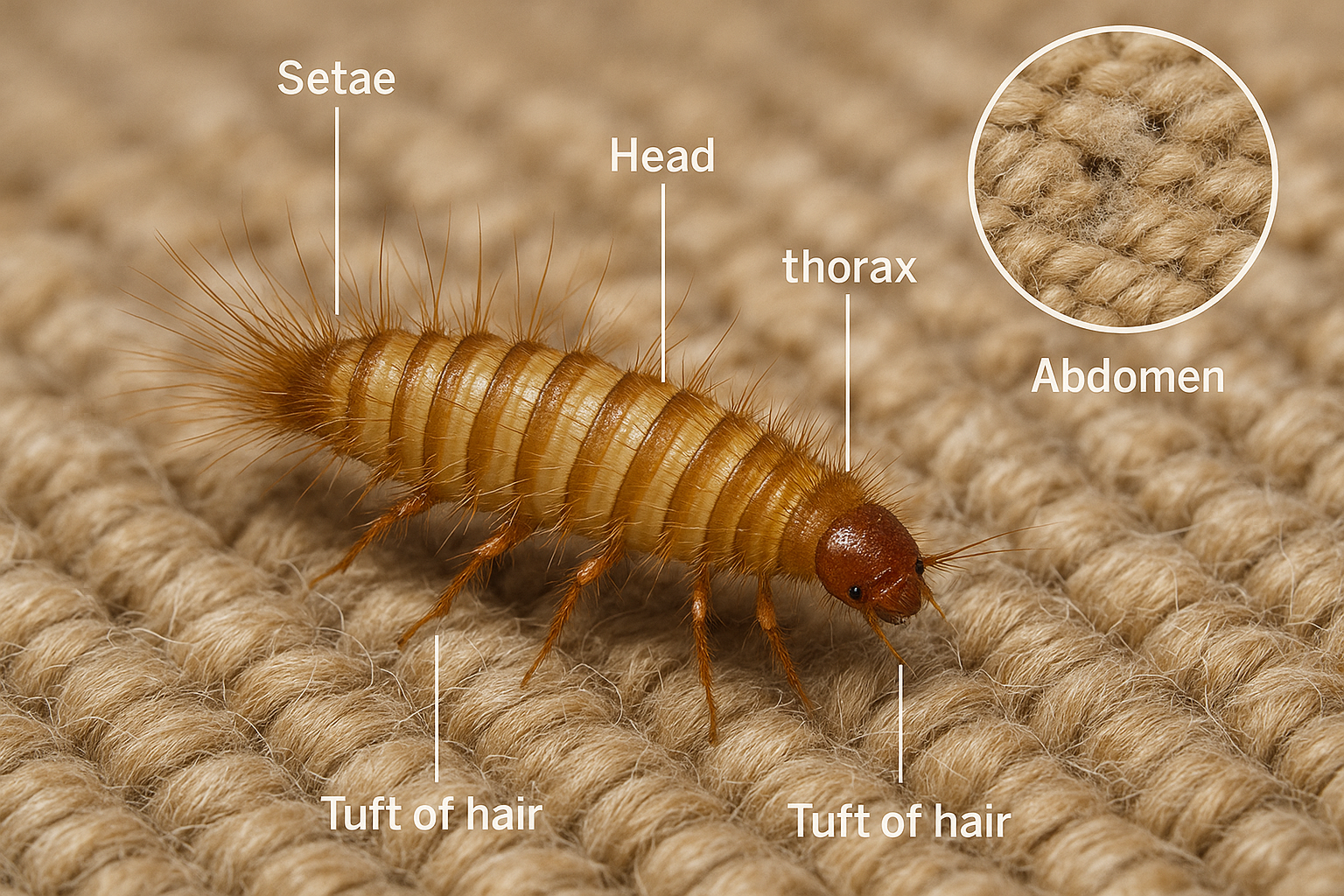
What is a carpet beetle?
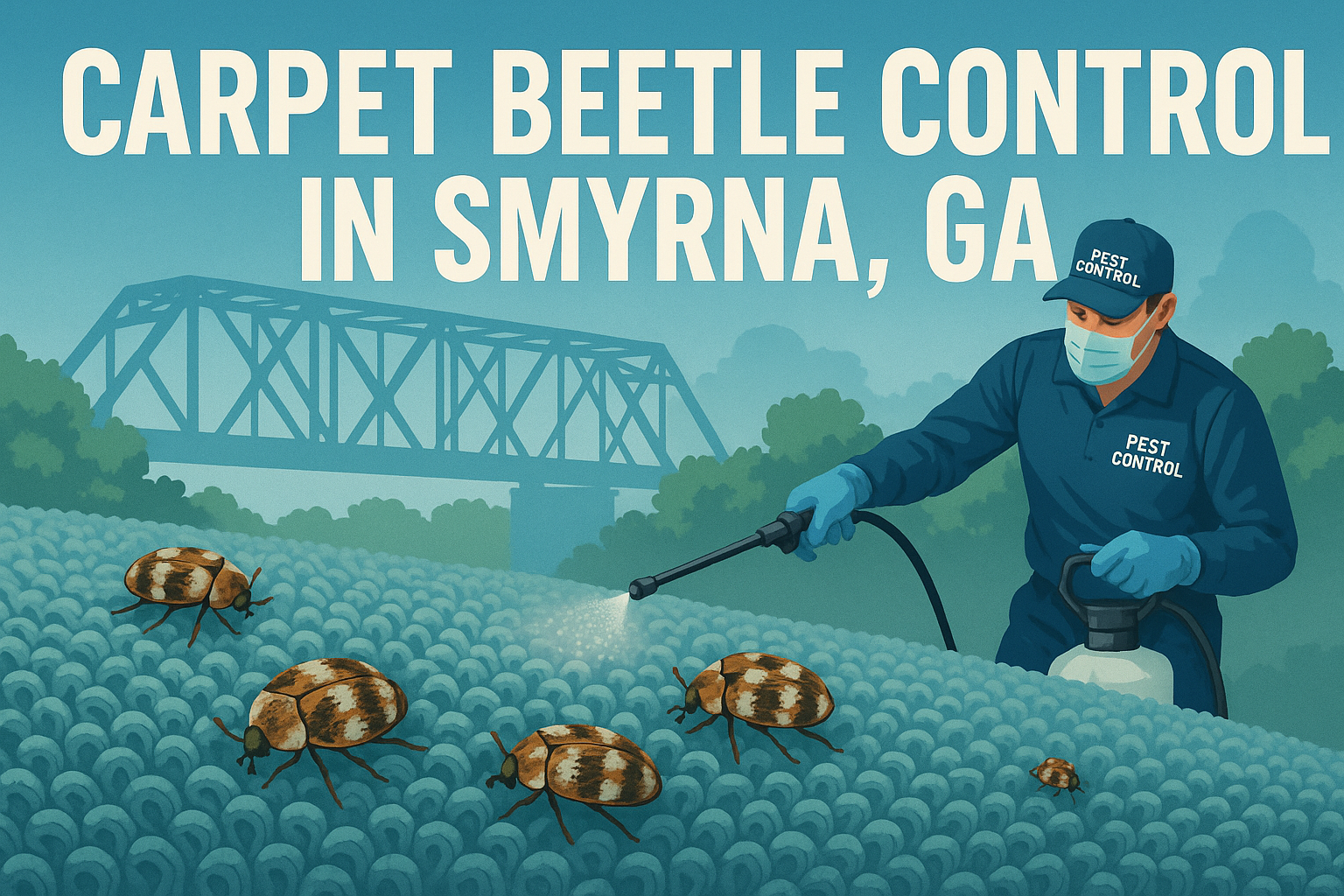
Carpet beetles belong to the Anthrenus genus and are tiny, oval‑shaped insects that love to hide in the fibers of our homes. Adults are often spotted crawling on windowsills or light fixtures, but the real damage comes from their larvae, which feed on natural‑fiber materials. These pests are not just a nuisance; they can silently turn a cherished rug or a favorite sweater into a shredded mess.
Life cycle in a nutshell
The carpet‑beetle life cycle follows four stages: egg, larva, pupa, and adult. A female can lay up to 50 eggs in hidden cracks, carpet seams, or stored clothing. Within weeks, the eggs hatch into voracious larvae that spend 2 – 3 months feeding before spinning a cocoon to pupate. The adult emerges, lives only a few weeks, and repeats the cycle, spreading eggs wherever it lands.
Smyrna’s climate and housing create a perfect storm
Smyrna’s humid summers and mild winters provide the moisture carpet‑beetle larvae crave. The region’s older homes—especially in East Cobb, Sixes, and West Cobb—often feature thick wall‑to‑wall carpeting, wool rugs, and upholstered furniture that have been in place for decades. These environments retain moisture and offer abundant food sources, allowing larvae to thrive year‑round rather than just during a brief season.
How much damage are we really talking about?
The 2024 NPMA report estimates that 1 in 5 U.S. households experiences carpet‑beetle damage each year. In Smyrna, that translates to thousands of families confronting ruined natural‑fiber rugs, pitted leather upholstery, and shredded stored clothing. Even a small infestation can cost hundreds of dollars in replacement items if left unchecked.
Spotting the problem early saves money
Early detection is the most cost‑effective weapon against carpet beetles. Look for tell‑tale signs such as tiny, brownish‑black larvae in seams, small exit holes in fabric, or a fine, powdery residue known as “fecal pellets.” Catching an infestation before the larvae mature means you can treat the area with targeted, professional solutions—often at a fraction of the cost of replacing damaged belongings.
Spotting a Carpet Beetle Infestation
Carpet beetles are small, but their damage can be anything but. Catching an infestation early means you can protect cherished fabrics, rugs, and even insulation before the larvae chew through them. Below are the visual clues every Smyrna homeowner should know, plus a quick‑reference checklist you can print and hang by your laundry room.
Hallmark signs you can’t ignore
- Irregular carpet wear – thin patches, especially near high‑traffic zones, that look “eaten away” rather than simply flattened.
- Clumped pet hair – tufts of fur that gather in one spot, often feeling softer and denser than the surrounding debris.
- Shed skins (exuviae) – translucent, paper‑like shells left behind as larvae molt; they’re usually found near baseboards or under furniture.
- Tiny fecal pellets – pepper‑sized, dark specks that may appear on carpet fibers, upholstery, or in the seams of curtains.
- “Pepper‑like” holes in fabric – minute perforations that look like a fine sprinkle of pepper, most common on wool, silk, or felt items.
Real‑world example: a Burnt Hickory resident
When Jane Miller from Burnt Hickory noticed her golden retriever’s hair forming unusually dense clumps on the living‑room rug during a humid June, she assumed it was just shedding. A few weeks later, she discovered several shed skins tucked behind the baseboard and tiny holes in a nearby throw blanket. The combination of clumped pet hair, irregular wear, and those “pepper‑like” perforations confirmed a carpet beetle outbreak. Jane’s quick call to Anthem Pest Control saved her upholstery from months of irreversible damage.
Where the larvae like to hide
Carpet beetle larvae are stealthy. They seek out warm, protected micro‑environments where they can feed undisturbed. Common hiding spots include:
- Under carpet padding – the soft cushion is a perfect feeding ground for larvae that love natural fibers.
- Inside wall insulation – especially in older homes where cellulose or fiberglass can attract beetles.
- Behind baseboards and crown molding – cracks and gaps provide dark, humid refuges.
- Inside stored clothing or blankets – especially those made from wool, fur, or silk.
- In HVAC ducts – the airflow can transport larvae to new rooms, spreading the infestation.
Quick‑reference “Carpet Beetle Inspection Checklist”
- ☐ Examine carpet edges for thin or uneven wear.
- ☐ Look for clumped pet hair on rugs and furniture.
- ☐ Search baseboards for shed skins and fecal pellets.
- ☐ Inspect fabric seams for pepper‑like holes.
- ☐ Lift carpet padding in a discreet area to check for larvae.
- ☐ Peek behind baseboards and inside insulation if accessible.
Designer note: “Checklist graphic – ‘Carpet Beetle Inspection Checklist’ to be placed beside this section.”
According to the EPA Indoor Pest Management Guide, the prevalence of these symptoms rises sharply in homes with high humidity and abundant natural‑fiber furnishings—exactly the conditions found in many Smyrna households during summer months. The guide emphasizes that early visual detection reduces treatment costs by up to 30% because it limits the need for extensive structural interventions.
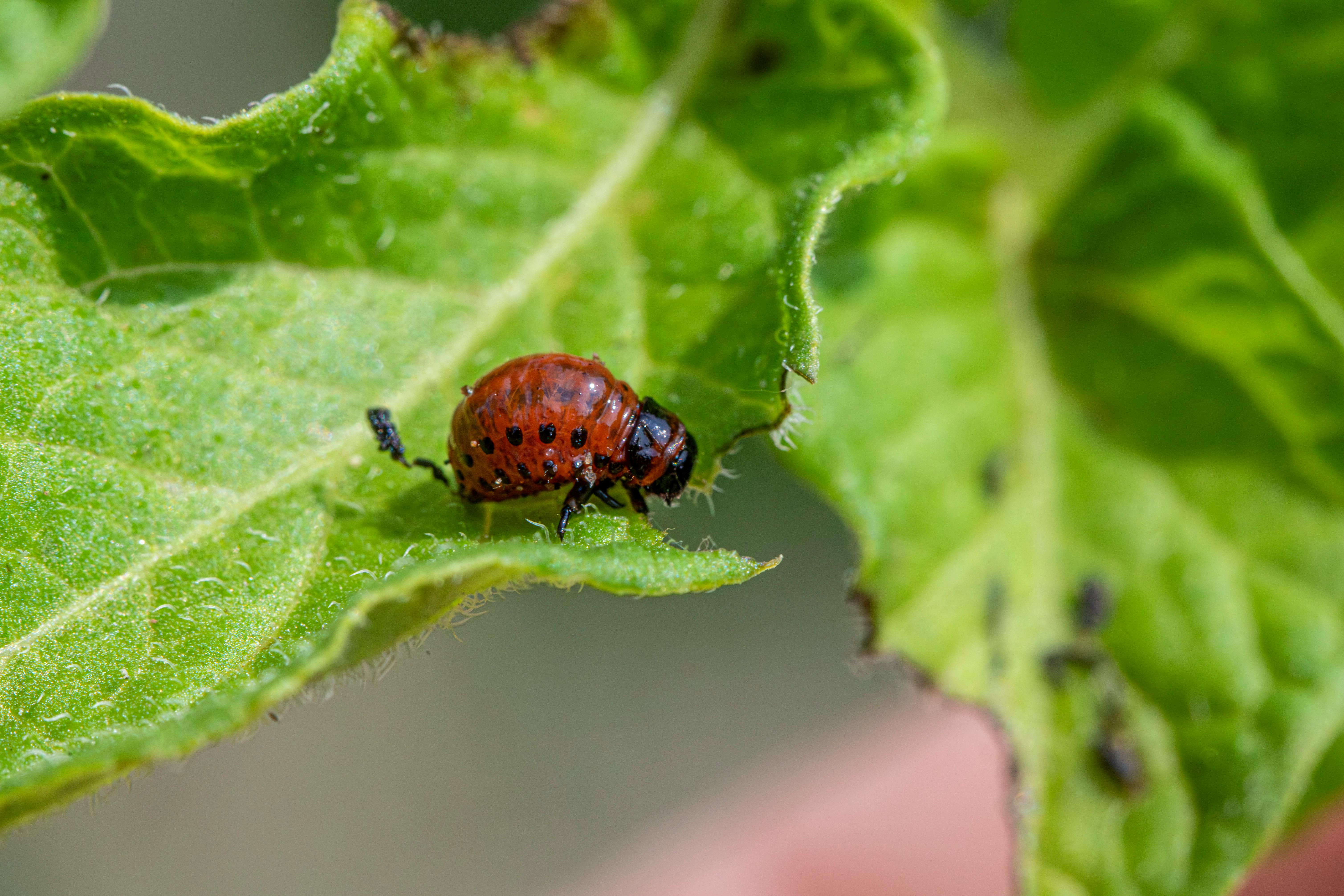
Why DIY Solutions Usually Fall Short
Many Smyrna homeowners start with the tools they already have: a vacuum, a bottle of over‑the‑counter spray, or a carpet‑shampoo kit. These options feel affordable and easy, but they often only address the surface of the problem.
Typical DIY attempts
- Regular vacuuming of carpets and rugs
- Applying store‑bought insecticide sprays directly to fabric
- Using carpet‑shampoo kits that promise deep cleaning
While each of these steps can reduce adult beetles you see, they rarely reach the hidden larvae tucked away in padding, beneath floorboards, or inside wall cavities. Carpet beetle larvae thrive in the soft, protected layers where they feed on natural fibers, hair, and dead insects. A vacuum that misses the seams of a rug or a spray that never penetrates the subfloor leaves a thriving population untouched.
What the CDC says about home pesticide use
The 2023 CDC guidance on pesticide safety warns that improper application can pose health risks for occupants, especially children and pets. The agency stresses that homeowners should avoid “untrained use of concentrated chemicals” because dosage errors, inadequate ventilation, and lack of protective equipment increase the chance of inhalation or skin exposure.
Cost comparison: DIY vs. professional treatment
| Method | Typical Price Range | What’s Included |
|---|---|---|
| DIY products (vacuum, sprays, shampoo kits) | $30 – $80 | One‑time purchase; no guarantee of reaching hidden larvae |
| Professional pest‑control service | $250 – $450 | Inspection, targeted insecticide application, follow‑up, and warranty |
Even though the upfront expense of a professional visit is higher, it usually saves money in the long run. A missed infestation can re‑emerge months later, forcing you to repeat DIY attempts or call a technician for a second round of treatment.
Risks of improper pesticide use
When homeowners misuse sprays, they risk:
- Health hazards—skin irritation, respiratory issues, or accidental ingestion, especially for children and pets.
- Environmental impact—runoff into storm drains or lingering residues on household surfaces.
- Incomplete eradication—larvae survive, reproduce, and the infestation rebounds, often more resistant to later treatments.
Professional technicians follow Integrated Pest Management (IPM) protocols, selecting products that are both effective against carpet beetles and safe for your family. They also have the equipment to treat hard‑to‑reach areas, ensuring the entire life cycle is interrupted.
In short, while DIY methods can be a useful first step for surface cleaning, they rarely provide the thorough, safe, and lasting solution that a qualified pest‑control service delivers. For Smyrna homeowners who want peace of mind and a truly clean home, partnering with a trusted expert like Anthem Pest Control is the smarter, safer investment.
Professional Treatment Options in Smyrna
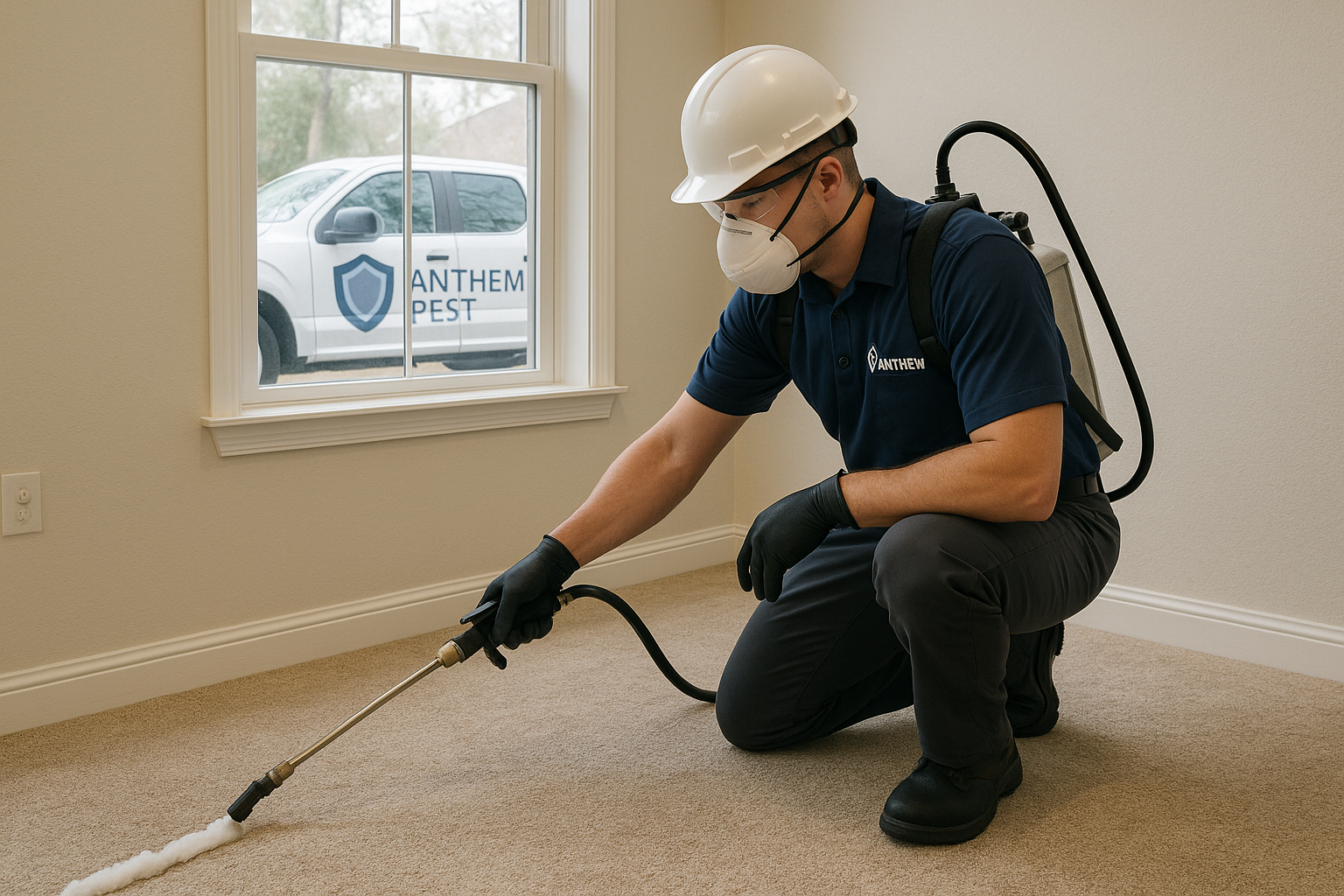
Integrated Pest Management (IPM) Approach
Anthem Pest begins every carpet‑beetle job in Smyrna with a meticulous IPM inspection. Our certified technicians walk through each room, examine closets, under‑floor spaces, and stored items for larvae, adult beetles, and tell‑tale damage. The goal is to locate the infestation’s hot spots before any chemicals are applied. Once the problem areas are mapped, we design a targeted treatment plan that uses the smallest effective dose of EPA‑approved, low‑toxicity products. After the initial service, we return for follow‑up monitoring to confirm that the beetles are gone and to advise on preventive steps.
Treatment Modalities
Depending on the severity of the infestation and the structure of your home, Anthem Pest deploys one of three proven methods:
- Foam Injection – A fast‑acting, quick‑penetration foam is sprayed into wall voids, baseboards, and carpet seams. The foam expands, reaching hidden larvae that other treatments miss.
- Silica‑Based Dusting – Ultra‑fine silica dust is brushed into cracks, attics, and crawl spaces. The dust desiccates insects on contact while remaining inert to humans and pets when applied correctly.
- Heat Treatment – For severe, multi‑room infestations, we raise indoor temperatures to 120‑130°F for several hours. The heat kills every life stage of the beetle without chemicals, making it ideal for families concerned about residues.
Pricing Overview for Smyrna Homeowners
Transparency is a core value at Anthem Pest. Below is a snapshot of our 2025 pricing, aligned with Georgia Department of Agriculture guidelines:
| Service | Price Range | Factors Influencing Cost |
|---|---|---|
| Initial Inspection | $79 – $99 | Square footage, accessibility of problem areas |
| Full Treatment (Foam, Dust, or Heat) | $250 – $450 | Square footage, infestation severity, chosen modality |
Why Choose Anthem Pest’s Low‑Toxicity Solutions?
All products we use carry EPA approval for indoor use and are formulated to minimize health risks. Technicians wear certified respirators, gloves, and disposable coveralls during application, ensuring both your family’s safety and our crew’s protection. The low‑toxicity formulas also reduce the likelihood of residual odors or stains on carpets and upholstery, letting you get back to normal life quickly.
Ready to Protect Your Home?
If you’ve spotted beetle damage or simply want to stay ahead of a potential outbreak, schedule a professional IPM inspection today. Our Smyrna team is ready to assess, treat, and educate you on long‑term prevention.
Learn more about our carpet beetle services and request a quote on the Anthem Pest service page.
Timing, Prevention, and Seasonal Tips
Carpet beetles don’t wait for a convenient moment to set up shop—they follow the climate. In Smyrna, the key to staying one step ahead is syncing treatment and prevention with the city’s temperature and humidity patterns. When you act during the right windows and keep everyday habits tight, you deny the beetles the food, moisture, and shelter they need to thrive.
Best Treatment Windows
Professional exterminators, including Anthem Pest Control, recommend two optimal periods:
- Early spring (March‑April) – This is before adult beetles emerge from their larval hideouts. A pre‑emptive spray or fogger targets the emerging adults and the hidden larvae, breaking the life cycle before it spreads.
- Late fall (October‑early November) – After the summer generation has finished reproducing, a follow‑up treatment catches any survivors that slipped through the spring round. This “clean‑up” pass reduces overwintering populations in attics, basements, and closets.
Scheduling a professional visit during these windows maximizes chemical efficacy and minimizes the number of applications you’ll need throughout the year.
Everyday Prevention Checklist
Even with timely treatments, daily habits are the backbone of long‑term control. Keep this checklist handy and run through it at least once a week:
- Vacuum high‑traffic areas with a HEPA‑rated vacuum. Pay special attention to carpets, rugs, and upholstery where larvae love to hide.
- Store seasonal clothing, blankets, and wool items in sealed, zip‑lock bags or airtight containers.
- Use natural repellents—cedar blocks or a modest amount of mothballs (in well‑ventilated spaces only) inside closets and storage bins.
- Inspect and seal cracks or gaps around windows, doors, and baseboards. Expanding foam or caulk cuts off entry points for both beetles and the tiny insects they feed on.
- Regularly clean lint traps in dryers and vacuum lint collectors; these are prime feeding stations for larvae.
Smyrna‑Specific Climate Tips
Smyrna’s proximity to the Chattahoochee River means the basement can stay damp longer than in inland neighborhoods. High humidity in June and July often pushes indoor levels above 60 %, creating a perfect environment for carpet beetle larvae.
To counteract this, run a dehumidifier in basements and crawl spaces whenever humidity spikes. Aim for a target relative humidity of 45‑50 %. Check the built‑in hygrometer on your unit or use a cheap digital meter; keeping moisture low not only deters beetles but also prevents mold and mildew, which attract other pests.
Understanding Seasonal Pest Cycles
The EPA’s indoor‑pest guide outlines a typical carpet beetle life cycle: eggs hatch in spring, larvae feed through summer, pupate in fall, and adults emerge again in early spring. By aligning your actions with this cycle—treating in early spring, reinforcing in late fall, and maintaining weekly preventive tasks—you interrupt each stage before it can reproduce.
When you combine strategic timing with consistent housekeeping, you create a hostile environment for carpet beetles year‑round. This proactive approach saves you time, money, and the frustration of dealing with damaged fabrics and itchy bites.
Transparent Pricing and Service Guarantees
When it comes to pest control, homeowners want to know exactly what they’re paying for. Anthem Pest believes that clarity builds confidence, so every line item for carpet‑beetle control in a typical 1,500‑sq‑ft home in Old Fourth Ward is laid out in plain English.
What you’ll pay for a 1,500‑sq‑ft home
| Service | What’s Included | Price (USD) |
|---|---|---|
| Initial Inspection | Comprehensive visual inspection, identification of beetle species, and a written report | $79 |
| Basic Treatment Tier | Single‑application spray targeting adult beetles and larvae; 1‑hour labor | $199 |
| Enhanced Treatment Tier | Two‑application spray plus perimeter barrier; includes a follow‑up visit | $299 |
| Premium Treatment Tier | Three‑application spray, fabric‑safe fogger, and a 6‑month monitoring kit | $399 |
| Optional Add‑On: Mattress & Upholstery Shield | Targeted treatment for sleeping areas and upholstered furniture | +$49 |
| Optional Add‑On: Home‑wide Prevention Package | Quarterly inspections and preventive sprays for the next year | +$119 |
All prices are listed before taxes and reflect the standard rate for a 1,500‑sq‑ft residence in the Old Fourth Ward area. For the most current figures, visit Anthem Pest’s service page.
Bundled‑service discount
Homeowners often discover more than one pest problem at once. Anthem Pest rewards that reality with a 15 % discount when you combine carpet‑beetle control with an ant‑treatment package. The discount is applied after the base prices are calculated, so a homeowner choosing the Enhanced Treatment Tier plus a standard ant service would see the total drop from $399 to roughly $339.
30‑day satisfaction guarantee
Anthem Pest stands behind its work. If you spot live carpet beetles within 30 days of the final treatment, the company will return at no extra charge to re‑treat the affected areas. This guarantee covers both the original service tier and any optional add‑ons you selected.
Free re‑treatment policy
- Re‑treatment is scheduled within 48 hours of your request.
- It includes a fresh inspection to pinpoint any missed hotspots.
- No additional labor or product fees are charged; only the cost of any new optional services you elect.
By laying out costs, offering a clear bundled discount, and backing every job with a robust guarantee, Anthem Pest removes the guesswork that often deters homeowners from taking action against carpet beetles.
Frequently Asked Questions
Do carpet beetles affect pets?
Yes. The larvae of carpet beetles feed on natural fibers and can also bite or irritate the skin of dogs and cats. Pet owners often notice small, red bumps or itchy patches after a beetle infestation. The Centers for Disease Control and Prevention (CDC) notes that while the insects are not disease vectors, their hair‑like setae can trigger allergic reactions in sensitive animals. Regular vacuuming and professional treatment help protect both your home and your pets.
How long does treatment take?
A standard carpet beetle service for a single‑family home usually requires 2–3 hours from start to finish. Technicians first perform a quick walkthrough to identify hotspots, then apply EPA‑approved insecticides to baseboards, wall voids, and carpet seams. After the application, they conduct a post‑treatment inspection and provide you with a written report. The timeline can vary slightly for larger properties or when additional preventive measures, such as encasements, are requested.
Can I keep my pets during treatment?
Most of the products we use are low‑toxicity and approved by the EPA for indoor use around animals. However, we recommend removing pets from the treatment area for 4–6 hours to allow the chemicals to settle and to avoid any accidental contact with wet spray. If removal isn’t possible, confining pets to a well‑ventilated room with closed doors works as an alternative. Our technicians wear protective gear and follow strict safety protocols to minimize exposure for everyone in the home.
Will my carpet need replacement?
In the majority of cases, carpet beetle damage can be repaired without full replacement. Professional treatment eliminates the active infestation, and thorough cleaning removes larvae, eggs, and shed skins. Only when the carpet fibers are heavily shredded or stained beyond repair would we suggest replacement. We’ll assess the condition during the initial inspection and advise you on the most cost‑effective solution.
How often should I schedule follow‑up treatments?
We recommend a preventive visit every 6–12 months, depending on your home’s exposure to outdoor environments and the severity of the initial infestation. Regular inspections let us spot early signs, re‑apply residual insecticide if needed, and keep your carpet and upholstery safe from future beetle activity.
Take Action with Anthem Pest Today
Carpet beetles thrive in Smyrna’s humid climate, and the sooner you spot the first signs, the easier it is to halt an infestation. Early detection lets our Integrated Pest Management (IPM) approach target the beetles before they spread to wardrobes, rugs, and upholstered furniture. By catching the problem early, you protect cherished belongings, reduce treatment costs, and keep your home safe for children and pets.
We recommend scheduling a free inspection now—ideally before the next peak season arrives in May. A timely visit lets us assess vulnerable areas, identify any hidden larvae, and map out a customized action plan. Acting before the beetles emerge in large numbers gives you a decisive advantage and prevents a small problem from turning into a costly, time‑consuming battle.
Our locally trained technicians understand Smyrna’s unique pest pressures. They’ll tailor a solution that safeguards your family, pets, and possessions while staying within your budget. Using low‑impact chemicals, heat treatments, and preventive measures, we create a barrier that keeps carpet beetles at bay without compromising the comfort of your home.
Ready to take the first step? Call us today at 877‑371‑8196 or submit an online request for your complimentary inspection. Our friendly team will confirm a convenient time and answer any questions you have about the process.
Don’t wait for the beetles to multiply. Visit Anthem Pest Control now and secure a pest‑free home for you and your loved ones.