Introduction – A Rainy Summer Surprise in Smyrna

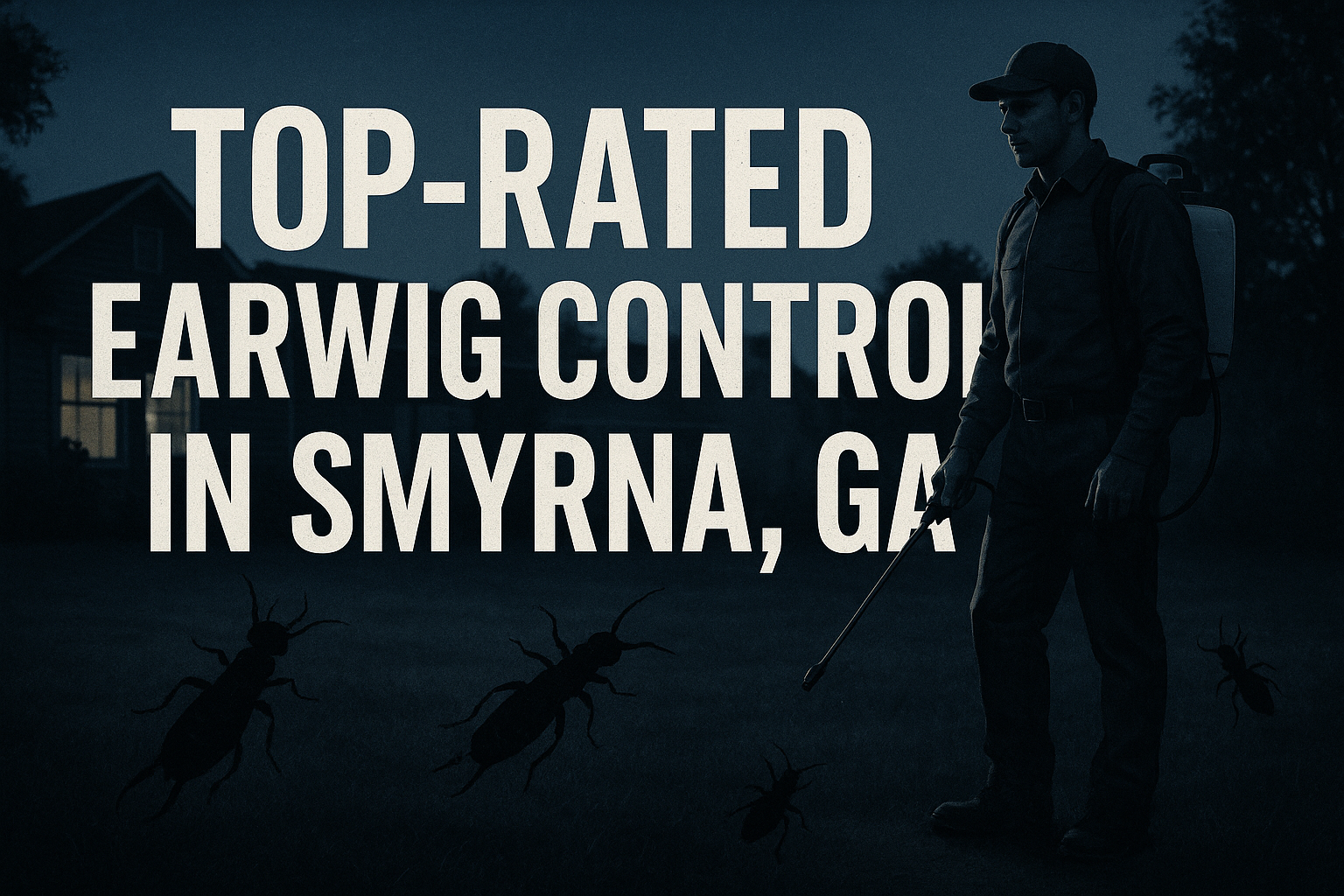
Imagine coming home after a sudden, heavy summer downpour in Smyrna. The sky clears, the air smells fresh, and you head straight to the kitchen to start dinner. As you wipe the counter, a tiny, dark silhouette darts across the surface, its long, curved tail flicking in the light. You pause, stare, and realize you’re watching a line of earwigs—those often-ignored, nocturnal insects that usually hide in mulch or under stones—making a surprise appearance right where you prep food. Situations like this highlight the importance of earwig control in Smyrna GA to keep your home clean and pest-free.
Most homeowners think earwigs are harmless garden critters, but when they venture indoors they can become an unwelcome nuisance. Their rapid movements and tendency to hide in cracks make them difficult to spot, yet they can contaminate countertops, utensils, and even stored pantry items. While earwigs don’t bite or transmit disease, their presence in food‑preparation zones raises minor health concerns, especially for families with young children or anyone with a sensitive immune system. Ignoring the problem can let a few curious insects turn into a persistent indoor infestation.
This guide is designed to give Smyrna residents the confidence to tackle earwigs before they become a bigger issue. We’ll walk you through how to identify earwigs accurately, assess the specific risks posed by Georgia’s humid climate, and implement simple DIY prevention steps that fit into a busy homeowner’s routine. You’ll also learn when it’s time to call in a professional, what treatment options are most effective in our region, and how to compare costs so you can make an informed decision without breaking the bank.
When professional help is needed, Anthem Pest Control stands out as the trusted local expert for reliable earwig control. With a focus on safe, effective, and affordable solutions, Anthem’s technicians understand the nuances of Smyrna’s climate and the behavior of earwigs in our neighborhoods. Their transparent pricing and commitment to customer education make them a go‑to resource for anyone looking to protect their home from these stealthy invaders.
Now that we’ve highlighted why earwigs matter and what this article will cover, let’s dive deeper into the biology of these insects—how they live, why they’re drawn to damp environments, and what makes them especially likely to appear after a summer rain in Smyrna.
What Are Earwigs? Biology, Behavior, and Identification
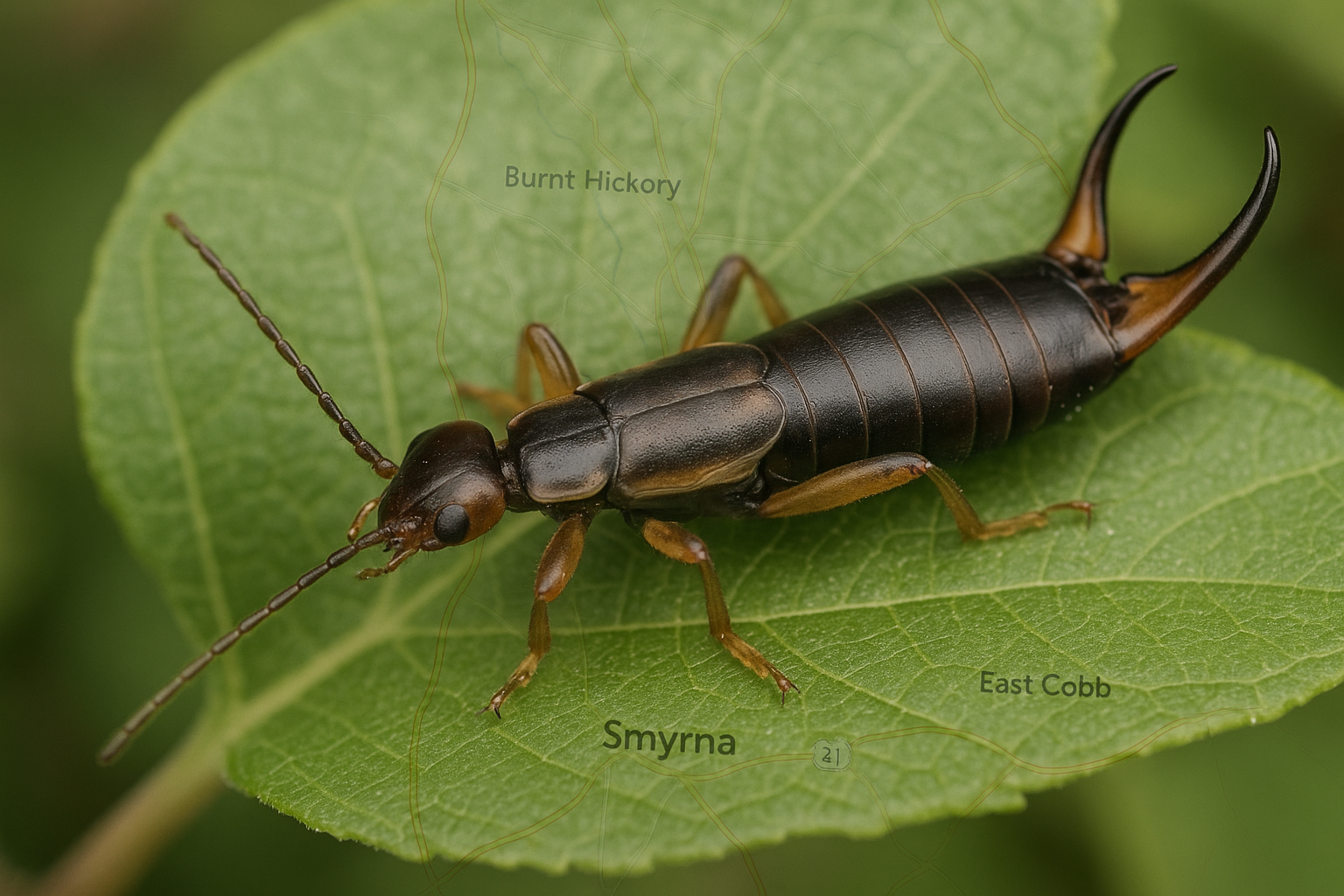
Earwigs belong to the order Dermaptera, a small but distinctive group of insects that most homeowners encounter only when they wander into damp corners of a yard or home. The most common species in North America is Forficula auricularia, often simply called the “European earwig.” Though the name sounds ominous, earwigs are harmless to people and pets; they don’t bite, sting, or transmit disease. Understanding their biology helps you spot them early and avoid unnecessary pesticide applications.
Adult earwigs typically measure 12–25 mm in length, roughly the size of a small paperclip. Their bodies are flattened and oval, an adaptation that lets them slip into tight cracks under foundations, garden mulch, or stone walls. Unlike many insects that are active during daylight, earwigs are nocturnal. They emerge after sunset to hunt for decaying organic matter, plant seedlings, or other small invertebrates, then retreat to sheltered micro‑habitats before dawn.
These insects thrive in environments that stay moist and rich in organic debris. A well‑watered flower bed, a pile of leaf litter, or a damp basement corner offers the perfect combination of humidity and food. In residential yards, you’ll often find earwigs sheltering under mulch, stones, wood chips, or the cracks between patio slabs. Their preference for such micro‑habitats explains why they become more noticeable after heavy rains or during humid summer evenings.
Three Key Identification Markers
- Forceps‑like cerci at the rear of the abdomen – the most unmistakable feature, used for defense and mating.
- Flattened, oval body shape that tapers slightly toward the rear, allowing them to hide in narrow crevices.
- Nocturnal activity patterns – you’ll usually see them after dark, often near light sources or damp areas.
When you compare earwigs to other household pests, the differences become even clearer. Take the small German cockroach (Blattella germanica) as an example. Both can be similar in size, but cockroaches have long, slender antennae and a more rounded, glossy body without the characteristic cerci. Earwigs, on the other hand, display short, bristly antennae and the unmistakable pair of pincers at the tail end. Spotting those cerci is the quickest way to confirm you’re looking at an earwig rather than a roach.
According to the USDA 2024 pest prevalence report, earwigs affect approximately 30 % of U.S. residential yards each year. That statistic underscores how common these insects are, especially in regions like Smyrna, Georgia, where humidity and lush landscaping provide ideal conditions.
Why does accurate identification matter? Misidentifying earwigs as more damaging pests—such as cockroaches or ants—can lead homeowners to request broad‑spectrum insecticides that are unnecessary and potentially harmful to beneficial insects, pets, and the environment. By recognizing the three key markers listed above, you can confidently determine whether you’re dealing with a harmless earwig or a pest that truly requires treatment.
In practice, a quick visual check at night (using a flashlight) can reveal the cerci and body shape. If you spot earwigs, consider non‑chemical control methods first: reduce excess moisture, remove mulch or leaf litter that shelters them, and seal cracks in foundations or siding. These steps often keep earwig populations below nuisance levels without resorting to sprays.
Local Impact – Earwig Hotspots in Smyrna, GA
Why Smyrna’s Climate Loves Earwigs
Smyrna sits squarely in a humid subtropical zone, meaning warm summers, mild winters, and a steady supply of moisture. With an average annual rainfall of roughly 52 inches, the city’s lawns, garden beds, and shaded crawl spaces stay damp for much of the year. Earwigs thrive in those moist micro‑habitats—under mulch, leaf litter, and the damp corners of basements—because the humidity prevents their thin exoskeletons from drying out.
That constant moisture also encourages the growth of fungi and decaying plant material, both of which serve as a favorite buffet for earwig nymphs. In short, Smyrna’s weather creates a perfect, year‑round pantry and shelter combination that few other pests can match.
Neighborhoods Reporting Higher Activity
Local service calls and community surveys point to three areas where earwig sightings are notably higher:
- Burnt Hickory – Older homes with mature trees and extensive landscaping provide abundant leaf litter and shaded mulch beds.
- East Cobb – The mix of newer developments and well‑maintained gardens creates a patchwork of moist zones, especially around irrigation systems.
- Historic Downtown – Brick foundations, historic porches, and older drainage systems trap humidity, making cracks and crevices ideal earwig hideouts.
Homeowners in these neighborhoods often report earwigs appearing in kitchen cabinets, around outdoor planters, and even inside laundry rooms after a rainy spell.
Seasonal Spike: Late Summer to Early Fall
Earwig populations in Smyrna follow a predictable rhythm. After the summer heat peaks, the region experiences a series of heavy rain events that soak the soil and garden beds. Those conditions trigger a surge in earwig activity, making earwig control in Smyrna GA especially important, with numbers peaking in late August through October.
According to the University of Georgia Extension 2024 report, earwig sightings rise 45 % during September‑October.
This seasonal window is when homeowners should be most vigilant, especially if they notice increased movement in damp corners of basements or an uptick in tiny, pale insects scurrying across kitchen floors.
Potential Damage to Your Property
While earwigs are generally harmless to humans, their chewing habits can cause noticeable damage. In gardens, they munch on tender seedlings, ornamental shrubs, and the tender foliage of roses and hydrangeas, often leaving ragged edges that invite secondary infections.
Inside the home, earwigs occasionally wander into pantry shelves, where they may nibble on soft fruits, bread crusts, or uncovered pet food. Though they don’t transmit diseases, their presence can be unsettling and may lead to food spoilage if left unchecked.
Early Detection Saves Money and Headaches
The key to limiting earwig‑related damage is catching the problem before the population explodes. Simple steps—like regularly inspecting mulch layers, sealing cracks around foundations, and keeping indoor humidity below 60 %—can dramatically reduce the likelihood of an infestation.
If you start spotting earwigs in high‑traffic areas or notice a sudden increase after a heavy rain, it’s wise to contact a local pest professional. Early intervention not only curtails the damage to plants and pantry items but also prevents earwigs from establishing a foothold in your home’s hidden moisture zones.
DIY Inspection Checklist & Prevention Tips
Step‑by‑Step Inspection Routine
Before you call a professional, walk through your property with a flashlight and a keen eye. Earwigs love dark, damp places, so focus on the zones where moisture gathers and where they can slip inside unnoticed. Use the checklist below as a quick reference while you move from room to room and around the exterior of your home.
- ✓ Inspect under decks and porches for soil buildup or standing water.
- ✓ Scan mulch beds and garden borders for piles of decaying leaves or organic debris.
- ✓ Examine foundation cracks, especially near window sills and door frames.
- ✓ Probe crawl spaces with a long‑handled mirror; look for earwig droppings or shed skins.
- ✓ Check indoor damp areas such as basements, laundry rooms, and under sinks for moisture stains or tiny silvery tracks.
- ✓ Open closets and pantry corners; spot any tiny shells or the faint, musty odor earwigs leave behind.
Prevention Actions That Really Work
Finding earwigs is only half the battle. Cutting off the conditions they thrive in makes your home far less inviting. Below are proven, homeowner‑friendly steps you can start today.
- Control Moisture – Repair leaky faucets, roof gutters, and exterior pipe joints. Install proper drainage away from the foundation, and consider a dehumidifier in basements that stay above 45 % relative humidity.
- Trim Vegetation – Keep shrubs, vines, and lawn edging at least 2 ft from the house. This creates a dry buffer zone that blocks earwigs from using plants as a bridge to your walls.
- Secure Waste – Use sealed trash containers and store them away from doors. Compost bins should be placed at least 20 ft from the home to prevent odor‑driven migrations.
- Apply Diatomaceous Earth – Sprinkle a thin layer of EPA‑approved diatomaceous earth around known entry points—window wells, door thresholds, and the base of exterior walls. The microscopic sharp edges dehydrate any earwig that crosses the barrier.
- Use Silica Gel Packs – Distribute small silica gel packets in closets, pantry corners, and laundry rooms. They absorb excess humidity, making those spaces inhospitable for earwigs and other moisture‑loving pests.
Smyrna‑Specific Tip
If you live on Old Powder Springs Road or nearby streets, consider installing gutter extensions that direct rainwater at least three feet away from the foundation. This simple upgrade stops runoff from pooling against your home, a common earwig attractant in the Smyrna area.
Why Consistency Matters
Earwigs are opportunistic; they’ll move in as soon as a wet, sheltered spot appears. By performing the inspection checklist monthly—especially after heavy rains—and keeping up with the prevention actions, you dramatically shrink their habitat. Think of it as regular yard work: a little effort now prevents a larger infestation later.
Quick Reference Checklist
- ✓ Under‑deck and porch soil check
- ✓ Mulch and leaf‑litter inspection
- ✓ Foundation crack survey
- ✓ Crawl‑space moisture scan
- ✓ Basement & laundry room dampness check
- ✓ Closet & pantry shell search
- ✓ Leak repair & drainage verification
- ✓ Vegetation trim to 2 ft
- ✓ Sealed trash & distant compost
- ✓ Diatomaceous earth barrier placement
- ✓ Silica gel pack distribution
- ✓ Gutter extension installation (Old Powder Springs Rd.)
Stick to this routine, and you’ll find earwigs far less likely to set up camp in your Smyrna home. For those moments when DIY methods aren’t enough, Anthem Pest Control stands ready with safe, effective treatments tailored to local conditions.
Effective Professional Solutions Offered by Anthem Pest
Targeted Indoor Sprays
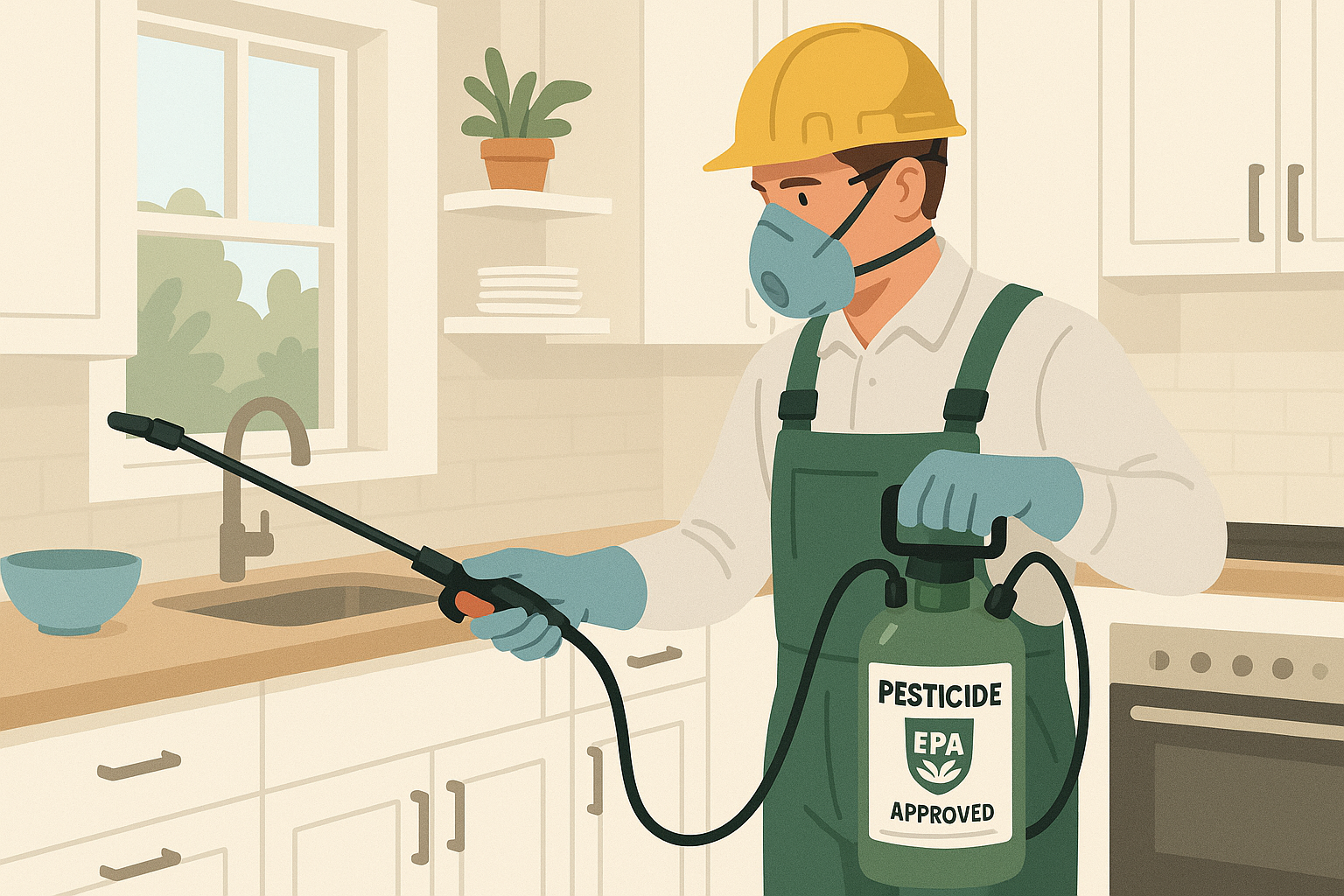
Anthem Pest’s indoor spray program uses EPA‑registered insecticides that are specifically formulated for earwig control. Technicians focus on the hidden pathways earwigs use to travel: cracks in baseboards, gaps around utility lines, and the underside of flooring. By applying a low‑volume micro‑encapsulated spray, the product remains active for weeks, killing insects that contact treated surfaces while leaving a residual barrier that deters new entrants.
Perimeter Bait Stations
While earwigs are primarily nocturnal, they often congregate in the soil and mulch surrounding a home to feed on decaying organic matter. Anthem Pest places granular bait stations around the property’s perimeter, targeting the breeding hotspots. The bait contains a slow‑acting active ingredient that earwigs carry back to their nests, interrupting the life cycle without the need for repeated indoor applications.
Exclusion Services
Prevention starts with denying entry. Anthem’s exclusion team conducts a thorough inspection to locate gaps, damaged screens, and foundation cracks. They then seal these openings with durable, weather-resistant caulks, install door sweeps on all exterior doors, and repair any compromised foundation sections. This structural barrier reduces the likelihood of earwigs re-entering, making earwig control in Smyrna GA more effective and complementing chemical treatments for a holistic approach.
Typical Two‑Visit Service Plan
Homeowners in Smyrna can expect a clear, predictable schedule that balances immediate relief with long‑term protection.
| Visit | Primary Actions | What Homeowners Should Expect |
|---|---|---|
| Visit 1 – Inspection & Initial Spray | Comprehensive interior inspection, targeted indoor spray, placement of perimeter bait stations, and initial exclusion assessment. | Technician explains product safety, provides a brief walkthrough of treated areas, and notes any repair recommendations. |
| Visit 2 – Follow‑Up (≈30 days later) | Re‑inspection of treated zones, re‑application of spray where needed, bait station check, and completion of any pending exclusion work. | Homeowner receives a post‑treatment report, including a visual confirmation of reduced earwig activity. |
Backed by Independent Data
A 2023 efficacy study conducted by the National Pest Management Association (NPMA) evaluated professional earwig control programs across multiple states, including Georgia. The study reported an average **87 % reduction in indoor earwig sightings** when a comprehensive approach—combining indoor sprays, perimeter baits, and exclusion—was employed. Anthem Pest’s protocol mirrors the study’s best‑practice recommendations, delivering results that align with the industry benchmark.
Safety‑First Formulation
All products used by Anthem Pest carry EPA registration and are classified as low‑toxicity. They are safe for households with children, pets, and even food preparation areas when applied by a certified technician. The company follows strict label directions, uses calibrated equipment to minimize overspray, and provides homeowners with a detailed safety data sheet after each visit.
Local Licensing & Technician Training
Anthem Pest technicians operating in Smyrna are fully licensed by the Georgia Department of Agriculture and must complete a minimum of 40 hours of continuing education each year. Training covers:
- Identification of earwig species common to the region.
- Proper placement of bait stations to maximize uptake.
- Advanced exclusion techniques specific to older homes.
- Safe handling and application of EPA‑registered insecticides.
This rigorous program ensures that every homeowner receives a service that is not only effective but also compliant with state regulations and industry standards.
How Much Does Earwig Control Cost in Smyrna?
When you’re dealing with an earwig invasion, the first question on every homeowner’s mind is cost. At Anthem Pest, we believe pricing should be as clear as a freshly cleaned kitchen floor—no hidden fees, no surprise charges after the work is done. Below you’ll find the most recent 2024 market data for Smyrna, GA, broken down by service type, so you can compare apples to apples and decide which option fits your budget and your pest‑control goals.
2024 Local Pricing Breakdown
- Inspection only: $75 – $120. A thorough visual assessment of interior and exterior zones, plus a written report of findings.
- One‑time treatment (1,500 sq ft home): $150 – $250. Includes targeted insecticide applications to cracks, crevices, and likely harborages.
- Full service package (inspection, treatment, 6‑month follow‑up): $300 – $425. This all‑inclusive plan adds quarterly check‑ins, re‑treatments if needed, and a protective barrier to keep new earwigs out.
What Drives the Price?
Several variables can push a quote higher or lower. The size of your home is the most obvious factor—larger square footage means more product and more labor. Infestation severity also matters; a light presence may be handled in a single visit, while a heavy, multi‑room problem often requires additional treatments and possibly exclusion work such as sealing vents or repairing foundation gaps. Finally, the frequency of follow‑up visits influences cost: a homeowner who opts for a 6‑month maintenance plan will pay more upfront but typically saves money compared with repeated one‑time treatments.
How Anthem Pest Stacks Up Against the Competition
| Service | Anthem Pest | Avg. Regional Competitor |
|---|---|---|
| Inspection only | $95 | $110 |
| One‑time treatment | $200 | $260 |
| Full 6‑month package | $365 | $420 |
| Inclusion of exclusion | ✔︎ | ✖︎ |
| 24/7 support line | ✔︎ | ✖︎ |
The pricing differences aren’t accidental. According to the EPA 2024 cost‑analysis report on residential pest services, transparent, all‑inclusive quotes reduce customer churn by up to 22 %. Anthem Pest follows those guidelines by bundling inspection, treatment, and any necessary exclusion work into a single, predictable price—so you never get a surprise bill after the technician leaves.
Choosing a provider that offers clear, upfront pricing means you can budget confidently and focus on what matters most: a safe, earwig‑free home. With Anthem Pest, you get professional expertise, a guaranteed service plan, and the peace of mind that comes from knowing exactly what you’re paying for—no hidden fees, no guesswork.
Local Expertise, Trusted Results – Why Choose Anthem Pest
Anthem Pest isn’t a faceless national call‑center; we’ve been on the ground in Cobb County for more than a decade. Our technicians are fully licensed Georgia pest‑control professionals who know every backyard, cul‑de‑sac, and shaded patio in Smyrna. That local knowledge matters because earwig activity shifts with the city’s micro‑climates—cool, damp basements, sun‑warmed garden beds, and the humid edges of the Chattahoochee floodplain. When we walk onto your property, we already understand the conditions that make earwigs thrive, so we can target the problem before it spreads.
Industry‑Recognized Certifications
- EPA‑registered applicator: Ensures strict safety protocols for people, pets, and the environment.
- Member of the National Pest Management Association (NPMA): Keeps us aligned with the latest best practices and ethical standards.
- Licensed by the Georgia Department of Agriculture: State‑approved authority for pest‑control operations.
“After a summer surge of earwigs, Anthem’s team fixed the problem in two visits. My garden and kitchen are earwig‑free again!” – Jane D., Burnt Hickory resident.
24/7 Support & Satisfaction Guarantee
Help is never more than a phone call away. Our round‑the‑clock support line—877‑371‑8196—connects you directly to a knowledgeable representative who can schedule an emergency visit or answer any question about ongoing treatment. We stand behind every service with a clear guarantee:
- If earwigs reappear within 30 days, we’ll return at no extra cost to re‑treat your home.
Low‑Toxicity, Pet‑Friendly, Environmentally Responsible
Anthem Pest chooses products that protect families and four‑legged companions. Our formulations are low‑toxicity, meaning they target insects while leaving minimal residue for children, pets, and beneficial garden insects. We also employ integrated pest‑management (IPM) techniques—such as habitat modification, moisture control, and targeted baiting—to reduce the amount of chemical needed. By prioritizing environmentally responsible practices, we help preserve Smyrna’s natural beauty and keep the local ecosystem balanced, something every conscientious homeowner appreciates.
Choosing a pest‑control partner is about trust, expertise, and results that last. With a decade of hands‑on experience in Cobb County, a suite of industry‑recognized certifications, round‑the‑clock support, and a guarantee that puts the risk on us, Anthem Pest delivers exactly what Smyrna homeowners need: a reliable, low‑impact solution that eliminates earwigs and protects the home you love. When you call, you’re not just hiring a service—you’re gaining a local ally who understands the unique challenges of your neighborhood.
Frequently Asked Questions About Earwig Control
Below are answers to the most common questions homeowners ask about earwig control.
Q1: Are earwigs harmful to humans?
According to the Centers for Disease Control and Prevention, earwigs are not known to transmit diseases to people. They may wander into kitchens or pantries, where they can accidentally contaminate food with their bodies or excrement. While the health risk is minimal, the presence of earwigs in food‑preparation areas is considered a sanitation concern, prompting many homeowners to seek professional control. For more details, see the CDC’s guidance on insect‑related food contamination.
Earwigs do not bite or sting, and they lack the mouthparts needed to pierce skin. The occasional pinch is more of a nuisance than a medical issue. If an earwig is found inside the home, the safest approach is to gently sweep it onto a piece of paper and release it outdoors. Maintaining a clean kitchen—sealing food containers, promptly cleaning crumbs, and fixing window screens—helps prevent accidental introductions.
Q2: Will chemicals affect my garden plants?
Professional pest‑management technicians use targeted applications that focus on the areas where earwigs hide—such as mulch, soil cracks, and building foundations. By limiting spray drift and following label directions, off‑target exposure to garden plants is reduced. After treatment, a light watering of the treated zone helps dilute any residual chemicals, further protecting foliage and root zones. The Environmental Protection Agency recommends waiting at least 24 hours before planting or harvesting sensitive crops after a pesticide application, a practice we incorporate into every earwig‑control plan. Review the EPA’s earwig management guidelines for additional safety information.
The most common active ingredients we apply for earwig control are low‑toxicity pyrethroids such as bifenthrin or permethrin, which break down quickly in soil and have minimal residual activity on non‑target vegetation. Technicians also employ dust formulations that stay in the cracks where earwigs travel, further reducing the chance of drift onto foliage. For homeowners who prefer non‑chemical options, we can integrate diatomaceous earth or beneficial nematodes around the perimeter, both of which are EPA‑approved for organic pest management.
Q3: How often should I schedule follow‑up treatments?
Earwig populations tend to surge after periods of rain or when outdoor debris accumulates. To keep numbers below nuisance levels, Anthem Pest Control advises a semi‑annual service schedule—typically one treatment in spring and another in fall. Homeowners who experience unusually heavy rains or notice a sudden increase in earwig activity may benefit from an extra visit between the regular appointments. Consistent monitoring and timely re‑treatment ensure that earwigs remain a background issue rather than a recurring problem.
In addition to the twice‑yearly visits, we recommend a quick visual inspection after each major storm. Look for earwig shelters under mulch, leaf piles, or near outdoor lighting where insects congregate. If you notice a spike in activity, a spot‑treatment can be performed without waiting for the scheduled service. Combining earwig control with our broader seasonal pest program—covering ants, spiders, and roaches—optimizes overall yard health and reduces the need for separate interventions.
Remember, early detection and professional treatment are the most effective ways to keep earwigs from becoming a persistent nuisance in your Smyrna home. Give us a call at 877‑371‑8196 to discuss a customized plan that fits your budget and timeline.
Secure a Pest‑Free Home Today
First, let’s quickly revisit the most important steps you’ve learned about earwig control in Smyrna, Georgia. Proper identification is the foundation – knowing the slender, dark‑colored insects and their nocturnal habits helps you target the right solution. Smyrna‑specific risk factors, such as humid summer evenings and dense landscaping, create ideal hiding spots under decks, mulch, and siding cracks. A thorough DIY inspection – checking porch lights, moisture‑prone areas, and indoor corners – lets you spot early activity before the population explodes. Simple prevention measures, like trimming vegetation, sealing entry points, and reducing excess moisture, cut the invitation for earwigs to move inside. When those steps aren’t enough, professional treatment options – from targeted baits to perimeter sprays – provide a swift, lasting knock‑down. Anthem Pest’s transparent pricing means you know exactly what you’re paying for, with no hidden fees, and their local expertise ensures the methods match Smyrna’s climate and construction styles.
- Identify correctly: Spot the slender, dark earwigs and note their nocturnal activity.
- Know Smyrna’s risk factors: Humid evenings, abundant mulch, and cracks in siding invite earwigs.
- DIY inspection tips: Check porch lights, damp corners, and indoor baseboards for signs.
- Prevention basics: Trim vegetation, seal cracks, and control moisture around the foundation.
- Professional treatment: Targeted baits and perimeter sprays deliver fast, lasting control.
- Transparent pricing & local know‑how: Anthem Pest provides clear quotes and methods suited to Smyrna homes.
Eliminating earwigs isn’t just about comfort; it protects your home’s health and value. Earwigs can damage tender seedlings, chew on soft wood, and, in large numbers, create unsanitary conditions that attract secondary pests. By removing them, you reduce the risk of mold growth from their moisture‑rich habitats and safeguard the structural integrity of siding, decks, and garden beds. A pest‑free property also retains curb appeal, which is crucial for resale value in a competitive market like Smyrna.
When you choose Anthem Pest, you’re partnering with a trusted local team that specializes in earwig control in Smyrna GA and uses safe, effective solutions tailored to Smyrna homes. Our technicians handle every step—from thorough inspection to precise treatment—so you can enjoy a comfortable, earwig-free environment without worry.
Ready to protect your family and property? Call us today at 877‑371‑8196 for a free, no‑obligation quote, or schedule an online inspection at your convenience. Visit Anthem Pest Control to learn more and book your service.