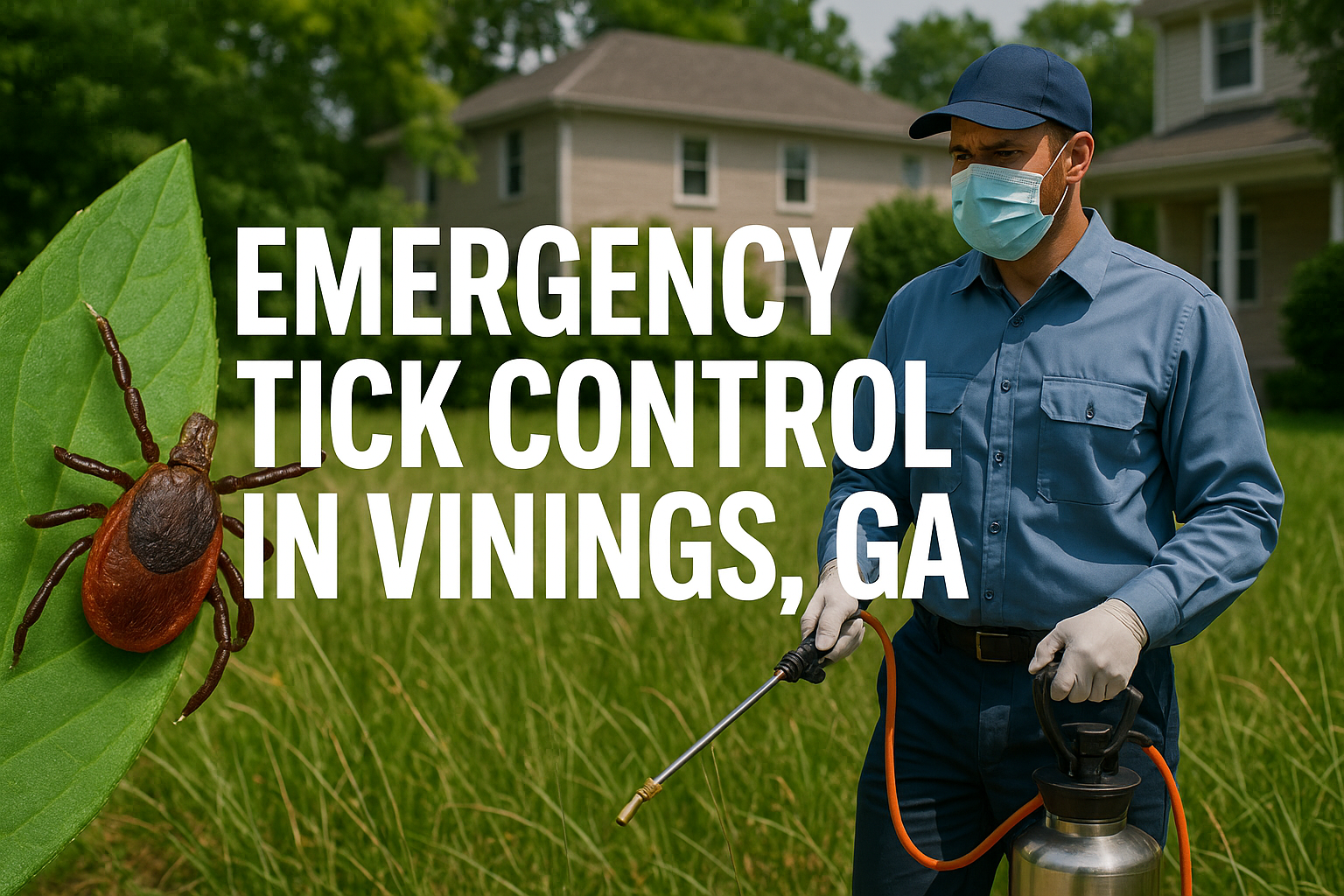
Why Immediate Tick Action Matters in Vinings
Vinings sits in a sweet spot for tick activity. The area’s humid subtropical climate delivers warm temperatures that creep above 70°F (21°C) by early April and linger well into September. Coupled with the region’s high humidity—often exceeding 70%—and the dense, leafy understory of Cobb County’s parks and residential yards, these conditions turn every shaded patio and garden bed into a perfect “tick hotspot.” For homeowners, professional tick control Vinings is essential to keep these areas safe and enjoyable.
Seasonal surge you can’t ignore
During spring and early summer, adult ticks emerge in large numbers, seeking blood meals to reproduce. In Vinings, the combination of newly sprouted grass, abundant leaf litter, and the frequent misty mornings creates a micro‑environment where ticks thrive. Homeowners who wait until midsummer often find infestations already entrenched, making treatment far more extensive—and costly.
Health risks backed by hard data
The Centers for Disease Control and Prevention (CDC) reports a 12% rise in Lyme disease cases nationwide in 2023, a clear indicator that tick‑borne illnesses are on the upswing (CDC Tick Facts). Georgia mirrors this trend; the Georgia Department of Public Health notes that 1 in 5 state residents reports at least one tick bite each year. These bites aren’t just itchy nuisances—ticks can transmit Lyme disease, Rocky Mountain spotted fever, ehrlichiosis, and other serious conditions that may lead to chronic fatigue, joint pain, or even neurological complications.
Local statistics paint a vivid picture
In Cobb County, where Vinings resides, recent surveys show that nearly 30% of households have observed ticks on their property during the peak season. The dense canopy of oak and pine trees, combined with the many ornamental shrubs favored by homeowners, provides the perfect bridge for ticks moving from wildlife hosts to humans.
Real‑world hook: a patio‑side alarm
Just last month, a Vinings homeowner was enjoying a quiet evening on a shaded patio when a cluster of tiny, dark‑colored ticks crawled across the stone surface. The sight was enough to prompt an immediate call to Anthem Pest Control. Within hours, a licensed technician inspected the surrounding yard, identified the tick “hotspot,” and began a targeted treatment plan—preventing what could have become a full‑blown infestation.
Why act now?
- Prevent health threats: Early intervention cuts the chance of bites and the diseases they carry.
- Limit treatment scope: Tackling a small, localized population is faster and more affordable than eradicating a widespread infestation.
- Protect outdoor enjoyment: Keep decks, patios, and play areas safe for family gatherings and weekend barbecues.
When the climate, vegetation, and tick biology align, the clock starts ticking for homeowners. Prompt action—whether it’s a professional inspection, landscape modification, or a targeted pesticide application—can keep Vinings families safe and their yards tick‑free.

Recognizing Ticks and Their Risks
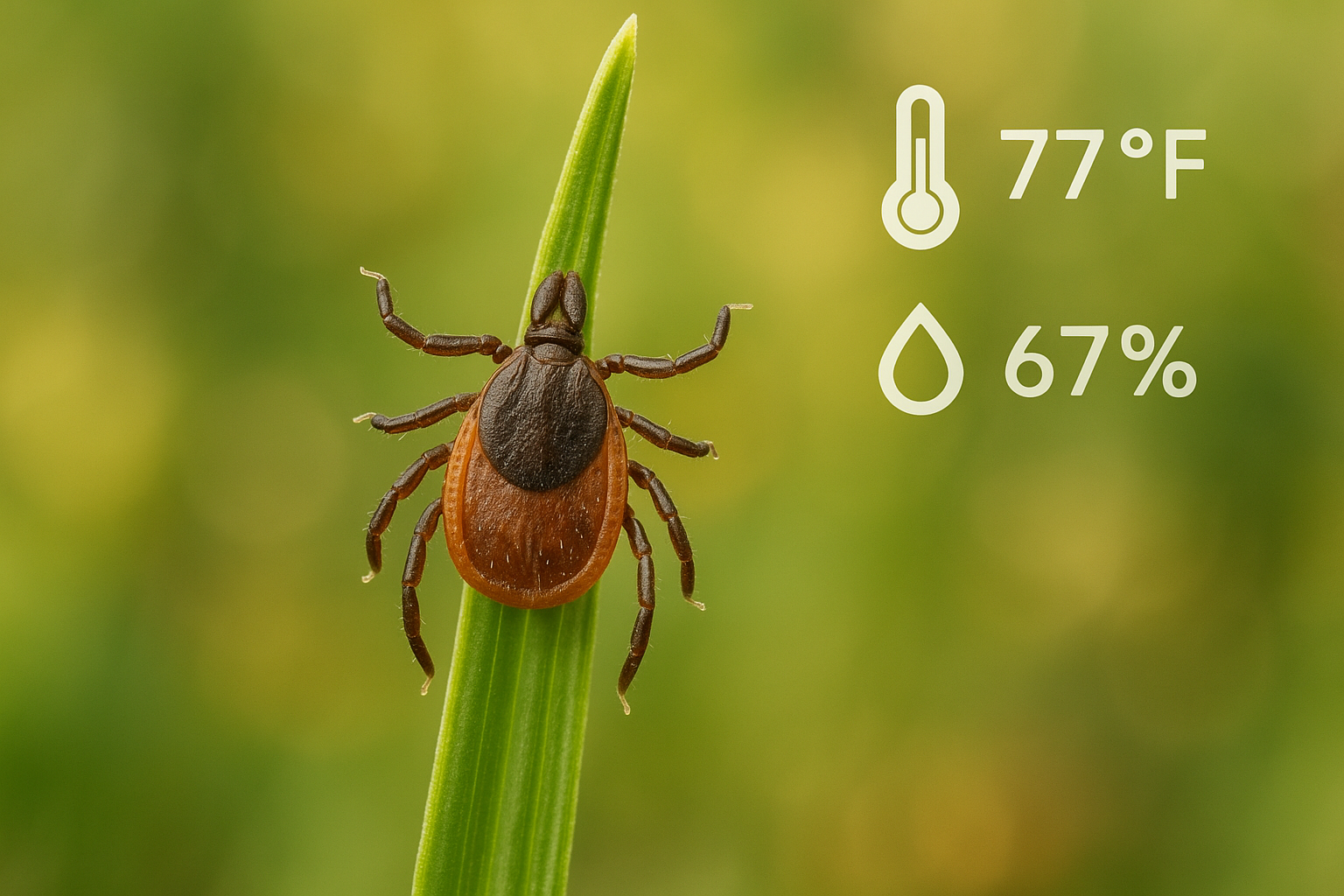
Deer Tick (Ixodes scapularis)
The deer tick, often called the blacklegged tick, is a tiny arachnid measuring about 2‑3 mm when unfed. It has a reddish‑brown body with a darker dorsal shield that can appear almost black in the adult stage. These ticks thrive in wooded edges, leaf litter, and shaded lawns—exactly the kind of micro‑habitats you find in Vinings’ mature neighborhoods.
American Dog Tick (Dermacentor variabilis)
American dog ticks are slightly larger, ranging from 3‑5 mm, with a distinctive white‑gray patch on their backs that looks like a “painted” pattern. They favor open, sunny areas such as gardens, parks, and even concrete patios where grass meets soil. While they’re called “dog” ticks, they readily bite humans when they wander onto a warm host.
Tick Life Cycle
All common Georgia ticks follow a four‑stage life cycle: egg → larva → nymph → adult. After hatching, a larva climbs onto low‑lying vegetation and waits for a passing host—often a small rodent. Once fed, it drops off, molts into a nymph, which is the most aggressive stage for human bites because it’s small enough to go unnoticed. After another blood meal, the nymph becomes an adult, seeking larger mammals such as deer, dogs, or people. Each stage can survive several months without a meal, allowing ticks to persist in your yard year‑round.
Health Risks in Georgia
Deer ticks are the primary vectors for Lyme disease, Rocky Mountain spotted fever, and anaplasmosis. According to the Georgia Department of Public Health, roughly 1 in 5 Georgia residents will be bitten by a tick each year, and a significant portion of those bites involve deer ticks carrying pathogens. In the Atlanta metro area, including Vinings, the infection rate for Lyme disease among attached deer ticks hovers around 15 %.
American dog ticks are notorious for spreading ehrlichiosis, a bacterial illness that can cause fever, headaches, and muscle aches. While ehrlichiosis is less common than Lyme, its symptoms often mimic flu, leading to delayed diagnosis.
Real‑World Anecdote
Last spring, a Vinings homeowner named Mark stepped onto his patio after a heavy rainstorm and discovered several adult deer ticks clinging to the rug. The damp conditions had driven the ticks from nearby leaf litter onto the hard surface, where they waited for a warm‑blooded host. Mark’s quick inspection and immediate call to Anthem Pest Control prevented a potential infestation and highlighted how quickly ticks can move from hidden habitats to visible danger zones.
Understanding the size, preferred habitats, and life‑stage behavior of deer and dog ticks empowers you to spot them early. Pair this knowledge with regular yard inspections, especially after rain or during peak tick season, and you’ll dramatically lower the odds of a bite—and the serious illnesses that can follow.
Immediate Steps Homeowners Can Take
When you discover a tick in your yard, on your pet, or even on yourself, the clock starts ticking. The good news is that you can act right now—no specialist needed—to dramatically lower the chance of a bite. Below is a practical, step‑by‑step checklist you can follow today.
1. Inspect and Remove
- Daily yard sweep: Walk the perimeter of your lawn each evening and run a gloved hand over the grass. Look for any attached ticks, especially in shaded or damp spots.
- Pet grooming routine: After every outdoor adventure, give dogs and cats a thorough once‑over. Use a fine‑toothed comb and check ears, neck, and between toes.
- Clothing checks: Before you step indoors, shake out pants, socks, and shoes. Run your hands over the fabric and use a mirror to inspect hard‑to‑see areas like the back of knees.
- Tools you’ll need: Keep a pair of fine‑pointed tweezers or a commercial tick‑removal kit in a kitchen drawer. Grasp the tick as close to the skin as possible and pull straight upward with steady pressure.
2. Create a Tick‑Free Zone
Ticks thrive in cool, humid micro‑environments. By altering the landscape, you make your property far less inviting.
- Grass height: Mow your lawn to keep the blades under 3 inches. Short grass lets sunlight dry the soil, which ticks dislike.
- Leaf litter: Rake and remove fallen leaves weekly. A thin layer of mulch can be left, but dense piles become perfect hide‑outs.
- Border treatments: Replace high‑grass borders with wood chips, gravel, or decorative stone. These materials drain quickly and stay dry.
- Brush piles: Eliminate or break up any accumulated brush or tall weeds. If you need a natural barrier, keep it at least 3 feet away from the home’s foundation.
EPA research shows that diligent yard maintenance can cut tick encounters by up to 70 %. The effort is modest, but the payoff is huge for you and your family.
3. Personal Protection
Even with a well‑kept yard, occasional exposure is inevitable. Protect yourself and your loved ones with these proven measures.
- Skin repellents: Apply a DEET‑based product with at least 30 % concentration or an equivalent picaridin formulation. Reapply every 5–8 hours, or after swimming.
- Clothing treatment: Spray boots, jackets, and pants with permethrin (follow label directions). The chemical bonds to fabric and remains effective through several washes.
- Dress for safety: In shaded or wooded areas, wear long sleeves, long pants, and closed‑toe shoes. Tuck pants into socks or boots to create a barrier.
Quick‑Reference Table of Recommended Products
| Product Type | Brand Example | Active Ingredient | Application Frequency |
|---|---|---|---|
| Skin Repellent | Off! FamilyCare | DEET 30 % | Every 5‑8 hours or after water exposure |
| Skin Repellent | Sawyer Premium | Picaridin 20 % | Every 8 hours, reapply after heavy sweating |
| Clothing Treatment | Permethrin Spray (e.g., Sawyer Permethrin) | Permethrin 0.5 % | Initial application; re‑treat after 6 washings |
| Yard Tick Control | Ortho TickX | Carbaryl (Sevin) 1 % | Every 2 weeks during peak season (April‑Oct) |
Putting It All Together
Start with a quick visual sweep, then move to the yard‑maintenance tasks that keep ticks from establishing a foothold. Finish by treating yourself and your family with reliable repellents and protective clothing. Follow the table above for product choices, and you’ll have a comprehensive defense system you can implement today—no waiting for a professional visit.
When to Call a Professional for Emergency Tick Control
Ticks can turn a pleasant backyard into a health hazard in a matter of days. While occasional bites are manageable, certain signs signal that the situation has crossed from “annoying” to “emergency.” Recognizing these red flags early and calling for professional tick control Vinings helps protect your family and prevents the problem from spiraling out of control.
What Exactly Qualifies as an Emergency?
- Sudden population explosion – If you notice a dramatic increase in tick activity within 24‑48 hours, especially after a rainstorm or a change in landscaping, the infestation is likely outpacing DIY measures.
- Multiple bites on children or pets – Young skin is more vulnerable, and a cluster of bites in a short period suggests a dense tick presence that requires immediate attention.
- Confirmed exposure to a tick‑borne disease – A diagnosis of Lyme disease, Rocky Mountain spotted fever, or any other tick‑transmitted illness in a household member demands swift, professional intervention to eliminate the source.
When any of these conditions appear, waiting another weekend to spray a DIY product can put your loved ones at serious risk. That’s the moment you should pick up the phone and call a licensed professional.
Anthem Pest’s 24‑Hour Rapid‑Response Guarantee
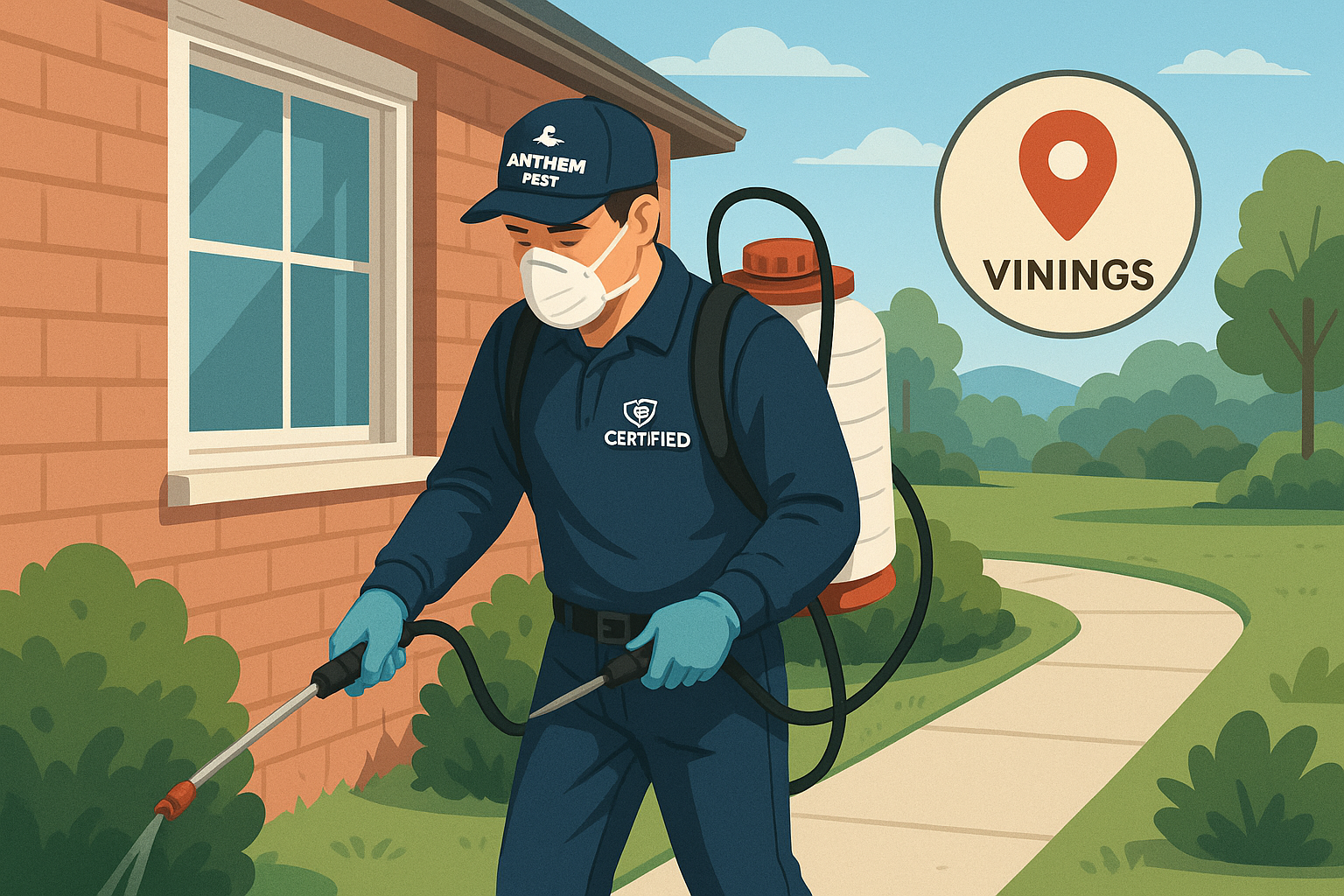
Anthem Pest understands that tick emergencies don’t wait for business hours. For homeowners in Vinings and the surrounding neighborhoods—including West Cobb, Marietta, and Duluth—we offer a 24‑hour response guarantee. Once you call our toll‑free line (877‑371‑8196), a certified technician will be dispatched within the next day, armed with EPA‑approved treatments that target ticks at every life stage.
Transparent Pricing You Can Trust
We keep our pricing straightforward so you know exactly what you’re paying for:
- Emergency perimeter treatment: $150 – $300, depending on lot size and landscape complexity (2024 regional quotes).
- Interior spot‑treatment: $80 – $150, covering high‑traffic rooms, bedrooms, and any indoor areas where ticks have been found.
All estimates are provided before work begins, and there are no hidden fees. The cost reflects the premium chemicals, specialized equipment, and the rapid‑response expertise that a DIY kit simply cannot match.
Scope of Service – What You’ll Get
- Perimeter barrier application – A calibrated spray line around the property’s outer edge creates a protective wall that kills questing ticks before they reach your yard.
- Interior spot treatment – Targeted applications in closets, basements, and other indoor hideouts where ticks may hitch a ride on clothing or pets.
- Follow‑up inspection – Within 7‑10 days, a technician returns to verify that the tick population is under control and to address any lingering hotspots.
Why Professional Treatment Beats DIY Every Time
- Higher efficacy – Our EPA‑approved formulations penetrate grass, leaf litter, and cracks where over‑the‑counter sprays often miss.
- Safety and liability protection – Certified applicators follow strict safety protocols, reducing the risk of accidental exposure to children, pets, or beneficial insects.
- Long‑lasting results – A professional barrier can remain effective for weeks, whereas DIY products typically need re‑application every few days.
- Local expertise – Anthem Pest knows the tick species prevalent in Vinings and tailors treatment to the specific micro‑climate of West Cobb, Marietta, and Duluth.
When a tick emergency strikes, the fastest, safest, and most reliable solution is a licensed professional who can act within hours, not days. By calling Anthem Pest, you gain a partner that combines rapid response, transparent pricing, and proven, EPA‑approved methods—all designed to protect your family and restore peace of mind.
Treatment Options and How They Work
Chemical Barriers
When ticks invade a yard, many homeowners turn to synthetic pyrethroids such as bifenthrin and permethrin. These EPA‑approved chemicals create a protective “invisible fence” that remains active for 6‑8 weeks after professional application. The active ingredient interferes with the tick’s nervous system by blocking sodium channels, causing rapid paralysis and death. Because the barrier is applied to the soil surface and perimeter vegetation, it targets ticks before they can climb onto a host.
Field studies compiled by the National Pest Management Association (NPMA) show an average 85% reduction in tick counts within two weeks when the product is applied correctly. This fast‑acting result makes chemical barriers the go‑to solution for urgent, high‑infestation situations.
Biological Controls
For homeowners who prefer a more eco‑friendly approach, entomopathogenic nematodes and fungi offer a living‑weapon alternative. Steinernema carpocapsae nematodes are microscopic worms that seek out tick larvae in the soil, release symbiotic bacteria, and kill the host within days. Likewise, spores of Metarhizium brunneum attach to the tick’s cuticle, germinate, and penetrate the body, eventually consuming the insect from the inside.
These biological agents work best in moist, shaded soil where they can survive long enough to locate their prey. While the reduction in tick numbers is slower—roughly 60% for nematodes in three weeks and 55% for fungal spores in four weeks—their low toxicity makes them safe for pets, children, and beneficial insects.
| Method | Pros | Cons | Approx. Effectiveness |
|---|---|---|---|
| Synthetic pyrethroids | Fast‑acting, long residual (6‑8 weeks) | Potential non‑target impact, requires professional handling | 85% reduction in 2 weeks |
| Nematodes (Steinernema carpocapsae) | Eco‑friendly, safe for pets | Shorter residual, requires moist soil | 60% reduction in 3 weeks |
| Fungal spores (Metarhizium brunneum) | Low toxicity, integrates with soil health | Sensitive to UV, needs proper timing | 55% reduction in 4 weeks |
Choosing the Right Option for Your Home
Deciding between a chemical barrier and a biological treatment hinges on three main factors: preference for chemical exposure, property characteristics, and budget. If you need immediate relief—say, after discovering a cluster of ticks on a child’s clothing—a professional pyrethroid application delivers the quickest knock‑down. The upfront cost is higher, but the extended residual period means fewer re‑applications.
For families with young pets, allergy‑prone residents, or a strong desire to protect beneficial insects, nematodes or fungal spores provide a gentler alternative. These options are typically priced lower per treatment, but you’ll need to reapply annually and keep the soil consistently moist during the application window.
Property type also matters. Large, open lawns with uniform soil benefit from the even spread of a chemical spray. In contrast, heavily wooded or heavily mulched areas create micro‑habitats where biological agents can thrive and seek out hidden tick stages. A hybrid approach—using a reduced‑rate chemical barrier around high‑traffic zones while seeding the rest of the yard with nematodes—often yields the best balance of speed, safety, and long‑term control.
At Anthem Pest Control, we start every consultation by assessing your yard’s layout, your family’s health considerations, and your budget constraints. From there, we recommend a tailored plan—whether that’s a single‑visit pyrethroid barrier, a series of nematode applications, or a combined strategy—to keep Vinings homes tick‑free without compromising safety.
Post‑Treatment Follow‑Up and Ongoing Protection
Re‑Inspection Timeline
After the initial tick treatment, Anthem Pest schedules a systematic re‑inspection to verify that the barrier is holding and that any missed hotspots are addressed. The first check occurs two weeks after the application, giving the product time to settle and start killing any lingering ticks. A second visit follows at the one‑month mark to catch any late‑emerging activity. During the peak tick season (April through September) we add quarterly visits, each timed to coincide with the highest tick pressure in the region.
What Homeowners Should Do Between Visits
- Maintain the lawn. Keep grass at a maximum of 3‑4 inches and mow regularly to reduce humidity where ticks thrive.
- Clear debris. Remove leaf piles, brush, and wood chips that create sheltered micro‑climates for ticks.
- Weekly pet checks. Run a fine‑toothed comb over your dog or cat’s coat and examine paws, ears, and underbelly for live ticks.
- Preserve barrier zones. Avoid applying lawn fertilizers, herbicides, or heavy mulch within the treated perimeter for at least two weeks after each service.
Anthem Pest’s Annual Protection Plan
For homeowners who want a hands‑off approach, Anthem Pest offers an Annual Protection Plan that bundles all seasonal treatments into a single, predictable fee. The plan includes:
- Comprehensive perimeter applications that target ticks, mosquitoes, and other yard pests.
- Pet‑safe formulations that meet EPA standards, so you can let your dogs and cats roam freely.
- Priority 24‑hour emergency call‑outs—if you spot a sudden surge, we’re on the road within a day.
Pricing ranges from $199 to $399 per year depending on property size and specific service selections, as outlined in our company brochure.
Cost‑Benefit Analysis
| Service Type | Typical Annual Cost | Estimated Savings |
|---|---|---|
| Ad‑hoc emergency tick treatments (average 2‑3 calls) | $350 – $550 | — |
| Anthem Pest Annual Protection Plan | $199 – $399 | $150 – $250 |
By locking in the annual plan, most homeowners avoid surprise emergency fees and benefit from a consistent, proactive barrier that reduces tick pressure year‑round.
Quick FAQ
- What if I see ticks after treatment?
- First, perform a thorough pet and personal tick check. Then contact Anthem Pest within 24 hours; our priority call‑out service will schedule a supplemental spot‑treatment at no extra charge.
- How should I store leftover chemicals safely?
- Keep any unused product in its original, sealed container, away from direct sunlight, children, and pets. Store it in a cool, dry place—ideally a locked garage or shed. Never pour chemicals down drains or mix them with other household cleaners.
Local Resources and Further Reading
When it comes to protecting your Vinings home from ticks, reliable information is just as important as professional treatment. Consulting trusted resources alongside professional tick control Vinings services ensures you stay ahead of tick season. Below are a handful of government‑backed and industry‑leading sources you can bookmark, read, and share with family members. They’ll help you understand the risks and make informed decisions about any DIY steps you might consider.
Quick‑Start Guides
- Cobb County Extension Tick‑Prevention Guide – This county‑specific handbook walks you through habitat‑targeted landscaping, yard‑maintenance tips, and safe personal protection measures. Read the guide here.
- CDC Tick‑Borne Disease Overview – The Centers for Disease Control and Prevention offers a clear, up‑to‑date overview of diseases such as Lyme, Rocky Mountain spotted fever, and ehrlichiosis, plus symptom checklists and when to seek medical care. Visit the CDC page.
- EPA Pesticide Safety & Tick Control Guidelines – Learn how EPA regulates pesticide applications, what to look for on product labels, and best practices for protecting children, pets, and pollinators while tackling ticks. Explore the EPA guidelines.
- NPMA Best‑Practice Recommendations – The National Pest Management Association compiles industry‑wide standards for integrated tick management, including monitoring, habitat modification, and when professional treatment is advisable. Read the NPMA recommendations.
Stay Updated on Local Tick Activity
Tick populations can shift from year to year based on weather patterns and wildlife movement. For the most accurate forecast in Vinings, check the Georgia Extension website for the 2025 tick activity outlook. Mark your calendar to revisit this page each spring, as the agency updates its predictions when new data become available.
Seasonal Alerts & Newsletters
One of the easiest ways to keep your yard tick‑free is to receive timely alerts straight to your inbox. Both Cobb County Extension and the Georgia Extension office offer free newsletters that highlight emerging risks, recommended treatment windows, and community outreach events. Signing up ensures you won’t miss the first notice of a spike in nymph activity or a new public‑health advisory.
To subscribe, simply visit the extension’s newsletter sign‑up page and enter your email. You’ll receive concise, seasonal updates that complement any professional service you schedule with Anthem Pest Control.
Why These Resources Matter
Each link in this list is curated for its credibility, relevance to Georgia’s climate, and practical value for homeowners. By combining the expertise of local extension agents, federal health agencies, and pest‑industry leaders, you gain a 360‑degree view of tick management—from prevention in the yard to safe pesticide use and early disease detection. Use these tools as a supplement to the professional services we provide; together, they form a robust defense against tick‑borne threats.
Secure Your Home Today
Vinings is seeing a noticeable uptick in tick activity as the season warms, and the risk isn’t waiting for a convenient time. Homeowners who delay action give ticks more opportunities to latch onto pets, children, and even the family dog. The good news is that a few quick, proactive steps can dramatically lower that danger while you arrange professional help.
Immediate actions you can take right now
- Trim vegetation. Keep grass at least three inches high and remove leaf litter or brush where ticks love to hide.
- Create a barrier. Apply a pet‑safe, EPA‑approved tick repellent around the perimeter of your yard, focusing on shaded areas and pathways.
- Inspect and dress. After any outdoor activity, give yourself, family members, and pets a thorough tick check. Wear long sleeves and pants, tucking them into socks.
- Shower promptly. A hot shower within two hours of being outdoors can wash away unattached ticks before they bite.
- Remove wildlife attractants. Secure trash bins, eliminate standing water, and keep bird feeders away from the lawn to deter deer and rodents that carry ticks.
While these measures buy you valuable time, they’re not a substitute for professional emergency tick control. Anthem Pest’s 24‑hour emergency response means a certified technician can be on your property within the same day you call, armed with the latest EPA‑approved treatments. Our transparent pricing eliminates surprise fees—what you see is what you pay, and you’ll receive a detailed action plan before any work begins.
If you’re ready to protect your family and enjoy a tick‑free yard, our certified technicians are standing by to design a customized solution that fits your budget and lifestyle. We’ll assess your property, target high‑risk zones, and set up a preventive schedule that keeps ticks at bay year after year.
Call us now at 877‑371‑8196 for a free, no‑obligation quote. Our friendly team will answer your questions and schedule an emergency visit at a time that works for you.
Take the next step toward a safer home: Visit Anthem Pest Control for professional tick control Vinings and let us handle the ticks so you can get back to enjoying your yard.