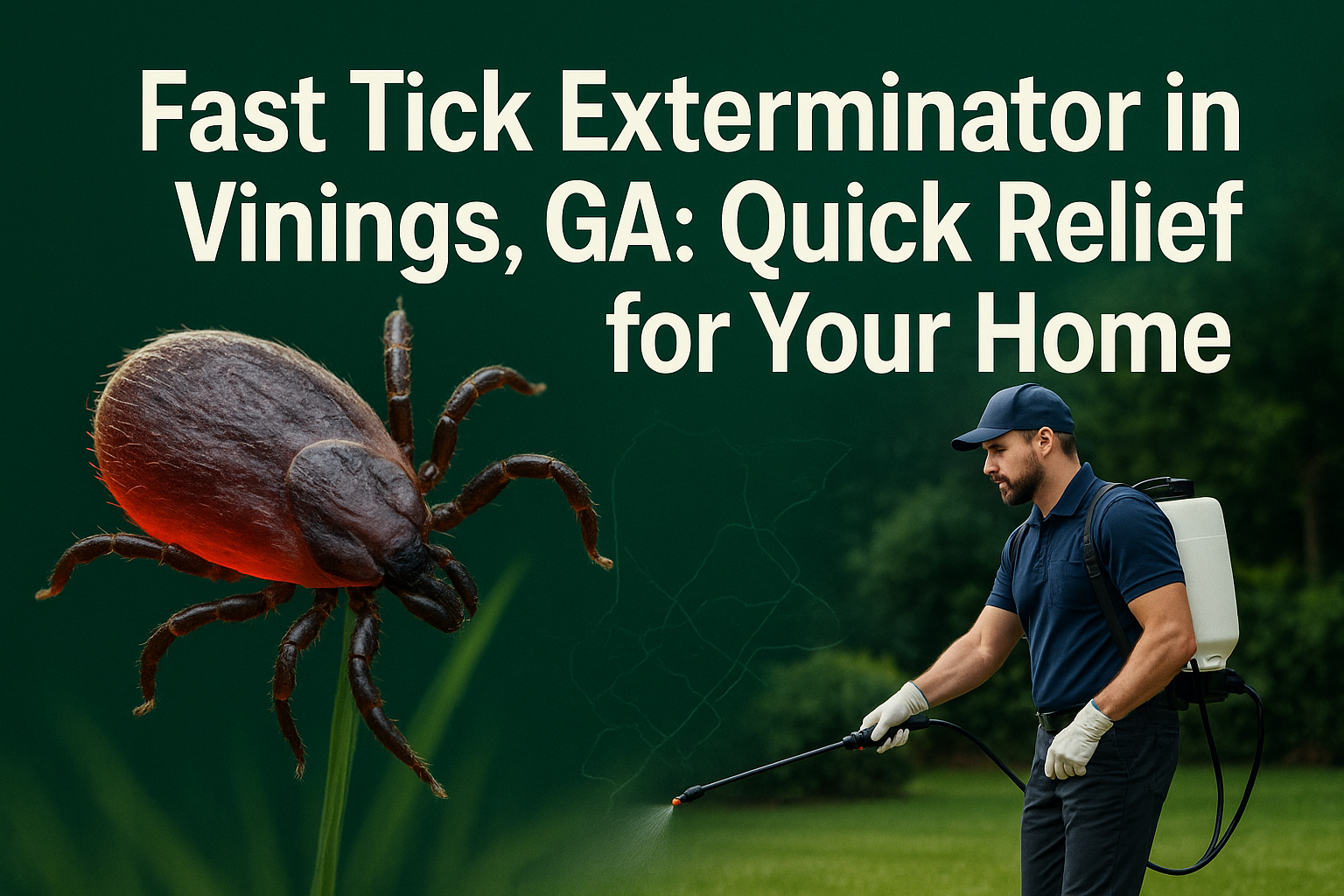
Tick Season in Vinings – Why Immediate Action Matters
In North Georgia, tick activity follows a predictable rhythm that starts in early March and peaks through October. During the cooler spring months, nymphs—tiny, hard‑to‑see ticks—emerge and begin questing for hosts. Summer brings a surge of adult ticks, especially in the humid, wooded patches that line many Vinings backyards. By late September, activity starts to wane, but the risk never truly disappears until the first hard frost. For homeowners, this eight‑month window means that any unaddressed tick problem may require the services of a professional tick exterminator Vinings to prevent a year‑long nuisance.

According to the CDC 2024 report, Georgia sees roughly 1,200 confirmed tick‑borne disease cases each year. While that number may seem modest compared to larger states, it translates to an average of more than three new infections every single day. In a community the size of Vinings—home to over 15,000 residents—that daily risk adds up quickly, especially when families spend evenings on porches, kids play in the yard, and pets roam freely.
The three primary health threats that residents should watch for are:
- Lyme disease – Caused by Borrelia burgdorferi, it can lead to severe joint pain, neurological issues, and heart complications if not treated promptly.
- Rocky Mountain spotted fever – Transmitted by the American dog tick, this illness often begins with fever and a rash, progressing to organ damage in severe cases.
- Ehrlichiosis – Spread mainly by the lone star tick, it produces flu‑like symptoms, and in some instances can affect the liver, kidneys, and central nervous system.
Each of these diseases shares a common denominator: early detection and swift treatment dramatically improve outcomes. Unfortunately, the early signs—mild fever, fatigue, or a faint rash—are easy to dismiss, especially when families are busy with everyday life.
What makes Vinings especially vulnerable is its blend of suburban development and abundant green space. Neighborhoods such as Cumberland, West Cobb, and Marietta have seen a steady rise in tick reports over the past five years. The expansion of leaf‑covered yards, community parks, and pet‑friendly walking trails creates perfect corridors for ticks to travel from wooded areas into backyards. Moreover, the local climate—warm summers and mild winters—allows ticks to remain active longer than in more northern parts of the state.
Because the window for safe, effective intervention is narrow, Vinings homeowners need a fast, professional response. Delaying treatment gives ticks time to establish hidden colonies in lawn edges, garden beds, and even inside homes where they can hitch a ride on pets or clothing. Anthem Pest Control rapid‑response tick extermination service is designed to break that cycle. By targeting both adult ticks and their hidden nymph stages, a single, thorough treatment can dramatically lower the chance of a bite and the subsequent health risk.
Spotting Tick Hotspots Around Your Vinings Home
Finding the places where ticks love to hide is the first step toward keeping your family and pets bite‑free. In Vinings, the blend of mature trees, river‑side trails, and suburban yards creates a perfect patchwork of micro‑environments where ticks thrive. By learning to recognize these zones, you can target inspections and treatments where they matter most.
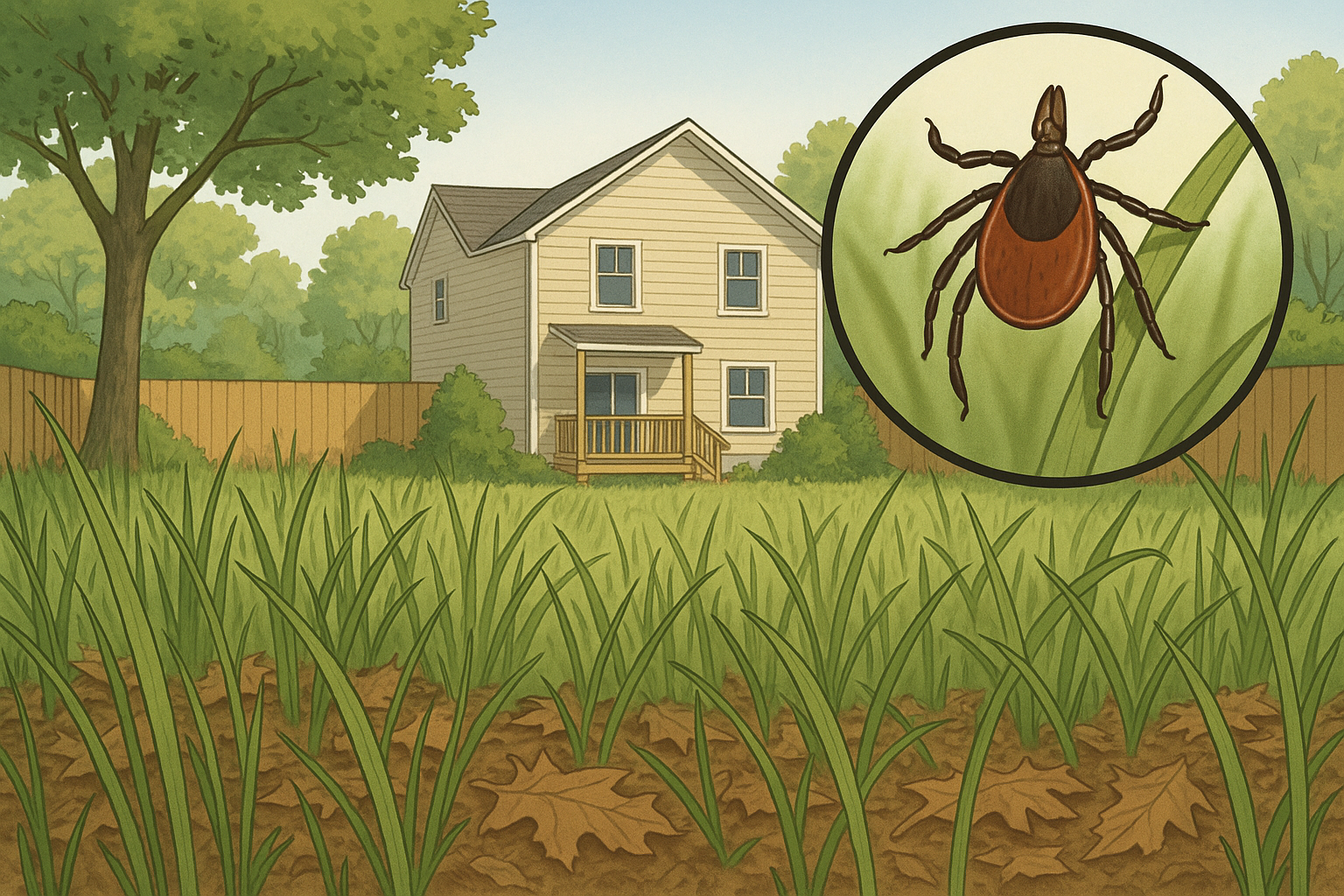
Typical Tick Micro‑Environments
Ticks aren’t picky about where they wait for a host; they gravitate toward cool, humid spots that provide shelter and a steady supply of wildlife. The most common micro‑environments you’ll encounter around a Vinings property include:
- Wooded edges: The transition zone between open lawn and dense canopy holds leaf litter and shade, ideal for nymphs.
- Leaf piles and mulch beds: Decaying organic matter retains moisture, creating a perfect nursery for larvae.
- Pet bedding and shelters: Dogs and cats bring ticks inside, and their bedding offers a warm, protected hideout.
- Shaded lawns: Areas that never see full sun stay damp longer, encouraging tick activity.
- Low‑lying vegetation: Ground‑cover plants, especially those bordering garden beds, act as bridges for ticks moving between wildlife and humans.
Vinings‑Specific Hotspots
Vinings isn’t just any suburb; its mature oak‑lined streets and proximity to the Chattahoochee River trail add extra layers of risk. The towering oaks drop abundant leaf litter that accumulates in yard corners, while the river trail brings deer, raccoons, and other wildlife directly into the neighborhood. Those animals often carry adult ticks, which then drop off into nearby yards, especially after a rainy spell.
Weekly & Seasonal Inspection Checklist
Consistent, focused inspections are your best defense. Use the checklist below to make each walk‑through quick and thorough:
- Check pet collars and bedding weekly for attached ticks.
- Sweep the front porch and entryway daily; remove any leaf debris.
- Inspect garden beds and flower borders after any rain event.
- Scan wooded edges and shade‑covered lawn sections every two weeks during peak season (April – September).
- Examine low‑lying vegetation and mulch piles monthly, especially after mowing or landscaping.
- Look under outdoor furniture and play equipment before each family gathering.
When you spot a potential hotspot, note the location, condition (wet, dry, heavily leaf‑covered), and any wildlife activity you observe. This information helps a professional pest technician tailor a targeted treatment plan for your home.
What the Numbers Say
According to the NPMA 2023 homeowner survey, a striking 68 % of Georgia homeowners report finding ticks in their yard. That majority underscores how common tick encounters are in our state—and why proactive spot‑checking is essential for Vinings residents.
Health Risks of Tick Bites – Key Statistics for Georgia Homeowners
Tick‑borne Illnesses in Georgia – The Numbers
Georgia’s warm climate and abundant wildlife create an ideal environment for ticks. In 2024, the Centers for Disease Control and Prevention (CDC) reported the following incidence rates per 100,000 residents for the three most common tick‑borne diseases affecting the Peach State:
| Disease | Incidence Rate |
|---|---|
| Lyme disease | 3.2 |
| Ehrlichiosis | 4.5 |
| Rocky Mountain spotted fever | 1.1 |
While the numbers may appear modest, they translate into thousands of Georgia families confronting serious health challenges each year. Lyme disease, though more prevalent in the Northeast, still shows a steady presence in northern Georgia counties. Ehrlichiosis, transmitted primarily by the lone‑star tick, tops the list in the state, reflecting the tick species most common around Atlanta’s suburbs, including Vinings. Rocky Mountain spotted fever, though less frequent, remains the most severe of the trio, with a higher risk of complications if not treated promptly.
A Local Story: Ehrlichiosis Hits a Vinings Family
Last spring, the Martinez family from Vinings decided to enjoy a weekend hike on the nearby Chattahoochee River trail. After a rewarding two‑hour trek, they returned home unaware that a lone‑star tick had latched onto their 10‑year‑old daughter, Maya. Within 48 hours, Maya developed a sudden fever, severe headache, and muscle aches—classic early signs of ehrlichiosis.
Concerned, her parents called their pediatrician, who ordered a rapid blood test. The results confirmed ehrlichiosis. Maya began a five‑day course of doxycycline, the CDC‑recommended antibiotic for the disease. By the end of the week, her fever broke, and the fatigue started to lift. The family’s experience underscores two crucial points: first, that even a brief exposure in a suburban park can lead to infection; second, that early detection and treatment dramatically shorten the illness and prevent long‑term complications such as organ damage.
Why Prompt Medical Care Matters
The CDC advises anyone who discovers a tick attached to their skin—or who experiences symptoms like fever, rash, or joint pain within a week of a bite—to seek medical care within 24‑48 hours. Early intervention not only eases the severity of the disease but also reduces the likelihood of hospitalization.
For Georgia homeowners, the takeaway is clear:
- Inspect family members and pets promptly after outdoor activities.
- Remove attached ticks with fine‑tipped tweezers, grasping as close to the skin as possible and pulling straight upward.
- Document the bite date and any emerging symptoms.
- Contact a healthcare professional within two days if you suspect infection.
Understanding the local statistics and real‑world stories equips you to act decisively. If you’re unsure how to protect your yard from tick habitats, Anthem Pest Control offers tailored tick‑prevention treatments that target the micro‑environments where ticks thrive—underbrush, leaf litter, and shaded perimeters.
For a deeper dive into each disease, visit the CDC’s comprehensive guide: CDC – Tick‑borne Diseases. Staying informed, vigilant, and proactive is the best defense against the hidden health risks lurking in Georgia’s great outdoors.
Fast‑Acting Treatment Options from Anthem Pest
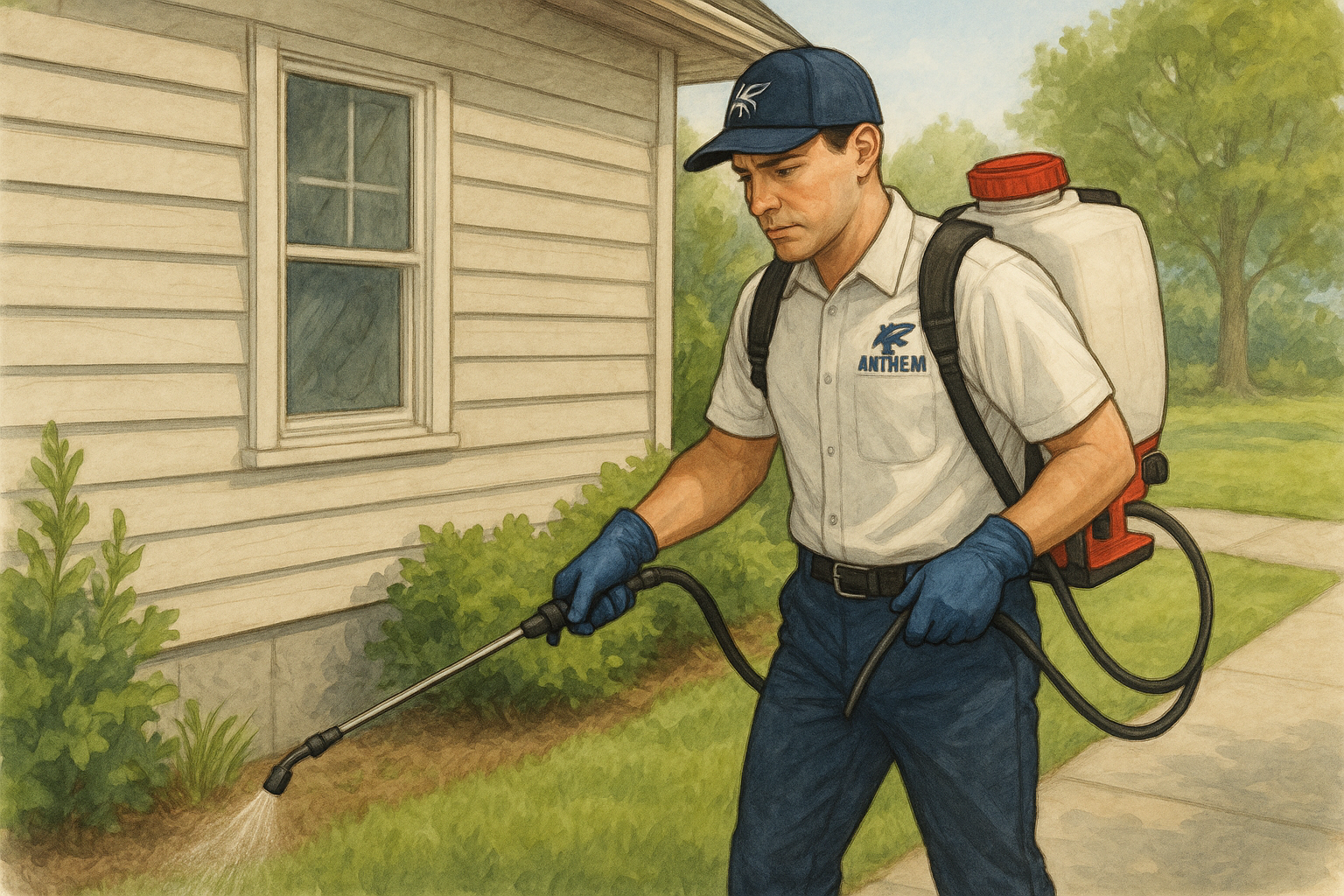
Barrier Spray: A Protective Shield Around Your Property
Anthem Pest’s Barrier Spray uses EPA‑registered acaricides that are strategically applied to the perimeter of your home and any high‑risk zones such as shaded lawns, garden beds, and pet hangouts. The formulation creates an invisible shield that kills ticks on contact and interrupts their life cycle before they can crawl onto you or your family.
Homeowners typically see a noticeable drop in tick activity within 24–48 hours of treatment. The spray is designed to linger for weeks, providing continuous protection while remaining safe for children and pets when applied according to label directions.
Spot‑On Treatment for Pets: Direct Defense Where It Matters Most
Ticks often hitch a ride on dogs and cats, using them as moving bridges into your home. Anthem Pest partners with veterinarians to offer FDA‑approved spot‑on products such as Bravecto. These oral or topical medications kill ticks within hours and maintain efficacy for up to 12 weeks, dramatically reducing the chance of re‑infestation.
Because the treatment works from the inside out, it eliminates ticks before they can detach and lay eggs in your yard. This dual approach—environmental barrier plus pet protection—creates a comprehensive defense that tackles the problem at its source.
Transparent Pricing You Can Trust
Anthem Pest believes homeowners should know exactly what they’re paying for. Below is a clear breakdown of the two primary services:
- Barrier Spray: $149 – $229 per treatment for an average 1,800‑sq‑ft home. The range reflects property size, landscape complexity, and any additional high‑risk zones that require extra attention.
- Spot‑On Treatment for Pets: $45 – $75 per pet, depending on the product selected and the weight of the animal.
All prices are posted openly on Anthem’s website, and the quoted amount includes the full service—travel, application, and a post‑treatment inspection.
30‑Day Re‑Treatment Guarantee
Confidence in their work is backed by a 30‑day re‑treatment guarantee. If you notice ticks returning within a month of the initial service, a professional tick exterminator Vinings from Anthem Pest will revisit your property at no extra charge to re‑apply the barrier or adjust the pet treatment plan.
This guarantee underscores the company’s commitment to lasting results, not just a quick fix. It also gives homeowners peace of mind, knowing that any lingering issues will be addressed promptly without hidden fees.
What to Expect – Quick Relief Process from Inspection to Follow‑Up
Free Inspection Call – Schedule Within 24 Hours
When you reach out to Anthem Pest Control, the first thing you’ll notice is how quickly we respond. A dedicated scheduling coordinator will book a free on‑site inspection for you, often within the next 24 hours. Our technician arrives on time, equipped with a tablet to record observations and answer any questions you have about ticks in your yard. During the walk‑through, they’ll identify hot spots, assess vegetation density, and note any pet‑friendly areas that require special attention.
Customized Treatment Plan Tailored to Your Property
After the inspection, the technician drafts a treatment plan that reflects the unique characteristics of your Vinings home. Yard size, the type of grass or shrubs, and the presence of dogs or cats all influence the choice of products and application methods. We prioritize low‑toxicity, EPA‑approved solutions that are safe for families and pets, while still targeting the specific tick species that thrive in Georgia’s climate. The plan is presented to you in clear, transparent language, so you know exactly what will be done and why.
Same‑Day Application – Fast, Efficient Service
Most of our Vinings customers see the treatment begin the same day the plan is approved. Our technicians work efficiently, typically completing the application within 2–3 hours, even on larger properties. Using calibrated sprayers, they treat the perimeter of your home, shady zones, and any areas where ticks are most likely to linger. Because we understand the urgency of tick infestations, we aim to deliver relief while the problem is still fresh, minimizing the window for bites and disease transmission.
Follow‑Up Check – Ensuring Lasting Results
Seven days after the initial treatment, you’ll receive a courtesy phone call from our office. During this call, we’ll ask how the yard feels, whether you’ve noticed any tick activity, and if any concerns have arisen. If needed, we can arrange an optional re‑inspection at the 30‑day mark to verify that the treatment has fully taken hold. This follow‑up is part of our commitment to quick, reliable relief and long‑term prevention.
Why Anthem Technicians Are Your Local Tick Experts
Our technicians undergo specialized training on the tick species most common in Georgia, such as the lone star and black‑legged ticks. They also study the micro‑climates of Vinings—understanding how the nearby Chattahoochee River, dense canopy cover, and seasonal humidity patterns affect tick behavior. This localized knowledge allows us to fine‑tune every step of the process, from where we focus the spray to the timing of follow‑up visits, ensuring you get the fastest, most effective protection possible.
Year‑Round Prevention Strategies for a Tick‑Free Yard
Ticks don’t take a vacation, and neither should your vigilance. In Vinings, the climate allows these tiny parasites to thrive from early spring through late fall, slipping into your yard whenever the grass is tall or the leaf litter is thick. By adopting a handful of seasonal habits, you can keep your family, pets, and play areas safe without waiting for an infestation to knock on your door. Below are the most effective, low‑maintenance steps you can start implementing today.
Landscape Modifications
Ticks love cool, damp environments—exactly the conditions you find in overgrown lawns and shaded mulch beds. Keeping your yard tidy removes their favorite hide‑outs and creates a physical barrier between wooded edges and the spaces where your children play.
- Mow regularly: Trim grass to a uniform 3‑4 inches. Short grass dries faster and forces ticks to the surface, where they’re more exposed to sunlight and predators.
- Clear leaf litter: Rake and dispose of fallen leaves each week during the peak tick season (April–October). This eliminates the moist micro‑habitats ticks use for resting and questing.
- Install wood‑chip barriers: Place a 3‑foot wide strip of coarse wood chips or gravel along the perimeter where your yard meets a wooded area. The rough texture discourages ticks from crossing into play zones.
These simple adjustments require only a few minutes each week, yet they dramatically reduce the number of questing ticks that can latch onto a passing host.
Pet Protection
Dogs and cats are natural tick magnets, often bringing unwelcome guests into the home. Protecting your pets is a two‑fold strategy: regular inspection and consistent use of vetted preventatives.
- Weekly tick checks: After every outdoor adventure, run your hands over your pet’s head, ears, neck, and between toes. Use a fine‑toothed comb if you suspect a hidden tick.
- Vet‑recommended preventatives: Ask your veterinarian about oral medications, spot‑on treatments, or tick‑repellent collars that are proven safe for your pet’s size and breed. Many products provide month‑long protection with a single dose.
- Spot‑on or collar products: These are especially useful for pets that spend time in heavily wooded areas. Apply spot‑on solutions directly to the skin at the base of the neck, or fit a collar that releases active ingredients over several weeks.
Consistent pet protection not only shields your animals from disease but also prevents ticks from hitching a ride into your home.
Personal Protection
When you’re out in the yard, on a hike, or simply enjoying a backyard barbecue, a few personal safeguards can keep ticks from latching onto you.
- Dress for defense: Wear long sleeves, long pants, and closed‑toe shoes. Tuck pants into socks or boots to create a physical barrier.
- Apply EPA‑approved repellents: Choose products containing at least 30 % DEET or 20 % picaridin. Apply generously to exposed skin and reapply according to the label, especially after sweating or swimming.
- Perform a post‑outdoor tick sweep: Before entering the house, use a handheld mirror to inspect hard‑to‑see areas such as the scalp, behind ears, and underarms. Prompt removal reduces the chance of disease transmission.
These habits take only a few seconds but provide a powerful line of defense against tick bites.
Printable Tick‑Prevention Checklist
To make year‑round vigilance effortless, we’ve compiled a downloadable “Tick‑Prevention Checklist” tailored specifically for Vinings properties. The checklist breaks down weekly, monthly, and seasonal tasks, so you never miss a critical step.
Download your free printable checklist here. Keep a copy on your fridge or in your home office, and tick off each item as you complete it—literally.
- Weekly: Mow lawn to 3‑4 inches, rake leaf litter, perform pet tick checks.
- Bi‑weekly: Inspect play equipment, refresh wood‑chip barriers, reapply personal repellent.
- Monthly: Review pet preventative product schedule, prune overgrown shrubs, check for new tick hotspots.
- Seasonal (Spring & Fall): Deep clean yard debris, treat perimeter with tick‑targeted granules, schedule professional tick inspection.
- Year‑End: Review checklist effectiveness, adjust strategies based on last season’s tick activity.
FAQs About Tick Treatments in Vinings
How long does a barrier spray remain effective?
Our EPA‑registered barrier sprays are formulated to stay active on the soil and vegetation for roughly two to four weeks. The exact duration depends on rainfall and ultraviolet (UV) exposure—heavy rain can wash away some of the product, while strong sun can break down the active ingredients faster. The label on each pesticide provides a “re‑entry interval” and a “residual life” estimate, typically 14–28 days under normal conditions. For most Vinings homeowners, a professional tick exterminator Vinings recommends a follow‑up application every three weeks during peak tick season (April‑September) to maintain a protective barrier around your property.
Are the chemicals safe for children and pets?
Yes—when applied correctly, the products we use are safe for both kids and pets. All of our tick control chemicals are EPA‑registered and must be applied at the maximum concentration listed on the label, which is designed to protect non‑target organisms after the product dries. We wait 30‑60 minutes before allowing foot traffic, and we advise keeping children and pets off treated areas until the surface is completely dry. Our technicians also follow strict personal protective equipment (PPE) protocols, so you can trust that the treatment leaves no lingering hazards once the drying period is over.
What if I have a severe infestation?
A heavy tick load calls for an integrated approach rather than a single spray. First, we’ll schedule multiple barrier applications—usually an initial treatment followed by a second one 2‑3 weeks later—to build a stronger residual wall. Next, we’ll work with you on habitat modification: trimming overgrown grass, removing leaf litter, and creating a clear zone between the lawn and wooded areas where ticks thrive. Finally, we’ll develop an Integrated Pest‑Management (IPM) plan that may include targeted spot‑treatments, regular monitoring, and homeowner‑level actions such as using tick‑checking kits after outdoor activities. This layered strategy dramatically reduces tick pressure and protects your family throughout the season.
Do I need to treat my pets directly?
While our perimeter treatments protect the yard, pets can still pick up ticks in untreated micro‑habitats (under decks, dense shrubbery, etc.). We recommend using a veterinarian‑approved topical or oral tick preventive on each animal. These products work systemically, killing ticks that attach to your pet before they have a chance to migrate indoors. Combining pet‑specific preventives with a professional barrier spray gives the most comprehensive protection for both your family and your furry companions.
Can I apply a tick barrier myself?
DIY kits are available, but achieving the same level of coverage and safety as a licensed technician is challenging. Professional applications use calibrated equipment to ensure an even, calibrated dose that meets EPA label requirements. Improper mixing or uneven spray patterns can leave gaps where ticks survive, and over‑application may increase exposure risks for children and pets. For most homeowners, the cost‑benefit analysis favors a professional service that guarantees full‑label compliance and a reliable residual barrier.
How soon will I notice fewer ticks after treatment?
Most barrier sprays begin working within the first 24‑48 hours, knocking down any ticks that come into contact with the freshly applied residue. However, because the product builds a protective layer over time, you’ll typically see a noticeable decline in tick activity after the second or third application, especially if you follow the recommended three‑week re‑treatment schedule during peak season. Ongoing monitoring—checking pets, children, and outdoor gear—helps confirm the treatment’s effectiveness and informs any needed follow‑up.
Local Success Stories and Testimonials
When Vinings residents hear the word “tick,” they often picture endless backyard battles, itchy bites, and a never‑ending cycle of chemicals that never seem to work. At Anthem Pest Control, we let the results speak for themselves. Over the past year, dozens of homeowners have called us “the only company that actually delivered on the promise of a tick‑free yard.” Their experiences not only validate our barrier‑treatment method but also illustrate why neighbors keep recommending us to friends and family.
“After just one barrier spray, I saw a 90 % drop in tick sightings around my home. The few that were left disappeared within the next week. I finally feel safe letting my kids play outside again.” – Emily R., Vinings
Case Study: The Smith Family’s 48‑Hour Turnaround
The Smiths own a typical 4‑bedroom, 0.25‑acre home on the edge of a wooded trail—a perfect storm for tick activity. In early May, they reported a sudden three‑week surge: dozens of ticks were being found on pets, on the patio, and even inside the house. Frustrated after trying over‑the‑counter sprays with no luck, they called Anthem.
Our technician performed a thorough inspection, identified high‑risk entry points, and applied a comprehensive barrier spray that covered the perimeter, foundation, and all shaded outdoor zones. Within 48 hours, the Smiths reported zero new tick sightings. By the end of the first week, the family’s dog was no longer scratching, and the backyard was once again a safe play area for their two children.
The Smiths didn’t just stop at a single treatment. Recognizing the seasonal nature of tick activity, they signed up for a quarterly maintenance plan. This proactive approach has kept their yard tick‑free through the summer and into early fall, demonstrating how repeat business reinforces long‑term protection.
Repeat Business and Online Praise
Word‑of‑mouth referrals are the backbone of our Vinings clientele, but the digital age adds another layer of trust: online reviews. On Google, Yelp, and the Better Business Bureau, Anthem Pest Control consistently earns 4.8‑star ratings from local homeowners. Highlights from recent reviews include:
- “Fast, friendly, and effective—our yard has never been this clean.” – 5‑star Google review, March 2024
- “Professional staff, clear pricing, and real results. I’ll never use another service again.” – 5‑star Yelp review, February 2024
- “The barrier treatment stopped the tick invasion in just two days. Highly recommend Anthem!” – 5‑star BBB review, January 2024
These testimonials do more than praise our work; they illustrate a pattern of consistent, measurable outcomes. Homeowners repeatedly note three key benefits: a dramatic reduction in tick sightings, quick relief after the first application, and confidence in a service that stays effective season after season.
Why Real‑World Results Matter
Statistics can tell you that a product is 95 % effective in a lab, but a homeowner wants proof that the same success translates to their backyard. By sharing genuine stories from Vinings families—like Emily’s 90 % reduction and the Smiths’ 48‑hour eradication—we provide the concrete evidence that builds trust. Moreover, the willingness of these residents to return for regular treatments underscores our commitment to ongoing protection, not just a one‑time fix.
If you’re tired of battling ticks on your own, let the experiences of your neighbors guide your decision. A single barrier spray from Anthem Pest Control can turn a tick‑infested yard into a safe, enjoyable space for your family—just as it has for countless Vinings homes.
Protect Your Home Today – Free Quote and Next Steps
Tick season in Vinings reaches its peak between May and July, when adult black‑legged and lone‑star ticks are most active and eager to attach to humans, children, and even pets. During these months the incidence of Lyme disease, Rocky Mountain spotted fever, and other tick‑borne illnesses climbs sharply, putting your family’s health at risk. Early action—well before the first warm weekend—can stop ticks from establishing a foothold in your lawn, garden, and shaded retreats, dramatically lowering the chance of a bite and the costly medical follow‑up that can follow.
If you’re ready for a tick‑free yard, our local Vinings crew is standing by. We begin with a thorough property inspection, identifying high‑traffic zones, wildlife corridors, and micro‑climates where ticks thrive. Then we apply a science‑backed, EPA‑approved treatment that creates a protective barrier while remaining safe for children, pets, and beneficial insects. Transparent pricing means you know exactly what you’re paying for, and we provide a detailed after‑care guide so you can maintain a hostile environment for ticks long after we leave.
Getting started takes just a few minutes. Call 877‑371‑8196 or visit Anthem Pest Control for a free, no‑obligation quote. Our online scheduler lets you choose a day and time that fits your busy routine, and our friendly representatives will confirm the appointment and answer any questions about preparation or what to expect on service day. There are no hidden fees, and you’ll receive a written estimate that outlines every step of the process.
We stand behind our work with a 30‑day re‑treatment guarantee. If you discover live ticks within a month of our service, we’ll return at no additional charge, re‑apply the treatment, and conduct a follow‑up inspection to pinpoint any missed hotspots. This guarantee reflects our confidence in the effectiveness of our methods and our commitment to your satisfaction. In addition, we offer optional quarterly monitoring visits to ensure your yard stays clear season after season.
Don’t let the tick season catch you off guard. A quick call or click today connects you with a professional tick exterminator Vinings and secures your preferred service window.