Spotting a Centipede in Your Smyrna Kitchen

Imagine you’re wiping down the kitchen counter after dinner when a flash of copper‑red darts across the tile, disappearing under the fridge in a heartbeat. The creature’s dozens of legs ripple like a tiny, frantic wave—your first, unmistakable encounter with a house centipede. If you’re dealing with this, professional centipede control Smyrna can help keep your home pest-free.
That sudden sprint isn’t a coincidence. Smyrna’s warm, humid summers and the often‑moist basements that sit beneath our homes create the perfect micro‑climate for these nocturnal hunters. The Southeast’s abundant moisture supplies the centipede’s need for a damp refuge, while the plentiful insects they prey on turn any kitchen into an all‑you‑can‑eat buffet.
Centipedes slip through the tiniest openings—cracks around sink pipes, gaps under cabinets, or the seam where the tile meets the grout. Once inside, they follow the trail of moisture, hunting cockroaches, spiders, and other small insects that thrive in the same damp corners. That’s why a simple drip from a leaky faucet or a condensation‑laden dishwasher can turn your kitchen into a centipede hotspot.
In this guide we break down everything a homeowner needs to know: a transparent cost breakdown for professional removal, an insider look at the treatment methods Anthem Pest Control uses, and a checklist of practical steps you can take right now to keep centipedes out of your pantry. By the end, you’ll feel confident about both the short‑term fix and the long‑term prevention plan.
Here’s a quick roadmap of what’s coming up:
- Understanding why centipedes love Georgia homes
- How Anthem assesses the severity of an infestation
- Typical pricing for inspection, treatment, and follow‑up
- Do‑it‑yourself moisture‑control tricks that work
- When to call a certified exterminator for guaranteed results
Our data isn’t anecdotal. According to the EPA’s Indoor Pest Survey, the Southeast region reports one of the highest incidences of centipede sightings in residential settings, confirming that what you saw on the tile is a common, yet manageable, neighbor.
By walking you through each step—from spotting that first legged flash to sealing moisture sources—this article removes the guesswork. You’ll know what to expect from a professional inspection, why transparent pricing matters, and which DIY measures buy you time until Anthem Pest’s certified technicians take over.
House Centipede Basics

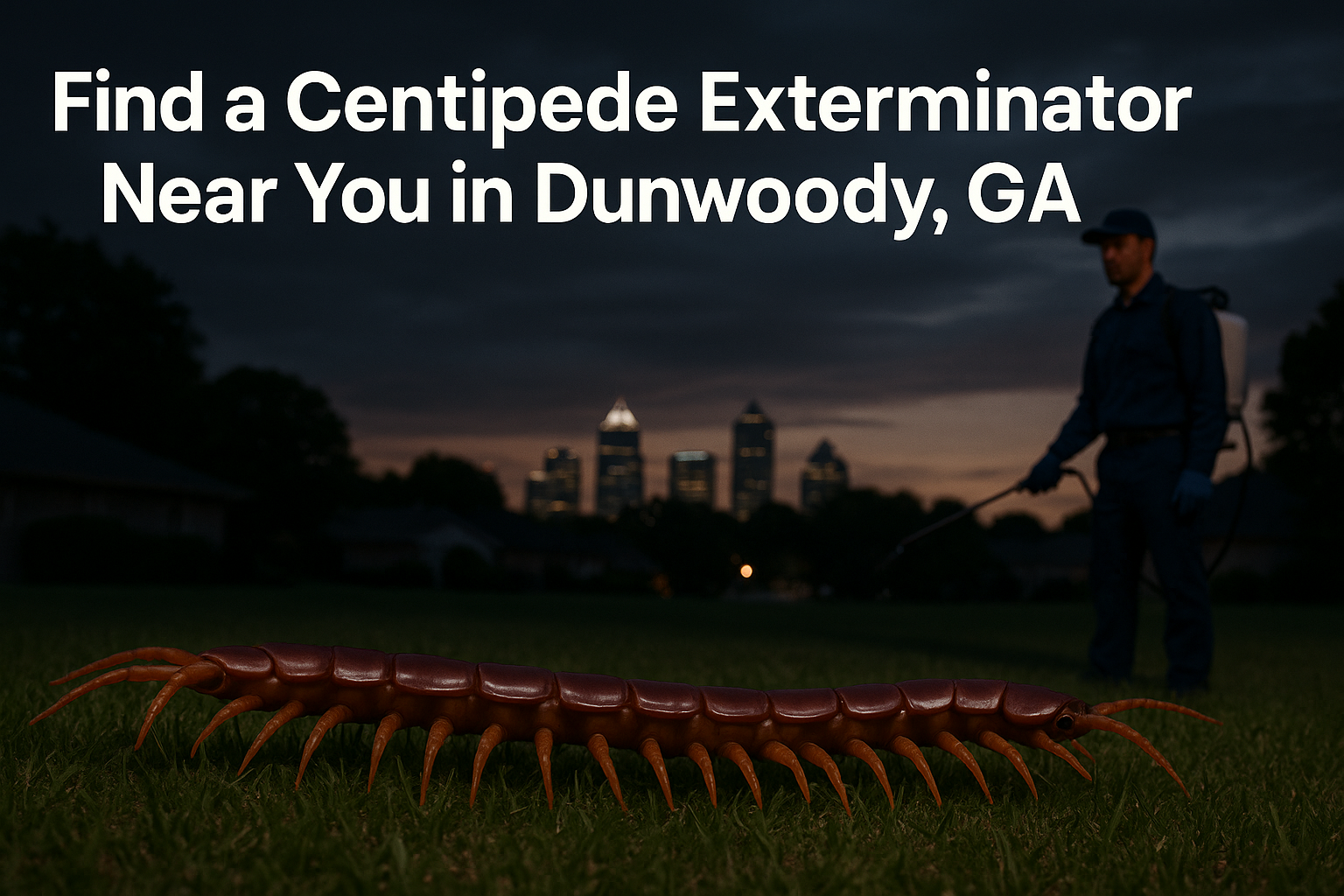
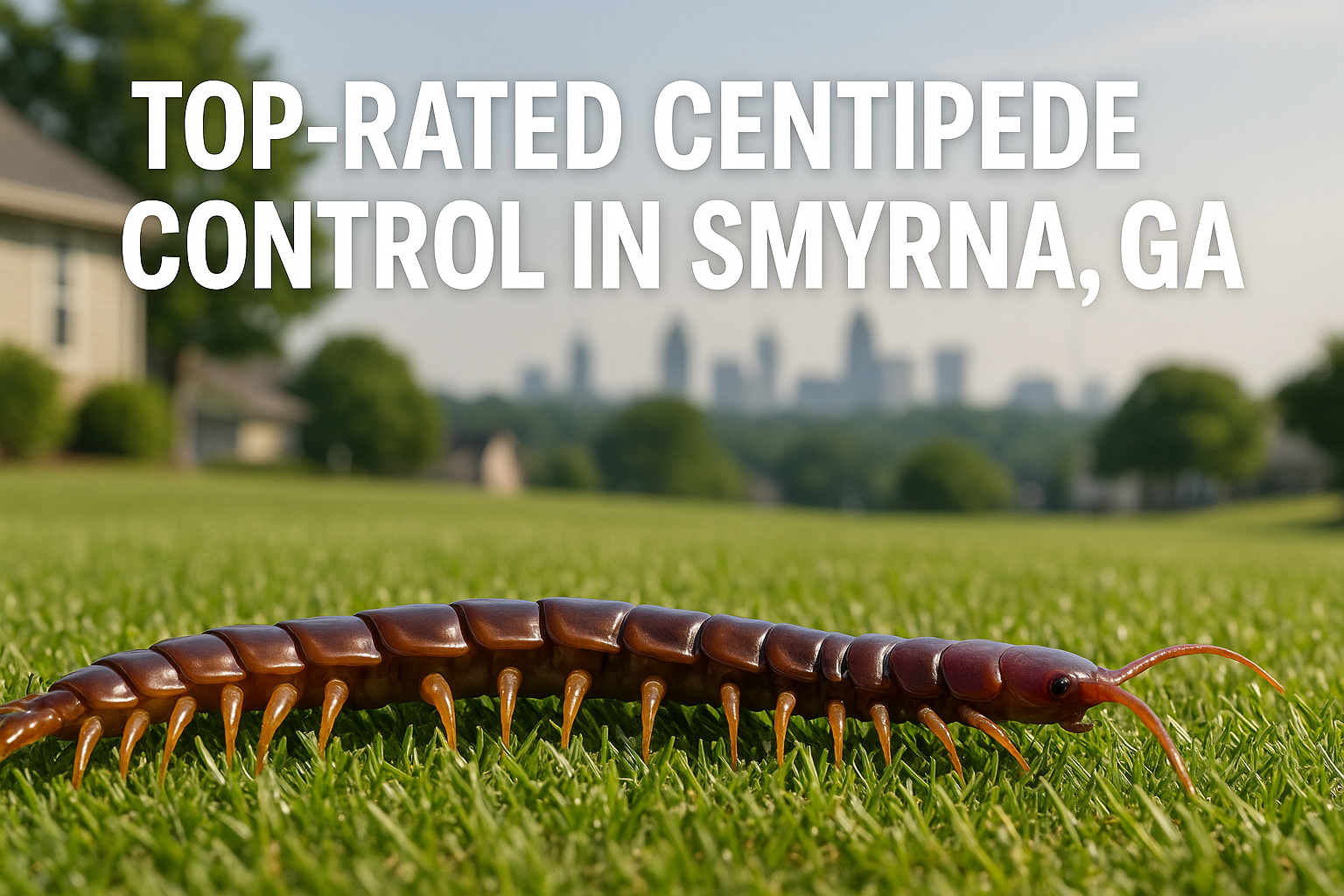
The house centipede (Scutigera coleoptrata) is a sleek, multi‑legged arthropod that often surprises homeowners with its speed and striking appearance. Adults can grow up to four inches long, featuring a vivid orange head that contrasts with a pale, elongated body covered in 15 pairs of long, jointed legs. Their legs move in coordinated waves, allowing them to dart across walls and floors faster than most insects.
Behavior Patterns
These centipedes are strictly nocturnal hunters. After sunset, they emerge from dark, damp refuges such as basements, crawl spaces, and bathroom corners to pursue prey. Their preference for moisture‑rich environments means you’ll most often find them near leaky pipes, under sinks, or in the crevices of tile grout. Their rapid, zig‑zag movement can be startling, but it’s a direct result of their predatory lifestyle.
Ecological Benefits
While a sudden sighting can be unnerving, house centipedes play a valuable role in indoor ecosystems. They are natural predators of several common household pests, including:
- Flies – reducing nuisance and potential disease vectors.
- Cockroaches – especially the smaller nymphs that hide in cracks.
- Spiders – helping to keep other arachnid populations in check.
By keeping these populations down, centipedes indirectly support a healthier home environment, often lowering the need for chemical interventions.
Potential Risks
Although house centipedes are not aggressive, they can bite if handled or provoked. Their bite is typically painless, resembling a mild pinprick, but some individuals may experience localized swelling, redness, or itching. In rare cases, especially among those with heightened sensitivities, an allergic reaction can develop, requiring medical attention.
How Common Are They?
The 2024 EPA Indoor Pest Survey reports that “1 in 5 homes in the Southeast report centipede sightings annually.” This statistic underscores the prevalence of Scutigera coleoptrata across the region, including Smyrna and surrounding neighborhoods.
Local Snapshot: East Cobb vs. Olde Towne
Recent observations from local pest professionals show a noticeable disparity within Smyrna itself. Homeowners in the East Cobb area report centipede sightings at roughly 22 % of residences, while the Olde Towne neighborhoods see sightings in only about 12 % of homes. Factors such as older housing stock, higher humidity levels, and greater vegetation near foundations contribute to the higher encounter rate in East Cobb.
Professional vs DIY Control
Why Over‑the‑Counter Sprays Miss the Mark
Most homeowners reach for the nearest aerosol can, assuming a quick spray will keep centipedes at bay. In reality, these products suffer from a short residual life—often less than 24 hours—so the protection evaporates before the insects finish their life cycle. Because the spray is applied by hand, coverage is uneven; cracks, baseboards and hidden crawl spaces receive little to no treatment, leaving safe harbors for new invaders.
Anthem Pest’s Integrated Pest Management (IPM) Approach
Anthem Pest tackles the problem from every angle with a science‑backed IPM program. First, a certified technician conducts a thorough inspection, mapping entry points, moisture sources and breeding sites. Next, targeted baits containing low‑toxicity active ingredients are placed where centipedes forage, delivering a lethal dose directly to the pest while minimizing exposure to people and pets. Finally, a perimeter chemical barrier—applied with calibrated equipment—creates a long‑lasting shield that repels or kills centipedes before they can cross the home’s threshold. This layered strategy aligns with the National Pest Management Association’s (NPMA) best‑practice guidelines for centipede control, which stress inspection, monitoring and the judicious use of chemicals (NPMA guide).
Real‑World Impact: A Smyrna Success Story
“I tried a store‑bought spray twice, but the centipedes kept coming back. Anthem Pest sent a technician, set up baits, and treated the perimeter. After one visit, the problem vanished, and I saved about $250 by avoiding another DIY round and a second infestation.” — Smyrna homeowner
This single professional visit not only eliminated the immediate threat but also prevented a repeat infestation that would have required multiple over‑the‑counter purchases, each costing $30‑$50 and offering only days of protection.
Safety, Efficacy and Long‑Term Cost Savings
Because Anthem Pest uses EPA‑registered products at the lowest effective dose, the risk to family members, children, and pets is dramatically lower than the blanket spraying typical of DIY attempts. The IPM plan’s emphasis on monitoring and targeted treatment makes professional centipede control Smyrna services both safe and highly effective. Chemicals remain active for weeks, delivering a cost-effective solution that pays for itself over time. Homeowners who switch from DIY to professional IPM often see a reduction in overall pest control spend of 20–30% after the first year, thanks to fewer repeat applications and lower product waste.
Treatment Options and What to Expect
Initial Inspection
When Anthem Pest arrives at your Smyrna home, the first step is a thorough visual walkthrough. Technicians use flashlights and magnifiers to spot centipede activity in dark corners, baseboards, and under appliances. A moisture meter is run along foundation walls, in crawl spaces, and around bathroom fixtures to pinpoint damp zones that attract centipedes. Identifying these harborage areas allows the crew to map out a targeted treatment plan rather than a blanket spray.
Chemical Barriers
Once the inspection is complete, we apply a low‑toxicity pyrethroid barrier to the exterior foundation, crawl‑space voids, and interior perimeter cracks. These chemicals are chosen for their rapid knock‑down effect on centipedes while posing minimal risk to pets and children when applied correctly. Technicians wear protective gear, and the product is formulated to break down safely after a few weeks, ensuring your family’s health isn’t compromised.
Bait Stations & Gel Applications
In addition to perimeter sprays, we place bait stations and apply gel formulations in the darkest, dampest locations—under sinks, behind toilets, and along baseboard seams. The bait contains a slow‑acting toxin that centipedes carry back to their nests, effectively reducing the population from the inside out. Gel is squeezed into cracks and crevices where a spray would miss, creating a hidden, long‑lasting lethal zone.
Structural Modifications
Even the best chemicals can’t solve a moisture problem. Our technicians recommend a three‑point structural fix:
- Seal cracks and gaps: Use silicone or expanding foam to close entry points around windows, doors, and utility penetrations.
- Improve drainage: Grade the soil away from the foundation and install downspout extensions to keep water from pooling near the house.
- Install dehumidifiers: In basements or crawl spaces, a dehumidifier maintains humidity below 50 %, making the environment inhospitable for centipedes.
These modifications are often the most cost‑effective way to keep centipedes from returning after treatment.

| Service | Price Range |
|---|---|
| Inspection only | $75 – $120 |
| One‑time treatment (chemical barrier + bait/gel) | $180 – $300 |
| Quarterly maintenance (per visit) | $250 – $400 |
Anthem Pest backs every centipede service with a 30‑day guarantee: if you see centipedes again within a month of treatment, we’ll return for a free re‑treatment. This promise reflects our confidence in both the chemicals we select and the structural recommendations we provide.
Seasonal Timing and Prevention Tips
Centipedes are most active when the air is warm and the ground is moist—conditions that line up perfectly with Smyrna’s seasonal rain patterns. Knowing when these pests are likely to emerge lets you act before they even think about slipping under your doors or through foundation cracks. For homeowners concerned about infestations, professional centipede control Smyrna services can help you prevent these intrusions. In practice, the two windows you’ll want to watch are early spring through early summer (March – June) and the cooler, wetter stretch of late fall (September – November). During these periods, humidity spikes create the perfect highway for centipedes to travel from the outdoors into your home.
Peak Activity Periods
From March to June, the combination of rising temperatures and frequent spring showers raises indoor humidity levels, especially in basements, crawl spaces, and any area where water can linger. The second surge arrives in September through November, when autumn rains replenish the soil and lingering moisture seeps into foundations. These two windows account for roughly 70 % of centipede sightings in Smyrna, according to local pest‑monitoring data.
Prevention Checklist
- Repair leaky pipes, faucets, and gutters. Even a slow drip adds up, keeping concrete and wood damp—prime real estate for centipedes seeking shelter.
- Place silica‑based desiccants in basements and crawl spaces. Silica gel absorbs excess moisture, dropping relative humidity to levels centipedes find inhospitable.
- Store firewood at least 20 ft from the house. Wood piles retain moisture and provide hiding spots; distancing them cuts down on easy entry points.
- Trim shrubs and trees to 2 ft from foundations. Overgrown vegetation traps rain against the house, creating damp zones right where centipedes could crawl inside.
Local Climate Context
Smyrna averages 50‑55 inches of rain each year, according to the National Weather Service (weather.gov). That amount of precipitation translates into regular spikes in ground and indoor humidity, especially during the two peak windows noted above. By addressing water sources and moisture‑holding materials, each item on the checklist directly reduces the conditions centipedes need to survive and reproduce.
In short, timing your prevention efforts with Smyrna’s rain‑driven cycles—and following the four‑step checklist—creates a dry, sealed environment that leaves centipedes with nowhere to go. A few proactive fixes now can spare you weeks of frantic night‑time spotting and the cost of emergency treatments later.
Selecting a Trusted Smyrna Provider
Checklist for Vetting a Pest Control Company
- Licensed & insured: Verify that the company holds a valid Georgia pest control license and carries liability insurance to protect your home.
- Local customer reviews: Look for recent feedback from Smyrna, Marietta, and Cobb County residents. Consistent five‑star ratings signal reliable service.
- Transparent pricing: A reputable provider will give you a clear, written estimate before any work begins—no hidden fees or surprise charges.
- EPA‑approved products: Ensure the chemicals used are registered with the Environmental Protection Agency and safe for families and pets when applied correctly.
- Rapid response: Pests don’t wait, and neither should you. Choose a company that offers same‑day or 24‑hour emergency service.
Why Anthem Pest Stands Out
Anthem Pest checks every box on the checklist and adds a few extras that make us the top choice for Smyrna homeowners:
- Certified technicians: All of our field agents complete rigorous training and hold industry certifications, guaranteeing knowledgeable and effective treatments.
- 24‑hour response line: Our dedicated hotline is open around the clock, so you can schedule a visit or get emergency assistance any time.
- Broad service area: We proudly serve Smyrna, Marietta, and the entire Cobb County region, giving you a local partner who understands regional pest patterns.
- EPA‑approved, low‑toxicity products: We use solutions that meet federal safety standards while delivering fast, lasting results against centipedes and other invaders.
- Transparent, upfront pricing: Our quotes are itemized and delivered before work begins, so you know exactly what you’re paying for.
Ready to protect your home? Call us now at 877‑371‑8196. Our friendly staff will schedule a free inspection and walk you through the next steps.
Verified Customer Testimonials (Placeholders)
[Verified Customer Testimonial 1 – to be inserted after verification]
[Verified Customer Testimonial 2 – to be inserted after verification]
[Verified Customer Testimonial 3 – to be inserted after verification]
For more details about our services, guarantees, and seasonal promotions, visit the Anthem Pest website. We’re here to keep Smyrna homes centipede‑free, year after year.
Frequently Asked Questions
Can centipedes bite?
Centipedes do have venomous claws, but bites are uncommon for indoor infestations. When a bite does occur, it typically feels like a mild pinch followed by brief redness or itching. Most healthy adults experience only minor irritation that resolves within a day or two. Serious reactions are rare, and the CDC notes that centipede bites are not considered a major medical threat.
How long does treatment last?
Our standard pyrethroid barrier treatment creates a residual effect that protects your home for roughly 8‑12 weeks. The chemicals cling to cracks, baseboards, and other entry points, continuing to repel or kill centipedes as they crawl through treated zones. For households with higher risk or recurring activity, we recommend scheduled maintenance visits every 2‑3 months to extend protection and keep the perimeter sealed.
Do I need to vacate the home?
No evacuation is necessary. After we apply the treatment, we advise keeping children, pets, and anyone with sensitive skin away from treated areas for 2‑4 hours. This short waiting period allows the product to settle and dry, ensuring safety while still delivering a potent barrier against centipedes.
Additional Quick Tip: When to schedule follow‑up inspections
Plan a follow‑up inspection at the 8‑week mark, especially if you’ve noticed new centipede activity or seasonal spikes in humidity. Early detection lets us reinforce vulnerable spots before the residual effect wanes, giving you continuous peace of mind throughout the year.
Secure Your Home with Anthem Pest Today
When it comes to centipede control in Smyrna, the most reliable defense combines a professional Integrated Pest Management (IPM) program, transparent pricing, smart seasonal timing, and simple prevention habits.
- Professional IPM: Trained technicians assess risk, target the source, and apply treatments that protect both your family and the environment.
- Clear, upfront pricing: No hidden fees—just a straightforward quote that matches the scope of work.
- Season‑aware scheduling: Treatments are timed to hit centipedes when they’re most active, maximizing effectiveness.
- Prevention steps: We show you how to reduce moisture, seal entry points, and keep your yard less inviting for pests.
Choosing Anthem Pest means more than a one‑time fix. It delivers lasting peace of mind and long‑term savings by preventing future infestations before they become costly problems. Our local expertise means we understand Smyrna’s climate, soil, and common entry points, so you get a solution that’s tailored to your home’s unique needs.
Ready for a free, no‑obligation inspection? Call 877‑371‑8196 or click the link below for a quick quote. Visit Anthem Pest Control and schedule professional centipede control Smyrna services to take the first step toward a centipede‑free home.