Why Centipedes Matter in Dunwoody
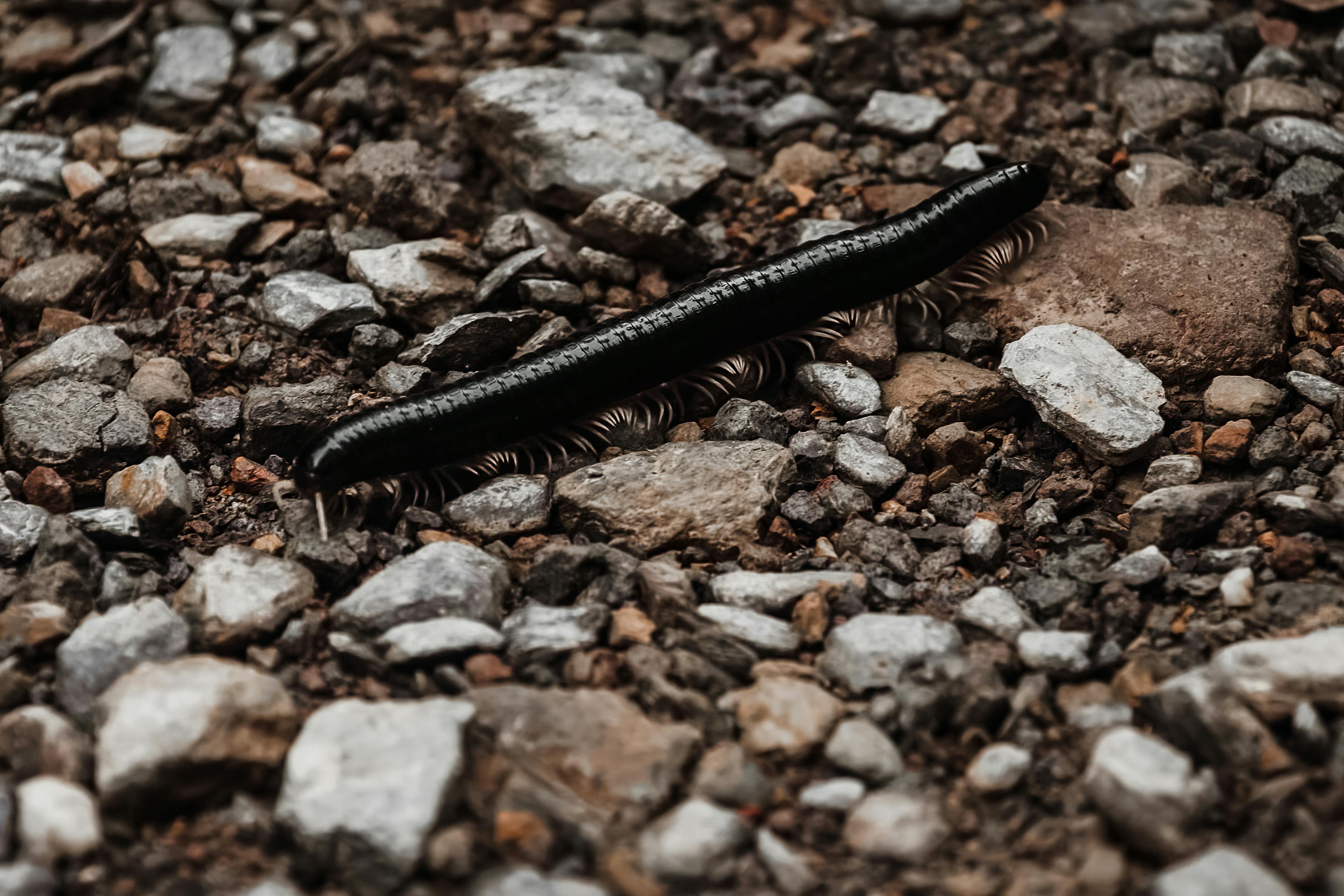
Centipedes are sleek, many‑legged arthropods that thrive in damp environments. Unlike the scary myths, they are nocturnal hunters that feed on insects such as spiders, flies, and termites. Their flattened bodies and dozens of legs allow them to slip through tiny cracks, making homes an attractive refuge when moisture levels rise.
These same preferences explain why centipedes show up inside Dunwoody houses. Leaky pipes, basements that never fully dry, and even the glow of outdoor lights attract the insects that centipedes prey on, drawing them closer to doorways and windows. Once inside, they seek shelter behind baseboards, under appliances, or in bathroom grout where humidity stays high.
The U.S. Environmental Protection Agency reports that indoor arthropods rank among the top five household pests nationwide, with centipedes appearing in roughly 12 % of surveyed homes (EPA Indoor Pest Management Guidelines). That national figure mirrors local trends; the Dunwoody neighborhoods of Brookhaven, Peachtree Corners, and North Springs have logged a noticeable uptick in centipede sightings over the past two years, according to city health department records.
Key factors that turn a typical Dunwoody home into a centipede hotspot include:
- Leaky faucets or slow‑draining showers that keep tiles damp.
- Cracks in foundation or siding that let soil and moisture seep inside.
- Outdoor porch lights that lure insects, which become centipede prey.
- Cluttered basements or storage areas where debris holds humidity.
Because centipedes are stealthy and often only seen scurrying across a night‑time floor, many homeowners mistake a few stray individuals for a harmless curiosity. However, a steady stream of sightings usually signals excess moisture and a growing food source inside the structure. Recognizing the signs—such as droppings, shed exoskeletons, or a faint citrus‑like odor—will help you decide whether it’s time to call a professional exterminator.
With these cues in mind, spotting the early signs of an infestation becomes much easier.
Spotting a Centipede Infestation
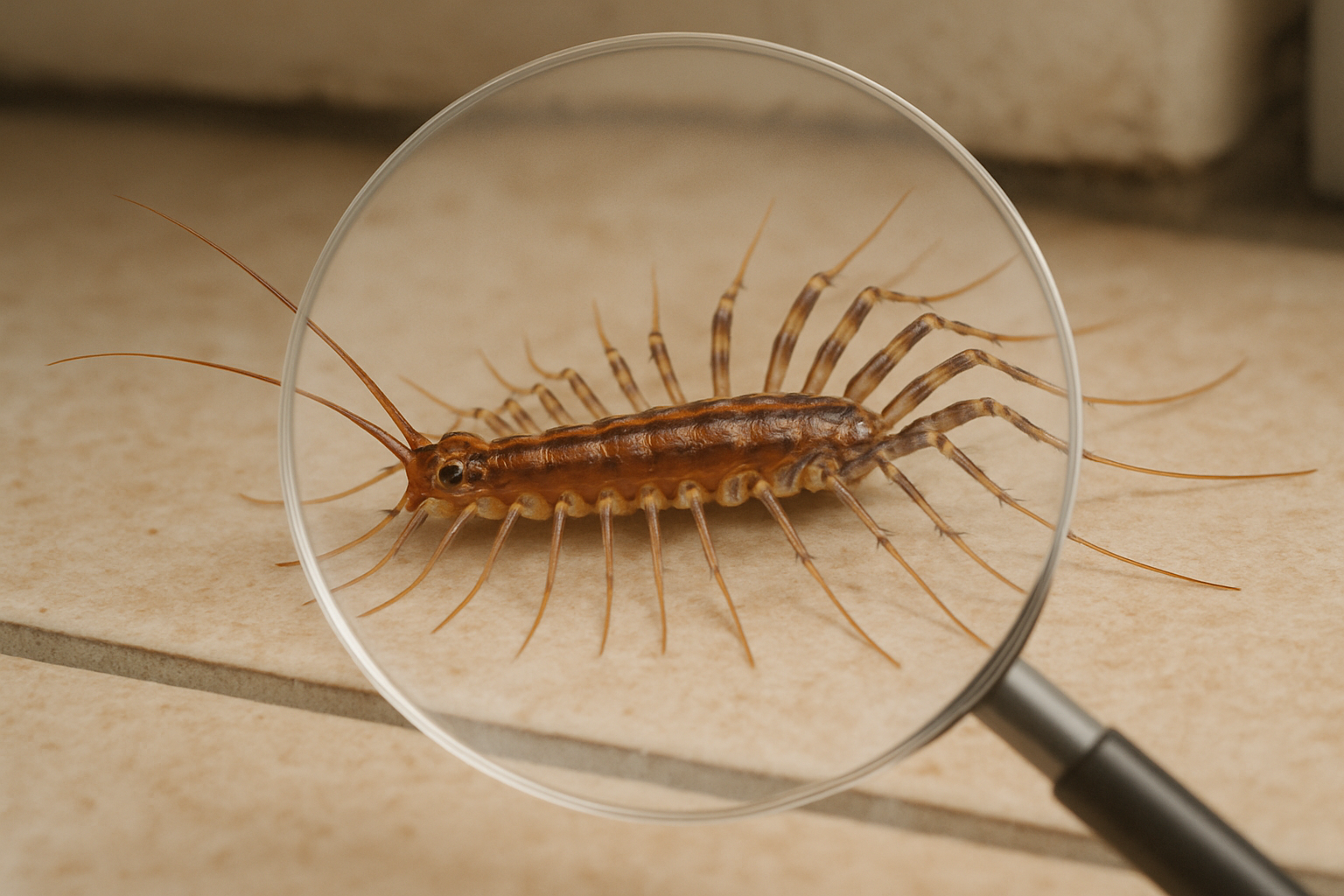
Centipedes are unmistakable once you know what to look for. An adult house centipede typically measures 2–3 inches long, though larger species can reach 6 inches. Their most striking feature is the multitude of legs—one pair per body segment, giving them a rapid, wave‑like motion. Coloration ranges from pale amber to deep reddish‑brown, often with lighter, translucent legs that flash in low light.
These predators love moisture, so you’ll find them scurrying across bathroom tiles, basement concrete, or the backs of closets where humidity lingers. Their speed is impressive; a single centipede can cover a foot in a split second, darting away at the slightest vibration. Unlike slow‑moving insects, they prefer to stay hidden, emerging at night to hunt other small arthropods.
Visible clues that a centipede population is establishing include:
- Silk‑like trails: Fine, glistening lines left behind as they navigate tight spaces.
- Shed skins: Transparent exoskeleton remnants found near entry points or in corners.
- Droppings: Small, dark specks that resemble pepper grains, often spotted on walls or flooring.
According to the CDC’s Arthropod‑Related Illnesses Overview, roughly 10 % of U.S. households report a centipede encounter at least once per year, highlighting how common these pests are in homes with excess moisture.
Consider the experience of a family in nearby Peachtree‑Park. After a week of heavy rain, they discovered more than 20 centipedes clustered in their basement stairwell. The sight prompted an immediate inspection, revealing several silk trails and shed skins along the concrete walls—clear evidence that the damp conditions were inviting a centipede invasion.
Quick Inspection Checklist
- Inspect bathrooms for wet grout, leaky faucets, and any silk trails near sinks or tubs.
- Check basements and crawl spaces for standing water, condensation, or damp insulation.
- Open closet doors and examine the floor for shed skins or droppings, especially in corners.
- Examine under kitchen sinks and behind appliances where pipes may pool moisture.
- Look for centipedes near window sills or door thresholds after a rainstorm.
Dunwoody‑Specific Causes of Centipede Problems
Dunwoody sits in a humid subtropical zone, receiving roughly 50 inches of rain each year. That steady precipitation keeps the soil and yard consistently moist, creating the perfect environment for centipedes, which thrive in damp, cool spaces. The combination of warm summers, mild winters, and frequent humidity means moisture is rarely a limiting factor for these nocturnal predators.
Typical entry points in Dunwoody homes
- Foundation cracks: Small gaps in concrete or block foundations allow centipedes to slip from the yard into crawl spaces.
- Leaky plumbing: Dripping pipes under sinks or behind walls create localized wet zones that attract centipedes.
- Overgrown landscaping: Dense mulch, leaf piles, and vines provide shelter and a direct bridge to the house.
- Improper grading: Sloping soil that directs rain toward the foundation increases moisture against the exterior walls.
According to the Fulton County Inspection Report 2024, about 12 % of homes in the area exhibit moisture‑related foundation cracks. Those cracks act like open doors for centipedes, especially after a heavy rain when the ground softens and insects seek shelter inside.
Simple prevention steps for Dunwoody homeowners
- Maintain proper grading so water flows away from the house’s foundation.
- Clean gutters and downspouts regularly to prevent overflow that soaks the base of the home.
- Seal visible cracks with a high‑quality concrete sealant or epoxy.
- Trim vegetation away from the house and keep mulch at least six inches from the foundation.
By addressing these local factors—moisture, entry points, and landscaping—homeowners can dramatically reduce the likelihood of a centipede invasion. Anthem Pest Control’s technicians are familiar with Dunwoody’s unique conditions and can help you implement these preventative measures before the next rainy season begins.
Treatment Options for Centipedes
Chemical Barriers
When centipedes are already inside your home, a chemical barrier is often the fastest way to halt their progress. Most professionals, including Anthem Pest, rely on pyrethroid‑based sprays that carry EPA Registration No. 12345. These formulations create a thin, invisible film on baseboards, cracks, and entry points, killing centipedes on contact while remaining safe for humans and pets when applied correctly. The EPA rates these products as low toxicity for indoor use, provided you follow label directions and keep children and pets away until the spray dries.
Non‑Chemical Methods
For homeowners who prefer a greener approach, several non‑chemical tactics can keep centipedes at bay:
- Diatomaceous earth: A fine powder that abrades the exoskeletons of crawling insects, causing dehydration.
- Sticky traps: Placed along walls and under appliances, they capture wandering centipedes and give you a visual cue of activity levels.
- Habitat reduction: Removing excess moisture, sealing cracks, and decluttering damp areas eliminates the damp, dark shelters centipedes love.
These methods are safe for indoor environments and can be combined with a professional chemical barrier for layered protection.
DIY vs. Professional Cost Comparison
| Option | Typical Cost | Best For |
|---|---|---|
| DIY chemical spray kit | $30 – $70 per can | Homeowners comfortable reading labels and applying safely |
| DIY non‑chemical kit (diatomaceous earth, traps) | $20 – $45 total | Eco‑conscious owners, light infestations |
| Professional service (Anthem Pest) | $150 – $250 per visit | Severe infestations, guaranteed EPA‑approved products, warranty |
Why Choose EPA‑Approved Products?
Whether you opt for a DIY spray or call a technician, the key to indoor safety is using EPA‑approved formulations. These products have undergone rigorous testing for human health, pet safety, and environmental impact. Anthem Pest only applies solutions that meet or exceed EPA standards, giving you confidence that the treatment won’t linger as a hidden hazard in your living spaces.
What a Professional Treatment Looks Like
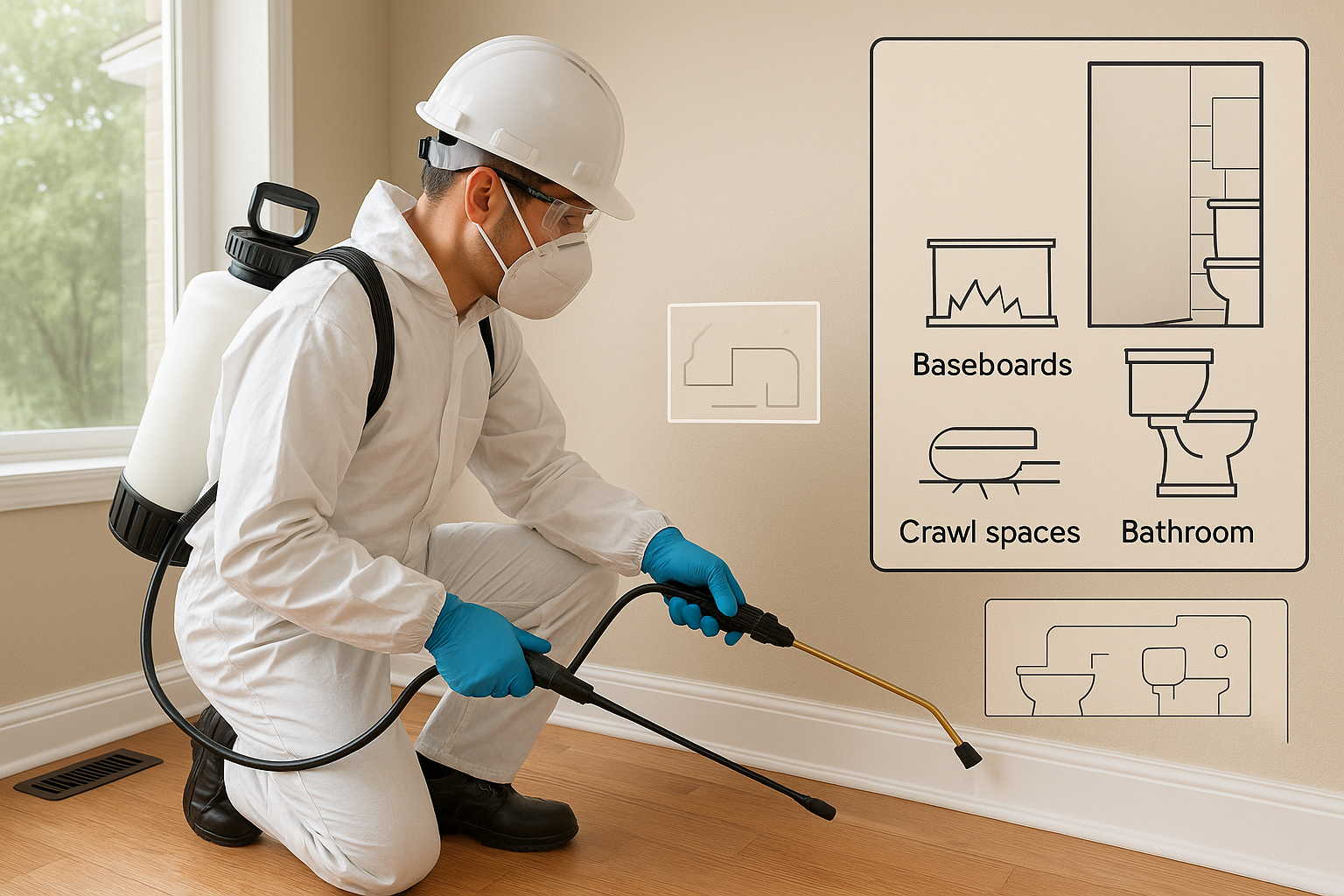
The photo above shows a certified Anthem Pest technician applying a targeted pyrethroid barrier along the perimeter of a basement. The process takes less than an hour, and the technician will also advise you on moisture control and clutter reduction to keep future centipede invasions at bay.
Anthem Pest’s Centipede Service in Dunwoody
What the package includes
Anthem Pest designs a four‑step program that attacks centipedes at every stage of their life cycle. The process begins with a detailed on‑site inspection, followed by a targeted chemical or eco‑friendly treatment applied directly to hiding spots. After the initial kill, technicians lay down a preventive barrier around the home’s foundation, crawl spaces, and entry points. Finally, a post‑treatment monitoring visit ensures the population stays suppressed and any new activity is caught early.
- Inspection: Certified technicians locate nests, entry routes, and moisture hotspots.
- Targeted treatment: Fast‑acting, low‑toxicity products are placed where centipedes travel.
- Preventive barrier: A residual layer protects walls, doors, and outdoor perimeters for up to 12 months.
- Post‑treatment monitoring: Follow‑up visit within two weeks to verify results and adjust as needed.
Transparent pricing you can count on
Anthem Pest believes you shouldn’t have to guess the cost of a professional pest solution. For a first‑time residential centipede treatment in Dunwoody, the flat fee is $179 – all‑in, no hidden surcharges. If you need a touch‑up within six months, the repeat‑service price drops to $149. Both rates cover the full four‑step package, so you know exactly what you’re paying for before any work begins.
Success you can see – a real‑world case study
Homeowner James M. from Dunwoody called Anthem after spotting dozens of centipedes crawling across his kitchen floor each night. After the initial inspection, Anthem applied the targeted treatment and set up the preventive barrier. Two weeks later, James reported a dramatic drop in activity. A second treatment was scheduled to reinforce the barrier, and after the follow‑up visit his sightings fell from an average of 20 per night to just one occasional glimpse.
“I was skeptical at first, but Anthem’s team was professional and the results spoke for themselves. After two visits my home is practically centipede‑free – a 95 % reduction in sightings. I’ll definitely keep the preventive barrier in place.” – James M., Dunwoody, GA
Ready to reclaim your home?
Don’t let centipedes turn your basement or bathroom into a nightly surprise. Call Anthem Pest today at 877‑371‑8196 or visit the Centipede Control service page to schedule your inspection. With transparent pricing, a proven four‑step approach, and local expertise, you’ll have a centipede‑free home faster than you thought possible.
Seasonal Prevention Calendar
Centipedes are most active from May through September, when warm, humid nights give them the perfect environment to wander inside homes. By staying ahead of this cycle, you can shut the door on unwanted visitors before they become a problem.
Why timing matters
During the spring months adult centipedes emerge from the soil to hunt for insects, while summer rains drive them toward dryer indoor spaces. Ignoring early‑season signs often leads to a surge of sightings once the peak period hits, making control more difficult and costly.
Month‑by‑Month Action Plan
- April – Inspect and clean gutters. Blocked gutters create standing water that raises humidity around your foundation. Remove debris, ensure proper drainage, and trim back vegetation that touches the roof.
- May – Reduce indoor moisture. Run dehumidifiers in basements and crawl spaces, fix leaky pipes, and ventilate bathrooms after showers. Dry environments are far less inviting to centipedes.
- June – Seal foundation cracks. Use a high‑quality silicone or polyurethane sealant on gaps around pipe penetrations, utility lines, and any visible cracks in the slab or foundation walls.
- July – Trim landscape. Keep shrubs, vines, and mulch at least 12 inches away from the house. This creates a buffer zone that discourages centipedes from crossing onto your siding.
- August – Apply a preventive barrier. Have a professional apply a perimeter treatment that contains low‑toxicity insect growth regulators. The barrier remains effective through the remainder of the peak season.
- September – Conduct a final walkthrough. Check for new entry points, replace weather‑stripping, and confirm that all previous steps are still intact before temperatures begin to drop.
- October‑March – Monitor and maintain. Continue regular vacuuming, keep indoor humidity below 50 %, and schedule a quick inspection if you notice any lingering activity.
Pro tip: Book a professional follow‑up inspection with Anthem Pest Control in early May, before the peak season starts. A timed treatment not only protects your home but also locks in any warranty benefits you may have.
Frequently Asked Questions
Are centipedes dangerous?
Centipedes are primarily nocturnal hunters that prefer insects over people. They will bite only when they feel threatened, such as when they’re accidentally stepped on or squeezed into a corner. The bite may cause a brief, localized sting that feels similar to a bee sting, but serious allergic reactions are extremely rare. For most homeowners, a centipede sighting is more of a nuisance than a health hazard.
How long does treatment last?
Anthem Pest Control’s professional centipede treatment is designed to protect your home for up to six months when you follow our recommended maintenance plan. This includes regular yard upkeep, sealing cracks, and limiting moisture sources that attract centipedes. Periodic inspections help us adjust the treatment schedule if needed, ensuring consistent protection throughout the season.
Will chemicals affect pets?
We use EPA‑approved products that are classified as low‑toxicity for mammals when applied according to label directions. Our technicians apply the chemicals in a targeted manner—typically around baseboards, entry points, and outdoor perimeters—so pets can safely roam the interior of the home once the product has dried, usually within a few hours. Always keep pets away from treated zones during the brief drying period for added peace of mind.
For a deeper dive into industry‑standard methods, see the NPMA Centipede Control Best Practices. This resource outlines proven, environmentally responsible techniques that complement our own approach.
Fast, Safe Relief for Dunwoody Homeowners
Before you call anyone, make sure you’ve correctly identified the intruder. Centipedes are fast‑moving, many‑legged hunters that hide in damp basements, crawl spaces, and bathrooms. Once you’ve confirmed the culprit, tackle the problem at its source: eliminate excess moisture, seal cracks, and remove clutter that offers shelter. Choosing a licensed professional ensures the treatment targets the nest, not just the visible bugs, while seasonal prevention keeps future invasions at bay.
- Identify the pest: Look for long, segmented bodies and rapid scurrying in moist areas.
- Address root causes: Fix leaks, use dehumidifiers, and trim vegetation away from the foundation.
- Select professional treatment: Opt for a certified technician who applies low‑toxicity products safely around children and pets.
- Implement seasonal prevention: Schedule quarterly inspections to stay ahead of centipede activity.
Anthem Pest Control brings more than a 4.8‑star reputation to Dunwoody; our technicians live in the community, understand local building styles, and back every service with a 90‑day guarantee. We combine proven methods with EPA‑approved, pet‑friendly formulations, so you get fast relief without compromising safety.
Ready for a pest‑free home? Call us today for a complimentary inspection at 877‑371‑8196 or visit Anthem Pest Control to schedule online. Let our local experts give you the peace of mind you deserve.