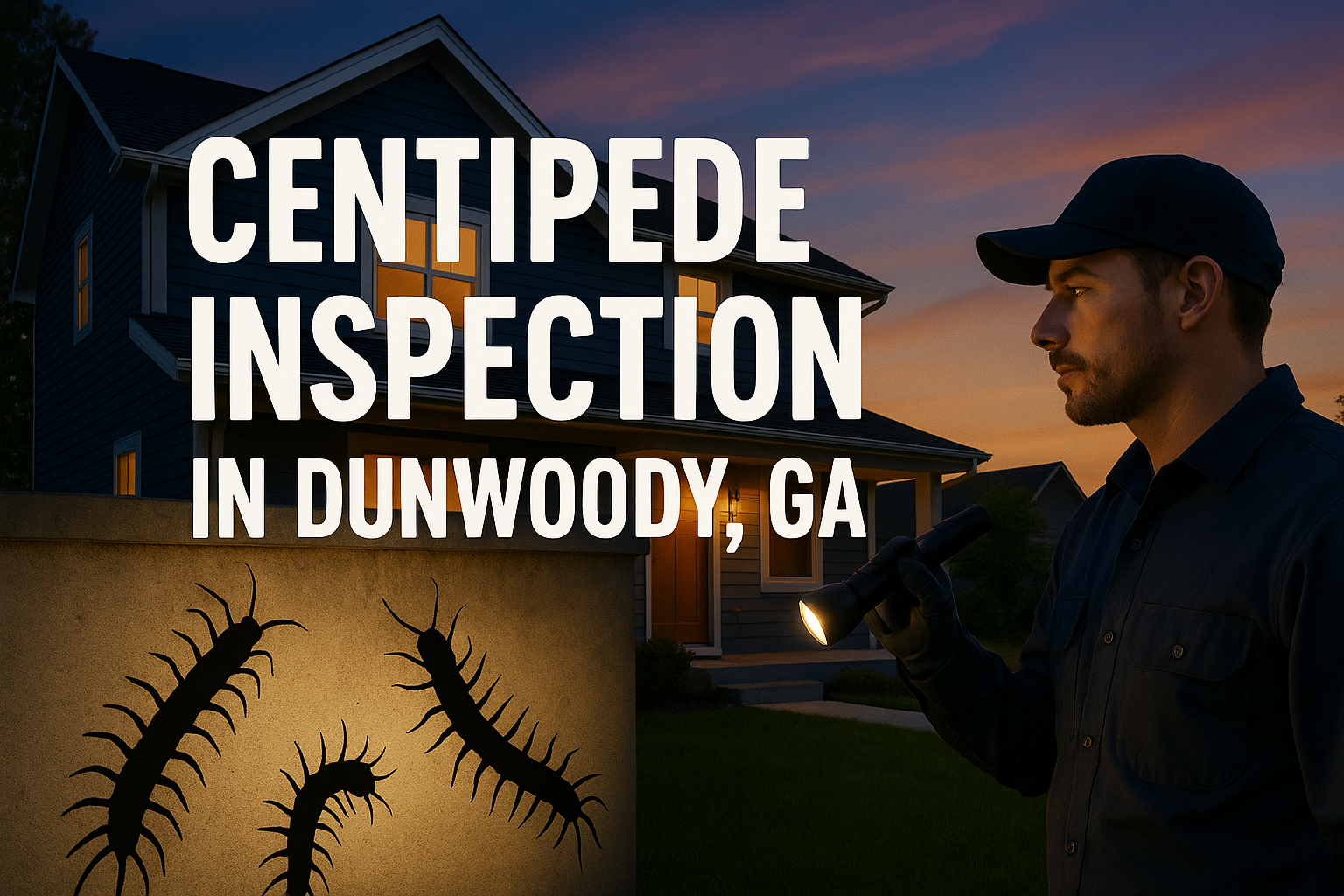
Introduction to Centipede Concerns in Dunwoody
If you’ve been stepping out onto your porch in the past few months and spotting long‑legged, fast‑moving centipedes scurrying across the concrete, you’re not alone. Metro Atlanta’s suburbs, including Dunwoody, have reported a noticeable uptick in centipede activity, turning what once was a rare nuisance into a common backyard encounter.
The Georgia Department of Public Health logged a 2024 Fulton County record: over 1,200 centipede complaints in just the first six months—a clear signal that these arthropods are moving from hidden cracks to the front door.
Dunwoody’s unique home landscape fuels that surge. Many neighborhoods feature older brick foundations that retain moisture, basements that stay damp year‑round, and generous mulch beds that provide the perfect humidity pocket for centipedes to hide and hunt.
That’s why Anthem Pest follows a data‑driven, step‑by‑step inspection protocol: we start with a visual sweep of moisture‑prone zones, then use calibrated traps to gauge population density, and finally map entry points for targeted treatment. The result is a precise, no‑guesswork plan.
In the sections that follow, we’ll walk you through how to identify the most common centipede species in Georgia, recognize the subtle signs of an infestation, conduct a DIY visual inspection, understand professional treatment options, and even pick up a few cost‑effective prevention tips you can start today.
When the clues add up, don’t wait—our local team is just a call away, ready to turn a centipede problem into a solved story before the next rainstorm rolls in.
Understanding Centipedes in Georgia
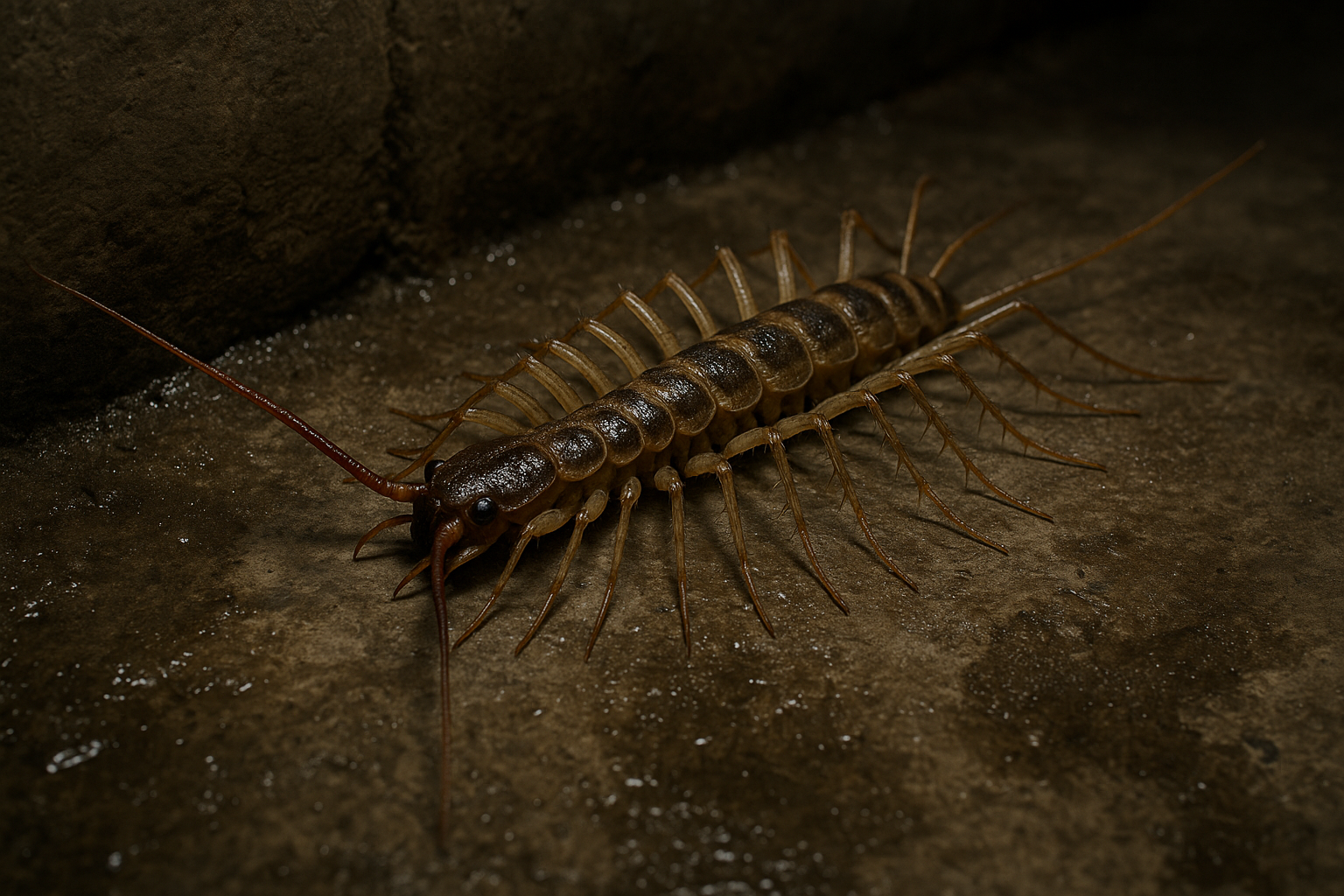
Centipedes are predatory arthropods that thrive in moist, dark environments. Unlike insects, they belong to the class Chilopoda and are equipped with a pair of venom‑injecting forcipules—modified front legs that help them subdue prey. Most species are nocturnal hunters, emerging after sunset to chase insects, spiders, and even small worms.
In Georgia, homeowners most frequently encounter two species:
- Scolopendra morsitans – the larger, more robust centipede that can reach up to 4 inches. It prefers damp basements, crawl spaces, and mulch beds.
- Lithobius forficatus – the common “stone centipede,” usually 1–2 inches long, found under stones, leaf litter, and in garden borders.
Dunwoody’s climate amplifies these insects’ comfort zone. The area’s high humidity, shaded yards, and the older, often wood‑framed homes provide the cool, damp micro‑habitats centipedes love. Leaky pipes, condensation on windows, and accumulated organic debris create perfect breeding grounds, especially in basements and crawl spaces where moisture lingers.
Identifying a centipede is straightforward if you know what to look for. They possess a long, segmented body with one pair of legs per segment—ranging from 15 to 177 legs depending on the species. Their legs are noticeably long and thin, giving them a rapid, “scurrying” appearance. The head bears the characteristic forcipules, and most have a brown to reddish hue with a slightly flattened dorsal surface.
For a deeper dive into the biology and habits of these creatures, the EPA centipede fact sheet offers reliable, science‑based information. Local surveys from the Georgia Department of Agriculture indicate that S. morsitans accounts for roughly 60 % of centipede sightings in the Atlanta metro area, while L. forficatus is more common in suburban lawns and garden beds.
Understanding these traits helps you spot a centipede early, assess whether it poses a nuisance, and decide if professional intervention is needed. If you notice frequent sightings or bites, contacting a trusted provider like Anthem Pest Control can prevent larger infestations before they spread.
Signs of a Centipede Infestation
Centipedes are the night‑time lurkers you rarely see, but they do leave a trail of clues. The first thing many homeowners notice is a series of translucent shed skins tucked away in corners or along baseboards. These molted exoskeletons are a clear sign that a colony is growing. Live sightings are another giveaway—especially in damp areas like basements, bathrooms, crawl spaces, and even closets where laundry piles create a humid micro‑climate perfect for these arthropods.
Visual clues to watch for
- Shed skins that look like thin, yellow‑brown shells.
- Rapid, darting movements of long‑legged insects on walls or floors after lights are turned on.
- Clusters of centipedes near plumbing fixtures, under sinks, or behind shower curtains.
- Unexplained silk‑like threads in dark corners, which they sometimes use to anchor themselves.
Damage indicators
While centipedes rarely cause structural damage, their presence can lead to a few noticeable effects. Some residents report small puncture‑like bite marks—usually harmless but occasionally irritating. Pets, especially cats and small dogs, may exhibit sudden fear or agitation, swatting at invisible “invaders” or licking a spot on their skin after a brief encounter. If you notice unexplained skin redness or a mild rash after a night of restless sleep, a centipede bite could be the culprit.
Real‑world anecdote from Dunwoody
Last summer, a Dunwoody homeowner named Lisa woke up to find twelve centipedes scurrying across her bedroom floor in a single night. The sight was enough to send her into a panic, and she called Anthem Pest Control the next day. Our technician confirmed a moderate infestation in her crawl space, likely drawn by excess moisture from recent rains. After a targeted treatment and moisture‑control recommendations, Lisa hasn’t seen another centipede.
Survey placeholder
[Placeholder: 2023 Georgia homeowner survey on centipede bites – data to be verified]
Why early detection matters
Centipedes are generally harmless predators that help keep other pests in check, yet their sudden appearance can cause anxiety and occasional skin irritation. Spotting the signs early lets you act before the numbers swell, keeping your home comfortable and your peace of mind intact. If any of the clues above ring a bell, consider a professional inspection—Anthem Pest Control can confirm the extent of the problem and put a swift, safe solution in place.
What a Professional Inspection Looks Like
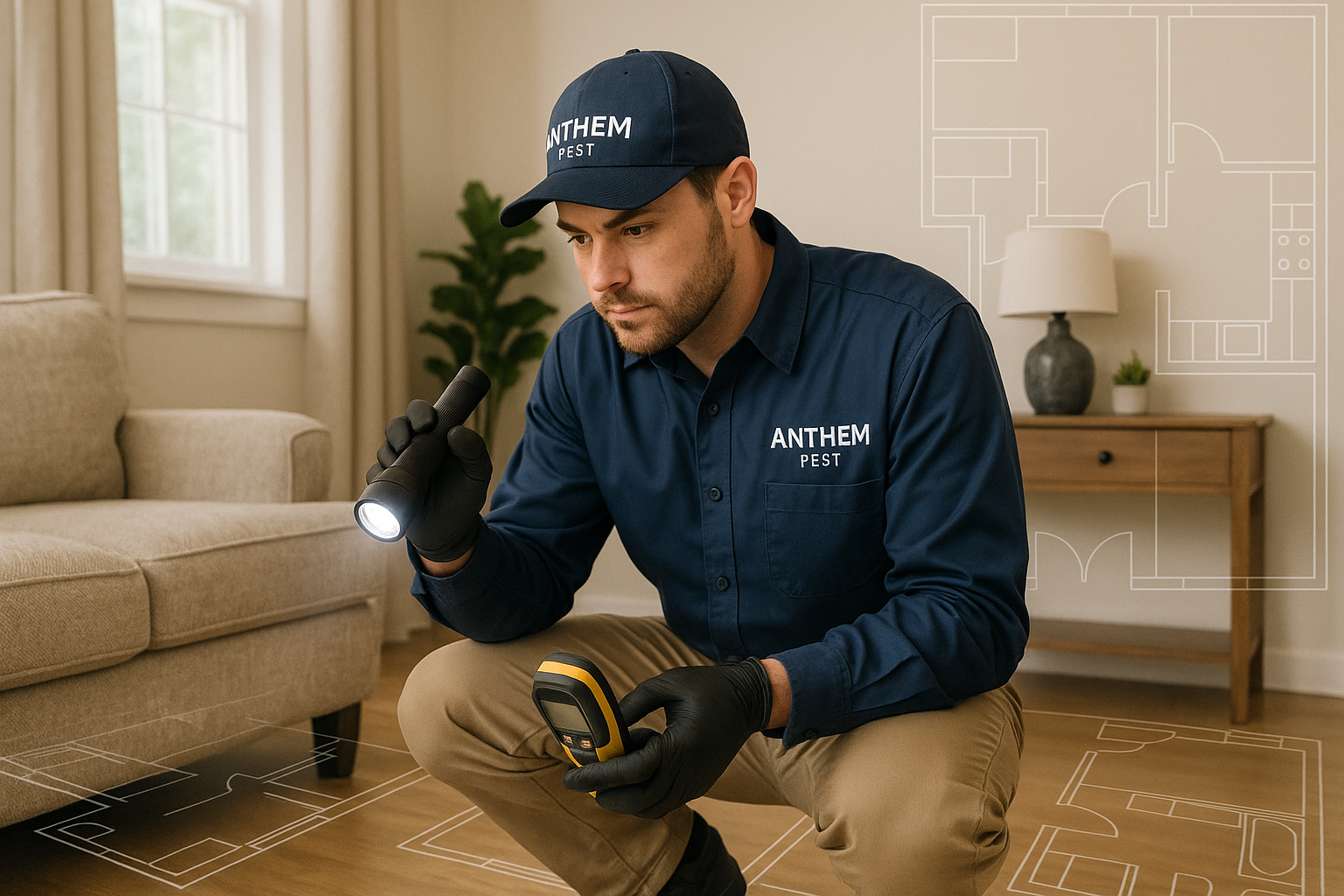
When you call Anthem Pest for a centipede inspection, you’re not getting a quick glance and a generic report. Our certified technicians follow a meticulous, five‑step process that ensures every potential entry point and breeding site is examined, documented, and addressed with EPA‑approved solutions.
Step 1 – Pre‑Inspection Questionnaire
Before setting foot on your property, the technician calls to complete a short questionnaire. We ask about the home’s construction year, any known moisture problems, recent centipede sightings, and previous pest treatments. This information helps us anticipate where centipedes are most likely to hide and tailors the inspection to your unique situation.
Step 2 – Exterior Assessment
Our team starts outside, walking the perimeter with a flashlight and a moisture meter. We inspect foundation cracks, check that drainage grading slopes away from the house, evaluate mulch depth, and note vegetation that may provide moisture or shelter. Any gaps or water‑collecting spots are marked for immediate remediation.
Step 3 – Interior Assessment
Inside, the technician conducts a thorough walkthrough of basements, bathrooms, closets, and any low‑lying areas where centipedes love humidity. Using high‑intensity flashlights, we spot live insects, shed skins, and signs of moisture. The moisture meter confirms hidden damp zones that are invisible to the naked eye.
Step 4 – Identification & Mapping of Hotspots
All findings are plotted on a detailed floor‑plan diagram of your home. Hotspots—whether a leaky pipe under the sink or a crack in the crawl space—are highlighted, giving you a visual roadmap of problem areas. This map becomes the foundation for a targeted treatment plan.
Step 5 – Report Delivery
Within 24 hours, you receive a comprehensive report that includes:
- Clear photos of each inspected area.
- Specific findings and the severity of each hotspot.
- Tailored treatment recommendations, complete with product names, application methods, and safety precautions.
- A timeline for follow‑up visits and preventative measures.
The report is presented in plain language, so you understand exactly what’s happening and why each step matters.
What sets Anthem Pest apart is our team of locally trained, certified technicians who stay current on Georgia’s pest‑season trends. Every technician completes a rigorous EPA‑approved training program, ensuring they use the safest, most effective chemicals and non‑chemical methods. Our commitment to transparent pricing and homeowner education means you’ll never feel rushed or left in the dark about your centipede situation.
When to Call a Professional
Quantitative thresholds
Most homeowners can tolerate a lone centipede or two in the garage, but once the numbers climb, it’s a clear sign that DIY measures won’t cut it. If you spot more than five live centipedes in a single week, or you find them in multiple rooms (kitchen, bedroom, and bathroom), the infestation is likely spreading beyond the entry points you can seal yourself.
Health concerns
Centipedes rarely bite, yet their venom can trigger allergic reactions ranging from mild skin irritation to swelling that lasts several days. Families with young children, seniors, or pets should be especially cautious—sensitive skin can react more aggressively, and a bite on a child’s hand or a dog’s paw can become a painful medical visit.
Cost‑benefit analysis
Attempting a DIY approach usually means buying traps, sprays, or sealing kits. While the upfront cost may seem lower, you’ll spend hours inspecting, applying, and re‑checking—often with limited success. A professional inspection delivers:
- Comprehensive identification of entry points and harborages.
- Targeted treatment that reaches hidden cracks and voids.
- Warranty coverage that protects your investment for months.
When you factor in your time, the risk of repeated bites, and the potential for a larger infestation, hiring a licensed provider typically offers a better return on investment.
Pricing snapshot
Anthem Pest Control’s standard centipede inspection runs between $120 and $180. If treatment is required, the most common packages fall in the $250‑$500 range, depending on the size of your home and the severity of the problem. These rates include a follow‑up visit and a guarantee that the centipedes won’t return within the warranty period.
Peace of mind and long‑term protection
Beyond the numbers, a professional service removes the anxiety of “what if.” With a licensed technician, you receive a tailored prevention plan, ongoing monitoring, and the confidence that your home is protected for the seasons ahead. When the thresholds are crossed, calling a pro isn’t just a convenience—it’s the smartest move for health, safety, and lasting comfort.
Treatment Options and Pricing
When a centipede invasion threatens your Dunwoody home, Anthem Pest offers a menu of proven treatments that balance effectiveness, safety, and cost. Our technicians start with a thorough inspection, then recommend the solution that best fits your property’s layout, your budget, and your comfort level with chemicals. Below is a quick rundown of the most common options we provide.
Chemical Barrier Treatments
Our low‑toxicity, EPA‑approved sprays create an invisible shield around your foundation, doorways, and other entry points. The formulation is specifically designed to target centipedes while minimizing risk to children, pets, and the environment. Because the barrier is applied to exterior surfaces, it remains active for several weeks, reducing the need for frequent re‑applications. Typical pricing for a full‑home barrier ranges from $250 to $350 depending on square footage.
Baiting & Residual Applications
For homes with active indoor activity, we place bait stations and residual sprays in crawl spaces, wall voids, and dark corners where centipedes hide. The bait attracts the insects, while the residual spray continues to work for up to 90 days, providing ongoing control. This method is especially useful in older homes with numerous cracks and crevices. Costs usually fall between $180 and $280 for a one‑time application.
Integrated Pest Management (IPM)
IPM is a holistic approach that pairs chemical tactics with non‑chemical strategies. We’ll help you reduce moisture sources, seal foundation cracks, and eliminate clutter that creates a hospitable habitat for centipedes. By addressing the root causes, IPM often lowers the frequency of chemical treatments and can lead to long‑term savings. While the upfront service fee is modest—typically $120 to $180—the real value comes from the reduced need for repeat visits.
Service Plans
Homeowners can choose a one‑time treatment or enroll in our quarterly maintenance plan. The quarterly plan includes a comprehensive inspection, barrier re‑application, and any necessary bait or residual touch‑ups. At approximately $350 per quarter, the plan spreads the cost over the year and ensures you stay ahead of seasonal centipede spikes. This predictable pricing is ideal for budgeting and peace of mind.
All of our methods align with the NPMA centipede treatment guidelines, the industry standard for safety and efficacy.
| Treatment Type | Pros | Cons | Price Range |
|---|---|---|---|
| Chemical Barrier | Long‑lasting exterior protection; low re‑application frequency | Initial cost higher; limited indoor effect | $250‑$350 |
| Baiting & Residual | Targets indoor activity; works up to 90 days | Requires placement in hidden areas; may need follow‑up | $180‑$280 |
| Integrated Pest Management | Reduces habitat; minimizes chemical use | Relies on homeowner cooperation for moisture control | $120‑$180 |
| Quarterly Service Plan | Predictable cost; continuous monitoring and treatment | Ongoing commitment | ≈ $350 per quarter |
Seasonal Considerations for Dunwoody Residents
Centipedes in Dunwoody aren’t year‑round nuisances; they follow the weather. Their peak activity spikes from late‑spring through early‑fall, when daytime temperatures hover between 75‑85°F and humidity climbs above 60 %. During this window the insects emerge from the cool, damp places they hide in—under decks, in mulch, or behind foundation cracks—to hunt for insects and other small prey.
That’s why an early‑summer inspection—ideally in June—can be a game‑changer. By catching a few wandering centipedes before they establish a breeding hub, you stop the exponential growth that typically occurs by August. A professional sweep at this stage lets you treat entry points, trim moisture‑rich habitats, and apply targeted barriers before the population explodes.
Neighborhoods such as Brookhaven and Peachtree Park illustrate how local landscaping habits create micro‑climates perfect for centipedes. Homeowners who favor thick layers of organic mulch, especially around foundation walls, unintentionally provide a cool, moist refuge. Likewise, dense shade trees that block sunlight keep the soil damp longer into the summer, extending the centipede’s comfort zone.
To keep these conditions in check, follow a seasonal maintenance routine:
- In early June, schedule a professional centipede inspection and seal any cracks or gaps.
- Trim back overhanging branches and thin canopy foliage by mid‑July to improve airflow and reduce soil moisture.
- Replace excess mulch with a 2‑inch layer or switch to inorganic alternatives after September.
- Rake and remove leaf litter and garden debris each fall, especially in September, to eliminate shelter for young centipedes.
- Inspect and clean gutters to prevent water pooling near the foundation.
Sticking to this calendar curtails centipede sightings and lowers the risk of secondary pests that love damp conditions.
DIY Prevention Tips for Homeowners
Centipedes love damp, hidden spaces. Cutting off moisture and hiding spots makes your Dunwoody home less inviting. These steps cost little, need only a weekend, and work year‑round.
1. Reduce moisture
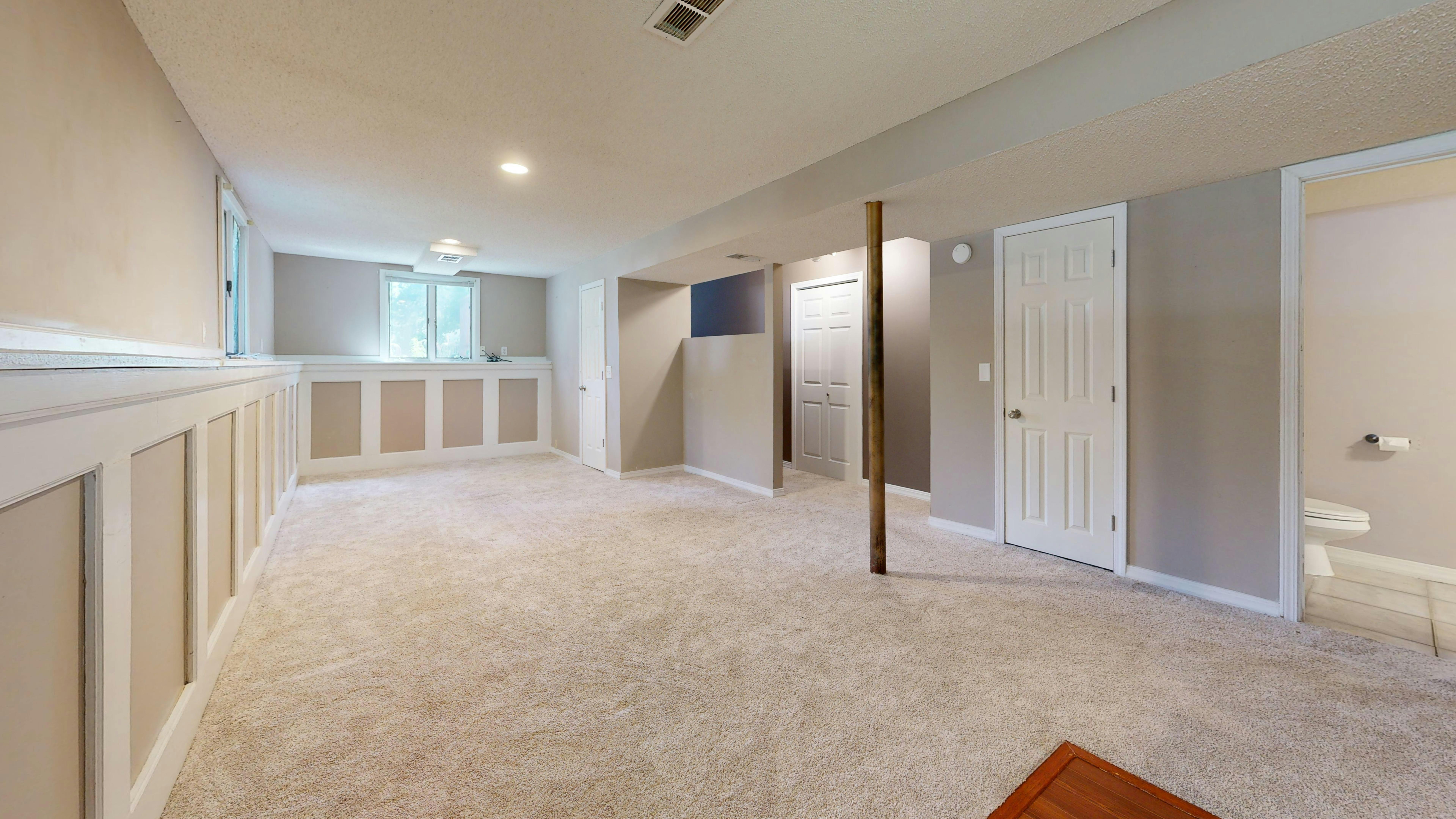
Check under sinks, around the water heater, and in the basement for any drips. Fix leaky pipes, tighten faucet connections, and run a quick test with a dry‑towel to be sure the water stops. In rooms that stay humid—especially bathrooms and basements—consider a small dehumidifier or a portable exhaust fan. Good ventilation dries out the cracks where centipedes love to hide.
2. Remove clutter and trim mulch
Stacks of cardboard, firewood, or stored garden tools create perfect bridges from the yard to your foundation. Keep storage off the floor and move items away from walls. Mulch should stop at least 12 inches from the house; a clear gap removes the moist bridge that draws centipedes inside.
3. Seal foundation cracks and gaps
Inspect the perimeter for cracks, gaps around pipes, and any openings larger than a quarter‑inch. A quick bead of silicone caulk works for small cracks, while expanding foam fills larger voids. Remember to seal around window frames and the garage‑door threshold.
4. Use EPA‑approved indoor insecticide sprays
If you notice occasional centipedes, a light mist of an EPA‑registered indoor insecticide can keep them at bay. Apply only where the label allows—usually baseboards, behind appliances, and under sinks. Use the product sparingly; over‑application won’t improve results and can affect indoor air quality.
Quick Prevention Checklist
- Weekly: wipe down kitchen and bathroom sinks, check for standing water.
- Monthly: run the dehumidifier in the basement for 2 hours, inspect pipe joints for leaks.
- Seasonal (spring/fall): trim mulch, rake away leaf litter, and reseal any new foundation cracks.
- Every 6 months: apply a thin layer of EPA‑approved spray to baseboards and crawl‑space entry points.
Following this routine gives you a solid first line of defense.
Frequently Asked Questions
Are centipede bites dangerous?
Most centipede bites cause only mild, localized reactions—think a small welt, itching, or a brief sting‑like pain. According to the CDC, severe allergic responses are rare, and bites rarely require medical attention unless the person has a known insect allergy.
How long does treatment last?
EPA‑approved insecticides used by Anthem Pest typically retain residual activity for 4–6 weeks. After the initial application, we schedule a follow‑up visit to assess the area, re‑treat any hotspots, and ensure the barrier remains effective throughout the season.
Will pets be affected?
Our low‑toxicity barriers are formulated to be safe around dogs, cats, and other household pets when applied according to label directions. We advise keeping pets off treated surfaces for at least 30 minutes and limiting access to indoor spray zones until the product dries.
Can centipedes re‑enter after treatment?
Yes, without proper Integrated Pest Management (IPM) they can. Sealing cracks, repairing screens, and reducing moisture are critical steps. Anthem Pest pairs chemical barriers with these preventative measures to block entry points and keep centipedes from returning.
Quick tip: What should I do if I find a centipede inside?
Grab a stiff piece of cardboard, gently slide it under the centipede, and place a container over it. Transport the insect outdoors and release it away from your home. This method avoids crushing the bug and reduces the chance of a bite.
Conclusion and Call to Action
We’ve walked through the essential steps of a centipede inspection in Dunwoody—from a thorough visual sweep of entry points and moisture‑prone areas, to identifying the tell‑tale signs such as shed skins, nocturnal sightings, and bite‑free bite marks. Recognizing these warning signs early lets you act before a small nuisance turns into a full‑blown infestation.
When you enlist a professional, you gain more than a quick spray. Trained technicians apply targeted treatments that penetrate hidden cracks, seal potential entryways, and set up a preventive barrier that lasts through the peak season. Their expertise also ensures the chemicals used are safe for children, pets, and the surrounding environment.
Timing is key in Dunwoody. Early summer—when humidity rises and centipedes emerge—offers the most effective window for both inspection and treatment, giving your home a head start before the bugs multiply.
If you’ve noticed any of the signs above or simply want peace of mind, our locally trained technicians are ready to help you protect your home. Call us today at 877‑371‑8196 for a free inspection quote.
Take the first step toward a centipede‑free home: Visit Anthem Pest Control.