House Fly Problems on a Tucker Porch

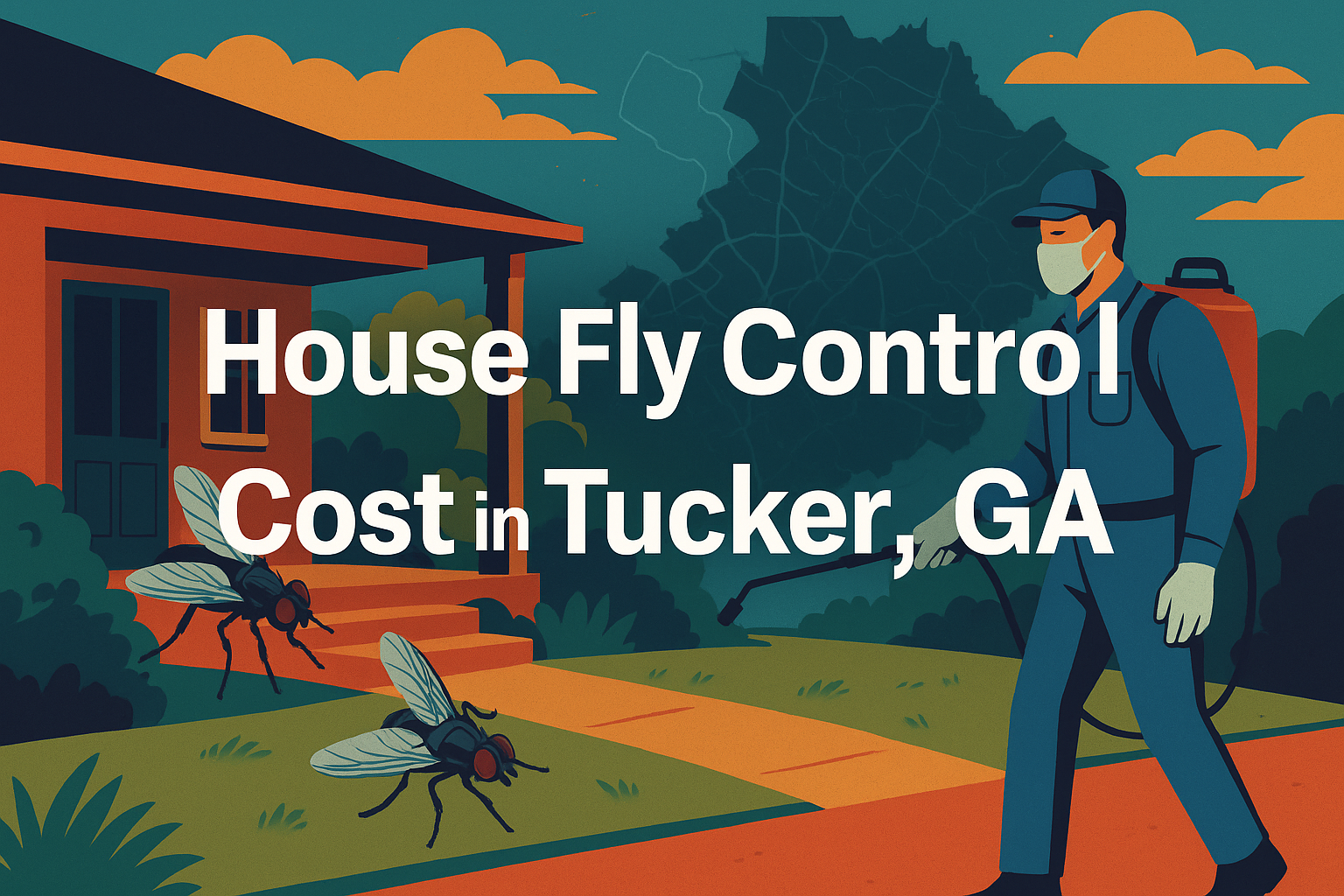
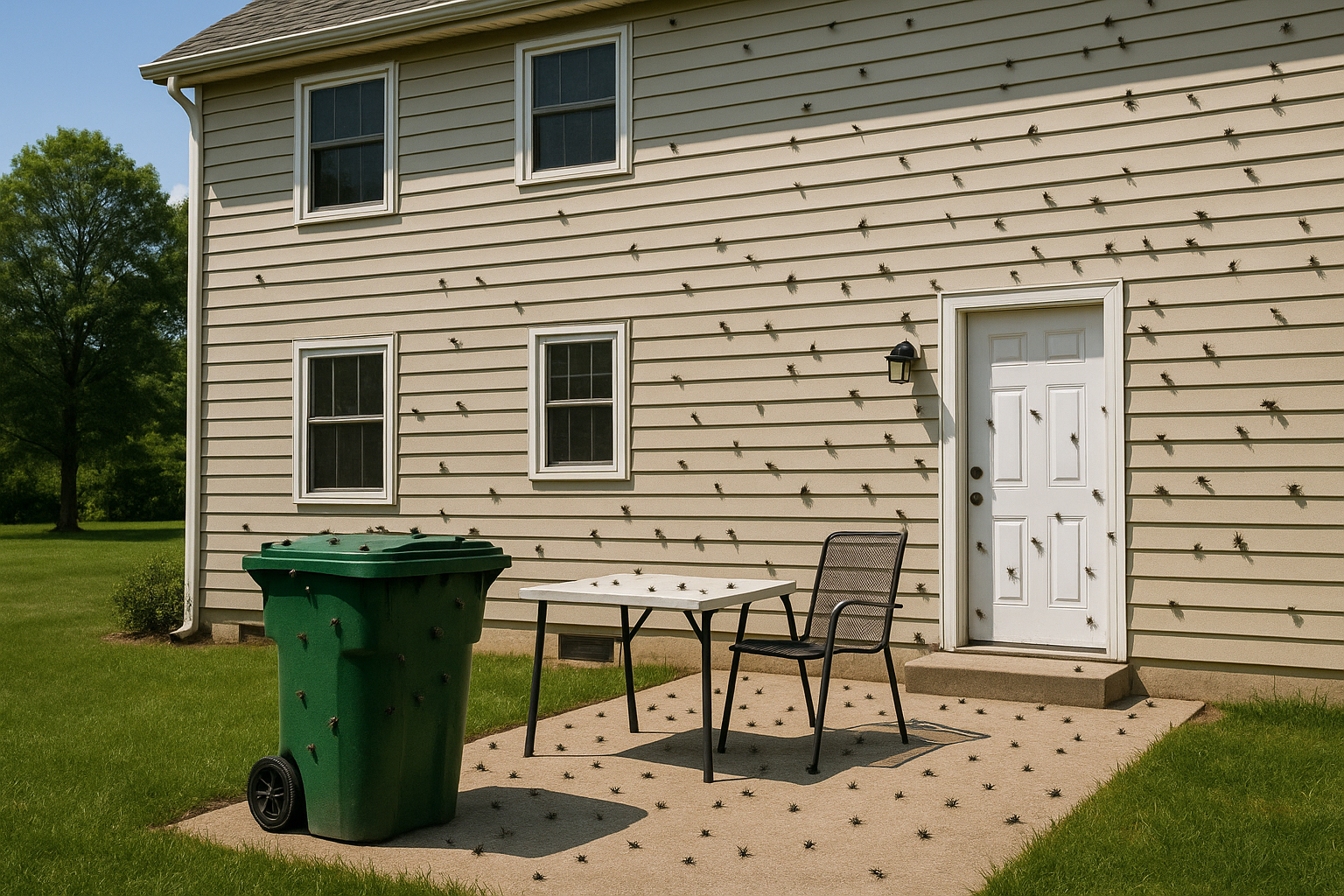
Imagine a warm Tuesday afternoon on a Tucker front porch. The kids are chasing a soccer ball, the grill is heating up, and a sudden, buzzing cloud of house flies descends like a gray-white fog. Within seconds the laughter is interrupted by swatting hands, sticky footprints on the rail, and a lingering, unpleasant odor. Knowing the house fly control cost Tucker can help you plan effective professional treatment before the problem worsens.
Beyond the annoyance, those tiny intruders pose real health worries. House flies love to feast on garbage, pet waste, and even rotting food, then land on plates, countertops, and children’s faces. They can mechanically transfer bacteria such as E. coli and Salmonella, turning a simple backyard gathering into a potential illness risk.
This guide is designed to cut through the confusion and give you crystal‑clear cost information for fly control in Tucker, Georgia. We’ll walk you through the biology of the common house fly, outline the most effective control methods, and explain the pricing factors that affect your final bill. You’ll also walk away with practical, DIY prevention tips to keep those pests from setting up camp on your porch.
When you need a fast, reliable solution, Anthem Pest Control is the neighbor you can count on. As a locally‑owned service with 24‑hour availability, we’re just a phone call away—dial 877‑371‑8196 and a certified technician will be at your doorstep, ready to assess the situation and tailor a treatment plan that fits your budget.
Throughout the rest of this article we’ll break down:
- The life cycle of the house fly and why it thrives on Tucker porches.
- Professional and homeowner‑friendly control methods, from bait stations to outdoor fogging.
- Key pricing drivers, including property size, infestation level, and treatment frequency.
- Seasonal timing—when flies are most active and when you’ll get the best value for your money.
By the end, you’ll know exactly what to expect from a fly‑control service, how much it should cost, and how to protect your family’s outdoor space year after year.
House Fly Biology & Health Risks in Tucker
Four‑stage life cycle
House flies develop through four distinct stages: egg, larva (maggot), pupa, and adult. A female can lay up to 150 eggs on a suitable substrate, and within 24 hours the eggs hatch into larvae. The larvae feed voraciously for 3–5 days before entering the pupal stage, where they transform into flying adults in just another 2–3 days.
Breeding hotspots around Tucker homes
In Tucker’s suburban landscape, the most common breeding sites are uncovered trash cans, animal waste (especially from pets and local wildlife), and compost piles. These moist, nutrient‑rich environments provide the perfect nursery for larvae, allowing populations to explode if not managed.
Rapid summer turnover
Warm Georgia summers accelerate development. Under typical summer temperatures (80‑90 °F), a fly can complete an entire generation in 7‑10 days. This means that a single infestation can multiply tenfold within a month, turning a minor nuisance into a serious health concern quickly.
Mechanical transmission of pathogens
House flies are notorious mechanical vectors. As they move from waste to food, they can carry more than 100 different bacteria, viruses, and parasites. The CDC fact sheet on food‑borne illness highlights flies as a key contributor to outbreaks of salmonella, E. coli, and shigella, among others.
Local waste generation amplifies risk
According to the City of Tucker solid‑waste report, Tucker households produced an average of 4.2 lb of waste per day in 2023. When that waste is not promptly sealed or removed, it creates a continuous food source for flies, sustaining their life cycle right on a homeowner’s property.
Suburban density and outdoor dining
Dense neighborhoods with closely spaced homes, shared sidewalks, and communal trash areas make it easier for flies to travel between properties. Additionally, the popularity of outdoor dining patios and backyard barbecues in Tucker increases exposure, as food left uncovered becomes an invitation for flies to land, feed, and spread contaminants.
What this means for Tucker residents
Understanding the biology of house flies helps you recognize why a single uncovered garbage bag can seed an entire infestation within days. The combination of rapid life cycles, abundant waste, and outdoor gathering spots creates a perfect storm for health‑risk exposure. Proactive waste management and timely pest control are essential steps to protect your family’s health.
Common Fly Control Methods
Mechanical Controls
Physical barriers are the first line of defense. Installing tight‑fitting window and door screens blocks flies from entering your home while still allowing fresh air to circulate. Inside, strategically placed fly traps—whether sticky pads or UV‑light electric models—capture adult flies that have already slipped through. These traps are most effective when positioned near entry points, garbage areas, or outdoor lighting that attracts insects.
Equally important is diligent waste management. Sealed trash cans, frequent garbage removal, and keeping compost bins away from the house eliminate the food sources that lure flies. Even a small reduction in exposed organic waste can cut fly activity by up to 20 %.
Chemical Controls
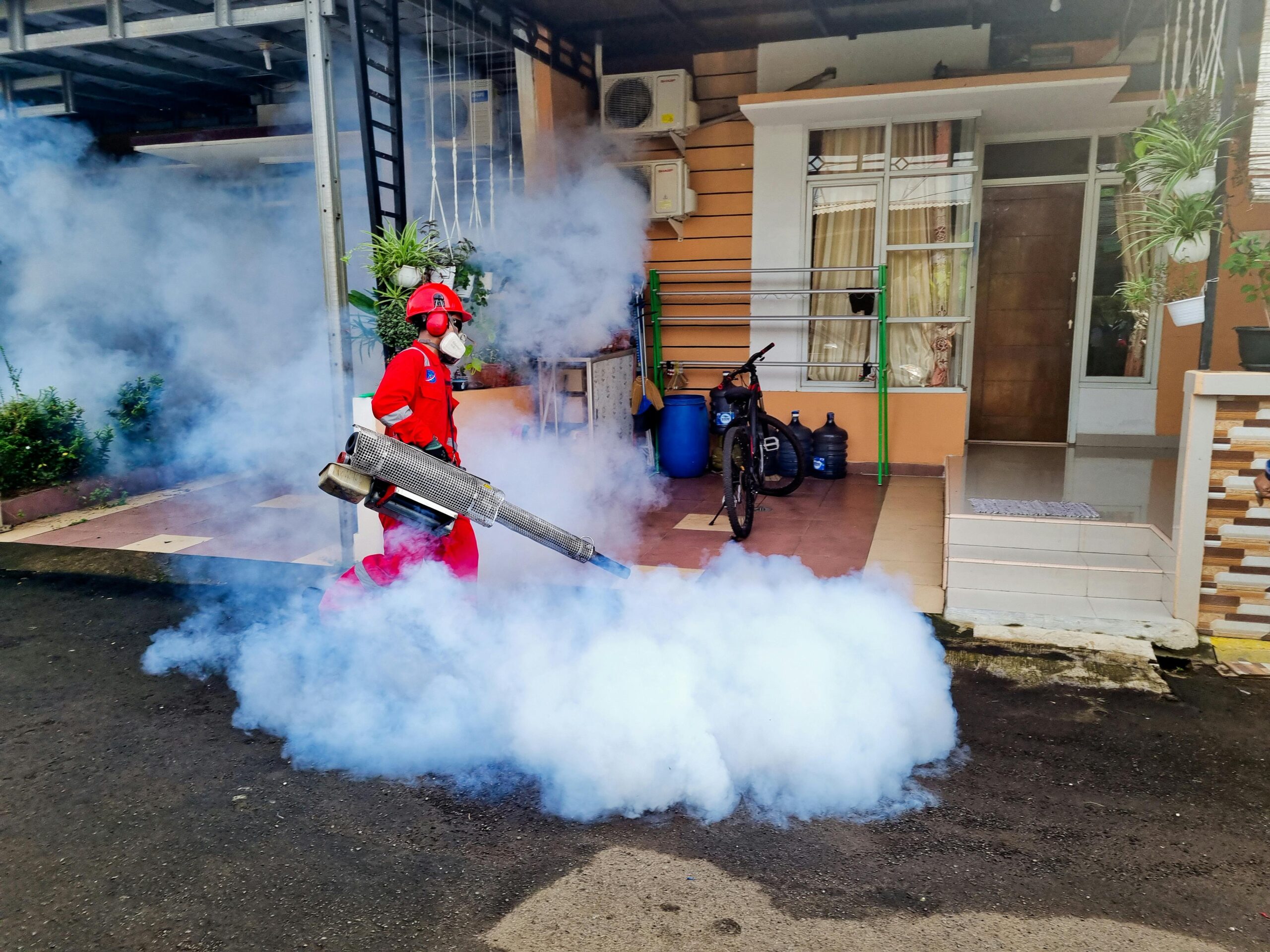
When mechanical measures fall short, EPA‑registered residual insecticide sprays provide a proven boost. Professional applications create a thin, long‑lasting film on walls, ceilings, and other fly‑harboring surfaces, delivering >80 % reduction in adult fly populations for up to four weeks. Bait stations complement sprays by attracting flies to a poisoned food source, while foggers can be used for rapid, short‑term knock‑down during severe infestations.
Typical application frequency for residential settings is every 30 days during peak fly season, though many homeowners find a quarterly schedule sufficient when combined with proper sanitation. Anthem Pest offers child‑friendly formulations that meet EPA label standards, ensuring safety for families and pets.
Biological Controls
Biological options are less common in home environments but worth mentioning. Certain parasitic wasps, such as Spalangia spp., prey on fly larvae and can suppress populations in confined areas like livestock barns. For most Tucker homeowners, these agents are impractical and are generally reserved for commercial or agricultural settings.
Effectiveness Comparison
| Method | Average Reduction | Key Considerations |
|---|---|---|
| Residual Spray | >80 % | Requires professional application; re‑treat every 30‑45 days. |
| UV‑Light / Sticky Traps | ~30 % | Best near entry points; needs regular replacement. |
| Proper Waste Management | ~20 % | Low cost; effectiveness hinges on consistency. |
| Parasitic Wasps (Biological) | Variable | Primarily for commercial use; limited residential data. |
Safety Emphasis
Regardless of the method you choose, safety should never be an afterthought. Always follow the EPA label directions on any pesticide product. Anthem Pest equips its technicians with protective gear and applies only the minimum effective dose, reducing exposure risks for occupants.
For families with young children or pets, ask for low‑odor, child‑friendly formulations. These products are specifically designed to minimize inhalation hazards while maintaining the same level of fly control. When mechanical and sanitation steps are paired with a professional residual spray, you achieve the most reliable, safe, and cost‑effective solution for keeping house flies out of your Tucker home.
Typical Cost Ranges in Tucker, GA
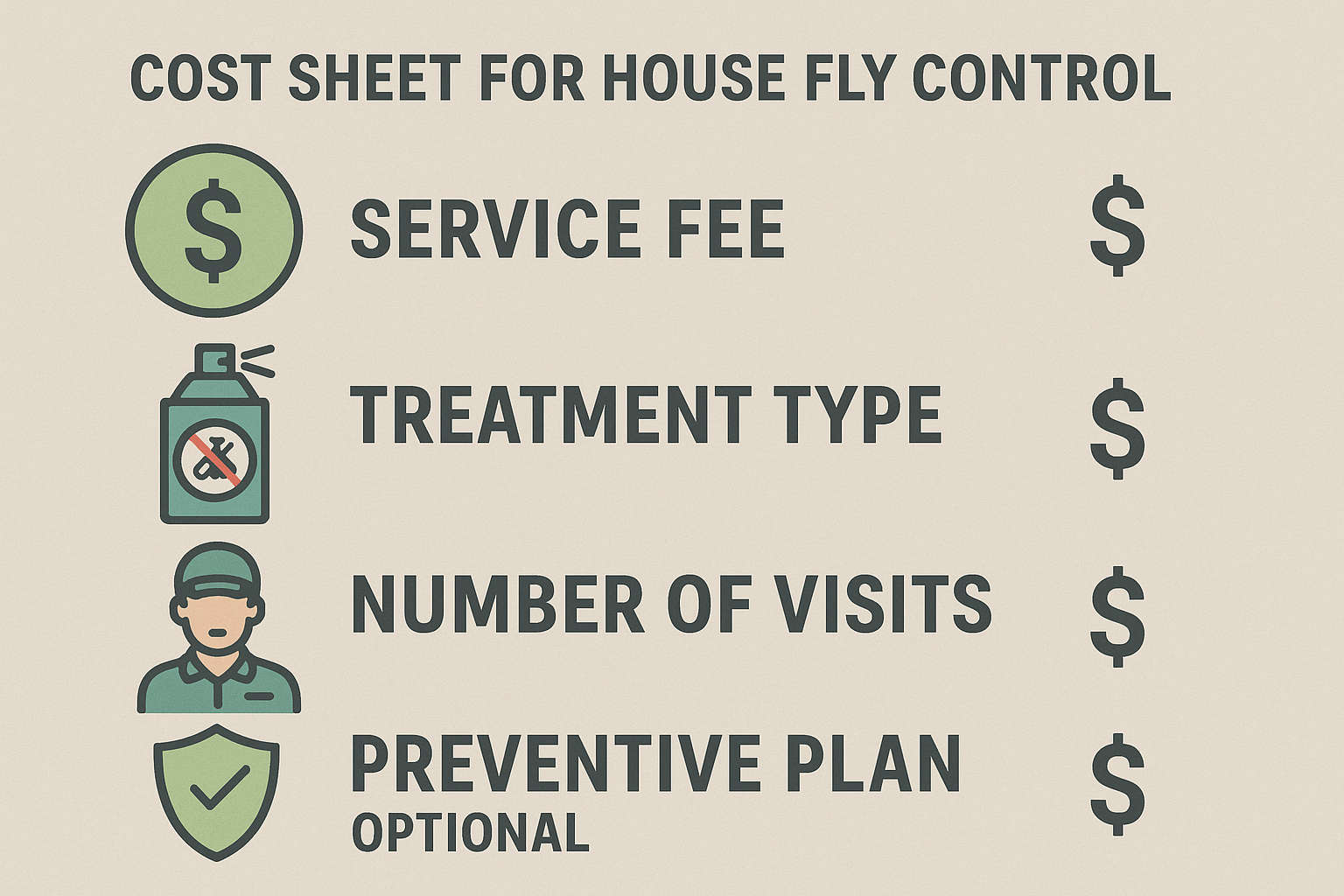
When it comes to keeping house flies at bay, Tucker homeowners can expect clear, upfront house fly control cost Tucker from Anthem Pest. The most common service—a single-visit residual spray—generally falls between $120 and $180 per treatment. This spray creates a protective barrier that remains effective for up to three weeks, making it a solid choice for families who need quick relief without a long-term commitment.
For those looking to stay ahead of seasonal fly surges, the quarterly preventive package spreads the work across four visits. The total cost typically ranges from $400 to $620, which translates to roughly $100‑$155 per visit. Adding specialized services such as trash‑bin sealing or fly‑light traps usually costs an extra $30‑$70 per unit, allowing homeowners to customize protection based on property size and activity level.
Neighborhood Examples
- Lovejoy – Older homes with larger yards often benefit from a two‑visit plan, bringing the total to around $260. The extra visit ensures the spray reaches deeper landscaping and peripheral structures.
- Lake Lanier area – Newer condos typically qualify for a single‑visit approach, averaging $150. Compact layouts and modern construction reduce the need for multiple applications.
- Downtown Tucker – Mixed‑use properties (ground‑floor retail with upstairs residences) see an average of $190 per visit, reflecting the added effort to treat both commercial and residential zones.
| Service Type | Number of Visits | Price Range | Notes |
|---|---|---|---|
| Single‑Visit Residual Spray | 1 | $120 – $180 | Effective for 2‑3 weeks; ideal for immediate relief. |
| Quarterly Preventive Package | 4 | $400 – $620 | Spread over a year; includes re‑application and monitoring. |
| Trash‑Bin Sealing (Add‑On) | 1 (per bin) | $30 – $45 | Reduces breeding sites; recommended for properties with multiple bins. |
| Fly Light Traps (Add‑On) | 1 (per trap) | $50 – $70 | Targets adult flies; works best when paired with residual spray. |
All of these figures are backed by Anthem Pest’s price‑transparency guarantee. From the first phone call to the final invoice, every fee is disclosed up front, so Tucker residents never face surprise charges. This commitment to honesty makes budgeting for fly control straightforward and stress‑free.
How Anthem Pest Delivers Value
When you choose Anthem Pest in Tucker, you’re not just hiring a service—you’re partnering with a team that backs every treatment with expertise, transparency, and a genuine commitment to your peace of mind. Below are the key ways Anthem sets itself apart and ensures you get the most bang for your buck.
Licensed Technicians & Ongoing Training
All Anthem field agents hold full state licenses and undergo continuous education on the latest pest‑management techniques. This means they’re up‑to‑date on EPA‑registered products, safety protocols, and integrated pest‑management (IPM) strategies that target flies while protecting your family, pets, and the environment.
100 % Satisfaction Guarantee & Free On‑Site Inspection
Before any chemicals touch your home, Anthem offers a complimentary inspection. The technician evaluates the fly activity, identifies entry points, and explains the recommended approach. If you’re not completely satisfied with the results, the company will re‑treat at no extra charge—no hassle, no hidden fees.
Customized Treatment Plans
Every Tucker property is unique. Anthem tailors its fly control program based on:
- Square footage and layout of the home
- Severity of the infestation
- Homeowner preferences for product types and application methods
This personalized approach prevents over‑treatment and ensures resources are focused exactly where they’re needed.
Follow‑Up Monitoring & Documentation
After the initial service, technicians return for scheduled monitoring visits. Each visit includes a detailed report—photos, observations, and any adjustments—to keep you informed of progress and to fine‑tune the plan as needed.
Flexible Payments & Bundled‑Service Discounts
Anthem understands budgeting concerns. Homeowners can choose from monthly, quarterly, or annual payment schedules, and enjoy a 10 % discount when they bundle fly control with mosquito or other pest services. This bundled pricing delivers comprehensive protection while lowering overall costs.
“I was skeptical about hiring another pest company, but Anthem’s technician was courteous, explained every step, and the fly problem vanished within a week. The follow‑up visits gave me confidence that the job was truly done right.” – Jennifer M., Tucker, GA
Seasonal Timing & Prevention Tips
House flies thrive when the weather is warm and food sources are abundant. In Tucker, the sweet spot for effective fly control runs from May through September. Starting with a thorough inspection in early May lets you spot entry points, breeding sites, and lingering food debris before the population spikes. Treating early gives the chemicals a chance to work while the flies are still few, reducing the amount of product you’ll need later in the season.
Optimal Treatment Window
The ideal window opens as soon as daytime temperatures consistently hit the mid‑70s°F. Aim for a pre‑season service in the first two weeks of May, then schedule follow‑up treatments every 4‑6 weeks through September. This cadence matches the fly life cycle—egg, larva, pupa, adult—and keeps the next generation from taking hold.
DIY Prevention Checklist
- Secure all trash can lids tightly; consider a sealed, foot‑operated bin.
- Remove pet waste daily and wash the area with a mild disinfectant.
- Install or repair screen doors and windows; seal gaps with weather‑strip.
- Keep outdoor dining areas clean; wipe tables and sweep crumbs after each use.
- Plant fly‑repellent herbs such as basil and marigold around patios and entryways.
- Store animal feed in sealed containers and clean spillage promptly.
- Empty and clean compost bins weekly; keep them at least 15 ft from the house.
- Use UV light traps or sticky ribbons in high‑traffic indoor zones.
Community Event Impact
The Tucker Summer Festival in early June draws crowds, food trucks, and extra waste—perfect conditions for a fly boom. Schedule a proactive treatment at least one week before the festival begins. Pair the professional service with the DIY checklist above, and you’ll cut the post‑event fly surge dramatically.
Quick‑Reference Checklist for Homeowners
- May (first 2 weeks): Pre‑season inspection & initial treatment.
- May – September: Re‑treat every 4‑6 weeks.
- Daily: Secure trash lids, clean pet waste, wipe down outdoor surfaces.
- Weekly: Inspect screens, trim basil/marigold, clean compost.
- Before Tucker Summer Festival: Add an extra treatment and double‑check all DIY steps.
Sources & Verification
We base our cost estimates on data from several trusted agencies and industry groups. Below is a quick rundown of the key sources that inform our house‑fly pricing guide for Tucker, Georgia.
- EPA – Pesticide Product Label Database – Provides detailed information on registered fly‑control products, active ingredients, and label‑required application rates. EPA
- CDC – Foodborne Illness & House Flies – Offers national statistics on health risks linked to flies, helping us explain why prompt control matters. CDC
- NPMA – 2024 Pest Control Cost Survey – The National Pest Management Association’s latest survey supplies average service fees, labor rates, and material costs across the United States. NPMA
Verification notes
While most figures are solid, a few local details still need confirmation:
- 2025 Tucker waste‑generation per household – pending release of the City of Tucker annual waste report.
- Georgia state average hourly labor cost for pest‑technician services – awaiting the latest Georgia Department of Labor wage survey.
We’ll update this section as soon as the municipal and state data become publicly available, ensuring our pricing guide remains accurate and transparent.
Take Action with Anthem Pest Today
Recap: You now know what to expect from fly‑control pricing, the health hazards of unchecked flies, and why a licensed professional delivers lasting results.
- Transparent cost estimates – no hidden fees.
- Reduced disease risk and improved comfort.
- Expert treatment that targets the source, not just the symptoms.
Our technicians are certified, background‑checked, and equipped with the latest fly‑control formulations approved for homes with children and pets.
We typically arrive within 24 hours of your call, so the nuisance ends fast.
Anthem Pest brings Tucker‑specific knowledge to every job. Our 24‑hour service line means you can reach a local technician any time, and our satisfaction guarantee ensures the job is done right, or we’ll make it right.
Ready for a free, no‑obligation quote? Call us at 877‑371‑8196 or schedule your service online. Our team will assess your situation, explain the exact costs, and set up a plan that fits your budget.
When you choose Anthem Pest, you’re partnering with a neighbor who understands Tucker’s unique pest challenges and delivers safe, effective solutions at a price you can trust.
Visit Anthem Pest Control for trusted house fly control cost Tucker services and professional treatment you can rely on.