Why Early Pest Detection Matters
Imagine coming home after a heavy rainstorm, wiping the porch, and noticing a thin, pencil‑thin line of mud tubes climbing the side of your house. In that moment you realize termites have already set up a hidden highway into your walls, and the damage could be decades in the making. That sudden “aha!” moment is the exact scenario many homeowners face when they wait too long to investigate a small sign.
Detecting pests early isn’t just about saving a few dollars; it’s a safeguard for your family’s health and your home’s structural integrity. A single termite colony can chew through 2,000 square feet of wood in just a few years, turning a minor repair into a six‑figure renovation. Likewise, unchecked rodents bring allergens, bacteria, and even hantavirus into kitchens, while bed‑bugs feed overnight, leaving itchy welts and sleepless nights. By catching these invaders at the first hint—whether it’s a faint rustle in the attic or a tiny droplet of ant trail—you stop the cascade of escalating repair costs and health risks before they spiral out of control.
In the sections that follow, we’ll walk you through a clear roadmap: an overview of the most common household pests, a seasonal threat calendar that tells you when each critter is most active, step‑by‑step inspection checklists for every room, proven prevention tactics, and a transparent guide to treatment options and pricing. You’ll also learn how Anthem’s local expertise tailors solutions to the unique climate and building styles in your neighborhood.
Our promise is simple—every checklist is backed by data from real inspections, and every service quote is presented up front with no hidden fees. By the end of this guide you’ll have a toolbox of actionable steps, a realistic budget estimate, and the confidence to act before a tiny problem becomes a costly emergency. Early detection also reduces the need for aggressive chemical treatments, keeping your indoor air safer for children and pets.
Who’s Invading Your Home?
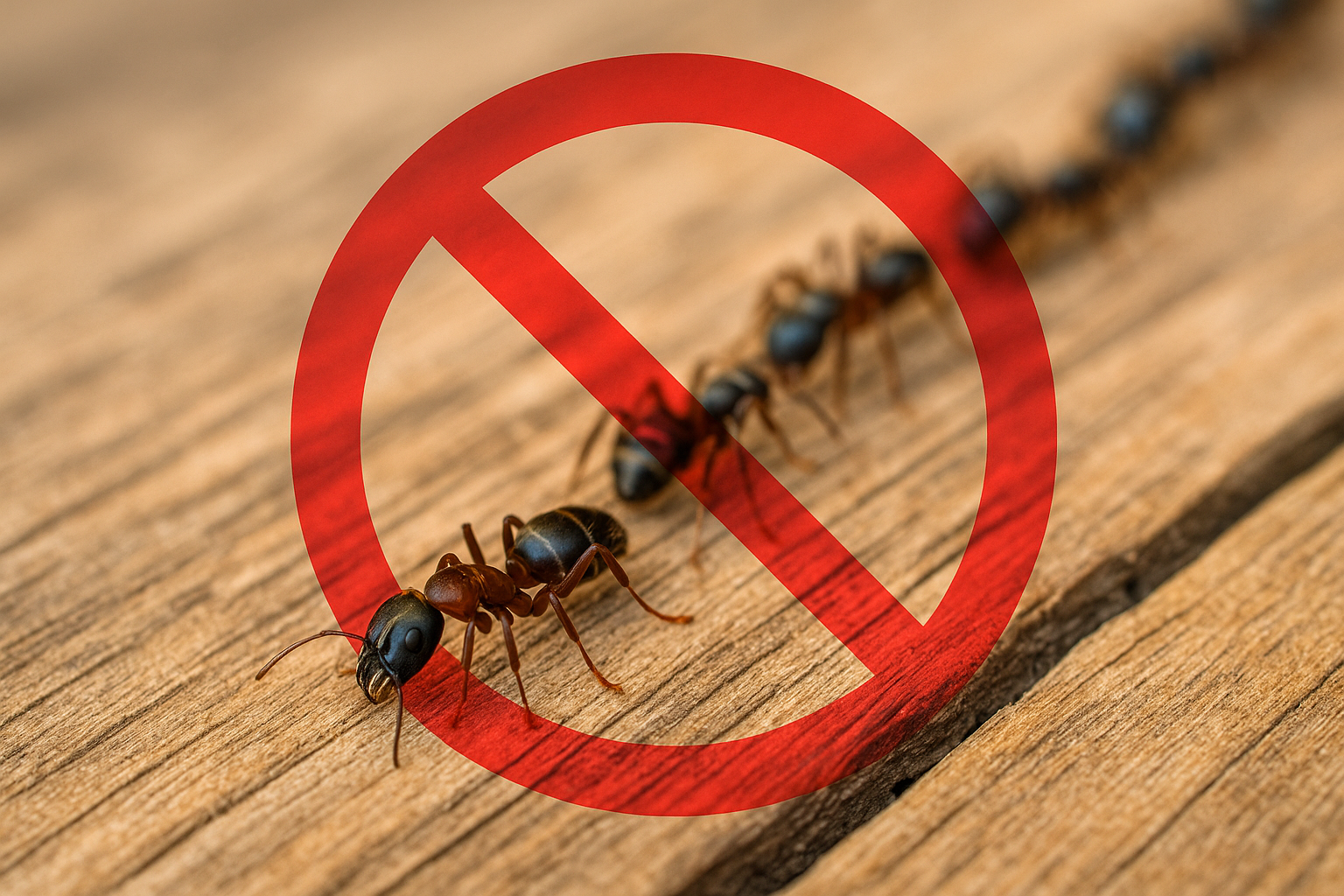
According to the EPA’s 2023 Pest Incidence Report, roughly one‑in‑three U.S. homes reports at least one pest sighting each year. Understanding which invaders are most likely to breach your walls, and what they look like, is the first step toward keeping your family safe and your property intact.
- Ants – Small, industrious insects that slip through foundation cracks, gaps around doors, and utility line openings. You’ll often see a trail of tiny, dark specks leading to food sources. Risk: They contaminate countertops and can attract other pests.
- Termites – Silent wood‑eaters that enter via foundation fissures, vent pipes, and even firewood piles. Look for mud tubes on exterior walls or hollow‑sounding wood. Risk: They cause costly structural damage that compromises a home’s integrity.
- Rodents – Mice and rats exploit gaps around pipes, vents, and poorly sealed doors. Fresh droppings, gnaw marks, and a distinctive “scratching” noise are common clues. Risk: They spread diseases like Hantavirus and can chew through wiring, increasing fire hazards.
- Mosquitoes – These aerial nuisances find entry through open windows, unscreened vents, and door gaps. Look for swarms near standing water or a high‑pitched whine near lights. Risk: They transmit West Nile virus, Zika, and other mosquito‑borne illnesses.
- Cockroaches – Resilient survivors that slip through cracks, sewer lines, and gaps around appliances. Spot them as glossy brown or black insects scurrying at night, often near food debris. Risk: They carry bacteria that can contaminate food and trigger allergies.
- Flies – Houseflies, fruit flies, and their kin enter through open doors, windows, and even tiny vent openings. Their presence is obvious: buzzing activity around food, garbage, or damp areas. Risk: They mechanically transfer pathogens from waste to kitchen surfaces, leading to foodborne illness.
When to Expect What
Understanding when each pest is most active helps you stay one step ahead. By aligning inspections and treatments with the natural rhythms of insects and rodents, you can prevent infestations before they become costly problems. Below is a month‑by‑month guide that breaks down peak activity for the six most common household pests across the United States.
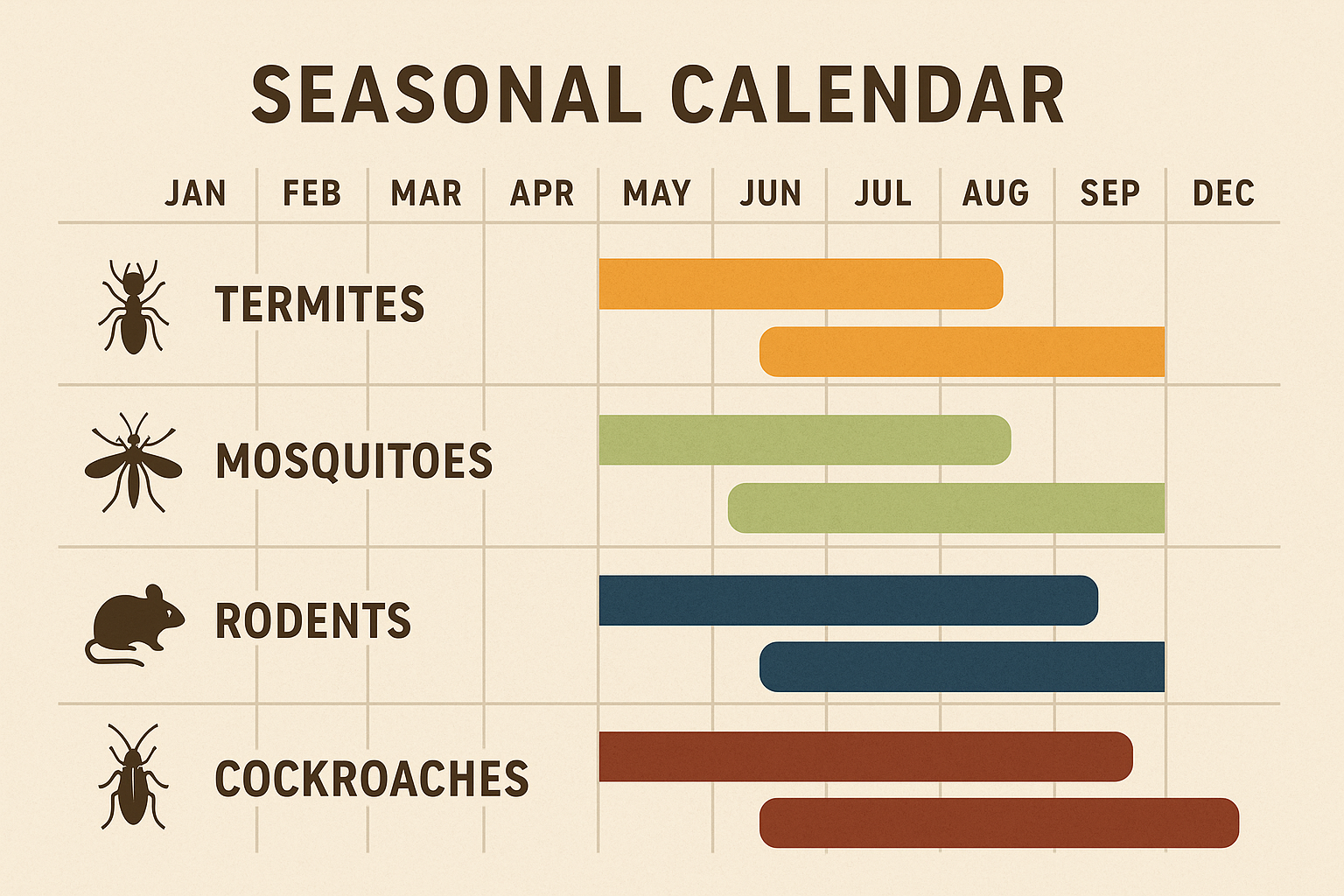
| Pest | Northeast | Southeast | Midwest | Southwest |
|---|---|---|---|---|
| Termites | May‑June | April‑May (late‑spring swarms) | May‑July | June‑August |
| Mosquitoes | July‑September | June‑August | July‑August (population surge) | May‑July |
| Rodents | September‑February | October‑March | October‑March | November‑April |
| Cockroaches | June‑October | May‑September | June‑October | May‑September |
| Ants | May‑August | April‑July | May‑July | March‑June |
| Bed Bugs | Year‑round (spike July‑August) | Year‑round (spike July‑August) | Year‑round (spike July‑August) | Year‑round (spike July‑August) |
These windows are not rigid rules—weather patterns and local micro‑climates can shift activity by a few weeks. However, they give a reliable baseline for planning. For instance, “Termite swarms peak in late spring in the Southeast,” so scheduling a pre‑emptive termite inspection in April can catch colonies before they spread.
Vector‑borne disease risk follows the same seasonal logic. The Centers for Disease Control and Prevention notes, “Mosquito‑borne illness reports rise sharply during the summer months, especially July and August, when adult mosquito populations are at their highest” (CDC Mosquito Data).
How to Use This Calendar
- Mark your planner. Add the peak months for each pest to your home maintenance calendar. Treat the first month of a pest’s window as the ideal time for a professional inspection.
- Schedule inspections early. A termite inspection in April (Southeast) or May (Midwest) allows Anthem Pest to identify hidden colonies before they cause structural damage.
- Plan treatments strategically. Apply mosquito barrier sprays in June for the Southeast and July for the Midwest, aligning with the surge periods to maximize effectiveness.
- Combine services. When a rodent inspection is due in the fall, ask about concurrent ant or cockroach treatments—many pests seek shelter as temperatures drop.
- Stay proactive. Even if you don’t see pests, a seasonal check‑up can uncover early signs (e.g., droppings, gnaw marks, or winged termite alates) that are invisible to the untrained eye.
By treating this table as a living checklist, you turn pest control from a reactive chore into a preventive habit. Anthem Pest’s regional experts are ready to tailor inspections and treatment plans to the exact timing that matters most for your home’s location.
Proactive Protection Measures

When pests try to set up shop, the most effective defense starts before a single insect or rodent crosses your threshold. By combining simple interior habits with strategic exterior upgrades, you create a “no‑entry” zone that makes your home far less attractive to invaders. The National Pest Management Association (NPMA) reports that homeowners who pair regular maintenance with a professional perimeter barrier see an average 30 % drop in infestation rates.
Interior Prevention Tactics
These small steps, when performed consistently, create a hostile environment that most pests simply cannot tolerate.
- Seal cracks and gaps. Use silicone caulk or expanding foam to close openings around windows, doors, utility penetrations, and baseboards. Even a 1‑mm crack can become a highway for ants and cockroaches.
- Store food properly. Keep pantry items in airtight containers, wipe down crumbs after meals, and never leave pet food out overnight. Pests are drawn to accessible nutrients, so eliminating easy meals removes a major lure.
- Control humidity. Install a dehumidifier in damp areas such as basements and crawl spaces, and repair leaky pipes promptly. Moisture‑loving pests like silverfish, termites, and rodents thrive in humid environments.
- Vacuum regularly. A weekly vacuum—especially along baseboards, under appliances, and in closets—scoops up eggs, larvae, and food particles that would otherwise nurture a growing population.
Exterior Prevention Tactics
Together, these exterior upgrades form a physical and chemical shield that works year‑round.
- Trim landscaping. Keep shrubs, trees, and vines at least two feet away from the house. Overgrown vegetation provides bridges for pests to reach the roof and foundation.
- Improve drainage. Ensure gutters direct water away from the foundation and grade soil to slope away from the building. Standing water creates breeding sites for mosquitoes and attracts rodents.
- Seal the foundation. Apply a high‑quality, waterproof sealant to exterior foundation walls and any visible cracks. A sealed perimeter blocks entry points that are often missed during routine cleaning.
- Install a perimeter pesticide barrier. A professional treatment creates a chemical “moat” around the home, targeting ants, spiders, roaches, and other common invaders before they can cross the threshold.
“Homeowners who added a yearly perimeter barrier experienced roughly a 30 % reduction in pest sightings compared with those who relied on interior clean‑up alone.” – NPMA Study (2023)
The cost of a professional barrier application typically ranges from $150 to $300 per treatment, according to Anthem Pest’s pricing sheet. This one‑time investment pays for itself quickly when you factor in the avoided damage, lost time, and potential health risks associated with unchecked infestations. Most homeowners find the price comparable to a routine home‑maintenance service, and the return on investment is evident in fewer pest‑related service calls.
Consistency is the secret sauce. A single barrier will protect your home for several months, but seasonal changes—especially spring rains and summer heat—can weaken both the chemical layer and the physical barriers you’ve installed. Schedule a re‑application every 3–4 months, and pair it with a quick visual inspection of your exterior: look for new cracks, clogged gutters, or overgrown plants. Inside, maintain the habits outlined above and set a monthly reminder to vacuum corners, check pantry seals, and run the dehumidifier during humid spells.
By treating your home like a well‑maintained fortress—tightening the walls, clearing the moat, and keeping the interior spotless—you dramatically lower the odds that pests will ever gain a foothold. The upfront effort and modest expense of proactive measures translate into long‑term peace of mind, fewer emergency calls, and a healthier living environment for you and your family. Remember, the goal isn’t to eradicate every insect outright, but to keep their numbers so low that they never become a problem.
What to Expect When You Call a Pro
When a homeowner picks up the phone and contacts Anthem Pest, the experience is designed to be clear, predictable, and safe. A qualified technician will first confirm the pest you’re dealing with, then walk you through the exact method they’ll use, the expected timeline, and the cost before any work begins. Knowing the process in advance eliminates surprises and lets you feel confident that the solution is both effective and family‑friendly.
Ants & Cockroaches – Baiting
Ants and cockroaches are best tackled with strategically placed bait stations. These stations contain a slow‑acting, EPA‑approved poison that the insects carry back to their colonies, eliminating the source rather than just the visible insects. Technicians position the baits along walls, under appliances, and in hidden entry points, then monitor them over a week to ensure the colony is fully suppressed.
Flies & Mosquitoes – Targeted Sprays
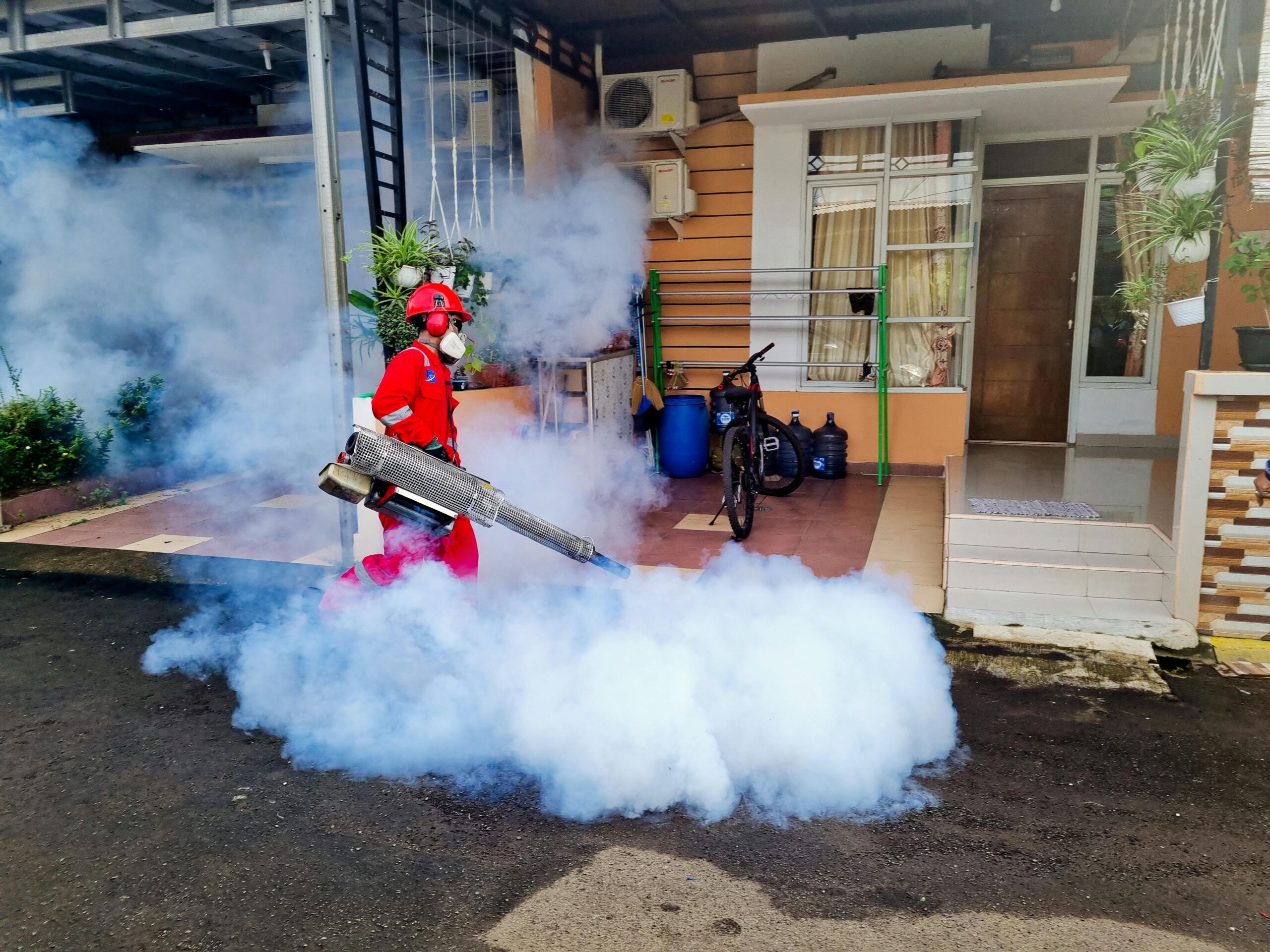
For flying insects, Anthem Pest applies a low‑toxicity spray that creates a thin, invisible barrier on outdoor surfaces and around entryways. The formulation is EPA‑registered for outdoor use and breaks down quickly, reducing the risk to children and pets while still delivering rapid knock‑down of adult flies and mosquitoes during peak season.
Rodents – Fumigation & Exclusion
Rodent problems often require a two‑step approach. First, a certified technician uses a short‑duration fumigant in attics, crawl spaces, or sheds to eradicate active mice or rats. After the fumigation, the same professional seals gaps, installs door sweeps, and advises on proper food storage to prevent future invasions—an essential “exclusion” phase that protects your home long term.
Bed Bugs & Termites – Heat Treatment
Heat treatment is the gold standard for bed bugs and many termite infestations. Technicians raise the temperature of the affected area to 120‑130 °F, a range that is lethal to these pests but safe for most household items. The process is monitored with calibrated sensors to guarantee uniform heat distribution, and the entire treatment is completed in a single day, leaving no chemical residues behind.
Transparent Pricing Brackets
| Pest | Service | Price Range |
|---|---|---|
| Ants / Cockroaches | Bait Station Service | $89 – $129 |
| Flies / Mosquitoes | Outdoor Spray Barrier | $99 – $149 |
| Rodents | Fumigation & Exclusion Package | $199 – $399 |
| Bed Bugs | Heat Treatment (per room) | $350 – $650 |
| Termites | Inspection | $99 |
| Termites | Full Treatment | $1,200 – $3,500 |
All quoted prices are inclusive of labor, equipment, and EPA‑approved products. Anthem Pest prides itself on transparent estimates—what you see is what you pay, with no hidden fees.
Safety First: EPA‑Approved Low‑Toxicity Products
Every formulation used by Anthem Pest carries EPA registration, confirming that it meets strict standards for human health and environmental impact. The company favors low‑toxicity active ingredients that are effective against pests but pose minimal risk to children, pets, and indoor air quality. Technicians also employ targeted application techniques—such as spot‑treatments and barrier sprays—to keep exposure zones as small as possible.
Ready to Get Started?
If you’re ready for a professional, no‑surprise solution, call Anthem Pest today at 877‑371‑8196 or visit anthempest.com for a free, detailed quote. Your home’s protection is just one phone call away.
Your Neighborhood’s Trusted Pest Partner
Anthem Pest is on call in more than 20 states, offering round‑the‑clock, 24/7 emergency service that lets homeowners breathe easy no matter when pests strike. Whether it’s a midnight ant parade in Texas or a summer surge of mosquitoes in Florida, our network of local offices means help is never more than a phone call away.
Our 24/7 hotline connects you to a live coordinator who can dispatch a technician to most locations within 30 minutes, ensuring rapid relief wherever you are.
Local Technicians, Regional Know‑How
Our technicians aren’t just trained; they’re raised in the neighborhoods they serve. That local upbringing translates into a deep understanding of regional pest pressures—from the wood‑boring termites that plague the Pacific Northwest to the cockroach hotspots of the Northeast. By tailoring inspections and treatments to the specific climate and building styles of each area, we eliminate guesswork and boost effectiveness.
Proven Results in Real Homes
Two recent case studies illustrate our impact. In Cherry Hill, NJ, a family plagued by recurring ant invasions saw a 40 % reduction in repeat infestations after we installed our patented barrier program. Across the country in Lakeview, CA, a similar program cut repeat rodent sightings by the same margin, turning a chronic problem into a one‑time fix.
Transparent Pricing and Satisfaction Guaranteed
We believe trust starts with clear numbers. Every quote lists services, products, and labor costs upfront—no hidden fees, no surprise add‑ons. If a treatment doesn’t meet expectations, our satisfaction guarantee ensures a follow‑up visit at no extra charge, reinforcing our commitment to keeping your home pest‑free and your wallet happy.
Secure Your Home with Anthem Pest Control
When it comes to pest management, timing and vigilance are your strongest allies. Catching an infestation early can save you hundreds of dollars, while knowing which pests are active each season helps you schedule treatments at the optimal moment. A simple checklist puts control back in your hands, and consistent prevention lowers the chance of a surprise invasion. Professional treatment not only eliminates the problem safely but also comes with guarantees that protect your investment.
Key takeaways to keep on your radar:
- Detect problems early to avoid costly treatments.
- Align inspections with seasonal pest activity.
- Use a homeowner checklist to stay organized.
- Implement regular prevention measures for lasting protection.
- Trust professional treatment for safety, effectiveness, and guarantees.
Anthem Pest Control backs every recommendation with a free, no‑obligation home inspection and crystal‑clear pricing. Our technicians walk you through the findings, explain exactly which services are needed, and provide a written estimate before any work begins, so you never face hidden fees.
Ready to protect your home? Call Anthem Pest Control now at 877-371-8196 for a free, no‑obligation quote, and let our certified experts handle the rest. For more details, visit Anthem Pest Control today.