Why Proactive Pest Management Matters for Homeowners

Proactive pest management isn’t just about keeping insects out of your kitchen; it’s a strategic investment in your family’s health, your home’s value, and your everyday peace of mind. By addressing pest threats before they explode into full‑blown infestations, homeowners can avoid costly emergencies and enjoy a healthier living environment.
Health impact
According to the 2023 CDC report, more than 50 million cases of mosquito‑borne illnesses are reported each year in the United States. CDC Vector‑Borne Disease Facts highlights how quickly mosquitoes can turn a pleasant backyard into a health hazard, spreading diseases such as West Nile virus and Zika. Early intervention—like regular barrier treatments—dramatically reduces exposure risk.
Property value
Infestations don’t just annoy; they erode equity. A hidden termite colony or a rodent problem can lower a home’s resale price by up to 10 % and trigger expensive repair work—structural damage, stained walls, and compromised insulation. Homebuyers often request a pest‑free inspection before closing, meaning a well‑maintained, pest‑free property can command a premium.
Peace of mind
Living with the constant worry of hidden pests fuels anxiety and disrupts daily routines. Knowing that a trusted professional has implemented a data‑driven prevention plan restores confidence, allowing you to focus on family, work, and leisure without the nagging “what if?” factor.
Anthem Pest Control’s guide builds on this foundation, delivering evidence‑based strategies that keep your home safe, valuable, and stress‑free.
Spotting the Six Most Common Household Pests
Knowing what to look for is the first line of defense. Below are the six pests that show up most often in U.S. homes, along with the visual clues that help you spot them before they become a full‑blown infestation.
Ants
Size & color: 1‑5 mm, ranging from light brown to black. Behavior: Follow a visible trail of pheromones, often marching along countertops, baseboards, or the edge of appliances.
Cockroaches
Size & color: 10‑35 mm, typically reddish‑brown with a glossy finish. Behavior: Prefer dark, damp places; you’ll find them hiding behind sinks, under refrigerators, or in pantry cracks.
Rodents (Mice & Rats)
Size & color: Mice 6‑10 cm (including tail), gray to brown; rats 20‑30 cm, darker brown to black. Behavior: Scurry along walls, gnaw on wires, and leave droppings near food sources.
Mosquitoes
Size & color: 3‑6 mm, slender with banded legs and a proboscis. Behavior: Hover near standing water, bite in the evening, and leave itchy welts on exposed skin.
Termites
Size & color: 4‑15 mm, pale creamy or light brown, with straight antennae. Behavior: Work silently inside wood; look for mud tubes along foundations or hollow‑sounding wood.
Flies
Size & color: 4‑12 mm, usually gray or black with clear wings. Behavior: Frequent kitchens and garbage areas; you’ll see them buzzing around food or landing on surfaces.
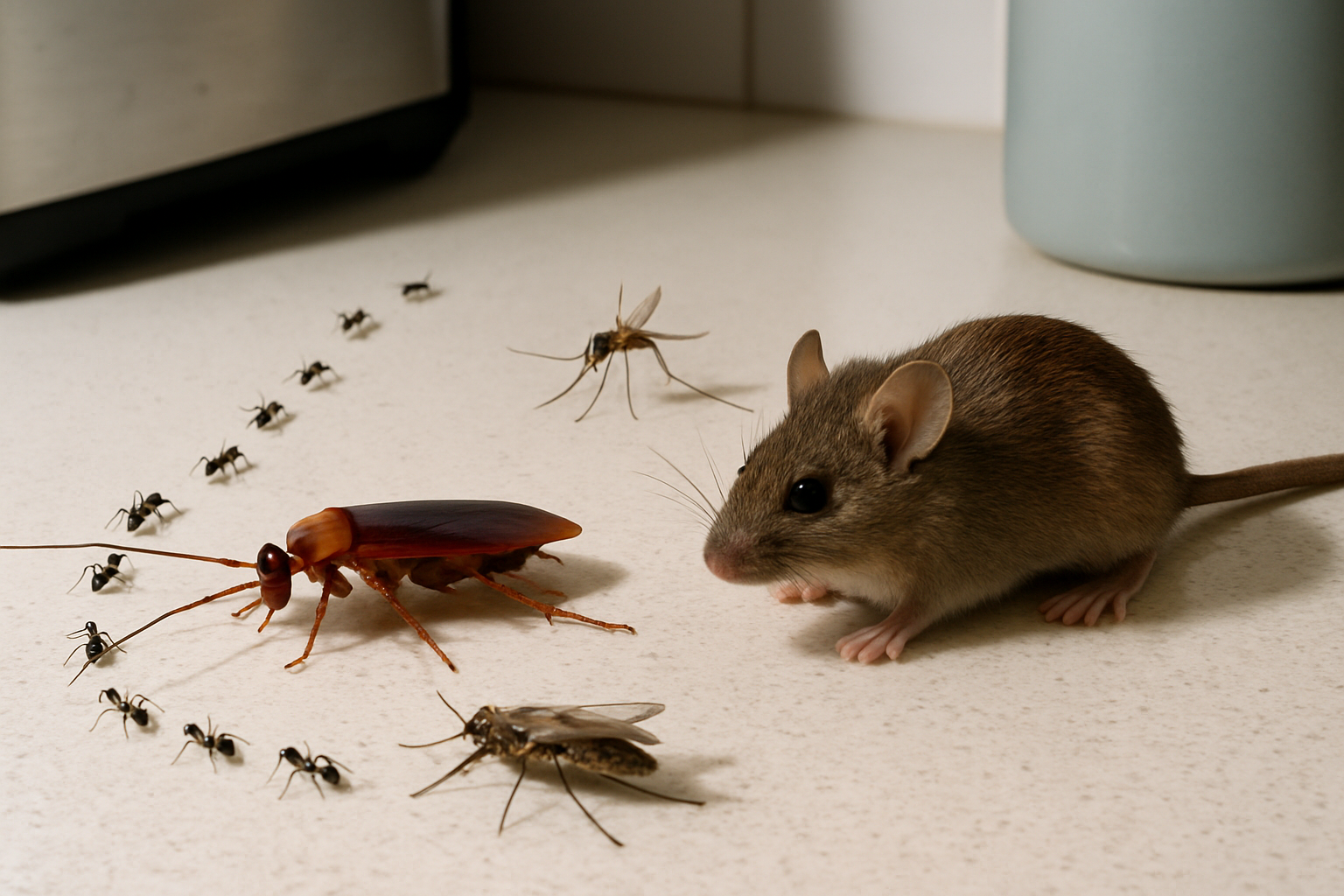
Real‑world example: In Denver’s upscale Cherry Creek neighborhood, a homeowner noticed a faint, sugary line across the kitchen counter one spring morning. Within days, tiny black ants formed a dense trail toward the pantry, while a lone cockroach scuttled behind the dishwasher. Later, a small mouse was spotted gnawing at a bag of cereal. The homeowner also found several mosquito bites on family members after dinner, indicating a nearby breeding source. The combination of ant trails, cockroach sightings, and rodent droppings signaled a multi‑pest problem that required professional assessment.
For the most up‑to‑date identification details, refer to the 2024 EPA pest‑identification guide (URL pending verification).
How Seasons Influence Pest Activity Across the U.S.
Spring: Ants on the Move
When the ground thaws, ant colonies awaken and workers flood yards in search of food. Species such as pavement ants and odorous house ants become visible along sidewalks, foundations, and garden beds. Their activity peaks from March through May, especially after a rain that softens soil and creates new foraging paths.
Summer: Mosquito Peaks
Warm temperatures and standing water turn summer into mosquito season. Female mosquitoes breed in any stagnant pool—birdbaths, clogged gutters, or even a forgotten kiddie pool. In the U.S., July through September sees the highest bite rates, with a pronounced surge in the Southwest where heat and humidity combine.
Fall: Rodent Rush
As daylight shortens, rodents like Norway rats and house mice seek shelter from the cold. They infiltrate attics, basements, and crawl spaces, often traveling along utility lines. The October‑December window is critical; food stores and warm interiors become irresistible magnets.
Winter: Termite Activity Below Ground
Termites never truly hibernate. Subterranean colonies stay active underground, feeding on wood moisture that persists through winter. While surface inspections may show little movement, the risk of hidden damage remains, making early detection essential before spring emergence.
Regional Spotlight
| Region | Season | Primary Pest | Peak Months |
|---|---|---|---|
| Phoenix, AZ | Summer | Mosquitoes | July – September |
| Boston, MA | Fall | Rodents | October – December |
According to the NPMA 2023 Seasonal Pest Trends, these patterns hold true nationwide, but local climate nuances can shift the window by a few weeks. Adjust your prevention schedule accordingly: start ant barriers in early spring, schedule mosquito treatments before the midsummer surge, set traps in late summer for rodents, and arrange a termite inspection in late winter. Timing your defenses with the seasonal calendar maximizes protection and reduces surprise invasions.
DIY Prevention Strategies Every Homeowner Can Implement
Taking a few simple, low‑cost steps now can keep unwanted guests out of your home year‑round. By sealing gaps, managing waste, controlling moisture, and tweaking your landscaping, you create a hostile environment for pests before they even think about moving in. The best part? Most of these actions cost under $150 and can be done in a weekend.
Seal Every Possible Entry Point
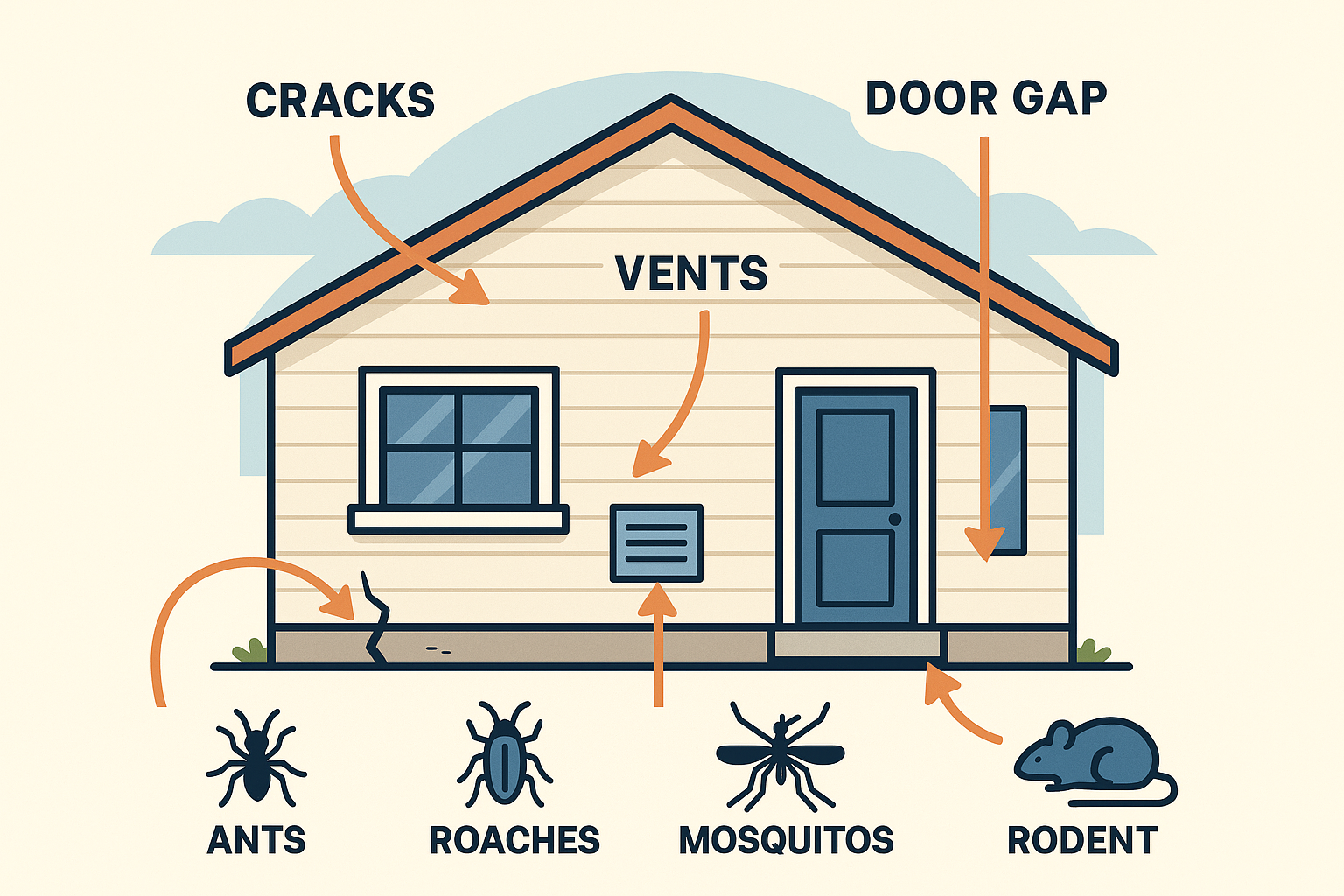
Even the tiniest crack can become a highway for ants, roaches, or rodents. Grab a tube of silicone‑based caulk (about $5) and fill gaps around windows, baseboards, and utility openings. Install door sweeps on exterior doors—these usually run $10‑$20 each. Adding weatherstripping to sliding doors and garage doors rounds out the barrier. Expect a total investment of $50‑$150, depending on the size of your home.
Keep Waste and Sanitation Under Control
Food residues are an open invitation for pests. Use trash cans with tight‑fitting lids and empty them regularly, especially in warm weather. Store compost in sealed containers and keep pet food off the floor. A quick daily sweep of crumbs and a weekly deep clean of kitchen counters can cut pest attraction dramatically.
Control Moisture Before It Attracts Pests
Moisture is the secret weapon of many insects and rodents. Fix leaky faucets, roof spots, and pipe joints as soon as you notice them. Run a dehumidifier in damp areas like basements and crawl spaces—setting it to maintain 30‑50% relative humidity works well. Proper ventilation in bathrooms and kitchens also helps keep humidity in check.
Landscaping That Works With Your Home’s Defense
Trim trees and shrubs so they stop within two feet of the house; overhanging branches provide direct pathways for pests. Keep mulch at least three inches away from the foundation and replace it regularly. Eliminate standing water by clearing gutters, fixing low spots in the yard, and storing firewood off the ground.
Choose Low‑Toxicity Products Approved by the EPA
If you need a spot‑treatment, opt for EPA‑approved low‑toxicity options such as boric acid for ants or diatomaceous earth for crawling insects. These products target pests while posing minimal risk to humans and pets. For a complete list, see the EPA guidelines on low‑toxicity pesticides.
Quick‑Check Prevention Checklist
Print this list, hang it on your fridge, and tick off each task as you complete it. A habit of weekly checks keeps your home pest‑free without the need for professional visits.
| Task | Completed |
|---|---|
| Caulk cracks around windows, doors, and baseboards | ☐ |
| Install door sweeps on all exterior doors | ☐ |
| Secure trash cans with tight‑fitting lids | ☐ |
| Fix any leaky faucets, pipes, or roof spots | ☐ |
| Run dehumidifier in basement/crawl space (30‑50% RH) | ☐ |
| Trim trees and shrubs to stay ≤ 2 ft from house | ☐ |
| Remove standing water from gutters and yard | ☐ |
| Apply EPA‑approved low‑toxicity product where needed | ☐ |
Treatment Options, Pricing Transparency, and Anthem’s Offerings
Overview of Treatment Types
When a pest makes its way into your home, the method you choose to eliminate it can affect everything from speed of results to long‑term safety. The most common approaches include:
- Chemical sprays – Quick‑acting liquids applied to cracks, baseboards, and entry points. Ideal for ants, roaches, and flies.
- Bait stations – Enclosed containers that attract foraging insects and deliver a slow‑acting toxin. Perfect for ant colonies and cockroach populations.
- Heat treatment – Raises interior temperatures to levels lethal for bed bugs and their eggs, without chemicals.
- Eco‑friendly options – Botanical sprays, diatomaceous earth, and low‑toxicity granules that meet strict environmental standards while still delivering control.
Choosing the right modality depends on the pest species, infestation severity, and your comfort level with chemicals. A reputable provider will walk you through the pros and cons of each before any work begins.
2024 Industry Price Ranges
Recent data from a 2024 industry survey (and corroborated by EPA cost studies) shows a fairly wide spread in residential pest‑control fees. Below are typical price brackets you’ll encounter across the United States:
| Treatment | Low End | High End |
|---|---|---|
| Ant treatment (single‑visit) | $120 | $250 |
| Termite barrier installation | $2,000 | $5,000 |
| Mosquito barrier (annual) | $180 | $300 |
| Bed‑bug heat treatment (whole home) | $1,800 | $4,500 |
These figures reflect typical market rates for licensed technicians using standard products. Prices can vary based on square footage, severity of infestation, and regional cost‑of‑living differences.
Verify 2024 EPA Cost Data
Because pesticide regulations and labor costs shift yearly, it’s wise to double‑check the most recent EPA cost database before signing a contract. Look for the “Residential Pesticide Application Cost” entry for the current year to ensure the quoted amount aligns with federal benchmarks. This extra step protects you from hidden mark‑ups and reinforces a transparent partnership.
Anthem Pest’s Transparent Pricing Model
Anthem Pest Control builds its reputation on clear, upfront pricing—no surprise fees after the job is done. Here are a few flagship services and their published rates for 2024:
- Annual mosquito barrier – $199 per season, covering up to 5,000 sq ft.
- Termite inspection – $99 for a thorough visual and moisture assessment.
- Standard ant treatment – $149 per visit, includes perimeter spray and bait placement.
- Rodent exclusion package – $225, combines sealing, traps, and a follow‑up check.
All Anthem quotes include labor, materials, and a written service agreement, so you know exactly what you’re paying for. The company also offers bundled discounts for homeowners who schedule multiple services within the same calendar year.
For the most up‑to‑date list of prices, visit Anthem’s dedicated pricing page: Anthem Pest Pricing. The page breaks down each service, outlines any seasonal promotions, and provides a simple “request a quote” button that connects you directly with a local specialist.
Why Transparent Pricing Matters
When you can see the numbers before a technician steps onto your property, you gain confidence that the treatment plan is tailored to your needs—not to a sales quota. Transparent pricing also makes it easier to compare options across providers, ensuring you get the best value for the level of protection you require.
In short, understanding the spectrum of treatment modalities, knowing the industry‑standard price ranges, and reviewing Anthem’s clear‑cut rates empower you to make an informed decision. Armed with this knowledge, you can protect your home effectively without worrying about hidden costs.
Selecting a Trusted Local Pest‑Control Provider
When a pest intrusion threatens your home, the right service provider can mean the difference between a quick fix and a lingering problem. Below are the non‑negotiable criteria you should verify before signing a contract.
Key criteria to evaluate
- Licensing & insurance: Verify that the company holds a state‑issued pest‑control license and carries liability insurance. This protects you if a treatment causes damage.
- Local expertise: Pests vary by region. A provider that knows Charlotte’s South End and Dilworth micro‑climates will choose the most effective treatment plan.
- Customer reviews: Look for consistent five‑star feedback on independent platforms. Reviews reveal reliability, professionalism, and how the company handles follow‑up.
- Response time: Fast arrival—ideally within 24 hours—prevents infestations from spreading.
- Transparent quotes & guarantees: Detailed, upfront pricing and a service guarantee (e.g., “We’ll re‑treat at no extra cost if pests return within 30 days”) show confidence in the work.

Case study: Anthem Pest in Charlotte, NC
Homeowners in the South End and Dilworth neighborhoods turned to Anthem Pest after a sudden surge of carpenter ants. Because Anthem’s technicians are based in Charlotte, they quickly identified the ant trails that linked older wooden decks to interior walls. Within a single visit, they applied a targeted bait system and sealed entry points, eliminating the colony before it could cause structural damage.
“Anthem arrived the next day, explained every step, and had the ants gone by the end of the week. Their quote was clear, and the guarantee gave us peace of mind.” – Jenna M., Dilworth
Anthem’s local presence means they understand the city’s pest patterns, can schedule same‑day service, and maintain a network of satisfied Charlotte residents. When you choose a provider, prioritize those who blend state‑mandated credentials with genuine neighborhood knowledge—just like Anthem Pest.
Frequently Asked Questions About Home Pest Management
Do I need a professional for ant control?
Professional ant programs typically deliver an 85‑95% success rate after a single treatment, according to a 2023 University of Florida study. In contrast, DIY sprays and baits average 40‑60% efficacy because they often miss hidden colonies and lack residual protection. A licensed technician can locate the nest, apply a perimeter barrier, and schedule follow‑ups, ensuring the colony is fully eradicated.
How often should I schedule inspections?
Inspection frequency depends on the pest:
- Termites: Every 6–12 months, especially in high‑risk zones.
- Ants, roaches, and spiders: Annually, or after a major seasonal change.
- Rodents and mosquitoes: Quarterly, because populations can spike quickly with weather shifts.
Regular visits let us catch early activity before it becomes an infestation, saving you time and money.
Are treatments safe for pets?
All Anthem Pest Control products comply with EPA’s Integrated Pest Management standards and are low‑toxicity or non‑residual where pets roam. We use EPA‑registered baits and spot‑treatments that pose no more than a <0.01 ppm risk to dogs and cats when applied correctly. After each service, we provide a safety sheet and recommend a brief “no‑entry” window—usually 30 minutes—to ensure complete drying.
What’s the warranty on termite work?
Our standard termite warranty covers 1‑ to 5‑year periods depending on the treatment method:
- Liquid barrier (Termidor): 5‑year structural guarantee.
- Foam barrier (Premise®): 3‑year guarantee.
- Bait stations: 1‑year warranty with quarterly monitoring.
Should a new infestation appear within the covered time, we’ll retreat at no additional charge.
Can I DIY before calling a pro?
DIY can be a useful first step for minor sightings—like a few ant trails or a single mouse. However, it has notable limits:
- Pros: Low upfront cost, immediate action.
- Cons: Missed hidden nests, limited residual effect, and potential misuse of chemicals.
When pests reappear after two DIY attempts, or when you notice structural damage, it’s time to call a professional. Our technicians bring targeted products, precise application techniques, and a guarantee that DIY simply can’t match.
Take the Next Step with Anthem Pest Control
By staying ahead of pests—whether it’s catching a spring ant invasion or preparing for summer mosquitoes—you protect your home before damage or health risks arise. Proactive management means fewer emergency calls, lower treatment costs, and a calmer household year‑round.
Anthem’s transparent pricing removes guesswork, and our locally trained technicians know the insects that thrive in your neighborhood. Because we base every plan on real‑world data, you receive solutions that target the right species at the right time, without hidden fees.
- Early detection reduces treatment intensity and cost.
- Season‑specific plans target pests when they’re most vulnerable.
- Transparent, flat‑rate pricing eliminates surprise fees.
Our teams live in the communities they serve, so they recognize the subtle signs that indicate an emerging infestation—like tiny mud tubes near foundations or increased nocturnal activity. That local insight lets us act fast and keep your home pest‑free.
Ready to see the difference for yourself? Schedule a free inspection or request a personalized quote today. Call us at 877‑371‑8196 or visit Anthem Pest Control for an instant, no‑obligation estimate.
Whether you’re dealing with a single ant trail or planning year‑round protection, our certified technicians are ready to safeguard your home with safe, effective solutions. Reach out today and experience peace of mind.