Introduction to Spider Control in Vinings, GA
Over the past few months, residents of Vinings Village, West Cobb, and surrounding neighborhoods have reported a noticeable uptick in spider activity—spider webs draped across porch lights, unexpected visitors in basements, and even the occasional sighting of larger species like the southern house spider. This surge isn’t just a creepy‑crawl nuisance; it signals changing seasonal patterns and the need for proactive measures before the situation escalates.
Hiring a local spider exterminator makes a tangible difference. A Vinings‑based professional can arrive within hours, cutting down the time pests spend inside your home. Because they know the regional spider roster—everything from harmless garden orb weavers to the more aggressive brown recluse—they can pinpoint the exact species and tailor treatments accordingly. Customized plans mean you won’t waste money on generic sprays that miss the mark; instead, you receive targeted, safe solutions that protect your family and pets.
In the sections that follow, we’ll walk you through every step of effective spider management:
- Risk assessment – evaluating your property’s vulnerability.
- Species identification – learning the key differences between common Vinings spiders.
- When to call a pro – recognizing the warning signs that demand expert help.
- Choosing a provider – what to look for in a reputable local company.
- Treatment options – from eco‑friendly sprays to structural barriers.
- Prevention tips – simple habits that keep spiders out for good.
- Seasonal guidance – timing your actions for maximum impact.
- FAQs – answers to the most common homeowner questions.
By the end of this guide, you’ll have a clear roadmap to reclaim a spider‑free home, backed by Anthem Pest Control’s local expertise and transparent pricing.
Spider Risks Specific to Vinings, GA
Climate that fuels activity
Vinings sits squarely in the humid subtropical zone of the Southeast. Warm summers, mild winters and average annual humidity above 70 % create a perfect backdrop for spiders to remain active all year long. Unlike northern states where cold snaps force many species into dormancy, the consistent temperature range in Vinings allows both house‑dwelling and yard‑dwelling spiders to reproduce continuously, leading to higher indoor sightings during every season.
Health concerns you should know
The two medically significant species that homeowners most often worry about are the brown recluse and the black widow. A brown recluse bite typically begins with a painless puncture, followed by swelling, a red “bull’s‑eye” lesion and, in severe cases, tissue necrosis. Black‑widow venom produces intense muscle cramps, abdominal pain and, rarely, respiratory distress. While most bites heal without lasting damage, treatment can quickly climb to $1,500–$3,000 in emergency‑room fees, especially if antivenom or specialist care is required.
What the numbers say
The EPA’s 2023 Residential Pest Report lists spiders as the fourth‑most‑frequently reported household pest in Georgia, trailing only ants, rodents and cockroaches. In the state‑wide survey, 12 % of all pest complaints cited spider sightings or bites, a figure that mirrors the higher humidity levels found in the Vinings area.
Local anecdote
According to the 2024 Vinings Homeowners Association (HOA) maintenance log, park staff documented a 38 % increase in spider webbing across community green spaces compared with the previous year. Residents reported more frequent encounters near playground equipment and picnic tables, prompting the HOA to request a professional spider‑control assessment.
Economic ripple effect
Beyond medical bills, spider‑related incidents generate indirect costs for homeowners—lost workdays, pest‑remediation expenses, and potential damage to outdoor furniture from dense webs. A conservative estimate from the Georgia Department of Public Health suggests that spider‑related medical visits cost the state roughly $4.2 million annually, underscoring why proactive prevention is a smart financial move for Vinings homeowners. Taking action early can save both health and wallet.
Identifying Common Spiders in Vinings
Vinings’ mild climate and leafy neighborhoods create a perfect backdrop for several spider species that often wander into homes. Knowing the look‑alike traits, where they like to hide, and when they’re most active can spare you the “creepy‑crawl” surprise and help you decide if professional help is needed.
Brown Recluse (Loxosceles reclusa)
Size & coloration: About ¼‑½ inches long, light‑tan to dark brown with a distinctive dark violin‑shaped marking on the cephalothorax. Web type: Irregular, loose silk sheets in hidden corners rather than a classic orb. Where you’ll find them: Inside—basements, closets, attics, and rarely under outdoor debris. Seasonality: Most active late summer through early fall when indoor humidity rises.
Black Widow (Latrodectus mactans)
Size ranges from ½‑1.5 inches with a glossy black body and a red hourglass on the underside of the abdomen. Their webs are tangled, dense, and often found in dark, undisturbed outdoor spots like woodpiles, sheds, or under eaves. Indoor sightings are less common but can appear in garages or crawl spaces, especially in late spring.
Orb Weaver (Araneidae family)
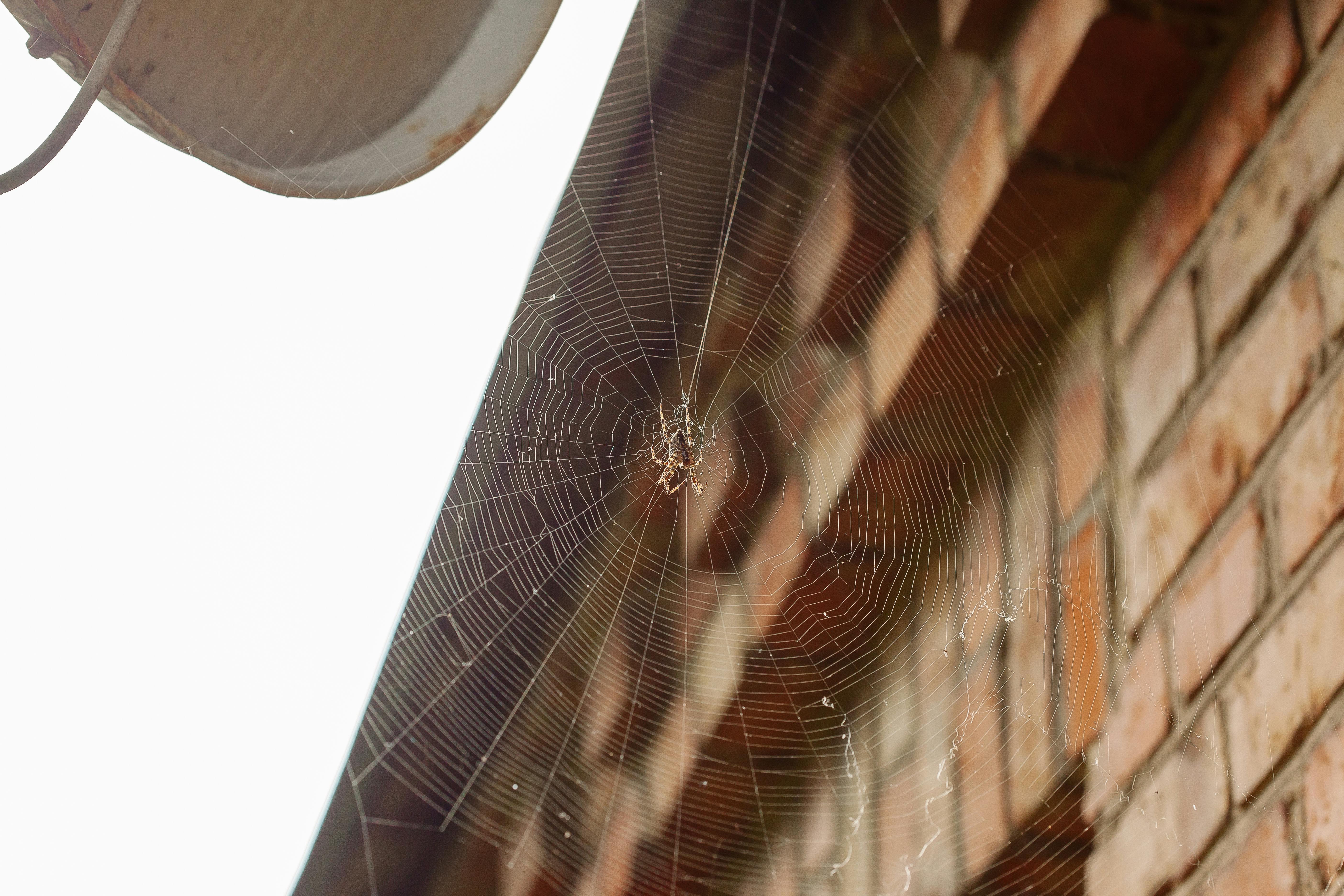
These are the classic “garden spiders” with bodies ¼‑¾ inches long, patterned in yellows, whites, or grays. They spin large, circular webs that catch flying insects. You’ll see them outdoors in shrubs, fence lines, and garden beds from spring through early autumn. Indoor encounters usually involve abandoned webs in corners.
House Spider (Parasteatoda tepidariorum)
Small (about ¼ inch), light brown to gray with a slightly mottled abdomen. They create messy, irregular cobwebs in basements, bathrooms, and ceiling corners. House spiders are year‑round indoor residents, thriving in the stable temperature of homes, and are rarely a bite concern.
| Severity | Typical Symptoms | Estimated % of 1,200 Visits |
|---|---|---|
| Mild | Localized redness, itching | ≈ 70 % |
| Moderate | Swelling, pain, necrotic lesion | ≈ 25 % |
| Severe | Systemic reactions, muscle cramps (black‑widow venom) | ≈ 5 % |
While most bites in Vinings are harmless, the CDC reports 1,200 spider‑bite emergency visits across Georgia in 2022. Brown recluse and black‑widow bites account for the majority of moderate to severe cases. If you spot any of the above species or suspect a bite, contacting a licensed professional like Anthem Pest Control ensures safe removal and proper treatment.
When to Call a Professional Spider Exterminator
Seeing a few harmless house spiders is normal, but certain signs mean it’s time to bring in a trained exterminator. Recognizing these red‑flag situations can protect your family, pets, and home from a potential spider surge.
Red‑flag situations that demand expert help
- Extensive webbing – A network that blankets ceilings, corners, or entire rooms indicates a breeding colony, not a solitary visitor.
- Venomous species sightings – Spotting black widows, brown recluses, or other medically significant spiders should trigger immediate professional action.
- Confirmed bites – If anyone in the household experiences a spider bite with swelling, pain, or systemic symptoms, act fast.
- Infestations in hard‑to‑reach areas – Spiders nesting behind wall voids, attics, or crawl spaces are difficult to eradicate with DIY tools.
How quickly should you respond?
Time is crucial when a bite occurs or web growth accelerates. Aim to contact a licensed spider exterminator within 24–48 hours. Delaying treatment allows colonies to expand, increasing the risk of additional bites and making later eradication more costly.
DIY kits vs. professional service: what’s the cost difference?
| Solution | Typical Price (per treatment) | What’s included |
|---|---|---|
| DIY spray or trap kit | $30‑$60 | Single‑use product, limited coverage, no follow‑up |
| Professional exterminator (Anthem Pest) | $150‑$300 | Inspection, targeted treatment, guarantee, and future monitoring |
Pricing data are based on the NPMA 2024 spider management pricing guide.
While a DIY kit may look attractive on paper, it often fails to reach hidden colonies and lacks a treatment guarantee. A professional service provides a thorough inspection, species identification, and a customized plan that addresses both visible webs and concealed nests.
Why expert diagnosis matters
Trained technicians can differentiate harmless house spiders from dangerous species, apply the right pesticide formulation, and offer a warranty that protects you if spiders return. Investing in a professional exterminator not only resolves the immediate problem but also reduces long‑term expenses by preventing repeat infestations.
Beyond the immediate removal, a professional treatment safeguards indoor air quality and reduces the likelihood of allergic reactions caused by spider silk or shed skins. Homeowners also gain peace of mind knowing that a certified technician has applied EPA‑approved products according to strict safety protocols. This level of protection is especially important for families with children, seniors, or pets who are more vulnerable to bites.
Choosing a Local Spider Exterminator
What to look for in a reputable provider
When you spot a spider web in the corner of your living room, the first thing you want is a quick, reliable fix. Not every pest‑control company meets that expectation, so use these six checkpoints as your shortlist:
- Proper licensing and insurance – A valid state pest‑control license proves the technician has met training standards, while insurance protects you if something goes wrong during treatment.
- Local experience – Companies that have serviced Vinings and the broader Cobb County area understand which spider species are most common and which seasonal patterns matter most.
- Rapid response time – A fast‑acting service (ideally same‑day or next‑day) prevents a few lone spiders from turning into a full‑blown infestation.
- Treatment guarantees – Look for a written guarantee that covers re‑treatment if spiders return within a specified window.
- EPA‑approved products – The safest, most effective chemicals are those registered with the Environmental Protection Agency, ensuring they won’t harm your family or
Treatment Options and Pricing Transparency
When it comes to spider control in Vinings, homeowners have several proven methods to choose from. Each approach targets the problem from a different angle—whether you need a quick fix for a single corner or a comprehensive shield for the entire property. Understanding the nuances helps you pick the right solution without surprise costs.
Spot‑Treatment
This targeted application focuses on visible webs, nests, or high‑traffic zones such as basements, garages, and window sills. Technicians use a handheld sprayer to apply a fast‑acting insecticide directly where spiders are active. Spot‑treatment is ideal for isolated infestations and typically requires less time on site.
Perimeter Spray
A perimeter spray creates an invisible barrier around the exterior of the home, usually within a 3‑foot band from the foundation. By treating cracks, siding, and landscaping edges, the spray intercepts spiders before they can enter. This method is especially effective during seasonal spikes when spiders seek shelter indoors.
Indoor Residual Spray
Indoor residual spray coats surfaces such as baseboards, ceiling corners, and behind appliances with a low‑odor, long‑lasting formula. The residue remains active for weeks, continuously killing spiders that crawl over treated areas. This option is recommended for homes with recurring spider sightings or for families who want an added layer of protection.
Eco‑Friendly / Low‑Toxicity Options
For pet owners and families with young children, low‑toxicity or botanical products provide peace of mind. These EPA‑registered solutions rely on natural ingredients like pyrethrins or neem oil, delivering effective control while minimizing health risks. Many homeowners appreciate the reduced odor and quicker re‑entry times.
Pricing for a Typical 1,800‑2,500 sq ft Vinings Home
- Spot Treatment: $120 – $180 per visit, covering up to three localized areas.
- Full‑Home Treatment (including perimeter and indoor residual): $200 – $350, depending on square footage and treatment complexity.
- Annual Maintenance Plan: $350 – $500, which includes two full‑home visits, seasonal perimeter boosts, and a follow‑up inspection.
Safety and EPA‑Registered Products
All Anthem Pest Control technicians use EPA‑registered products that have undergone rigorous testing for human and animal safety. When applied according to label directions, these formulations pose minimal risk to pets and children. Technicians also wear protective gear and follow strict ventilation protocols to ensure a safe environment during and after treatment.

AI-generated image All pricing data reflects the 2025 cost benchmarks from the National Pest Management Association (NPMA) pricing guide. Homeowners are encouraged to verify these figures during the initial consultation, ensuring full transparency before any work begins.
Prevention Tips for Homeowners
Keeping spiders out of your home is easier when you treat the house like a fortress. Small, routine actions—sealing cracks, cutting back vegetation, and clearing clutter—remove the pathways and shelters that spiders depend on, and they’ll look elsewhere for a home.
Home‑maintenance basics
- Seal every opening. Use caulk or weather‑stripping around windows, doors, baseboards, and any gaps in the foundation.
- Declutter storage areas. Stacks of boxes, old furniture, and piles of laundry give spiders a perfect hide‑out; keep basements, attics, and garages tidy.
- Trim vegetation. Keep shrubs, vines, and lawn edges at least 2 ft away from the house to prevent spiders from using plants as a bridge.
- Control moisture. Fix leaky pipes and use a dehumidifier in damp rooms; dry environments are far less inviting.
Seasonal checklist
- Spring: De‑clutter the attic and attic stairs, replace weather‑stripping, and inspect roof eaves for gaps.
- Summer: Check outdoor lighting; replace incandescent bulbs with yellow‑tinted LEDs that attract fewer insects, which in turn reduces spider food sources.
- Fall: Store firewood at least three feet away from the foundation and elevate it off the ground.
- Winter: Monitor indoor humidity levels; run a dehumidifier in basements and crawl spaces to keep air dry.
For a quick reference, download our printable “Spider‑Proof Home” checklist (PDF). It condenses all of the steps above into a single sheet you can hang on your refrigerator or toolbox.
Remember, prevention is far more cost‑effective than treatment. A few minutes of maintenance each season can save you the expense of professional extermination, and it protects your family from unwanted eight‑legged guests all year long.
By staying ahead of spider activity, you also lower the likelihood of secondary pest problems such as insects that spiders prey on. Investing a little time now means fewer emergency calls to a pest‑control professional, keeping both your home and budget safe.
Seasonal Considerations in Vinings
Vinings’ humid subtropical climate creates a predictable calendar for spider behavior, and knowing that calendar lets you stay one step ahead of unwanted eight‑legged guests. The two most concerning species for homeowners—black widows and brown recluse spiders—each have a distinct window when they become most active.
Activity peaks
Black widows typically emerge in late spring, especially in May and early June, when daytime temperatures consistently reach the high 70s °F and humidity climbs above 60 %. This warm, moist environment encourages females to build new webs and search for mates. In contrast, brown recluse spiders are most likely to wander into homes in early fall, usually September, as outdoor heat wanes and they seek cooler shelter before winter.
Recommended inspection months
Our data‑driven approach suggests scheduling professional inspections in March and again in September. March inspections catch early‑season spider activity before the spring surge, while a September check aligns with the brown recluse’s fall movement and lets you treat lingering black widows before they settle for winter.
According to the National Weather Service 2024 climate summary for Vinings, average high temperatures are 58 °F in March and 78 °F in May, with relative humidity averaging 58 % and 65 % respectively. By September, highs drop to 80 °F and humidity steadies around 70 %, creating the perfect conditions for brown recluse activity.
Linking these climate patterns to treatment scheduling means you can time insecticide applications when spiders are most vulnerable—early in their activity cycle. A March visit allows technicians to apply a preventive barrier before webs appear, and a September service targets any fall‑season intruders, reducing the need for emergency calls later in the year.
Frequently Asked Questions
Are spider bites dangerous?
Most spider bites are harmless, causing only mild redness and itching. According to the CDC, severe reactions are rare and usually involve only a few species such as the black‑widow or brown recluse. If you experience severe pain, spreading redness, or flu‑like symptoms, seek medical care immediately. Children and elderly are more vulnerable, so a quick doctor’s evaluation is advisable if any unusual symptoms appear.
How long does treatment last?
A standard residential spider treatment provides residual protection for 4‑6 weeks. During this window, the active ingredients continue to deter spiders that wander onto treated surfaces. Re‑application is typically recommended before the next season’s peak activity or if you notice a resurgence. A professional will also seal entry points and apply a perimeter barrier for protection.
Can I keep spiders for pest control?
Beneficial spiders, like garden orb weavers, do help reduce other insects. However, indoor species can become a nuisance when they build webs in corners or closets. They excel at catching flies, but indoor webs can be noticeable, so many homeowners encourage them outdoors while we treat indoors. If you prefer a natural ally, consider exterior habitat enhancement (e.g., planting native shrubs) while still using a professional indoor treatment to keep unwanted house spiders at bay.
Do treatments affect pets?
Modern pest programs prioritize pet safety. Most EPA‑approved products used by Anthem Pest are low‑toxicity and applied in a way that limits exposure. For details, see the EPA’s pesticide safety guidelines. Keep pets away from treated areas for the recommended 2‑4 hour drying period, then normal household activity can resume. EPA‑approved low‑toxicity options like pyrethrin sprays or diatomaceous earth are safe for cats and dogs when used as directed.
Conclusion and Call to Action
Choosing a Vinings‑based spider exterminator isn’t just about getting rid of a few eight‑legged visitors; it’s about fast response, localized knowledge, and proactive prevention that keeps your home spider‑free year‑round. Local technicians understand the specific species that thrive in our climate, the entry points unique to Vinings homes, and the most effective treatment schedules for lasting control. That expertise translates into fewer re‑infestations and peace of mind for you and your family.
If you’re ready for a hassle‑free solution, Anthem Pest offers a complimentary home inspection and a clear, upfront quote—no hidden fees, no surprise charges. Our certified technicians use safe, EPA‑approved products and back every job with a satisfaction guarantee, so you can feel confident that the job is done right the first time. Simply schedule your free inspection and let our local team take care of the rest.
Give us a call at 877‑371‑8196 or visit Anthem Pest Control to claim your free quote today. Feel free to share this guide with neighbors who might also benefit from a trusted Vinings spider‑extermination partner. Together we can keep our community safe and spider‑free. Our friendly staff is ready to answer any questions you have about treatment options or scheduling.