Why House Flies Are a Growing Nuisance in Smyrna

Smyrna’s summer isn’t just hot—it’s a perfect recipe for house flies to thrive. With average daytime highs hovering around 88 °F (31 °C) and humidity levels routinely topping 70 %, the city creates a warm, moist environment that shortens a fly’s life cycle from weeks to just a few days. That rapid turnover means populations can explode before most homeowners even notice a single nuisance. Effective house fly control Smyrna strategies are essential to keep these pests from overtaking your home.
Beyond the weather, Smyrna’s dense residential fabric amplifies the problem. Neighborhoods such as East Cobb, Olde Towne Smyrna, and Brookfield feature tightly packed homes, narrow streets, and abundant outdoor living spaces. These characteristics translate into more trash cans, pet waste, and garden compost—all prime food sources for adult flies and ideal sites for laying eggs.
When temperatures stay consistently above 80 °F, female house flies can lay up to 150 eggs per day. The eggs hatch within 24 hours, and larvae (maggots) develop in just 3–5 days when they have access to decaying organic matter. In a humid climate, the moisture needed for maggot survival is readily available, allowing an entire generation to mature in less than a week.
The layout of Smyrna’s neighborhoods further fuels this cycle. Many homes boast spacious porches, outdoor kitchens, and community parks that encourage residents to dine al fresco. While these amenities enhance quality of life, they also provide flies with ample feeding opportunities. Open garbage containers, uncovered food dishes, and damp landscaping mulch become daily buffet stations for the insects.
Recent summer observations confirm that the fly population is on the rise. Local park rangers have reported swarms hovering near picnic tables at Kennesaw Mountain National Battlefield Park, and residents of the Brookfield area have noted an uptick in fly activity around community pools. Even popular downtown eateries with outdoor seating are receiving complaints about persistent buzzing and landing flies on plates.
For homeowners, the impact goes beyond a mere annoyance. A single fly landing on a glass of lemonade or a plate of grilled chicken can ruin an otherwise pleasant evening. The constant presence of flies forces families to keep doors and windows closed, limiting fresh air circulation and undermining the comfort of a well‑ventilated home.
Health concerns add another layer of urgency. House flies are known vectors for over 100 bacterial and viral pathogens, including E. coli, Salmonella, and Shigella. When flies move from trash to food, they can mechanically transfer these microbes, increasing the risk of food‑borne illness for families, especially children and the elderly.
All these factors—climate, neighborhood design, and recent sightings—combine to make house flies a growing nuisance in Smyrna. The result is a seasonal surge that can quickly overwhelm DIY measures, leaving homeowners searching for a reliable, professional solution to protect their comfort and health.
Spotting House Flies and Their Breeding Sites
House flies may seem harmless, but they’re the first sign that something in your home or yard is providing a perfect nursery for the next generation. Recognizing the tell‑tale signs early lets you act before a few solitary insects turn into a full‑blown infestation that can threaten the health of every family member.
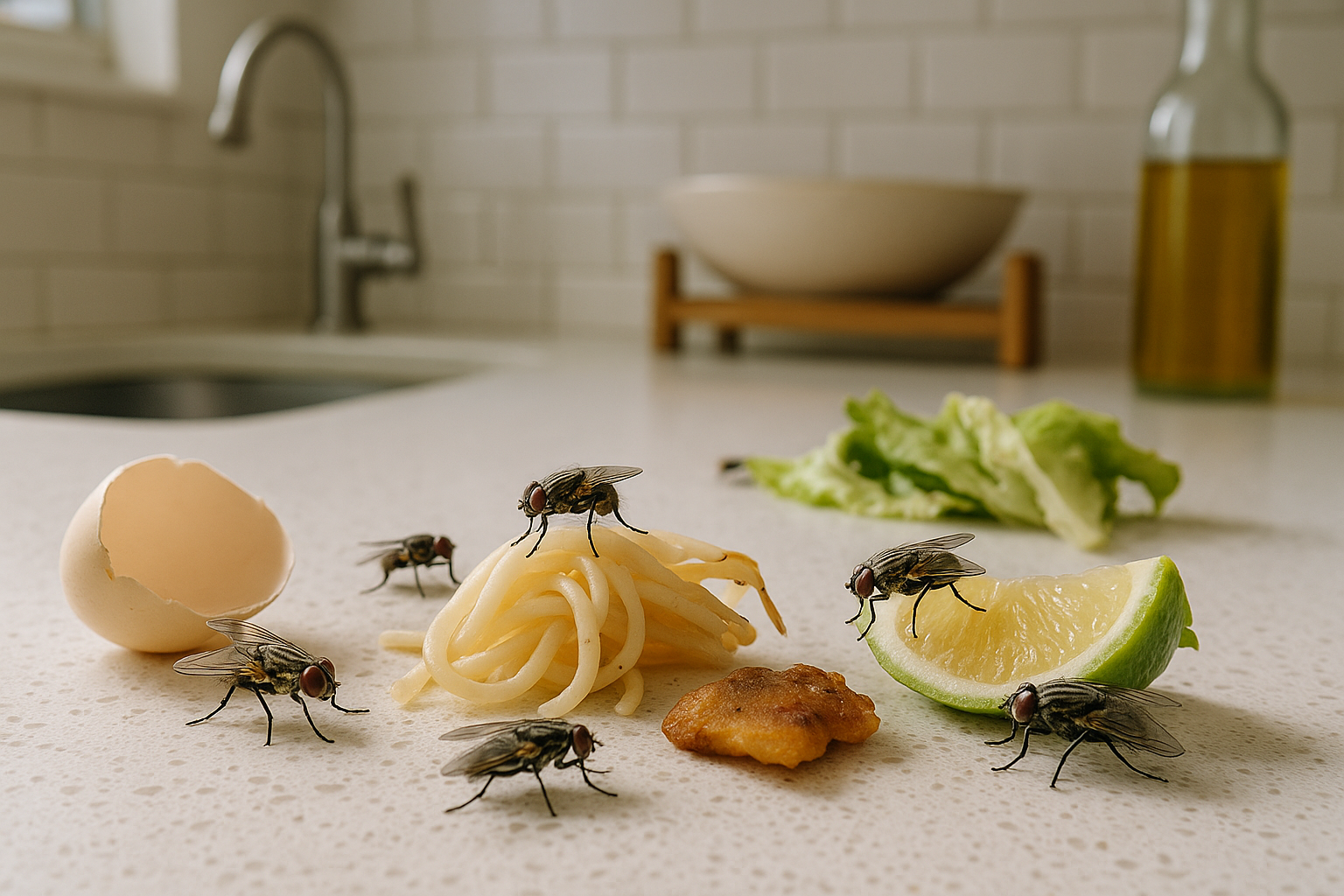
Physical description of the adult fly
The common house fly (Musca domestica) measures roughly 6–7 mm from head to the tip of its abdomen—about the width of a pencil eraser. Its body is a mottled gray‑black, giving it a slightly metallic sheen that blends well with indoor lighting. The wings are clear, thin membranes crisscrossed by a distinctive network of veins that create a “X” pattern near the center, making the insect instantly recognizable even to a casual observer.
Life cycle at a glance
Understanding the fly’s development helps you pinpoint where the problem begins. The cycle starts when a female deposits 150–200 eggs on a moist, organic surface. Within a day, the eggs hatch into larvae—commonly called maggots—that feed voraciously on decaying matter for 3–5 days. The maggots then enter the pupal stage, encasing themselves in a protective shell for another 3–6 days. Under warm conditions (70–85 °F), the entire process from egg to adult can be completed in as little as 7–14 days. In cooler weather the timeline stretches, but the potential for rapid population growth remains.
Where flies love to breed
Spotting breeding sites is easier than you think: look for rotting food waste, pet waste, and uncovered compost or garbage bins. These three hotspots provide the moisture and organic nutrients larvae need to thrive. A quick sweep of these areas each week can dramatically reduce the number of eggs laid in and around your home.
Public‑health perspective
According to the CDC, a single house fly can carry up to 100 disease‑causing pathogens, including bacteria that trigger dysentery, salmonella, and even cholera. This statistic underscores why early detection isn’t just about comfort—it’s a matter of protecting your family’s health.
Visual cues for early detection
Flies are notoriously attracted to foul odors, so a cluster of them buzzing around a trash can or a damp corner is a red flag. Look for small, dark specks on surfaces—these are often fly pupae waiting to emerge. If you notice a persistent, sour smell near a compost pile or a pet’s litter area, it’s likely that flies have already set up a breeding station nearby.
Why proactive spotting matters
By learning to recognize the adult’s size, wing pattern, and the tell‑tale breeding environments, you give Anthem Pest Control the information it needs to design a targeted treatment plan. Early identification means fewer chemicals, lower costs, and a quicker return to a fly‑free home. Remember, the sooner you spot the problem, the easier it is to keep your family safe and comfortable.
Local Conditions That Fuel Fly Populations
Key environmental drivers
In Smyrna, the summer climate creates a perfect breeding ground for house flies. Average highs hover around 88 °F, and humidity routinely climbs above 70 %. Warm, moist air speeds up the fly life cycle, allowing eggs to hatch in as little as 24 hours and turning a single female into hundreds of offspring within a week.
Outdoor dining culture
Smyrna’s love of al‑fresco meals is a double‑edged sword. Community grills at parks, bustling patio restaurants, and countless backyard barbecues leave behind food scraps, sugary drinks, and grease‑laden plates. Flies are attracted to these organic residues almost instantly, and the open‑air setting gives them easy access to both the food source and nearby entry points into homes.
Compost and waste collection hotspots
Many neighborhoods encourage composting, and municipal waste collection points are scattered throughout the city. When compost bins are not sealed tightly or when trash cans sit open for extended periods, they become magnet magnets for flies looking for a protein‑rich meal. Even a brief lapse—like a bag left on the curb overnight—can spark a localized fly surge that spreads to adjacent yards.
What the data tells us
According to a 2024 Smyrna Health Department report, complaints about house flies rose 22 % compared with 2023. The department linked this uptick directly to the combination of higher summer temperatures and increased outdoor gatherings following the easing of pandemic restrictions.
Neighborhood case study: East Cobb park pavilion
One vivid example comes from the popular park pavilion in East Cobb. After weekend concerts or family reunions, the pavilion’s picnic tables are often left with leftover sandwiches, fruit, and soda cans. Within hours, residents report swarms of flies hovering around the area, and the infestation frequently spills over into nearby homes. This pattern underscores how a single event can seed a broader fly problem for an entire block.
Why these factors matter to you
Understanding the local conditions that encourage fly growth is the first step toward effective control. If you notice flies gathering near your grill, compost bin, or trash area, it’s a sign that the environment is feeding them. Simple changes—such as covering food, sealing compost containers, and promptly removing garbage—can disrupt the cycle before it escalates.
Proactive steps for Smyrna homeowners
- Keep outdoor eating surfaces clean; wipe down grills and tables immediately after use.
- Secure compost bins with tight‑fitting lids and store them away from direct sunlight.
- Use sealed, animal‑proof trash cans and schedule pickups to avoid overnight exposure.
- Inspect patio doors and windows for gaps; install fine‑mesh screens to block fly entry.
- Consider a professional fly control treatment before the peak summer months to stay ahead of the surge.
By tackling these local conditions head‑on, you can dramatically reduce the number of flies that make their way into your home, keeping your family comfortable and your property pest‑free.
Health Risks Linked to House Flies
House flies may seem harmless, but they are efficient carriers of disease‑causing microbes. When a fly lands on garbage, animal waste, or decaying food, it picks up bacteria on its legs, mouthparts, and body hairs. A single fly can transport thousands of organisms to kitchen counters, utensils, or uncovered dishes, turning a clean surface into a potential health hazard within seconds.
Major Pathogens Transmitted by Flies
- Salmonella – a leading cause of food‑borne gastroenteritis.
- Escherichia coli (E. coli) – especially the Shiga‑toxin producing strains that can cause severe kidney damage.
- Shigella – responsible for dysentery and bloody diarrhea.
- Other bacteria such as Campylobacter and Staphylococcus aureus that thrive in warm, moist environments.
EPA Data on Fly‑Related Outbreaks
The U.S. Environmental Protection Agency reports that house flies contribute to roughly 20 % of food‑borne illness outbreaks in the Southeast region. This figure reflects the fly’s ability to bridge the gap between contaminated waste and human food sources, a problem that intensifies during the hot, humid summers typical of Smyrna, Georgia. EPA data underscores why fly control is a public‑health priority, not just a nuisance‑removal task.
Local Case Study: West Cobb Household Outbreak (2023)
In the spring of 2023, a West Cobb family reported a sudden surge of salmonella symptoms—vomiting, fever, and abdominal cramps—affecting two children and an elderly grandparent. Local news investigations traced the source to a kitchen where house flies were frequently observed on countertops and near uncovered food. Laboratory testing of kitchen swabs confirmed salmonella on surfaces that had been visited by flies, linking the outbreak directly to fly activity. The incident prompted the household to seek professional fly extermination and adopt stricter sanitation practices.
How Flies Mechanically Transfer Pathogens
Flies are “mechanical vectors,” meaning they physically move pathogens without being infected themselves. As a fly lands on fecal matter, the sticky pads on its legs collect bacteria. When it later alights on a slice of bread or a child’s snack, those microbes are deposited onto the food. The fly’s feeding behavior—spitting digestive enzymes onto solid matter to liquefy it—further spreads bacteria into the surrounding environment. This two‑step process (contact + regurgitation) makes flies especially dangerous in homes with open food storage.
Why Vulnerable Residents Are at Greater Risk
Children, seniors, and anyone with a weakened immune system are more susceptible to the illnesses flies can spread. Young children often touch surfaces and then put their hands in their mouths, providing a direct route for bacteria. Older adults may have slower gastric emptying, giving pathogens more time to multiply. Immunocompromised individuals lack the robust defenses needed to fight off infections like salmonella or E. coli, turning a mild stomach upset into a serious medical emergency.
Bottom Line for Smyrna Homeowners
Every time a fly buzzes around your kitchen, it carries a hidden cargo of disease‑causing microbes. The EPA’s 20 % statistic, combined with the real‑world West Cobb outbreak, illustrates that fly control is a critical component of household health protection. By eliminating flies early—through professional treatments, proper waste management, and diligent sanitation—you reduce the risk of costly medical bills and protect the most vulnerable members of your family.
DIY Prevention vs Professional Integrated Pest Management
What Most Homeowners Do
When house flies start buzzing around the kitchen, many Smyrna homeowners reach for the quickest fixes they can find at the hardware store. Typical DIY actions include:
- Fly traps – sticky ribbons, paper cones, or electric zappers placed near windows or trash cans.
- Regular sanitation – wiping down counters, sweeping floors, and removing food debris as soon as it appears.
- Waste management – keeping garbage bins sealed, taking out trash daily, and cleaning pet‑food dishes promptly.
- Exclusion screens – installing or repairing window and door screens to keep flies from entering the home.
Pros and Cons of DIY Methods
Pros
- Low upfront cost – a pack of sticky traps or a single electric unit can be purchased for under $30.
- Immediate implementation – you can set a trap or spray a surface within minutes of noticing a fly problem.
- Sense of control – many homeowners enjoy the feeling of “doing it yourself.”
Cons
- Limited reduction – studies from the National Pest Management Association (NPMA) show consumer‑grade traps typically achieve only about a 30 % reduction in fly counts.
- Frequent maintenance – traps lose their stickiness quickly, and sprays must be reapplied every few days to stay effective.
- Potential chemical exposure – over‑the‑counter aerosols often contain pyrethroids or other insecticides that can irritate eyes, skin, and lungs, especially in homes with children or pets.
- Incomplete coverage – DIY efforts usually target only visible flies, leaving breeding sites (like pet waste, compost, or uncovered food) untouched.
Professional Integrated Pest Management (IPM)
Anthem Pest Control IPM program takes a holistic, science‑based approach. Rather than relying on a single trap or spray, we combine several coordinated tactics:
- Targeted residual sprays – EPA‑registered formulations applied to fly‑prone areas (eaves, soffits, and interior perimeters) that remain active for weeks.
- Bait stations – strategically placed, low‑toxicity baits that attract flies and deliver a slow‑acting insecticide, reducing the chance of immediate resistance.
- Habitat modification – identifying and eliminating breeding sites such as uncovered garbage, standing water, or rotting organic matter.
- Ongoing monitoring – regular inspections and trap counts to adjust treatment plans before a minor nuisance becomes a full‑blown infestation.
Why IPM Outperforms DIY
When a professional team implements IPM, homeowners typically see a dramatic drop in fly activity. The key advantages are:
- Up to 90 % reduction – because we attack flies at multiple life‑stage points, the overall population collapses far faster than a single trap can achieve.
- Long‑term control – residual products and habitat changes keep flies from re‑establishing, meaning fewer repeat visits and lower annual costs.
- Safety first – all products used are EPA‑registered for indoor and outdoor use, with strict adherence to label rates that protect children, pets, and the elderly.
- Professional expertise – our technicians are trained to spot hidden breeding hotspots that most homeowners overlook, such as clogged gutters or behind appliances.
In short, while a DIY trap might catch a few flies on a busy summer evening, a full IPM program delivers the kind of consistent, near‑elimination results that keep your home comfortable and your family safe. If you’ve tried the quick fixes and still see flies buzzing around, it’s a clear sign that a professional, integrated approach is the next logical step.
Professional Fly Control Methods Used by Anthem Pest
When house flies become a nuisance in Smyrna, Anthem Pest provides expert house fly control Smyrna using a toolbox of proven, EPA‑approved solutions that keep the insects at bay while respecting your home and family. Our technicians tailor each treatment to the specific conditions of your property, ensuring you get the right level of protection without unnecessary chemicals.
Residual Insecticide Sprays (Indoor & Outdoor)
Our residual sprays contain active ingredients such as permethrin, bifenthrin, or cyfluthrin, all of which are registered with the EPA for indoor and outdoor use. Once applied, the formulation clings to walls, ceilings, and other hard surfaces, creating a barrier that kills flies on contact for 4–6 weeks. This long‑lasting protection is especially valuable in high‑traffic areas like kitchens, entryways, and patios, where flies constantly search for food and breeding sites.
- Fast‑acting knockdown within minutes.
- Up to six weeks of residual activity.
- Safe for pets and children when applied by certified professionals.
- Targets adult flies, reducing the chance of new eggs hatching.
Bait Stations
Bait stations are discreet, tamper‑resistant containers placed strategically in kitchens, garages, and pet areas. Inside, we use a slow‑acting toxin—typically a sugar‑based attractant mixed with hydroprene or spinosad. Flies feed on the bait, carry the poison back to their breeding sites, and share it with other members of the colony. Because the toxin acts slowly, flies have time to return to the nest, delivering a cascading effect that can collapse an entire population.
We position the stations at least 10 feet apart and avoid direct contact with food preparation surfaces, ensuring maximum efficacy while maintaining a clean, unobtrusive appearance.
UV‑Light Fly Traps
For zones that experience heavy fly traffic—such as home offices, garages, or workshop areas—we deploy commercial‑grade UV‑light traps. The bright ultraviolet light draws flies toward a high‑velocity fan, which pulls them into a sealed collection basket coated with a non‑toxic adhesive. These traps capture thousands of flies per night without the need for chemicals, making them an excellent complement to our spray and bait programs.
Because the traps are electrically powered and self‑contained, they require only periodic emptying and battery replacement, providing a low‑maintenance, long‑term control option.
Integrated Pest Management (IPM) Approach
All of our fly control tactics sit inside a broader Integrated Pest Management framework. First, a thorough inspection identifies the species, breeding hotspots, and any structural factors that encourage flies. Next, we move to identification and develop a targeted treatment plan that combines the methods above in the most effective ratio for your situation.
Sanitation is a cornerstone of IPM: we advise on proper waste disposal, food storage, and moisture control to remove the attractants flies need to thrive. Finally, we schedule a follow‑up visit to assess the treatment’s impact, replace bait stations, and adjust the spray schedule if necessary. This cyclical process ensures lasting results while minimizing chemical use.
How Our Technicians Apply the Residual Spray
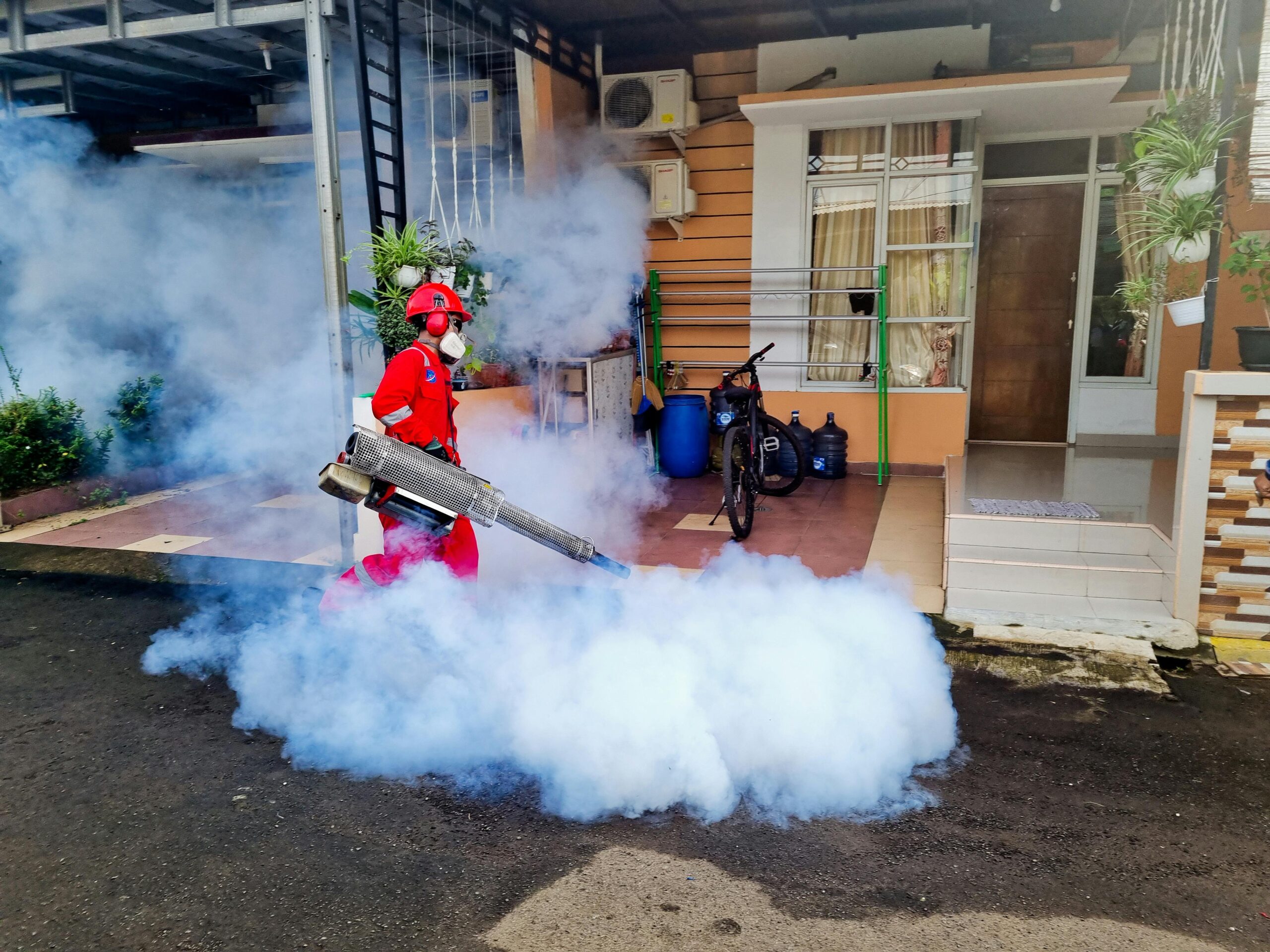
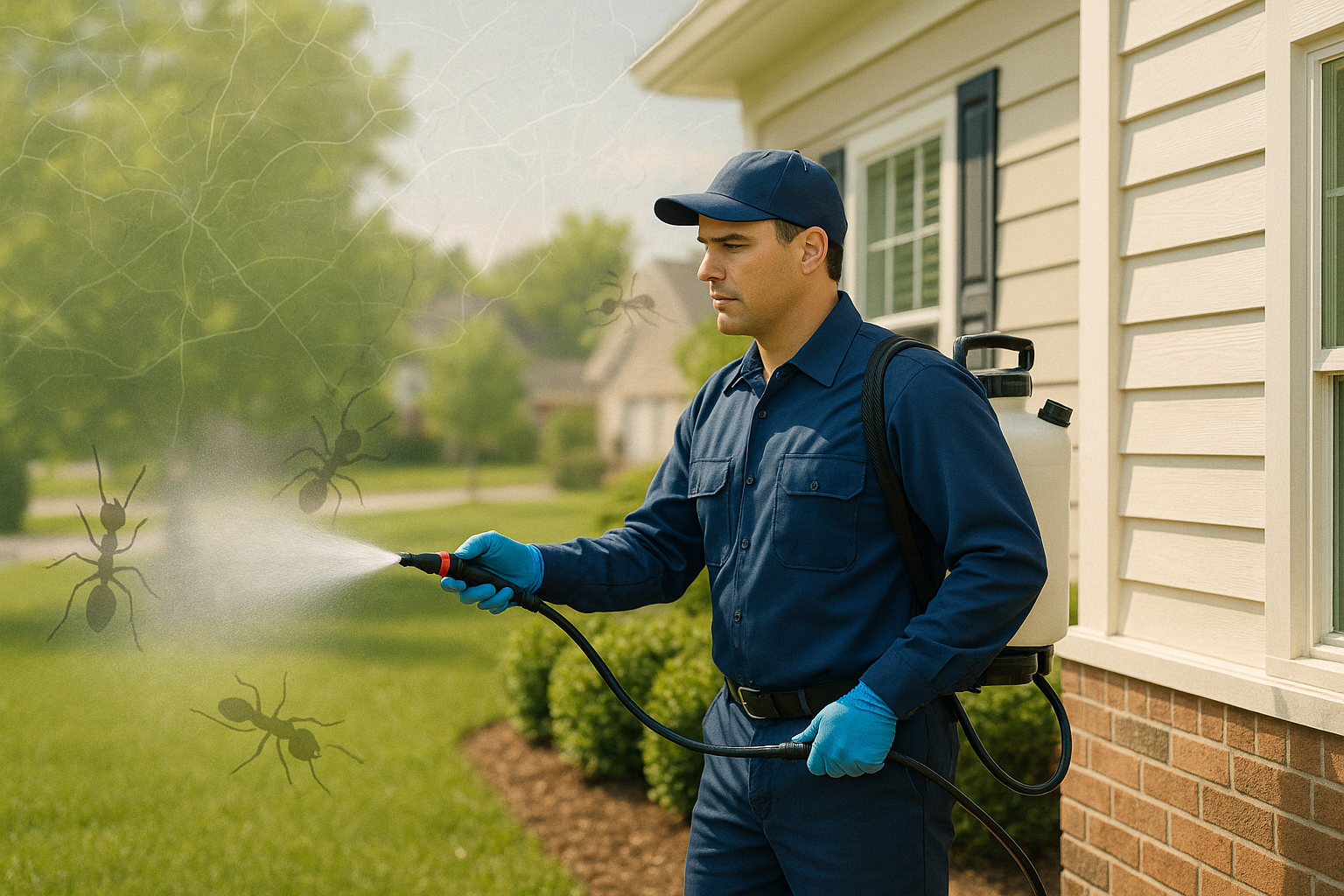
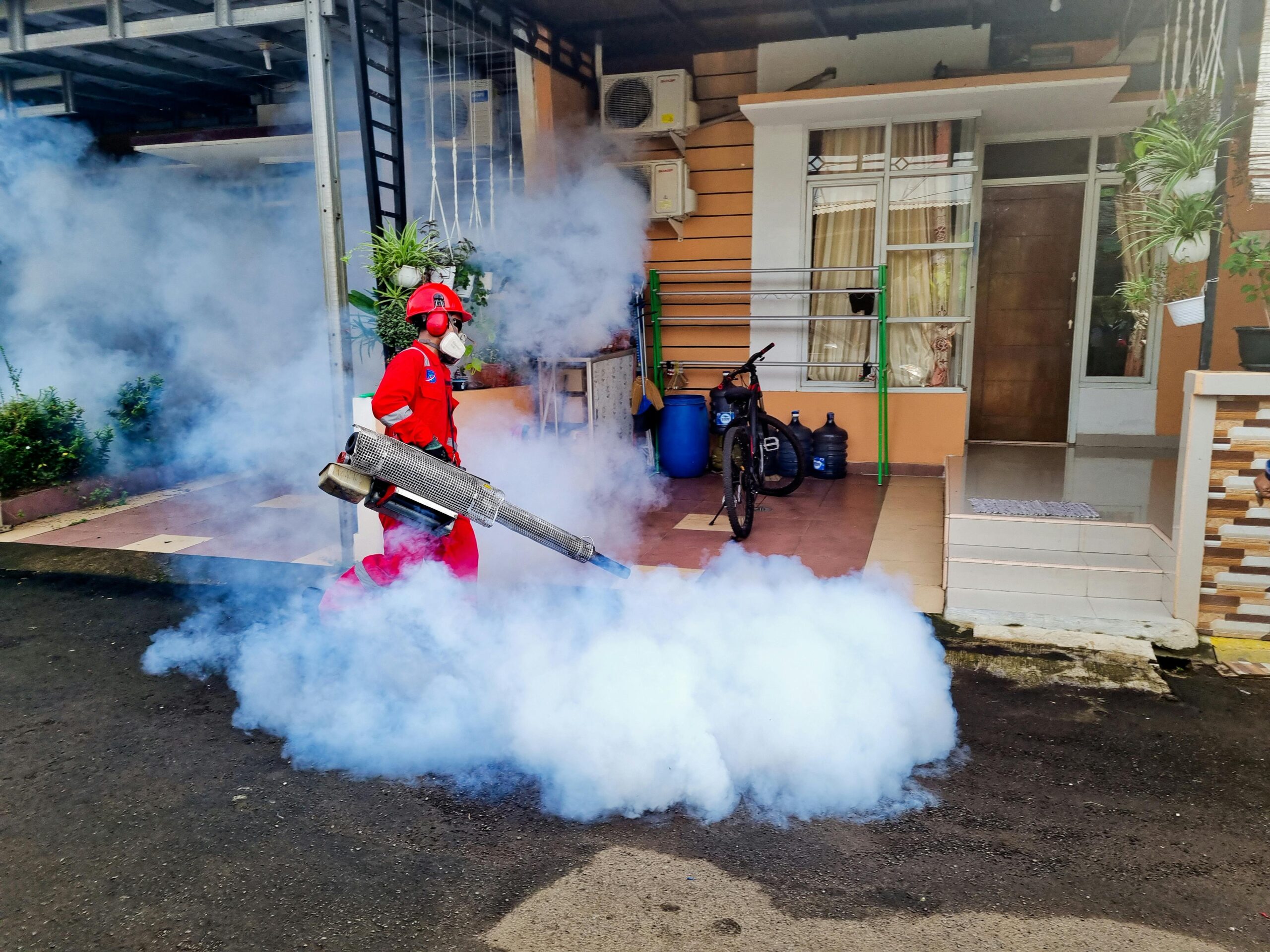
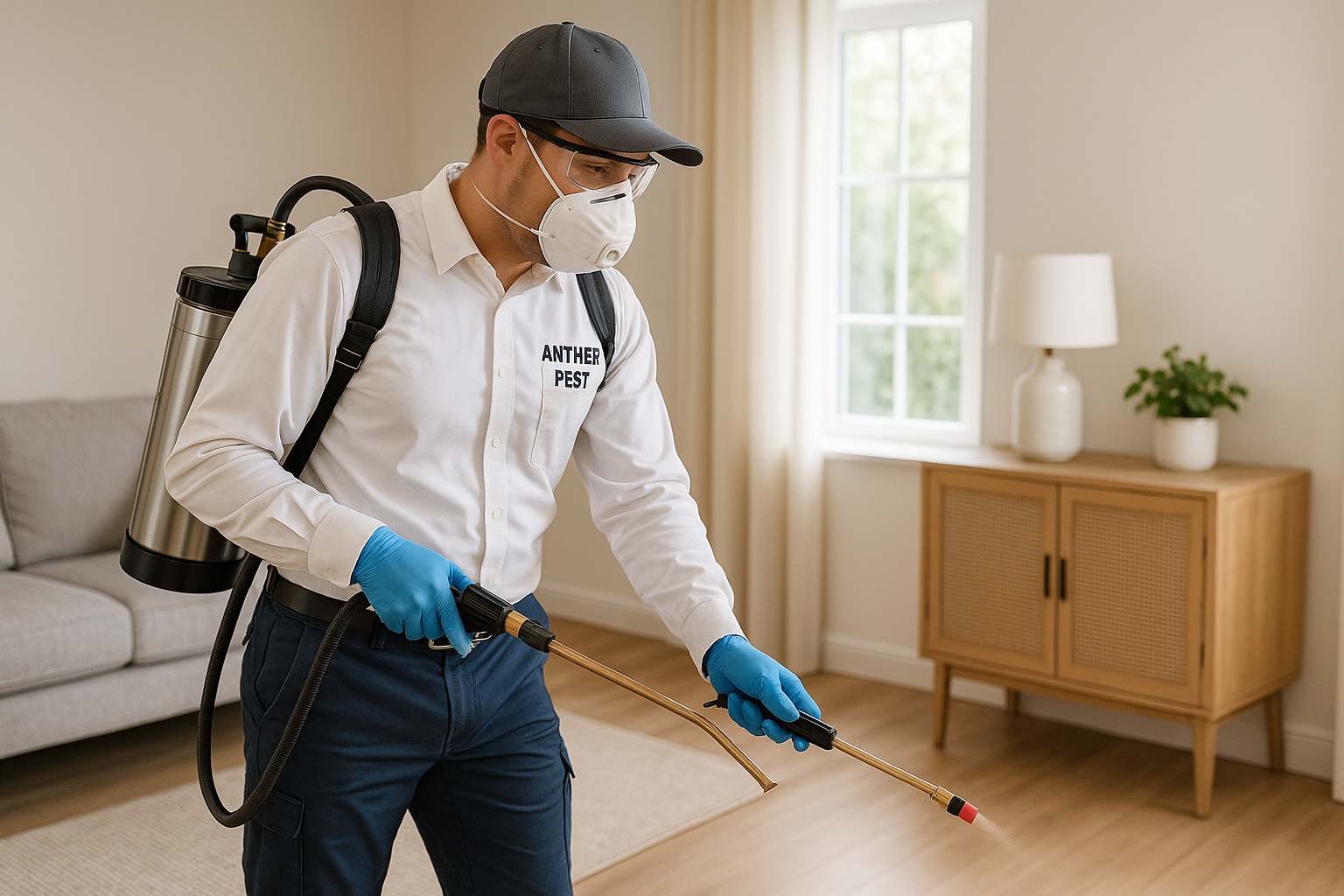
During a typical service call, the technician begins by clearing the treatment area—moving furniture, covering valuables, and ensuring pets are safely out of the way. Using a calibrated pump‑sprayer, they apply a fine mist evenly across all vertical surfaces, paying special attention to cracks, crevices, and undersides of cabinets where flies often rest.
Each pass is overlapped by a few inches to avoid gaps in coverage. The spray dries to a virtually invisible film within minutes, allowing you to resume normal activities shortly after the application. Our technicians also provide a brief walkthrough, pointing out the treated zones and offering tips for maintaining the residual barrier.
Pricing Guide for Fly Control Services in Smyrna
When it comes to keeping house flies at bay, knowing exactly what you’ll pay helps you plan ahead and avoid surprise costs. At Anthem Pest Control, our house fly control Smyrna services are priced transparently, based on the latest 2024 regional data from the Georgia Pest Control Association. Below is a clear breakdown of the most common fly control options available to Smyrna homeowners.
Single‑Visit Residual Spray
A one‑time residual spray treats the interior and exterior of your home, creating a protective barrier that kills flies on contact for up to three weeks. This service is ideal if you’ve just noticed an uptick in activity and need fast relief.
- Cost range: $75 – $120 per treatment
- Includes a thorough inspection, targeted application, and a 30‑day warranty on effectiveness.
Quarterly Maintenance Package (Four Visits)
For homeowners who want ongoing protection, the quarterly package spreads four visits across the year. Each visit includes the same residual spray plus a refill of bait stations, ensuring both immediate knock‑down and long‑term population control.
- Cost range: $260 – $340 for the full year
- Breakdown: roughly $65 – $85 per visit, which is lower than paying for four separate single‑visit sprays.
- Benefits: consistent barrier maintenance, reduced fly breeding sites, and priority scheduling.
One‑Time Bait Station Installation
Bait stations work silently by attracting flies to a poisoned lure they can’t resist. Installing them is a quick, low‑impact way to target flies that congregate around garbage areas, outdoor lighting, or pet feeding stations.
- Cost range: $50 – $80 per unit
- We place the station in a discreet, weather‑protected spot and provide instructions for safe handling.
Discounts and Bundled Savings
We understand that many Smyrna homeowners juggle several pest‑management needs. To make comprehensive protection affordable, we offer:
- Senior discount: 10 % off any service for customers 65 years or older. This applies to single‑visit sprays, maintenance packages, and bait station installations.
- Bundled service savings: Combine fly control with any other Anthem pest program—such as mosquito barrier treatment, rodent exclusion, or termite monitoring—and receive an additional 5‑10 % off the total invoice. The more programs you stack, the greater the savings.
- Referral credit: Refer a neighbor who signs up for a full‑year plan, and both households earn a $25 credit toward their next service.
Why the Price Ranges Matter
Fly control costs can fluctuate based on property size, infestation severity, and seasonal demand. The ranges above reflect typical scenarios in Smyrna—small single‑family homes on the lower end, larger properties or severe infestations on the higher end. By providing a range rather than a single figure, we give you the flexibility to choose the level of service that matches your budget and urgency.
All prices include the necessary EPA‑approved chemicals, professional application, and a follow‑up call to ensure you’re satisfied with the results. If you need a custom quote—perhaps because you have a multi‑unit building or a unique outdoor layout—our team will gladly assess the situation and present a tailored estimate.
For the most accurate, up‑to‑date figures, we reference the Georgia Pest Control Association’s 2024 regional pricing report, which confirms that Smyrna’s average costs align closely with the national median for residential fly control. Georgia Pest Control Association, 2024 Regional Pricing Data.
Selecting a Top‑Rated Fly Exterminator
When a house fly infestation turns your backyard into a buzzing nightmare, the right exterminator can mean a quick fix instead of a lingering problem. Not all pest control companies are equal, and Smyrna homeowners deserve a provider that backs every spray with credibility, speed, and accountability. Below are five non‑negotiable criteria to vet any fly control service.
Seasonal Treatment Timing and Frequently Asked Questions
Peak Activity Months in Smyrna
House flies in Smyrna, Georgia, are most active from May through September, according to the Smyrna Climate Office 2023 seasonal data. Temperatures consistently above 75°F combined with higher humidity create the perfect breeding environment for these pests. To stay ahead of the surge, we recommend a pre‑season treatment in early May, just before the first wave of adult flies emerges.
After the initial application, schedule follow‑up visits in mid‑July and again in August. These timing windows align with the midsummer peak when fly populations can double within a week if left unchecked. By treating before and during the height of activity, you dramatically reduce the number of flies that make it inside your home.
Weather’s Role in Treatment Effectiveness
Rain is the single biggest factor that can wash away residual insecticides. If more than 0.5 inches of rain falls within 24 hours of a spray, the protective coating on walls and outdoor surfaces is compromised, and the residual effect drops sharply. In such cases, we postpone the application until the forecast shows a dry period of at least 48 hours.
Beyond rain, extreme heat can accelerate the breakdown of certain chemicals, while cool, damp evenings may actually extend residual activity. Our technicians monitor local forecasts and adjust the schedule accordingly, ensuring each spray delivers the full advertised protection period.
Frequently Asked Questions
How long does a treatment last?
Most EPA‑registered residual sprays remain effective for 4–6 weeks under normal conditions. The exact duration depends on the product’s active ingredient, the surface it’s applied to, and weather exposure. That’s why we schedule follow‑up treatments during the midsummer peak—to bridge any gaps and keep fly numbers low throughout the season.
Are the chemicals pet‑safe?
Yes, when applied according to label directions, EPA‑registered products are low‑toxicity for pets and humans. However, we always advise keeping cats, dogs, and other animals away from treated areas for at least 2 hours after application. This precaution prevents accidental ingestion or skin contact while the spray dries and bonds to the surface.
Can flies develop resistance?
Resistance can develop if a single mode of action is over‑used. That’s why Anthem Pest follows an Integrated Pest Management (IPM) approach, rotating active ingredients and combining chemical control with sanitation measures. By varying the chemistry, we reduce the chance that flies will adapt and become harder to control.
What’s the difference between house flies and fruit flies?
House flies (Musca domestica) are larger—about ¼ inch long—and thrive on a wide range of organic waste, including garbage, animal feces, and decaying matter. They are notorious disease vectors, capable of spreading bacteria like E. coli and Salmonella. Fruit flies (Drosophila melanogaster), on the other hand, are smaller (about ⅛ inch), favor fermenting fruit, vegetables, and sugary liquids, and are generally considered a nuisance rather than a health threat. Understanding these differences helps target the right treatment strategy.
Putting It All Together
By aligning your fly control program with Smyrna’s climate patterns—early May pre‑season treatment, mid‑summer follow‑ups, and weather‑aware scheduling—you’ll enjoy a fly‑free home throughout the hottest months. If you have additional questions or need a customized plan, our licensed technicians are ready to assess your property and recommend the most effective, pet‑safe solutions.
Secure a Fly‑Free Home with Anthem Pest Today
When it comes to house flies, the difference between a quick DIY spray and a professional treatment can be measured in the numbers: most Smyrna homeowners who choose Anthem Pest see a 90 % reduction in fly activity within the first week.
What you gain from a professional fly control program
- Long‑lasting protection – Our integrated approach targets adult flies, their breeding sites, and the underlying attractants, keeping your home fly‑free for weeks, not days.
- Health safety – By eliminating the vectors that spread bacteria and disease, you protect your family, pets, and food preparation areas.
- Peace of mind – No more swatting, no more unsightly clusters on walls, and no lingering odor from over‑the‑counter sprays.
- Transparent, affordable pricing – One clear quote, no hidden fees, and a schedule that fits your calendar.
Anthem Pest isn’t just another national chain; we’re a team of local specialists who have been serving Smyrna households for over a decade. Our technicians know the neighborhood’s unique fly hotspots—from backyard compost piles to nearby eateries—and we tailor each plan to your property’s specific needs. The results speak for themselves: a 4.8‑star rating on local review sites and dozens of repeat customers who trust us to keep their homes comfortable year‑round.
Our technicians use EPA‑registered products that are safe for children and pets, applying them precisely where flies breed—under decks, in trash areas, and around doorways. This targeted approach reduces chemical use while delivering maximum impact.
Because we live in the same community, we understand the seasonal patterns that drive fly populations in Smyrna—from the humid summer months to the early fall when waste from outdoor gatherings spikes. Our schedule aligns with these trends, ensuring you get treatment just before the flies take off.
We stand behind our work with a 30‑day satisfaction guarantee. If you still see a noticeable fly presence after the initial treatment, we’ll return at no extra charge to re‑treat and fine‑tune the solution.
Our pricing model is straightforward: a one‑time service fee that covers inspection, treatment, and a follow‑up visit, plus an optional quarterly maintenance plan for continuous protection. All costs are outlined in the estimate we provide during your free, no‑obligation inspection.
Ready to experience the same level of protection? We offer a free, no‑obligation inspection so you can see exactly what’s happening inside and outside your home before any work begins. During the visit, we’ll walk you through our findings, explain the treatment steps, and provide a written estimate that outlines every cost upfront.
Give us a call today at 877‑371‑8196 or click the button below to schedule your house fly control Smyrna inspection online. Our friendly scheduling team will find a time that works for you, and you’ll be one step closer to a fly‑free environment.