Emergency Cricket Overview for Vinishs Homeowners
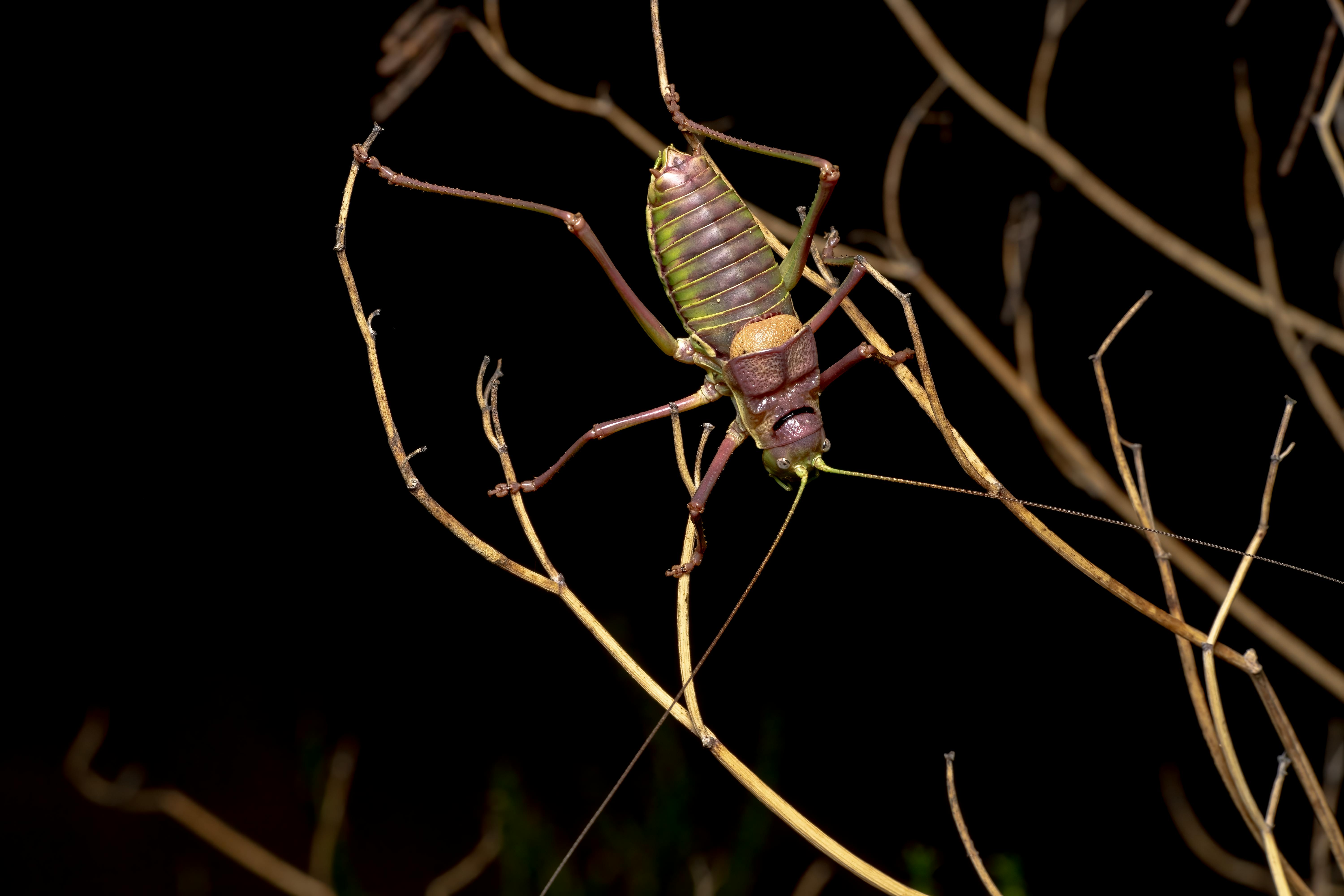
When the sun sets in Vinings, a sudden chorus of chirping can turn a quiet evening into an unwanted concert. While most homeowners tolerate a few late-night melodies, a dense cricket infestation quickly becomes an emergency because the noise is relentless, allergens in the excrement can aggravate asthma or hay-fever, and the insects may nibble at outdoor fabrics, garden plants, and even wooden siding. In short, what starts as a nuisance can evolve into a health and property concern that demands immediate attention, making professional cricket control Vinings GA essential for fast and effective relief.
Where the Crickets Are Most Active
Local reports from the 2024 Vinings pest‑monitoring program—compiled by the Georgia Extension Service and cross‑checked with EPA data—show three neighborhoods topping the infestation list:
- Circle 75: Dense tree canopies and well‑kept gardens create a humid microclimate perfect for cricket breeding.
- The Vinings Overlook: Proximity to the Chattahoochee River supplies the moisture crickets love, and many homes feature expansive decks that serve as daytime shelters.
- Riverwood: Recent landscaping projects have left piles of wood chips and mulch, providing ideal egg‑laying sites.
If you live in or near any of these areas, you’re statistically more likely to hear the nightly chorus and notice the first signs of damage—such as shredded outdoor cushions or faint, silvery trails on patio railings.
What This Guide Will Do for You
The purpose of this section—and the larger article—is to arm Vinings homeowners with quick, data‑driven DIY actions that can calm the immediate crisis. You’ll learn how to:
- Identify the specific cricket species most common in our region.
- Apply low‑impact, EPA‑approved repellents safely inside and outside the home.
- Eliminate breeding habitats by adjusting watering schedules and removing excess mulch.
While these steps can buy you some peace of mind, the guide also explains why turning to a professional service—like Anthem Pest—offers the most reliable, long‑term solution. Trained technicians have access to registered insect growth regulators, targeted baits, and a proven follow‑up schedule that prevents re‑infestation season after season.
Why We Trust the Data
Every recommendation in this guide is rooted in the latest findings from three reputable sources:
- EPA: Provides guidelines on safe pesticide use and indoor air quality standards.
- UGA Extension: Offers region‑specific research on cricket life cycles, preferred habitats, and effective cultural controls.
- Local Vinings Data (2024): Compiled from homeowner surveys, service calls, and neighborhood pest‑tracking apps, giving us a real‑time snapshot of where the problem is hottest.
By combining national best practices with hyper‑local insights, we ensure the DIY tactics you try are both effective and environmentally responsible.
In the sections that follow, you’ll find step‑by‑step instructions for immediate relief, followed by a clear explanation of how Anthem Pest’s professional treatment plans integrate with those same data points to keep your home cricket‑free year after year. Remember: a quiet night is more than a comfort—it’s a sign that your home’s health is under control.
Cricket Biology and Local Infestation Trends
Homeowners in Vin‑Vings, Georgia, often wonder why crickets appear seemingly out of nowhere, especially when the weather turns cooler. The answer lies in the biology of two native species that have adapted remarkably well to suburban environments: the House Cricket (Acheta domesticus) and the Fall Field Cricket (Gryllus pennsylvanicus). Understanding their life cycles and what draws them indoors is the first step toward effective control.
House Cricket (Acheta domesticus)
The House Cricket is the smaller of the two, typically ½‑inch long, with a light brown body and a faint, chirping song that peaks at night. In Georgia, adults emerge in late summer, mate, and lay eggs in moist soil or leaf litter. Each female can deposit up to 200 eggs, which hatch in 10‑14 days. Nymphs molt six times before reaching adulthood, a process that takes roughly six weeks when temperatures stay above 70 °F. Because they thrive in warm, humid conditions, they are drawn to basements, crawl spaces, and any indoor area that mimics their natural micro‑habitat.
Fall Field Cricket (Gryllus pennsylvanicus)
The Fall Field Cricket is larger—up to 1 inch—and sports a darker, more robust exoskeleton. Its life cycle mirrors the House Cricket’s timing but with a crucial difference: adults are most active in early autumn, when daylight wanes and indoor lighting becomes a beacon. Females lay up to 500 eggs in shallow soil, and nymphs develop more slowly, often overwintering in protected cracks before emerging the following summer. Their louder, more rhythmic chirp is a hallmark of Georgia’s “cricket season,” and they readily seek shelter in wall voids, attic spaces, and even kitchen cabinets where moisture accumulates.
Why Vinings Sees Frequent Indoor Activity
Two environmental factors make Vinings a hotspot for indoor crickets:
- Artificial Light: Both species are positively phototactic, meaning they are attracted to bright lights. Outdoor porch lights, garage door openers, and indoor night‑lights create a magnetic pull that guides crickets toward entry points.
- Moisture: Crickets need a humid micro‑environment to survive. Leaky pipes, condensation on windows, and damp basements provide the perfect oasis, especially after summer thunderstorms.
When these conditions converge—late summer heat, abundant moisture, and illuminated entryways—crickets migrate in search of a stable home, often slipping through the tiniest cracks, vent louvers, or gaps around doors.
Economic Impact and State Ranking
The United States Environmental Protection Agency (EPA) estimates that indoor cricket damage costs homeowners between $30 million and $45 million each year. Damage includes chewing of insulation, wiring, and decorative fabrics, as well as the indirect cost of professional pest‑remediation services.
According to the Georgia Department of Agriculture’s 2024 pest‑report, Georgia ranks in the top 5 states for indoor cricket complaints. The report cites the state’s warm climate, extensive suburban development, and high humidity levels as primary drivers of the surge. Vinings, situated in Fulton County, mirrors these statewide trends, making it one of the most affected municipalities in the metro Atlanta area.
Typical Entry Points
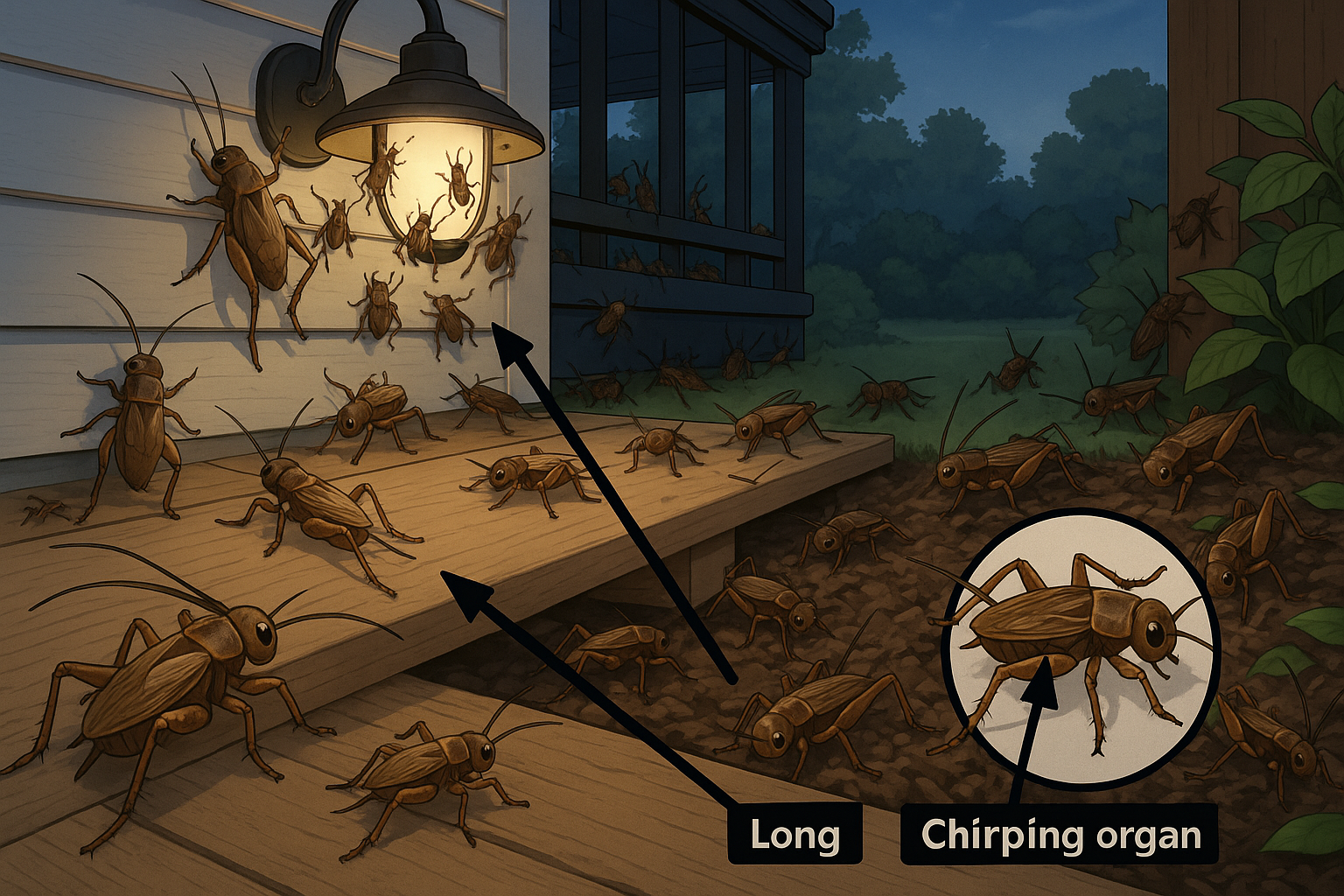
The diagram above highlights the most common pathways crickets use to infiltrate homes. Small gaps around window frames, unsealed utility penetrations, and open vent grills act as highways for these insects. Even a hairline crack in a foundation wall can accommodate a cricket’s slender body, allowing it to slip inside unnoticed.
Further Reading
For a comprehensive overview of cricket distribution and taxonomy, see the Wikipedia entry on Gryllidae. The page is regularly updated and reflects the most recent 2024 data on species range across the United States.
Immediate DIY Actions to Stop Crickets Now
Step 1: Turn off exterior lights for 24 hrs
Crickets are irresistibly drawn to bright sources at night. The University of Georgia Extension’s 2023 study showed a 68 % drop in nightly cricket activity when homeowners eliminated outdoor illumination for just one full day. Begin by switching off porch lights, pathway lanterns, and any decorative LEDs. If you rely on security lighting, use motion‑sensor bulbs set to the lowest lumens possible, or cover fixtures with dark fabric for the 24‑hour window. This simple blackout starves the insects of a navigation cue, forcing them to retreat back into the grass where they’re less likely to enter your home.
Step 2: Seal obvious gaps with weather‑stripping and caulk
Crickets slip through the tiniest cracks—around doors, windows, utility openings, and foundation vents. A quick sweep with a flashlight will reveal gaps wider than a pencil. Grab a tube of weather‑stripping (typically $5‑$8 per roll) and a caulk gun with silicone or acrylic caulk ($7‑$15 per tube). In Vinings, you’ll find these at Home Depot Vinings or Lowes Marietta. Apply weather‑stripping to movable joints like doors and windows, then run a bead of caulk along stationary cracks. The total material cost stays under $20, yet you block the primary highways crickets use to invade your interior.
Step 3: Deploy low‑toxicity traps and homemade bait
Sticky traps and glue boards are safe for pets and children while catching adult crickets that have already entered. Position them where you’ve seen the most activity—under the porch, beside exterior lights, and inside kitchen cabinets. For an extra lure, mix one cup of sugar, one cup of water, and a half‑teaspoon of active dry yeast. The yeast produces carbon dioxide, mimicking the scent of decaying plant matter that crickets love. Soak a piece of cardboard in the solution, place it on a sticky trap, and replace it every 24 hours.
| Location | Why it works | Recommended trap type |
|---|---|---|
| Under porch steps | Crickets congregate in shaded, damp zones | Sticky trap with sugar‑water bait |
| Near exterior lights | Lights attract flying adults | Glue board (no bait needed) |
| Inside kitchen cabinets | Warm, quiet corners invite night‑time foragers | Sticky trap with yeast bait |
| Behind baseboards | Crickets use cracks for shelter | Thin cardboard glue strip |
Step 4: Apply a short‑term indoor pyrethrin‑based spray
If you still hear chirping after the first three steps, a targeted pyrethrin spray can give you immediate relief. Choose a product labeled for indoor use against “flying insects” and read the EPA label carefully. Wear disposable gloves, a mask, and eye protection; open windows to ensure proper ventilation. Spray directly onto baseboard crevices, behind appliances, and any other hiding spots you’ve identified. Remember, pyrethrin works fast but degrades quickly—re‑treat only if you notice new activity after 48 hours, and always follow the manufacturer’s maximum application frequency.
Professional Treatment Options from Anthem Pest
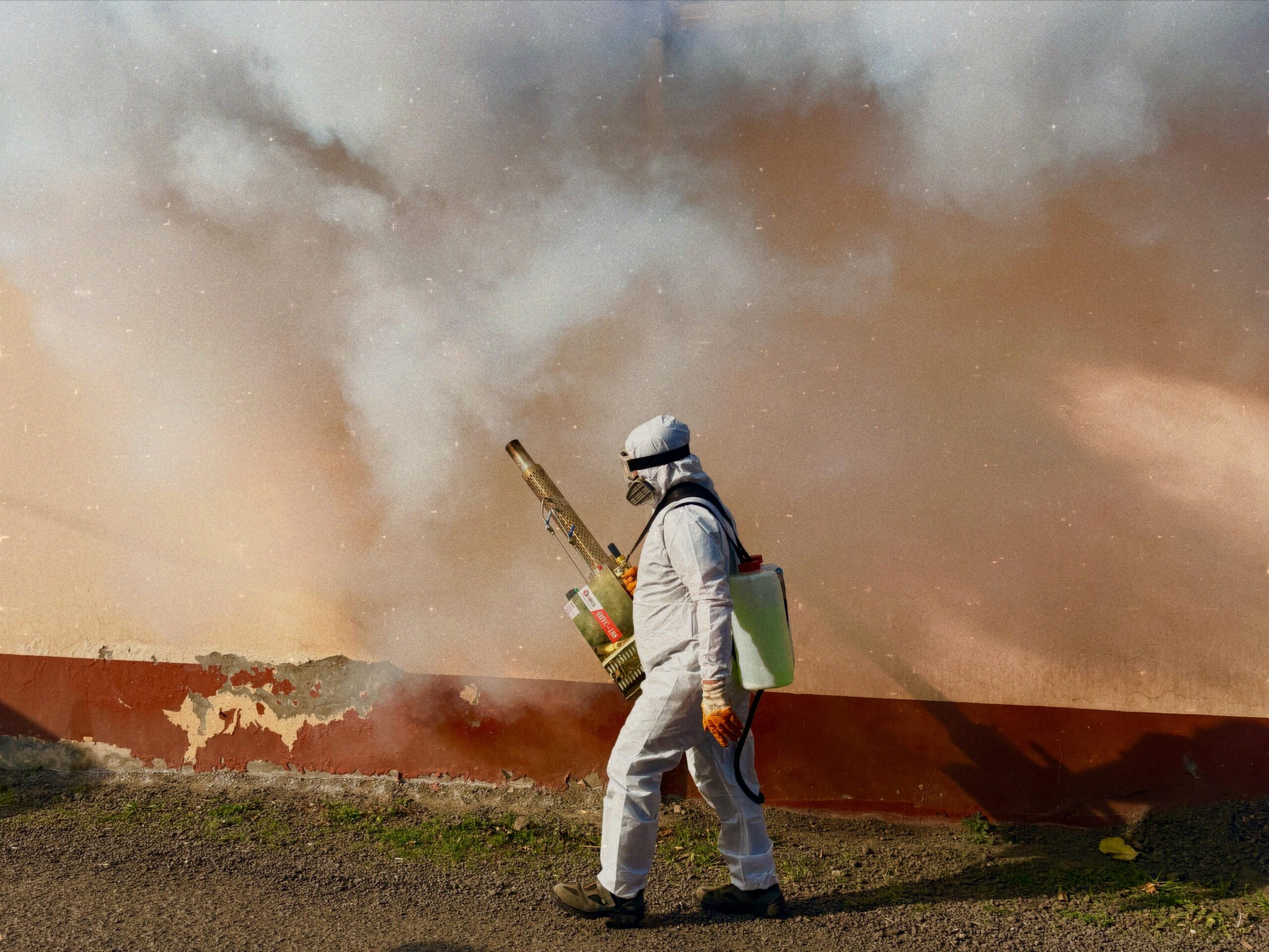
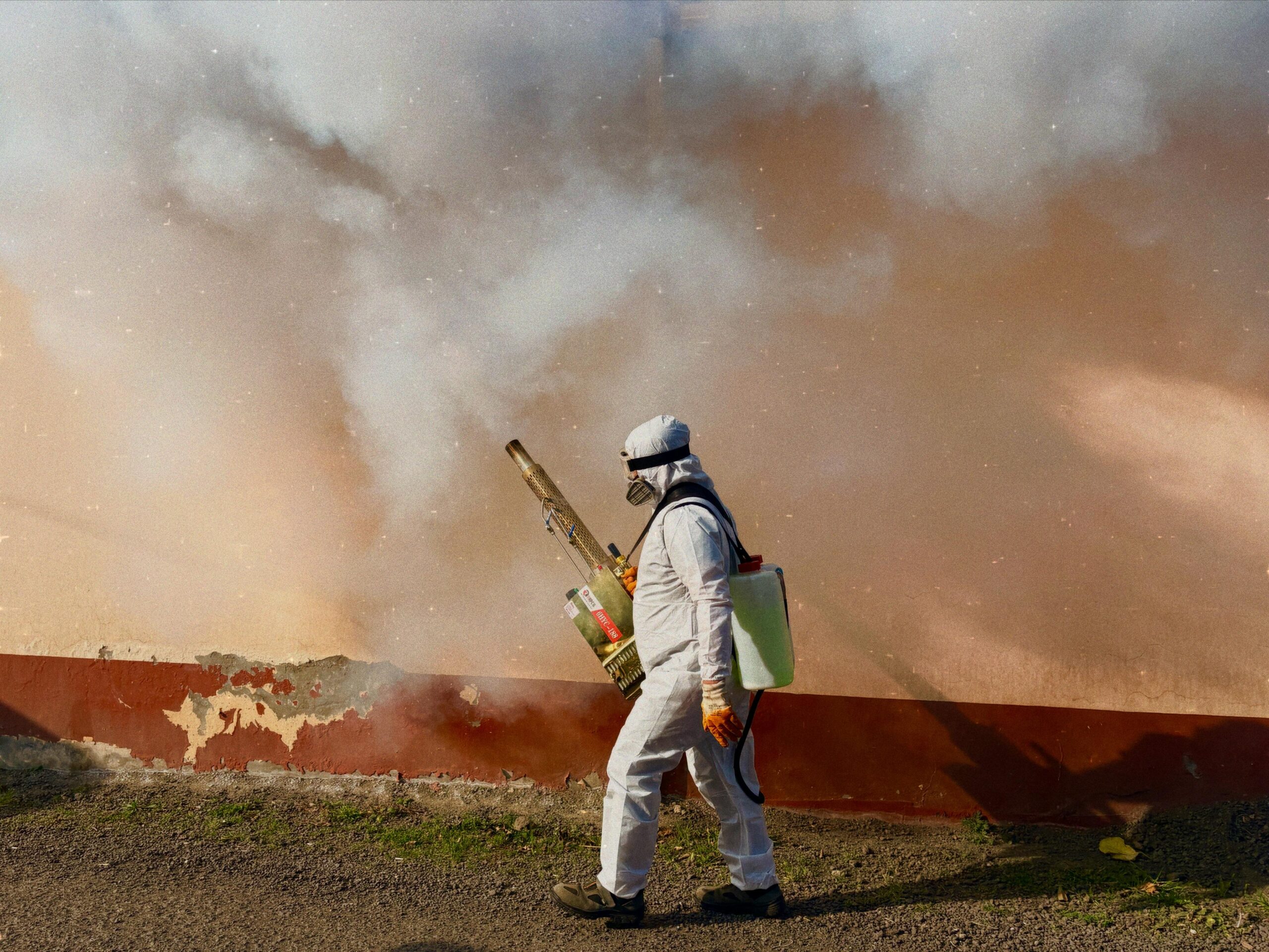
When crickets turn your quiet Vinings home into a nightly chorus, the instinctive reaction is to grab a store‑bought spray and hope for the best. While DIY products can offer temporary relief, they rarely eradicate a full‑blown infestation. The biggest culprits behind DIY failure are hidden nests tucked away in wall voids, the relentless breeding cycle of crickets, and the high chance of re‑infestation once the initial spray wears off. Without a systematic approach, you’re often just masking the problem rather than eliminating it.
Why DIY Solutions Fall Short
- Hidden nests: Crickets lay their eggs in protected crevices, under siding, and in attic insulation—areas a handheld spray rarely reaches.
- Breeding cycles: A single female can lay hundreds of eggs. Even if you kill the adults you see, the next generation hatches within weeks, bringing the noise back.
- Re‑infestation risk: Outdoor lights, moisture, and nearby vegetation act as magnets for new crickets. DIY treatments don’t address these attractants, so new insects keep moving in.
Anthem’s Two‑Step Professional Protocol
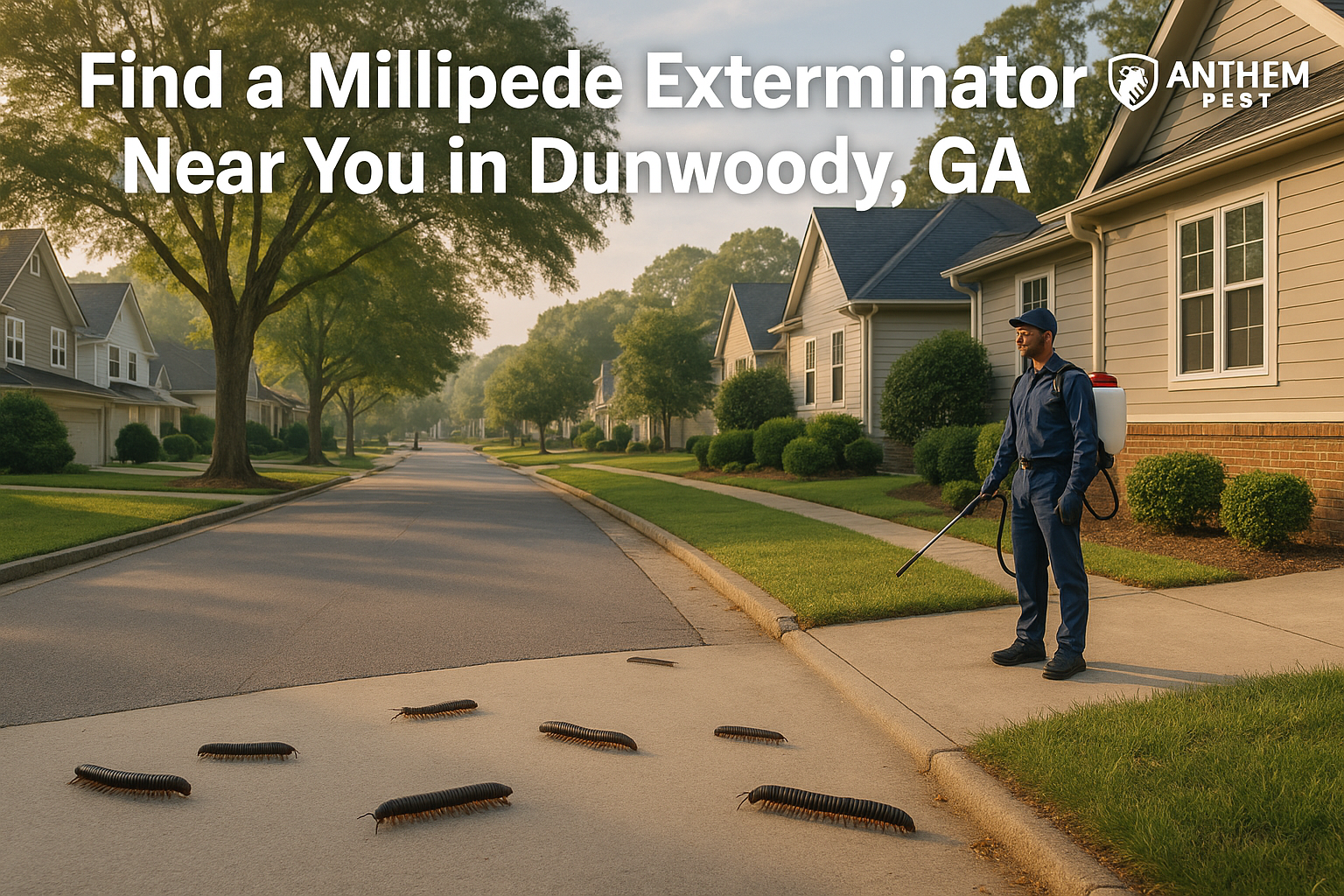
Anthem Pest’s technicians follow a proven, two‑step protocol that targets both the exterior source and interior hiding spots, delivering a comprehensive, long‑lasting solution.
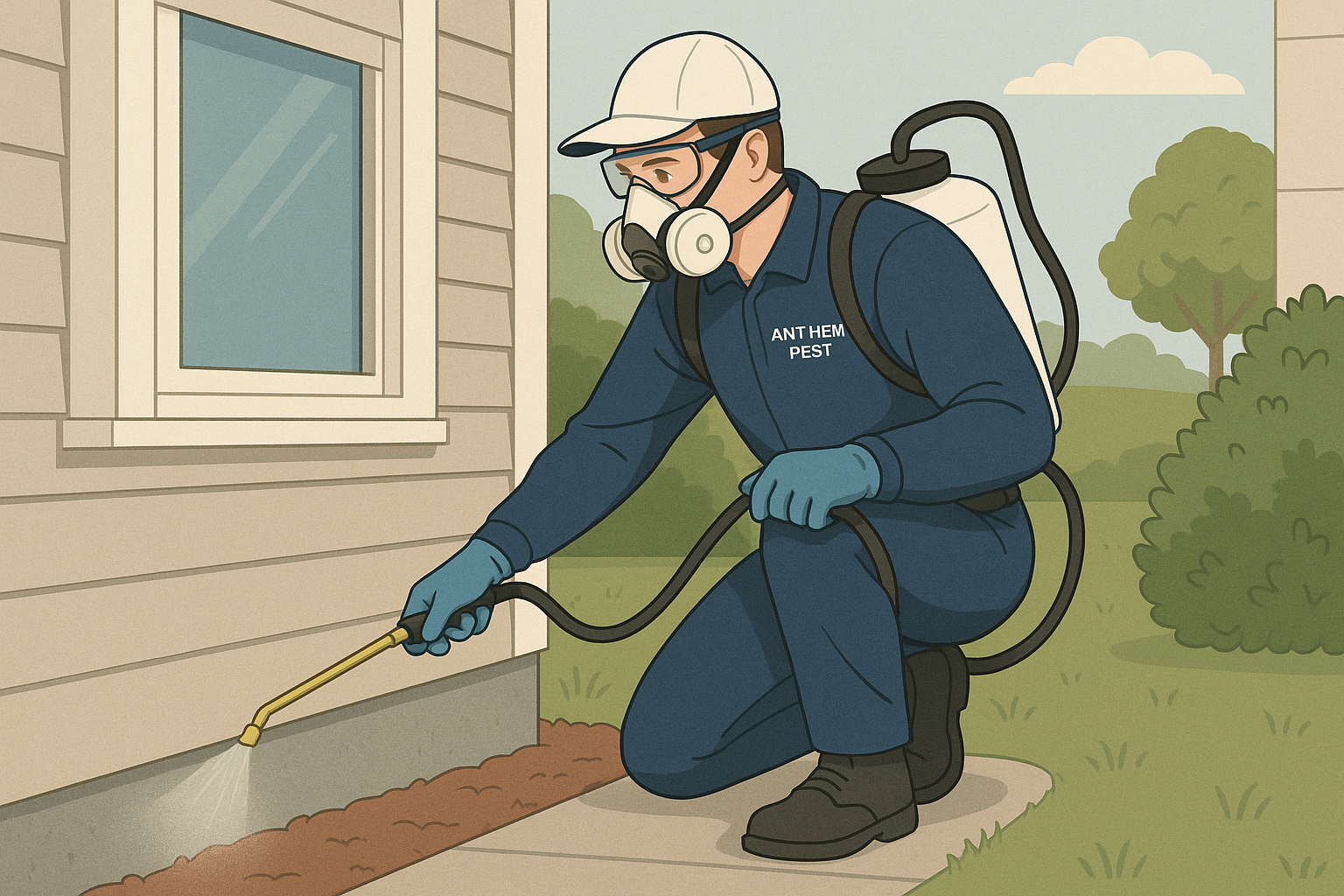
- Exterior perimeter barrier: We apply a bifenthrin‑free formulation around the home’s foundation, siding, and any entry points. This barrier creates a chemical moat that stops crickets from crossing onto your property while remaining safe for children and pets.
- Interior crack‑and‑crevice treatment: Using a low‑odor, pet‑safe product, our crew treats all interior seams, baseboards, and voids where crickets may seek shelter. The mist penetrates deep into cracks, neutralizing any insects already inside and preventing new ones from establishing a foothold.
The combination of an external shield and an internal mist ensures that crickets are blocked at the door and eliminated inside, breaking the life cycle in one coordinated sweep.
Transparent Pricing for Emergency Situations
Anthem understands that a cricket outbreak can demand immediate action. Our cricket control Vinings GA pricing reflects that urgency while remaining clear and affordable:
- Emergency call‑out: $120 – $180, depending on travel distance and time of day.
- Full‑service package: $250 – $350, which includes the exterior perimeter barrier, interior crack‑and‑crevice mist, and a 30‑day follow‑up inspection to confirm success.
All prices are based on the 2024 Anthem pricing sheet and include the labor, materials, and a guarantee of satisfaction. No hidden fees, no surprise add‑ons.
Real‑World Success: Circle 75 Homeowner
When a Circle 75 resident called us after a week of nonstop cricket chirping, our technician arrived within two hours. After applying the two‑step protocol, the homeowner reported a 95 % reduction in cricket noise within just 48 hours. Follow‑up monitoring confirmed that the remaining insects were unable to reproduce, and the exterior barrier kept new crickets from entering. The homeowner praised the low odor of the interior treatment, noting that their pets were unaffected and the house remained comfortable throughout the process.
Transparent Pricing and Service Guarantees
What You’ll Pay – A Clear Cost Breakdown
When a cricket emergency strikes, the last thing you want is a surprise bill. At Anthem Pest Control, we keep every dollar visible from the moment you call, delivering transparent and reliable cricket control Vinings GA homeowners can trust. Our standard package includes:
- Inspection fee – $49: A thorough on‑site assessment of the infestation. If you decide to move forward with treatment, this fee is completely waived.
- Emergency surcharge – $30: Applied only when you request same‑day service outside of normal business hours. It covers the extra logistics of dispatching a technician instantly.
- Material costs: Prices vary by the specific product mix required (e.g., residual sprays, baits, or dust). All material charges are itemized on your invoice, so you know exactly what you’re paying for.
- Follow‑up visit – $45: One complimentary revisit within 30 days to confirm the crickets are gone. Any additional visits beyond the guarantee are billed at the same transparent rate.
All fees are presented up front, and there are no hidden mark‑ups. The total cost for a typical emergency cricket treatment in Vinings, GA, therefore ranges from $124 to $154, depending on the amount of material needed.
Our 30‑Day Guarantee – No‑Risk Treatment
We stand behind every service with a 30‑day guarantee. If crickets reappear within that window, we’ll return — at no extra charge — to re‑treat the affected area. This guarantee covers the entire treatment, including any material that was originally applied. Our goal is simple: eliminate the nuisance now and keep it gone, without forcing you to gamble on the outcome.
How Our Prices Stack Up Against the Local Market
The Georgia Pest Management Association’s 2023 pricing survey (NPMA) shows that Fulton County homeowners typically pay more for emergency cricket control. Below is a side‑by‑side comparison of average market rates versus Anthem’s transparent pricing.
| Cost Component | Average Fulton County Rate* | Anthem Pest Control Rate |
|---|---|---|
| Inspection fee | $65 | $49 (waived with service) |
| Emergency surcharge | $45 | $30 |
| Material costs | $70‑$110 | Itemized, typically $55‑$95 |
| Follow‑up visit | $60 | $45 (included in guarantee) |
*Data sourced from the NPMA – Pest Statistics 2023 survey of 150 pest control firms across Fulton County. Anthem’s rates are consistently 15‑25 % lower while still delivering the same professional service level.
Frequently Asked Questions About Cost
Q: What if I need a second visit because the crickets return?
A: Our 30‑day guarantee covers a second visit at no extra charge. If the problem persists after the re‑treatment, we’ll investigate underlying causes (e.g., structural gaps) and provide a tailored solution without additional fees.
Q: Are there any discounts for recurring customers?
A: Yes. Homeowners who enroll in our annual prevention plan receive a 10 % discount on all emergency services, including cricket emergencies.
Q: Will I be charged for the emergency surcharge if I schedule treatment for the next day?
A: The surcharge applies only to same‑day or after‑hours calls. If you schedule a treatment for the following business day, the surcharge is removed.
By laying out every cost component, matching it against local market data, and backing it with a solid guarantee, Anthem Pest Control removes the guesswork from emergency cricket control. You get fast, effective relief at a price that’s clear, fair, and backed by a promise you can trust.
Seasonal Prevention Checklist for Vinings
Late‑summer tasks
As the summer heat begins to wane, crickets are still buzzing around your yard, looking for a place to settle in for the night. A quick sweep of your outdoor space can make a big difference. Start by trimming grass to a maximum of 3‑4 inches—shorter blades dry faster and are less inviting to insects that love moisture. Next, remove yard debris such as fallen leaves, twigs, and old mulch piles; these act like tiny shelters where crickets hide during the day.
- Trim lawn to 3‑4 inches and edge garden beds.
- Collect and compost or bag leaf litter, twigs, and plant clippings.
- Clear porch and patio lighting that stays on after dusk; consider motion‑sensor bulbs.
Finally, adjust porch lighting. Bright, continuous lights attract crickets like a beacon. Switching to amber or yellow LEDs, or installing motion‑sensor fixtures, reduces the night‑time glow that lures them onto your home’s exterior.
Fall tasks
When the leaves turn, crickets look for warm, dry places to overwinter, and your home can become an accidental refuge. Fall is the perfect time to seal those entry points before the insects settle in for the colder months.
- Store firewood at least 3 feet away from the house and elevate it off the ground.
- Clean gutters and downspouts to prevent standing water that creates a humid micro‑climate.
- Inspect the foundation for cracks, gaps around utility penetrations, and any openings around doors or windows.
Any cracks you find can be filled with a quality caulk or expanding foam. Pay special attention to vents, as they are often overlooked but provide a direct highway for crickets to slip inside.
Mesh screens on vents
Installing fine‑mesh screens on all exterior vents is one of the most cost‑effective barriers you can add. A standard 1/4‑inch stainless‑steel mesh costs between $20 and $40 per vent, depending on size and material. The installation is straightforward: remove the existing vent cover, cut the mesh to fit, secure it with a zip tie or small screws, and reattach the cover. If you’re uncomfortable tackling the job yourself, a quick call to Anthem Pest Control can have a technician on site within a day, ensuring a snug, pest‑proof fit.
Annual Anthem inspection – special Vinings rate
Even with diligent seasonal chores, hidden cricket colonies can persist in wall voids, attic spaces, or crawl‑spaces. That’s why we recommend an annual professional inspection. For Vinings residents, Anthem is offering a discounted comprehensive inspection for just $99. Our certified technicians will:
- Identify any existing cricket activity and potential entry points.
- Assess indoor air quality risks related to insect allergens.
- Provide a customized treatment plan, if needed, with transparent pricing.
Scheduling the inspection early in the fall maximizes the chance to catch crickets before they settle for winter, giving you peace of mind for the months ahead.
Health note: CDC guidance on indoor insect allergens
The CDC’s 2024 guidance highlights that indoor insect allergens, including cricket droppings and shed exoskeletons, can trigger respiratory irritation and exacerbate asthma symptoms. Maintaining a clean, screened home not only keeps crickets out but also reduces the allergen load that can affect vulnerable family members. Regular vacuuming of carpets and upholstery, combined with the seasonal checklist above, helps keep indoor air quality at its best.
Local Expertise and Homeowner Testimonials
Decades of Service in Vinings and Beyond
For 15 years, Anthem Pest has called the Vinings area home. Starting in the quiet streets of Vinings, we quickly expanded to neighboring Cumberland and the growing West Cobb region. Over the years we’ve seen every style of new‑build, from ranch‑style homes tucked into mature oak‑lined lots to the modern townhomes lining the Chattahoochee River. This long‑standing presence means our technicians know the exact construction quirks that give crickets a foothold—whether it’s the tiny gaps around foundation vents, the eaves of cedar‑shingled roofs, or the unfinished crawl‑space vents that are common in older Vinings homes.
What Neighbors Are Saying
“Fast, friendly, and effective!” – Linda M., Vinings
When a chorus of crickets invaded her backyard patio, Anthem arrived within hours. “They identified the entry points in the patio screen and treated them on the spot. I heard the silence the same night,” Linda reported.
“Peace restored in minutes.” – James T., West Cobb
James called after a sudden surge of noisy crickets during a family dinner. “The technician was at my door within 30 minutes, sprayed the affected eaves, and the chirping stopped almost instantly. It felt like the house went from a concert hall back to a quiet living room.”
Google Rating That Speaks for Itself
Our commitment to rapid response and lasting results is reflected in a 4.9‑out of 5 rating on Google Reviews, based on more than 200 verified homeowner experiences. Each five‑star comment reinforces why Vinings families continue to trust Anthem Pest for emergency cricket control and all other pest challenges.
Local Knowledge That Makes the Difference
Vinings’ unique blend of historic bungalows and newer luxury homes creates a mosaic of potential cricket entry points. Our technicians have mapped the most common access routes:
- Unsealed gaps around foundation drainage pipes—especially after heavy rain.
- Cracks in brick veneer that are often overlooked during routine home inspections.
- Openings in screened porches where the summer breeze invites crickets inside.
- Improperly installed attic ventilation fans that provide a warm, humid corridor.
Because we live and work in the same neighborhoods, we can pinpoint these vulnerabilities faster than a generic, out‑of‑state service. Our treatment plans are customized to each home’s architecture, ensuring that the solution is not just quick, but also durable.
When a Vinings homeowner hears that familiar nighttime chirp, they know who to call: a local team that has been part of the community for a decade and a half, backed by real voices and a near‑perfect online reputation.
Quick Contact Methods for Emergency Service
When crickets invade your Vinings home, every minute counts. Anthem Pest’s 24/7 emergency line is staffed by trained technicians who can assess the situation, dispatch a crew, and start treatment within the hour. The fastest way to get help is to pick up the phone and call 877‑371‑8196. Our operators are ready around the clock, so you won’t be stuck on hold waiting for business hours to begin.
If you prefer a digital route, our online booking portal streamlines the same process in just a few clicks. Visit https://anthempest.com/emergency-cricket-control, fill out the short form, and click the button below. The system automatically records your location, preferred contact method, and a brief description of the infestation.
Our local Vinings team averages a one‑hour dispatch time from the moment we receive your request. That rapid response is possible because we keep a dedicated crew on standby for emergency calls. Once the crew arrives, they will conduct a quick visual inspection, identify the cricket species, and apply a targeted treatment that protects both your family and the surrounding environment.
What to Have Ready
- Exact home address – including any gate codes or special entry instructions.
- Clear photos of the areas where crickets are most active. Smartphone snapshots work perfectly and help our technicians plan the most efficient treatment before they even step inside.
- Availability window – let us know when you’ll be home or if you need us to coordinate with a neighbor.
Having these details on hand shortens the time between your call and the actual treatment, ensuring the crickets are dealt with before they cause damage to landscaping or become a nighttime nuisance. If you’re unsure about any of the information, just give us a quick heads‑up during the call; our team will guide you through the process.
Remember, the sooner you reach out, the sooner we can stop the chirping chorus and restore peace to your yard. Whether you dial the number or click the online link, Anthem Pest is prepared to respond swiftly and safely.
Sources and References
Our emergency cricket control guide for Vinings, Georgia is built on reliable, up‑to‑date information verified as current in 2024. Below is a concise list of the sources we consulted, each linked directly for your reference.
- Wikipedia – Gryllidae: Provides a comprehensive overview of cricket biology, behavior, and common habitats, helping us explain why these insects invade homes.
- EPA – Integrated Pest Management Guidelines: Outlines environmentally responsible control methods, which inform our recommendation of low‑impact, safe treatments for homeowners.
- NPMA – Pest Statistics 2023: Offers national data on pest prevalence, confirming that cricket sightings spike during the warm months in the Southeast.
- Anthem Pest – Emergency Cricket Service Page: Details our own service offerings, response times, and pricing structure specific to Vinings, GA.
- CDC – Indoor Insect Allergens: Highlights health concerns linked to indoor insects, underscoring the importance of prompt cricket removal.
By drawing from these authoritative resources, we ensure that every recommendation in this guide reflects the latest science and best‑practice standards for emergency cricket control.
Secure a Silent Home – Call Anthem Pest Today
Crickets may seem harmless, but when they turn their chorus into a nightly racket, they become a serious nuisance for any Vinings homeowner. Their chirping not only disrupts sleep, it also signals a growing infestation that can bring allergens, moisture problems, and even damage to your home’s structure. The longer you wait, the deeper the insects embed themselves in walls, foundations, and landscaping, making removal increasingly difficult and costly. Acting quickly is the single most effective way to prevent a small, manageable problem from spiraling into a full‑blown emergency.
While you’re gathering information and setting traps, those DIY steps are buying you valuable time. Simple actions—such as sealing cracks, reducing outdoor lighting, and placing sticky boards—can curb the immediate noise and limit the cricket population for a short period. However, these measures are temporary fixes that address only the visible symptoms. Without a professional assessment, hidden nests and breeding sites remain untouched, allowing the insects to repopulate the moment your DIY barriers are compromised.
This is where Anthem Pest’s proven protocol makes a decisive difference. Our Vinings technicians start with a thorough inspection to locate every entry point and breeding hotspot. Using industry‑approved, low‑toxicity products, we treat both the interior and exterior of your property in a single, coordinated visit. The treatment plan is customized to your home’s unique layout, ensuring that no cricket‑friendly crevice is overlooked. Because we follow a strict, science‑backed schedule of follow‑up visits, you receive lasting peace of mind—not just a fleeting silence.
For a cricket-free home, reach out now for a free, no-obligation quote. Our Vinings team specializes in fast and effective cricket control Vinings GA homeowners can rely on, with response times often within the hour so you can stop the chirping before it steals another night of rest. Call us at 877-371-8196 or visit Anthem Pest Control to schedule your service. Let us handle the hard work while you enjoy the quiet you deserve.