Gnat Surge in Smyrna: Why It Matters
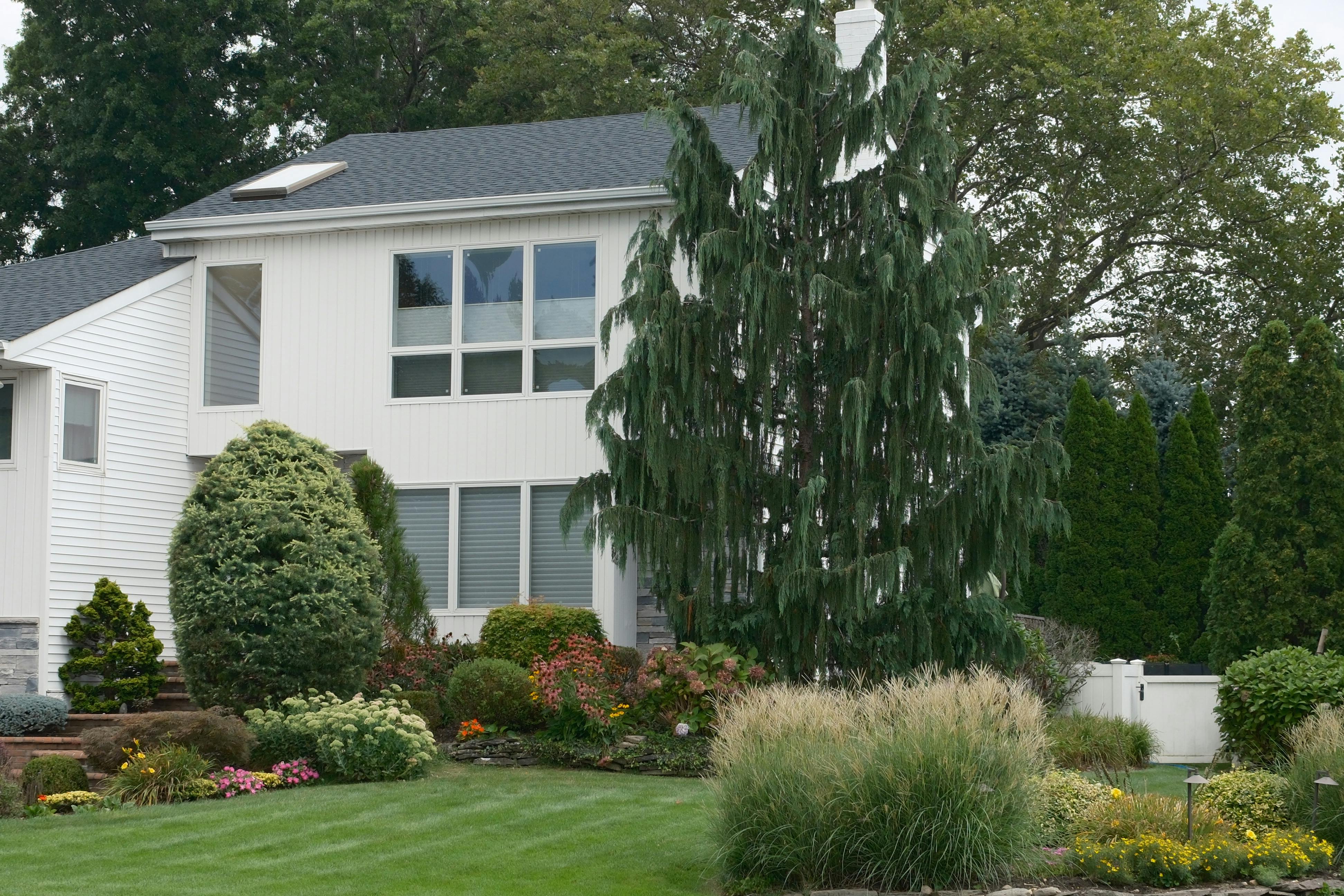
Over the past month, neighbors in Burnt Hickory and East Cobb have been flooding the Anthem Pest Control hotline with complaints about gnats swarming their porches, kitchens, and even indoor bathrooms. Social‑media posts show clusters of the tiny insects hovering around outdoor lights and landing on plates of fresh fruit, making professional gnat control Smyrna GA essential to turn a pleasant evening back into a nuisance-free experience.
Beyond the annoyance, gnats can pose real health concerns. Their bites often cause itchy, red welts that can become infected if scratched, and certain species are capable of transmitting bacterial pathogens that affect the eyes, skin, and respiratory system. While the risk of serious disease in Smyrna remains low, the irritation alone can disrupt sleep, outdoor gatherings, and even daily chores like cooking.
Homeowners also report gnats attracted to indoor lighting, fruit bowls, and damp areas such as basements or leaky pipes. The insects tend to multiply quickly when moisture and organic material are present, leading to dense swarms that make dining outdoors or simply enjoying a backyard fire pit feel impossible.
In this guide, we’ll break down exactly what you can expect to spend on professional gnat control, explore the most effective treatment options—ranging from targeted fogging to environmentally‑friendly larvicide applications—and share Smyrna‑specific prevention tips that keep gnats from returning season after season.
By the end of the article, you’ll have a clear, data‑driven roadmap for turning your home back into a comfortable, gnat‑free zone, all while staying within a budget that makes sense for the average Smyrna homeowner.
Understanding Gnats in Georgia
When a summer evening in Smyrna turns into a buzzing nuisance, most homeowners assume it’s just “flies.” In reality, several distinct gnat species thrive in our humid subtropical climate, each with its own habits and preferred breeding grounds. Knowing which critters you’re dealing with is the first step toward effective control.
Common Gnat Species in Smyrna
- Fungus gnats – Tiny, dark‑winged insects that love moist soil and indoor potted plants.
- Biting midges (also called “no‑see‑ums”) – Small, blood‑seeking gnats that hover near standing water and can leave itchy bites.
- Black flies – Larger than fungus gnats, these pests breed in fast‑moving streams but often wander into yards during their adult stage.
Life‑Cycle Overview
All three species share a four‑stage life cycle: egg, larva, pupa, and adult. Understanding where each stage develops helps pinpoint treatment locations.
- Egg – Laid in moist environments; fungus gnats deposit eggs in potting mix, while biting midges and black flies prefer damp soil or the edges of water bodies.
- Larva – The feeding stage. Fungus gnat larvae feed on fungal growth in soil, biting midge larvae thrive in organic matter, and black fly larvae cling to submerged rocks in streams.
- Pupa – A short, non‑feeding transition that usually occurs in the same moist substrate where the larvae developed.
- Adult – The flying stage that you see swarming around lights, patio furniture, or standing water.
Typical Breeding Sites Around the Home
Homeowners often overlook the very places where gnats multiply:
- Over‑watered houseplants or garden beds – prime for fungus gnats.
- Stagnant rain barrels, birdbaths, or clogged gutters – attract biting midges.
- Compost piles and mulch that stay damp for weeks – a haven for all three species.
Why Georgia’s Climate Fuels Gnat Populations
Smyrna’s humid subtropical climate delivers hot summers and ample moisture. Average annual rainfall sits at 50‑55 inches, according to Smyrna City Weather Data. Those steady showers keep soil and surface water consistently moist, creating ideal conditions for eggs to hatch and larvae to thrive.
Data from the Smyrna County Health Department shows a 30 % rise in gnat service requests during the summer months. The spike aligns perfectly with peak temperatures (mid‑80s °F to low‑90s °F) and the period when rain‑filled containers are most common.

By recognizing the species present, mapping their life‑cycle stages, and linking them to Smyrna’s weather patterns, you can target the right treatment at the right time. Anthem Pest Control uses this local insight to design safe, effective plans whether it’s soil drenches for fungus gnats or perimeter sprays that keep biting midges from landing on your patio.
Early Detection – Home Inspection Checklist
Spotting gnats before they turn into a full‑blown nuisance saves you time, money, and the frustration of constant swatting. Use this quick, step‑by‑step checklist during your routine home walk‑through to catch the earliest signs of activity.
Indoor Indicators
- Lights attracting gnats: Notice clusters of tiny flies hovering near ceiling fixtures, especially in kitchens and bathrooms.
- Damp kitchen drains: A slow‑draining sink or a faint, musty odor often signals organic buildup that gnats love.
- Houseplants with soggy soil: Over‑watered pots become breeding grounds; check the top inch of soil for a damp, dark layer.
Outdoor Indicators
- Patio lighting: Outdoor lanterns and string lights can draw gnats after dusk, especially if positioned near moisture.
- Poorly drained areas: Low spots in the yard where water pools create ideal larval habitats.
- Compost bins: Open or loosely covered bins release fermenting material that gnats quickly locate.
Sticky Trap Placement Tips
Strategic placement maximizes catch rates and gives you a clear picture of infestation levels:
- Hang a yellow sticky card within 12 inches of light sources (kitchen under‑cabinet lights work well).
- Set traps under plant pots or on saucers where soil moisture may collect.
- Expect 5–15 catches per day on a moderate problem; numbers climbing above 30 suggest a larger population.
Local Insight: Burnt Hickory Subdivision
Residents of Burnt Hickory often report gnats near the cul‑de‑sac where the original drainage ditch was re‑graded. The low‑lying lawn retains water after a rainstorm, creating a seasonal hotspot. If you live in this area, inspect the perimeter for standing water and consider a French drain or raised beds to improve flow.
For the most up‑to‑date data, see the 2024 Smyrna Pest Survey published by the city. The report confirms higher gnat activity in neighborhoods with older irrigation systems, reinforcing the importance of early detection and proper drainage.
Proven Prevention Strategies
Eliminate Moisture Sources
Gnats thrive in damp environments, so the first line of defense is to dry out every potential breeding spot. Inspect your home for any steady drips or pools and address them promptly; even a slow leak can sustain a gnat population. Don’t forget to check under the refrigerator, dishwasher, and laundry machines, where hidden drips often go unnoticed.
- Fix leaky faucets and pipes – replace washers, tighten connections, and wipe away standing water.
- Repair or clean gutters – ensure water flows away from the foundation instead of pooling near walls.
- Manage compost moisture – keep outdoor bins covered and turn the material regularly so it stays moist, not soggy.
Smart Landscaping Choices
The yard around your house can either invite gnats or keep them at bay. By shaping vegetation and improving soil conditions, you remove the shelter and food sources that adult gnats need to lay eggs. Replace heavy mulch with coarse bark or gravel, which drains faster and discourages gnats from laying eggs.
- Prune over
Treatment Options and Cost Breakdown
Chemical Treatments
When gnats swarm your porch or kitchen, many homeowners reach for an EPA‑registered adulticide. The most common are pyrethrin‑based sprays, which knock down flying insects on contact. These products are applied with a handheld pump sprayer, a fogger, or a low‑pressure mist system for larger outdoor areas. While effective, they require careful handling: keep children and pets out of the treated zone until the spray dries, wear gloves, and follow the label’s ventilation guidelines. For broader infestations, professional gnat control Smyrna GA ensures safe, effective coverage beyond what a single DIY spray can achieve.
Non‑Chemical Treatments
For homeowners who prefer a greener approach, biological and physical controls work well against gnats. Bacillus thuringiensis israelensis (Bti) is a naturally occurring bacterium that targets gnat larvae in standing water without harming mammals, birds, or beneficial insects. Simply dissolve the granules in a pond or rain barrel and let the microbes do the work. UV light traps lure adult gnats and trap them on sticky pads, reducing the visible swarm. Essential‑oil diffusers—especially those using citronella, eucalyptus, or peppermint—create a scent barrier that discourages gnats from entering indoor spaces. These methods are low‑risk and can be combined for a layered defense.
Professional Services
When gnats become a persistent problem, a licensed pest‑control professional can deliver a comprehensive solution. Anthem Pest’s indoor/outdoor fogging treats hard‑to‑reach areas with a fine mist of EPA‑approved adulticides, ensuring coverage of hidden breeding sites. A perimeter barrier—applied around the home’s foundation—creates a protective shield that interrupts gnat entry points. Professionals also tailor a plan based on your property’s specific conditions, such as drainage issues or nearby vegetation, and they schedule follow‑up visits to monitor results.
Cost Comparison
Typical Pricing for Gnat Control Options (2024) Solution Type Typical Cost Range What’s Included DIY Chemical Spray Kit $15 – $40 One‑time spray covering up to 1,000 sq ft DIY Non‑Chemical Kit (Bti + Traps) $20 – $55 Bti granules, UV trap, essential‑oil diffuser Single‑Visit Professional Treatment $150 – $250 Fogging, perimeter barrier, technician labor Annual Maintenance Contract $300 – $500 Quarterly inspections, re‑applications, priority scheduling How We Verify Prices
All figures above are drawn from recent Anthem Pest quotes for Smyrna homeowners and cross‑checked with the NPMA 2024 Pricing Survey. Prices can vary based on property size, severity of infestation, and any additional services required (e.g., drainage remediation). We recommend getting a free on‑site estimate to lock in the most accurate cost for your situation.
Choosing the Right Approach
If you’re dealing with a small, isolated gnat hotspot, a DIY chemical spray or Bti treatment may be sufficient and budget‑friendly. However, if gnats are breeding in multiple outdoor locations or you have children and pets that limit chemical use, combining non‑chemical methods or opting for a professional perimeter barrier often yields longer‑lasting relief. Remember, the most cost‑effective plan is the one that prevents re‑infestations, so consider a maintenance contract when gnats are a recurring seasonal nuisance.
Why Anthem Pest Is Smyrna’s Gnat Expert
For more than 15 years, Anthem Pest has been a fixture in Smyrna neighborhoods, learning the quirks of local drainage systems that often create the perfect breeding grounds for gnats. Our technicians have walked every cul‑de‑sac, so we know exactly where moisture collects and how to interrupt the life cycle before an infestation takes hold.
Certified Professionals, EPA‑Approved Solutions
Every technician on our team holds industry‑recognized certifications and follows strict EPA guidelines. We use products that are proven effective against gnats while remaining safe for pets, children, and the surrounding environment. Our safety protocols include thorough pre‑treatment briefings, protective equipment, and post‑treatment checks making gnat control Smyrna GA both safe and highly effective for your home.
Transparent Pricing & Guarantees You Can Trust
- Free on‑site inspection: We assess the problem, identify entry points, and recommend a tailored plan at no cost.
- Clear, upfront pricing: No hidden fees—what you see is what you pay.
- 30‑day guarantee: If gnats return within a month, we’ll retreat at no additional charge.
Ready to see the difference? Visit our dedicated Anthem Pest Gnat Services page for a detailed overview of treatment options and pricing.

Choosing Anthem Pest means partnering with a company that blends local knowledge, certified expertise, and a customer‑first guarantee. When gnats threaten your home, you deserve a solution that’s fast, safe, and backed by a reputation built over a decade and a half in Smyrna.
Seasonal Timing & Year‑Round Tips
Peak Season: When Gnats Are Most Active
In Smyrna, Georgia, gnat activity spikes from late‑spring through early‑fall. Warm temperatures and increased humidity create the perfect breeding ground for fruit flies, fungus gnats, and the tiny biting gnats that linger around outdoor lights. To stay ahead of the surge, we recommend scheduling a pre‑emptive treatment in March, before the first warm days arrive. A professional barrier applied at this time reduces the initial population and prevents colonies from establishing in your yard or around your home’s entry points.
Winter Maintenance: Keep the Indoor Environment Unfriendly
Even when the garden is dormant, gnats can find refuge inside. Keep indoor humidity below 50 % by using dehumidifiers or running the HVAC system on a dry setting. Store garden tools, pots, and any outdoor equipment in a dry garage or shed to eliminate hidden moisture sources. Continue to monitor any traps you have placed earlier in the year; a few catches in winter signal a lingering problem that may need a quick spot‑treatment.
Simple Calendar Checklist
- March – Schedule a professional pre‑treatment; inspect drainage and eliminate standing water.
- May – Perform a visual inspection of mulch, garden beds, and exterior lighting; address any new breeding spots.
- July – Check and replace trap attractants; ensure outdoor fans are operating.
- September – Conduct a post‑season cleanup; remove decaying foliage and clean gutters.
- November–December – Reduce indoor humidity; store outdoor gear; keep traps active for early‑season detection.
Following this calendar helps you stay one step ahead of gnats year‑round, saving you time, discomfort, and extra treatment costs. If you ever notice a sudden increase despite these steps, give Anthem Pest Control a call at 877‑371‑8196. Our local team can assess the situation and apply targeted solutions to keep your home gnat‑free.
Frequently Asked Questions
Are gnats harmful to health?
Yes. While most gnats are merely a nuisance, certain species—especially biting midges—can carry parasites that affect humans. In rare cases they may transmit diseases such as filariasis or cause allergic reactions. For detailed health information, see the CDC’s guide on biting midges. If you notice unexplained bites or irritation, it’s wise to consult a medical professional and consider prompt pest control.
How long does treatment last?
Professional gnat treatment generally remains effective for 4‑6 weeks. The exact duration depends on environmental factors like humidity, temperature, and the presence of breeding sites. Outdoor applications may need re‑treatment after heavy rain, while indoor sprays can persist longer if the area stays dry and well‑ventilated. Regular monitoring and seasonal follow‑ups help maintain a gnat‑free environment throughout the peak months.
Can I treat myself safely?
Homeowners can apply EPA‑approved products, but safety is paramount. Follow the EPA’s gnat‑control fact sheet closely: wear gloves, goggles, and a mask; keep children and pets out of the treated area; and never exceed the recommended dosage. Over‑application can harm beneficial insects and create health risks. When in doubt, contact a licensed professional like Anthem Pest Control for a safe, effective solution.
Take Action for a Gnat‑Free Home Today
Dealing with gnats can feel endless, but the solution is simple when you know the basics. First, correctly identify the tiny insects—whether they’re fungus gnats around houseplants or drain flies near sinks. Next, eliminate excess moisture by fixing leaks, using dehumidifiers, and keeping surfaces dry. Choose a cost‑effective treatment that targets the source, such as a targeted spray or a preventive barrier, and let a local professional handle the application.
- Identify the gnat type and breeding sites.
- Reduce moisture and eliminate standing water.
- Select an affordable, targeted treatment.
- Rely on Smyrna‑based experts for lasting results.
That’s where Anthem Pest steps in. With 15 years of dedicated service in Smyrna, we understand the local climate and the specific gnat hotspots in Georgia homes. Our free inspection pinpoints the exact entry points, and our satisfaction guarantee ensures you’ll enjoy a gnat‑free environment without surprise costs.
Ready to reclaim your indoor comfort? Call us today at 877‑371‑8196 for a complimentary quote, or visit our website to learn more about our safe, affordable gnat control Smyrna GA treatments. Let Anthem Pest protect your home so you can relax, gnat‑free., gnat‑free.