Why Earwigs Matter in Vinings
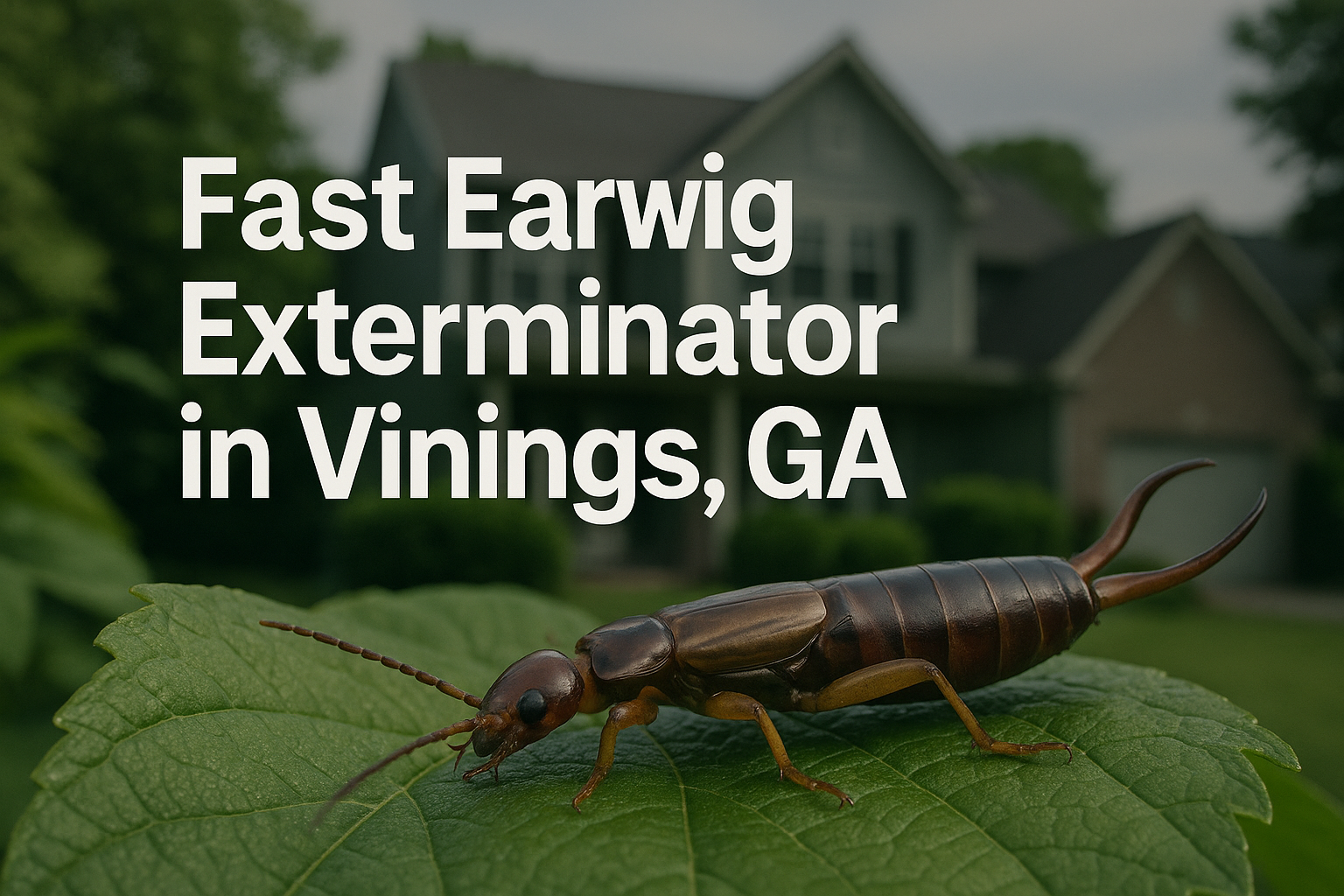
Earwigs are members of the order Dermaptera, recognizable by their slender bodies and characteristic pair of forceps‑shaped cerci at the rear. Their life cycle is straightforward but rapid: eggs are laid in moist soil or under mulch, hatch into nymphs within a few weeks, and progress through three molts before reaching adulthood in roughly two months. Adults live for six to twelve months, reproducing throughout the warmer seasons. Because they are nocturnal, most activity occurs after dusk, when they emerge to hunt, feed, and seek shelter. If you notice an infestation, contacting a professional earwig exterminator Vinings can help prevent damage and keep your home pest-free.
What they eat – and why that matters
- Omnivorous diet: Earwigs consume decaying plant matter, fungi, aphids, and occasionally soft‑bodied insects such as fruit flies.
- Garden allies turned intruders: While they can help break down organic debris, large populations quickly turn beneficial predators into garden pests, feeding on seedlings and ornamental plants.
- Human contact: Their nocturnal foraging brings them into homes, where they may bite or cause a startling “creep‑factor” for residents.
Why Vinings’ suburbs are earwig hotspots
Suburban neighborhoods like Vinings provide an ideal cocktail of conditions that earwigs love:
- Moist mulch and leaf litter: These layers retain the humidity earwigs need for egg laying and nymph development.
- Cracks in foundations, siding, and decks: Small gaps serve as safe daytime hideouts, protecting earwigs from predators and temperature extremes.
- Evening exterior lighting: Lights attract insects, which become a ready food source for earwigs venturing out after dark.
Local data underscores a growing problem
The 2024 EPA report on household pests shows a 12% rise in earwig sightings across Fulton County compared with the previous year. Within the county, the neighborhoods of Vinings, Cumberland, and Marietta reported the sharpest spikes, especially during late summer when humidity peaks and mulch beds are at their most fertile.
Why timely intervention matters
Unchecked earwig populations can affect home comfort and structural integrity in three key ways:
- Indoor disturbances: Earwigs often enter through foundation cracks, congregating in kitchens, bathrooms, or laundry rooms, where their presence can cause anxiety for occupants.
- Garden damage: Large numbers feed on tender seedlings, reducing curb appeal and potentially increasing homeowners’ landscaping costs.
- Secondary pest attraction: By consuming other insects, earwigs can alter the local pest balance, sometimes encouraging infestations of more damaging species such as cockroaches or ants.
Recognizing the biology, habitat preferences, and recent surge in local sightings equips Vinings homeowners to act before earwigs become more than a seasonal nuisance. Prompt, professional treatment not only restores peace of mind but also safeguards plants, structures, and the overall comfort of the home.
Spotting Earwigs – How to Identify the Problem
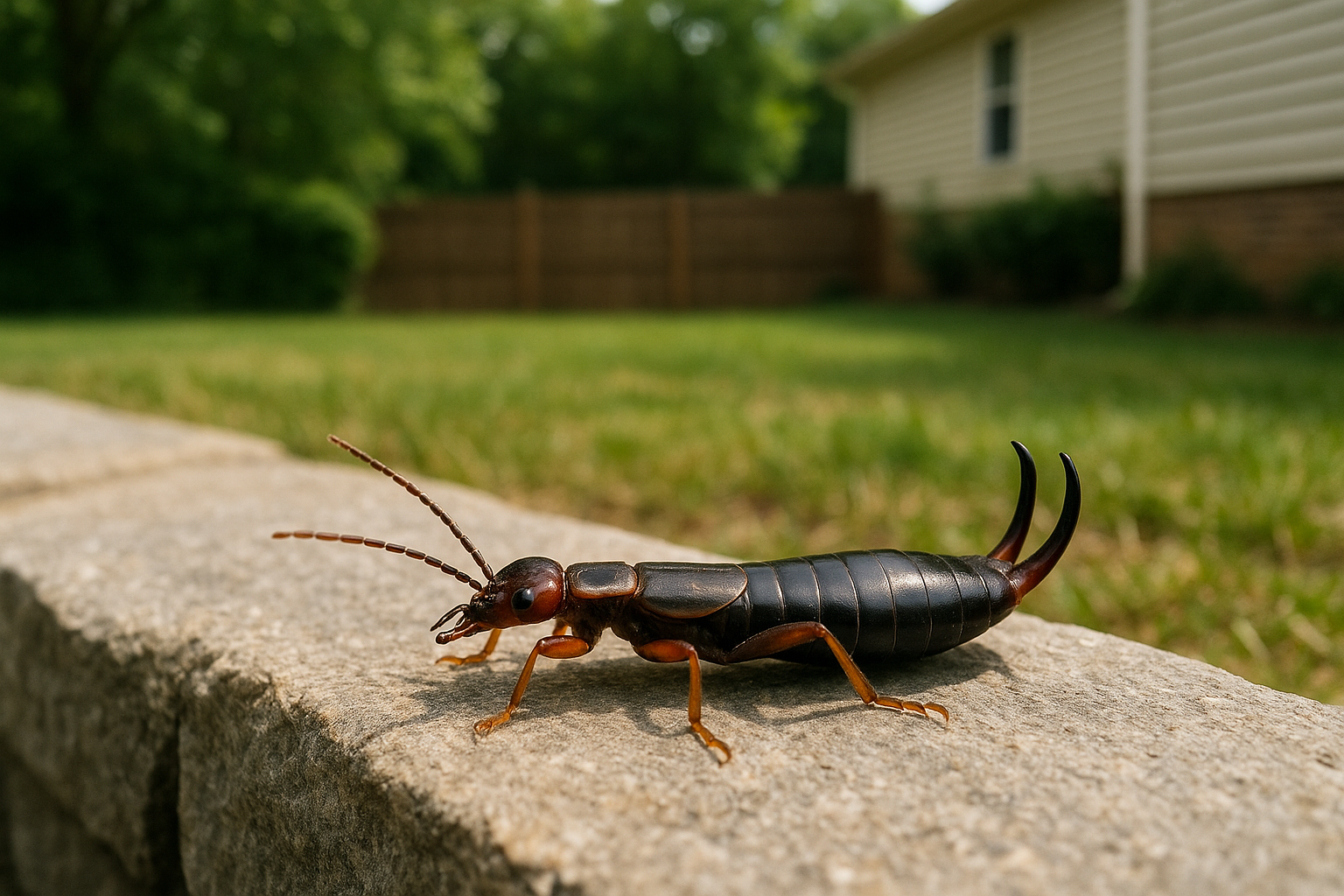
Earwigs are easy to recognize once you know what to look for. Their bodies are a muted gray‑brown, tapering to a slightly flattened shape that measures roughly ½ to ¾ inch long. The most distinctive feature is the pair of forceps‑like cerci protruding from the rear—these look like tiny pincers and are often the first clue that you’re dealing with an earwig. They are nocturnal hunters, so you’ll most often see them scurrying across walls, foundations, or garden mulch after dusk when the lights go out.
Common Entry Points in Vinings Homes
- Foundation cracks: Small gaps in concrete or brick allow earwigs to slip inside, especially after rain.
- Door sweeps: Worn or missing sweeps under exterior doors create a direct runway for these insects.
- Mulch beds: Moist mulch retains humidity, a favorite earwig habitat, and sits right against the house.
- Utility penetrations: Gaps around pipes, vents, and electrical conduits are often overlooked but provide perfect hideaways.
Real‑World Example from Vinings
One local homeowner shared a vivid incident: after a weekend of heavy rain, a swarm of earwigs appeared on the screened porch, clustering on the floorboards and near the doorways. The moisture from the downpour drove the insects from their outdoor shelters into the cooler, drier interior. Within an hour, the porch was a moving carpet of gray‑brown bodies, prompting an urgent call to Anthem Pest Control. This scenario underscores how quickly a simple weather event can turn a harmless garden visitor into an indoor nuisance.
National Context
While earwigs are often dismissed as “harmless,” they still generate significant concern. The Centers for Disease Control and Prevention recorded 1.3 million earwig‑related complaints nationwide in 2023. Those numbers reflect the growing awareness that earwigs, especially in large numbers, can damage plants, contaminate food, and create an uncomfortable indoor environment.
Quick Visual Cue for Homeowners
Make an evening habit of walking the perimeter of your home after sunset. Shine a flashlight on the foundation stones and look for the tell‑tale silhouette of the cerci. Spotting even a few individuals early can save you from a larger infestation later. If you notice clusters near door sweeps or mulch, it’s time to seal cracks, replace worn sweeps, and consider a professional inspection.
Year‑Round Prevention Tips for Vinings Homeowners
Landscape Tweaks
Earwigs love damp, sheltered spots. By keeping your yard tidy you remove their favorite hide‑outs.
- Trim mulch, leaf litter, and garden beds to a depth of 2 inches or less. Thinner mulch dries faster, making it less inviting.
- Move firewood, lumber, and any wood piles at least 10 ft away from the house foundation. Wood that stays moist becomes a perfect breeding ground.
- Improve soil drainage around the perimeter. Add a gentle slope away from the foundation or install a French drain in low‑lying areas to prevent standing water after a rainstorm.
Home Maintenance
Small cracks are big gateways for earwigs. A quick seal‑up can stop them before they crawl inside, but for persistent infestations, hiring a professional earwig exterminator Vinings ensures complete removal.
- Inspect the exterior for gaps ≤¼ in. Use a silicone‑based caulk to seal cracks around windows, siding, and utility penetrations.
- Fit door sweeps on every exterior door. A properly installed sweep blocks the tiny crevices earwigs use to slip underneath.
- Replace cracked or brittle weatherstripping around doors and windows. Fresh weatherstripping not only keeps insects out but also improves energy efficiency.
Lighting Strategy
Earwigs are nocturnal and are drawn to bright white lights. Switching to a warmer hue can make a noticeable difference.
- Swap standard white bulbs for yellow‑bulb (soft‑white or amber) fixtures on porches, walk‑ways, and garage doors.
- Consider motion‑sensor lights that only turn on when needed, reducing the amount of continuous illumination that attracts insects.
Local Regulations and Safety Standards
When it comes to earwig control in Vinings, GA, the rules are clear: every pesticide applied must meet both state and federal standards. The Georgia Department of Agriculture requires every technician who sprays chemicals to hold a certified applicator license. This licensing ensures that the applicator has completed rigorous training on proper dosage, application methods, and record‑keeping. Anthem Pest’s technicians are fully licensed, meaning they’ve passed the state‑mandated exams and stay current with continuing education on the latest safety protocols.
On the federal side, the Environmental Protection Agency (EPA) maintains a strict “Pesticide Registration” program. Only products that have been evaluated for effectiveness and human health risk can be listed. The EPA’s earwig‑specific product page (EPA registration) shows the approved formulations that have passed these tests. Anthem Pest exclusively uses EPA‑registered products, so you can be confident that the chemicals applied in your home are both legal and scientifically vetted.
Integrated Pest Management (IPM) at the Core
Beyond legal compliance, Anthem Pest follows the EPA’s Integrated Pest Management guidelines. IPM is a three‑step philosophy:
- Monitoring: We first inspect your property to confirm earwig activity and identify hotspots.
- Minimal Chemical Use: If treatment is needed, we apply the lowest effective dose of an EPA‑registered product, targeting only the infested areas.
- Long‑Term Prevention: We recommend structural fixes—like sealing cracks and reducing moisture—to keep earwigs from returning.
By adhering to IPM, Anthem Pest reduces unnecessary chemical exposure for you, your family, and pets while still delivering fast, reliable earwig control.
All treatments performed in Vinings are documented in a compliance log that meets Georgia’s reporting requirements and EPA’s record‑keeping standards. This transparency not only protects occupants but also safeguards the environment by preventing over‑application and runoff.
Bottom line: With state‑licensed technicians, EPA‑registered products, and a strict IPM approach, Anthem Pest guarantees that every earwig treatment complies with Georgia’s pesticide regulations and federal safety standards—providing you peace of mind and a pest‑free home.
Frequently Asked Questions About Earwig Control
How quickly will I see results?
Typically within 24–48 hours after the first application, you’ll notice a sharp drop in earwig activity. Our fast‑acting formulations target the insects where they hide—under decks, in mulch, and along foundation cracks—so you start feeling relief almost immediately. A follow‑up inspection the next day confirms that the treatment has taken hold and allows us to address any lingering hotspots before the insects can rebound. If the infestation is heavy, you may see a noticeable drop the first night and minimal activity by day two.
Are earwigs harmful to humans?
For the most part, earwigs are harmless to people. They do not transmit diseases and rarely bite. A bite may occur only if an earwig is handled or feels threatened, and it usually results in a minor, short‑lived
Fast Relief and Lasting Protection for Vinings Homes
Choosing Anthem Pest means you get a professional, EPA‑approved earwig treatment that works fast and protects your home’s structure. Our approach:
- Eliminates earwigs quickly, stopping damage to siding, decks, and foundation.
- Creates a barrier that reduces the chance of future infestations.
- Preserves the integrity of your home’s exterior and interior spaces.
We back every service with transparent pricing, fully licensed technicians, and a satisfaction guarantee. You’ll never encounter surprise costs or hidden fees—what we quote is what you pay, and we stand behind the results.
When you choose Anthem Pest, you’re partnering with a local team that understands Vinings’ unique pest challenges. Our goal is to keep your home safe, comfortable, and earwig‑free without surprise costs or hidden fees.
Ready for immediate relief? Call 877‑371‑8196 or visit https://anthempest.com/ to schedule a same‑day inspection and receive a free quote. Our technicians can be on your property the same day you call, delivering fast, effective treatment that restores peace of mind.
Visit Anthem Pest Control for expert earwig exterminator Vinings services and to book your appointment online today.