Why Pest Control Matters for Every Home
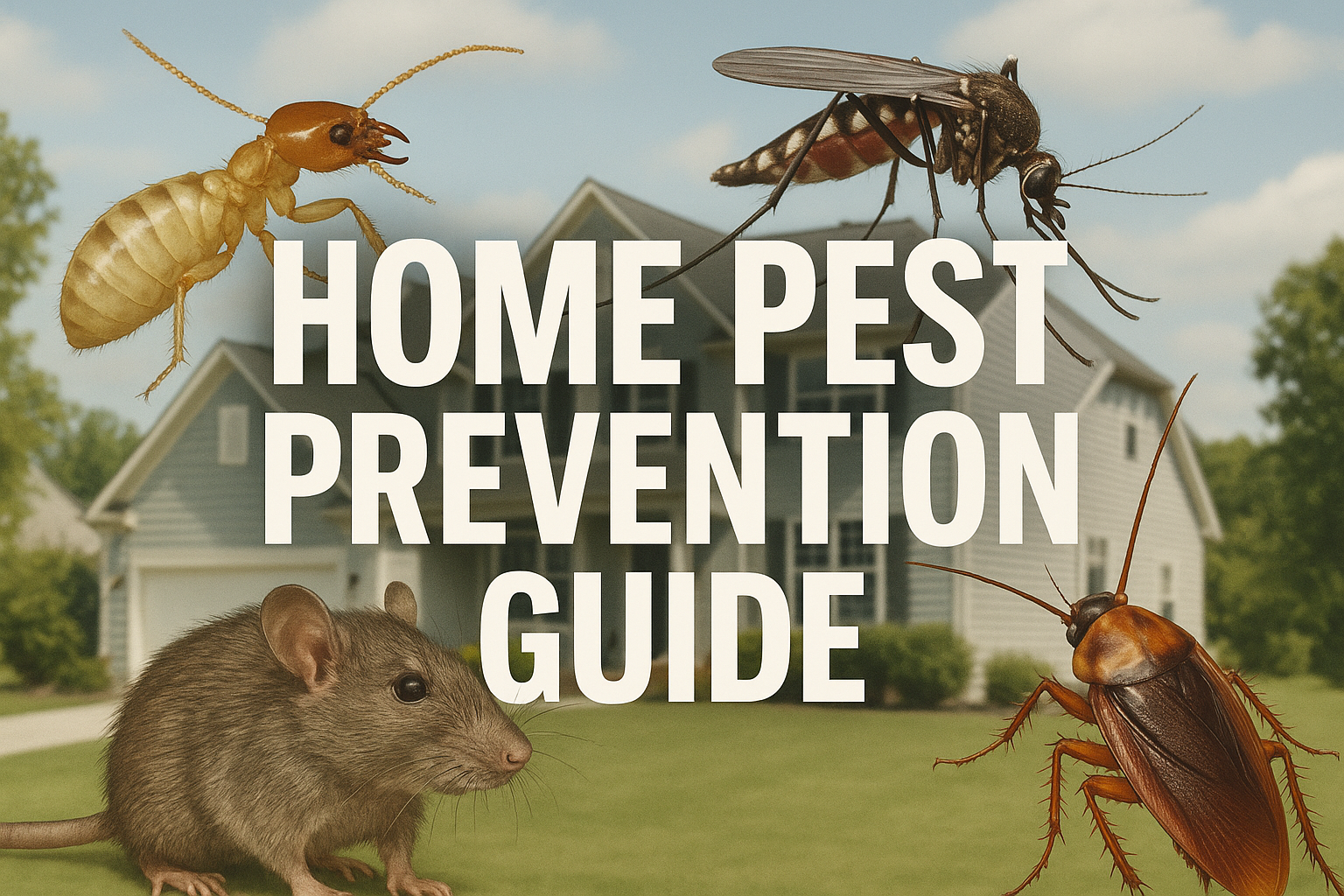
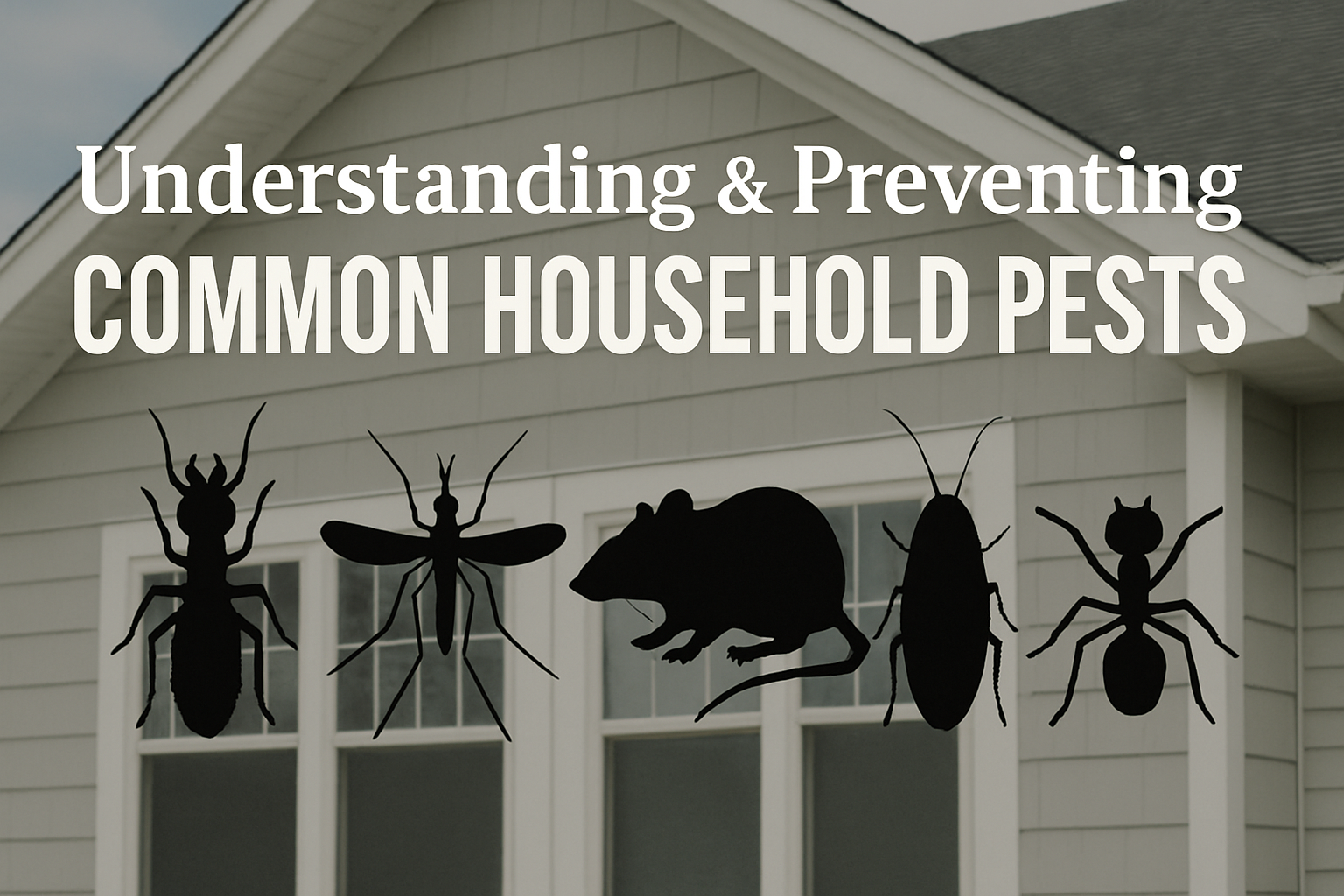
Every homeowner thinks of pests as a nuisance, but the reality runs deeper. Termites silently gnaw at wooden structures, mosquitoes turn a backyard into a health hazard, and rodents chew through wiring that can spark fires. Cockroaches, ants, and bed bugs not only damage furnishings and food supplies—they also trigger allergic reactions and spread disease.
What’s at stake? The hidden damage
Consider termites: a single colony can compromise up to 30% of a home’s structural integrity before the damage becomes visible. Mosquitoes are vectors for West Nile virus and Zika, while rodents carry Hantavirus and can contaminate pantry items with droppings. Cockroaches leave behind allergens that exacerbate asthma, and bed bugs cause sleepless nights and skin rashes that affect mental well‑being.
By the numbers
In the United States, homeowners spend an estimated $5 billion each year on pest‑related repairs, from foundation fixes after termite damage to rewiring after rodent gnawing. Health‑related expenses add another $2 billion, driven by emergency room visits for bites, stings, and allergic reactions. These figures illustrate that the cost of inaction far outweighs regular preventive care.
Seasonal spikes and construction flaws
Pests are opportunists. Warm summer months invite mosquitoes and ants, while cooler seasons push rodents indoors seeking shelter. Gaps around windows, poorly sealed foundations, and moisture‑prone crawl spaces become highways for invaders. Even a tiny crack in a sill can become a highway for termites, turning a minor oversight into a costly repair down the line.
Early detection vs. emergency extermination
Spotting the first signs—tiny mud tubes, droppings, or a sudden increase in bites—lets homeowners act before an infestation explodes. Early intervention typically costs 30%–50% less than emergency extermination, which often requires extensive treatment, structural repairs, and repeated visits. Proactive monitoring also preserves property value, a key consideration when it’s time to sell.
Partnering with a trusted expert
Anthem Pest Control offers a nationwide network of locally trained technicians who understand regional pest patterns. Their transparent pricing and safe, EPA‑approved solutions mean homeowners get effective protection without hidden fees. Whether you need a one‑time inspection or an ongoing prevention plan, Anthem’s expertise turns a potential crisis into routine maintenance.

By recognizing the hidden risks pests pose to your property, health, and peace of mind, you can make informed decisions that protect your home’s future. Proactive pest management isn’t just an extra service—it’s an essential investment in safety, comfort, and long‑term savings.
Seasonal Pest Threats You Should Watch For
Every season brings its own set of unwelcome guests. Knowing which pests are most active at a given time lets you spot trouble early, keep treatment costs down, and protect your home’s comfort. Below is a quick guide to the critters that typically surface when the weather changes, plus a handy inspection checklist you can run each quarter.
Spring: Termites, Ant Swarms, and Mosquitoes
As soil warms and moisture levels rise, subterranean termites emerge from their hidden colonies to expand their tunnels. Look for mud‑tube sightings along foundations, especially after a rainy spell. Early detection can prevent costly structural damage.
Swarming ants are another springtime hallmark. Winged alates appear in large numbers, often near light fixtures or on sunny windowsills. While they’re usually harmless, a sudden surge may signal a mature colony ready to spread throughout your yard.
Spring rains also create perfect breeding grounds for mosquitoes. Stagnant water in birdbaths, clogged gutters, or even a forgotten plant saucer can become a nursery. Treating these sources promptly reduces the risk of bites and the diseases they can carry.
Summer: Mosquitoes, Flies, and Indoor Cockroaches
Summer heat intensifies mosquito activity. Adult females need blood meals to develop eggs, so you’ll notice more buzzing around patios and decks. Using larvicides in standing water and installing window screens are effective barriers.
Flies thrive in warm, humid conditions. House flies, blow flies, and fruit flies are attracted to exposed food, pet waste, and uncovered trash cans. Keeping counters clean and sealing waste containers can keep their numbers in check.
Indoor cockroach sightings often spike in summer because kitchens become more inviting with open cabinets and abundant food crumbs. Look for droppings, egg cases, or a faint oily scent in cabinets, behind appliances, and under sinks. Early intervention prevents an infestation from spreading to other rooms.
Fall: Rodent Migrations, Bed‑Bug Resurgence, and Ant Colonies
As temperatures drop, rodents such as mice and rats begin seeking shelter in warm walls, attics, and crawl spaces. Listen for scurrying sounds at night and inspect for gnaw marks on insulation or wiring. Sealing entry points before the first frost is critical.
Bed‑bugs often reappear in the fall after a summer lull. They hide in mattress seams, baseboards, and furniture cracks, emerging at night to feed. Look for tiny rust‑colored spots (fecal stains) or shed exoskeletons as early warning signs.
Ant colonies that survived the summer heat may relocate to the interior of your home for protection. Pay attention to trails along baseboards, especially near food storage areas. A focused baiting program in the fall can eradicate the colony before it expands in winter.
Winter: Hidden Termites, Spider Infestations, and Rodent Nesting
Even when snow covers the ground, termites remain active underground, feeding on wood moisture that persists in insulated walls. Look for hollow‑sounding wood, tiny exit holes, or mud‑filled cracks in interior framing during winter inspections.
Spiders, especially house spiders and cellar spiders, often move indoors seeking warmth. While most are harmless, a sudden surge may indicate an underlying insect problem that’s providing them with food. Regular vacuuming of corners and webs helps keep their numbers low.
Rodents are at their most entrenched in winter, building nests in wall voids, attics, and even inside insulation. Check for fresh droppings, shredded insulation, or gnaw marks on structural beams. Prompt trapping and exclusion prevent damage to wiring and the spread of disease.
Quick Seasonal Inspection Checklist
- Inspect foundation and exterior walls for mud tubes, cracks, or gnaw marks.
- Check gutters, downspouts, and any standing water for mosquito breeding.
- Examine kitchen cabinets, pantry shelves, and behind appliances for ant trails, cockroach droppings, or food debris.
- Listen for rodent activity in attics, basements, and crawl spaces, especially at night.
- Look for bed‑bug signs—rust‑colored spots, shed skins, or live insects—in mattresses and furniture seams.
- Survey indoor corners, basements, and storage areas for spider webs and egg sacs.
- Seal gaps larger than ¼ inch around pipes, vents, and utility openings.
- Schedule a professional inspection with Anthem Pest Control before the peak season of each pest group.
Spotting Early Warning Signs of an Infestation
Visual clues you can’t afford to miss
Even the smallest evidence can signal a larger problem brewing behind your walls. Look for mud tubes along foundation cracks or window sills—these are the highways termites use to travel between soil and wood. Droppings vary by species: cockroach frass looks like peppery specks, while rodent dropples are darker, cigar‑shaped. Gnaw marks on wood, plastic, or wiring indicate active chewing, and shed skins or dead insects left in corners often mean a colony is establishing a foothold. Spotting any of these visual hints early can save you costly repairs later.
Behavioral clues that whisper “they’re inside”
Pests rarely stay silent. A faint scratching or scurrying noise inside walls, especially at night, is a classic sign of rodents or carpenter ants. Unusual, musty odors—often described as “wet cardboard” or “rotting wood”—suggest fungal growth that many insects love. Finally, sudden bites or skin irritation without an obvious source can point to bed bugs, fleas, or even mosquito activity inside a screened porch. Trust your senses; they’re the first line of detection.
Moisture indicators: the hidden catalyst
Moisture is the silent invitation that lures many pests. Look for condensation on pipes, windows, or the underside of cabinets; these damp spots become breeding grounds for termites, silverfish, and even mosquitoes. Standing water in basements, clogged gutters, or pet water dishes left out for hours creates a reservoir that supports larvae development. Understanding where water accumulates helps you cut off the life‑support system pests rely on.

Using the water‑cycle illustration
The diagram above maps the journey of moisture from exterior rain to interior condensation. Notice how water vapor rises, cools on cold surfaces, and drips back down—creating the perfect micro‑climate for termites to soften wood and for mosquitoes to lay eggs in hidden puddles. By tracing these paths, you can pinpoint vulnerable zones: leaky roofs, basement walls, and poorly ventilated crawl spaces. Seal cracks, improve ventilation, and use a dehumidifier in these hotspots to break the cycle before pests arrive.
DIY inspection vs. calling a professional
Homeowners can handle the first sweep:
- Check visible areas—baseboards, attic corners, and under sinks—for the visual clues listed above.
- Listen and smell—run a flashlight along walls and pause to hear any rustling or detect odd odors.
- Test moisture—use a simple hygrometer or the water‑cycle diagram to locate damp zones.
If you find extensive mud tubes, large droppings piles, or signs of structural damage, it’s time to call Anthem Pest Control. Our technicians bring infrared cameras, moisture meters, and species‑specific expertise that go far beyond a DIY walk‑through. A professional assessment ensures you target the right pest, apply the safest treatment, and prevent future invasions—all backed by transparent pricing and a guarantee of effectiveness.
Treatment Options, Methods, and Pricing Explained
Choosing the right pest‑control solution can feel overwhelming, especially when you’re juggling safety, effectiveness, and cost. Below we break down the most common treatments, how they’re applied, and what you can realistically expect to pay—so you can make a confident, informed decision.
Chemical Barrier Treatments for Termites and Ants
For subterranean termites and invasive ant colonies, a soil and perimeter barrier is the gold standard. Technicians mix a termiticidal or ant‑specific active ingredient with a carrier and apply it in a continuous trench around the foundation, as well as into the soil beneath the structure. The chemical creates an invisible shield that kills insects on contact and prevents new colonies from establishing.
- Application method: Trench or spray using a high‑pressure wand; typically 2‑3 inches deep for termites, shallower for ants.
- Frequency: One‑time full treatment, with annual re‑application for long‑term protection.
- Safety notes: Products are EPA‑registered and applied at concentrations that are safe for families and pets when guidelines are followed.
Baiting Systems for Rodents and Cockroaches
Bait stations work on a simple principle: lure the pest with an attractive food source laced with a slow‑acting poison, then let the creature carry the toxin back to its nest. For rodents, stations are placed along walls, behind appliances, and in attics; for cockroaches, they’re tucked in cracks, under sinks, and near garbage areas.
- How they work: The active ingredient is ingested, spreads through the colony, and eventually eliminates the population.
- Placement strategy: 3‑5 stations per 1,000 sq ft for rodents; 8‑12 stations per 1,000 sq ft for cockroaches.
- Safety: Stations are tamper‑resistant, keeping children and pets out of direct contact.
Fogging and ULV Sprays for Mosquitoes and Flies
When you need rapid, season‑wide relief from flying insects, fogging or ultra‑low‑volume (ULV) spraying is the go‑to method. A fine mist is dispersed over the yard or interior space, coating vegetation and standing water where mosquitoes breed, and targeting flies that linger near food prep areas.
- Coverage: Typically treats 0.5‑1 acre per application; indoor ULV can cover up to 3,000 sq ft.
- Frequency: 1‑3 applications per season, depending on local climate and infestation level.
- Environmental note: Modern ULV products break down quickly, minimizing impact on non‑target insects.
Heat‑Treatment and Encasement for Bed‑Bugs
Bed‑bugs are notoriously resilient, but two proven approaches—heat‑treatment and encasement—offer homeowners a clear path to eradication.
- Heat‑treatment: Professionals raise room temperatures to 120‑135 °F for several hours, a range lethal to all life stages. No chemicals are left behind, making it ideal for families with allergies or pets.
- Pros: Immediate results, chemical‑free, reaches hidden crevices.
- Cons: Requires temporary relocation of belongings, higher upfront cost.
- Encasement: Mattress and box‑spring covers trap bugs inside, preventing re‑infestation while you treat the rest of the home.
- Cost range: Heat‑treatment $1,200‑$2,500 per bedroom; encasement kits $150‑$300 per bed.
Integrated Pest Management (IPM) Approach
IPM isn’t a single product—it’s a philosophy that blends monitoring, exclusion, and targeted treatment to keep pests below damaging levels while minimizing chemical use.
- Monitoring: Regular inspections and traps identify problem species early.
- Exclusion: Sealing cracks, installing door sweeps, and repairing screens block entry points.
- Targeted treatment: When thresholds are crossed, we apply the most appropriate method—be it a bait, spray, or barrier—tailored to the specific pest.
- Benefit: Sustainable, cost‑effective, and aligned with the growing demand for eco‑friendly pest control.
Sample Pricing Table
| Service | Typical Price Range | Frequency |
|---|---|---|
| Termite inspection | $79 | One‑time (annual follow‑up optional) |
| Full termite barrier treatment | $1,200‑$2,500 | One‑time, with yearly maintenance |
| Rodent baiting program | $150‑$350 | Quarterly checks |
| Cockroach bait stations (install & monitor) | $180‑$300 | Every 3 months |
| Mosquito barrier (seasonal) | $150‑$300 per season | 1‑3 applications per summer |
| Bed‑bug heat‑treatment (per bedroom) | $1,200‑$2,500 | One‑time, with follow‑up inspection |
| IPM monitoring & exclusion package | $250‑$500 annually | Year‑round |
Anthem Pest Control’s promise is simple: transparent pricing, no hidden fees, and a free, no‑obligation quote for every service. When you call us at 877‑371‑8196 or request a quote online, you’ll receive a detailed breakdown before any work begins—so you know exactly what you’re paying for and why.
Prevention Strategies to Keep Pests Out Year‑Round
Keeping your home pest‑free isn’t a one‑time project; it’s a habit that pays off season after season. By tightening up entry points, managing food and waste, and staying on top of yard work, you can dramatically lower the chances of insects, rodents, and other unwanted guests making themselves at home.
Home Maintenance Checklist
A solid foundation starts with a thorough inspection of the structure itself. Small gaps that go unnoticed can become highways for ants, spiders, and even mice.
- Seal cracks and gaps in walls, foundations, and around utility penetrations with caulk or expanding foam.
- Repair leaky pipes and faucets promptly; moisture attracts cockroaches, silverfish, and termites.
- Install or replace weather‑stripping on doors and windows to block drafts and insects.
- Trim vegetation at least 2 feet away from the house to eliminate bridge routes for pests.
- Check attic and crawl spaces for insulation gaps and ensure vents are covered with fine mesh.
Food Storage, Waste Management, and Sanitation
Even the cleanest home can lure pests if food and waste aren’t handled correctly.
- Store dry goods in airtight containers; pantry pests love exposed cereals and grains.
- Empty trash cans regularly and use bins with tight‑fitting lids.
- Wipe down countertops, sweep floors, and mop spills immediately—especially sugary residues.
- Keep pet food sealed and feed pets at set times to avoid leftovers attracting rodents.
Seasonal Yard Care
Outdoor conditions directly affect what tries to enter your home. Adjust your routine as the weather changes.
- Spring & Summer: Remove standing water from birdbaths, gutters, and flower pots; mosquitoes breed in stagnant pools.
- Fall: Rake leaves away from the foundation and clear debris that could shelter ticks and beetles.
- Year‑Round: Keep grass mowed to a manageable height and prune shrubs to maintain airflow around the house.
Installing Physical Barriers
Physical blocks are often the simplest and most reliable defense.
- Fit door sweeps on all exterior doors to seal the gap at the bottom.
- Ensure window screens are intact; repair any tears with screen repair kits.
- Cover vent openings, dryer exhausts, and chimney flues with stainless‑steel mesh (¼‑inch or smaller).
- Use doorway thresholds that tilt inward, making it harder for crawling insects to slip underneath.
Low‑Toxicity Repellents and Natural Deterrents
When you need an extra layer of protection, choose options that are safe for children and pets.
- Sprinkle diatomaceous earth around the perimeter of your home; it dehydrates insects without chemicals.
- Place essential‑oil sachets (peppermint, lavender, or citrus) in cupboards and near entry points to repel ants and spiders.
- Use boric acid powder in hidden cracks for cockroach control—apply sparingly and keep away from food surfaces.
- Consider copper tape on the undersides of doors; many pests avoid crossing copper.
Schedule Regular Professional Inspections
Even the most diligent DIY plan benefits from a fresh set of expert eyes. Anthem Pest Control offers routine inspections that catch early signs of infestation before they become costly problems. A quarterly visit lets a certified technician check hidden hotspots, test for termite activity, and recommend targeted treatments that complement your DIY efforts. Call 877‑371‑8196 or visit anthempest.com to set up your next inspection and keep your home protected all year long.
Protect Your Home Today with Anthem Pest Control
Early detection, seasonal awareness, and preventive maintenance are the three pillars of a pest‑free home. Spotting a tiny ant trail before it becomes an invasion, knowing that mosquitoes surge in summer, and scheduling regular inspections keep pests from establishing a foothold. When you act early, treatment is less invasive, cheaper, and far more effective.
Why Those Pillars Matter
Every homeowner faces a different pest calendar. In spring, termites begin tunneling; in fall, rodents seek warmth; summer brings mosquitoes and flies. By aligning your pest‑management routine with these cycles, you cut down on surprise infestations and reduce the need for emergency, high‑cost interventions.
Preventive maintenance isn’t just about spraying chemicals—it’s about sealing entry points, trimming vegetation, and maintaining proper sanitation. A well‑kept home becomes an unattractive habitat, forcing pests to look elsewhere. The result? Fewer chemicals, less disruption, and peace of mind.
What Sets Anthem Apart
- Nationwide coverage: Whether you live in a suburban cul‑de‑sac or a rural farmhouse, Anthem’s network of licensed technicians is ready to serve.
- Safe, effective treatments: We prioritize EPA‑approved products that protect your family and pets while eliminating termites, rodents, bed bugs, and more.
- Transparent pricing: No hidden fees. Our detailed quotes break down every step, so you know exactly what you’re paying for.
- Customized plans: From one‑time exterminations to year‑round protection, we tailor solutions to your home’s unique risk profile.
A Soft Invitation to Take the Next Step
Ready to move from “maybe later” to “protected now”? Anthem offers a free, no‑obligation quote that gives you a clear picture of what your home needs. Our technicians will visit, assess any current activity, and outline a treatment roadmap that fits your schedule and budget.
Because we understand that pest problems don’t wait for a convenient day, we make scheduling easy. Choose a time that works for you, and we’ll be there—fully equipped, fully licensed, and fully committed to keeping your home safe.
Contact Details & Immediate Call‑to‑Action
Ready to safeguard your home from unwanted invaders? Call Anthem Pest Control today at 877‑371‑8196 for a free, personalized quote. Our licensed experts will assess your situation, recommend the best treatment plan, and schedule service at a time that works for you.
Visit Anthem Pest Control to learn more and book your inspection now.