Why Pest Awareness Matters for Homeowners

Every homeowner eventually faces a tiny intruder—whether it’s a sneaky ant trail in the pantry or a silent termite colony chewing away at the foundation. While many see pests as a mere nuisance, the reality runs far deeper. Pests can trigger allergic reactions, spread diseases such as West Nile virus or salmonella, and even compromise indoor air quality. At the same time, they can gnaw, burrow, or excrete in ways that erode structural integrity, lower curb appeal, and shave thousands of dollars off a home’s resale value.
Health risks you can’t afford to ignore
Allergies to cockroach droppings, asthma flare‑ups from dust mites, and bite‑related infections from bed bugs are common complaints. Mosquitoes and rodents act as vectors for serious illnesses, turning a backyard barbecue into a potential health hazard. Recognizing these threats early means you can protect your family’s well‑being before a minor irritation becomes a medical emergency.
Property damage that hits your wallet
Termites alone are responsible for an estimated $10‑$15 billion in property damage each year across the United States, according to the 2024 EPA pest‑damage data (EPA). That figure includes everything from wood rot caused by carpenter ants to costly repairs after rodent gnawing on wiring. When a pest infestation goes unnoticed, the repair bill can quickly eclipse the cost of preventive treatment.
Proactive monitoring is the smartest financial move a homeowner can make. Regular inspections let you spot early warning signs—tiny mud tubes, unusual droppings, or faint rustling in walls—so you can intervene before an infestation spirals. The result? Lower treatment expenses, fewer emergency calls, and the peace of mind that comes from knowing your home is defended.
This guide is built on data‑driven insights and real‑world experience, offering U.S. homeowners a clear roadmap to stay ahead of pests. By understanding the health and financial stakes, you’ll see why vigilance isn’t just a precaution—it’s an essential part of protecting your home’s value and your family’s health.
Identifying the Most Common Household Pests
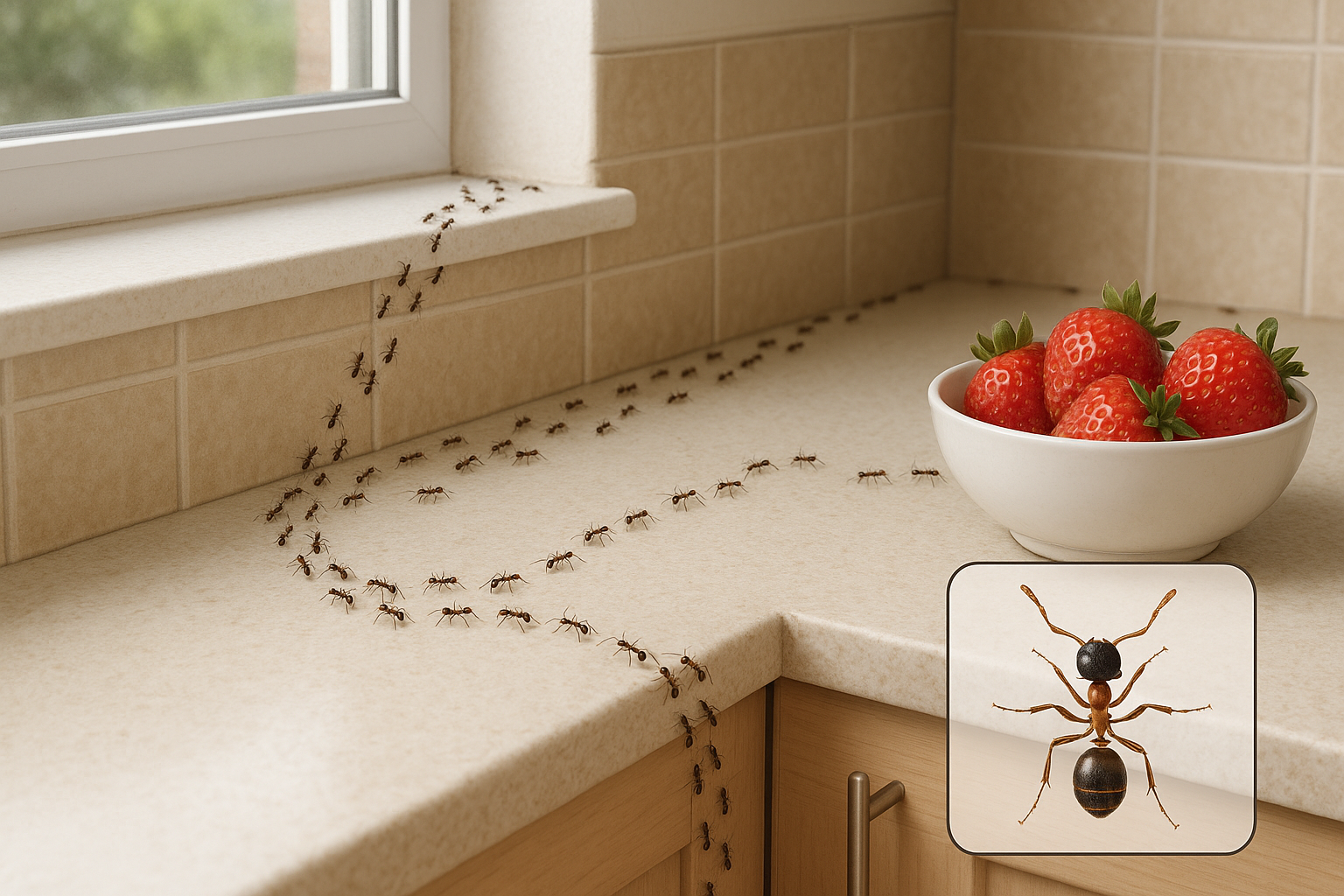
Knowing exactly what you’re looking at is the first step toward effective control. Homeowners who can spot the tell‑tale signs of an infestation save time, money, and the peace of mind that comes with a pest‑free home. Below are the visual cues and recent statistics you need to recognize the five pests that show up most often in U.S. households.
Termites
Termites come in two primary flavors: dry‑wood and subterranean. Dry‑wood termites chew directly through wood, leaving a clean, smooth tunnel that looks like a pencil‑shaped hole. Subterranean termites, on the other hand, build mud tubes along foundations, walls, or crawl spaces to travel between soil and wood. Look for these mud‑lined highways, as well as hollow‑sounding wood and discarded wings near windows. According to the National Pest Management Association (NPMA) 2023 report, termites affect 1 in 5 U.S. homes, making early detection crucial.
Ants
Two ant species give homeowners the most trouble: carpenter ants and odorous house ants. Carpenter ants excavate wood to create satellite nests, leaving behind perfectly smooth galleries and piles of sawdust (frass) near entry points. Odorous house ants form distinct, single‑file trails that often lead to hidden food sources in kitchens or pantries. Follow the trail back to its source—usually a crack in the foundation or a wall void—to locate the nest before the colony spreads.
Rodents
Mice and rats are master hide‑and‑seek players. Their presence is most often revealed by dark, rice‑shaped droppings near food storage, gnaw marks on wood, plastic, or wiring, and shredded nesting material such as paper or fabric. A fresh nest will be soft and densely packed, while older nests become compacted and may emit a faint, musky odor. Pay special attention to attics, basements, and the space behind appliances, where rodents love to build their secret chambers.
Mosquitoes
Residential mosquitoes are typically Aedes (the daytime biter) and Culex (the night‑time biter). They breed in standing water—think birdbaths, clogged gutters, or even a forgotten plant saucer. The CDC’s 2022 West Nile virus data reported over 2,000 cases across the United States, underscoring the health risk these tiny flyers pose. Eliminate stagnant water, install screens, and consider professional barrier treatments to keep them at bay.
Cockroaches
German and American cockroaches are the most common indoor species. German cockroaches favor warm, humid kitchens and leave behind tiny droppings that look like pepper specks, as well as a faint, oily scent. American cockroaches prefer basements and crawl spaces, often appearing as large, reddish‑brown insects that scatter when lights are turned on. Both species shed allergenic skin particles that can trigger asthma and allergies, making early identification essential for a healthy home.
By keeping an eye out for these specific signs—mud tubes, ant trails, rodent droppings, standing water, and cockroach droppings—you can catch an infestation before it spreads. If any of these clues appear, a quick call to a trusted professional like Anthem Pest Control can provide a targeted treatment plan that protects your home and family.
Seasonal Threats and Timing
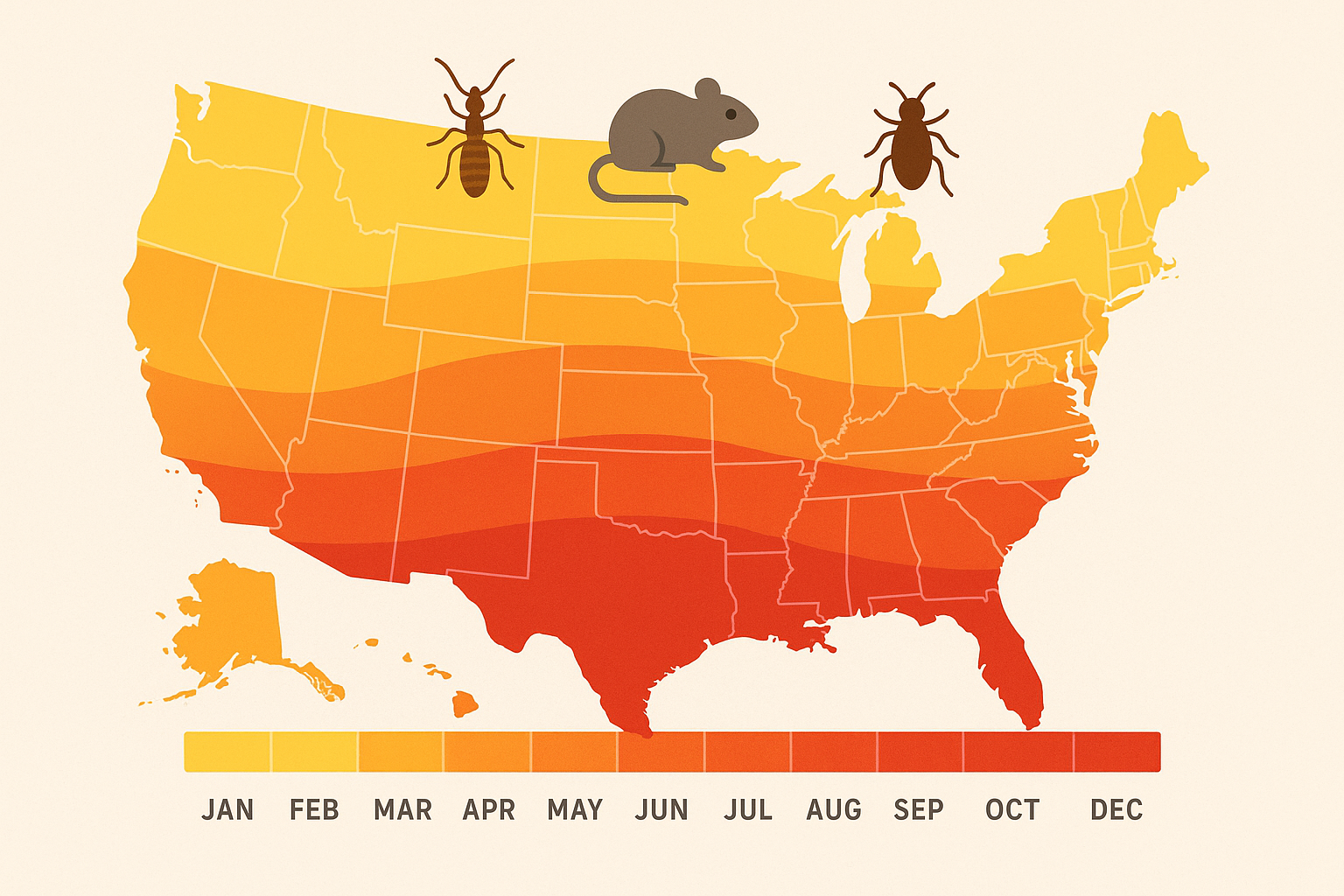
Temperature and humidity are the invisible conductors that cue pests to emerge, breed, and spread. Warm nights accelerate mosquito egg development, while high humidity fuels cockroach activity inside damp basements. Conversely, a sudden cold snap can halt termite foraging, forcing colonies deeper into the wood. Understanding these climate drivers lets homeowners anticipate when a particular invader is most likely to appear, and schedule treatments before the problem escalates.
Month‑by‑Month Heat Map
| Month | Termites | Mosquitoes | Rodents | Cockroaches |
|---|---|---|---|---|
| January | Low | Low | Medium | Low |
| February | Low | Low | Medium | Low |
| March | Medium | Low | Medium | Low |
| April | Medium | Medium | Medium | Low |
| May | High | High | Medium | Medium |
| June | High | High | High | Medium |
| July | High | High | High | High |
| August | High | High | High | High |
| September | Medium | Medium | Medium | Medium |
| October | Medium | Low | Medium | Low |
| November | Low | Low | Medium | Low |
| December | Low | Low | Medium | Low |
Regional nuances shift these patterns. In the Southeast, for example, the mosquito window stretches from March through October, driven by consistently warm, humid summers. The Southwest sees a compressed mosquito season—typically May to September—while rodent activity spikes earlier in the Midwest as homeowners seal up homes for winter, prompting mice to seek shelter indoors.
Mosquito‑related emergency department visits rise 35% during summer months (CDC 2023).
By aligning inspections and treatments with the calendar above, you can strike before pests hit their peak. Schedule a termite barrier before May, set up mosquito misting in late April for the Southeast, and arrange rodent exclusion in early fall when squirrels and rats begin their seasonal migrations.
Prevention Strategies Homeowners Can Implement
Keeping pests out starts long before the first bug crawls through your door. By tightening up the house’s “defenses” and tweaking a few everyday habits, you can dramatically shrink the invitation list for insects, rodents, and other unwelcome guests. Below are three practical, DIY‑friendly areas to focus on, plus a handy checklist you can print and post on your fridge.
Structural Barriers: Seal, Grade, and Screen
Even the tiniest opening can become a highway for pests. Take a walk around your home with a flashlight and a piece of cardboard—any crack wider than a pencil tip deserves attention.
- Seal cracks and gaps: Use a high‑quality silicone or acrylic caulk around windows, doors, utility penetrations, and the foundation. For larger gaps (over ½ inch), consider expanding foam that can be trimmed once cured.
- Proper grading: The soil should slope away from the house at least 6 inches over the first 10 feet. This directs rainwater away from the foundation, eliminating the moisture that attracts termites, ants, and rodents.
- Screen vents and windows: Install fine‑mesh screens on attic vents, dryer exhausts, and any openable windows. Replace torn screens promptly; a single hole can let in moths, flies, and even small rodents.
Landscaping Tips: Trim, Drain, and Manage
The yard is an extension of your home’s exterior. A well‑kept landscape removes shelter and water sources that pests love.
- Trim vegetation: Keep shrubs, trees, and vines at least two feet away from the house. Overhanging branches act as bridges for squirrels, raccoons, and insects.
- Eliminate standing water: Empty birdbaths, plant saucers, and clogged gutters weekly. Use a slope or a French drain to move excess water away from the foundation.
- Manage compost piles: If you compost, place the bin on a concrete pad, keep it at least three feet from the house, and cover it with a tight‑fitting lid. Turn the pile regularly to discourage flies and rodents.
Food Storage Practices: Keep the Kitchen Pest‑Proof
The kitchen is the most common feeding ground for pests. Simple storage habits can make a big difference.
- Airtight containers: Transfer cereal, flour, sugar, and pet food into sealed plastic or glass containers. Even a small opening in a bag can lure ants or pantry moths.
- Routine cleaning: Wipe countertops and sweep floors after each meal. Pay special attention to the area behind appliances where crumbs often hide.
- Trash management: Use bins with tight‑fit lids and take out the garbage before it overflows. For outdoor trash cans, add a layer of sand at the bottom to absorb moisture.
Printable Checklist
Want a quick reference you can hang in the garage or on the fridge? Download our free printable pest‑prevention checklist. It walks you through each of the steps above, month by month, so you never miss a spot.
Treatment Options and Pricing Transparency
When you call Anthem Pest Control, the first thing we lay out is a clear menu of treatment options, each matched with a transparent price range. Knowing exactly what you’re paying for—and why—helps you make a confident decision that protects your home and family.
Professional Treatment Categories
Chemical barriers involve applying a licensed, EPA‑approved liquid around the foundation, crawl spaces, and other entry points. The formulation creates an invisible wall that kills insects on contact and deters new invaders for months.
Bait stations are self‑contained devices that house attractants laced with a slow‑acting insecticide. Ants, cockroaches and some termites feed on the bait, carry the toxin back to the colony, and ultimately collapse the population without exposing residents to direct chemicals.
Traps—such as glue boards, snap traps, or live‑capture cages—target rodents and larger insects. They’re ideal for pinpointing hot spots, providing immediate results, and allowing homeowners to monitor activity levels between professional visits.
Biological controls leverage living organisms to suppress pests. For example, nematodes—microscopic worm‑like parasites—are introduced into soil to seek out and kill termite workers, offering a non‑chemical alternative that breaks the life cycle without residue.
2024 National Average Pricing
Below are the 2024 national average price ranges you’ll typically see on a detailed estimate from Anthem Pest. Local variations exist, but these figures give a reliable benchmark for budgeting.
- Termite inspection & treatment: $1,200 – $3,500 per property.
- General pest package (ants, roaches, spiders): $150 – $350 per visit, often bundled into quarterly or semi‑annual plans.
- Mosquito barrier spray: $100 – $250 per season, covering up to 5,000 sq ft of yard space.
Safety First: EPA‑Approved Products & Certifications
All of our solutions are EPA‑approved and applied by technicians who hold the required state certifications. We prioritize low‑odor, low‑toxicity products that meet strict residential safety standards, and we always discuss any pets, children, or allergies before treatment begins.
Our approach also follows Integrated Pest Management (IPM) principles, meaning chemicals are used as a last resort after we’ve inspected, identified entry points, and recommended non‑chemical preventive steps.
Warranty Terms and Follow‑Up Schedules
Transparency doesn’t stop at price; it extends to what you receive after the service is completed. A standard 12‑month termite warranty covers re‑treatment if activity is detected within the protected zone, and it includes two complimentary quarterly re‑inspections to verify effectiveness.
For general pest packages, most plans come with a 30‑day guarantee—if you see the same species return within that window, we’ll re‑treat at no extra charge. Mosquito barrier contracts typically include a follow‑up spray after heavy rain events to maintain the protective layer.
By laying out the treatment type, exact cost range, safety credentials, and warranty expectations up front, Anthem Pest empowers homeowners to choose the solution that fits both their budget and peace‑of‑mind.
Choosing a Local Professional – Why Anthem Pest Stands Out
When pests invade, you need a partner that can react fast, stay compliant with regulations, and understand the quirks of your neighborhood. Anthem Pest combines a nationwide network with the personal touch of a local expert, giving homeowners the confidence that help is just a phone call away—day or night.
Nationwide Reach & 24/7 Emergency Service
With service centers in every major U.S. region, Anthem Pest can dispatch a licensed technician to your doorstep within hours, no matter whether you live in Arlington, TX, Portland, OR, or Tampa, FL. Our 24/7 emergency line means you never have to wait until business hours to address a sudden infestation of rodents, wasps, or bed bugs. The same centralized system that powers our national logistics also tracks local weather patterns, allowing us to anticipate seasonal spikes and pre‑emptively protect your home.
EPA‑Registered Technicians & Approved Products
All of our field agents are EPA‑registered technicians who undergo continuous training on the latest pest‑control science. They exclusively apply EPA‑approved products that meet strict safety standards for families, pets, and the environment. This rigorous compliance not only reduces the risk of chemical exposure but also ensures that each treatment is both effective and legally defensible, giving you peace of mind long after the job is done.
Tailored Plans for Your Neighborhood
Every community faces its own set of pest challenges. In Arlington, Texas, the hot, humid summers invite termites and fire ants; in Portland, Oregon, damp basements are a breeding ground for carpenter ants and rodents; in Tampa, Florida, mosquito season peaks earlier and lasts longer. Anthem Pest designs customized treatment schedules that align with these local patterns, using data‑driven insights to target the right pests at the right time. By adapting our protocols to each ZIP code, we eliminate the “one‑size‑fits‑all” approach that many national chains rely on.
“We called Anthem Pest after discovering a swarm of wasps in our garage. A technician arrived the same night, explained the EPA‑safe spray, and the problem was gone by morning. It felt like they were right in our neighborhood, not a distant call center.” — Jenna M., Arlington, TX
Ready to experience a pest‑control service that blends national resources with local expertise? Call us now at 877‑371‑8196 or visit anthempest.com to schedule your personalized inspection. Your home deserves a partner that’s both everywhere and right next door.
Frequently Asked Questions
Do DIY pesticides work as well as professional services?
According to the National Pest Management Association’s 2022 efficacy study, professionally applied treatments achieved an average 92 % reduction in target pests, while over‑the‑counter DIY products averaged 68 %. The study examined common household pests such as ants, cockroaches, and indoor flies across 1,200 homes.
The gap isn’t just about concentration. Licensed technicians know the exact placement, dosage, and timing required to reach hidden hotspots—like wall voids, sub‑floor spaces, and outdoor perimeters. They also follow an integrated pest‑management (IPM) approach that combines monitoring, sanitation, and targeted treatment. For stubborn infestations like termites or bed bugs, a DIY spray may offer a temporary reprieve, but the professional route typically prevents recurrence and protects your home’s structural integrity, ultimately saving you money.
How often should I schedule inspections?
We recommend a two‑tier schedule that aligns with pest life cycles and seasonal pressure:
- Annual termite inspection: Conducted before the spring‑summer buildup, this visit checks for early termite activity in foundations, crawl spaces, and wooden structures, allowing us to intervene before damage becomes costly.
- Quarterly general pest checks: Ants, rodents, cockroaches, and mosquitoes each have peak periods. A visit in early spring, midsummer, early fall, and winter keeps these pests in check and lets us adjust treatment plans as conditions change.
If you notice a sudden surge—such as swarms of flies after a rainstorm—call us right away. Early intervention often requires only a targeted spot‑treatment rather than a full‑scale service.
Are treatments safe for pets and children?
Modern pest‑control programs prioritize low‑toxicity options that meet or exceed EPA safety standards. Products such as borate‑based termiticides, pyrethrin‑derived sprays, and microbial larvicides have demonstrated minimal risk when applied by trained professionals.
Our technicians follow EPA‑approved protective measures, including:
- Applying chemicals to concealed areas (foundations, wall voids, crawl spaces) rather than open living spaces.
- Using calibrated equipment to avoid over‑application and ensure precise coverage.
- Providing a clear re‑entry timeline—typically 2‑4 hours for most sprays, and up to 24 hours for foggers.
For families with especially sensitive members, we can customize a pet‑friendly plan that relies on bait stations, traps, and non‑chemical barriers, further reducing any exposure risk while still delivering effective control.
Secure Your Home with Expert Pest Protection
Throughout this guide we’ve walked you through the four pillars of a solid pest‑management plan: spotting early warning signs, timing treatments to the season, sealing entry points, and calling in licensed professionals for targeted eradication. By following these steps, you reduce the chance of costly infestations and protect your health.
- Identification: Learn the tell‑tale signs of termites, rodents, bed bugs and more before they spread.
- Seasonal timing: Attack pests when they’re most vulnerable—spring for ants and mosquitoes, fall for rodents.
- Prevention: Keep homes dry, trim vegetation, and seal cracks to deny pests a foothold.
- Professional treatment: Use EPA‑approved products applied by certified technicians for lasting results.
Anthem Pest stands behind safe, effective, and affordable solutions, and we pride ourselves on transparent pricing—no hidden fees, just clear, upfront quotes. Our technicians stay current with the latest integrated pest management techniques, ensuring both efficacy and environmental stewardship.
Ready to protect your family and property? Schedule a free, no‑obligation inspection today. Call us at 877‑371‑8196 and one of our friendly specialists will assess your situation and provide a customized plan.
Take the first step toward a pest‑free home—contact Anthem Pest now or visit our website to learn more.