Emergency Fly Invasion at Dinner
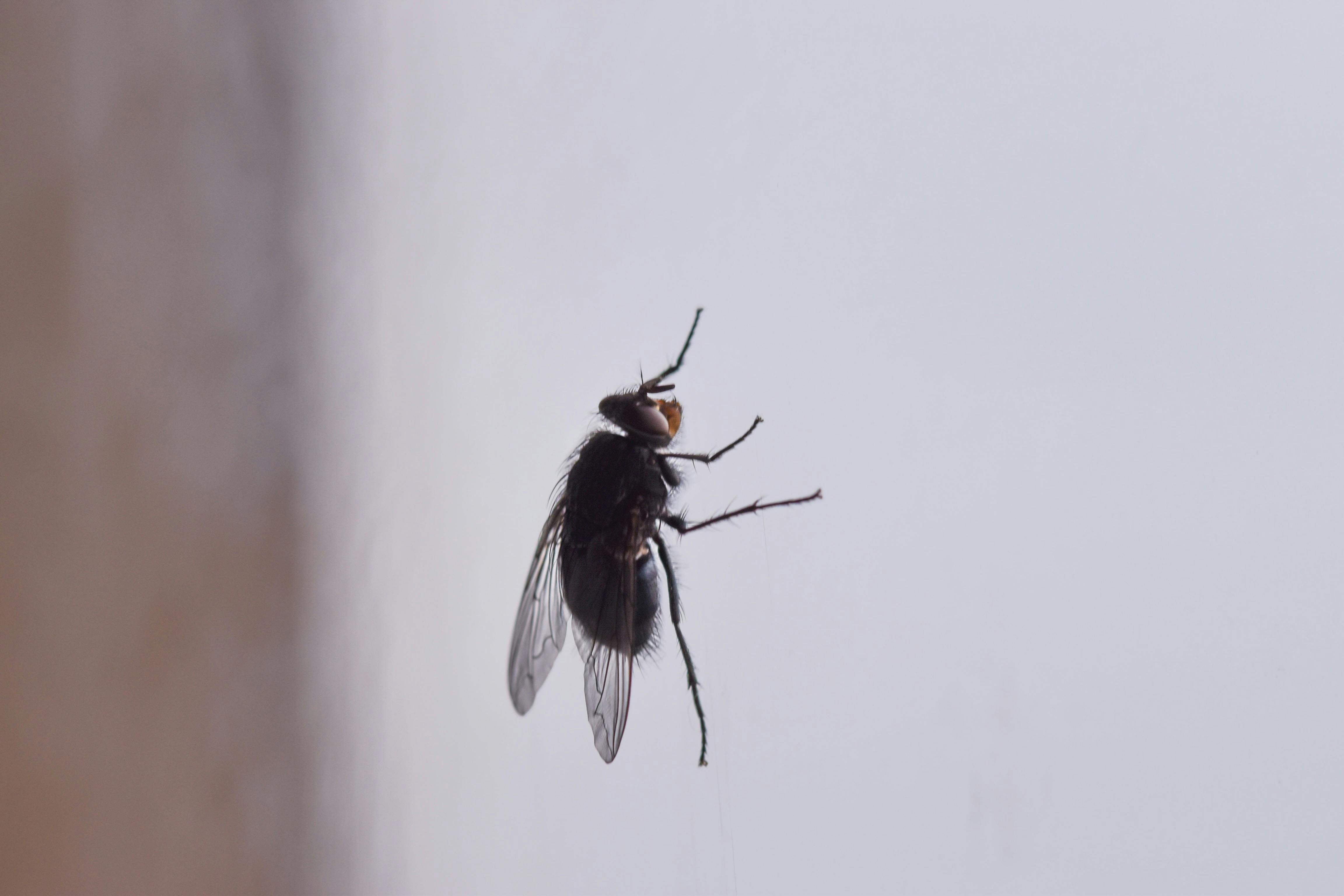
Emergency house fly control Vinings GA is crucial when you imagine the clang of silverware, the aroma of roasted chicken, and the laughter of your Vinings family—suddenly broken by a relentless buzz. Within minutes, dozens of house flies cascade onto the plates, landing on salads, dipping sauces, and even the dessert. The pleasant evening turns into an urgent scramble for wipes, fly swatters, and a desperate wish for the swarm to disappear.
The culprit is the common house fly (Musca domestica), a compact insect roughly 6‑9 mm long—about the size of a thumbnail. These flies thrive in warm, humid environments, love sugary foods, and breed in hidden pockets of organic waste. What makes them an emergency isn’t just their annoyance; it’s their role as disease vectors. According to the CDC, house flies can spread more than 100 pathogens [CDC, 2024], including bacteria that cause food poisoning, dysentery, and even eye infections.
emergency house fly control Vinings GA homeowners, a sudden fly invasion at dinner does more than ruin a meal—it jeopardizes health and comfort. Contaminated food can lead to gastrointestinal distress for children and elders, while the constant buzzing erodes the sense of safety inside your own home. The psychological impact is real: a kitchen that feels unclean can increase stress and diminish the enjoyment of family gatherings.
But you don’t have to accept the chaos. This section sets the stage for a clear, step‑by‑step emergency response plan that will eliminate the immediate threat, followed by a long‑term prevention strategy tailored to Vinings’ climate and typical household habits. Stay with us, and you’ll learn how to regain control of your dinner table—and your peace of mind—quickly and safely.
Confirming a House‑Fly Infestation
Before you call in a professional, you need to be sure the buzzing you hear isn’t just a stray visitor. In Vinings, a single house fly can quickly become a full‑blown nuisance if it finds food, water, and shelter. Spotting the tell‑tale signs early lets you act before the problem spreads to every corner of your home.
Key identification traits
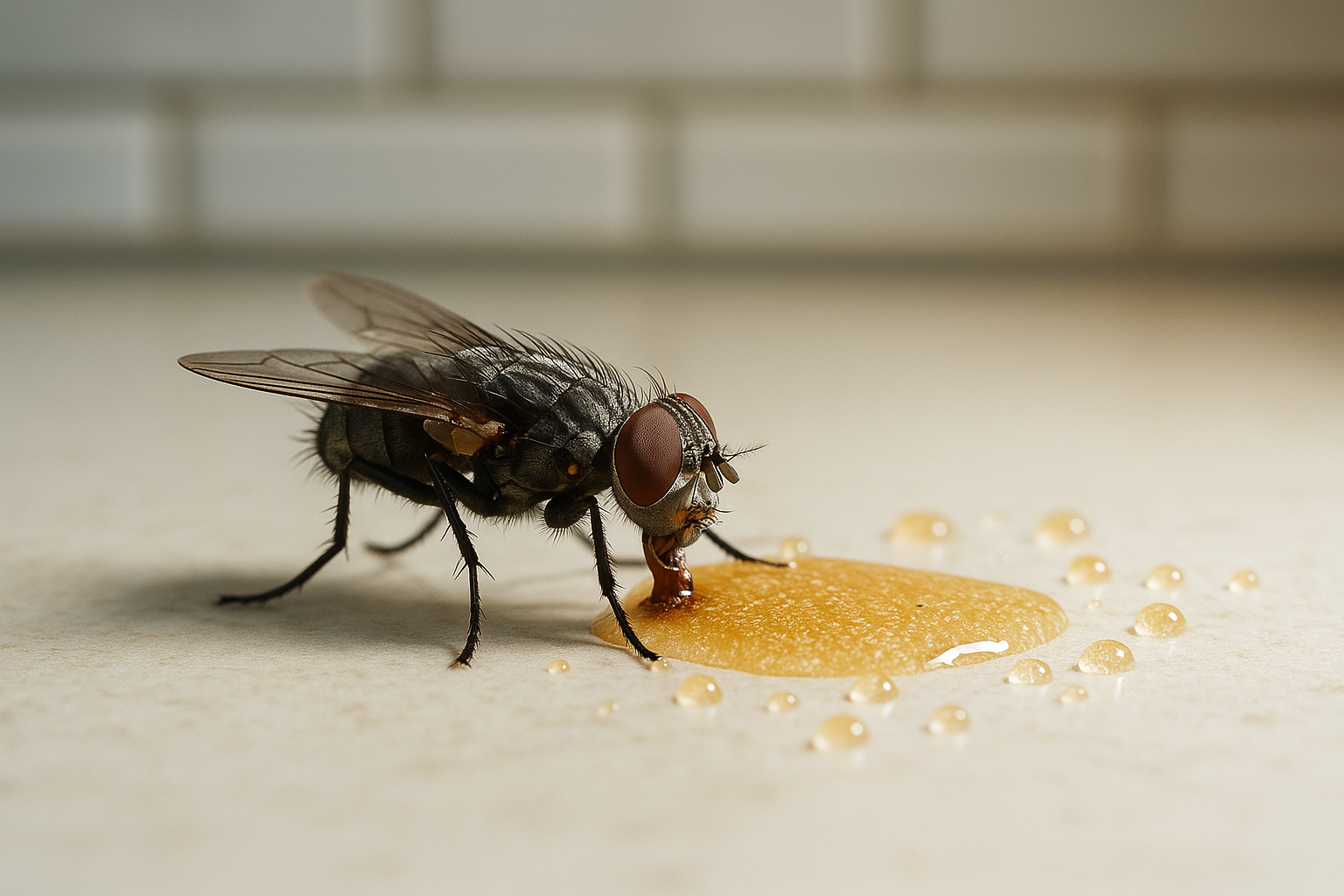
- Length: 6‑9 mm (about the size of a small grain of rice).
- Body color: Uniform gray‑black, giving a dull metallic sheen.
- Thorax pattern: Four distinct black stripes running lengthwise across the middle segment.
- Eyes: Bright red, easily visible when the fly is stationary.
- Wings: Transparent with faint veins; they rest flat over the abdomen when the fly lands.
Typical hotspots in Vinings homes
House flies are opportunistic; they gravitate toward the places where food and moisture are most accessible. In the Vinings climate, the following spots become fly magnets:
- Kitchen counters – crumbs, spills, and uncovered dishes provide an instant buffet.
- Pet feeding stations – wet food and water bowls attract flies looking for protein.
- Uncovered trash bins – organic waste releases odors that lure flies from the street.
- Outdoor patios – open-air dining areas and grills create a perfect breeding ground.
- Entryways – doors and screened windows often serve as highways for flies entering from nearby green spaces.
According to the Vinings County Health Department, there was a 12 % rise in fly complaints during June‑August 2023, underscoring how quickly a minor sighting can become a community concern.
Printable checklist
| Observation | Check |
|---|---|
| Do I see flies landing on food surfaces? | ☐ |
| Are flies repeatedly landing on pets or pet bowls? | ☐ |
| Is there a noticeable foul odor near trash or drains? | ☐ |
| Are flies congregating near windows, doors, or patio furniture? | ☐ |
| Do I notice fly larvae (tiny white maggots) in garbage or compost? | ☐ |
Why early detection matters
House flies reproduce rapidly—females can lay up to 150 eggs in a single batch, and each egg hatches within 24 hours under warm Vinings conditions. emergency house fly control Vinings GA Detecting a few adults today prevents a cascade of larvae, pupae, and dozens of new flies within a week. Early intervention means fewer chemicals, lower costs, and a quicker return to a comfortable, fly‑free home.
Quick DIY Actions to Stop the Swarm
Sanitation First
Flies are attracted to anything that smells like a buffet. The fastest way to break the cycle is to eliminate those food sources. Wipe down countertops, sweep up crumbs, and mop any spills within minutes of the mess occurring. Store all garbage in containers that seal tightly, and pull the bins to the curb no more than once a day. The EPA’s 2023 sanitation guidelines for house flies recommend a “clean‑up‑every‑hour” rule in kitchens and dining areas to keep fly populations from taking root.
Physical Traps
When sanitation alone isn’t enough, traps give you a visual cue that the problem is being reduced. Three low‑cost options work well for most Vinings homes:
- Disposable sticky traps: Hang them in high‑traffic zones such as near the sink, pantry doorway, or under a light fixture. Replace every 48 hours.
- UV‑light traps: Plug‑in units draw flies to a bright LED and electrocute or capture them on a glue board. Position them away from human activity to avoid accidental contact.
- Homemade bottle trap: Cut the top off a 2‑liter soda bottle, invert it, and insert the funnel back into the base. Fill the bottom with a sugar‑water bait (see recipe below) and a drop of dish soap to break surface tension.
Sugar‑water bait recipe:
- Mix 1 cup of warm water with ¼ cup of granulated sugar.
- Stir until the sugar fully dissolves.
- Add 1 tablespoon of honey for extra aroma.
- Finish with a few drops of liquid dish soap; this prevents flies from escaping once they land.
- Pour the solution into the bottle trap, ensuring the liquid level stays below the funnel opening.
Rapid‑Acting Sprays
If you need an instant knock‑down, two EPA‑registered indoor aerosols are both effective and widely available:
- FlyAway (pyrethrin‑based): Apply one 15‑second burst per 10 sq ft, covering the flight path of the insects. The label advises a 30‑minute re‑entry time before occupying the treated area.
- InstantFly (synthetic pyrethroid): Use two short sprays (approximately 10 seconds total) on window sills, door frames, and light fixtures. Wait at least 30 minutes before resuming normal activity.
Both products require you to keep the room well‑ventilated during application. Open windows or run a fan to disperse any residual aerosol.
Outdoor Perimeter Treatment
Flies often enter through gaps around doors, windows, and eaves. A residual perimeter spray creates a chemical barrier that stays active for roughly three months. emergency house fly control Vinings GA Choose an EPA‑registered outdoor formulation—such as a bifenthrin‑based concentrate—and apply it at the manufacturer’s recommended rate (usually 0.5 oz per 100 sq ft). Focus on the outer edge of the foundation, the undersides of eaves, and the frames of all exterior openings. Re‑treat after heavy rain or every 90 days to maintain protection.
Safety First: PPE and Precautions
Even “home‑grown” pest control can pose risks if handled improperly. Before you start any spray or trap deployment, gear up:
- Wear disposable nitrile gloves to protect skin from chemicals.
- Use a N95‑type mask or respirator if you’re sensitive to aerosols.
- Ensure good ventilation—open windows and doors, and run an exhaust fan.
- Keep children and pets out of the treatment zone until the re‑entry time has elapsed.
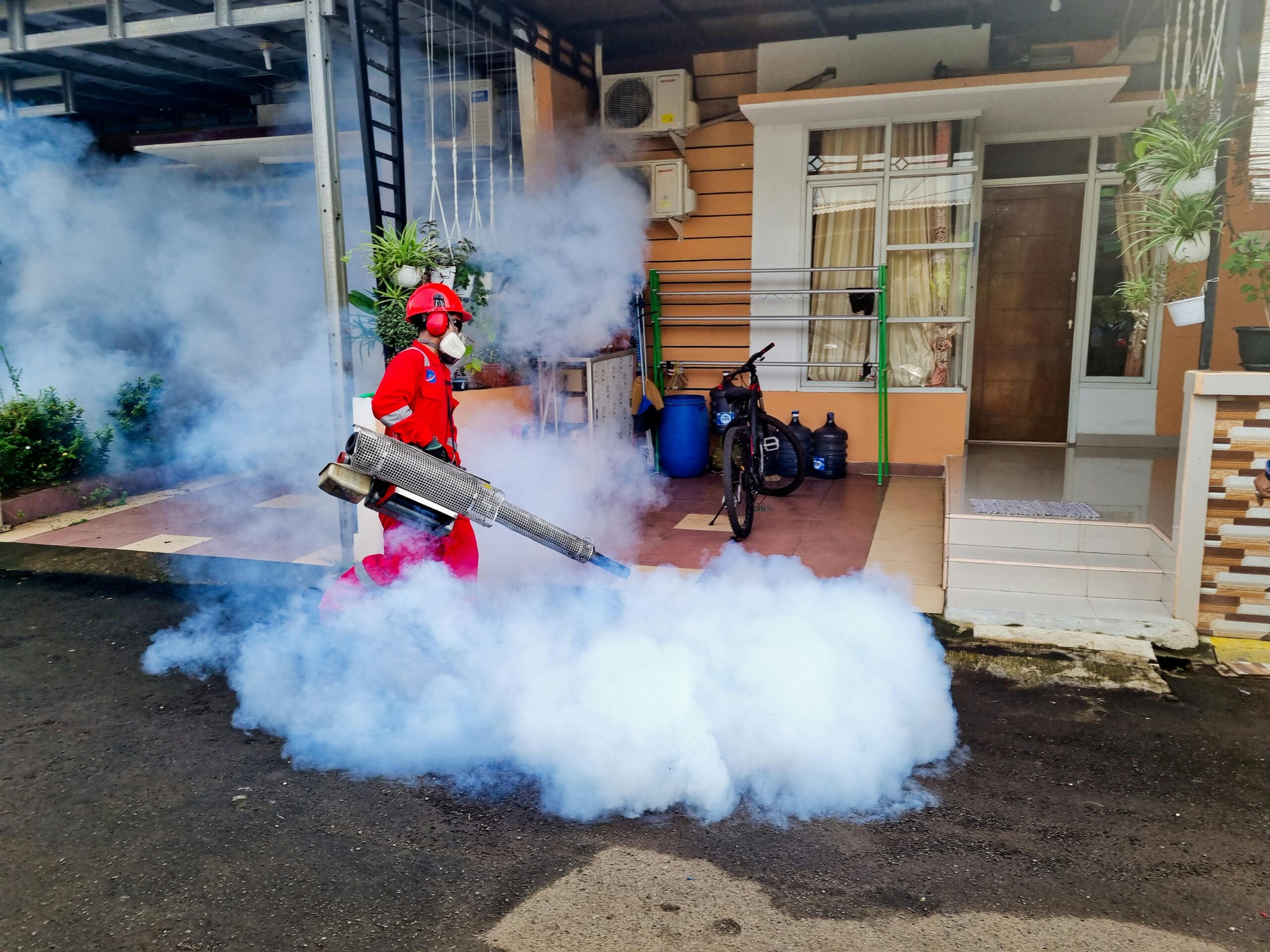
Following these simple steps can dramatically shrink a fly swarm while you wait for a professional visit from Anthem Pest Control. The key is swift sanitation, targeted trapping, and careful use of EPA‑approved sprays—all done safely, so you can breathe easy while the flies disappear.
Non‑Chemical Prevention Techniques
Exclusion: Seal the House Like a Fortress
Flies locate the tiniest openings to slip inside. Installing fine‑mesh screens on every door and window creates a physical barrier that even the smallest house fly cannot penetrate. Check that screens are intact—no tears or gaps around the frame. Where cracks appear in walls, baseboards, or around utility penetrations, fill them with a high‑quality caulk. emergency house fly control Vinings GA Weather‑stripping around doors and sliding panels adds another layer of defense, preventing drafts that often carry insects. A quick visual sweep each season and a few minutes of caulking can eliminate the majority of entry points.
Biological Control: Enlist Nature’s Tiny Hunters
For outdoor breeding sites, such as compost piles or animal shelters, consider releasing parasitic wasps of the Spalangia genus. These wasps locate fly pupae, lay their own eggs inside, and the developing larvae consume the fly from the inside out. USDA research published in 2021 showed a 78 % reduction in adult fly emergence when Spalangia wasps were released weekly at a 1:10 wasp‑to‑pupa ratio. The wasps are harmless to humans, pets, and beneficial insects, making them an eco‑friendly alternative to broad‑spectrum insecticides.
Sanitation Reinforcement: Keep the Environment Unattractive
Schedule a weekly deep‑cleaning routine focused on three high‑risk zones:
-
- Pet areas – Remove solid waste, wash bedding, and rinse water bowls daily.
<
When Professional Help Is Needed
Red‑Flag Situations
Most homeowners can manage a few stray flies, but certain signs mean it’s time to call a professional. Watch for any of the following:
-
-
- More than 50 flies per hour buzzing around interior spaces.
- Evidence of breeding inside wall voids or ceiling cavities.
- DIY sprays, traps, or homemade remedies that have done nothing after 48 hours.
- Visible larvae or maggots in garbage bins, drains, or compost areas.
-
When one or more of these red‑flags appear, the infestation is likely beyond the reach of over‑the‑counter solutions.
Anthem Pest Emergency Response
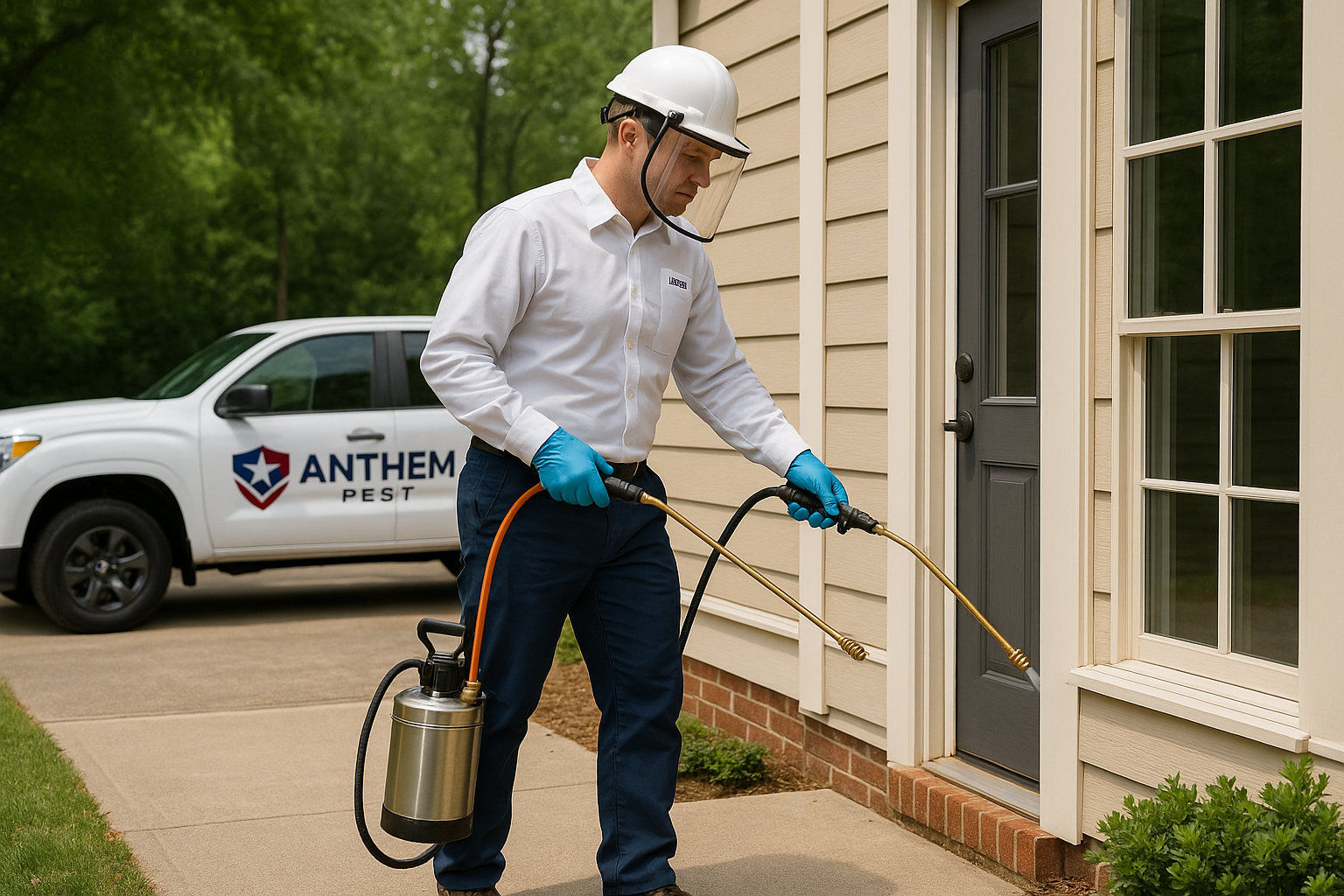
Our emergency workflow is built for speed and effectiveness, ensuring you regain a comfortable home environment as quickly as possible.
-
-
- 24‑hour same‑day appointment: Call us, and a certified technician will be at your door within the day.
- On‑site inspection: We locate breeding sites, assess wall voids, and identify any hidden larvae.
- Targeted residual indoor spray: EPA‑registered product applied to fly hotspots for up to 12 weeks of protection.
- Perimeter treatment: Exterior spray creates a barrier that stops new flies from entering.
- Follow‑up visit: A second inspection confirms the treatment’s success and addresses any lingering activity.
-
Transparent Pricing
We believe homeowners should know exactly what they’re paying for. Below is a quick reference for our emergency packages. Prices vary with square footage, but the ranges give you a clear idea of the investment.
| Service | Price Range |
|---|---|
| Emergency indoor spray (single treatment) | $149 – $199 |
| Full‑service indoor + perimeter treatment | $249 – $299 |
Our Credentials and Coverage
Anthem Pest is a fully licensed Georgia pest‑control operator. Our technicians are trained, background‑checked, and equipped with the latest tools. We proudly serve Vinings, Cumberland, West Cobb, and the surrounding neighborhoods, bringing local expertise to every job.
Safety First
All applications use EPA‑registered products that are proven low‑impact for humans and pets. Technicians wear personal protective equipment (PPE) and follow strict application guidelines. We stand behind our work with a guarantee: if flies return within the treatment window, we’ll re‑treat at no additional cost.
Seasonal Prevention Plan for Vinings Homes
House flies (Musca domestica) follow a rapid four‑stage life cycle: egg → larva (maggot) → pupa → adult. Under Vinings’ typical summer highs of 85‑95°F, each stage can compress into just a few days, allowing a full generation to appear in under a week. Cooler fall and winter temperatures slow development dramatically, giving you a natural pause that can be reinforced with targeted prevention.
Fly Life Cycle at a Glance
Eggs are laid in moist organic matter—think kitchen scraps, pet waste, or decaying plant material. Within 24‑48 hours, they hatch into larvae that feed voraciously for 3‑5 days before forming a puparium. The pupal stage lasts another 2‑4 days, after which an adult emerges, ready to reproduce. Warm, humid conditions accelerate each transition, so early summer is the critical window for intervention.
Month‑by‑Month Checklist
-
-
- May – Pre‑summer perimeter spray & deep‑clean outdoor grills: Apply a residual EPA‑approved insecticide around foundation walls, doors, and windows to create a barrier before flies become active. Scrub grill grates, drip pans, and nearby patio surfaces to eliminate hidden organic residues that could serve as breeding sites.
- June – August – Weekly trap checks & sanitation: Deploy UV or baited fly traps near kitchens, garbage areas, and patios. Inspect and empty them at least once a week. Keep trash cans tightly sealed, clean pet feeding stations daily, and mop up any spilled liquids within 30 minutes to deny larvae food sources.
- September – Post‑summer deep clean & hotspot treatment: Conduct a thorough sweep of decks, sheds, and garden beds. Treat any lingering hotspots—such as compost piles or damp woodpiles—with a targeted spray following the EPA Georgia seasonal guide. This reduces overwintering populations.
- October – April – Low‑risk maintenance: Perform seasonal screen inspections, repairing tears or gaps that could let flies re‑enter. Store outdoor trash bins in a sealed area, and limit standing water. These low‑effort steps keep the environment unattractive during the cooler months when fly activity is naturally low.
-
Following the EPA’s Georgia guidelines, schedule a professional perimeter treatment in early May and a follow‑up in September. Both applications use products vetted for human safety and environmental compliance, ensuring your family and pets stay protected.
Tip: Add each action to your digital calendar with a reminder a few days before the due date. A quick notification can keep you on track, turning a once‑a‑year chore into a seamless part of your home‑maintenance routine.
Local Insights and Homeowner Testimonial
Most Affected Neighborhoods
In Vinings, the fly problem tends to cluster in three busy areas: the Cumberland district, the West Cobb subdivision, and the Bridgepointe community. These neighborhoods share a mix of dense housing, frequent outdoor gatherings, and high foot traffic, which together create ideal conditions for house flies to thrive. Summer humidity pushes fly numbers higher, especially when temperatures stay above 80°F for several days.
Typical Fly Hotspots
Homeowners in these zones often see flies gathering around outdoor grills, nearby community parks, and the shared trash collection points. Warm grill residue, uncovered garbage, and the shade of park benches provide perfect breeding and feeding stations, turning a pleasant evening into an itchy, buzzing nuisance. Wiping grill grates after each cookout and ensuring park trash cans have tight lids cuts down on food sources.
Local Prevention Tip
One practical step that makes a noticeable difference is to keep the Cumberland Mall parking lot trash compacted and covered. The mall’s waste containers are a magnet for flies; sealing them promptly removes a major food source and helps keep the surrounding streets fly‑free.
“After a sudden fly invasion, Anthem Pest’s same‑day service saved our family dinner. Their technician was professional and the flies were gone within hours.” – A. Smith, Vinings resident.
When you combine neighborhood‑specific actions with a trusted partner like Anthem Pest, you can stop a fly outbreak before it spreads to your porch, patio, or kitchen. A quick call to Anthem Pest Control (877‑371‑8196) can secure a same‑day inspection, ensuring your home stays comfortable and fly‑free.
Take Action with Anthem Pest Today
When a house fly invasion strikes, the fastest way to regain control is to follow four proven steps.
-
-
- Remove food residues, wipe down surfaces, and secure garbage to eliminate the flies’ breeding grounds.
- Set up sticky traps or UV light traps near entry points to catch the active adults.
- Apply a fast‑acting, EPA‑registered spray to interior walls, door frames, and window sills for immediate knock‑down.
- If flies persist after 24 hours, or if you notice a large colony, call a licensed professional right away.
-
Choosing Anthem Pest means you get a rapid response team that uses only EPA‑registered products, transparent pricing, and deep local knowledge of Vinings’ pest patterns.
Our certified technicians arrive on schedule, assess the severity, apply a targeted treatment, and design a prevention plan that fits both your calendar and your budget.
Delaying treatment gives flies time to lay eggs, turning a single nuisance into a full‑scale infestation that can spread to neighboring rooms and outdoor spaces.
Because we serve Vinings exclusively, we know which fly species thrive here and which seasonal patterns affect their activity, allowing us to tailor interventions for maximum impact.
Call 877‑371‑8196 for a free emergency quote or schedule service online today. Visit Anthem Pest Control to learn more and secure a fly‑free home.