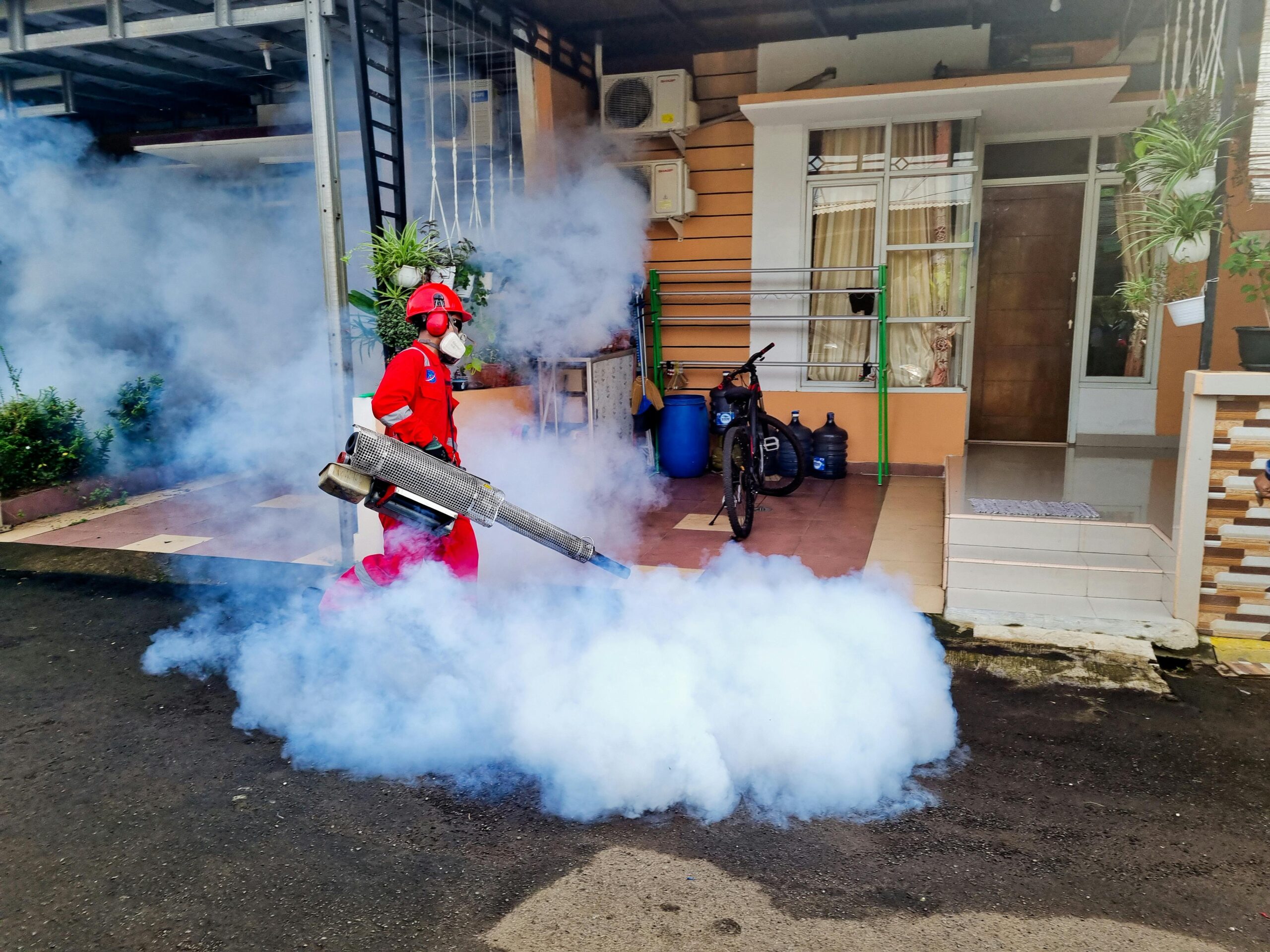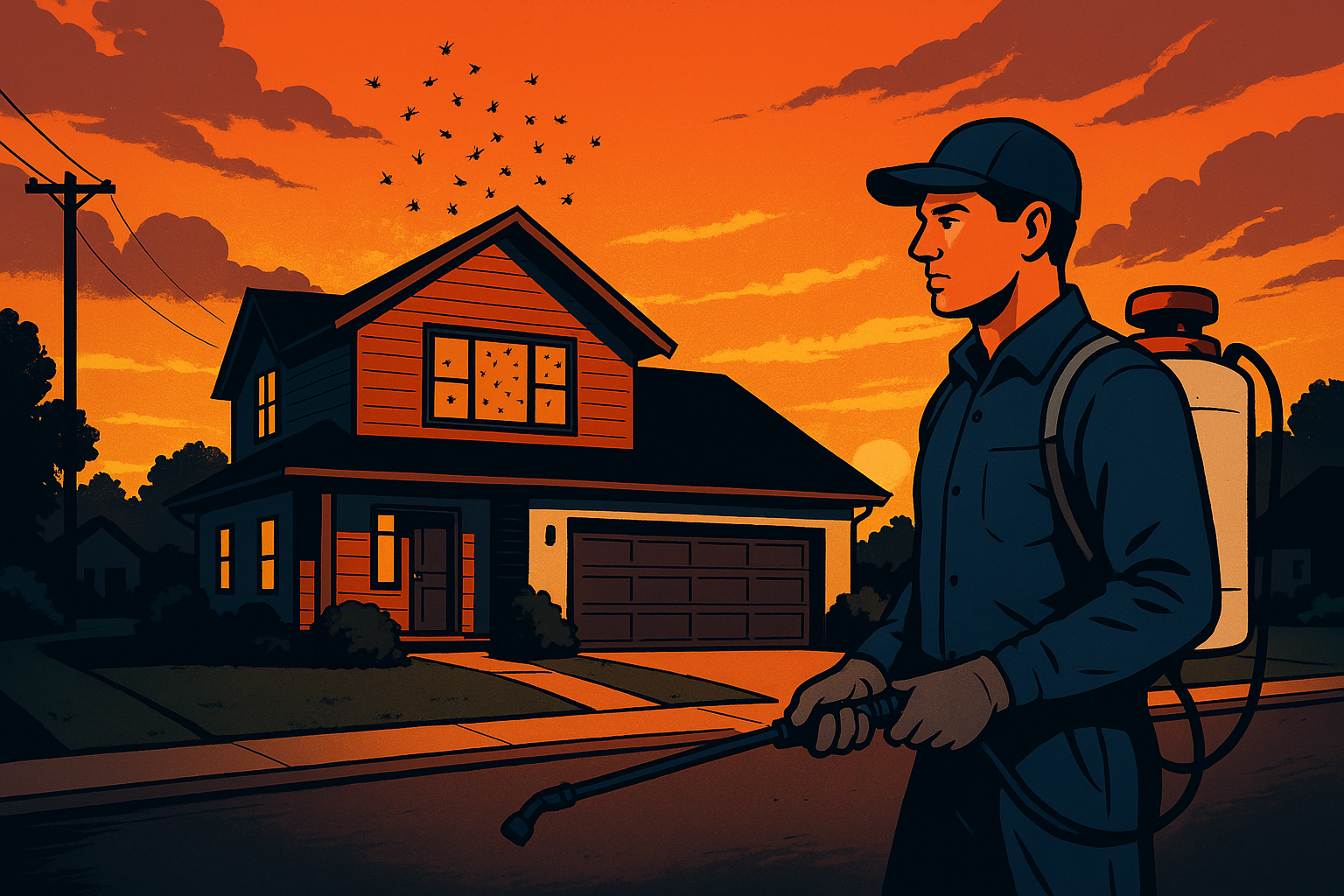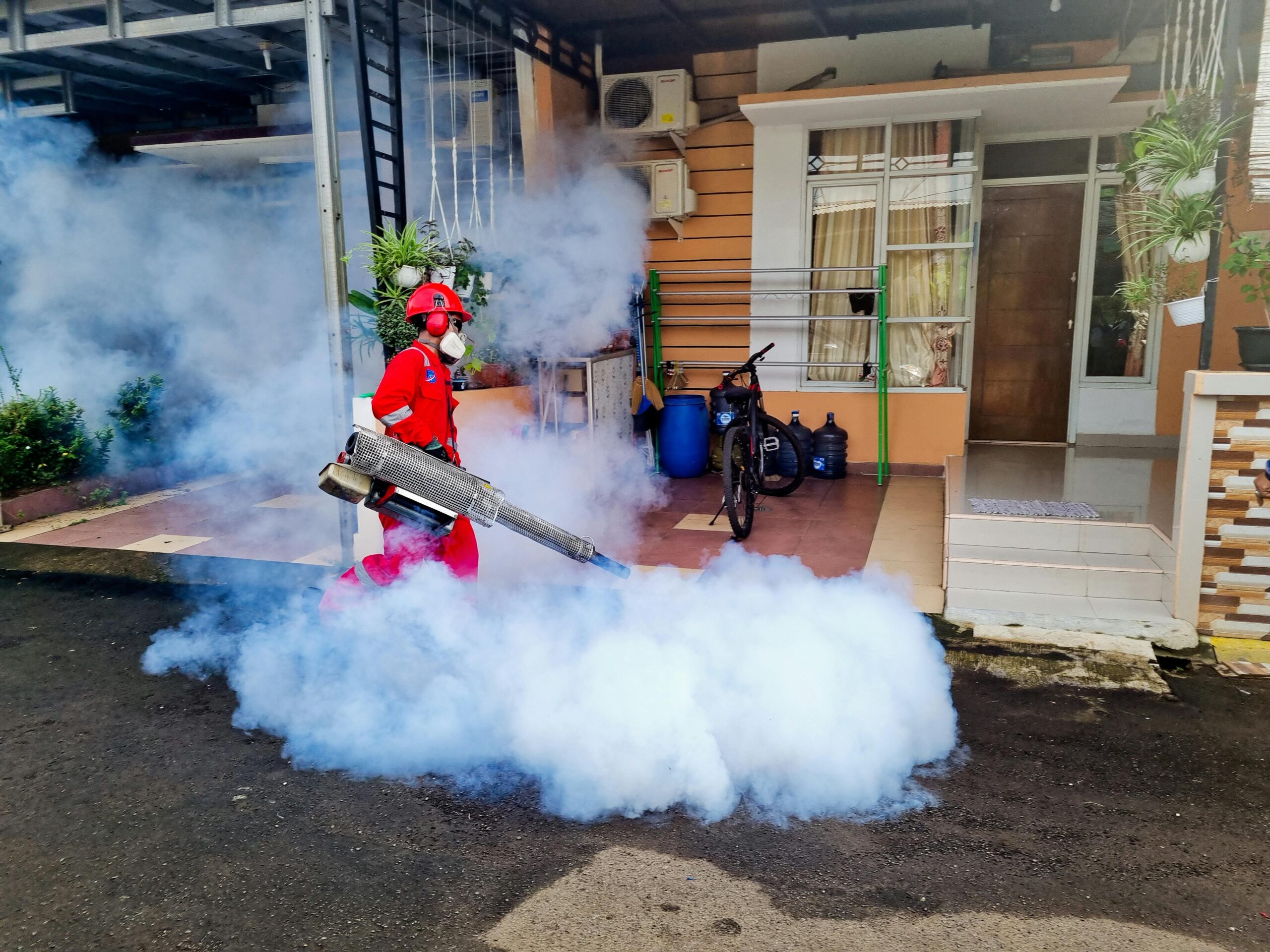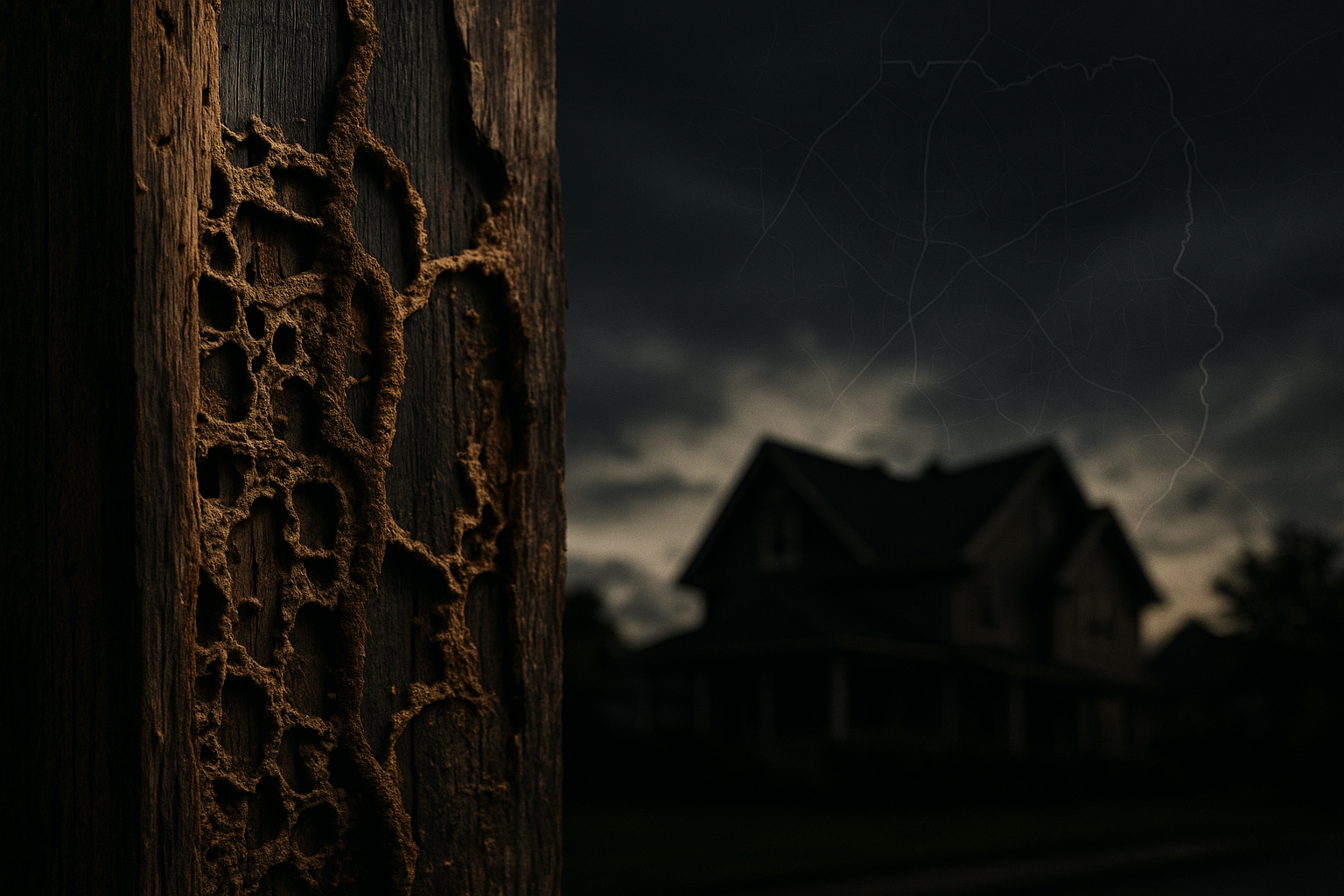
Termite Crisis in Smyrna, Georgia

Smyrna’s climate is a double‑edged sword for homeowners. Warm summers, high humidity, and frequent rain create an inviting environment for subterranean termites, the silent destroyers that thrive in moist soil and wood. Add to that the city’s rich inventory of early‑20th‑century bungalows, Victorian‑style homes, and mid‑century ranches—structures built before modern termite‑resistant construction methods became standard. Those older wooden foundations, crawl spaces, and expansive lawns provide the perfect highway for colonies to expand unnoticed. Ensuring effective termite control Smyrna is essential to protect your home before damage spreads.
The numbers back up the urgency. According to the U.S. Environmental Protection Agency, termites are responsible for an estimated $5 billion in property damage each year across the United States. That staggering figure underscores how a seemingly minor infestation can snowball into a costly structural nightmare, especially in regions like Smyrna where the climate accelerates termite activity.
A real‑world wake‑up call
Just last month, a Smyrna homeowner named Lisa (pseudonym for privacy) returned from a severe thunderstorm to find a small, dark patch on her living‑room wall. Assuming it was water damage, she called a roofer, only to discover a network of mud tubes leading straight to a hollowed‑out wooden joist. The inspection revealed that a mature termite colony had been feasting on her home’s framing for months, hidden beneath a layer of paint and drywall. The repair estimate? Over $12,000 for structural replacement and finishing work—an expense that could have been avoided with early detection.
Why early detection matters
Termites work silently. They consume wood from the inside out, leaving no visible signs until the damage is extensive enough to affect structural integrity. Spotting the first telltale signs—such as discarded wings, mud tubes, or a faint hollow sound when tapping wood—can save homeowners thousands of dollars. Early intervention not only curtails the colony’s growth but also protects the resale value of the property, a crucial factor in Smyrna’s competitive real‑estate market.
What to expect next
In the sections that follow, we’ll walk you through the exact emergency response steps you should take the moment you suspect a termite problem. From immediate safety measures and DIY inspection tips to contacting a licensed professional for a rapid assessment, the guide is designed to empower you with data‑driven actions. By the end, you’ll know exactly how to mobilize a swift, effective response that stops termites in their tracks and safeguards your home’s foundation.
Red Flags That Demand Immediate Action
When termites slip past the usual inspections, the damage can spread before you even notice a problem. The difference between a minor nuisance and a full‑blown structural emergency often comes down to how quickly you recognize the visual clues. In Smyrna, Georgia’s humid climate, termites thrive year‑round, so spotting these red flags the moment they appear can save you thousands of dollars and protect the safety of your home.

1. Mud Tubes on Foundations or Walls
Mud tubes are the most recognizable sign of an active termite colony. These pencil‑thin, mud‑like tunnels wind their way from the soil up onto concrete foundations, wooden sill plates, or even the exterior walls of your house. Termites construct them as protected highways, keeping their moist bodies safe from predators and the drying effects of the sun. If you see a network of these tubes—especially in damp areas near the garage floor, crawl spaces, or basement walls—it means termites are actively feeding and expanding their reach. A single tube can be as narrow as a pencil, but a dense web of tubes often signals a mature, thriving colony that will soon begin to hollow out any wood it can reach.
2. Hollow‑Sounding Wood When Tapped
Sound is a surprisingly reliable diagnostic tool. When you gently tap a wooden beam, joist, or door frame, solid wood produces a firm, resonant thud. If the wood has been compromised by termites, the same tap will emit a dull, hollow echo, indicating internal voids where the insects have eaten away at the core. This symptom is especially common in load‑bearing elements such as support beams, porch posts, and the framing around windows and doors. Because the damage is already inside the wood, it’s often invisible on the surface until the structural integrity is seriously weakened. Homeowners who notice this change should treat it as an emergency—waiting even a few weeks can allow the colony to widen the tunnels, dramatically increasing repair costs.
3. Swarmers (Winged Termites) Appearing in Spring
Swarmers are the reproductive winged termites that leave the safety of the colony to start new families. In Georgia, they typically emerge in late spring when temperatures consistently rise above 75°F. Finding a cluster of these delicate, light‑brown insects on a porch, window sill, or inside a light fixture is a clear alarm bell. Swarmers do not cause damage themselves, but their presence tells you that a mature, established colony exists somewhere nearby—often hidden within walls, under floorboards, or in the crawl space. The appearance of swarmers means the colony has reached a size capable of producing new colonies, and the next generation could begin infesting adjacent structures if left unchecked.
According to the National Pest Management Association (NPMA), 30 % of termite infestations are discovered only after structural damage has already occurred. This statistic underscores how easily the early signs can be missed and why immediate action is essential. The cost of repairing compromised joists, replacing sections of flooring, or shoring up a sagging foundation can easily eclipse the price of a professional termite treatment performed at the first hint of trouble.
Real‑world example: A homeowner in the Avalon neighborhood of Smyrna noticed a faint line of mud tubes creeping along the garage floor, just a few inches from the concrete slab. Recognizing the pattern from a recent pest control newsletter, she called Anthem Pest Control within the same day. A certified technician confirmed an active subterranean colony, applied a targeted bait system, and sealed entry points. Because the infestation was caught at the mud‑tube stage, the homeowner avoided costly repairs to the garage’s support beams and prevented the termites from migrating into the main house.
Ignoring any of these red flags can quickly turn a manageable situation into a full‑scale structural crisis. Mud tubes provide a direct conduit for termites to reach untouched wood; hollow‑sounding beams signal that the damage is already inside load‑bearing components; and swarmers announce that a mature colony is ready to expand. The longer you wait, the deeper the termites burrow, the more extensive the repairs become, and the greater the risk to your family’s safety. When you see any of these warning signs, contact a professional termite specialist right away—prompt treatment is the most effective defense against the hidden, destructive force of termites.
Quick‑Response Checklist for Homeowners
When termites strike, every minute counts. While you’re on the phone with an emergency termite control Smyrna professional, there are three quick actions you can take to reduce moisture, block entry points, and slow the damage. Follow this checklist to buy valuable time until the experts arrive.
- Reduce moisture. Termites thrive in damp environments, so eliminating excess water is the single most effective DIY move.
- Inspect all visible pipes, faucets, and hose connections for drips. Tighten fittings or replace worn‑out sections immediately.
- Clear gutters and downspouts so rainwater flows away from the house. Redirect downspouts at least 3‑4 feet from the foundation.
- Check the roof for cracked shingles or flashing gaps. Even a small leak can create a moisture reservoir that termites love.
- Grade the soil around your foundation to slope away from the house. A gentle 5‑degree slope prevents pooling water.
- Remove wood‑to‑soil contact. Direct contact gives termites a highway from the ground straight into your home’s structure.
- If your siding sits directly on the ground, add a concrete or metal sill to create a barrier.
- Elevate wooden decks, porches, or patio furniture at least 6‑12 inches above the soil. Use pressure‑treated lumber or composite materials for added resistance.
- Replace any rotting or water‑logged lumber that is touching the earth. New, dry wood eliminates a ready food source.
- Isolate affected areas. Limiting movement and sealing entry points reduces the chance of spreading the infestation.
- Close off rooms where termite damage is visible. Use tape or temporary plastic sheeting to keep foot traffic away.
- Seal obvious cracks, gaps, and vents with silicone caulk or expanding foam. Pay special attention to foundation cracks, utility penetrations, and window frames.
- Move furniture, rugs, and stored items away from compromised walls or floors. This protects your belongings and prevents termites from hitching a ride to new locations.
Keeping indoor humidity in check is a key part of the moisture‑reduction strategy. The Centers for Disease Control and Prevention (CDC) recommends maintaining indoor relative humidity between 30 % and 50 % to deter termites and improve overall air quality. For detailed guidance, visit the CDC Indoor Air Quality page.
| Parameter | Recommended Range | Simple Tool |
|---|---|---|
| Relative Humidity (air) | 30 % – 50 % RH | Digital hygrometer |
| Wood moisture content | ≤15 % (dry wood) | Hand‑held moisture meter |
| Soil moisture near foundation | Dry to slightly damp | Soil moisture probe or visual inspection |

Why a Licensed Technician Is Essential
Georgia licensing & EPA registration
In Georgia, any professional who applies termiticides must hold a valid Georgia Pest Control Operator license. The state’s Department of Agriculture requires technicians to complete a minimum of 40 hours of classroom instruction, pass a written exam, and renew their credentials every two years. This licensing process guarantees that the technician understands local termite biology, building‑code considerations, and safe handling of chemicals. Additionally, every product used in a treatment must be EPA‑registered. An EPA registration means the active ingredient has been evaluated for efficacy, human health risks, and environmental impact, and can only be applied by a certified applicator.
Why EPA‑approved termiticides matter
Two of the most trusted EPA‑approved chemicals for termite control are fipronil and imidacloprid. Both belong to the neonicotinoid class, which targets the insect’s nervous system while leaving pets and humans largely unaffected when applied correctly. Their key advantages include:
- High effectiveness: Laboratory and field trials show >90% mortality rates against subterranean termite colonies.
- Residual action: A single application can protect a home for up to 12 months, reducing the need for frequent re‑treatments.
- Safety profile: EPA’s rigorous risk assessments ensure that, when applied by a licensed professional, exposure to occupants and non‑target wildlife remains well below harmful thresholds.
Only a licensed technician can correctly calibrate the dosage, choose the appropriate formulation (soil‑termite bait, liquid barrier, or foam), and apply it in the precise locations required for maximum protection.
Anthem Pest’s 24‑hour emergency response
Termite damage escalates quickly—what starts as a few mud tubes can become structural compromise within weeks. Anthem Pest’s 24‑hour emergency response window means a homeowner who calls after business hours will have a qualified technician dispatched the same day. The emergency service includes:
- Comprehensive on‑site inspection: Using moisture meters, infrared cameras, and visual cues to locate active galleries.
- Immediate containment: Sealing entry points and establishing a temporary barrier to stop further spread while a full treatment plan is developed.
- Tailored treatment planning: Selecting the most effective EPA‑approved product (fipronil, imidacloprid, or a combination) based on colony size, species, and the home’s construction type.
Typical cost of emergency treatment in Smyrna
Emergency termite treatment pricing varies with the extent of infestation and the method chosen. Industry averages for the Smyrna area fall within the following range:
| Colony Size | Treatment Method | Estimated Cost (USD) |
|---|---|---|
| Small (single tunnel, < 5,000 termites) | Localized liquid barrier | $1,500 – $2,200 |
| Medium (multiple tunnels, 5,000–15,000 termites) | Liquid barrier + spot foam | $2,300 – $3,500 |
| Large (extensive colony, >15,000 termites) | Full‑home liquid barrier + bait stations | $3,600 – $5,000 |
These figures reflect the combined cost of labor, EPA‑approved chemicals, and any necessary equipment. Because Anthem Pest uses licensed technicians, the quoted price includes a guarantee that the product is applied in strict accordance with state regulations and EPA label directions.
Warranty and ongoing monitoring
Anthem Pest backs every emergency treatment with a three‑year limited warranty. If termites are detected within the warranty period, the company will return at no additional charge to reassess and re‑treat as needed. The warranty is supported by a structured follow‑up monitoring program that includes:
- Quarterly visual inspections during the first year.
- Bi‑annual moisture assessments to identify conditions that favor termite activity.
- Annual bait station checks (when bait is part of the treatment) to ensure continued colony suppression.
This proactive approach not only protects the homeowner’s investment but also provides peace of mind that a licensed professional is continuously safeguarding the property.
Bottom line for the Smyrna homeowner
Choosing a licensed technician isn’t just a legal checkbox—it’s the difference between a short‑term fix and a long‑lasting solution. Georgia’s licensing ensures the applicator has the training to navigate complex building structures and local termite species, while EPA registration guarantees the chemicals used are both effective and safe. Anthem Pest’s rapid 24‑hour response, transparent pricing, and robust warranty together create a safety net that turns a terrifying emergency into a manageable, fully protected home.
Choosing the Right Emergency Treatment
When termites strike, you need a solution that stops the damage fast and fits your budget. In Smyrna, the three most common emergency treatments are a liquid termiticide barrier, a baiting system, and whole‑structure fumigation. Each method has distinct advantages, drawbacks, and price points. Understanding how they differ helps you pick the option that aligns with your home’s construction, infestation severity, and willingness to relocate temporarily.
Liquid Termiticide Barrier
A liquid termiticide is applied directly to the soil around and beneath your home, forming a chemical shield that kills termites on contact. Because the product penetrates the soil, it creates an immediate barrier that stops foraging colonies from re‑entering the structure.
Pros: rapid kill, excellent for homes with visible mud tubes or active foraging; protects against future invasions for up to five years when applied by a certified professional.
Cons: installation is invasive—walls may need to be exposed, and the soil must be excavated in some areas. If the soil composition is atypical (clay or high sand content), the termiticide may require special formulation.
Typical cost: $2,000 – $4,000, depending on square footage and site conditions. Anthem Pest Control offers a transparent quote that includes pre‑treatment inspection, application, and a one‑year warranty.
Baiting System
Bait stations are placed strategically around the perimeter and in interior locations where termites travel. The stations contain a slow‑acting cellulose matrix laced with a low‑dose insecticide. Workers collect the bait and share it with the colony, eventually collapsing the entire population.
Pros: minimally invasive—no soil excavation required; provides long‑term monitoring and control; ideal for homes where drilling or extensive excavation would be disruptive.
Cons: the colony may take weeks to months to show noticeable decline, so it’s not an instant fix. Success hinges on proper station placement and regular inspections.
Typical cost: $1,800 – $3,500, which includes installation of up to 15 stations, quarterly monitoring visits, and a three‑year service guarantee from Anthem Pest Control.
Case study: A homeowner in Olde Town installed a baiting system after spotting termite swarms in the attic. Within three months, the bait stations recorded a 90 % reduction in termite activity, and no new damage was observed. The homeowner praised the low‑impact approach and the peace of mind provided by regular follow‑up visits.
Fumigation
Whole‑structure fumigation involves sealing your home inside a large tent and releasing a gas (usually sulfuryl fluoride) that penetrates every wood component. The gas kills termites at every life stage, delivering a complete eradication.
Pros: 100 % kill rate for all wood‑dwelling termites, including hidden colonies; no need for post‑treatment monitoring because the infestation is eliminated in one sweep.
Cons: the highest upfront cost; requires you and your family to vacate the home for 24–48 hours, plus additional time for airing out the structure. It also doesn’t provide a lasting barrier, so a follow‑up preventive treatment is often recommended.
Typical cost: $4,000 – $6,000, reflecting the labor‑intensive setup, gas purchase, and professional certification fees. Anthem Pest Control coordinates the relocation logistics and offers a post‑fumigation inspection to confirm success.
Quick Comparison
| Treatment | Effectiveness | Time to Results | Invasiveness | Typical Cost (USD) |
|---|---|---|---|---|
| Liquid Termiticide Barrier | High – immediate kill of foraging termites | Hours to days | Moderate – soil excavation and wall access | $2,000 – $4,000 |
| Baiting System | Medium‑High – colony collapse over time | Weeks to months | Low – stations placed without major demolition | $1,800 – $3,500 |
| Fumigation | Very High – total eradication | 1 – 2 weeks (including setup and airing) | High – full‑home tenting and temporary relocation | $4,000 – $6,000 |
Choosing the right emergency treatment isn’t just about price; it’s about matching the method to your home’s layout, how quickly you need results, and how much disruption you’re willing to tolerate. If you need an instant kill and have a budget under $4,000, a liquid termiticide barrier is often the fastest route. For homeowners who prefer a low‑impact, long‑term solution and can
wait for colonies to die off, baiting offers excellent value—especially when backed by Anthem’s quarterly monitoring. When the infestation is severe, widespread, or has already caused structural damage, fumigation delivers the most thorough clearance, albeit at a higher cost and with a brief relocation period.
Whichever option you lean toward, start with a professional inspection. Anthem Pest Control certified technicians will assess the infestation depth, identify the species involved, and provide a detailed, upfront quote so you can make an informed decision without hidden fees.
Turning an Emergency into Long‑Term Protection
When the first signs of termites appear, the instinct is to act fast—and you’ve already done that. The next step is to turn that urgent response into a lasting shield for your home. In Smyrna’s varied neighborhoods, a disciplined maintenance plan keeps the colony from ever setting up shop again, and it saves you from costly repeat treatments.
Recommended Maintenance Schedule
A solid schedule blends routine inspections with targeted actions that match Smyrna’s climate and home construction styles. Following this timeline ensures effective termite control Smyrna, keeping your property protected from hidden colonies.
| Activity | Frequency | Responsible Party |
|---|---|---|
| Professional termite inspection (including bait stations) | Annual, preferably in early spring | Licensed pest control technician |
| Moisture level check in crawl spaces & basements | Quarterly, after each heavy rain period | Homeowner or maintenance crew |
| Wood component assessment & replacement | As needed; inspect during annual visit | Homeowner with professional guidance |
| Bait station monitoring & repositioning | Quarterly, with adjustments after storms | Professional monitoring service |
| Landscape trim to keep vegetation 2 ft from foundations | Every 6 months or after major growth spurts | Homeowner or landscaper |
Neighborhood‑Specific Checklist
West Cobb, East Cobb, and other Smyrna districts each have quirks that affect termite activity. Use the checklist below after each major weather event and during your annual inspection.
- West Cobb
- Inspect foundation walls for cracks after any rain exceeding 1 inch.
- Check for standing water in low‑lying yards; drain it within 24 hours.
- Verify that gutter downspouts direct water at least 3 ft away from the home.
- East Cobb
- Examine wooden decks and porches for soft spots after humid summer weeks.
- Ensure that mulch beds are no deeper than 2 inches near the house.
- Look for termite mud tubes on exterior brick and siding after a storm.
- Other Smyrna Areas (e.g., Downtown, East Lake)
- Clear vegetation within 2 ft of the foundation; roots can bridge moisture to wood.
- Inspect crawl‑space vents for blockages that trap humidity.
- Test moisture meters on sill plates and joists after prolonged rain.
Local Building Codes & Resources
Smyrna’s building ordinances require termite protection for all new construction and major renovations. The city’s Homeowner Resources portal outlines the specific code sections, including the mandatory pre‑construction termite inspection and the requirement to install approved bait or barrier systems. Aligning your post‑treatment plan with these codes not only keeps you compliant but also adds resale value—future buyers see a well‑maintained, code‑conforming home.
Why Ongoing Professional Monitoring Matters
Even the most diligent DIY checks can miss a hidden tunnel or a newly established colony. A licensed technician brings calibrated detection tools, access to a regional pest‑trend database, and the authority to act immediately if activity resurfaces. Regular monitoring also lets you adjust bait placements based on shifting termite foraging paths, a nuance that’s especially important in Smyrna’s mixed‑soil neighborhoods where moisture pockets move seasonally.
In short, think of the emergency treatment as the first line of defense and the maintenance schedule as the perimeter guard. By following the annual inspection calendar, using the neighborhood‑specific checklist, respecting local building codes, and keeping a professional eye on your property, you transform a one‑time crisis into a long‑term peace of mind. Your home stays safe, your family stays comfortable, and you avoid the surprise of another infestation popping up when you least expect it.
Quick Answers for Worried Homeowners
How long does treatment take?
When a technician arrives, the on‑site portion of a standard termite treatment usually lasts between two and four hours. That time includes a thorough inspection, placement of liquid barriers or bait stations, and a brief walkthrough with the homeowner. Although the chemicals are applied instantly, the full protective effect typically develops over one to two weeks as the termiticides penetrate wood, create a continuous barrier, and eliminate any
Secure Your Home Today with Anthem Pest
When a termite emergency strikes, every minute counts. The most common red flags—tiny mud tubes along foundations, hollow‑sounding wood, discarded wings near windows, and sudden piles of sawdust—should trigger immediate action. First, limit any further moisture sources by fixing leaks and improving ventilation. Next, isolate the affected area: keep pets and children away, and avoid disturbing the wood so termites don’t spread further. Finally, document what you see (photos, locations, dates) to give professionals a clear starting point for treatment.
Why a 24‑Hour Emergency Line Saves Your Home
Anthem Pest’s 24‑hour emergency line means you won’t be stuck waiting for business hours to address a crisis. Our certified technicians are on call around the clock, ready to dispatch within hours of your call. Rapid response limits structural damage, reduces repair costs, and prevents colonies from establishing new satellite nests. In Smyrna’s humid climate, termites can advance several inches in just a few days—so a swift, professional intervention is the most effective defense.
Our Commitment, Not a Hard Sell
If you’ve spotted any of the red flags or simply want peace of mind, our certified technicians are ready to assess your home, contain the problem, and design a customized treatment plan—all at transparent pricing. We use industry‑approved, low‑toxicity products that protect your family and pets while eradicating the pests. Our goal is to restore your home’s integrity without surprise fees, giving you confidence that the infestation is truly under control.
Take Action Now – Call 877‑371‑8196
Don’t let termites turn a small issue into a costly repair. Call our emergency line at 877‑371‑8196 and schedule a professional inspection within the next 24 hours. Our team will arrive promptly, perform a thorough inspection, and provide a clear, written estimate before any work begins. Whether you need a quick containment or a full structural treatment, we’ll tailor the solution to fit your home’s unique needs.
Ready to protect your property? Learn how termite control Smyrna can safeguard your home—visit Anthem Pest Control now to explore our emergency services and request a free, no‑obligation quote.