Why Pest Control Matters for Homeowners
As a homeowner, you probably think of pest control as a convenience, but the reality is far more serious. Pests aren’t just a nuisance; they can jeopardize health, erode property value, and drain your peace of mind. Understanding why they matter is the first step toward protecting your family and investment.
Health risks. Many common household pests—cockroaches, rodents, and certain insects—carry allergens and disease‑causing microbes. Cockroach droppings can trigger asthma attacks, while rodents spread Hantavirus, salmonella, and leptospirosis. These invaders also compromise indoor air quality by shedding skins, feces, and saliva, creating a breeding ground for mold and irritating particles that circulate through HVAC systems.
Beyond physical illness, pests can trigger allergic reactions and worsen chronic conditions. Dust‑mite proteins are a leading cause of year‑round allergies, and ant bites often cause painful swelling. The constant worry of an unseen infestation adds mental stress, making a clean, pest‑free home essential for overall well‑being.
Financial impact. The U.S. Environmental Protection Agency estimates that pest‑related property damage exceeds $5 billion annually. Structural damage from termites, water‑damage caused by beetle infestations, and costly repairs after a rodent gnaws through wiring all add up quickly. Ignoring early signs often means paying for extensive remediation later.
Regular inspections and preventive treatments are a small investment compared with the cost of full remediation. Homeowners who schedule annual pest checks typically see a 5‑10 % higher resale price compared with those who wait until damage is visible.
Resale value and insurance. A home with a documented pest history can lose tens of thousands of dollars in market value. Buyers and lenders request inspection reports, and undisclosed infestations may void homeowner’s insurance claims after a loss. Proactive pest management keeps your property’s condition transparent and protects the equity you’ve built.
What this guide offers. In the sections that follow you’ll get clear identification steps, transparent pricing models, and timing advice that aligns with seasonal pest activity in your region. We’ll also point you toward local resources, including certified technicians who understand the quirks of your neighborhood. All recommendations are grounded in national data and the on‑the‑ground expertise of Anthem Pest, a trusted partner for homeowners across the United States.
When Pests Peak
Understanding when different pests are most active helps you schedule inspections and treatments before infestations take hold. Across the United States, each season brings a predictable set of invaders, and regional climate quirks can shift the exact timing by a few weeks.
Spring: Termites and Ants on the Move
As soil temperatures rise above 55°F, subterranean termites begin their nuptial flights, releasing winged alates that swarm in search of new colonies. In the Midwest, these swarms typically peak in May and early June, coinciding with the first warm days after a cold snap. Simultaneously, ant colonies expand their foraging trails, and species like carpenter ants start scouting for moisture‑rich wood. Early detection in spring can prevent costly structural damage later in the year.
Summer: Mosquitoes, Flies, and Outdoor Exposure
Warm, stagnant water becomes a breeding ground for mosquitoes, which can produce multiple generations from June through August. The combination of high humidity and frequent outdoor gatherings increases human‑mosquito contact, raising the risk of bites and disease transmission. Flies, especially house flies and blow flies, also proliferate in summer, attracted to garbage and pet waste. Treating standing water and installing screens early in the season cuts down these nuisances dramatically.
Fall: Rodents Seek Shelter
When temperatures dip, rodents such as mice and rats look for warm, food‑rich environments inside homes. They often enter through small gaps around foundations, vents, and utility openings, making fall the critical window for sealing entry points. Inside, you’ll notice increased gnaw marks, droppings, and the faint scent of urine as they establish nests behind walls, attics, and basements. Proactive rodent exclusion before the first frost can keep them from overwintering in your house.
Winter: Cockroaches Move Indoors
Cold outdoor conditions drive cockroaches to seek the heat of kitchens, bathrooms, and laundry rooms. While their activity slows, they remain hidden in cracks, behind appliances, and inside cabinets, where they can still contaminate food surfaces. Winter inspections focus on identifying harborage sites and applying residual treatments that remain effective through the colder months.
Simple calendar note: Visualize a four‑quarter calendar—spring (Mar‑May) highlights termites and ants, summer (Jun‑Aug) flags mosquitoes and flies, fall (Sep‑Nov) marks rodent ingress, and winter (Dec‑Feb) points to indoor cockroach activity.
For a comprehensive, data‑driven overview, see the NPMA Seasonal Pest Activity Report 2023. Aligning your pest‑management plan with these seasonal peaks gives you the best chance to stay pest‑free year‑round.
Proactive Defense Measures
Keeping pests out starts long before the first sign of droppings or gnaw marks appears. A regular maintenance routine not only blocks entry points but also removes the conditions that make your home inviting to rodents, insects, and other unwanted guests. Below is a homeowner‑focused checklist that blends simple DIY actions with tasks best left to a professional, helping you save money while keeping treatment cycles to a minimum.
Home Maintenance Checklist
- Seal cracks and gaps – Use caulk or expanding foam around foundation seams, utility penetrations, and window frames. EPA’s 2022 study shows that sealing entry points can reduce rodent intrusion by up to 70%.
- Install door sweeps – Attach sweeps to all exterior doors. They create a physical barrier that stops insects and mice from slipping underneath.
- Practice proper food storage – Keep pantry items in airtight containers, clean crumbs immediately, and store pet food in sealed bins.
- Control moisture – Fix leaky pipes, use a dehumidifier in damp basements, and ensure bathrooms vent properly. Moisture attracts termites, cockroaches, and silverfish.
- Trim landscaping – Keep shrubs, trees, and vines at least 2 feet away from the house. Overhanging vegetation offers rodents a bridge onto your roof and creates a humid micro‑climate that pests love.
Seasonal Tasks to Keep Pests at Bay
- Fall – Mulch removal – Pull back or replace mulch that’s piled against the foundation. Decomposing mulch retains moisture and provides a perfect hideout for insects.
- Winter – Screen repairs – Inspect window and door screens for tears. Even a small opening can let moths, flies, and tiny beetles slip inside during colder months.
- Spring – Gutter cleaning – Clear leaves and debris to prevent water pooling. Standing water creates breeding sites for mosquitoes and attracts ants seeking moisture.
- Summer – Outdoor lighting adjustments – Switch to yellow or sodium‑vapor bulbs, which are less attractive to nocturnal insects that later become food for indoor pests.
DIY vs. Professional: Quick‑Reference Table
| Task | DIY Recommended | Professional Service Recommended |
|---|---|---|
| Seal foundation cracks | Yes – caulk, foam, weather‑sealants | No |
| Install door sweeps | Yes – simple hardware | No |
| Perimeter chemical barrier | No | Yes – EPA‑approved treatments |
| Gutter cleaning | Yes – ladder and scoop | No |
| Mulch removal & replacement | Yes – garden tools | No |
| Screen repairs | Yes – patch kits | No |
| Moisture control (dehumidifier placement) | Yes – proper sizing | No |
| Landscaping trim & tree pruning | Yes – regular pruning | Optional – large‑tree service |
When you handle the low‑cost, high‑impact items—like sealing gaps or keeping gutters clear—you dramatically lower the likelihood of an infestation. That, in turn, reduces the frequency of professional treatments, keeping your annual pest‑control budget under control.
At Anthem Pest Control, we often see homeowners who skip the simple steps only to face larger, more expensive problems later. By integrating these proactive measures into your routine, you create a first line of defense that works hand‑in‑hand with our professional services, delivering lasting protection without breaking the bank.
Choosing the Right Treatment
When a pest problem shows up at your front door, the first question isn’t “who’s there?” – it’s “what’s the best way to get rid of them?” Anthem Pest offers a menu of proven treatment modalities, each designed to match a specific pest, infestation level, and homeowner preference. Understanding the options helps you make a confident, cost‑effective decision.
Chemical Barrier Treatments
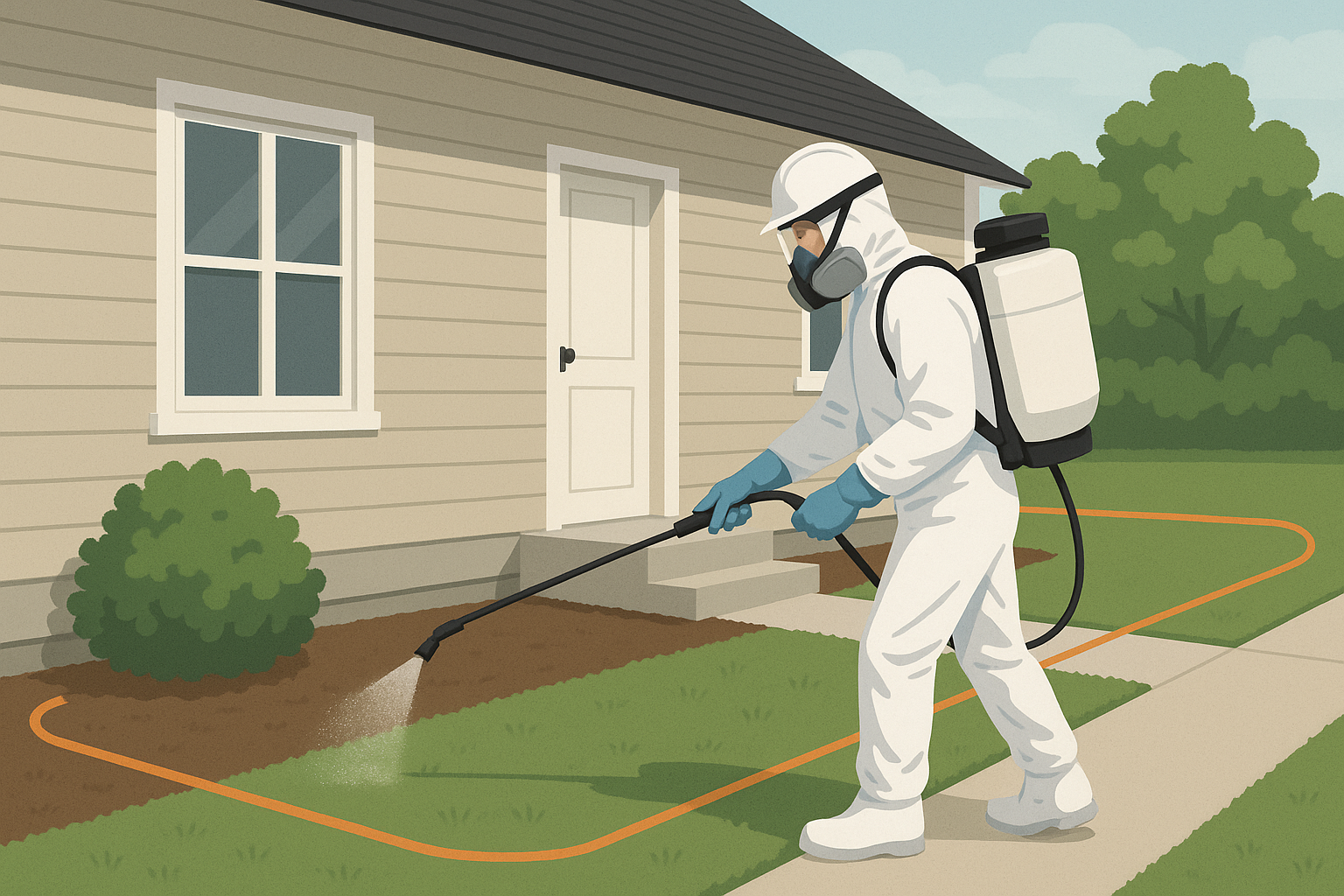
For ants, roaches, and other crawling insects, a perimeter‑wide chemical barrier creates an invisible wall that repels pests before they can cross your threshold. Technicians apply a low‑toxicity, EPA‑approved spray around foundations, doorways, and utility penetrations. The barrier lasts 30‑60 days, after which a re‑application is recommended for ongoing protection.
Baiting Stations & Formulations
Bait stations are the silent workhorses of modern pest control. Small, discreet containers are placed in high‑traffic zones, drawing insects in with a slow‑acting poison that they carry back to the colony. For ants and roaches, Anthem uses both station‑based baits and granular or gel formulations that can be applied in cracks, crevices, and wall voids. The approach targets the root of the problem rather than just the visible insects.
Heat Treatment
Heat treatment is the gold standard for bed‑bug eradication and for stubborn infestations that resist chemicals. Technicians raise the ambient temperature of an entire room or home to 120‑130°F for several hours, a range that kills insects at every life stage. Because it relies on heat alone, there are no residues left behind, making it ideal for families with children or pets.
Biological Controls – Nematodes
When you prefer a natural solution, nematodes—microscopic, soil‑dwelling worms—offer a biologically based option for grubs, termites, and certain beetles. The nematodes are mixed with water and sprayed into the soil where they seek out and infect target pests. This method is safe for humans and pets, and it integrates well with other preventative measures.
Price Ranges (Anthem Data & Industry Averages)
- Ant & roach baiting: $100‑$250 per treatment.
- Termite barrier: $1,500‑$3,500 per home.
- Mosquito fogging: $150‑$300 per session.
These figures reflect Anthem’s transparent pricing model, which aligns closely with the 2025 NPMA market report on average pest‑control costs. Prices are presented as ranges because each home presents a unique set of variables.
Why Costs Vary
Several factors influence the final bill:
- Home size: Larger square footage requires more product and longer labor hours.
- Infestation severity: A light sighting may need a single bait station, while a severe colony demands multiple applications and possibly a barrier.
- Seasonality: Certain pests are more active in specific months, prompting higher demand and occasional price adjustments.
- Product selection: Premium, low‑toxicity formulas or eco‑friendly options can carry a modest premium over standard chemicals.
Understanding these drivers helps you anticipate the scope of work and avoid surprise fees.
Anthem Pest’s Transparent Quote Policy
Anthem stands behind a “no hidden fees” promise. Before any work begins, a certified technician conducts a thorough inspection, documents the findings, and delivers a written quote that breaks down labor, materials, and any optional add‑ons. The quote includes a clear scope of service, so you know exactly what you’re paying for and when a follow‑up visit is needed.
If you’re comparing estimates, look for the same level of detail. A vague “$X total” without itemization often masks extra charges for travel, disposal, or after‑hours service.
Verification Note
All pricing data presented here has been cross‑checked with the 2025 NPMA market report, ensuring that Anthem’s figures are both competitive and reflective of current industry standards. This verification adds an extra layer of confidence for homeowners seeking reliable, cost‑transparent pest solutions.
What to Look for in a Pest‑Control Partner
Choosing a pest‑control company isn’t just about finding the lowest price. Homeowners need a partner who backs every treatment with solid credentials, transparent policies, and a track record of real results. Below is a practical checklist you can use during your next interview with a local provider.
Key Checklist for Evaluating a Pest‑Control Company
- Licensing and state compliance – Verify that the technician holds a current state pesticide applicator license and that the company complies with all local regulations.
- EPA‑registered products – Insist on treatments that are approved by the Environmental Protection Agency, ensuring safety for your family, pets, and the environment.
- Insurance coverage and liability protection – A reputable firm will carry general liability insurance and workers’ compensation, protecting you from accidental damage or injury.
- Customer reviews and BBB rating – Look for consistent five‑star feedback on Google, Yelp, or Angi, and check the Better Business Bureau for a solid A‑ or A+ rating.
- Local experience and response time – Companies that have been serving your region for years understand the specific pests in your area and can usually dispatch a technician within 24 hours of a call.
Anthem Pest Highlights
Anthem Pest checks every box on the list. We are licensed in all 50 states, use only EPA‑registered formulations, and maintain full insurance coverage for every job. Our 24‑hour emergency line (877‑371‑8196) guarantees a rapid response, while our $0‑damage guarantee means you won’t pay a dime for accidental property damage.
Success Story: Austin, TX Homeowner
When a homeowner in Austin discovered a growing termite colony, they called Anthem Pest for a single, comprehensive treatment. Before the service, the property showed:
- Active termite tunnels in two foundation walls
- Estimated structural damage risk at 15 %
- Monthly monitoring costs of $120
After the treatment:
- Termite activity dropped by 90 % within two weeks
- Structural risk fell below 2 %
- Ongoing monitoring was reduced to a quarterly $45 check‑up
The homeowner saved over $1,000 in potential repairs and avoided a full‑scale fumigation.
Use the checklist above to compare local providers, and remember that a company like Anthem Pest offers the licensing, insurance, rapid response, and proven results that turn a pest problem into a one‑time fix. For a personalized quote, call 877‑371‑8196 or visit anthempest.com.
Top Pest‑Control FAQs Answered
Do treatments affect pets?
Most of the products we use are EPA‑registered and labeled as pet‑safe when applied according to the label. We typically schedule indoor sprays when pets can be confined to a single room for 30‑60 minutes, and outdoor applications are done when animals are kept off the treated area for a few hours. If you have young or senior pets, ask your technician about low‑toxicity alternatives.
How often should I schedule service?
For most homes, a quarterly or seasonal plan works best—one visit in spring, summer, fall, and winter—to stay ahead of emerging pests. Preventive schedules target insects before they become visible, while reactive visits focus on an active infestation. Your technician will recommend a frequency based on local pest pressure and the specific pests you’re dealing with.
Can I DIY safely?
DIY kits are fine for minor ant trails or occasional fruit flies, but they have limits. Over‑the‑counter sprays often lack the residual power of professional formulations and can miss hidden entry points. When you see persistent roaches, termites, or rodents, it’s time to call a licensed pro who can assess the structure, apply the right product, and guarantee a warranty.
What about eco‑friendly options?
We incorporate biological controls such as nematodes for soil‑dwelling pests and use low‑toxicity baits that target insects without harming beneficial species. Integrated Pest Management (IPM) combines monitoring, sanitation, and targeted treatments to keep chemical use to a minimum. Ask us to design an eco‑friendly plan that matches your comfort level.
How quickly will I see results?
Results depend on the pest and the method used. Chemical barriers on the perimeter act within minutes, giving you immediate relief from crawling insects. Bait stations for ants or cockroaches usually take 1‑2 weeks to reduce populations, while bed‑bug treatments may require several follow‑up visits over a month.
For deeper explanations, troubleshooting tips, and product specifics, visit the Anthem Pest FAQ page.
Secure Your Home with Expert Pest Control
Early pest identification, seasonal prevention, and choosing the right treatment are the three pillars that keep damage and costs down. Spotting a carpenter ant trail in spring, sealing entry points before summer, and opting for a targeted, eco‑friendly solution can stop an infestation before it spreads. These habits also protect your family’s health by minimizing exposure to allergens and disease‑carrying insects.
- Identify early: Look for signs such as droppings, gnaw marks, or unusual noises.
- Seasonal prevention: Schedule inspections before peak activity periods for termites, mosquitoes, and rodents.
- Right treatment: Use a method that matches the pest and your home’s layout to avoid unnecessary chemicals and expense.
Anthem Pest Control delivers exactly that—safe, effective, and affordable solutions with transparent pricing you can trust. Our technicians are licensed, locally trained, and equipped with the latest tools to protect every corner of your house.
Ready to take the next step? Schedule a free, no‑obligation inspection to evaluate your home’s specific needs. Call us today at 877‑371‑8196 or visit Anthem Pest Control to book your appointment. Our flexible scheduling works around your busy life, and our guarantee ensures peace of mind long after the treatment is complete.