Why Moth Control Matters in Marietta
Marietta’s neighborhoods are a patchwork of historic Victorian homes, post‑World II ranches, and brand‑new subdivisions. The variety of construction materials—wooden beams, drywall, and synthetic fabrics—creates countless nooks where moths can hide, lay eggs, and thrive.

Older homes especially attract pantry and clothes moths because they often retain untreated wood, crevices, and legacy insulation that serve as perfect breeding grounds. Newer developments aren’t immune; modern synthetic carpets and upholstered furniture provide abundant food sources for larvae that feed on natural fibers.
From a health perspective, moth infestations are more than a visual nuisance. Adult moths shed tiny scales that can trigger allergic reactions, sneezing, and itchy eyes, especially for residents with asthma or sensitivities. In kitchens, moth larvae contaminate stored grains, cereals, and spices, introducing allergens and, in rare cases, bacterial growth that compromises food safety.
The indirect impact on indoor air quality is often overlooked. As moths and their larvae die, their bodies decompose, releasing proteins and organic particles that circulate with HVAC airflow. Over time, this can exacerbate poor ventilation and contribute to a musty odor that signals a larger pest problem.
Property damage is the most visible consequence. Clothes moths can chew through wool sweaters, silk curtains, and upholstered cushions, leaving irregular holes that ruin cherished heirlooms. Pantry moths infest flour, nuts, and pet food, forcing homeowners to discard months of groceries and replace contaminated containers.
Local data underscores the urgency: according to the Georgia Department of Agriculture, moth complaints rose 12 % in Cobb County in 2023. This uptick reflects both the adaptability of moth species to suburban environments and the growing awareness among residents who are finally reporting the problem.
Understanding these health, safety, and financial risks sets the stage for the practical solutions that follow in this guide—strategies designed to protect Marietta homes before moths become a costly, recurring headache.
The Usual Suspects – Clothes, Pantry, and Carpet Moths
Clothes Moth (Tineola bisselliella)
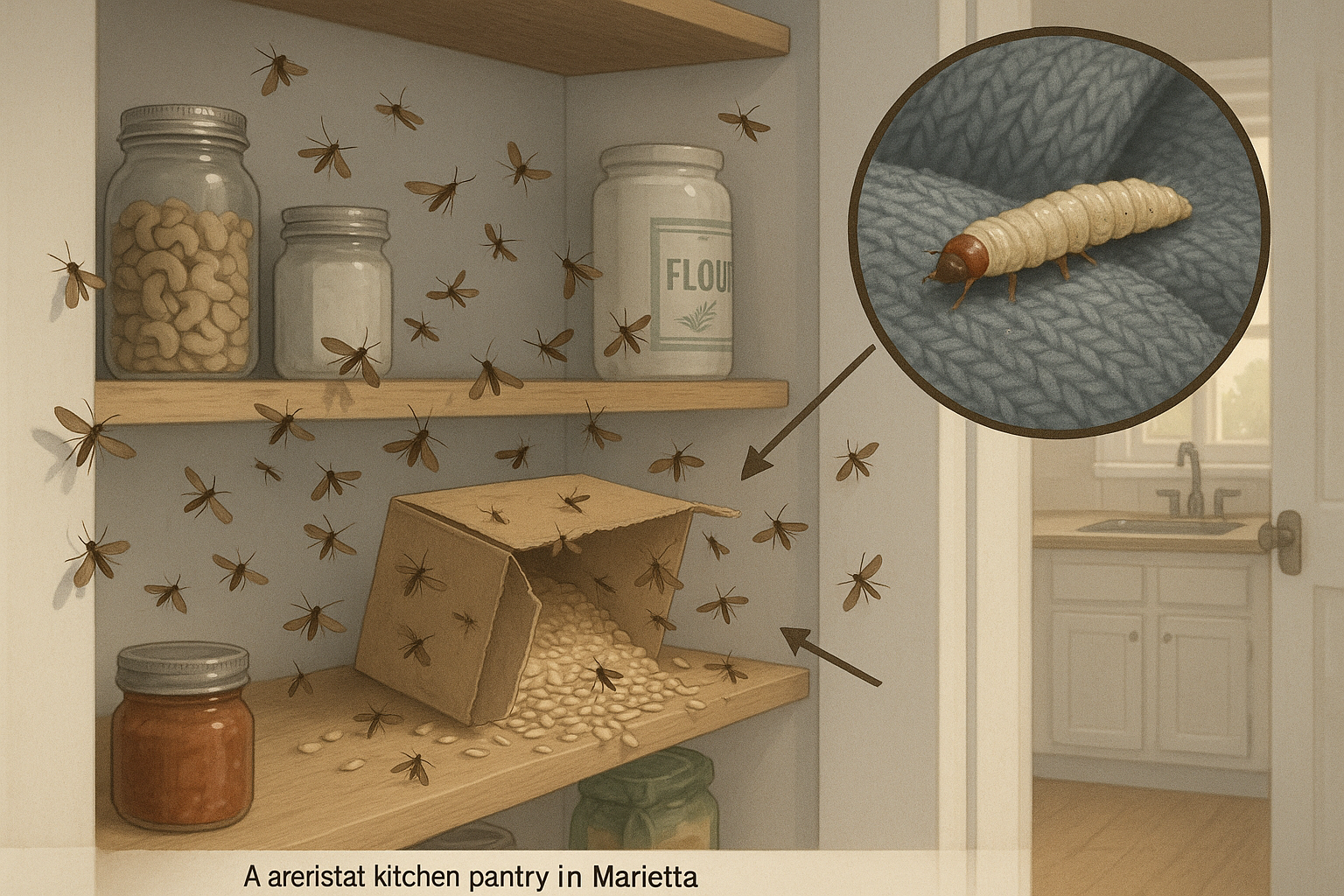
This tiny, tan‑brown moth completes its life cycle in three weeks under ideal indoor conditions. The adult lives only a few days, laying eggs on natural fibers such as wool, silk, or fur. Once hatched, the larvae spin silky, portable cases and chew irregular holes in garments, especially in dark closets or undisturbed drawers. Look for silky cases tucked in seams and a faint, powdery damage pattern on sweaters, coats, and blankets.
Pantry (Indian Meal) Moth (Plodia interpunctella)
Pantry moths thrive on stored dry goods—cereals, flour, nuts, and pet food. Eggs hatch into larvae that spin fine webbing throughout grain products. As they mature, they crawl out of the food and spin a small, reddish‑brown adult that rests near pantry shelves. The tell‑tale sign is a network of silken threads and clusters of larvae hidden in the corners of boxes or bags.
Carpet Moth (Niditinea spp.)
Carpet moths are less obvious because their larvae live deep within carpet fibers. The adults resemble small, pale gray moths with a wingspan of about 1 cm. Damage appears as tiny, irregular holes in the pile, often in high‑traffic areas or beneath furniture. If you notice a carpet that feels thinner or has frayed edges, lift a corner and inspect for white, worm‑like larvae concealed in the backing.
Visual Identification Tips
- Size: Most household moths range from 0.5–1 cm in wingspan.
- Color: Clothes moths are tan; pantry moths are reddish‑brown; carpet moths are pale gray.
- Webbing: Look for silken threads in stored foods or tucked in garment seams.
- Where to inspect: Closets, drawers, pantry shelves, and the underside of carpets.
According to the National Pest Management Association’s species guide, these three moths account for the overwhelming majority of indoor moth reports in Georgia (NPMA, 2024). Recognizing their life cycles and visual cues is the first step toward effective treatment and long‑term prevention.
When & Where Moths Strike in Marietta
Understanding when moths are most active helps you stay one step ahead of an infestation. In Marietta, the combination of warm, humid summers and surprisingly mild winters creates a calendar where moths can appear at almost any time of year. Knowing the peaks and the neighborhoods most prone to trouble lets you plan inspections, treatments, and preventive steps with confidence.
Summer heat fuels rapid breeding
From June through August, daytime temperatures regularly climb above 90°F (32°C) and humidity hovers near 70 %. Those conditions are a perfect incubator for moth eggs and larvae. The heat accelerates the life cycle, turning a single pair of moths into dozens of adults in just a few weeks. If you notice pantry moths or carpet moth damage during this window, act quickly—treatments are most effective before the next generation spreads.
Year‑round risk thanks to mild winters
Unlike more northern locales, Marietta’s winter lows rarely dip below 30°F (–1°C). Moths can survive in sheltered spots—such as basements, crawl spaces, and insulated attics—where temperatures stay above freezing. This means that even in December and January, a small resident population may be waiting to erupt once the first warm days arrive.
What the numbers say
According to the USDA 2024 climate report, Marietta records an average relative humidity of 68 % throughout the year. That steady moisture level keeps moths comfortable in both indoor and outdoor environments, especially during the shoulder months of April‑May and September‑October when humidity spikes briefly.
Neighborhood hotspots
Local pest‑service logs show three areas with the highest moth complaint rates:
- East Cobb – dense housing, older wood‑frame homes, and many basements create ideal breeding grounds.
- Kennesaw – newer developments with extensive landscaping attract outdoor moth species that later migrate indoors.
- Historic downtown district – older brick structures and limited ventilation in attics foster persistent infestations.
If you live in or near these zones, schedule a pre‑emptive inspection before the summer surge.
Monthly activity snapshot
| Month | Activity Level |
|---|---|
| January | Low |
| February | Low |
| March | Medium |
| April | Medium |
| May | High |
| June | High |
| July | High |
| August | High |
| September | Medium |
| October | Medium |
| November | Low |
| December | Low |
Micro‑climates inside your home
Even within a single house, temperature and moisture can vary dramatically. Basements that stay damp year‑round become breeding chambers for pantry and carpet moth larvae. Attics, especially those lacking proper ventilation, can trap warm air and humidity, turning them into summer‑time hot spots. Sealing cracks, installing dehumidifiers, and keeping storage areas clean are simple steps that disrupt these micro‑climates before moths can establish a foothold.
DIY Steps to Keep Moths Out
Preventing a moth invasion is often easier than battling one after it’s established. Below is a practical, non‑chemical checklist you can start today—no specialist needed, just a little diligence.
1. Store Clothing in Airtight Containers
Seasonal sweaters, scarves, and blankets should live in containers that truly seal. Plastic bins with snap‑lids or vacuum‑sealed bags remove the oxygen moths need to survive. When you pull items out, give them a quick shake; loose fibers are a favorite food source for larvae.
2. Freeze or Heat‑Treat Infested Fabrics
If you suspect a piece of clothing is harboring eggs or larvae, place it in a freezer set to ‑18 °C (0 °F) for at least 72 hours. For a faster method, use a dryer on high heat (≥54 °C or 130 °F) for 30 minutes. Both temperatures break the life cycle without damaging most fabrics.
3. Regular Pantry Maintenance
Dry goods are the moths’ kitchen. Every month, discard any product past its “best‑by” date, wipe shelves with a mild soap solution, and rotate stock so older items are used first. Position pheromone traps in corners; they lure male moths and interrupt breeding.
4. Seal Cracks, Install Door Sweeps, and Repair Screens
Even the smallest gap can become a highway for moths. Inspect baseboards, window frames, and exterior doors for cracks, and caulk them. Door sweeps block the gap beneath entry doors, and tightly fitted screens keep flying adults out while still allowing fresh air in.
5. EPA‑Approved Non‑Chemical Deterrents
Cedar chips, lavender sachets, and essential‑oil sprays (e.g., peppermint or eucalyptus) create an environment moths find hostile. The EPA lists these botanicals as safe, effective alternatives to pesticides. For full guidance, see the EPA recommendations.
Printable Moth‑Prevention Checklist
| Task | Done |
|---|---|
| Store all off‑season clothing in airtight containers or vacuum‑sealed bags | |
| Freeze or heat‑treat any fabric showing signs of infestation | |
| Discard expired pantry items and wipe shelves monthly | |
| Place pheromone traps in pantry corners | |
| Caulk cracks, install door sweeps, and repair torn screens | |
| Distribute cedar chips, lavender sachets, or EPA‑approved essential‑oil sprays in closets and storage areas |
What Anthem Pest Does Differently
Targeted Chemical Sprays
Anthem Pest relies on EPA‑registered insecticides that are proven safe for homes and families. Technicians apply the spray precisely to closet interiors, pantry corners, baseboard cracks, and any crevices where adult moths or larvae hide. Our safety protocol includes a thorough pre‑treatment inspection, protective gear for the applicator, and a clear re‑entry time—usually 30 minutes to two hours—so homeowners can resume normal activities without worry. The chemicals target the nervous system of moths, delivering rapid knock‑down while leaving surfaces residue‑free.
Heat Treatment
For whole‑room infestations, Anthem Pest offers a controlled heat treatment that raises ambient temperature to 54‑60 °C (130‑140 °F) for 2‑4 hours. At these temperatures, every life stage—from eggs to pupae—fails to survive. The heat penetrates fabrics, stored food containers, and hidden voids, eliminating the need for repeated chemical applications. Because no residues remain, heat treatment is especially popular in kitchens and bedrooms where food safety and indoor air quality are top priorities.
Integrated Pest Management (IPM)
Our IPM program blends monitoring, prevention, and treatment into a single, customized action plan. We install low‑profile pheromone traps to track adult moth activity, schedule quarterly inspections, and provide homeowners with actionable recommendations—such as proper food storage and regular vacuuming of grain‑bearing areas. By addressing the root causes of infestations, IPM reduces the likelihood of future outbreaks and often allows us to rely on less‑toxic interventions over time.
Case Study: A Marietta Homeowner’s Success
When a Marietta family discovered a surge of pantry moths, they called Anthem Pest for a one‑time solution. After a thorough inspection, our technician recommended a heat treatment for the kitchen and pantry. The room was heated to 58 °C for 3 hours, reaching every hidden nook. Within 48 hours, live moths vanished, and a follow‑up inspection two weeks later confirmed a 95 % reduction in activity. The family reported no recurrence after a single treatment, saving both time and money compared to repeated chemical sprays.
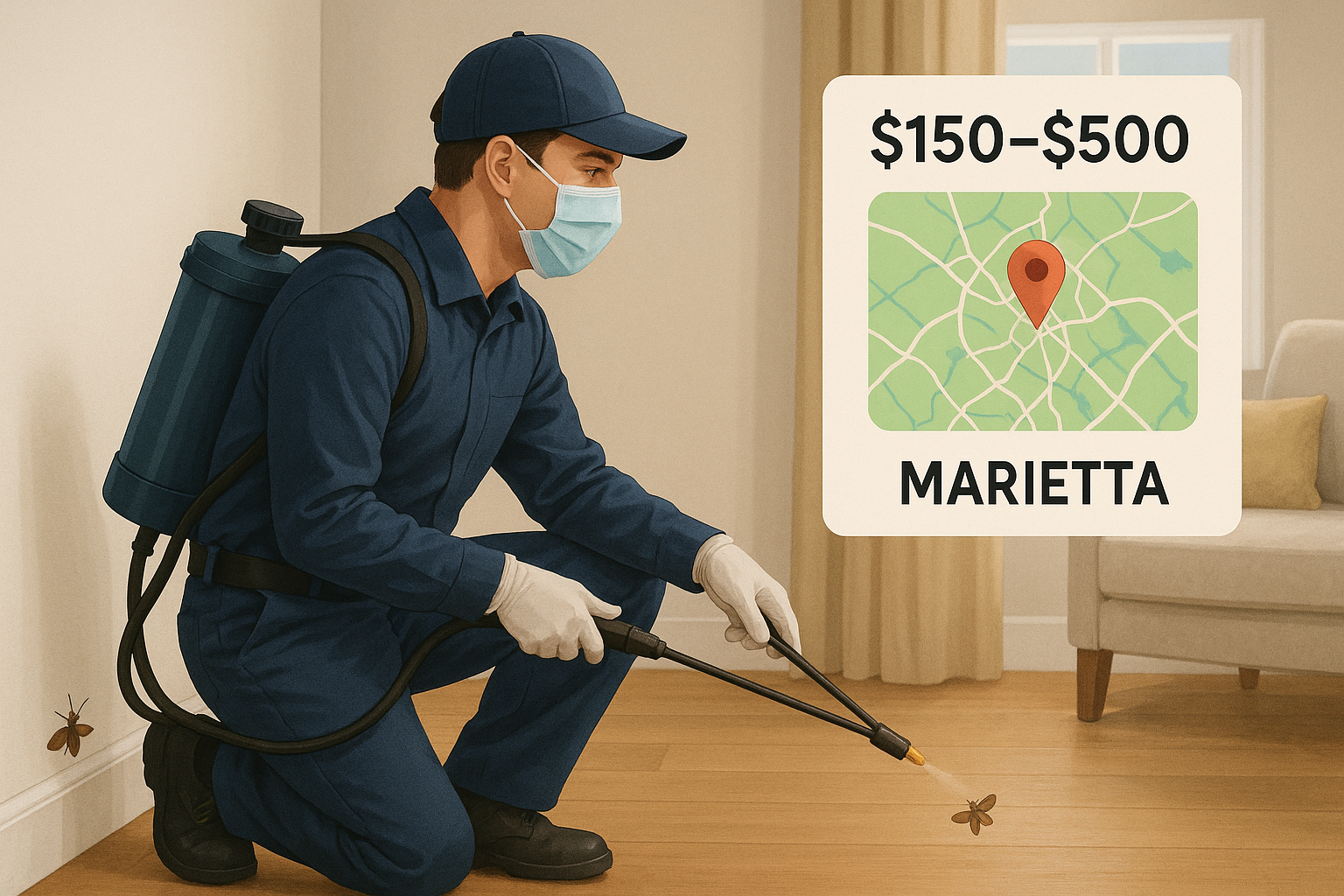
For homeowners who want transparency, the graphic above outlines typical price ranges: targeted chemical sprays generally run $120‑$180 per treatment, heat treatments $250‑$350 per room, and IPM packages $180‑$250 annually. These figures reflect the value of a thorough, science‑based approach that minimizes repeat visits.
All chemical options used by Anthem Pest are listed on the EPA pesticide list for moth control, ensuring compliance with federal safety standards.
How Much Does Moth Control Cost in Marietta?
When you call Anthem Pest Control, the first thing we provide is a clear, written quote. Knowing exactly what you’ll pay eliminates surprises and lets you budget for a moth‑free home with confidence.
Typical Service Fees in Marietta
- Inspection fee: $75 – $100. This includes a thorough visual inspection, a detailed report of findings, and a customized treatment recommendation.
- Basic chemical treatment: $150 – $250 per treated area (e.g., a bedroom, closet, or pantry). The price covers labor, EPA‑approved insecticide, and a 30‑day follow‑up visit.
- Heat treatment: $350 – $500 for a standard bedroom or pantry. Heat eliminates all life stages of pantry moths without chemicals, and the fee includes equipment setup, monitoring, and post‑treatment verification.
- Full‑service Integrated Pest Management (IPM) plan: $400 – $800 annually. This package bundles quarterly inspections, trap replacement, preventive chemical applications, and a written warranty that covers re‑treatments if moths return.
How Marietta Prices Stack Up Against the Nation
According to the EPA’s 2023 Pest‑Control Cost Survey, the national average for a single moth‑control visit ranges from $180 to $260, while comprehensive IPM plans typically run $450 to $900 per year. Marietta’s pricing sits comfortably within those ranges, reflecting local market conditions and the expertise of a company that tailors each job to the specific layout of your home.
What’s Included in Every Package?
All of our quotes are all‑inclusive. That means you pay for:
- Licensed technician labor
- All necessary materials (insecticides, traps, heat equipment)
- Follow‑up visits to confirm efficacy
- A written warranty that outlines re‑treatment terms
Why Up‑Front Quotes Matter
Transparent pricing protects you from hidden fees that can appear after the work is done. At Anthem Pest Control, we provide a detailed estimate before any treatment begins, so you know exactly what each line item covers. If you ever have questions, our customer‑service team is just a phone call away at 877‑371‑8196.
Why Anthem Pest Is Marietta’s Best Choice
When a moth invasion threatens your wardrobe or pantry, you need a partner who combines expertise, reliability, and local know‑how. Anthem Pest delivers all three, making it the top pick for Marietta homeowners.
Certified Professionals You Can Trust
Every technician on our team holds a National Pest Management Association (NPMA) certification. This credential guarantees they’re up‑to‑date on the latest integrated pest‑management practices and can safely handle moth infestations of any size.
Proven Track Record in the Community
Our commitment to service shines through a 5‑star Google rating backed by dozens of glowing reviews from neighbors in Marietta, Acworth, and the broader Cobb County area. Homeowners repeatedly praise our prompt arrivals, thorough inspections, and lasting results.
Coverage That Fits Your Neighborhood
We don’t just serve Marietta—we cover the surrounding Cobb County neighborhoods, including Acworth, Smyrna, and Powder Springs. This hyper‑local focus means our technicians know the specific moth species that thrive in our climate and the most effective treatment windows.
Safety First, Always
- All products are EPA‑compliant, meeting the strictest environmental standards.
- We use low‑odor formulations that protect indoor air quality.
- Our child‑ and pet‑safety protocols include pre‑treatment briefings and post‑treatment clearance times.
24/7 Emergency Support
Moth problems don’t wait for business hours. That’s why we provide a dedicated 24/7 emergency line (877‑371‑8196) for rapid response, ensuring you’re never left dealing with a spreading infestation alone.
“I called Anthem after spotting moths in my closet. Within a day they were at my door, explained the treatment, and the moths were gone by the next week. Professional, courteous, and fast—exactly what I needed.” – Jenna L., Marietta
Ready to protect your home? Explore our dedicated moth‑control service page for detailed treatment options, pricing, and scheduling.
Quick Answers for Busy Homeowners
We know you’re busy, so here are the top moth‑control questions homeowners ask, answered plainly.
Do moths affect my health?
Yes. While moths themselves don’t bite, their larvae can trigger allergic reactions and their droppings or shed skins may aggravate asthma. In addition, pantry moths contaminate stored grains, flour, and nuts, creating a breeding ground for bacteria and mold. The CDC’s indoor pest health guidelines note that these exposures can worsen respiratory issues, especially for sensitive individuals. Exposure can also lead to skin irritation, so keep food areas clean.
How long does treatment take?
A typical chemical or bait‑based service lasts 1–2 hours per visit, allowing our technicians to inspect, treat, and set up monitoring devices without disrupting your day. Heat‑treatment programs, which are highly effective for severe infestations, require a half‑day for equipment setup, heating, and a cooling period before you can safely re‑enter the home. Our team schedules the visit at a time that works for you, and we’ll walk you through the process before we begin.
Can I prevent re‑infestation?
Absolutely. Pair the DIY steps outlined in Part 4—regular cleaning, airtight storage, and vacuuming of cracks—with an annual professional inspection. Our technicians also place pheromone traps (see Part 5) that catch any stray moths before they establish a new colony, giving you a layered defense year after year. Regularly rotating pantry stock and discarding any infested packages further reduces risk.
Are the chemicals safe?
All products we apply are EPA‑registered and have undergone rigorous safety testing. Trained technicians follow strict protocols, including proper ventilation, protective gear, and precise dosage, to protect your family, pets, and the environment while delivering effective control. We also provide a post‑treatment safety checklist so you know exactly when it’s safe to resume normal use of the treated areas.
Take Control of Moths Today
Why Moths Matter
Moth larvae can chew through clothing, upholstery, and stored food, creating costly damage. Spotting the tell‑tale webbing, silky cocoons, or fluttering adults helps you catch an infestation early. In Marietta, moth activity spikes in late spring and early fall when indoor humidity rises, providing an ideal breeding ground. Simple preventive habits can stop a problem before it spreads.
- Vacuum carpets, closets, and baseboards weekly.
- Store fabrics in sealed containers or garment bags.
- Rotate and wash seasonal clothing before storage.
Professional Treatment Advantages
If DIY steps fall short, a professional service gives you a decisive edge. Our certified technicians apply low‑toxicity products that reach hidden larvae, and our transparent pricing shows exactly what you’ll pay—no hidden fees.
Act Now – Free Inspection
Don’t wait for damage to appear. Call our 24/7 emergency line at 877‑371‑8196 or click below to schedule a free, no‑obligation inspection. We’ll assess your home, design a customized plan, and provide a clear quote before any work begins.
Our experienced Marietta team is ready to protect your home with safe, effective solutions. Contact us today for a complimentary quote and peace of mind.