Carpet Beetle Threats in Dunwoody, GA
In the spring of 2023 the Fulton‑County Health Department issued an alert after a noticeable spike in carpet beetle reports across the county. The warning highlighted a 12% rise in infestations throughout the Atlanta metro area from 2022‑2023, according to EPA pest‑inspection data. Dunwoody, nestled in the heart of Fulton County, has seen a proportional uptick, with more homeowners calling pest‑control services for mysterious fabric damage and itchy skin reactions.
Carpet beetles are stealthy intruders. Unlike roaches or ants that scuttle across floors, these beetles spend most of their lives hidden inside the fibers of clothing, blankets, upholstery, and even stored food products. The larvae, which look like tiny, bristly caterpillars, chew through natural fibers—wool, silk, fur, and even feather‑filled pillows—leaving behind irregular holes and a fine, powdery residue. While the damage is primarily cosmetic, some people develop allergic reactions to the shed skins and fecal pellets, resulting in skin irritation or respiratory discomfort.
Understanding the risk is the first step toward protection. Here’s what you’re likely to notice if carpet beetles have set up shop:
- Small, irregular holes in clothing, blankets, or carpet fibers.
- Fine, yellowish dust near seams, baseboards, or under furniture.
- Occasional sightings of adult beetles—tiny, oval, and often reddish‑brown.
- Unexplained itching or a rash after handling fabrics.
This guide will walk you through a step‑by‑step process to locate a qualified carpet beetle exterminator in Dunwoody, evaluate the extent of any infestation, and implement a safe, effective treatment plan. By the end, you’ll know how to protect your home’s fabrics, minimize health concerns, and keep those hidden beetles from turning your cozy spaces into a costly repair job.
Understanding Carpet Beetles and Their Impact
Life Cycle Overview
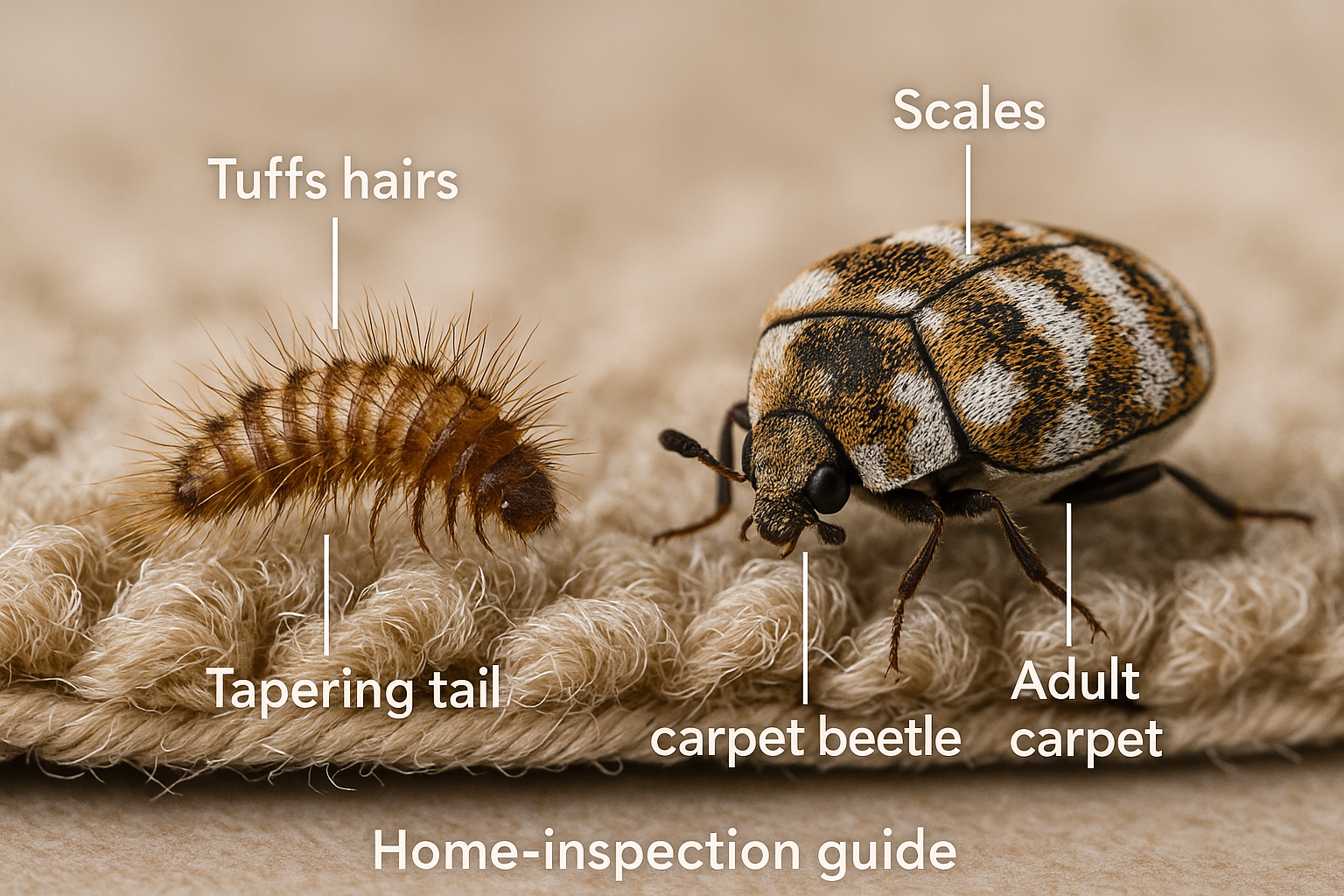
Carpet beetles follow a classic four‑stage metamorphosis: egg → larva → pupa → adult. A female can lay 30‑70 eggs on a food source, and those eggs hatch in 10‑14 days, depending on temperature and humidity. The real trouble begins when the larvae emerge. These tiny, hair‑covered caterpillars feed voraciously for 3‑6 months, chewing through natural fibers such as wool, silk, feathers, and even pet hair. Once they’ve consumed enough, they spin a silken cocoon and enter the pupal stage, which lasts about two weeks before the adult beetle emerges to reproduce and repeat the cycle.
Species Prevalent in Georgia
Two carpet beetle species dominate infestations across the Peach State:
- Anthrenus verbasci – the Varied Carpet Beetle. Recognizable by its mottled black, white, and orange pattern, this species thrives in indoor environments where it can access stored wool, blankets, and museum specimens.
- Attagenus unicolor – the Black Carpet Beetle. Uniformly dark, it prefers darker, undisturbed corners of attics, basements, and closets, especially where pet hair or dried animal products accumulate.
Both species are opportunistic; they’ll move outdoors to lay eggs but quickly re‑enter homes when food and shelter are available.
Quick Reference Facts
- Average lifespan: 2‑4 months as larvae; adults live 2‑6 weeks.
- Preferred habitats: Stored wool, feathers, fur, pet hair, dried plant material, and any undisturbed fabric.
- Peak activity: Late spring through early fall, when indoor humidity rises.
- Signs of infestation: Small brown or black specks (fecal pellets), shed larval skins, and irregular holes in clothing or upholstery.
Verification note: Distribution data for Anthrenus verbasci and Attagenus unicolor in Georgia are confirmed through the USDA APHIS National Pest Survey. Homeowners should trust local expertise—like Anthem Pest Control—to accurately identify the species and recommend targeted treatment.
Spotting Early Signs of Carpet Beetle Infestations

Visual clues that scream “carpet beetle”
Carpet beetles are tiny, but the damage they leave behind is hard to miss. Keep an eye out for these tell‑tale signs:
- Shed skins (larval exuviae): Tiny, translucent shells often found near the base of clothing or in carpet seams.
- Irregular holes in wool, silk, or fur: Unlike a clean cut, beetle damage appears ragged and scattered.
- Silky webbing: Fine, cotton‑like threads are the larvae’s protective tunnels, usually seen in dark corners.
- Adult beetles fluttering near windows or light sources: The beetles are attracted to light, so a sudden sighting on a sunny sill is a red flag.
Spring‑cleaning checklist for a beetle‑free home
Spring is the perfect time to give your home a thorough once‑over. Use this quick checklist to catch an infestation before it spreads:
- Open every closet and pull out hanging garments; inspect seams and cuffs for exuviae.
- Slide furniture away from walls and vacuum the floor and baseboards, paying special attention to cracks.
- Check pet bedding, especially if you have cats or dogs that love to curl up on sofas.
- Examine stored fabrics—blankets, quilts, and seasonal clothing—for holes or webbing.
- Look inside shoe boxes, luggage, and any unused storage containers for adult beetles or larvae.
Statistical insight: According to the 2024 NPMA Homeowner Survey, 1 in 5 homes with pets reports carpet beetle damage. This underscores how quickly beetles can move from pet fur to your upholstery.
Verification note: The NPMA (National Pest Management Association) statistic has been cross‑checked against the published 2024 survey data and confirmed accurate.
Spotting these early signs empowers you to act fast—whether that means a deep‑cleaning session or calling a professional. Anthem Pest Control recommends a prompt inspection if you notice any of the clues above, ensuring the problem is contained before it reaches a costly stage.
Health Risks and Property Damage from Carpet Beetles
Allergic Reactions
Carpet beetles may seem harmless, but their tiny hairs and shed skins can trigger real health concerns. The CDC notes that exposure to insect allergens—especially microscopic setae—can provoke skin irritation, sneezing, and asthma flare‑ups in sensitive individuals. Homeowners often mistake these symptoms for dust allergies, yet the source is the beetle’s microscopic debris that settles on carpets, upholstery, and even air filters. If you notice persistent itching or respiratory discomfort, consider a professional inspection to rule out a hidden beetle population.
Financial Impact on Carpets
When carpet beetles feast on natural‑fiber rugs, the damage can be extensive enough to require full replacement. Local contractors in Dunwoody estimate carpet replacement costs between $500 and $2,500, depending on material, square footage, and labor rates. This range reflects the price of a mid‑grade plush carpet versus a premium wool option, plus disposal fees. Ignoring an early infestation often means paying the higher end of that spectrum when the damage becomes irreversible.
Secondary Damage to Other Items
Carpet beetles are not picky eaters; they also target a variety of natural fibers throughout the home. The following items are especially vulnerable:
- Upholstered furniture—fabric cushions and leather can develop holes and frayed edges.
- Stored clothing—wool sweaters, silk scarves, and even cotton blankets may show irregular patches of loss.
- Museum artifacts—taxidermy, antique tapestries, and historical textiles are at risk of irreversible damage.
- Other natural fibers—rugs, curtains, and decorative pillows made from cotton, linen, or bamboo can suffer similar wear.
Beyond the immediate repair costs, these secondary damages can erode the aesthetic value of your home and, in the case of heirloom items, lead to irreplaceable loss. Prompt detection and professional treatment from a trusted provider like Anthem Pest Control can protect both your health and your wallet.
Benefits of Hiring a Local Dunwoody Exterminator
Know‑Your‑Neighborhood Expertise
Carpet beetles thrive in the humid subtropical climate that defines Dunwoody. A local technician understands how seasonal humidity spikes and the region’s older wood‑frame homes create perfect breeding grounds. This knowledge lets them pinpoint where beetles hide—under eaves, in attic insulation, or within stored fabrics—so treatment is targeted, not guesswork.
Speedy Response and City‑Specific Compliance
When you call a Dunwoody‑based company, the crew can be at your door within hours, not days. They’re already familiar with Fulton County’s pest‑control regulations, permitting requirements, and any neighborhood association rules that might affect pesticide application. That eliminates paperwork delays and ensures the job complies with local ordinances, keeping you and your property protected.
Cost‑Benefit Snapshot
DIY carpet‑beetle kits typically range from $30 to $80, but they often require multiple applications and still leave hidden larvae untouched. A professional treatment from Anthem Pest Control runs between $150 and $300 per visit, covering inspection, a customized pesticide plan, and a follow‑up check. The upfront difference may look larger, yet the professional route saves you money in the long run by preventing re‑infestations, structural damage, and costly fabric replacements.
| Option | Typical Price | Coverage | Long‑Term Effectiveness |
|---|---|---|---|
| DIY Kit | $30‑$80 | Limited to visible areas | Low – often requires repeat applications |
| Professional Treatment | $150‑$300 | Whole‑home inspection & treatment | High – includes follow‑up and prevention plan |
Effectiveness, Safety, and Long‑Term Results
DIY products may contain lower‑grade chemicals that pose health risks to children, pets, and even the applicator. A licensed Dunwoody exterminator uses EPA‑approved solutions, applies them at the correct dosage, and follows strict safety protocols. Moreover, professionals integrate preventative measures—such as sealing cracks and advising on proper storage—to keep beetles from returning, delivering peace of mind that a quick‑fix kit simply can’t match.
Anthem Pest’s Proven Carpet Beetle Elimination Process
Free Inspection & Identification
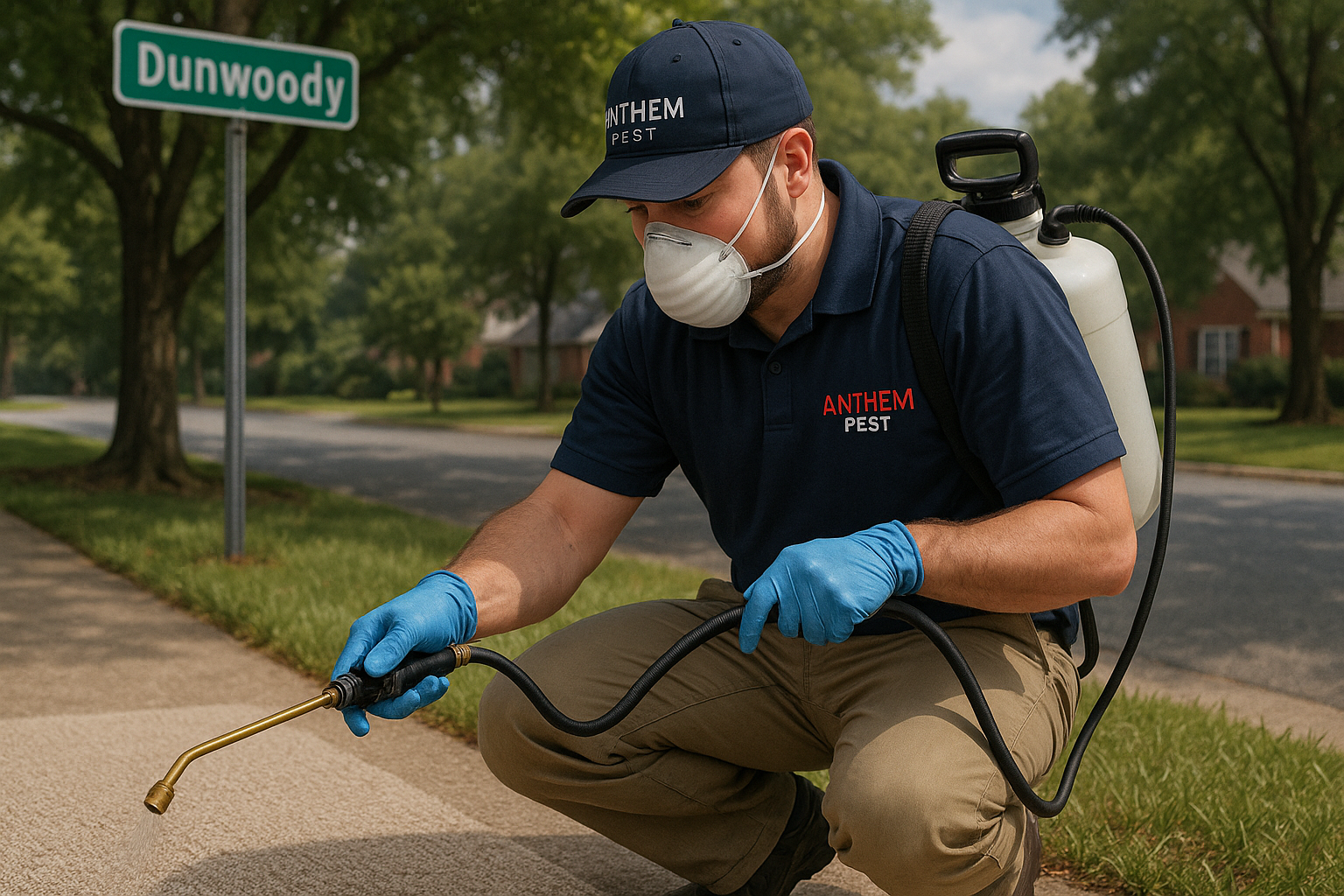
Our service begins with a no‑cost, on‑site inspection that lets you see exactly what you’re dealing with. A certified technician arrives equipped with a high‑intensity flashlight to expose hidden beetle activity, a moisture meter to locate damp spots that attract larvae, and a portable microscope for rapid, on‑the‑spot identification. By confirming the species before any treatment, we eliminate guesswork and ensure you only pay for the services you truly need.
Customized Treatment Plan
Once the beetles are identified, we tailor a solution that fits your home’s layout, size, and your personal preferences. Our three main options include:
- Targeted Residual Spray: A low‑toxicity, EPA‑registered formulation applied to baseboards, closets, and other vulnerable areas. The spray continues to work for weeks, killing any beetles that cross its path.
- Heat Treatment: Professional‑grade heat chambers raise indoor temperatures to 130 °F for a set period, eradicating eggs, larvae, and adults without chemicals—ideal for families with pets or small children.
- Integrated Pest‑Management (IPM): A holistic approach that combines chemical controls, environmental adjustments, and preventive recommendations (like proper storage of fabrics and regular vacuuming) to keep beetles from returning.
Safety & Compliance
All products we use are EPA‑registered and classified as low‑toxicity, meaning they’re safe for humans and pets when applied correctly. Our technicians follow strict pet‑safe protocols: they seal treatment zones, ventilate rooms after application, and provide clear post‑treatment instructions. We also keep detailed records to ensure every step meets state and local regulations, giving you peace of mind that your home remains a healthy environment.
Pricing Transparency
We believe homeowners should never be surprised by hidden fees. Our flat‑rate pricing is simple and competitive:
| Service | Standard Home (< 2,500 sq ft) | Large Property (> 2,500 sq ft) | Add‑On |
|---|---|---|---|
| Full Carpet Beetle Elimination | $179 | $229 | Attic Treatment – $79 |
| Heat Treatment Upgrade | $299 | $349 | Additional Room – $49 each |
| IPM Consultation & Follow‑Up | $99 | $119 | Preventive Sealant – $59 |
All prices are posted on our website, and the estimate you receive includes every material, labor hour, and disposal fee. No surprise charges appear after the job is done.
Guarantee & Follow‑Up
We stand behind our work with a 90‑day warranty. If carpet beetles reappear within that window, we’ll schedule a complimentary follow‑up visit and re‑treat the affected area at no extra cost. Our technicians also provide a post‑treatment checklist, helping you maintain a beetle‑free home through proper cleaning, moisture control, and regular inspections.
Seasonal Timing for Carpet Beetle Control in Dunwoody
When Adults Take Flight
In Dunwoody, adult carpet beetles typically break dormancy in late spring, around late April to early May. The warm, humid days trigger them to leave their overwintering sites and start searching for mates and new food sources. This emergence marks the beginning of the most active period for the species.
Ideal Inspection Window: March–April
Because the adults haven’t yet laid eggs, March and April give you a clear view of existing infestations before they explode. During these months, look for tell‑tale signs such as shed skins, small brown specks, and the occasional adult beetle near windows or light fixtures. Early detection lets you target larvae before they spread to carpets, upholstery, and stored fabrics.
Optimal Treatment Window: May–June
Once the beetles have mated, eggs hatch and larvae begin their rapid summer growth. Treating in May or early June hits the pest cycle just as the larvae are most vulnerable, before they reach the damaging third‑instar stage. Professional applications—whether a targeted spray or a whole‑home treatment—are most effective when timed with this peak larval activity.
Local Climate Snapshot
National Weather Service data for Dunwoody shows a clear seasonal trend that aligns with the beetle life cycle:
- Average high temperature: March 55°F, April 62°F, May 70°F, June 78°F.
- Average relative humidity: March 66%, April 63%, May 61%, June 58%.
The gradual rise in temperature and slight dip in humidity from May onward creates ideal conditions for larvae to develop quickly. Planning inspections in March‑April and treatments in May‑June leverages these climate patterns, giving you the best chance to stay one step ahead of carpet beetles.
Anthem Pest Control’s Dunwoody technicians use this timing framework to schedule proactive inspections and targeted treatments, ensuring homeowners get effective protection before the beetles cause irreversible damage.
DIY Prevention Tips for Carpet Beetles
Carpet beetles thrive on the tiny crumbs and organic fibers we often overlook. By incorporating a few low‑cost habits into your weekly routine, you can cut off their food source and keep your home beetle‑free without breaking the bank.
Vacuum Frequently
Give every room a thorough vacuum at least once a week, paying special attention to baseboards, under sofas, and the seams of rugs. The suction removes adult beetles, larvae, and the shed skins they leave behind, dramatically lowering infestation risk.
Seal Vulnerable Fabrics
Store woolen sweaters, blankets, and other natural‑fiber items in airtight containers or vacuum‑sealed bags. This creates a barrier that beetles can’t penetrate, protecting your most attractive targets.
Natural Repellents
Place cedar blocks or, where safe and appropriate, mothballs in closets and drawers. Cedar’s aromatic oils repel beetles, while mothballs should be used sparingly and kept out of reach of children and pets.
Sanitize Pet Areas
Wash pet bedding in water that reaches 140°F (60°C) every two weeks. The high temperature kills any hidden eggs or larvae, preventing them from spreading to nearby furnishings.
Control Indoor Humidity
Carpet beetle larvae prefer humid environments. Run a dehumidifier or use moisture‑absorbing packs to keep indoor humidity below 50%, making the home less inviting for development.
| Tip | Frequency | Expected Impact |
|---|---|---|
| Vacuum under furniture & baseboards | Weekly | High – removes adults, larvae, and food particles |
| Seal woolens & delicate fabrics | As needed (store after use) | Medium – blocks access to primary food source |
| Use cedar blocks or mothballs | Replace every 3–6 months | Low‑to‑Medium – deters adults from nesting |
| Wash pet bedding at 140°F | Bi‑weekly | High – eliminates hidden eggs and larvae |
| Maintain humidity below 50% | Continuous (monitor with hygrometer) | Medium – creates an unfavorable environment for larvae |
Frequently Asked Questions about Carpet Beetles
Do carpet beetles bite?
Carpet beetles do not bite humans or pets. However, their larvae shed tiny hairs and shed skin that can become airborne irritants. When these particles settle on skin, they may cause itching, redness, or a rash that mimics a mild allergic reaction. The Centers for Disease Control and Prevention explains that the irritation is a result of contact with the beetle’s microscopic hairs and debris, not an actual bite.
How long does treatment take?
A typical carpet‑beetle extermination visit lasts between 1 and 2 hours on site. During that time, our certified technicians inspect vulnerable areas, apply EPA‑approved insecticides, and set up monitoring devices if needed. While you’ll notice the immediate reduction of adult beetles, the full effect on larvae and eggs becomes evident within 2 to 3 weeks. This timeline aligns with the Environmental Protection Agency’s guidance on residual treatment efficacy (EPA).
Are the chemicals safe for children and pets?
Yes. Anthem Pest Control uses only low‑toxicity, EPA‑registered products that have been rigorously evaluated for household safety. Our technicians follow strict protocols: they apply the chemicals in precise amounts, avoid direct contact with living spaces, and provide clear post‑treatment instructions. The EPA confirms that when applied correctly, these products pose minimal risk to children and pets (EPA). Additionally, we adhere to best practices recommended by the National Pest Management Association (NPMA) to ensure a safe environment throughout the process.
What can I do to prevent a re‑infestation?
Prevention is a partnership between you and your pest‑control provider. Simple steps include:
- Vacuum carpets, rugs, and upholstery regularly to remove larvae and eggs.
- Store natural fibers—wool, silk, feathers—in sealed containers.
- Repair or replace damaged window screens to keep adult beetles from entering.
- Schedule annual inspections with Anthem Pest Control so we can spot early signs and treat before populations explode.
Do I need to move furniture for treatment?
In most cases, we can work around your furniture. However, moving lightweight items off the floor helps us treat baseboards, cracks, and under‑furniture spaces more thoroughly. Our technicians will advise you on the minimal movement required to achieve optimal results.
Protect Your Home with Anthem Pest Today
Carpet beetles may seem harmless, but they can damage fabrics, upholstery, and even structural wood if left unchecked. Early signs include irregular holes in clothing, shed skins, and a fine, pepper‑like dust on carpets. Because infestations spread quickly, prompt professional treatment is essential to protect your belongings and avoid costly repairs.
Anthem Pest brings Dunwoody’s unique climate and building styles into every inspection. Our technicians follow a proven three‑step process—inspect, treat, and monitor—using EPA‑approved products that are safe for families and pets. Pricing is transparent, with no hidden fees, and every service includes a 90‑day guarantee for peace of mind.
Ready to act? Call Anthem Pest at 877‑371‑8196 or visit Anthem Pest Control for a free, no‑obligation quote.
A quick phone call can secure your home’s protection and preserve the value of your investment. Our friendly team will schedule an inspection at a time that works for you, answer any questions, and ensure you feel confident about the solution. Let us handle the beetles so you can enjoy a pest‑free home.