Finding Carpet Beetles in Your Dunwoody Home
Imagine stepping onto the living‑room rug on a lazy Saturday morning and spotting a handful of speck‑size beetles darting across the fibers, or later noticing a series of irregular, round holes where the carpet once lay smooth. That unsettling moment is often the first clue that carpet beetles have set up shop in your Dunwoody home.
Georgia’s warm, humid climate isn’t just a comfort for us—it’s a perfect breeding ground for these tiny pests. Moisture softens natural fibers, and the constant temperature swing from summer heat to milder winters lets carpet beetle larvae develop year‑round inside closets, under furniture, and even in stored blankets. In a home where humidity regularly hovers above 60 %, the insects multiply quickly, turning a minor nuisance into a hidden threat to fabrics, upholstery, and even personal belongings.
In the next sections we’ll walk you through a three‑part roadmap: first, how to locate a trustworthy carpet‑beetle exterminator right here in Dunwoody; second, which treatment options actually work and what you can expect in terms of cost and safety; and third, simple preventative steps you can adopt today to keep future infestations at bay.
This guide is written in a friendly, local‑expert voice—think of us as the neighbor who’s already dealt with the problem and knows exactly what works in our community. You’ll get clear, actionable advice without the jargon, so you can protect your home with confidence while staying within budget. And because we serve the entire Atlanta metro area, our recommendations are tailored to the specific pests you’ll encounter in Dunwoody’s neighborhoods.
Understanding Carpet Beetles

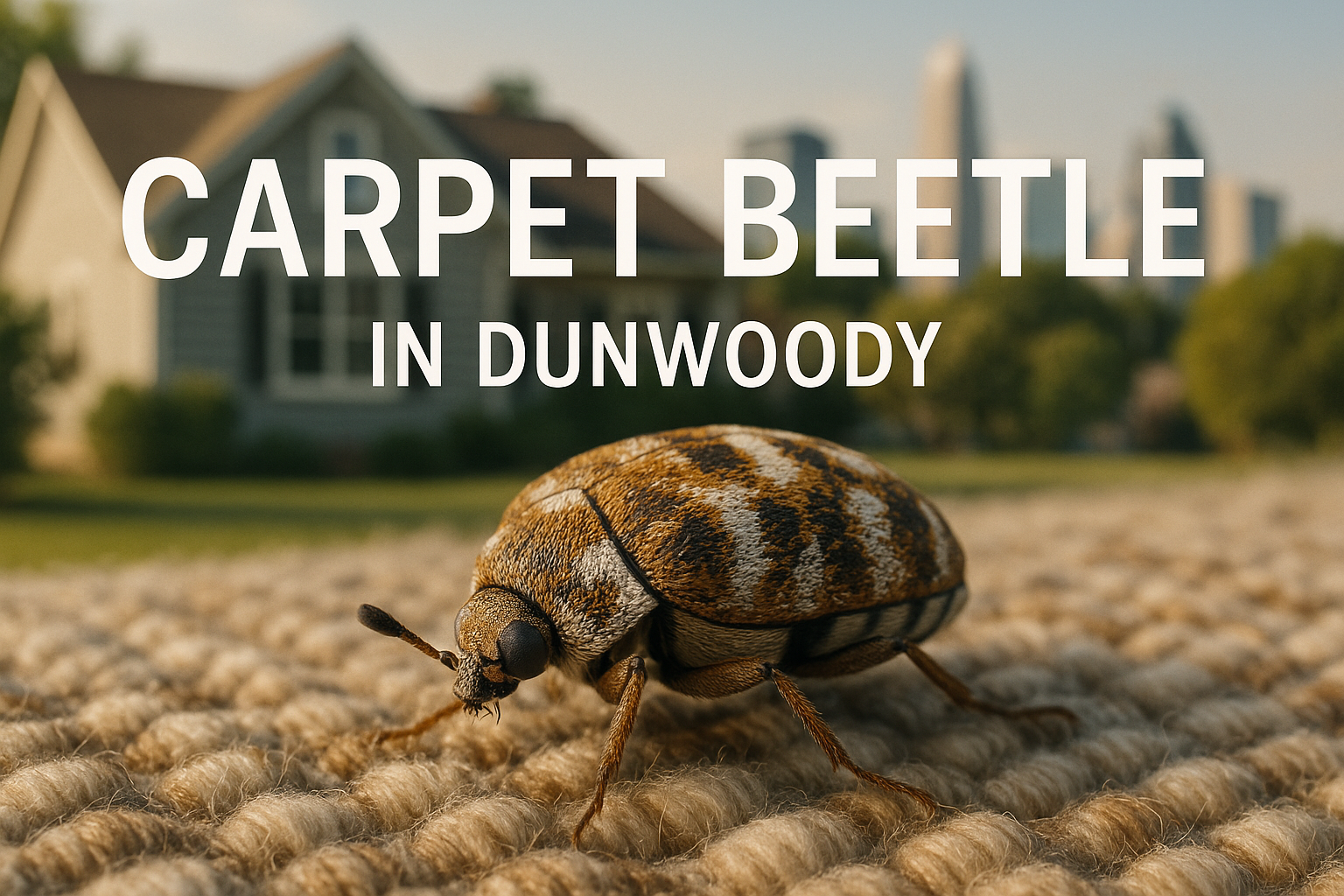
In the Southeast, homeowners most often encounter two carpet‑beetle species: the varied carpet beetle (Anthrenus verbasci) and the black carpet beetle (Attagenus unicolor). The varied beetle is speckled with black, white and yellow scales, giving it a mottled appearance, while the black carpet beetle is uniformly dark, almost glossy, and slightly larger. Both species thrive in warm, humid homes like those in Dunwoody, making identification essential.
Carpet beetles follow a four‑stage life cycle—egg, larva, pupa, and adult. A female can lay up to 100 eggs in hidden cracks or near natural fibers. Within a week the eggs hatch into larvae, the true culprits of damage. Over several months the larvae molt repeatedly, growing up to a half‑inch long, before spinning a cocoon to become a pupa. Adult beetles emerge, live a few weeks, and focus on mating and laying more eggs. Larvae are especially attracted to protein‑rich materials such as wool, silk, fur, and even dead insects, which is why they often appear in closets, pet bedding, and stored blankets.
Typical warning signs include:
- Irregular, round holes in carpets, upholstery, or clothing.
- Shed larval skins that look like tiny, translucent shells.
- Fine, pepper‑like fecal pellets near the damage.
- Adult beetles fluttering near windows or light fixtures.
Finding any of these clues early gives you a window to act before the population explodes.
According to the EPA, carpet beetles rank among the top five household pests in the U.S., affecting roughly 15 % of homes annually. Because they reproduce quickly, a small initial infestation can balloon into a major problem within a single season.Why DIY Carpet Beetle Control Often Fails
Most homeowners start with the same three tricks: a thorough vacuum of carpets and upholstery, a spray from the aisle‑side “insect killer,” and a makeshift heat‑treatment—often a hair dryer or a portable heater aimed at suspected hotspots. These methods feel inexpensive and easy, and they can knock back adult beetles for a few days, giving the illusion that the problem is solved.
The real challenge lies in where carpet‑beetle larvae spend the bulk of their lives. They burrow into insulation behind walls, slip into the seams of sofas, slide under baseboards, and even nest inside HVAC ducts. Because they are concealed beneath layers of material, surface‑only sprays and quick‑heat bursts rarely reach the hidden pockets where the next generation is maturing. As a result, the adult population re‑emerges once the treatment wears off.
Take the experience of a Dunwoody homeowner, Sarah L., who purchased a popular over‑the‑counter spray after spotting tiny beetles on her bedroom rug. After a single application, the visible insects vanished, and she felt victorious. Two weeks later, she discovered fresh damage to a wool blanket and a resurgence of beetles in the hallway carpet. The spray had only affected the adults on the surface; the larvae deep in the wall cavity were untouched and continued to hatch.
National Pest Management Association (NPMA) research backs up what Sarah learned on the front lines: professional interventions achieve roughly a 70 % success rate, while DIY attempts linger around 30 % (NPMA). The gap isn’t about cost alone—it’s about reaching the hidden life stages and applying treatments that are both safe and comprehensive. When the infestation persists, calling a certified exterminator ensures the entire colony is addressed, protecting your home and peace of mind today.
How to Choose a Local Exterminor in Dunwoody
Essential Criteria to Verify
- State‑licensed technicians – Confirm that each technician holds a current Georgia pest‑control license. The license number should be displayed on the company’s website or on‑site.
- EPA‑registered products – Ask which chemicals will be used and ensure they are listed on the EPA’s approved product database. This protects your family, pets, and the environment.
- Guaranteed treatment plans – Look for written guarantees that cover follow‑up visits if beetles reappear within a specified time frame (typically 30‑90 days).
- Positive local reviews – Scan Google, Yelp, and neighborhood forums for recent feedback from Dunwoody homeowners. Consistent five‑star ratings signal reliable service.
Why Proximity Matters
Choosing a company that lives or operates near Dunwoody isn’t just convenient—it directly impacts the quality of the job. Local technicians know the area’s older homes, many of which feature hardwood flooring, recessed baseboards, and ranch‑style layouts that can hide carpet beetle larvae. Because they’re nearby, response times shrink dramatically; a pest emergency that might take a distant provider 48 hours can be addressed within a few hours by a Dunwoody‑based team. Faster service means fewer beetles spreading, less damage to upholstery, and a quicker return to a comfortable home.
Printable Checklist for Your Quote
| Question | Answer (✓/✗) |
|---|---|
| Is the technician holding a current Georgia pest‑control license? | |
| Are the chemicals EPA‑registered and safe for pets and children? | |
| Does the company provide a written guarantee for follow‑up visits? | |
| Can you see recent reviews from Dunwoody homeowners? | |
| What is the estimated response time after you place the call? | |
| Will the treatment plan be customized for hardwood floors and ranch‑style layouts? | |
| Is there a clear, upfront price with no hidden fees? |
Final Verification Step
Before you sign any agreement, double‑check the latest licensing data. The Georgia Department of Agriculture publishes the 2025 pest‑control licensing statistics on its website. Verify that the company you’re considering appears on that list and that its license is active. This quick step adds an extra layer of confidence that you’re hiring a legitimate, accountable provider—like Anthem Pest Control, which proudly meets all state requirements and backs its service with transparent pricing.
Professional Treatment Options and Pricing
When carpet beetles infiltrate a Dunwoody home, DIY sprays rarely reach the hidden larvae nestled in upholstery, carpets, and wall voids. That’s why most homeowners turn to a licensed exterminator who can apply a method that matches the severity of the infestation while keeping family members safe. Below are the three primary professional approaches you’ll encounter, plus a snapshot of what they typically cost in 2024.
Targeted Chemical Application (Residual Insecticide)
Most pest‑control companies start with a residual insecticide that remains active for weeks or months. Technicians apply the product to baseboards, under furniture, and inside cracks where beetle larvae hide. When applied by a certified professional, the formulation is pet‑ and child‑safe because it follows EPA‑approved dilution rates and exposure limits. The chemicals are designed to kill on contact and to deter adult beetles from re‑infesting the treated zones.
Heat Treatment
Heat treatment raises interior temperatures to at least 120°F (49°C) for 2‑4 hours. This sustained heat penetrates walls, insulation, and deep‑seated carpet fibers, effectively exterminating every life stage of the beetle without chemicals. Because the process uses portable heaters and temperature monitors, there’s no residue left behind, making it an excellent choice for homes with small children, pets, or anyone sensitive to pesticides. The main drawback is the temporary disruption—rooms must be cleared of belongings and occupants during the heating cycle.
Integrated Pest Management (IPM)
IPM blends thorough inspection, rigorous sanitation, and limited chemical use. A technician first identifies infestation hotspots, then advises on vacuuming, laundering, and removing organic debris that fuels beetle growth. Only after these steps are chemicals applied, and even then, they’re used sparingly and only in the most affected areas. IPM is prized for its long‑term prevention focus and its low environmental impact.
Typical Pricing for Dunwoody Homeowners
Pricing can
Prevention Checklist for Dunwoody Homeowners
Carpet beetles thrive in the quiet corners of a home, especially when conditions are right for eggs and larvae. By following a seasonal routine and a few Dunwoody‑specific habits, you can keep these pests out before they become a costly problem.
Seasonal Actions
- Spring: Remove and launder stored clothing, blankets, and seasonal décor. Vacuum upholstery and carpet seams thoroughly to capture any dormant larvae.
- Summer: Inspect attic insulation and roof joists for signs of larvae or webbing. Replace any damaged insulation, which can harbor moisture that attracts beetles.
- Fall: Seal exterior cracks, gaps around windows, and foundation seams. Pay special attention to older ranch‑style homes common in Dunwoody, where gaps often appear around door frames.
- Winter: Monitor indoor humidity levels (aim for 30‑50%). Use a hygrometer and run a dehumidifier in basements or crawl spaces to discourage beetle development.
Dunwoody‑Specific Tips
- Install door sweeps on older ranch houses to block beetles that hitch rides on outdoor footwear.
- Wash pet bedding, blankets, and toys weekly—pets can transport larvae on fur.
- Store natural‑fiber garments, rugs, and quilts in airtight, sealed containers rather than cardboard boxes.
- Trim vegetation at least six inches from the foundation to reduce outdoor debris that can become a beetle harbor.
EPA‑Approved Preventive Products
When chemical barriers are needed, choose EPA‑registered, low‑toxicity options that are safe for families and pets:
- Diatomaceous earth (food‑grade): Sprinkle a thin layer in closets, under appliances, and along baseboards. Reapply after vacuuming or if the area becomes damp.
- Low‑toxicity spray (e.g., pyrethrin‑based): Apply to cracks, crevices, and attic spaces following the label’s dilution instructions. Avoid over‑spraying; a light mist is sufficient for prevention.
Quick‑Reference: Do vs. Don’t
| Do | Don’t |
|---|---|
| Vacuum carpets and upholstery weekly. | Leave pet hair and debris untouched. |
| Seal exterior cracks and install door sweeps. | Ignore foundation gaps that invite insects. |
| Store natural fibers in airtight containers. | Keep them in cardboard boxes or open bins. |
| Maintain indoor humidity between 30‑50%. | Allow damp basements or crawl spaces to persist. |
For a broader view of household pest prevention, consult the CDC household pest prevention guide. Following these steps each season will give Dunwoody homeowners a solid defense against carpet beetles and keep their homes comfortable year‑round.
Frequently Asked Questions About Carpet Beetles
Homeowners often wonder how to handle carpet beetle infestations safely and effectively. Below are the most common questions we hear and concise answers that reflect Anthem Pest’s proven approach.
How long does a treatment last?
Understanding the longevity of a treatment helps you plan for ongoing protection.
- Standard residual sprays protect your home for 6‑12 months, depending on product choice and surface type.
- Professional heat or fumigation treatments can extend protection up to a full year when combined with a follow‑up inspection.
- Regular monitoring visits help maintain the barrier and catch any new activity early.
- If you choose a preventative program, we schedule semi‑annual re‑applications to keep the protection window consistently active.
- Outdoor perimeter sprays complement indoor work, reducing re‑invasion from neighboring properties.
Are treatments safe for children and pets?
Safety is a top priority for every Anthem Pest technician.
- We use EPA‑registered products that are labeled safe for indoor use around families when applied according to label directions.
- Our technicians follow strict ventilation and drying times, ensuring residues are well below harmful levels before you resume normal activity.
- For homes with especially sensitive occupants, we offer low‑odor, pet‑friendly options such as silica‑based dusts or targeted steam treatments.
- We provide a detailed post‑treatment sheet outlining any necessary ventilation periods and pet re‑entry times.
- All applicators wear EPA‑approved protective gear, minimizing any risk of accidental exposure during service.
Can carpet beetles damage other items?
Carpet beetles are opportunistic feeders that can affect more than just your rug.
- Beyond carpets and upholstery, larvae will chew on stored food products, especially grains, dried fruit, and pet food.
- Museum specimens, taxidermy, and delicate fabrics like silk or wool are also at risk.
- Leather goods, fur, and even certain plastics can show surface pitting when beetle activity is severe.
- Infested stored foods can develop a musty odor, signaling the need for immediate disposal to prevent spread.
- Carpet beetle larvae can tunnel through wool blankets and heirloom quilts, leaving irregular holes that are difficult to repair.
Feel free to call our Dunwoody team for a personalized assessment and peace of mind.
How to Schedule Service with Anthem Pest
Booking a carpet‑beetle treatment with Anthem Pest is straightforward, and the process is designed to keep you informed from the first call to the final follow‑up.
- Call or go online. Dial 877‑371‑8196 or visit anthempest.com. A friendly representative will verify your location in Dunwoody and note any immediate concerns.
- Submit the request form. On the website, fill out the online request form with your full address, the type of pest you’re dealing with, and your preferred contact time. The form also asks for a brief description of the infestation, which helps the technician prepare the right treatment.
- Receive your free inspection quote. Within 24–48 hours, Anthem Pest emails a detailed quote that includes the scope of work, product safety information, and the total cost. No hidden fees appear later.
- Prepare for the service day. Expect a two‑hour arrival window. Before the technician arrives, clear clutter where beetles hide, vacuum carpets and upholstery, and secure pets in a separate room. This preparation maximizes the effectiveness of the treatment.
- Enjoy the guarantee. After the initial visit, Anthem Pest schedules a 30‑day follow‑up. If carpet beetles reappear, the technician will return at no extra charge, honoring the company’s satisfaction guarantee.
Anthem Pest also offers flexible payment plans and accepts major credit cards, so budgeting for your treatment won’t be a surprise. If you need to reschedule, simply call the same number or use the online portal – changes are accommodated up to 24 hours before the appointment.
Following these steps ensures you get prompt, professional service while keeping your home safe and beetle‑free.
Conclusion and Call to Action
Dealing with carpet beetles quickly isn’t just about keeping your rugs looking fresh; it safeguards clothing, upholstery, and treasured heirlooms from irreversible damage. These tiny insects multiply fast, and a small infestation can become a costly restoration nightmare if left unchecked. Acting now means you stop the cycle before it spreads to your bedroom linens, stored blankets, or even delicate curtains.
That’s why Anthem Pest is the go‑to partner for Dunwoody homeowners. Our licensed technicians know the local climate, seasonal beetle surges, and the hidden entry points unique to this neighborhood. We pride ourselves on transparent pricing—no surprise fees, just a clear, upfront estimate that fits a typical household budget. Whether you need a one‑time eradication or a year‑round prevention plan, we tailor every treatment to protect the specific fabrics and surfaces in your home.
Our treatments use low‑impact chemicals that are safe for children and pets, and we follow EPA‑approved protocols to ensure lasting results. We also offer a 30‑day follow‑up to confirm success.
Ready to take the first step? Give us a call at 877‑371‑8196 or schedule your service online. Protect your home before the next seasonal surge hits—click Anthem Pest Control now to book your appointment.