Why Understanding Pest Threats Matters for Every Homeowner
Financial consequences of infestations
When a pest intrusion goes unnoticed, the damage can ripple through every aspect of home ownership. From chewed wiring that sparks costly electrical repairs to structural wood decay that compromises a house’s foundation, the financial fallout quickly escalates beyond the initial sighting.
The 2024 EPA report estimates that U.S. homeowners spend between $1,200 and $2,500 each year on pest‑related repairs, a figure that climbs sharply when infestations become chronic.
- Structural damage such as termite‑eaten joists or carpenter‑ant galleries that require expensive repairs.
- Contaminated food supplies and spoiled pantry items that force homeowners to replace groceries and appliances.
- Increased utility bills caused by rodents chewing insulation or insects compromising HVAC efficiency.
- Depressed resale value when a home’s inspection report flags pest activity, often leading to price negotiations or costly remediation.
These hidden expenses add up quickly, turning a minor nuisance into a budget‑breaker.
Health risks that can’t be ignored
Beyond dollars, pests pose serious health threats. Cockroaches and house dust mites stir up allergens that exacerbate asthma, while rodents and flies can carry bacteria such as Salmonella and Hantavirus. Bed bugs bite, causing skin irritation and sleepless nights, and mosquito bites transmit West Nile virus and Zika in many regions.
Anthem Pest Control’s mission and expertise
Anthem Pest Control was founded on the belief that every homeowner deserves a data‑driven, proactive defense against these risks. With nationwide coverage and locally trained technicians, we combine rigorous scientific methods with affordable, transparent pricing. Whether you need a one‑time extermination or a year‑long prevention plan, our experts tailor solutions to the specific pests threatening your home.
What to expect from this guide
In the sections that follow, we’ll break down the most common invaders, explain how to spot early warning signs, and show you exactly which treatment options deliver the best return on investment. Consider this guide your first line of defense—grounded in research, backed by experience, and focused on protecting both your wallet and your family’s well‑being.
Spot the Enemy – Identifying the Most Common Pests

Termites
Termites are the silent architects of structural decay. Look for mud‑like tubes snaking along foundations, baseboards, or crawl spaces—these are their highways to food. Inside the wood, you may notice hollowed or blistered spots, a “spongy” feel when you tap, or tiny pinhole exits where workers have emerged. Common entry points include foundation cracks, any wood‑to‑soil contact, and poorly sealed utility penetrations. According to the NPMA 2023 study, 12 % of inspected homes hide termite damage that isn’t visible until it’s severe, underscoring the importance of early detection.
Mosquitoes
Adult mosquitoes are easy to spot when they buzz around outdoor lights, but their real threat begins in stagnant water. Empty birdbaths, clogged gutters, plant saucers, and even forgotten kiddie pools become breeding grounds. A bite typically appears as a raised, itchy welt that can turn red and swell for a few days. Beyond the irritation, mosquitoes transmit diseases such as West Nile virus, Zika, and dengue, making control of breeding sites a critical health measure for every homeowner.
Rodents
Rats and mice leave a trail of clues. Fresh droppings—small, dark, and often compared to rice grains—are found along walls, in cabinets, or tucked behind appliances. Gnaw marks on wood, plastic, or insulation reveal their constant need to file down teeth. Insulation may appear shredded, and you might hear faint scratching in attics or crawl spaces at night. In addition to property damage, rodents chew electrical wiring, creating fire hazards, and they can carry hantavirus, salmonella, and other pathogens.
Cockroaches
Cockroaches thrive in warm, moist environments like kitchens and bathrooms. Their droppings look like dark coffee grounds or pepper flakes, often scattered near food prep areas. A persistent, musty odor is another red flag, especially in cabinets or under sinks. Beyond being unsightly, cockroach droppings and shed skins trigger allergic reactions and asthma attacks, particularly in children. Their rapid breeding cycle means a small sighting can quickly become an infestation.
Carpenter Ants
Carpenter ants are larger than typical household ants, with a smooth, black or reddish body and wings on reproductive members. They leave behind fine, sawdust‑like frass near entry holes and create smooth tunnels inside wood, which can be mistaken for termite damage. Entry points often include cracks around windows, door frames, and vent openings. In a recent Midwest inspection, a homeowner reported a “carpenter ant problem,” but a thorough check revealed a hidden termite gallery behind a baseboard—illustrating how easily these pests can be confused and why professional identification matters.
| Pest | Visual Signs | Typical Entry Points | Health Concerns |
|---|---|---|---|
| Termites | Mud tubes, hollowed wood, pinhole exits | Foundation cracks, wood‑to‑soil contact, utility penetrations | Structural damage, allergic reactions to droppings |
| Mosquitoes | Buzzing adults, itchy welts | Standing water, clogged gutters, birdbaths | Transmission of West Nile, Zika, dengue |
| Rodents | Rice‑shaped droppings, gnaw marks, shredded insulation | Open vents, gaps around pipes, foundation holes | Hantavirus, salmonella, fire hazards from chewed wiring |
| Cockroaches | Dark specks (droppings), musty odor | Cracks near kitchens, under sinks, drainage gaps | Allergies, asthma triggers |
| Carpenter Ants | Large ants, winged alates, sawdust frass | Window/door cracks, vent openings, damaged wood joints | Wood damage, confusion with termite activity |
When Pests Strike – Seasonal Patterns Across the U.S.
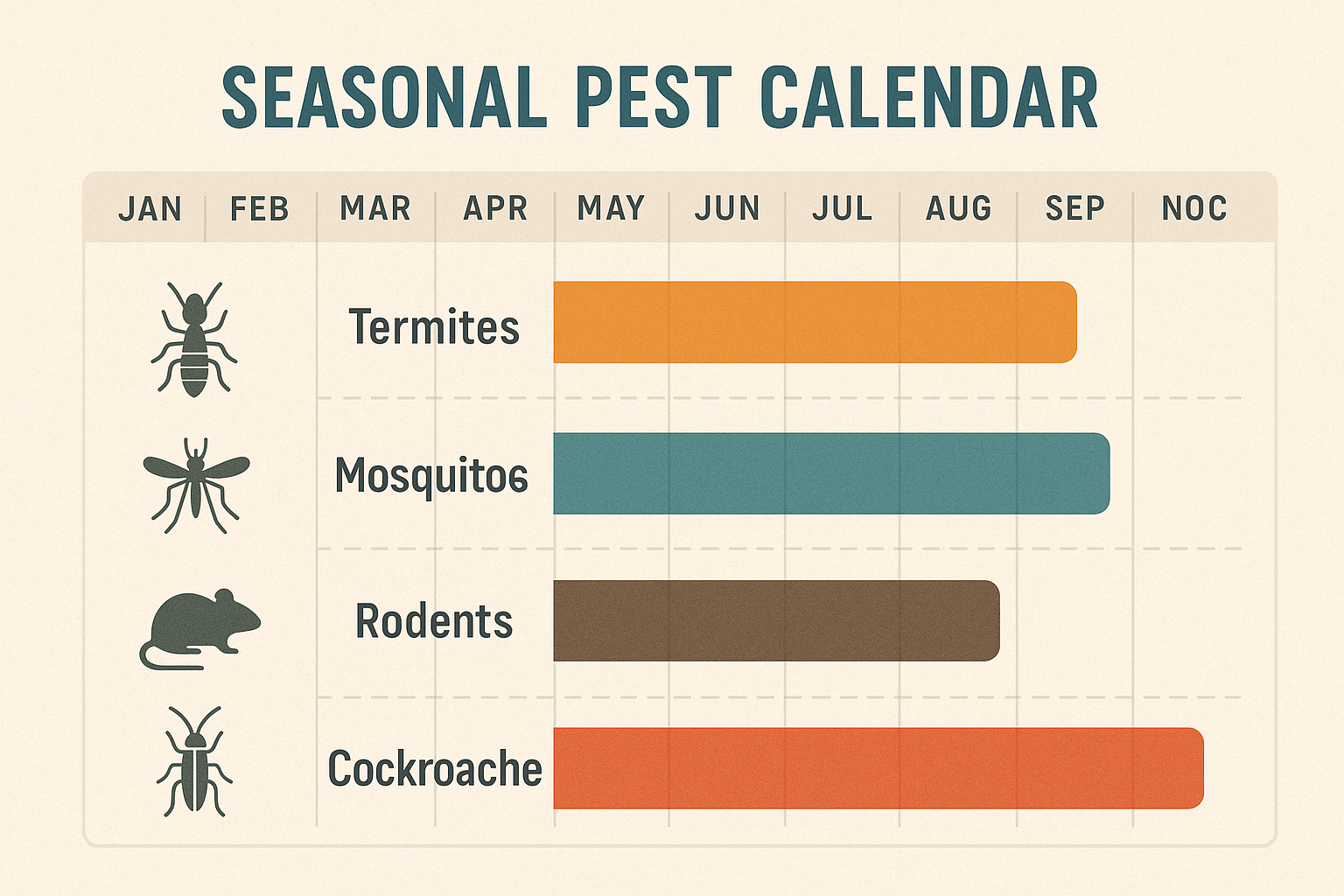
Understanding when specific pests are most active helps you schedule inspections, treatments, and preventative measures before an infestation takes hold. The seasonal calendar above breaks down the typical peak periods for four of the most common household invaders—termites, mosquitoes, rodents, and cockroaches—across the nation. While the calendar offers a national overview, regional climate nuances can shift these windows by a few weeks.
Peak Months by Pest
- Termites: Early spring (March‑May) when soil temperatures rise above 55 °F, prompting workers to swarm and establish new colonies.
- Mosquitoes: Mid‑summer (June‑August) as warm, stagnant water provides ideal breeding grounds.
- Rodents: Early fall (September‑October) when cooler nights drive them indoors seeking shelter and food.
- Cockroaches: Late spring to early summer (May‑June) when humidity spikes and indoor food sources become abundant.
Regional Differences That Matter
The United States isn’t a single climate zone, so each region experiences its own pest timeline. Along the Gulf Coast, mosquito populations explode in July and August because high humidity and frequent rain create endless breeding sites. In the Northeast, you’ll notice a surge of mice and rats in October as leaves fall and homes become more insulated. Meanwhile, the Midwest sees the most aggressive termite activity in April, when thawing soil allows subterranean colonies to expand rapidly.
Neighborhood Snapshots
Arlington, VA: Residents report the highest mosquito nuisance in July. Standing water in rain barrels and backyard ponds peaks then, so a pre‑emptive barrier spray in late June can cut bites by up to 70 %.
Plano, TX: September and October bring a noticeable increase in rodent sightings. Homeowners should seal foundation cracks and trim tree branches that touch the roof before the first frost.
Denver, CO: Cockroach activity climbs in May as snow melts and indoor humidity rises. Installing door sweeps and reducing food debris in the kitchen can prevent a summer infestation.
These localized patterns illustrate why a one‑size‑fits‑all pest plan rarely works. Anthem Pest Control tailors inspections and treatment schedules to the specific climate and pest pressures of your neighborhood, ensuring you get the right protection at the right time.
CDC data shows that mosquito‑borne diseases increased 15 % nationwide in 2022, underscoring the importance of timely mosquito control and personal protection measures during peak months.
From Inspection to Elimination – Understanding Treatment Options
Choosing the Right Treatment for Your Home
When a pest problem surfaces, the first question most homeowners ask is, “What will actually get rid of it?” At Anthem Pest, we start with a thorough inspection, then match the invasion with a treatment that’s both effective and safe. Below is a quick comparison of the four most common approaches we use:
- Chemical Barrier – A perimeter spray or liquid applied around the foundation and crawl spaces creates an invisible shield that kills insects on contact. Ideal for termites, ants, and roaches that constantly travel along the ground.
- Bait Stations – Strategically placed, these stations lure pests with a slow‑acting poison they carry back to the colony. Perfect for rodent control and for ant or cockroach infestations where direct contact is hard to achieve.
- Biological Controls – Beneficial organisms such as nematodes or predatory insects are introduced to target specific pests like soil‑dwelling grubs or fungus‑growing termites. This method is eco‑friendly and works well in organic‑focused households.
- Heat Treatments – By raising the temperature of an affected area to 120‑140°F for several hours, we eradicate bed bugs, mites, and other heat‑sensitive pests without chemicals. It’s a favorite for homeowners who prefer a residue‑free solution.
Transparent Pricing You Can Trust
One of the biggest frustrations for homeowners is hidden fees. Our pricing is based on verified EPA and local market data, and we present it up front so you know exactly what you’re paying for.
- Termite Barrier: $1,500 – $3,000 per acre, depending on soil type and property size.
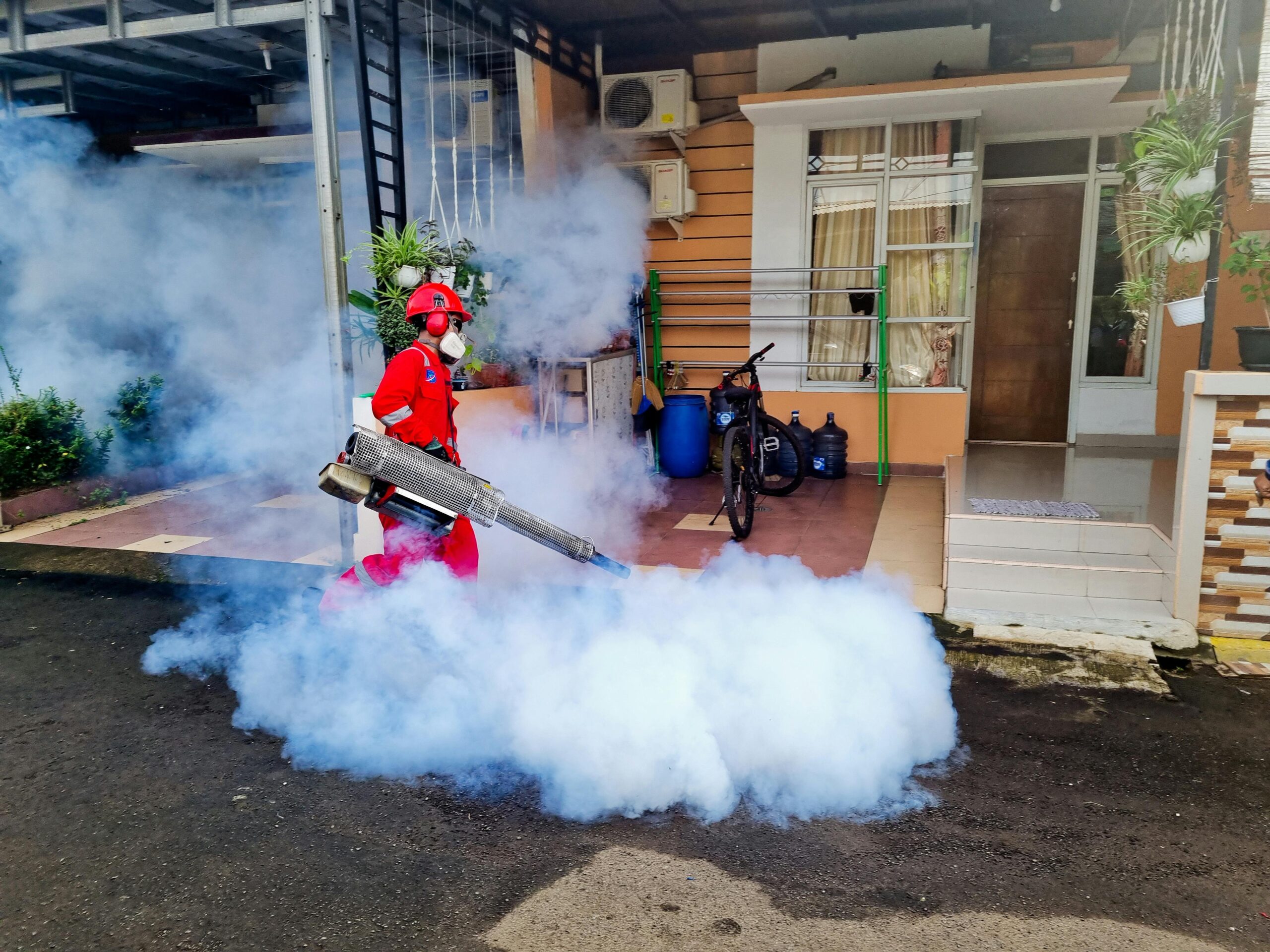
- Mosquito Fogging: $75 – $150 per session, with discounts for recurring monthly plans.
- Rodent Exclusion: $200 – $500 per entry point, covering sealing, hardware, and a follow‑up inspection.
These ranges reflect the typical cost for a standard residential property. If your home has unique challenges—such as a large lot, historic construction, or extensive landscaping—our detailed quote will outline any adjustments before work begins.
Service Timeline: From Inspection to Follow‑Up
Our process is designed to be clear, efficient, and minimally disruptive:
- Inspection – A certified technician walks your property, identifies the pest, and notes entry points, breeding sites, and any structural vulnerabilities.
- Detailed Quote – Within 24 hours, you receive a written estimate that breaks down labor, materials, and any optional services.
- Treatment – We schedule the work at a time that fits your routine. Most treatments are completed in a single visit; heat treatments may require a brief evacuation.
- Follow‑Up Monitoring – One to two weeks after the initial treatment, we return to verify results and place any necessary bait stations or additional barriers.
- Ongoing Maintenance – For long‑term protection, we offer quarterly or bi‑annual service plans that include inspection, retreatment, and a fresh guarantee each cycle.
Anthem Pest’s Guarantees and 24/7 Support
We stand behind every job with three core promises:
- Full‑Effectiveness Guarantee – If the targeted pest returns within the treatment window (30 days for most services, 90 days for heat treatments), we’ll re‑treat at no additional cost.
- 24/7 Emergency Service – Pests don’t wait for business hours. Our emergency line (877‑371‑8196) connects you to a technician who can dispatch an urgent visit within 4 hours of your call.
- Transparent Pricing Promise – No hidden surcharges, no surprise add‑ons. All fees are disclosed in the written quote, and any changes require your written approval.
What Homeowners Are Saying
“I was nervous about the cost of a termite barrier, but Anthem gave me a clear, itemized quote that matched the market range they advertised. The technician explained each step, the barrier was installed in a single day, and the follow‑up inspection showed everything was sealed tight. When a small mouse appeared a week later, they came out the same day, fixed the entry point, and the price was exactly what they’d promised. I feel confident that I’m protected without any hidden fees.” – Laura M., Dallas, TX
Quick Answers to Common Concerns
Q: “Do DIY products work?”
While many over‑the‑counter sprays and traps can knock down a few insects, the U.S. Environmental Protection Agency (EPA) advises that professional pest‑management services provide the most reliable, long‑lasting control, especially for infestations that have spread behind walls or under foundations. DIY solutions often lack the residual activity needed to prevent re‑invasion, and improper use can create health risks for occupants. For lasting peace of mind, trust a licensed technician who follows EPA‑approved protocols.
Q: “How often should I schedule inspections?”
Most homes benefit from a semi‑annual inspection—once in spring and once in fall—when pest activity typically peaks. If you live in a high‑risk zone—such as areas prone to termites, mosquitoes, or rodent activity—consider upgrading to a quarterly schedule. Regular visits let technicians catch early warning signs, adjust treatment plans, and keep your home protected year‑round.
Q: “Are treatments safe for children and pets?”
The EPA’s safety guidelines require that all pest‑control products meet strict toxicity standards. Anthem Pest Control prioritizes low‑toxicity options that are safe for families when applied correctly. Our technicians use targeted applications, barrier treatments, and Integrated Pest Management (IPM) strategies that minimize exposure. We also advise simple protective measures—like keeping children and pets away from treated zones until the product dries—to ensure a safe environment.
Q: “What if I have allergies or sensitivities?”
For homeowners with respiratory concerns or chemical sensitivities, the Centers for Disease Control and Prevention (CDC) recommends discussing alternative, non‑chemical treatments with your pest‑control provider. Anthem offers options such as heat treatment for bed bugs, mechanical traps for rodents, and botanical‑based sprays that reduce allergen exposure while still delivering effective control.
Q: “Do I need to prepare my home before a visit?
Preparation helps our technicians work efficiently and enhances treatment efficacy. Generally, clear clutter from baseboards, move pet food dishes away from treatment zones, and secure any food items in sealed containers. If you have specific concerns—like a newborn or a newly adopted pet—let us know in advance so we can tailor our approach to your household’s unique needs.
Take Control of Your Home’s Health Today
Identifying the right pest, staying aware of seasonal spikes, and taking preventive steps are the three pillars of a healthy home. Whether you’re spotting ant trails in the kitchen, hearing nocturnal rodents, or noticing mosquito activity after a summer rain, early detection lets you act before an infestation takes hold. Pair those DIY observations with professional treatment when needed, and you create a robust defense that protects your family and property year‑round.
Anthem Pest Control brings that defense to the next level with local expertise you can trust. Our technicians know the pest pressures unique to your neighborhood, and they tailor each plan to match those conditions. Transparent pricing means you’ll see exactly what you’re paying for—no hidden fees, just affordable, science‑backed solutions that keep pests out and peace of mind in.
Seasonal changes dictate which pests are most active. In spring, termites and ants emerge, while summer brings mosquitoes and flies. Fall sees rodents seeking shelter, and winter can trigger hidden infestations as pests look for warmth. By aligning your treatment schedule with these cycles, you stay one step ahead, reducing the chance of costly re‑treatments.
Ready to take the next step? Call us at 877‑371‑8196 or schedule a free home inspection online. Our team will assess your situation, outline a customized action plan, and give you a clear price estimate before any work begins.
Our crew is ready to protect your home using proven, science‑backed methods and a personalized service approach. We treat each property as unique, ensuring that the solutions we apply are both effective and safe for your family and pets.
Take control today—visit Anthem Pest Control and schedule your free inspection.