Summer Heat Brings Unwanted Guests

Imagine stepping onto your porch after an unusually warm summer night, only to find a line of ants marching across the patio or a swarm of mosquitoes buzzing around the patio lights. The sudden invasion feels like an unwelcome reminder that the season’s heat has turned your home into a pest playground.
Heat and humidity are the perfect cocktail for many household pests. Warm temperatures accelerate insect metabolism, prompting faster breeding cycles. Moisture provides the water they need to survive and the soft, damp soil or standing water they use for nesting. Mosquitoes, for example, thrive when night temperatures stay above 70°F, while ants exploit the extra moisture to expand their colonies into kitchens and basements.
This guide will walk you through the signs of a burgeoning infestation, proven prevention tactics, and effective treatment options. Whether you’re dealing with tiny ant trails or buzzing mosquito clouds, you’ll learn how to spot the problem early and act before it spreads.
At Anthem Pest Control, our mission is simple: deliver safe, data‑driven pest solutions to homeowners across the nation. We combine local expertise with cutting‑edge technology to protect your family and property without compromising health or budget.
Our technicians rely on real‑time monitoring and proven treatment protocols, ensuring each job is tailored to your home’s unique environment. Transparent pricing means you’ll know exactly what’s covered before any work begins.
Ready to take back your home? Keep reading for actionable, expert‑backed advice that turns summer’s unwelcome guests into a thing of the past.
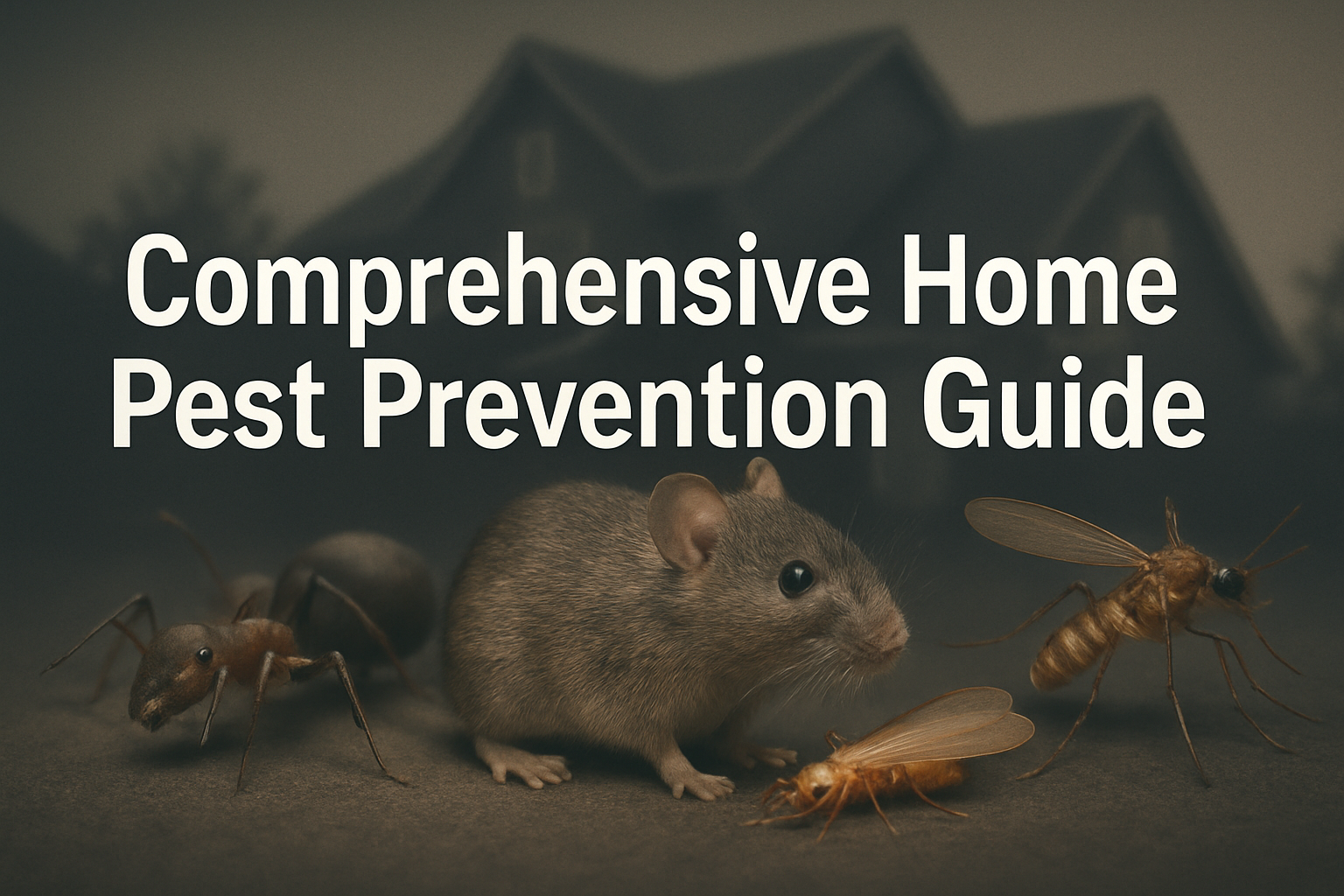
Who’s Invading Your Home?
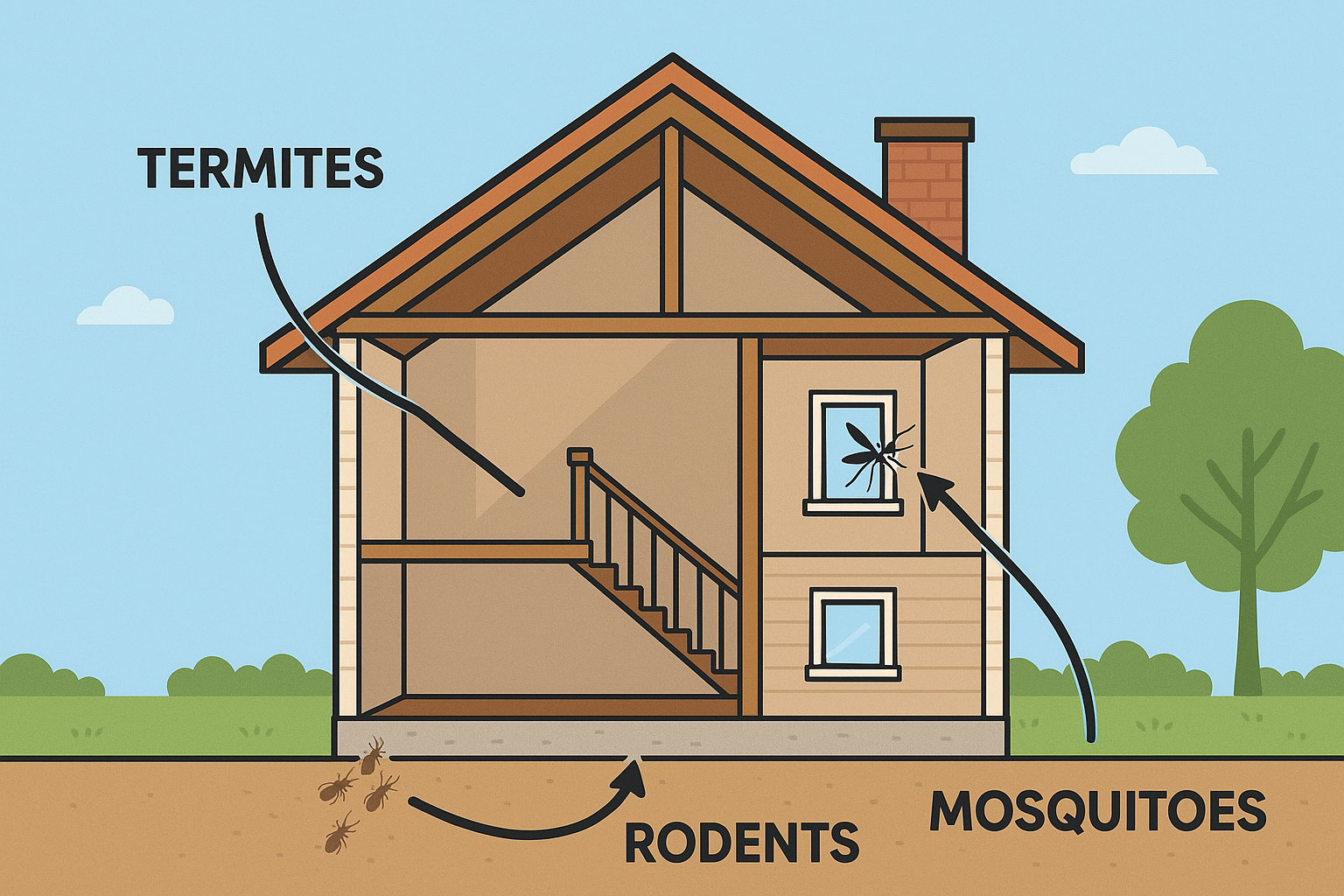
Knowing which pests are likely to invade your home helps you spot early
Spot the Signs Before They Multiply
Early detection is the most cost‑effective defense against a full‑blown infestation. By learning the subtle clues each pest leaves behind, you can act before the problem spreads to every corner of your home.
Ant Trails
Ants carve visible, often glossy lines across countertops, especially in kitchen areas where food residues linger. The trails are usually a single‑file procession of tiny, dark specks that reappear after cleaning if the source isn’t eliminated.
Termite Mud Tubes
Termites build protective mud tubes to travel between their colony and a food source. In a home, these appear as smooth, pencil‑thin tunnels on foundation walls, floor joists, or even the interior of crawl spaces. The tubes are typically light tan to gray and feel slightly moist to the touch.
Rodent Droppings
Rodent droppings are a clear indicator of activity. They are about ¼‑inch long, dark, and shaped like tiny rice grains. Look for them in attics, basements, behind appliances, and along walls where rodents travel.
Mosquito Activity
After a rainstorm, mosquito bite patterns often shift to clusters on exposed skin, especially around the ankles and wrists. In Phoenix, AZ, a recent surge in bites followed a monsoon‑season downpour, correlating with a spike in West Nile virus cases. For up‑to‑date disease data, visit the CDC’s mosquito‑borne disease page.
Cockroach Clues
Cockroaches hide by day and emerge at night. Their egg casings, called oothecae, look like small, brownish capsules attached to walls or under appliances. Spotting a single roach after dark or finding shed skins signals a growing population.
Fly Breeding Hotspots
Flies are attracted to organic waste. Check garbage cans, pet waste stations, and compost bins for damp, foul‑smelling residues. A sudden increase in flies around these areas often means a breeding site is nearby.
| Pest | Visual Sign | Auditory Sign | Odor | Recommended Immediate Action |
|---|---|---|---|---|
| Ants | Visible trails on countertops or floors | None | None | Wipe trails, seal entry points, schedule a professional inspection |
| Termites | Mud tubes on foundations, joists, or walls | None | Musty, wood‑like | Contact a licensed termite specialist immediately |
| Rodents | Droppings, gnaw marks, nesting material | Scratching in walls or ceilings | Urine odor, especially in confined spaces | Set traps, seal gaps, call a pest professional |
| Mosquitoes | Clusters of bites after rain, standing water | Buzzing near skin | None | Eliminate standing water, use repellents, consider barrier treatments |
| Cockroaches | Egg casings, shed skins, droppings | Scurrying sounds at night | Musty, oily odor | Deep clean, reduce moisture, schedule a professional treatment |
| Flies | Swarming near waste, larvae in organic matter | Buzzing | Foul, decaying smell | Secure waste containers, clean breeding sites, use fly traps |
Proactive Measures to Keep Pests Out
Seal Up Structural Gaps
Every tiny opening is an invitation for ants, roaches, rodents, and even wasps. Walk around the exterior of your home with a flashlight and note any cracks, gaps, or holes. Fill them with a durable caulk (typically $5‑$15 per linear foot) and consider using expanding foam for larger voids. Install door sweeps on all exterior doors; they run about $10‑$30 each and block the most common entry points. A well‑sealed envelope keeps pests out and reduces the need for chemical treatments.
Improve Drainage Around Your Home
Moisture is a magnet for termites, mosquitoes, and many crawling insects. Ensure gutters and downspouts are clear of debris and direct water at least three to four feet away from the foundation. If you notice pooling near the base of the house, add a French drain or re‑grade the soil to slope away. Proper drainage not only protects your foundation but also eliminates the damp environments pests love.
Maintain Windows and Screens
Even the smallest tear in a screen can become a highway for insects. Inspect all windows and screen doors each season. Replace damaged screens—most cost under $20 per panel—and apply weather‑stripping around frames to seal gaps. Consider adding a fine‑mesh screen for vents and utility openings; it blocks larger insects while still allowing airflow.
Landscape for Pest Resistance
Your yard can be a silent ally or an accidental breeding ground. Follow these simple landscaping habits:
- Trim trees, shrubs, and vines at least six inches from walls to remove bridges that pests use to reach your home.
- Remove standing water from birdbaths, plant saucers, and clogged gutters to discourage mosquitoes.
- Choose native plants that require less water and are less attractive to insects such as beetles and aphids.
- Keep firewood stacked away from the house and elevated off the ground; wood piles are a favorite hideout for termites and rodents.
Adopt Daily Household Habits
Consistent, low‑effort habits can dramatically lower pest pressure:
- Store pantry items, pet food, and snacks in airtight containers; pests can sniff out even a tiny opening.
- Wipe down counters, sweep floors, and vacuum regularly to eliminate crumbs that attract ants and cockroaches.
- Seal trash cans with tight‑fitting lids and take out garbage before it sits overnight.
- Clean up pet waste promptly; it can draw flies, fleas, and other parasites.
Quick‑Start Checklist
Ready to put these steps into action? Download our printable PDF checklist, which walks you through each task, suggests a seasonal timeline, and includes space to note product prices you find at Home Depot or your local hardware store.
Download the Proactive Pest‑Prevention Checklist (PDF)
Effective Treatment Paths and What They Cost
Chemical Barriers
Perimeter sprays create a protective shield that kills ants, cockroaches, and other crawling insects before they can cross your home’s threshold. Technicians apply a residual insecticide along foundations, doorways, and window sills, delivering an immediate knock‑down effect. The typical price for a full‑house chemical barrier ranges from $150‑$300, depending on square footage and the specific formulation used. While highly effective, this method requires periodic re‑application and careful handling to avoid unwanted chemical exposure around children or pets.
Baiting Systems
Ant bait stations and rodent bait blocks work on a “worker‑to‑colony” principle: pests carry the toxic bait back to their nest, eradicating the problem at its source. Ant baits are discreet, low‑odor, and can be placed in kitchens, basements, and outdoor perimeters. Rodent blocks are sealed, reducing the risk of accidental ingestion. Prices typically fall between $100‑$250 for a complete set‑up, plus a modest monitoring fee. The biggest advantage is long‑term control with minimal surface residue, though placement must be strategic to ensure pests actually encounter the bait.
Termite Barriers
EPA‑approved liquid termite barriers are the gold standard for protecting wooden structures from subterranean termites. A professional mixes a termiticide with water and injects it into the soil around the home, forming an invisible chemical wall that termites cannot cross. Installation takes a few hours and often includes a moisture‑meter check to confirm proper coverage. The investment runs between $2,500‑$4,500, reflecting the specialized equipment, material costs, and the long‑lasting protection (often 10 + years) the treatment provides.
Mosquito Misting
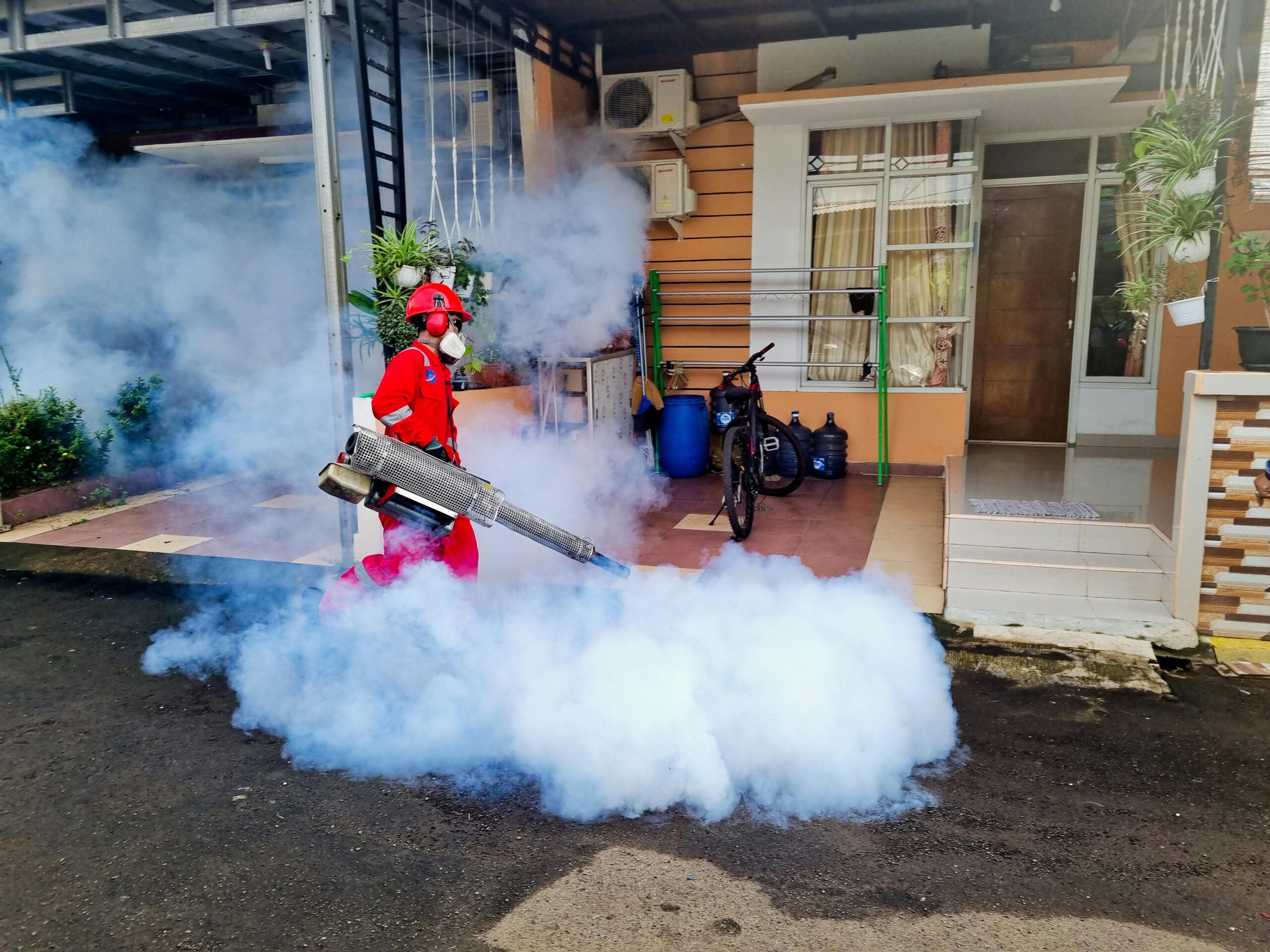
For homeowners plagued by summer buzz, misting systems disperse a fine spray of EPA‑registered larvicide and adulticide over the yard. A typical treatment costs $100‑$200 per application, and most experts recommend a weekly schedule during peak mosquito season (May‑September). This approach reduces adult mosquito populations quickly, but the effect is temporary—once the misting stops, numbers can rebound, so a seasonal plan is essential for lasting relief.
Eco‑Friendly Options
Botanical sprays derived from neem, pyrethrin, or essential oils offer a greener alternative for ant and roach control. They break down rapidly in the environment, making them safe around pets and children, though they may require more frequent applications. Ultrasonic devices claim to repel pests with high‑frequency sound waves; however, scientific studies show mixed results, and they work best as a supplemental measure rather than a primary solution. Pricing for eco‑friendly sprays typically falls between $80‑$150 per treatment, while ultrasonic units are a one‑time purchase of $30‑$70.
| Treatment Type | Cost Range | Pros | Cons | Ideal Use |
|---|---|---|---|---|
| Chemical Barrier | $150‑$300 | Immediate knock‑down, broad coverage | Potential chemical exposure, re‑application needed | Ants, roaches, perimeter protection |
| Baiting Systems | $100‑$250 | Targets colony, low surface residue | Requires precise placement, slower results | Ant colonies, rodent infestations |
| Termite Barrier | $2,500‑$4,500 | Long‑term protection, EPA‑approved | Higher upfront cost, professional installation only | Subterranean termite prevention |
| Mosquito Misting | $100‑$200 per treatment | Rapid reduction of adult mosquitoes | Effect fades after treatment stops, recurring cost | Seasonal backyard and patio comfort |
| Eco‑Friendly Options | $80‑$150 | Safer for pets/children, biodegradable | May need frequent re‑application, variable efficacy | Homeowners seeking green pest control |
Anthem Pest’s standard service packages bundle many of these treatments into transparent, upfront quotes. Every package includes a 24‑hour response guarantee, so you won’t be left waiting when a pest emergency strikes. Whether you need a single termite barrier or a year‑round integrated plan, Anthem Pest delivers clear pricing, professional installation, and ongoing support—no hidden fees, no surprise charges.
What to Look for in a Pest Control Partner
Choosing the right pest‑control partner is as critical as picking the right lock for your front door. A reputable company not only eliminates the current infestation but also puts safeguards in place to keep pests out for good. Use the checklist below to separate the pros from the pretenders before you hand over the keys to your home.
Essential vetting criteria
- Licensing and EPA registration. Verify that the technician holds a valid state pest‑control license and that the company is registered with the Environmental Protection Agency. This ensures compliance with safety standards and proper pesticide use.
- Insurance coverage and bonding. A fully insured and bonded provider protects you from accidental damage or injuries that could occur during treatment.
- Customer testimonials and third‑party ratings. Look for recent reviews on Google, Yelp, or the Better Business Bureau. Consistently high scores indicate reliable service and satisfied homeowners.
- Local expertise and rapid response. Companies that specialize in your region understand seasonal pest cycles and can dispatch a technician within hours, not days.
Why Anthem Pest stands out
Anthem Pest checks every box on the list. All of our technicians are fully licensed, EPA‑registered, and carry comprehensive insurance. Our nationwide network gives us the backing of a large organization while we maintain a local‑first approach—meaning you get the speed of a big company with the personalized care of a neighborhood specialist. Need help fast? Call our 24/7 line at 877‑371‑8196 and a certified technician will be on the way.
“I called Anthem after spotting ants in my kitchen. They arrived the same afternoon, performed a thorough inspection, and had the problem under control within hours. The technician explained every step, and I felt confident the bugs wouldn’t return.” – Emily R., Springfield, IL
When you match these criteria with a company that backs its promises with proven certifications and a dedicated support line, you can rest easy knowing your home is in good hands.
FAQ – Quick Answers for Busy Homeowners
How often should I schedule inspections?
We recommend a bi‑annual inspection—once in spring and once in fall—to catch infestations early and keep your home pest‑free. This schedule follows EPA best‑practice guidelines for proactive pest management. EPA guidelines
Are treatments safe for pets and children?
All Anthem treatments use EPA‑approved products that meet strict safety standards for families and pets. We apply them at concentrations proven safe when used as directed, and we follow all label instructions to minimize any risk. EPA safety page
Can I DIY before calling a pro?
Simple steps—like sealing cracks, removing food sources, and using bait stations for ants—can reduce minor activity. However, if you see signs of termites, rodents, or bed bugs, professional assessment is essential to prevent hidden damage and ensure thorough eradication.
What’s the typical response time for emergency calls?
Anthem offers a 24‑hour guarantee on emergency pest situations. Once you contact us, a certified technician will be dispatched within the next business day, and we prioritize cases that pose health or safety risks.
How do I know if a treatment was successful?
Success is confirmed through a follow‑up inspection within two weeks and ongoing monitoring tips we provide—such as checking for new droppings or activity signs. If pests reappear, we’ll re‑treat at no extra cost.
Which pests are most active in spring?
Spring awakens ants, termites, and mosquitoes. Warmer temperatures also trigger cockroach breeding cycles. Early detection and treatment during this season can stop these pests before they establish large colonies.
Do I need to move furniture before a treatment?
For most interior sprays, we ask homeowners to clear floor space around baseboards and move lightweight items away from walls. This ensures the product reaches all cracks and crevices. Our technicians will advise you on any specific moving requirements.
Secure Your Home with Professional Pest Protection
Detecting pests the moment they appear gives you a decisive edge. Early identification lets you act before a tiny ant trail turns into a colony, or before a single termite bite expands into structural damage. By pairing quick detection with preventive measures—such as sealing entry points and scheduling regular treatments—you keep your home safe and your peace of mind intact.
Proactive pest control isn’t just smarter; it’s cheaper. A single termite infestation can cost thousands in repairs, while a timely intervention often resolves the problem for a fraction of that price. The same principle applies to rodents, bed bugs, and other invaders: stopping them early eliminates the need for extensive remediation, replacement of damaged materials, and the hidden health costs that follow.
Key benefits of acting now:
- Early detection stops infestations before they spread.
- Preventive treatments lower long‑term repair costs.
- Professional service ensures safe, effective solutions.
Our technicians are locally trained and ready to safeguard every room of your home.
Ready to protect your home before the problem grows? Anthem Pest Control offers a free, no‑obligation home inspection to pinpoint vulnerabilities and tailor a treatment plan that fits your budget.
Call us today at 877‑371‑8196 for a personalized quote, or visit Anthem Pest Control to learn more and book your free inspection.