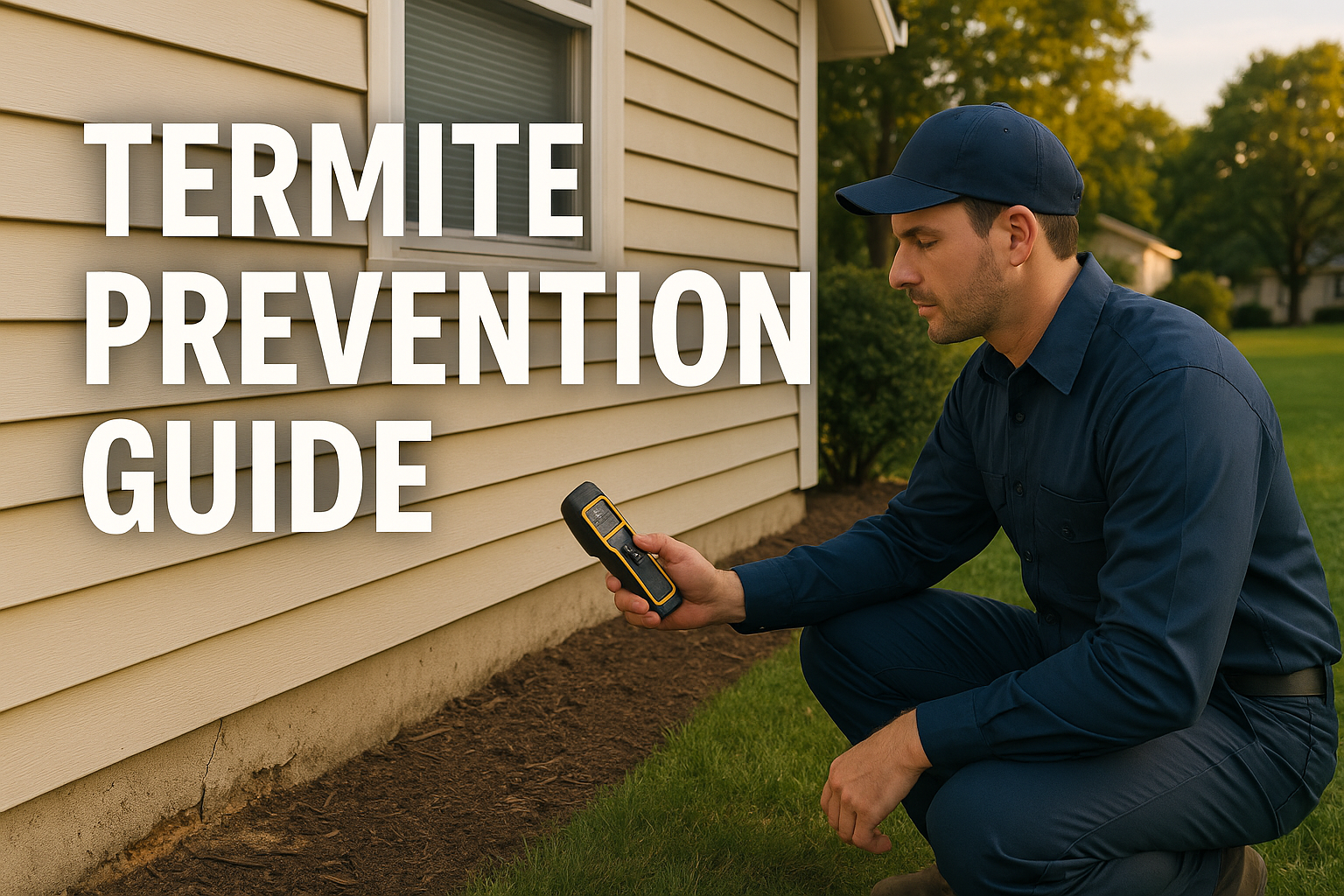
Termite Threat Overview
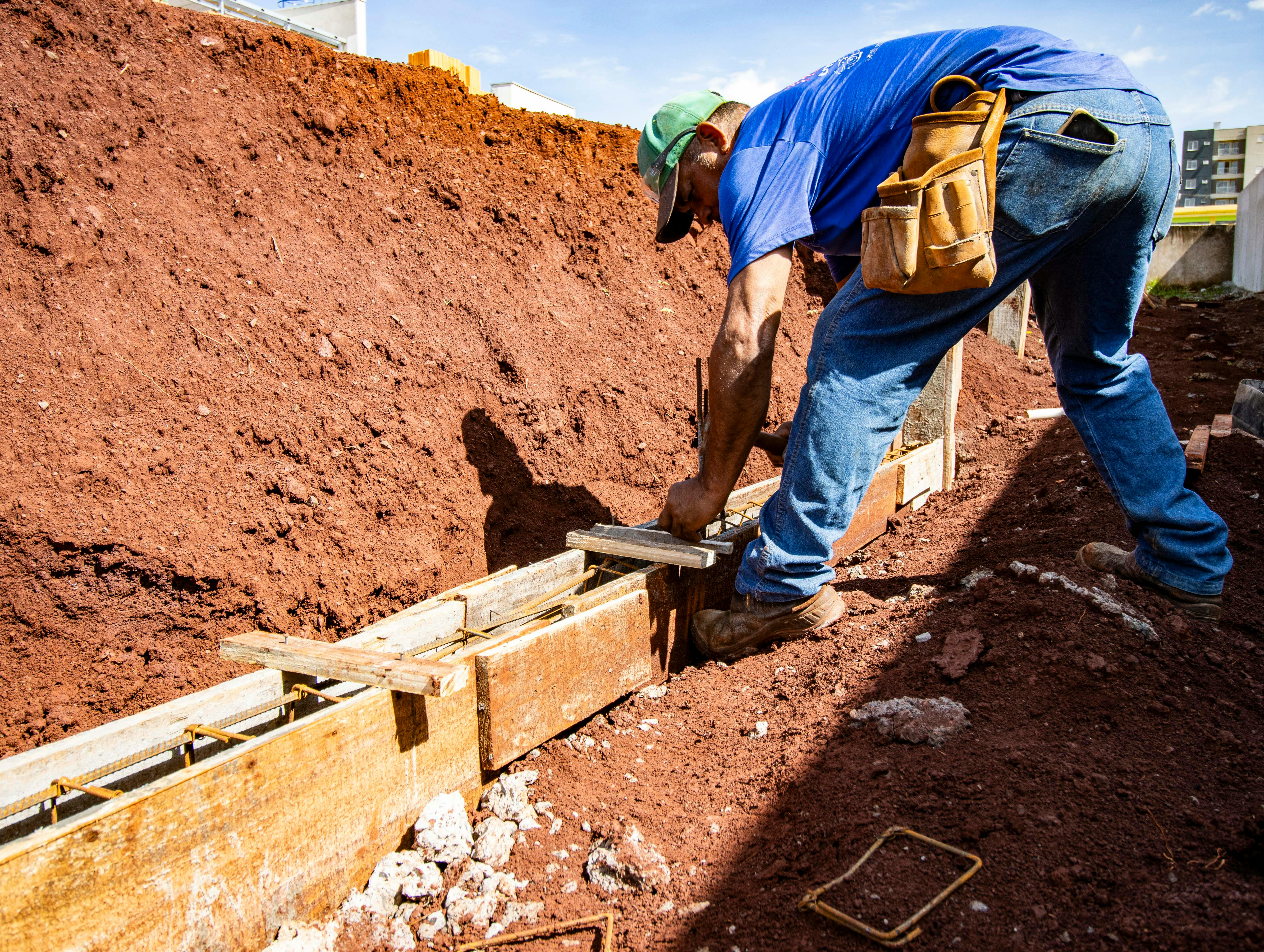
Did you know? The U.S. Environmental Protection Agency’s 2024 report reveals a 12% rise in termite incidents nationwide compared with 2023, with the Midwest and South accounting for the largest spikes. Homeowners are now facing more frequent calls from neighbors about mysterious wood damage, and the data suggests that the problem is spreading faster than ever.
Termites operate unseen, tunneling through wooden framing, floor joists, and even concrete slab edges. Over time, these silent eaters compromise a home’s structural integrity—think weakened support beams, sagging floors, and cracked foundations. The damage isn’t just a safety hazard; it directly erodes property value. Real‑estate appraisers often deduct up to 15% from a home’s market price when termite damage is discovered, and repairs can easily climb into the tens of thousands.
That’s where Anthem Pest Control steps in. With more than a decade of service across the United States, our technicians combine local knowledge with cutting‑edge, data‑driven inspection techniques. We’ve treated thousands of homes in regions most prone to termite activity, and our neighborhood‑focused approach means we understand the specific challenges your community faces.
Our guide is built on the same rigorous research that informs the EPA’s findings. Expect clear explanations of warning signs—like mud tubes, hollow‑sounding wood, and unexplained ceiling stains—paired with practical steps you can take before an infestation takes hold. By grounding every recommendation in real‑world data, we aim to empower you, the homeowner, to protect both your family’s safety and your investment.
Stay with us as we dive deeper into termite behavior, detection methods, and the most effective treatment options available today. This section sets the stage for a homeowner‑focused roadmap that turns alarming statistics into actionable peace of mind.
What Makes Termites Different?
Termites are often lumped together, but the three species most common in U.S. homes behave very differently. Knowing which one you’re dealing with can change the treatment plan, the timeline, and the cost.
Subterranean termites
These are the “classic” house‑killers. They build mud‑tube highways from the soil into the foundation and can travel great distances underground. Subterranean colonies thrive in moist soil, so any drainage problem or cracked slab is a red flag. Because they can access large areas of a structure, damage spreads quickly.
Drywood termites
Drywood termites live entirely inside the wood they consume, requiring no direct soil contact. They are most common in warm, dry climates such as the Southwest and Southeast. Infestations often start in attic joists, furniture, or exterior siding, and the insects create tiny “kick‑out” holes as they eject frass.
Dampwood termites
Dampwood termites prefer high‑moisture environments like decaying logs, crawl spaces with poor ventilation, or areas around leaky pipes. They are less aggressive than subterranean termites, but their presence signals a moisture issue that can invite other wood‑destroying pests.
Impact at a glance: The National Pest Management Association (NPMA) reported in its 2023 survey that subterranean termites account for roughly 80 % of all termite‑
Spotting the Red Flags Before They Spread
Termites work silently, but they leave a trail of clues that any attentive homeowner can catch. Spotting those clues early stops a small problem from becoming a costly structural nightmare. Below is a practical, field‑ready checklist that lets you walk through your home with confidence.
Visual Signs of Termite Activity
- Mud tubes – Pencil‑thin, sand‑filled tunnels climbing up walls or down foundations.
- Discarded wings – Shiny, oval wing casings near windows, doors, or light fixtures after a swarm.
- Hollow‑sounding wood – Tap a piece of wood; a dull thud often means the interior has been eaten away.
- Buckling or sagging floors – Uneven flooring can signal hidden damage beneath the surface.
Step‑by‑Step Homeowner Inspection Checklist
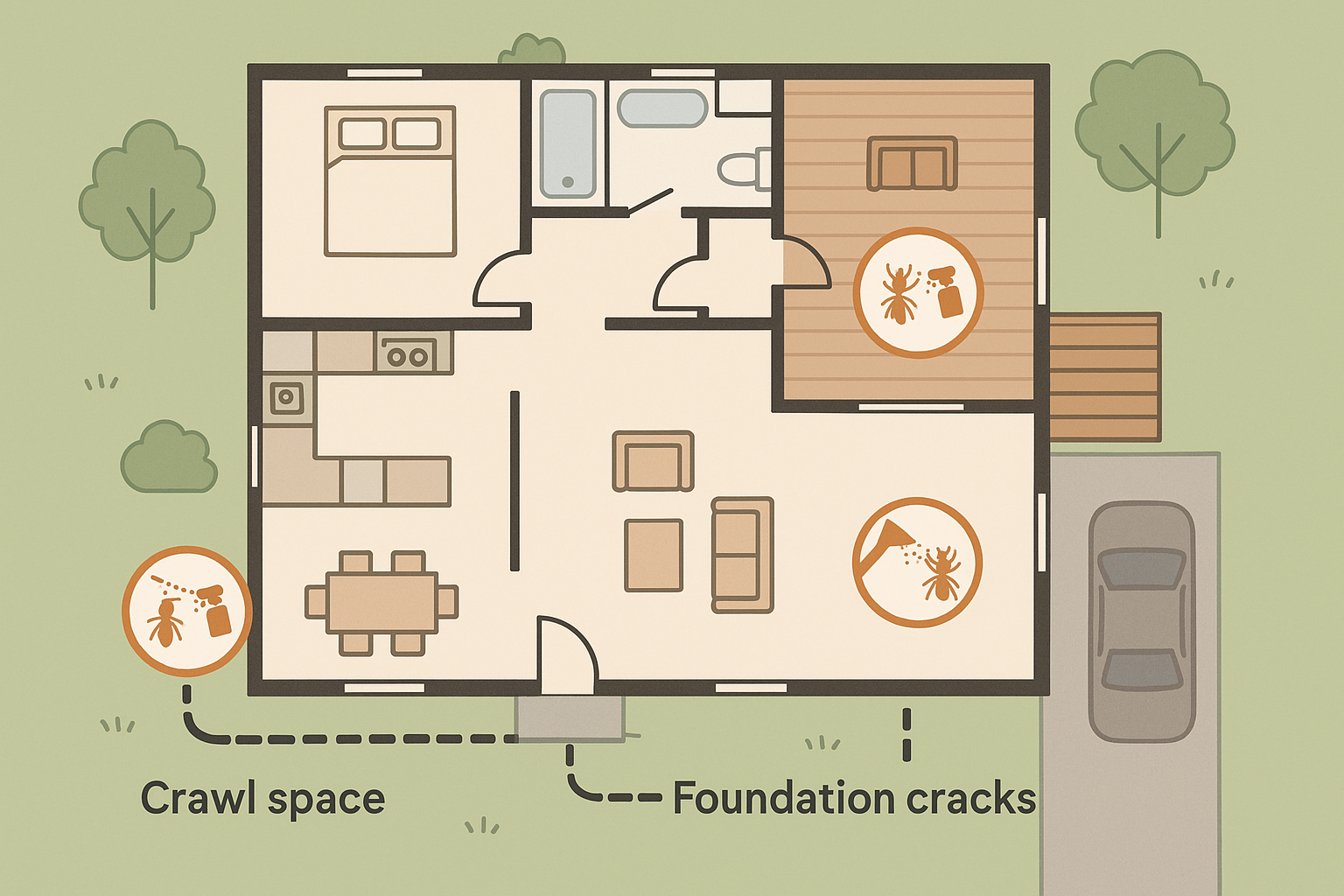
- Foundation
- Walk the perimeter and look for mud tubes on the exterior brick or concrete.
- Inspect the soil line for damp, dark patches that feel softer than surrounding earth.
- Check any cracks larger than ¼ inch for signs of frass (termite droppings) or wood shavings.
- Crawl Space
- Lift the access panel and shine a flashlight along joists; any hollow or spongy spots merit a closer look.
- Feel for moisture accumulation—termites love damp wood.
- Search for discarded wings on the floor or tucked into insulation.
- Attic
- Examine the underside of roof rafters for mud tubes or tunnels.
- Tap beams; a dull sound may indicate internal damage.
- Look for small piles of frass near ventilation openings.
Local Success Story: Neighborhood X
In the summer of 2023, a homeowner in the historic Neighborhood X of Springfield noticed a few discarded wings near a bedroom window. Following the checklist above, they inspected the foundation and discovered a network of mud tubes along the back wall. Because the infestation was caught within weeks, Anthem Pest Control was able to apply a targeted spot‑treatment and install a moisture barrier. The homeowner avoided a full‑scale structural repair that the county extension service estimated would cost roughly $7,200. Early detection turned a potential disaster into a simple, affordable fix.
Quick Reference Resources
- CDC Home Pest Fact Sheet – https://www.cdc.gov/parasites/termite/index.html
- Local County Extension Service – Termite Identification Guide (downloadable PDF)
When Termites Are Most Active
Why Spring‑Early Summer Drives the Surge
Termites don’t work around the clock; they follow the weather. Understanding when they’re most active helps you schedule inspections before damage starts.
In most U.S. regions, the window from late March through early July is the termite high‑season. Warm temperatures above 70°F (21°C) speed up colony metabolism, while spring rains raise soil moisture—both conditions termites need to travel from the ground to the wood they’re eating. When the soil stays damp, the protective mud tubes they build stay intact, allowing workers to move freely and swarmers to emerge.
EPA’s 2024 Seasonal Pest Activity Report shows a 45 % jump in termite reports from April to June compared with the winter months, confirming the seasonal peak across both subterranean and dry‑wood species.
Month‑by‑Month Inspection & Treatment Guide
| Month | Typical Activity Level | Suggested Action |
|---|---|---|
| March | Low‑to‑moderate (soil warming) | Schedule a pre‑season inspection |
| April | Rising (moisture & temperature) | Inspect; treat early colonies |
| May | Peak activity (optimal conditions) | Full inspection; apply barrier or bait |
| June | High activity continues | Spot‑treat any new infestations |
| July | Activity tapers (soil drying) | Final summer check; maintain barriers |
| August | Low activity (dry conditions) | Plan next year’s preventive strategy |
Use this timeline to plan a proactive inspection and, if needed, treatment. If you catch a colony during the early window, a single liquid barrier or bait system can often protect your home for years. For established infestations detected in June or July, a combination of bait stations and localized spot treatments works best.
Take Advantage of Anthem’s Free Seasonal Inspection
Anthem Pest Control offers a free seasonal inspection for homeowners in every service area. Our certified technicians will check for mud tubes, swarming activity, and any structural conditions that attract termites, then provide a written recommendation at no cost.
Schedule your spring inspection now—waiting until you see damage often means a larger, more expensive treatment later.
Proactive Steps to Keep Termites Out
1. Control Moisture at Its Source
Termites thrive in damp environments, so the first line of defense is to eliminate excess moisture. Fix leaky faucets, repair cracked foundations, and ensure gutters direct water at least six inches away from the house. Installing a dehumidifier in crawl spaces can lower relative humidity below the 60% threshold that termites need to survive. Proper grading and French drains further keep groundwater from pooling near the foundation. The EPA notes that moisture management can cut infestation risk by up to 40% when combined with other measures.
2. Replace Vulnerable Wood
Wood that has been water‑logged, rotted, or in direct contact with soil is a termite magnet. Swap out any untreated lumber in basements, decks, or siding with pressure‑treated or naturally resistant species such as cedar or redwood. Seal any gaps or cracks around existing wood to deny termites a hidden pathway. Although the upfront expense varies, homeowners typically spend $500‑$1,200 for a modest replacement project, a cost that pays off by removing a prime food source.
3. Install a Chemical or Physical Barrier
Barrier treatments create an invisible wall that termites cannot cross. DIY kits—often sold as liquid termiticides—run about $300‑$500 for a 1,500‑square‑foot home. For a professional‑grade application, Anthem’s average price ranges from $1,200 to $2,500, depending on soil type and property size. Both the EPA and the National Pest Management Association (NPMA) list these figures as standard benchmarks for effective barrier protection. Remember to schedule a yearly re‑application to maintain the barrier’s integrity.
4. Schedule Regular Inspections
Even the best preventive plan can miss a hidden colony. A qualified inspector should walk the property twice a year—once in spring and again in fall—to spot early warning signs such as mud tubes, discarded wings, or hollow‑sounding wood. Keep a log of inspection dates, findings, and any remedial actions taken; this record helps track trends and justifies future maintenance. Anthem offers an annual inspection package for $149, a fraction of the $3,000‑$5,000 repair bill many homeowners face after a full‑scale infestation.
5. Adjust Landscaping to Deter Pests
Keep mulch, firewood, and plant beds at least 12 inches away from the foundation. Choose gravel or stone pathways instead of wood chips, and trim tree branches so they don’t touch the house. When mulch is necessary, opt for rubber or cedar varieties that are less appealing to termites. These simple adjustments reduce the bridge that termites use to travel from soil to structure.
Case Study: Turning the Tide in River City
When the Johnson family in River City noticed termite activity in their basement, they implemented all five steps above. Within six months, a follow‑up inspection reported a 70% reduction in termite activity compared with the initial baseline. The homeowner credited the combination of a professional barrier ($1,800), moisture repairs ($950), and diligent landscaping changes for the dramatic improvement. This real‑world result underscores how coordinated prevention can dramatically lower risk and protect property value.
Choosing the Right Termite Treatment
Liquid Termiticides
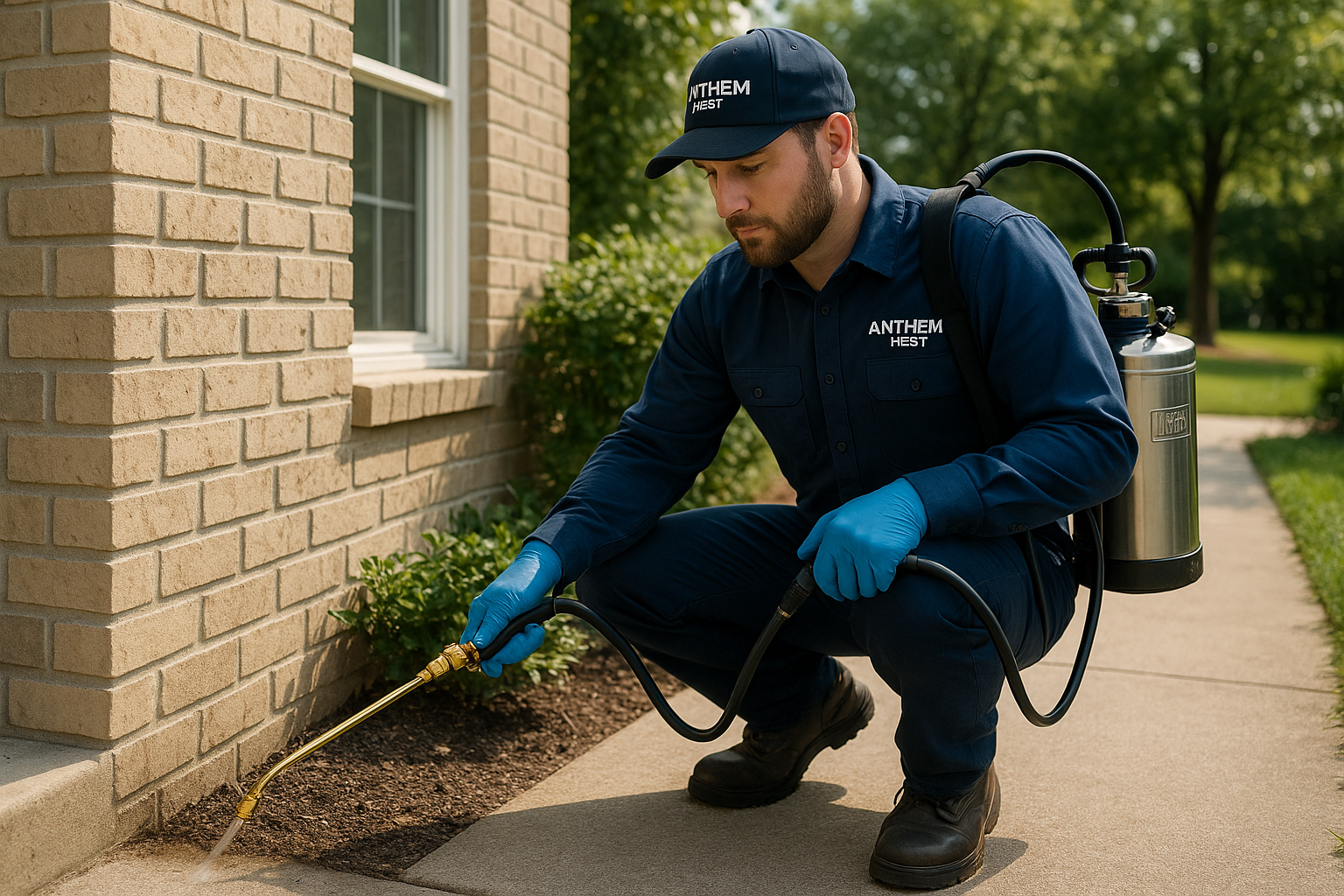
Liquid termiticides are applied as a continuous barrier in the soil around a home’s foundation. The chemical penetrates the soil, creating an invisible shield that kills foraging termites on contact.
- Pros: Immediate protection, works against all termite species, minimal disruption to daily life.
- Cons: Requires professional equipment, effectiveness can diminish if soil conditions change, potential environmental concerns.
- Effectiveness: Approximately 95% success rate when applied correctly.
Baiting Systems
Bait stations are installed around the perimeter and contain cellulose material laced with a slow‑acting growth regulator. Foraging termites feed, share the toxin, and eventually collapse the colony.
- Pros: Low chemical exposure, targets the colony at its source, can be monitored and adjusted over time.
- Cons: Takes weeks to months to see results, requires regular inspections, less effective against dry‑wood termites.
- Effectiveness: Around 85% when stations are properly placed and maintained.
Structural Fumigation
Fumigation encloses the entire structure in a gas‑tight tent and releases a vapor that penetrates wood, eliminating termites throughout the home in a single treatment.
- Pros: One‑time, comprehensive eradication; works on hidden infestations; no soil work needed.
- Cons: Requires occupants to vacate for 24–48 hours, higher upfront cost, limited to certain building types.
- Effectiveness: Near‑100% when the tent is properly sealed and the correct dosage is used.
Effectiveness & Pricing Overview
| Treatment Type | EPA/NPMA Price Range (USD) |
|---|---|
| Liquid Termiticides | $1,200 – $2,500 |
| Baiting Systems | $1,500 – $3,000 |
| Structural Fumigation | $2,500 – $5,000 |
Anthem’s Transparent Pricing Model
Anthem Pest Control eliminates guesswork by breaking each treatment into three clear components: material cost, labor, and a fixed service fee. For example, a standard liquid termiticide application is listed at $1,799 – $2,199, inclusive of all taxes and a 2‑year warranty. Baiting packages start at $1,899 and include quarterly monitoring for the first year. Structural fumigation is quoted as a flat $4,299, covering tenting, gas, and post‑treatment inspection. No hidden surcharges, no surprise invoices.
Frequently Asked Questions
- How much will a termite treatment really cost? Expect $1,200–$5,000 depending on method, home size, and regional labor rates. Anthem’s upfront quotes let you compare directly.
- Is the cheapest option always the best? Not necessarily. Low‑cost baiting may require long‑term monitoring, while a higher‑priced fumigation can eradicate an infestation in one go.
- Do I pay extra for follow‑up visits? With Anthem, follow‑up visits are bundled into the price for liquid and baiting treatments. Fumigation includes a post‑treatment inspection at no extra charge.
- Are there financing options? Yes, Anthem offers interest‑free financing for treatments over $2,000, making larger investments more manageable.
Local Expertise You Can Trust
At Anthem Pest, our reputation rests on a foundation of recognized credentials and a relentless commitment to rapid, reliable service. Our technicians are:
- Certified Pest Management Professionals (CPMP) – nationally vetted for advanced pest‑control knowledge.
- Members of the National Pest Management Association (NPMA) – staying current with industry standards.
- EPA‑approved pesticide applicators – ensuring every treatment meets strict safety guidelines.
- State‑licensed exterminators – fully authorized to operate in every jurisdiction we serve.
Beyond qualifications, we back every job with a 24‑hour response guarantee. If you call after hours, a qualified technician will be at your door the next business day, no extra charge. And because we believe in the quality of our work, each service comes with a satisfaction warranty: if pests return within the treatment window, we’ll re‑treat at no cost.
“We called Anthem Pest after spotting ants in our kitchen. The technician arrived the same day, identified the source, and treated it safely for our kids and pets. The ants are gone, and the crew was friendly and professional. I’ll definitely use them again!”
— Emily R., City homeowner
Ready to experience the same peace of mind? Reach out directly:
Phone: 877‑371‑8196
Website: https://anthempest.com/
Protect Your Home with Anthem Today
Early detection is the cornerstone of any successful pest strategy. Spotting the first signs—tiny mud tubes, a sudden increase in activity, or seasonal swarms—gives you a window to act before an infestation spreads. Timing matters, too; treating during spring and fall when pests are most vulnerable maximizes effectiveness and reduces the need for repeated applications. Professional treatment brings expertise, calibrated dosages, and safety protocols that DIY solutions simply cannot match.
When you partner with Anthem Pest Control, you’re not just buying a one‑time service; you’re investing in long‑term protection for your home and family. Our technicians map out a customized prevention plan that addresses current threats and anticipates future ones, leveraging years of local knowledge and industry‑leading products. That ongoing vigilance means fewer surprises, lower overall costs, and peace of mind that your living space stays pest‑free year after year. We also schedule seasonal follow‑ups and provide detailed reports, so you always know what’s happening and can make informed decisions before pests return.
If you’re ready for a free, no‑obligation inspection, our experienced team is just a call away. We’ll assess your property, recommend the best prevention plan, and provide a transparent quote—so you can protect your home with confidence. Call us today at 877‑371‑8196 or Visit Anthem Pest Control to get started.