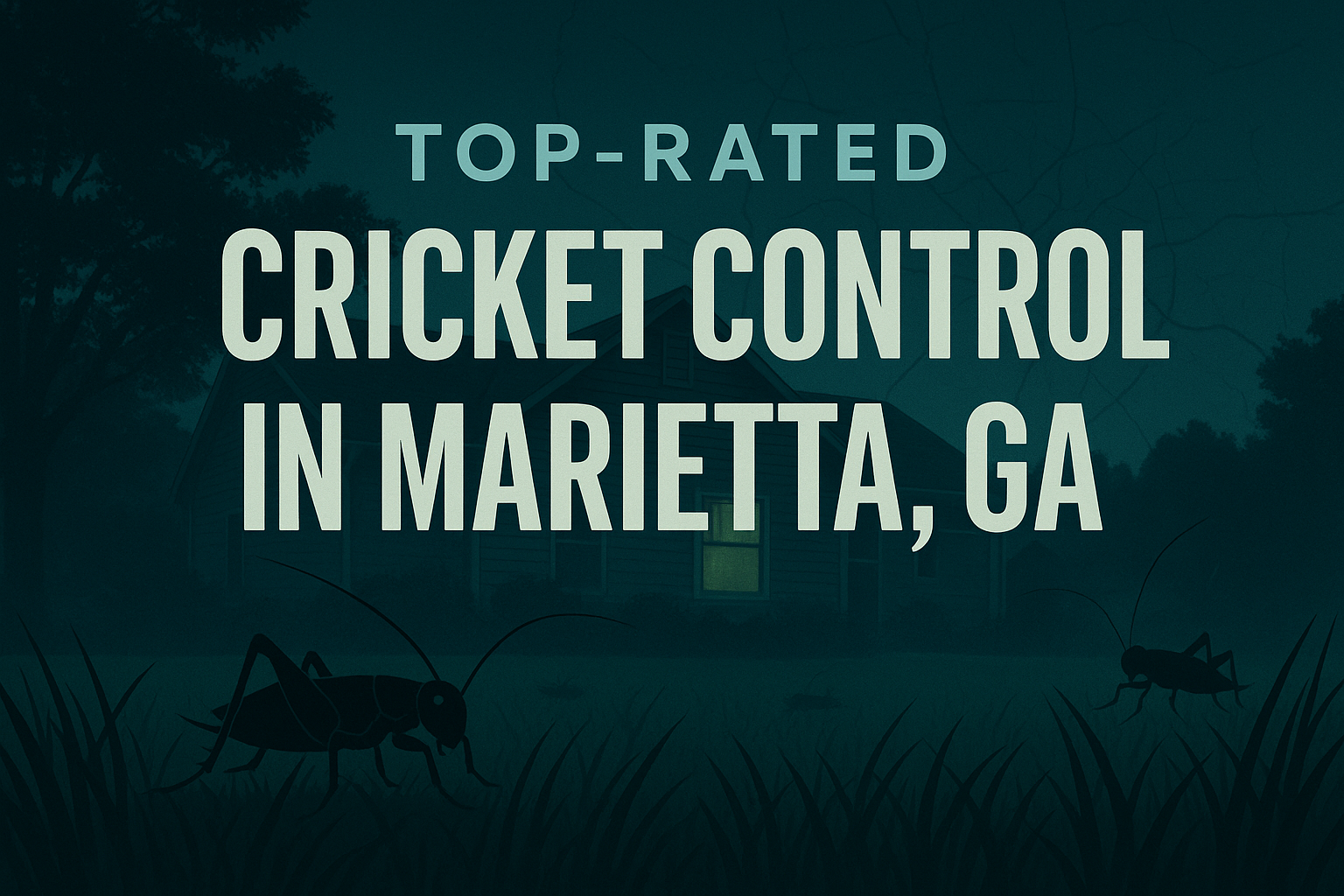
Why Marietta Homeowners Hear Cricket Chirps at Night
Imagine settling into bed on a warm August evening in Marietta, only to be jolted awake by a steady, rhythmic chirping that seems to echo through the walls. That’s the story of the Johnson family, who thought the nightly serenade was just a harmless summer soundtrack—until the sound grew louder, more persistent, and started to keep them up night after night.
Crickets are, by nature, harmless insects. They spend most of their lives hidden in grass, leaf litter, or the cracks of a home’s foundation, emerging at dusk to attract mates with their characteristic song. The chirping itself is simply the male’s way of saying, “I’m here,” and it poses no direct health risk to people or pets.
What turns a benign chorus into a nuisance is volume and location. When crickets find their way inside walls, attics, or crawl spaces, the acoustic barrier disappears, and the sound amplifies. A single adult can produce enough noise to disturb sleep, especially in quiet suburban neighborhoods where the nighttime hush makes every chirp stand out.
Beyond the annoyance, a sudden surge of indoor crickets often signals a larger pest problem. Crickets thrive in moist, sheltered environments—conditions that also attract termites, carpenter ants, and even rodents. Their presence can be an early warning that moisture is building up in your home’s structure, creating a gateway for more destructive pests.
At Anthem Pest, we believe you deserve clear, upfront pricing before any work begins. Our cost‑transparent treatment plans are designed specifically for Marietta homeowners, outlining exactly what you’ll pay for inspection, the chosen control method, and any follow‑up visits. No hidden fees, no surprise charges—just a straightforward quote that matches the scope of the job.
Timing is another key factor. Crickets are most active from late spring through early fall, which aligns with the peak season for many other household pests. By addressing cricket activity early in the season, we can implement preventative measures that reduce the likelihood of infestations later in the year, saving you both time and money.
What sets Anthem Pest apart is our deep local knowledge. Our technicians know the specific micro‑climates, soil types, and building styles that define Marietta neighborhoods. This expertise allows us to pinpoint entry points, recommend the most effective treatment products, and tailor a plan that respects the unique characteristics of your home.
In the pages that follow, this guide will walk you through how to identify the most common cricket species in Georgia, the risks they pose when they move indoors, the treatment options we recommend, a clear breakdown of pricing, and practical steps you can take to prevent future invasions. By the end, you’ll have a complete, locally‑focused roadmap to reclaim a quiet night’s sleep.
What Makes Crickets Thrive in Marietta
Climate that Fuels Summer Chirping
Marietta’s location in Cobb County gives it a classic humid subtropical climate. Summer temperatures regularly climb into the high 80s °F (30 °C) and the relative humidity often hovers above 70 %. Those warm, moist conditions accelerate cricket metabolism, allowing them to reproduce faster and stay active later into the night. In addition, the county’s well‑maintained grass lawns and ornamental gardens provide a constant supply of organic debris and soft soil—perfect nurseries for cricket eggs and nymphs.
Nighttime Lighting: A Cricket Beacon
Most Marietta neighborhoods feature outdoor LED floodlights, porch lights, and motion‑sensor fixtures that stay on after dusk. Crickets are positively phototactic; they are drawn to artificial light sources because the illumination mimics the moonlight they use for navigation. Once a cricket finds a lit patio or driveway, it settles nearby, mates, and lays eggs in the surrounding mulch or lawn. Homeowners who keep lights on all night inadvertently create a nightly “cricket highway” that funnels insects straight to their doors.
Local Call Data Highlights the Problem
The Georgia Department of Agriculture recorded that crickets appeared in 18 % of all residential pest service calls between June and August 2024. This spike places crickets among the top three outdoor nuisance pests reported in Cobb County during the peak summer months. The data, sourced from the Georgia Department of Agriculture 2024 report, underscores how the region’s climate and lighting habits translate into real‑world service demand for homeowners.
Field Cricket vs. House Cricket: The Usual Suspects
Two species dominate Marietta’s cricket population, each with distinct habits that affect how you should approach control:
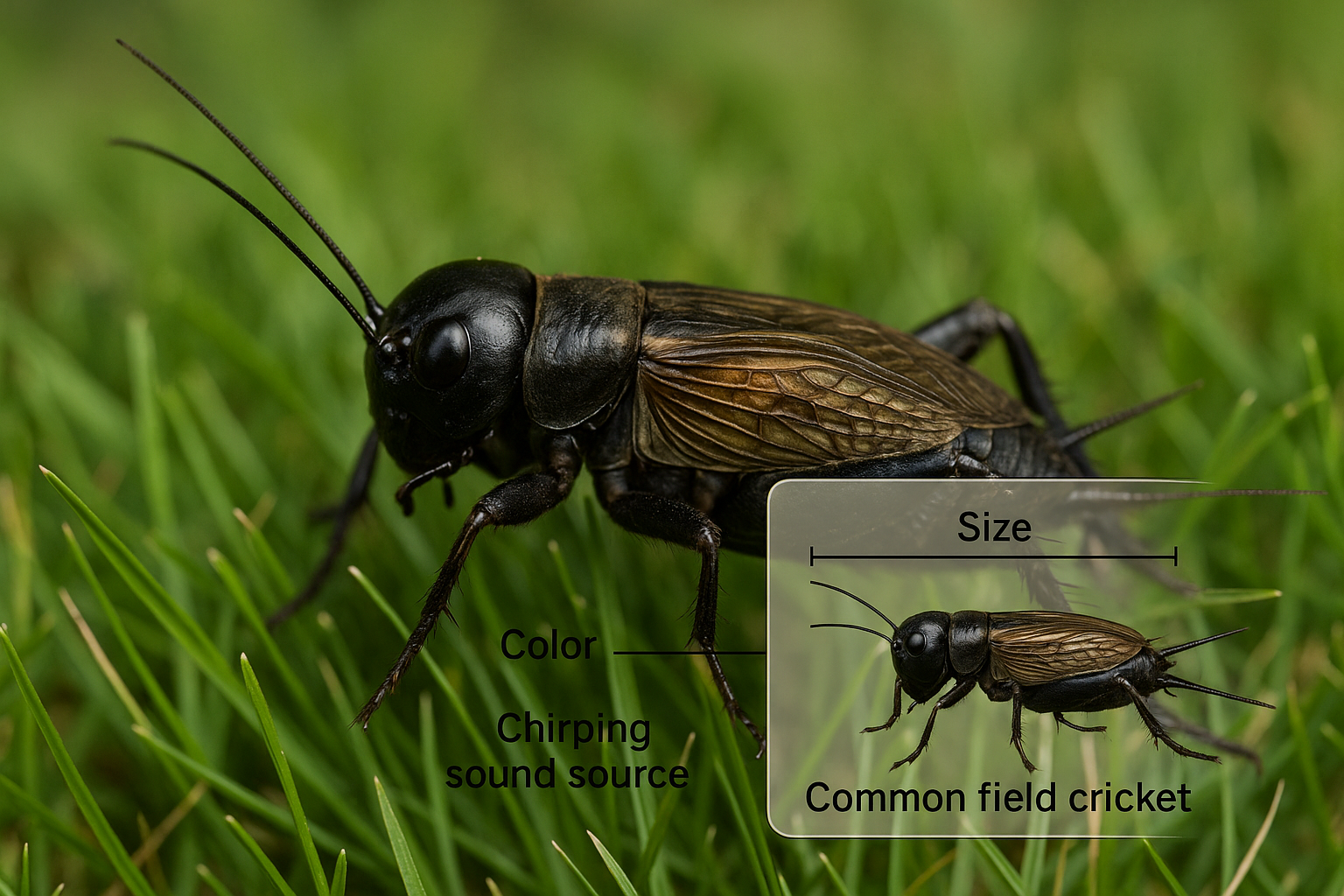
- Field Cricket (Acheta domesticus) – Typically found in open lawns, grassy fields, and garden borders. They prefer the cooler, shaded side of a lawn and lay eggs in soil that stays moist.
- House Cricket (Acheta domesticus) – More tolerant of indoor environments, especially basements and crawl spaces where humidity is high. They are the ones you’ll hear chirping from inside the house, often attracted by indoor lighting and food crumbs.
Both species can produce several generations per summer, but field crickets tend to cause the most outdoor noise, while house crickets are the primary source of indoor chirping and occasional food contamination.
Why Marietta Stands Out from the Rest of Georgia
While northern Georgia experiences cooler springs and more frequent rain, Marietta’s lower elevation and urban heat island effect keep temperatures higher for longer periods. The combination of extensive suburban lawns, frequent evening outdoor gatherings, and a higher density of outdoor lighting makes Marietta a hotspot for cricket activity compared to the more forested or mountainous regions of the state. Homeowners in those other areas may see fewer crickets simply because the micro‑climate doesn’t sustain the same rapid breeding cycles.
Spotting Crickets Early – A Homeowner’s Checklist
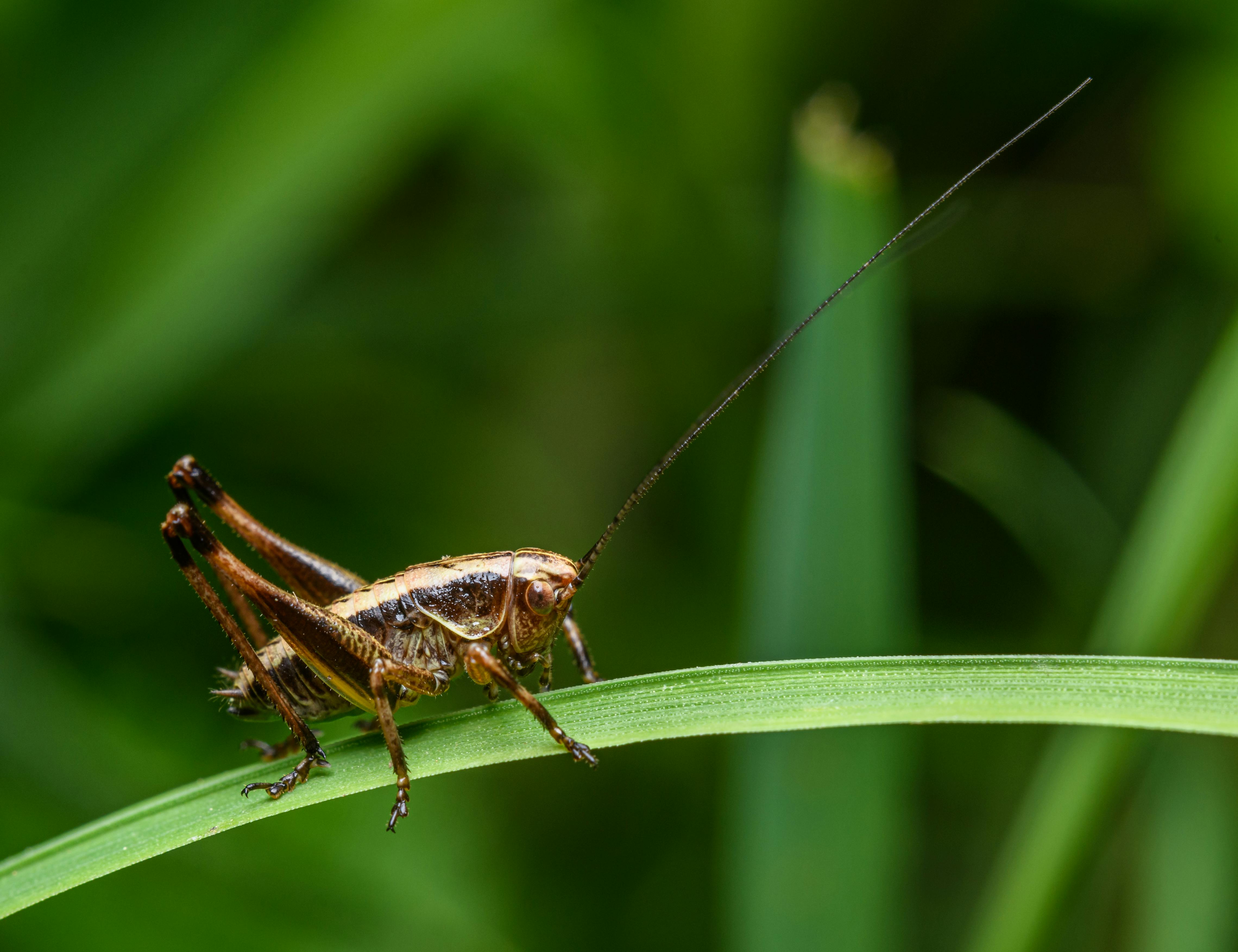
Crickets are masters of disguise, slipping into yards and homes before you even hear the first chirp. Catching them early saves you from noisy evenings, potential plant damage, and the need for costly professional treatments. Follow this step‑by‑step inspection routine each week during the warm months, and you’ll stay one step ahead of the invaders.
1. Visual sweep of exterior zones
Start at the perimeter of your property and move clockwise. Look for the tell‑tale signs of cricket activity:
- Small, dark silhouettes hopping along lawn edges, especially where the grass meets a stone walkway.
- Clusters of shed exoskeletons (the white, papery skins left after molting) near garden beds.
- Fresh, shallow bite marks on low‑lying foliage or ornamental grasses.
2. Light traps: LED and porch bulbs
Crickets are phototactic—they swarm toward artificial light at night. Check the following:
- LED porch lights and motion‑sensor fixtures: pause after sunset and glance for tiny silhouettes gathering on the fixture.
- Outdoor security lights: if you notice a faint “halo” of movement, gently sweep the area with a flashlight to confirm.
- Screened lanterns or patio heaters: these can become secondary gathering spots if left on after dark.
3. Inside the home: basements, crawl spaces, garage corners
Crickets often slip inside through cracks around foundation walls or utility openings. Inspect these indoor zones:
- Basement walls and floor joists: look for small, dark specks or faint chirping sounds near the perimeter.
- Crawl‑space vents: remove the vent cover and shine a light into the space; any movement is a red flag.
- Garage corners and stored‑item shelves: crickets love the cool, dark refuge these areas provide.
4. Neighborhood example – Kennesaw Mountain Park
In the nearby Kennesaw Mountain Park, homeowners frequently report cricket hotspots. The park’s landscape offers two classic breeding grounds:
- Low‑lying grass along the park’s walking trails—its dense, moist blades create an ideal nighttime chorus.
- Mulch beds surrounding ornamental shrubs—organic mulch retains humidity, encouraging cricket eggs to hatch.
If you live in a similar setting, give those exact spots extra attention during your weekly walk‑around.
Inspection Checklist
| Area | What to Look For | Frequency |
|---|---|---|
| Lawn edges & garden beds | Hopping silhouettes, shed skins, bite marks | Weekly |
| Outdoor lights (LED, porch, security) | Clusters around bulbs, faint movement after dark | Weekly (post‑sunset) |
| Foundation walls & crawl‑space vents | Crickets near cracks, chirping sounds, exoskeletons | Bi‑weekly |
| Garage & storage corners | Hidden crickets, especially near boxes or tools | Monthly |
| Low‑lying grass & mulch beds (Kennesaw example) | Dense hopping groups, fresh droppings | Weekly |
Quick Fact: Adult field crickets measure ½‑¾ inch long, have long, flat hind wings that produce a distinctive “chirp” by rubbing the wings together. Males chirp in a steady rhythm—about 120 chirps per minute at 80 °F—while females remain silent. Spotting these traits early helps you differentiate crickets from harmless insects like beetles or ants.
Effective Cricket Treatments for Marietta Homes
Crickets may seem harmless, but a large population can quickly become noisy and unsightly, especially when they find shelter in your foundation, mulch, or indoor spaces. In Marietta, the warm, humid climate creates an ideal breeding ground, so homeowners need a reliable, science‑backed approach. Below are the three proven treatment categories most professionals use, the typical price range you can expect, and the safety steps Anthem Pest follows to protect your family and pets.
Chemical Perimeter Sprays
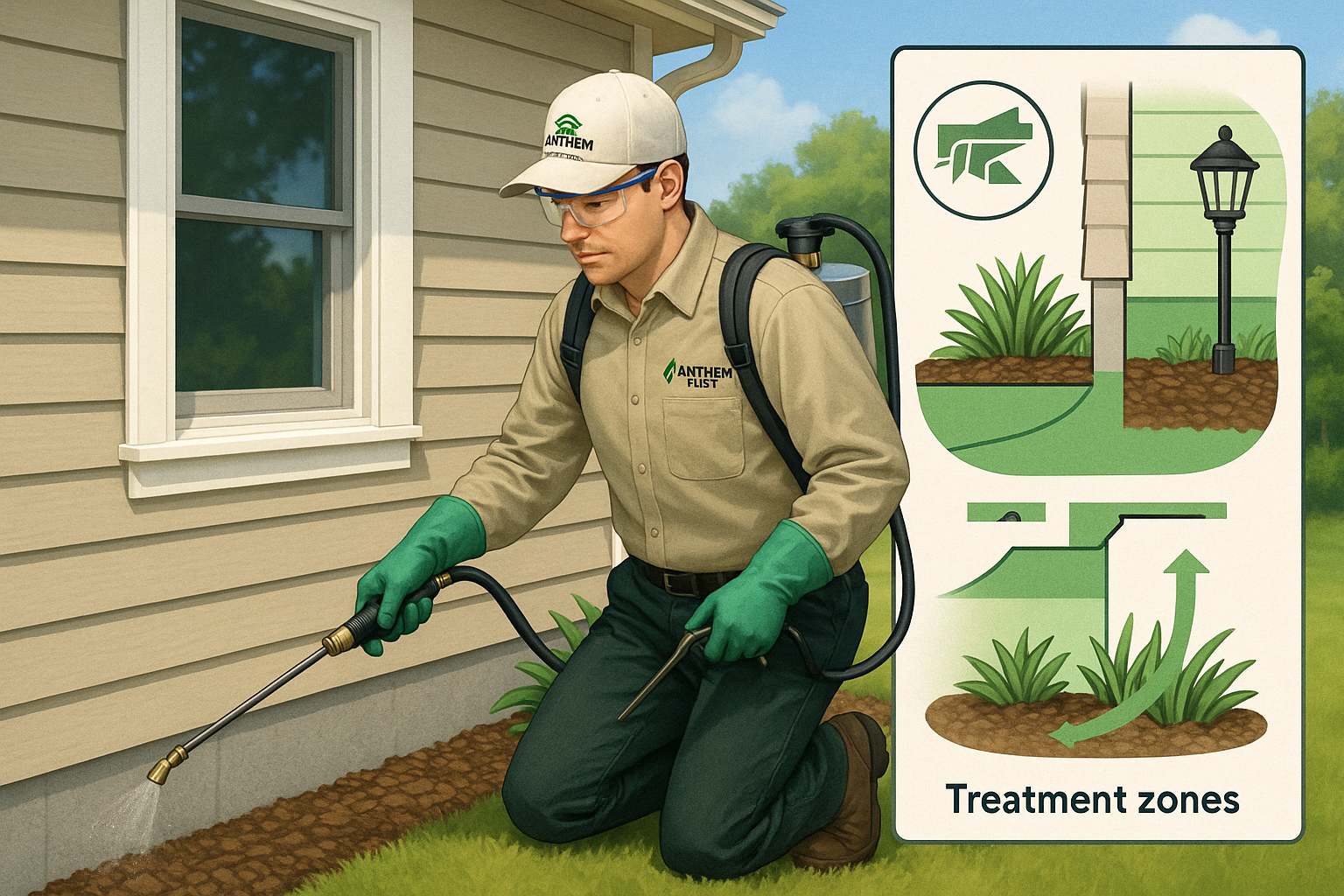
Licensed technicians apply EPA‑registered insecticides directly to the exterior perimeter of your home, creating a barrier that stops crickets from crossing onto your property. These products are formulated to remain active for several weeks, targeting both adult crickets and nymphs that emerge from the soil. Application rates are carefully measured—usually 1 to 2 ounces per 100 square feet—to ensure maximum coverage without excess chemical use. The spray is applied during the cooler evening hours to reduce evaporation and improve penetration into cracks and crevices where crickets hide.
- Typical cost per treatment: $80–$120, depending on square footage and product choice.
- Products comply with the EPA pesticide fact sheet, guaranteeing they meet federal safety standards.
- Re‑application is recommended every 4–6 weeks during peak cricket season (late spring through early fall).
Because the chemicals are EPA‑registered, they have undergone rigorous testing for human health and environmental impact, giving you confidence that the treatment is both effective and responsible.
Bait Stations
Bait stations provide a targeted, low‑visibility option that attracts crickets with a slow‑acting, cricket‑specific formulation. Technicians place the stations strategically around the foundation, near mulch beds, and along fence lines—areas where crickets typically travel. The bait is designed to be ingested by crickets, which then carry the toxicant back to their nests, reducing the overall population. Stations are weather‑proof, so rain or humidity won’t dilute the active ingredient, and they can be inspected during routine visits for refill or removal.
- Cost for a full‑home setup: $60–$90, which includes the bait material and professional placement.
- Stations are sealed to prevent pets or children from accessing the bait, adding an extra layer of safety.
- Effectiveness peaks within 3–5 days, with residual activity lasting up to two weeks.
Because the bait works slowly, it minimizes the chance of a sudden die‑off that could attract scavengers, while still delivering a steady decline in cricket numbers.
Eco‑Friendly Options
For homeowners who prefer non‑chemical solutions, there are several eco‑friendly strategies that work well in Marietta’s climate. Diatomaceous earth (DE) is a naturally occurring, abrasive powder that damages the exoskeletons of crickets, causing dehydration. When applied thinly around entry points, DE creates a physical barrier without any toxins. Pairing DE with habitat modification—such as regular grass trimming, removing excess leaf litter, and switching outdoor lighting to yellow‑tone bulbs—denies crickets the moisture and shelter they need to thrive.
- DIY purchase price: $30–$50 for a 5‑pound bag of food‑grade diatomaceous earth plus basic garden tools.
- Habitat changes are essentially free but require consistent maintenance throughout the season.
- These methods are completely safe for children, pets, and beneficial insects when applied correctly.
While eco‑friendly options may take a bit longer to see noticeable results, they are an excellent long‑term strategy for homeowners who want to keep their yards pesticide‑free.
Safety Measures Every Technician Follows
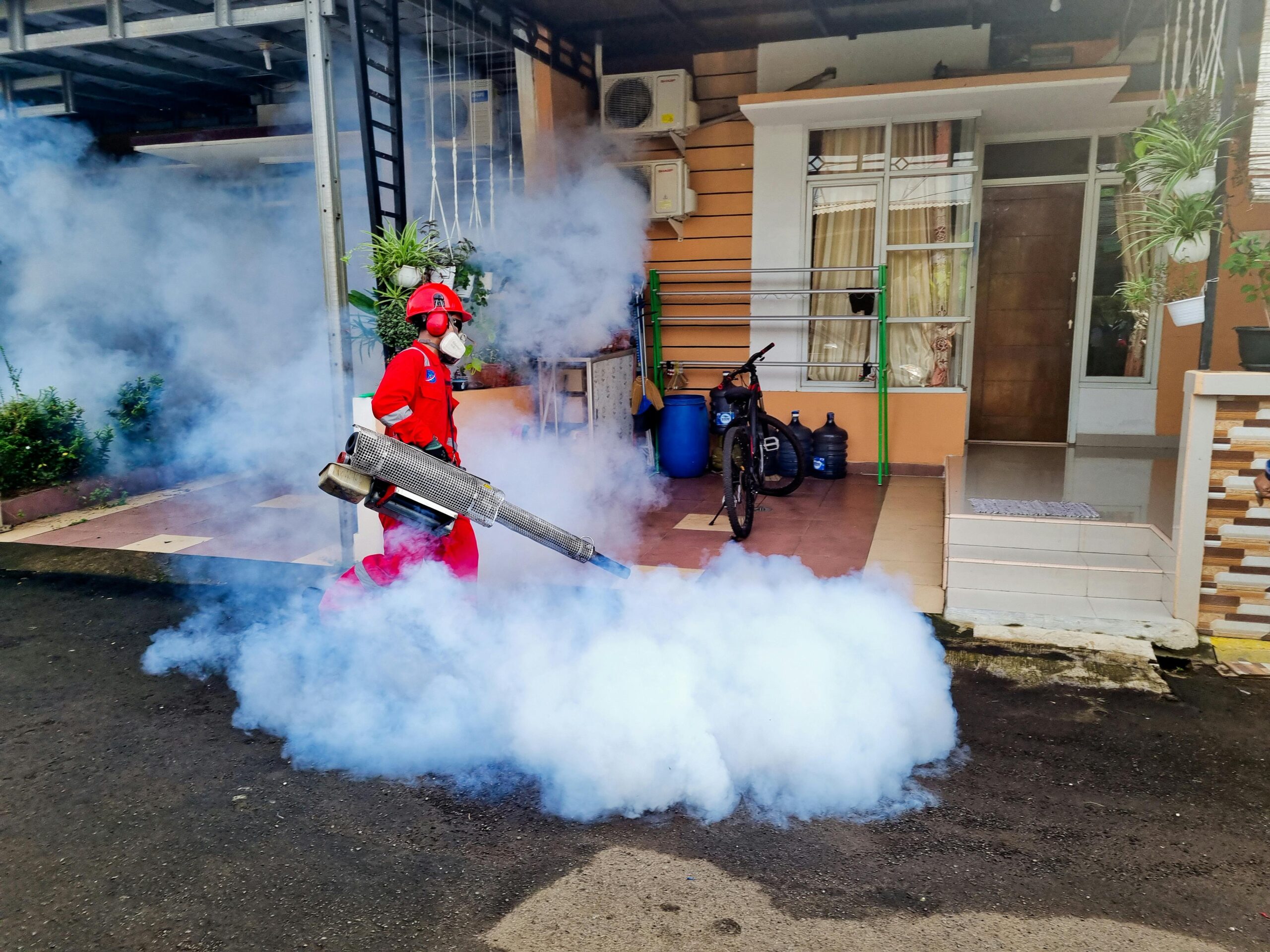
Anthem Pest’s licensed technicians wear industry‑standard protective gear—gloves, goggles, and respirators—when handling any pesticide. Before each treatment, they conduct a brief on‑site assessment to identify vulnerable areas, such as pet zones or children’s play spaces, and adjust application techniques accordingly. All chemicals are applied at the lowest effective concentration, and technicians use low‑drift sprayers to minimize off‑target drift.
After treatment, technicians provide a clear, written safety sheet that outlines any required waiting periods before re‑entering treated zones, as well as simple post‑treatment cleaning tips. This transparency helps homeowners feel confident that the job is done safely and effectively, and it complies with both state regulations and EPA guidelines.
Why Choose Anthem Pest’s Licensed Technicians?
Anthem Pest stands out because every field agent holds a state‑issued pesticide applicator license and completes ongoing EPA compliance training. This ensures that every spray, bait, or eco‑friendly product is applied exactly as the label directs, protecting both your home and the environment. Moreover, Anthem Pest offers a transparent pricing model—no hidden fees, just the quoted range you see above—so you know exactly what to expect.
When you call Anthem Pest at 877‑371‑8196, you’re not just hiring a service; you’re partnering with a local expert who understands Marietta’s unique cricket challenges and is committed to delivering results that last.
Cricket Control Cost Breakdown in Marietta
When it comes to cricket infestations, knowing exactly what you’ll pay helps you decide quickly and confidently. At Anthem Pest, we lay out every charge up front, so there are no surprise fees after the job is done. Below is a clear snapshot of the typical costs you’ll encounter in the Marietta area.
Transparent Pricing Table
| Service | Price Range |
|---|---|
| Inspection | $50 – $75 |
| One‑time treatment | $120 – $180 |
| Quarterly maintenance plan (per year) | $250 – $350 |
The ranges reflect real‑world variations we see across Marietta neighborhoods. An inspection is the first step, giving us a precise picture of the cricket load and the best treatment path. A one‑time treatment tackles a moderate infestation quickly, while the quarterly plan spreads care over the year, keeping crickets at bay during peak seasons.
What Drives the Price?
- Property size: Larger yards need more product and labor, nudging the price upward.
- Infestation severity: A light chirp‑fest can be handled with a single spray; a heavy population may require multiple passes.
- Treatment type: Options range from spot‑treatments to full‑yard perimeter sprays, each with its own material costs.
- Seasonal demand: Summer spikes increase technician availability, which can affect rates slightly.
By evaluating these factors during our free on‑site quote, we tailor the service to fit both your budget and your cricket problem. That means you never pay for unnecessary treatments, and you always get the most effective solution for your specific situation.
How We Stack Up Against Competitors
Local listings show that XYZ Pest quoted $210 for a full‑yard cricket spray in 2023. While that price seems competitive, it often excludes follow‑up visits, disposal fees, or the detailed inspection that Anthem Pest includes at no extra charge.
| Company | Base Price | Included Services | Hidden Fees |
|---|---|---|---|
| Anthem Pest | $180 – $210 | Inspection, treatment, 30‑day guarantee | None |
| XYZ Pest | $210 | One‑time spray only | Potential follow‑up and disposal fees |
Our no‑hidden‑fee policy means the price you see is the price you pay. The free on‑site quote covers a thorough walk‑through, a detailed assessment, and a written estimate before any work begins. That transparency builds trust and lets homeowners make an informed decision without worrying about surprise charges later.
Ready to silence those night‑time chirps? Call us today at 877‑371‑8196 for a free, no‑obligation quote and discover how affordable a cricket‑free yard can be.
Seasonal Timing and Year‑Round Prevention Tips
Crickets are most active from May through September. During these warm months they breed rapidly, and a single female can lay hundreds of eggs. By treating your yard in early spring—ideally before the first noticeable chirps—you stop the cycle before it explodes. Early‑season applications of a targeted insecticide, combined with proper cultural practices, dramatically reduce the number of adults that emerge later in summer.
Why Early‑Spring Treatment Works
When you apply a preventative spray in March or early April, you create a protective barrier just as the first nymphs hatch. Those nymphs are vulnerable and cannot penetrate the treated soil or grass. As a result, the population never reaches the “boom” phase that typically peaks in July and August. Homeowners who wait until midsummer often find themselves battling a full‑blown chorus that’s far harder—and more expensive—to suppress.
Prevention Checklist for a Cricket‑Free Yard
- Eliminate standing water and over‑watering. Crickets need moisture to thrive, so fix leaky hoses, clean gutters, and avoid excessive irrigation.
- Keep grass trimmed to ≤3 inches. Short turf reduces shelter and makes it easier to spot and treat any stray insects.
- Switch to yellow or sodium‑vapor outdoor lighting. Warm‑tone bulbs are less attractive to crickets than bright white or blue lights, cutting down on nighttime activity around decks and patios.
- Seal cracks around foundation, doors, and windows. Crickets can slip through gaps as small as a quarter‑inch; caulking and weather‑stripping keep them outside where they belong.
Neighborhood Insights
Our service data shows a noticeable spike in cricket reports from East Marietta and the neighboring city of Kennesaw during the late‑summer weeks of August and September. Those areas tend to have denser tree canopies and more ornamental water features, which create ideal micro‑climates for crickets to hide and breed. If you live in or near these zones, consider scheduling an extra inspection in July to catch any late‑season surges before they migrate into homes.
Stay Ahead with the Seasonal Pest Calendar
Planning ahead is easier when you know what to expect each month. Anthem Pest’s Seasonal Pest Calendar breaks down the peak periods for common pests—including crickets—so you can time treatments and preventive steps for maximum impact. Bookmark the calendar, set reminders for early‑spring applications, and keep your yard maintenance checklist handy throughout the year.
Frequently Asked Questions About Cricket Control
Are cricket treatments safe for pets?
Yes—when we use EPA‑registered products and follow the label directions, cricket treatments are generally safe for cats, dogs, and other household pets. The Environmental Protection Agency requires that all approved insecticides include clear pet‑safety instructions, such as keeping animals out of treated areas until the product dries (EPA, 2023). Our technicians apply the chemicals at the recommended dilution and ensure thorough ventilation before allowing pets back inside. As a best practice, we advise owners to keep pets away from the treatment zone for at least 30 minutes to an hour, just to eliminate any chance of direct contact.
How long does a treatment last?
Most professional cricket control applications provide a residual effect of 4–6 weeks. This timeframe reflects the period during which the active ingredient remains potent on surfaces and in cracks where crickets hide. Factors such as weather, outdoor exposure, and the level of infestation can shorten or extend that window. For homeowners seeking year‑round protection, we offer maintenance plans that schedule follow‑up visits every 4 weeks, effectively renewing the barrier and keeping crickets at bay throughout the season.
Can crickets return after treatment?
Reinfestation is possible if conditions become favorable again—think warm evenings, abundant moisture, and easy access points. Even after a thorough application, new crickets can wander in from neighboring yards or from outdoors during heavy rains. That’s why we recommend a post‑treatment inspection within 2 weeks and, if needed, a spot‑treatment to address any survivors (CDC, 2022). Combining professional treatment with homeowner actions—like sealing cracks, trimming grass, and removing outdoor lights that attract insects—greatly reduces the likelihood of a comeback.
Take Action for a Quiet, Cricket‑Free Home
Crickets may sound charming on a summer night, but when they invade your walls and crawlspaces they turn every evening into a chorus of unwanted noise. The good news is that with a few proactive steps you can reclaim the peace of your home and prevent those nightly chirps from becoming a constant reminder that something’s wrong.
Quick Recap of What Matters
- Early identification: Spotting the first signs—tiny holes, faint chirping, or droppings—lets you act before a small problem balloons into a full‑blown infestation.
- Transparent pricing: Knowing exactly what you’ll pay for inspection, treatment and any follow‑up work removes surprise costs and lets you budget confidently.
- Seasonal timing: Crickets are most active in late summer and early fall. Scheduling treatment at the right moment stops them before they reproduce.
- Local expertise: A company that understands Marietta’s climate, soil type and common entry points can target the species that bother you most.
Armed with this knowledge, the next logical step is to let professionals confirm what you’ve observed and apply a solution that’s both effective and safe for your family and pets.
Give yourself a night of silence by calling us for a free inspection. Our team will come to your door, listen for the tell‑tale chirps, locate any hidden nests, and present a clear, no‑obligation plan that fits your budget. Simply dial 877‑371‑8196 and our friendly scheduler will find a convenient time for you.
Our licensed technicians will assess your property, recommend the most effective, eco‑friendly solution, and ensure your home stays peaceful.
When you choose Anthem Pest Control you’re partnering with a nationwide network of specialists who prioritize transparent pricing, environmentally responsible products and long‑term prevention. Visit Anthem Pest Control to learn more about our cricket‑free guarantee and see how we keep homes in Marietta quiet, comfortable, and critter‑free.