Why Ticks Are a Growing Threat in Smyrna

Recent data from the CDC Tick‑Borne Disease Data shows a sharp rise in cases across the Southeast in 2024, with Georgia reporting a 22 % increase in Lyme disease and a 15 % jump in spotted fever cases compared to 2023. The surge isn’t random; it mirrors expanding tick populations and longer active seasons driven by warmer weather.
In Smyrna, the neighborhoods feeling the brunt are Burnt Hickory, Oak Hill, and the Westside. These areas share common micro‑habitats: wooded edges bordering homes, tall, uncut grass, and piles of leaf litter that act as perfect drop‑off zones for questing ticks. Residents often notice tiny, dark specks on pets after a stroll through these green corridors, a clear sign that the black‑legged (deer) tick and the lone‑star tick have established footholds.
The city’s climate compounds the problem. Smyrna averages 50 inches of rain annually, and spring‑time temperatures regularly hover between 65 °F and 80 °F—exactly the range where tick eggs hatch and larvae thrive. Consistent moisture keeps the leaf litter damp, preventing desiccation and allowing ticks to remain active for up to eight weeks longer than in drier regions.
Beyond the nuisance factor, ticks are vectors for serious illnesses that affect both humans and pets, including Lyme disease, ehrlichiosis, and Rocky Mountain spotted fever. A single bite can lead to weeks of fatigue, joint pain, or fever, turning a pleasant backyard barbecue into a medical ordeal.
Given this escalating threat, homeowners need a fast‑acting, professional solution—one that targets ticks before they embed and reproduces. Anthem Pest’s rapid‑response extermination program is designed to break the tick life cycle in days, not months, giving Smyrna families the relief they need to reclaim their yards.
Spot the Enemy: Identifying Ticks in Your Yard
Before you can banish ticks, you need to know what you’re looking at. Georgia’s climate supports four distinct life stages for every tick species, and each stage has tell‑tale clues. By learning the size, color, and even the number of legs you’ll see, you can spot an infestation early and act before the pests hitch a ride into your home.
Four Life Stages – What to Look For
- Egg: Tiny, almost invisible specks laid in clusters on leaf litter or grass roots. They appear off‑white and have no legs.
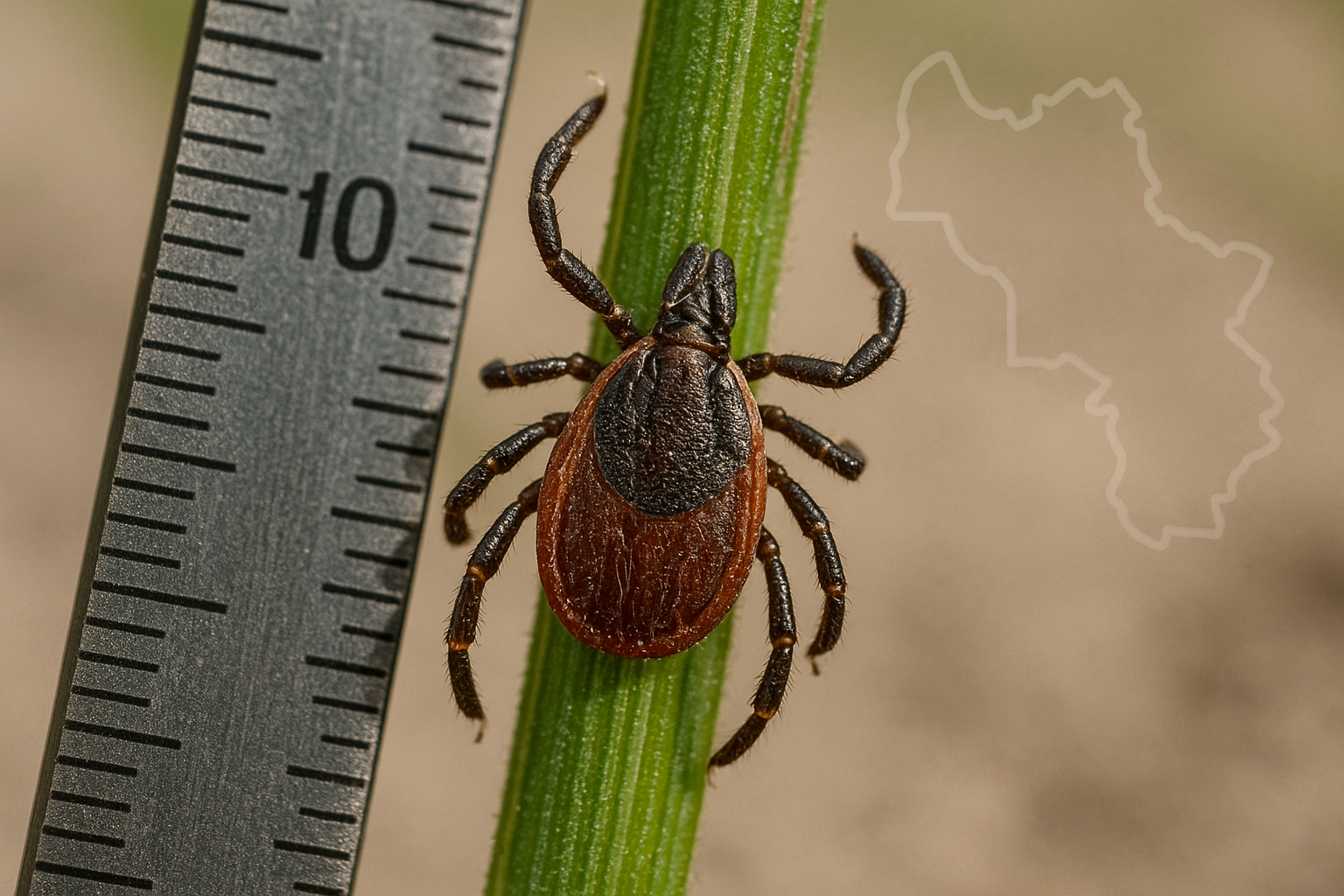
- Larva (seed tick): About 0.5 mm long, pale amber, and sporting only six legs. They cling to small mammals or birds for a quick blood meal.
- Nymph: Roughly 1–2 mm, darker brown to reddish‑brown, and now have eight legs. Nymphs are the most likely to go unnoticed on skin because of their size.
- Adult: Ranges from 3 mm (female) to 5 mm (male), with a robust, oval body. Color varies from dark brown (Blacklegged) to a lighter tan (Lone Star). Adults have eight legs and are the stage most associated with disease transmission.
Georgia’s Three Most Common Ticks
| Tick Species | Typical Host | Key Diseases | Lyme Cases in GA |
|---|---|---|---|
| Blacklegged (Ixodes scapularis) | White‑tailed deer, small mammals | Lyme disease, Anaplasmosis, Babesiosis | ≈ 80 % of GA Lyme cases – EPA/CDC |
| Lone Star (Amblyomma americanum) | White‑tailed deer, dogs, humans | Southern tick‑associated rash illness, ehrlichiosis | ≈ 5 % of GA Lyme cases – EPA/CDC |
| American Dog (Dermacentor variabilis) | Dogs, small mammals | Rocky Mountain spotted fever, tularemia | ≈ 2 % of GA Lyme cases – EPA/CDC |
Real‑World Example: A Burnt Hickory Encounter
When the Johnson family returned from a weekend hike near Burnt Hickory, they noticed tiny, reddish‑brown specks clinging to their children’s socks. Those were nymphs of the Lone Star tick, which often go unnoticed because they’re under 2 mm. A quick visual check revealed dozens scattered across the lawn. By identifying the stage and species early, the Johnsons avoided a potential rash and called Anthem Pest for a targeted perimeter treatment.
Quick Tip: Safely Collecting a Tick for ID
Use fine‑point tweezers to grasp the tick as close to the skin as possible, pulling upward with steady pressure—no twisting. Place the specimen in a sealed vial with a damp cotton ball, label the date and location, and store it in the refrigerator until you can forward it to a local extension office or your pest‑control professional. This method preserves key identification features without crushing the tick.
For more detailed guidance on tick control, refer to the EPA Tick Control Guidelines.
What Ticks Can Do to Your Family’s Health
When a tiny tick latches onto a child’s ankle or a dog’s ear, the danger isn’t just the bite itself—it’s the cocktail of pathogens that can hitch a ride. In Georgia’s warm, humid climate, ticks thrive, and the diseases they carry can turn a pleasant weekend outdoors into a medical emergency.
Major Tick‑Borne Diseases in Georgia
- Lyme disease – caused by Borrelia burgdorferi, it often begins with a bull’s‑eye rash and can progress to joint pain, heart rhythm problems, and neurological issues.
- Rocky Mountain spotted fever – transmitted by the American dog tick, this bacterial infection produces fever, severe headaches, and a distinctive rash that can lead to organ failure if untreated.
- Ehrlichiosis – spread mainly by the lone‑star tick, it triggers flu‑like symptoms, low platelet counts, and can damage the liver and kidneys.
- Southern tick‑associated rash illness (STARI) – a milder rash‑focused illness linked to the lone‑star tick, but still uncomfortable and sometimes misdiagnosed.
Lyme Disease in Numbers
Georgia reported more than 12,000 confirmed Lyme cases in 2023 alone, according to the Centers for Disease Control and Prevention. That figure reflects only the cases that were reported and tested; many more likely go undetected. For the latest statewide statistics, visit the CDC Tick‑Borne Disease Data page.
Homeowner Story: The Cost of Delay
“We thought the bite on our son’s leg was nothing. He developed a rash a week later, and the doctor said it was too late for early treatment. He spent weeks in the hospital with joint pain and fatigue. If we’d called a pest professional sooner, we might have avoided the whole ordeal.” – J. Martinez, Smyrna resident
Why Speed Matters
Every day a tick remains unchecked
DIY Steps to Reduce Tick Habitat Before Calling a Pro
Ticks thrive in moist, shady spots where they can wait for a host to pass by. By tackling the environment first, you dramatically cut the chance of an infestation and give any professional treatment a stronger foothold. Below are low‑cost, homeowner‑friendly actions you can start today.
1. Keep the Grass Short
Maintain lawn height at 3 inches or lower. Short grass lets sunlight dry the soil, making it less inviting for ticks. Trim a few inches beyond the house foundation and along any fence lines—ticks love the cool, damp shade that accumulates there.
2. Clear Leaf Litter and Tall Weeds
Rake away fallen leaves and cut back any weeds taller than 6 inches. These micro‑habitats hold the moisture ticks need to survive. If you have a mulch border, keep it at least 2 feet away from the house and consider a stone or gravel strip as a physical barrier.
3. Plant Tick‑Repellent Herbs
Lavender, rosemary, and mint not only smell great but also emit natural oils that deter ticks. Plant them along walkways, patio edges, or in containers near entry points. Regular pruning keeps the garden tidy and prevents overgrown areas where ticks could hide.
4. Understand Smyrna’s Climate
According to NOAA, Smyrna averages roughly 50 inches of rain per year. This steady moisture keeps lawns and leaf litter damp, reinforcing the need for consistent yard upkeep. Ignoring the rain‑induced humidity gives ticks a year‑round playground.
5. Neighborhood‑Specific Tip: Oak Hill
Oak Hill’s wooded backyards are especially prone to tick hotspots. Residents find success with quarterly edging—cutting a clean line around the property each season to remove encroaching brush and expose hidden ticks before they migrate toward the home.
Implementing these steps creates a less hospitable environment for ticks, buying you time and reducing the amount of chemical treatment a professional might need later. When the DIY measures are in place, a quick call to Anthem Pest Control can finish the job safely and efficiently.
How Anthem Pest Provides Fast, Effective Tick Relief
When ticks start marching across your lawn, you need a solution that works yesterday. Anthem Pest’s tick program is built around speed, precision, and safety, so homeowners in Smyrna can reclaim their yards without waiting weeks for results. Our technicians arrive on schedule, assess the infestation in under 30 minutes, and apply a treatment that begins killing ticks within hours.
Spot Treatment – Quick Fix for Local Hotspots
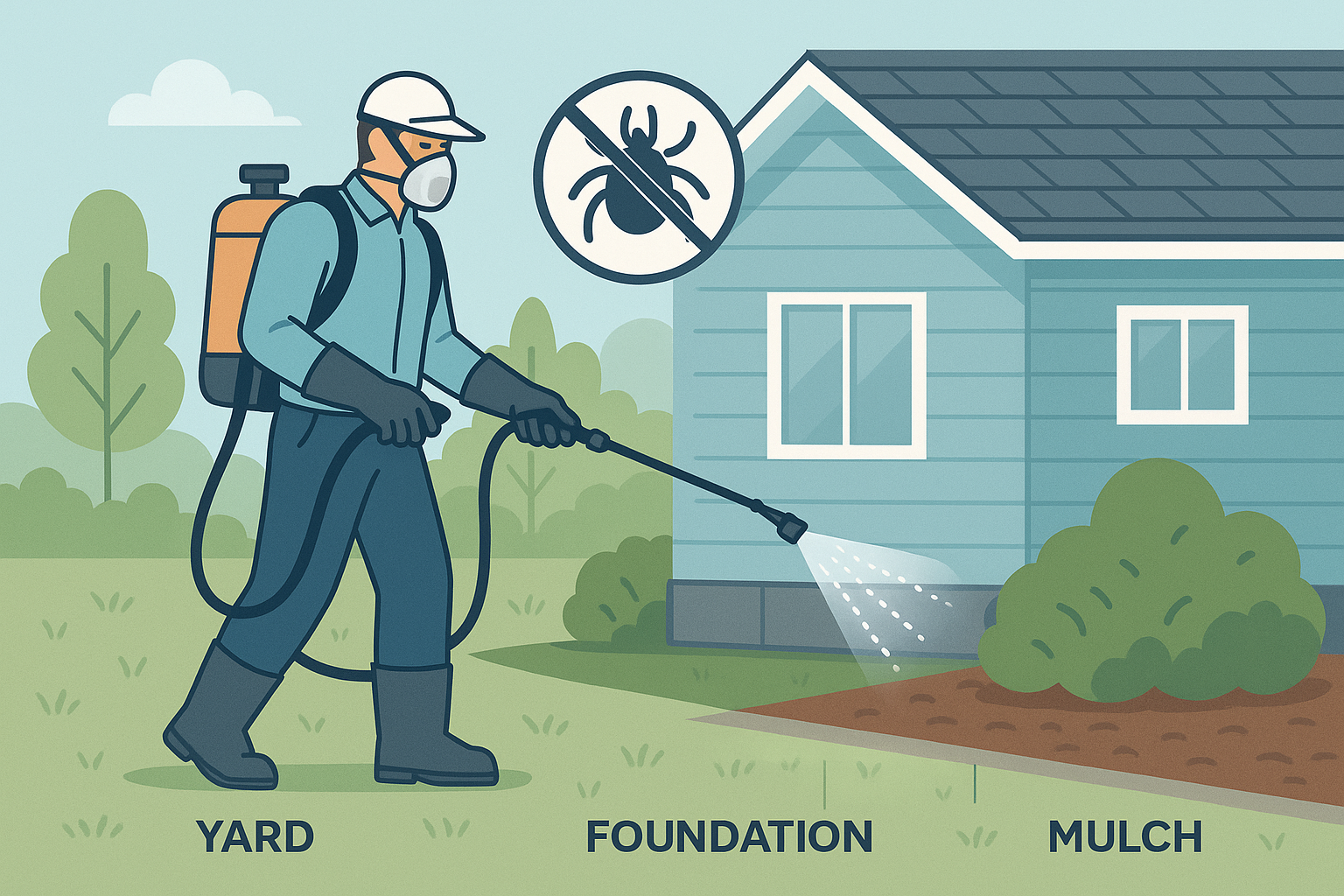
Our Spot Treatment zeroes in on the areas where ticks are most active—typically the shaded edges of a garden, under decks, or along fence lines. Using a calibrated handheld sprayer, the technician applies a concentrated EPA‑approved formula directly to the problem zones. Because the application is focused, the service can be completed in less than an hour, and the price stays modest, ranging from $150 to $200 before mileage fees.
Full‑Perimeter Treatment – Comprehensive Yard Protection
For homeowners who want a blanket of protection, the Full‑Perimeter Treatment covers the entire outer boundary of the property, creating a barrier that stops ticks from re‑entering the lawn. This method treats all vegetation, mulch beds, and hardscape edges, ensuring that newly hatched ticks have nowhere to hide. The comprehensive approach typically runs between $250 and $350, providing lasting relief that lasts through the peak tick season.
Transparent Pricing You Can Trust
Anthem Pest believes in clear, upfront costs. Below is a concise breakdown of our standard rates for Smyrna residents, including the optional mileage fee for locations up to 10 miles from our service hub.
| Service | Base Price | Mileage Fee (0‑10 mi) | Total Range |
|---|---|---|---|
| Spot Treatment | $150 – $200 | $0 – $25 | $150 – $225 |
| Full‑Perimeter Treatment | $250 – $350 | $0 – $25 | $250 – $375 |
All invoices list each component separately—service type, product cost, and mileage—so you know exactly where every dollar goes.
EPA‑Approved Ingredients & Child‑Pet Safety
Both treatments rely on industry‑standard active ingredients—bifenthrin and permethrin. These compounds are proven to knock down ticks quickly while breaking down into harmless by‑products within days. To protect families, we enforce a strict 2‑hour dry time before children or pets can re‑enter the treated area. Technicians also wear protective gear and follow a detailed safety checklist that includes:
- Pre‑treatment yard walk‑through to identify pet‑friendly zones.
- Post‑application verification of dry surfaces.
- Clear verbal instructions for homeowners on re‑entry timing.
What Our Technicians Say
“I can complete a thorough yard assessment in under 30 minutes, apply the appropriate treatment, and guarantee a noticeable tick reduction within 48 hours. Our customers appreciate the speed and the transparent pricing we provide.” – James L., Certified Tick Technician, Anthem Pest
Guarantees & Invoicing
We stand behind every tick service with a 90‑day tick‑free guarantee. If you still find ticks after the initial treatment, we’ll re‑treat the property at no additional charge. Our invoicing system is fully digital, delivering an itemized receipt the moment the job is completed, so you have a complete record for home insurance or resale purposes.
Ready to Take Back Your Yard?
Schedule your tick control today by visiting our Anthem Pest Service Page. Our Smyrna team is prepared to deliver fast, effective relief—so you can enjoy a tick‑free backyard this season.
From Call to Clearance: What to Expect
When you notice ticks scurrying across your yard or hear the familiar “buzz‑stop” of a bite, the fastest way to peace of mind is to pick up the phone. Dial 877‑371‑8196 or use the online scheduler on our website, and you’ll be connected with a local Anthem Pest specialist who understands Smyrna’s unique tick challenges.
Step 2 – Same‑Day Appointment Window
For Smyrna residents we guarantee a service window within 24 hours. Our technicians coordinate a convenient time slot that fits your schedule, so you’re not left waiting days for relief. This rapid response is part of our “fast‑acting” promise—because ticks don’t wait, and neither should you.
Step 3 – Pre‑Visit Inspection & Digital Mapping
Before any chemicals touch your property, the technician conducts a thorough walk‑through. Using a handheld tablet, they map hot‑spot zones—areas where ticks congregate, such as shaded perimeters, wood piles, and low‑lying grass. You’ll receive a visual snapshot of the infestation, so you can see exactly where treatment will focus.
Step 4 – Low‑Odor, Fast‑Acting Spray Application
Armed with the digital map, our professional applies a low‑odor, EPA‑approved spray that targets ticks at all life stages. The formulation works quickly, creating a protective barrier that remains effective for weeks. Because the spray is low‑odor, you and your family can remain inside without discomfort.
Step 5 – Follow‑Up Call Within 7 Days
Our service doesn’t end when the nozzle is turned off. Within a week, a customer‑care representative calls to confirm that the treatment met your expectations and that no tick activity remains. If you notice anything unusual, we’ll arrange a complimentary revisit.
Transparency You Can Trust
- Detailed invoice that itemizes every step—from inspection to spray.
- No hidden fees; what you see is what you pay.
- Every treatment includes a 90‑day warranty covering re‑infestation.
Optional Quarterly Check‑Ins
Ticks are seasonal, and a single treatment may not shield you forever. For ongoing protection, we offer quarterly check‑ins that include a quick visual inspection and a touch‑up spray if needed. Adding these visits to your plan ensures your yard stays a tick‑free zone year after year.
From the moment you call to the final clearance confirmation, Anthem Pest delivers a clear, courteous, and complete experience—so you can get back to enjoying your Smyrna home without the worry of ticks.
When Is the Best Time to Treat for Ticks in Smyrna?
Peak Activity Periods
Ticks in Smyrna follow a distinct seasonal rhythm. The first surge arrives in early spring, typically from March through May, when rising temperatures awaken nymphs and adult females. A second, often more intense wave hits late summer, spanning July to September, as the heat drives larvae and nymphs to quest for hosts. Knowing these windows lets you stay one step ahead of the pests.
Recommended Treatment Schedule
To keep your yard and home tick‑free, we advise a two‑step approach. Begin with a pre‑emptive application in March, right before the spring peak. This creates a protective barrier that reduces the initial infestation. Then schedule a booster treatment in August, targeting the late‑summer surge before ticks begin to seek shelter for the cooler months.
Subscription Plan Benefits
- Cost‑effective protection: $120 per year covers both the March and August treatments.
- Quarterly inspections: Our technicians visit four times a year to monitor tick activity, adjust treatment zones, and ensure lasting coverage.
- Peace of mind: With a fixed annual price, you avoid surprise fees and can plan your household budget confidently.
Climate Trends and Tick Lifecycles
Recent NOAA climate data shows that Smyrna’s average spring temperatures have risen by about 1.5 °F over the past decade, while summer humidity levels remain high. Warmer, wetter conditions accelerate tick development, shortening the time between life stages. Consequently, the traditional “spring‑only” approach is no longer sufficient; a late‑summer follow‑up becomes essential to interrupt the faster‑moving life cycle.
By aligning your treatment plan with these seasonal patterns and leveraging our subscription service, you reduce the risk of tick‑borne diseases for your family and pets while keeping your property safe year‑round. Remember, early action is the most effective defense against a problem that can quickly spread across your yard.
Quick Answers for Smyrna Homeowners
We know that when ticks appear, you have a lot of questions. Below are the most common concerns we hear from Smyrna homeowners, answered in plain language.
How long does a treatment last?
Our standard tick treatment creates a protective barrier that stays effective for 6‑8 weeks under normal weather and landscaping conditions. Seasonal rain, heavy irrigation, or major yard changes can shorten that window, so we recommend a follow‑up inspection before the eight‑week mark to ensure continuous protection.
Are the chemicals safe for pets?
All products we apply are EPA‑registered and formulated to be pet‑safe once the treated surface has dried—typically about two hours. During that short drying period, keep dogs, cats, and other animals off the treated areas. After the dry time, pets can safely enjoy the yard again.
What if ticks return?
If you notice ticks again within the warranty period, simply give us a call. We’ll schedule a free re‑treatment and re‑apply the barrier at no additional cost. Our goal is to keep your yard tick‑free without you worrying about extra fees.
90‑day tick‑free guarantee: Every service includes our 90‑day guarantee. If ticks are found in your yard within 90 days of treatment, we’ll re‑treat your property free of charge, ensuring you get the protection you paid for.