Why Millipedes Matter in Marietta
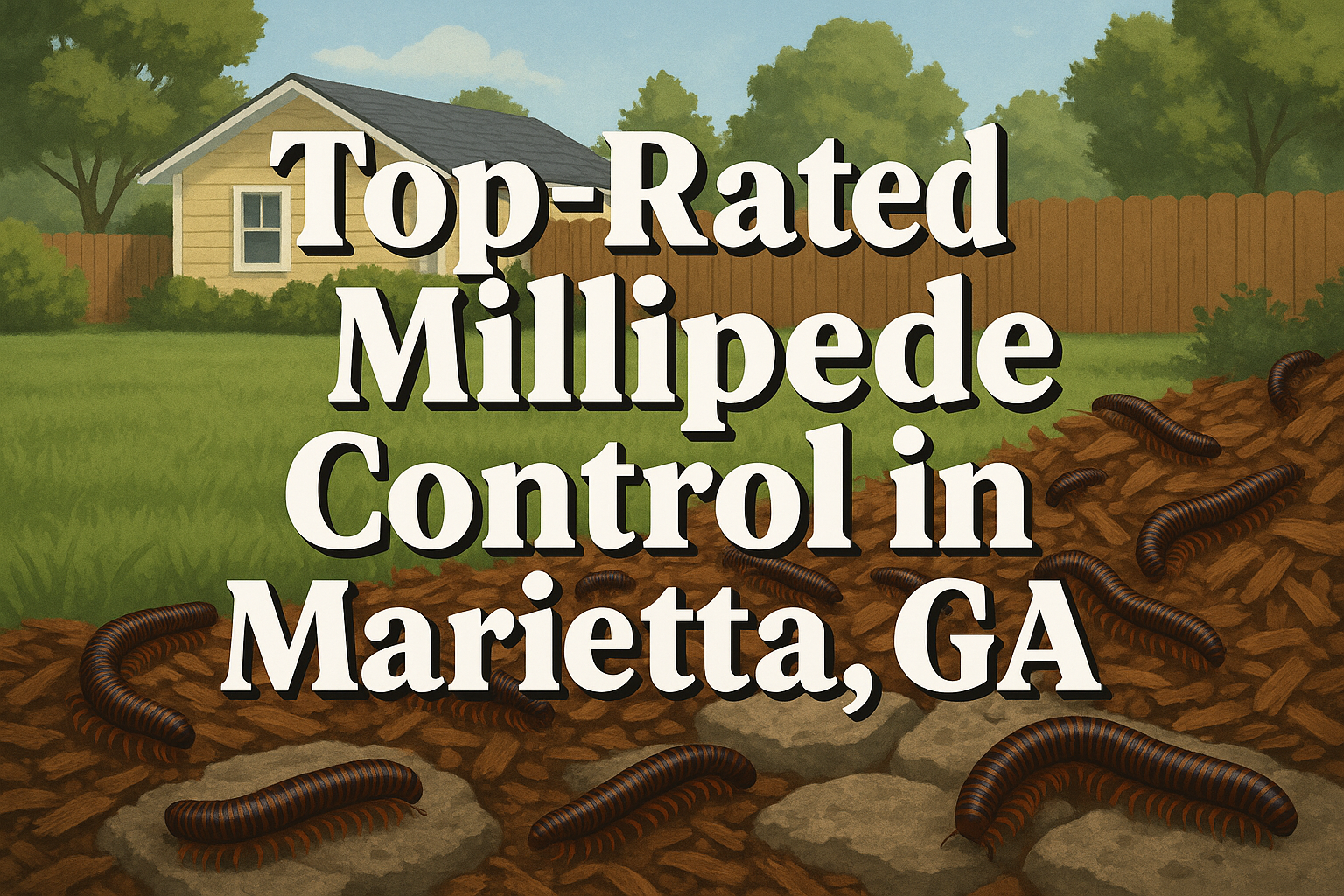
Millipedes are elongated, many‑legged arthropods that feed on decaying plant material. In most cases they’re completely harmless to humans and pets, posing no sting or bite risk. Their real trouble begins when they gather in massive numbers and start marching into homes.
When a swarm slips through a door or window, the sight of dozens—sometimes hundreds—of tiny, rust‑colored critters can feel like an invasion. While they won’t chew on furniture or damage structures, the sheer volume can clog vents, block drains, and create a damp, unsanitary environment that attracts other pests.
Marietta experienced an unusual rain spike during the 2023‑2024 spring season. According to the National Weather Service, the city logged 4.8 inches of rain in April—about 30 % above the 30‑year average. Those soggy conditions push millipedes out of the soil and into the nearest shelter, which is often a homeowner’s basement or crawl space.
Local extension agents report that millipede sightings climb from a modest 12 % of households in summer to a staggering 57 % during those wet months. That seasonal surge makes millipedes one of the most common “rain‑related” nuisances in Marietta.
Because the problem escalates quickly, many residents turn to professional pest control. A timely treatment plan not only keeps millipedes from entering the home but also prevents the secondary issues—moisture buildup and secondary pest attraction—that can cause stress and costly repairs.
Habitat Factors that Turn Millipedes into a Nuisance
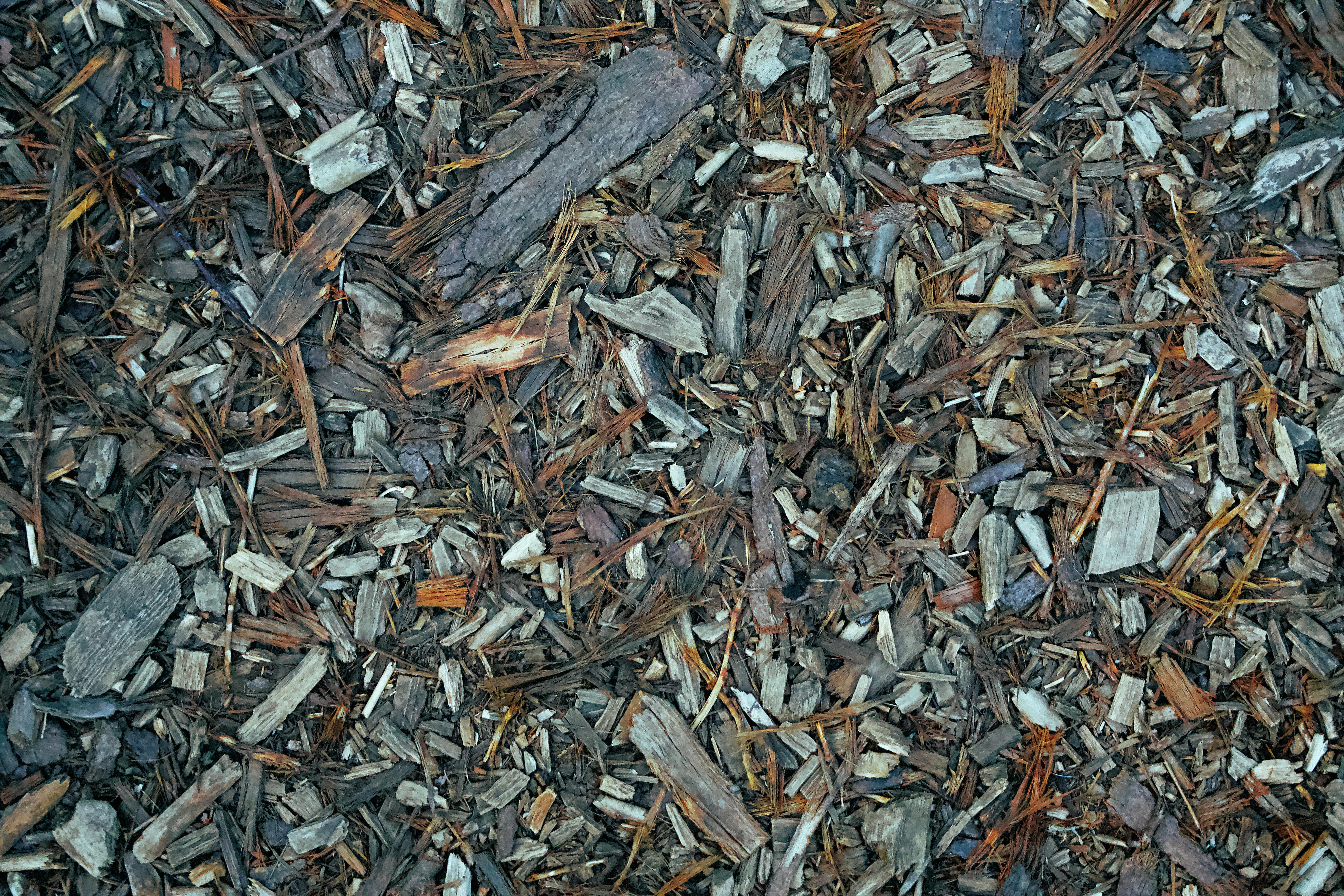
Millipedes love damp, decaying organic matter. When you spread moisture‑rich mulch around flower beds, pile leaf litter against the foundation, or have cracks in the concrete, you’re essentially building a five‑star hotel for them. Those soft, dark tunnels retain water, giving millipedes a perfect place to feed, hide, and reproduce. These conditions also attract other moisture‑loving pests, creating a cascade effect that can overwhelm your yard.
In Marietta, the activity spikes from late spring through early fall. After a heavy rainstorm, the ground stays saturated for days, and the insects emerge en‑mass to escape the soggy soil. That’s why you’ll notice the most traffic along sidewalks and patios during the warm, wet months. The peak usually aligns with the first week after the rain, when the soil is still moist but the air begins to warm.
Take the July thunderstorm on Murray Drive as a cautionary tale. Within hours of the downpour, residents woke to a thick “millipede carpet” stretching from the driveway to the front steps. The insects had migrated upward, seeking the dry air inside homes, turning a simple rain event into a full‑blown nuisance.
Improper drainage compounds the problem. When water pools near the foundation, it forces millipedes to look for higher ground—often the cracks and gaps around windows, doors, or utility lines. Once inside, they follow moisture gradients, spreading through basements, crawl spaces, and even living rooms, especially where humidity is unchecked.
Quick tip: Conduct a visual sweep of mulch beds and foundation cracks after each rain. Spotting a few millipedes early lets you address moisture issues before the colony expands, saving you time, hassle, and a costly professional treatment later.
Home Inspection Checklist and Accurate Identification
Step‑by‑Step Inspection Checklist
- Walk the foundation and note any cracks, gaps, or moisture‑laden seams.
- Open crawl‑space doors and shine a flashlight along joists and insulation.
- Check basement windows for condensation and any small entry points.
- Survey garden beds, mulch, and leaf litter where millipedes love to hide.
Essential Tools
- Flashlight – a bright beam reveals hidden clusters.
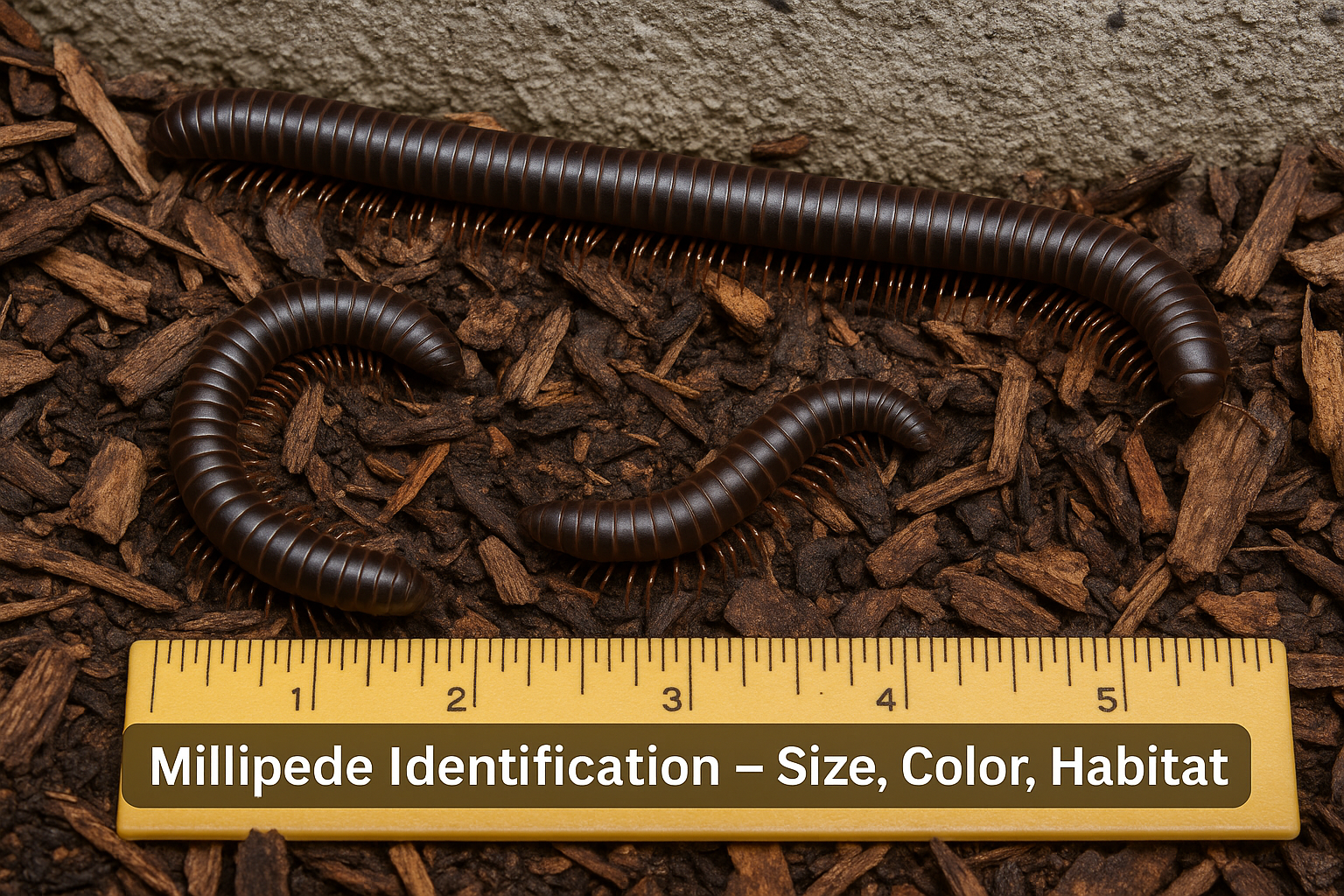
- 1‑inch ruler – helps confirm the size of an unfamiliar critter.
- Disposable gloves – protect skin from accidental bites or irritation.
Spotting the Difference: Millipedes vs. Centipedes vs. Woodlice
Millipedes have two pairs of legs per body segment, giving them a long, rounded appearance and a slow, deliberate crawl. Centipedes sport one pair of legs per segment, a flatter body, and a rapid, darting motion. Woodlice (pill bugs) are much shorter, with seven pairs of legs total, a shiny, segmented exoskeleton, and they can roll into a ball when disturbed.
Documenting What You Find
Use your phone’s camera to snap clear photos of any insects and the areas where they appear. Pair each image with brief notes—date, location, and weather conditions—to build a record that helps a professional identify patterns.
Safety First
Never handle millipedes or other arthropods with bare hands. Even though most millipedes are harmless, some species can secrete irritating fluids. Always wear disposable gloves, keep children and pets away from the inspection zone, and stop if you feel uncertain—contact Anthem Pest Control for expert assistance.
Cost Breakdown and Pricing Transparency
When a millipede invasion shows up in your yard, the first question is usually “how much will it cost to get rid of them?” At Anthem Pest Control we keep every charge visible so you can compare it directly to a do‑it‑yourself (DIY) approach.
Initial inspection fee
Our certified technicians perform a thorough perimeter and interior assessment for a flat fee that typically falls between $45 and $75. This fee covers travel, identification of infestation hotspots, and a written treatment recommendation.
What’s included in the treatment price?
After the inspection, the final bill reflects three components:
- Labor: Application time and follow‑up visits.
- Product markup: Professional‑grade insecticide, safety‑tested for pets and children.
- Travel surcharge: Extra mileage fees (for example, service to Dobbins Air Force Base adds a modest $10‑$15).
DIY kit vs. professional service
| Factor | DIY Kit | Professional Service |
|---|---|---|
| Upfront cost | $30‑$50 (single application) | $129 full‑season package |
| Safety | Requires homeowner handling of chemicals | EPA‑registered products applied by trained techs |
| Effectiveness | Variable, often needs re‑application | Guaranteed coverage with two follow‑up visits |
| Long‑term savings | Potential repeat purchases | Season‑long protection reduces future infestations |
Anthem Pest “Millipede Protection Plan”
For $129 you receive a full‑season service that includes the initial treatment, two scheduled follow‑up visits, and a written warranty. The plan is designed to keep millipedes at bay throughout the humid Georgia summer, eliminating the need for repeated DIY purchases.
Industry benchmark
The National Pest Management Association’s 2024 price survey lists the national average for a single‑visit millipede treatment between $115 and $140. Our transparent pricing sits comfortably within that range while adding the convenience of a full‑season guarantee.
Proactive Prevention Tips for Homeowners
Millipedes love damp, sheltered spots around a house. By tightening up the landscape and the building envelope, you can make your property far less attractive to these harmless‑looking invaders.
Mulch Management
Keep mulch no deeper than two inches and choose cedar chips, which naturally repel many insects. Regularly rake away excess leaf litter and replace any compacted mulch. This reduces moisture retention and eliminates the cool hiding places millipedes seek. Avoid using pine bark or fresh wood chips, which retain excess moisture.
Seal Foundation Cracks
Inspect the foundation for gaps larger than a quarter‑inch. Fill them with silicone caulk for flexible joints or install metal flashing for larger openings. A sealed perimeter blocks millipedes from slipping inside through tiny fissures. Pay special attention to utility penetrations and vent pipes, as these are common entry points.
Install Proper Drainage
Direct roof runoff away from the house with down‑spout extensions that discharge at least three feet from the foundation. If water pools near the footing, consider a French drain or a shallow trench filled with gravel. Dry soil around the home discourages millipedes from congregating. Check that gutters are clear of debris before the first storm; clogged gutters funnel water directly onto the foundation.
Seasonal Checklist
In early April—just before the rainy season—walk the perimeter, verify mulch depth, reseal any new cracks, and test drainage flow. Record your observations in a simple log so you can track improvements year over year. Schedule a professional inspection if you notice a sudden increase in millipede activity after a wet spell.
For a quick, printable reference, download our Millipede Prevention Checklist (PDF). Keep it on your fridge or in your home maintenance binder and tick off each task as you complete it.
Seasonal Timing and Selecting a Local Provider
When Millipedes Are Most Active
In Marietta, millipedes emerge once the soil warms. The peak window runs from early June through late October, with the highest sightings in July and August. The first two months of the season—April and May—offer a narrow “early‑season” window when insects are still low‑key but the ground remains moist enough for them to surface.
Imagine a simple calendar graphic: a bold blue bar stretching June‑October, overlaid by a lighter stripe for April‑May. That visual cue lets homeowners know exactly when to book treatment.
Why Treat Early?
- Cut the population before it explodes. Treating in April‑May stops breeding cycles, so fewer millipedes reach homes later in summer.
- Reduce chemical load. Early applications need less product because infestations are smaller, translating to lower exposure for pets and kids.
- Save money. Early work often qualifies for seasonal discounts and avoids costly repeat visits.
- Predictable schedule. An early‑season appointment fits neatly into most homeowners’ spring maintenance plans.
Why Choose Anthem Pest in Marietta?
Anthem Pest’s Georgia‑trained technicians understand the local climate, soil types, and neighborhood layouts. Every applicator is EPA‑registered, fully insured, and background‑checked, ensuring the job is done safely and professionally. When you schedule an early‑season visit, you’ll receive a thorough inspection, a targeted perimeter spray, and a clear briefing on what to expect.
“I called Anthem Pest after spotting millipedes in my basement. The technician arrived the same day, explained the treatment, and had my yard clear within hours. Transparent pricing and friendly service—highly recommend!” – Jenna L., Marietta, GA
Stay Informed
For the official 2024 pest‑season calendar, visit the Georgia Department of Agriculture pest‑season alerts. Mark your calendar, and let Anthem Pest handle the rest.
Frequently Asked Questions About Millipedes
Do millipedes bite or spread disease?
The Centers for Disease Control and Prevention confirms that millipedes do not bite humans and are not known carriers of disease. While they won’t bite, their bodies can release defensive chemicals that may trigger skin irritation or allergic reactions in sensitive individuals. If contact occurs, wash the area with soap and water to reduce irritation. CDC
Can I treat millipedes myself?
DIY methods—such as spraying household insecticides or spreading diatomaceous earth—can seem tempting, but improper application often leads to ineffective control and unnecessary exposure to chemicals. The University of Georgia Extension advises that professional‑grade products and calibrated equipment are required for lasting results, especially around foundations and landscaping. A licensed technician also identifies entry points and recommends landscaping adjustments to deter future invasions. UGA Extension
How long does a professional treatment last?
A typical millipede barrier applied by a licensed technician remains effective for eight to twelve weeks, depending on weather, soil moisture, and the size of the infestation. After that period, most companies—including Anthem Pest—schedule a re‑inspection to determine whether a touch‑up is needed to keep the perimeter protected. In regions with frequent summer rains, the barrier may need a sooner refresh, typically within six weeks.
Are chemical barriers safe for pets and children?
When EPA‑registered, low‑toxicity products are used according to label directions, the risk to people and pets is minimal. The Environmental Protection Agency requires strict safety testing, and professional applicators are trained to apply the barrier in a way that avoids direct contact with living spaces. After spraying, keep children and pets indoors for at least two hours until the product dries, then normal activity can resume safely. EPA