Why Fast Moth Control Is Critical for Smyrna Homes
Pantry and Carpet Moth Prevalence in the Southeast
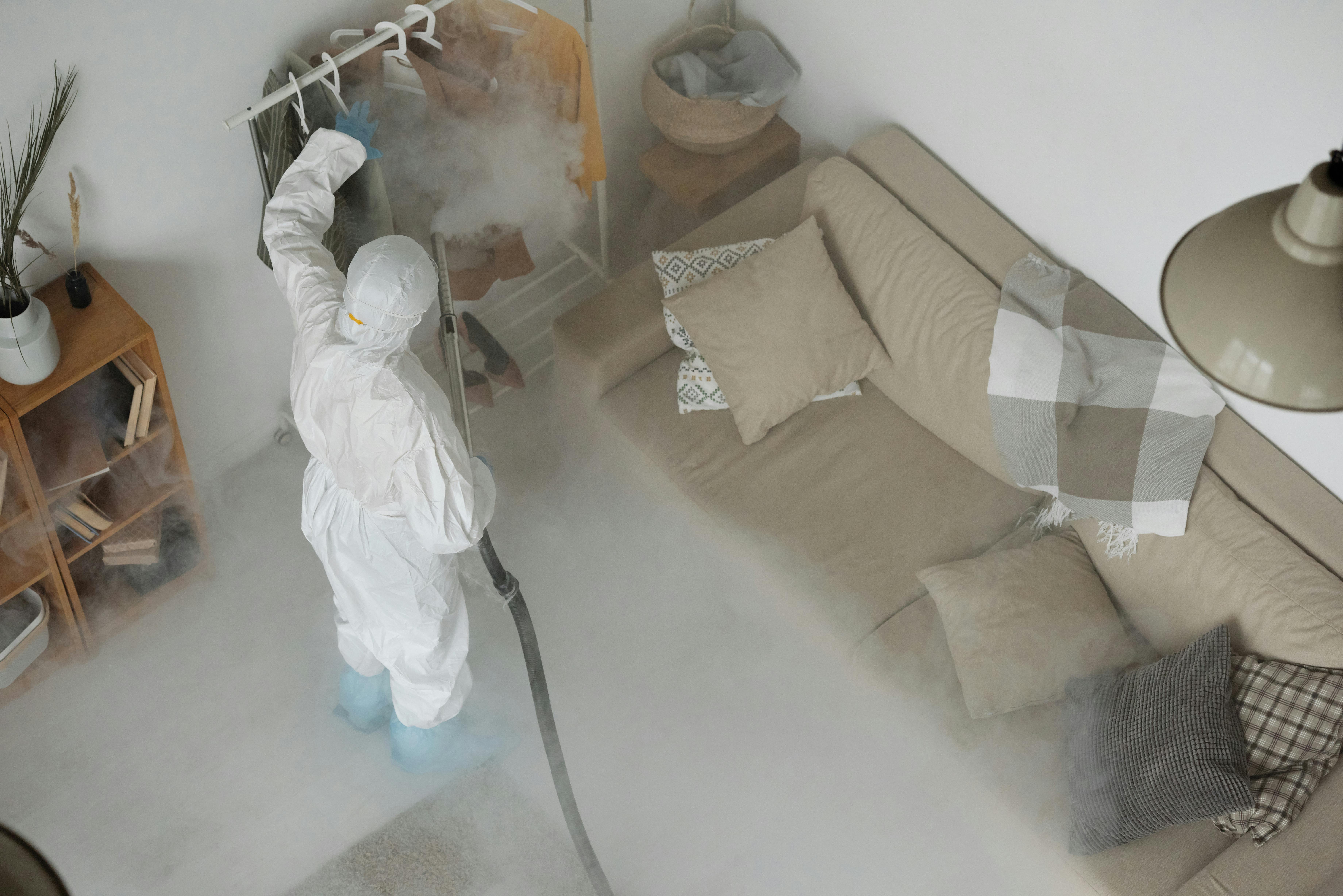
In the warm, humid climate of the Southeast, pantry moths (like the Indian meal moth) and carpet moths (such as the webbing clothes moth) thrive year‑round. In Smyrna, neighborhoods such as Burnt Fork, East Cobb, and Olde Towne see a noticeable uptick each spring as stored grains, flour, and natural fibers become prime food sources. Homeowners often spot the tell‑tale silken tunnels in closets or the tiny webbed clusters near pantry shelves, but by the time the damage is visible, colonies have usually been established for weeks.
Rising Complaints Backed by EPA Data
The U.S. Environmental Protection Agency reported a 12 % increase in moth‑related complaints across Georgia between 2023 and 2024. This spike aligns with hotter summers and higher humidity levels, creating ideal breeding conditions. For Smyrna residents, the data translates into more frequent service calls, higher treatment costs, and a growing need for proactive monitoring.
Health and Property Risks
Moth infestations are more than a nuisance. Food‑contaminating species lay eggs in dry goods, and their larvae produce silk and frass that can trigger allergic reactions, especially in children and seniors. On the property side, carpet and clothing moths feed on natural fibers, leaving holes in curtains, upholstery, and stored textiles. Over time, the cumulative damage can cost hundreds of dollars in replacements—an expense no homeowner wants to face.
Why Early Intervention Matters
Because moths reproduce rapidly—females can lay up to 200 eggs in a single lifetime—delaying treatment allows populations to explode. A small infestation in a pantry can quickly spread to neighboring rooms, while a single moth in a closet can devastate an entire wardrobe within months. Prompt action halts the life cycle before larvae cause irreversible damage.
Data‑Driven, Professional Solutions
Effective moth control starts with a thorough inspection that identifies hotspots, entry points, and the species involved. Using EPA‑approved, low‑toxicity products, a certified technician can target both adult moths and hidden larvae. Integrated strategies—such as pheromone traps, airtight storage practices, and targeted residual sprays—provide a long‑lasting shield, reducing the likelihood of recurrence.
For Smyrna homeowners, the message is clear: when you notice the first sign of moth activity, call a local, data‑focused professional. Quick, informed treatment protects your family’s health, preserves your belongings, and keeps your home comfortable throughout the year.
Moth Species, Life Cycle, and Damage Patterns
Pantry Moth (Plodia interpunctella)
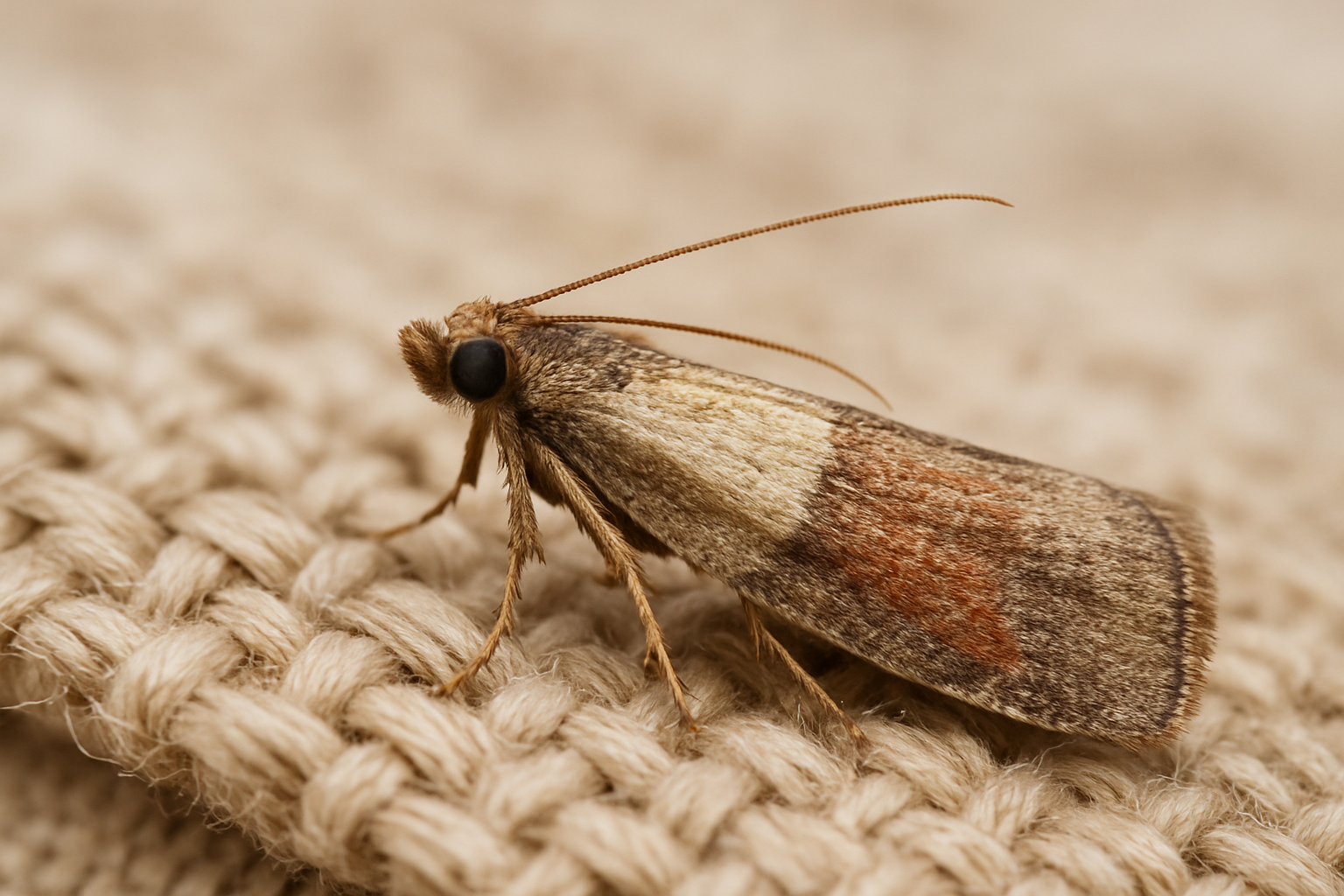
This small, tan‑brown moth is a common invader of kitchens and pantries. Adults have a distinctive reddish‑orange band across the hindwing, making them easy to spot near stored grains, cereals, nuts, and dried fruit. While the adult’s primary goal is reproduction, it’s the hidden larvae that cause the real damage.
Carpet Moth (Tineola bisselliella)
Often called the “clothes moth,” the carpet moth is a pale, golden‑brown insect with a subtle fringe of hairs along the wing edges. It prefers dark, undisturbed areas such as closets, carpets, and upholstered furniture. Like the pantry moth, the adult is harmless; the larvae are the culprits that eat natural fibers.
Life‑Cycle Stages
Both species share a four‑stage development process, but timing can vary with temperature and food availability.
- Egg – Females lay 100‑200 tiny, oval eggs on or near a food source. Eggs hatch in 3‑10 days.
- Larva – The voracious caterpillars feed for 2‑6 weeks, growing through several molts before seeking a safe place to pupate.
- Pupa – Inside a silken cocoon, the larva transforms into an adult. This stage lasts 1‑2 weeks indoors.
- Adult – Fully winged moths live 2‑4 weeks, during which they mate and lay the next generation of eggs.
Damage Patterns
Larval feeding. Pantry moth larvae chew through grains, cereal flakes, powdered sugar, and dried fruit, leaving webs, frass (tiny droppings), and irregular holes. In carpets and clothing, carpet moth larvae tunnel through wool, silk, and other protein‑based fibers, creating small, irregular patches that expand as the infestation grows.
Adult contamination. As adults flutter around, they shed microscopic scales that can settle on food surfaces or fabric. While these scales are not toxic, they can cause allergic reactions in sensitive individuals and make pantry items look unclean.
According to the National Pest Management Association, the average U.S. household loses $150‑$200 each year to moth‑related damage.
Identification Tips
- Pantry moth: reddish‑orange band on hindwing, wings held tent‑like at rest.
- Carpet moth: uniform golden‑brown color, fine hair fringe along wing edges.
- Look for webbing and silken tubes near food packages or in carpet seams.
- Check for small, irregular holes in grains or frayed fibers in clothing.
The Cost of Delayed Treatment
Moth populations don’t wait for you to notice the damage. In a warm, humid Smyrna home, a modest infestation can double in size every 2‑3 weeks. That rapid growth means the larvae quickly spread from a single pantry corner to every stored‑food shelf, and from there to closets, upholstery, and even insulation. By the time you finally see tell‑tale webbing or a few moths fluttering near a light, the problem has often expanded far beyond the original hotspot.
Because the infestation escalates so fast, the price tag does too. Early intervention typically costs between $150 and $300, covering a targeted spray, a thorough inspection, and a single follow‑up visit. In contrast, extensive remediation—required after the infestation has spread—can range from $600 to $1,200. Those higher fees include not only a full‑home treatment but also the replacement of contaminated food items and repair or cleaning of damaged fabrics, carpets, and stored textiles.
| Treatment Stage | Typical Cost Range | What’s Included |
|---|---|---|
| Early Intervention | $150‑$300 | Targeted spray, inspection, one follow‑up |
| Extensive Remediation | $600‑$1,200 | Full‑home treatment, food replacement, fabric repairs, multiple follow‑ups |
The timing of your response is just as critical as the response itself. Smyrna’s peak moth season runs from May through September, when temperatures consistently sit in the 70‑80°F range and humidity climbs above 60%. Those conditions create an ideal breeding ground, accelerating both egg hatch rates and larval development. Waiting until the end of this window often means confronting a full‑blown infestation that could have been nipped in the bud weeks earlier.
Our recommendation aligns with the 2024 EPA cost‑analysis for moth control, which shows that homeowners who act within the first two weeks of detection save an average of 70%** in overall expenses**. In short, the faster you call a professional like Anthem Pest Control, the less you’ll spend on repairs, replacements, and repeated treatments. Speed truly matters when it comes to protecting both your budget and your home’s integrity.
Anthem Pest’s 3‑Step Rapid Response Protocol
Step 1 – Inspection
When you call Anthem Pest, a certified technician arrives within the promised window and begins with a thorough visual walk‑through. The expert checks high‑risk areas such as kitchens, pantry closets, and attic spaces, looking for adult moths, larvae, and the tell‑tale webbing they leave behind. Simultaneously, any existing pheromone or sticky traps are examined, removed, and logged. This systematic assessment creates a clear map of infestation hotspots, allowing the team to target only the zones that truly need treatment.
Step 2 – Targeted Treatment
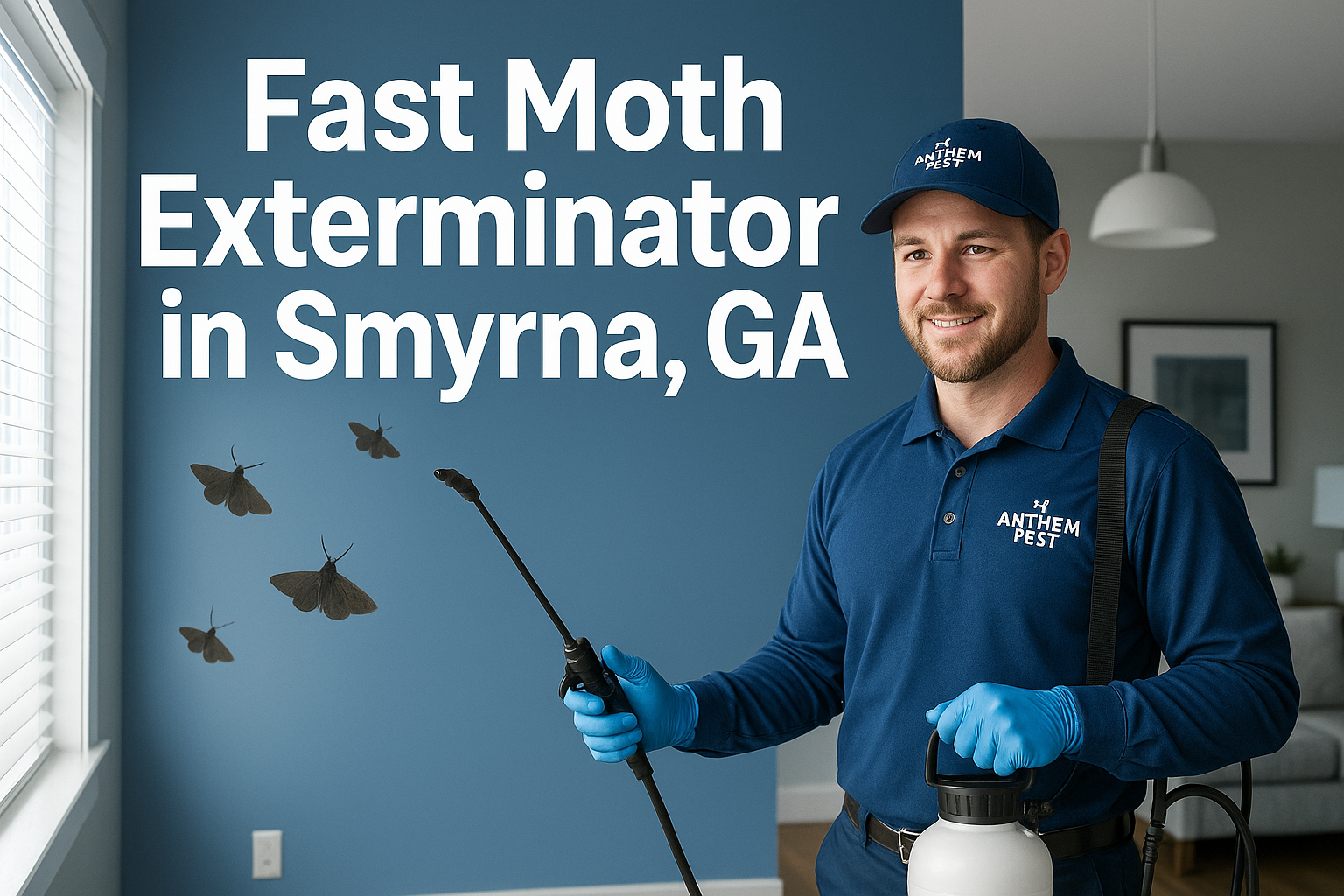
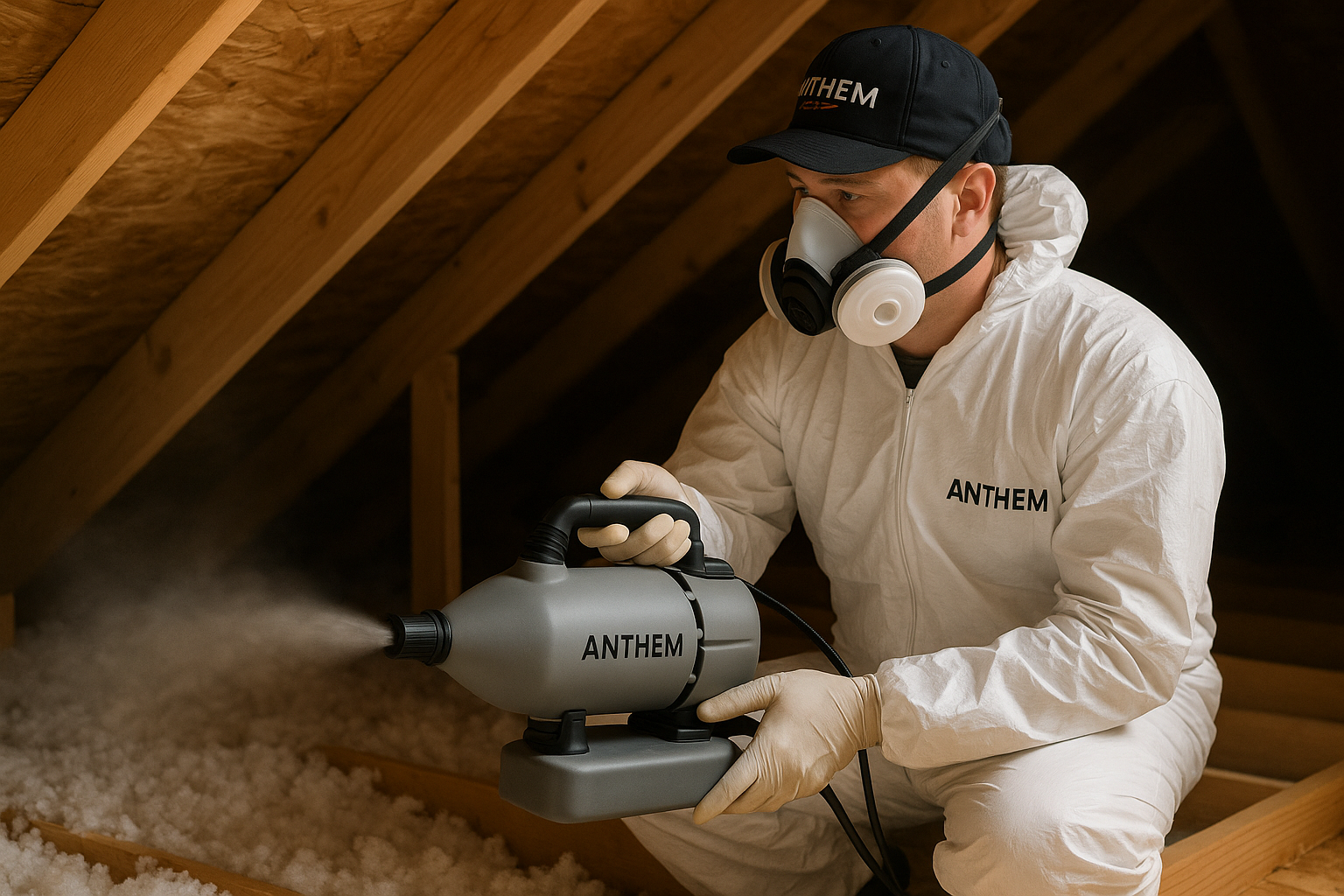
Armed with the inspection data, the technician applies low‑toxicity, EPA‑registered products directly to the identified problem zones. In kitchens and closets, a discreet spray is used on baseboards, cracks, and shelving where moths hide. For attic infestations, a fine mist is released from a concealed nozzle, saturating the hidden crevices without disturbing stored items. The products are chosen for rapid knock‑down while remaining safe for pets and children.
Step 3 – Follow‑Up & Prevention
One month after the initial treatment, a follow‑up visit confirms that the moth population is gone and that no new activity has started. During this inspection, the technician provides a customized prevention plan—often a combination of seasonal monitoring, strategic trap placement, and homeowner education on proper food storage. The plan is designed to keep your home moth‑free long after the chemicals have faded.
Pricing Transparency
Anthem Pest believes homeowners should know exactly what they’re paying for. The standard single‑visit rapid response service is priced between $149 and $279, depending on the size of the property and the severity of the infestation. For those who want ongoing protection, the annual package runs from $399 to $599 and includes quarterly inspections, re‑applications of low‑toxicity products, and a full‑year prevention strategy.
| Service | Price Range | What’s Included |
|---|---|---|
| Single‑Visit Rapid Response | $149 – $279 | Inspection, targeted treatment, 30‑day follow‑up |
| Annual Protection Package | $399 – $599 | Four quarterly visits, re‑treatment as needed, customized prevention plan |
All prices are listed as of the latest update on Anthem’s website; we recommend checking anthempest.com for any seasonal promotions or regional adjustments before scheduling.
Professional vs. DIY vs. Integrated Pest Management
Professional chemical spray
When you call Anthem Pest Control, a licensed technician applies a EPA‑registered chemical spray that targets both adult moths and their larvae. The formula works within hours, and the agency cites an 85 % success rate for properly executed treatments. For Smyrna homeowners, a single visit typically runs between $150 and $300, depending on the size of the infestation and the square footage of the home.
Pros: Immediate knock‑down, coverage of hidden hotspots, and a warranty that guarantees follow‑up if moths return. Cons: Higher upfront cost, reliance on chemicals that require proper handling, and the need for a professional to access attics or crawl spaces safely.
Integrated Pest Management (IPM)
IPM blends regular monitoring with a limited, targeted use of chemicals. Technicians set up pheromone traps, inspect vulnerable areas, and only apply treatments when thresholds are crossed. Success is moderate—often enough to keep populations below damaging levels—but it demands ongoing maintenance, typically quarterly visits.
Costs are spread out: an initial setup may be $120, followed by $80‑$120 per maintenance visit. The approach shines for homeowners who want a balanced, environmentally conscious solution without the “all‑or‑nothing” feel of a full‑scale spray.
DIY methods
Many Smyrna residents start with pheromone traps, cedar blocks, or essential‑oil sprays. These tools are inexpensive—often under $30 for a starter kit—but their average success hovers around 45 %. The real expense shows up over time: repeated purchases, lost pantry items, and the hidden labor of constantly checking and replacing traps.
While DIY feels empowering, it rarely eradicates a well‑established moth population. Persistence can become costly, both financially and in terms of peace of mind.
| Approach | Typical Success Rate | Cost (per visit) | Pros | Cons |
|---|---|---|---|---|
| Professional chemical spray | ≈ 85 % | $150‑$300 | Fast action, comprehensive coverage, warranty | Higher upfront cost, chemical handling required |
| Integrated Pest Management | ≈ 60‑70 % | $120 initial, $80‑$120 per follow‑up | Balanced, less chemical use, ongoing monitoring | Requires regular visits, moderate success |
| DIY methods | ≈ 45 % | $20‑$50 for traps/blocks, plus hidden losses | Low entry cost, homeowner control | Low efficacy, cumulative expense, time‑intensive |
Real‑world example: A Smyrna homeowner relied solely on DIY pheromone traps for six weeks. The moths persisted, spoiling an entire pantry and costing roughly $350 in lost food before a professional was finally called in.
Decision‑making guide
- If you need instant relief and have a sizable infestation, the professional spray is the most reliable choice.
- If you prefer a steady, eco‑friendly approach and are willing to schedule regular check‑ins, IPM offers a solid middle ground.
- If you’re on a tight budget and the problem is just beginning, DIY can buy you time—but be prepared for possible hidden costs if the moths bounce back.
Local Prevention Strategies for Smyrna Homeowners
Seal every entry point
Springtime in Smyrna brings warm breezes that slip through even the tiniest gaps around windows, doors, and the historic brickwork of the Burnt Fork district. Moths can wedge themselves into cracks as thin as a fingernail, so take a systematic walk around the exterior of your home. Use a high‑quality silicone caulk for gaps in window frames, and install door sweeps on all exterior doors. For older homes with mortar joints, a flexible, paint‑able sealant works best. A quick seal‑up not only blocks moths but also improves energy efficiency.
Lock down pantry goods
Pantry items are the most attractive buffet for pantry moths. Transfer flour, rice, cereal, and pet food into airtight glass containers with rubber gaskets. Clear containers let you see when supplies run low, while the sealed lid denies adult moths a place to lay eggs. If you prefer a quick visual, label each container with the purchase date; this helps you rotate stock before any hidden infestation can take hold.
Use natural repellents in closets
Cedar is a time‑tested moth deterrent. Place cedar blocks or chips in every closet, especially where wool sweaters or blankets are stored. The aromatic oils released by cedar interfere with moths’ pheromone trails, discouraging them from nesting. Remember that cedar loses potency after about a year, so mark the purchase date and replace the blocks annually for continuous protection.
Schedule a pre‑season inspection in early May
May marks the beginning of the moth breeding cycle in Georgia. A professional inspection from Anthem Pest Control at this stage lets you catch any early activity before it spreads. Technicians will examine vulnerable areas—attics, basements, and pantry corners—and apply targeted treatments only where needed. Early intervention reduces the amount of chemicals used and saves you money in the long run.
Reduce attic humidity
The Centers for Disease Control and Prevention (CDC) recommends keeping indoor relative humidity below 60 % to discourage most household pests, moths included. Install a dehumidifier in your attic and monitor humidity levels with a digital hygrometer. Proper ventilation, combined with a well‑maintained roof and gutter system, helps keep moisture at bay, making the attic an inhospitable environment for moth larvae.
Quick‑check checklist for homeowners
- Inspect and caulk all exterior cracks, paying special attention to historic brickwork.
- Transfer pantry staples into airtight glass containers.
- Place cedar blocks in closets and set a calendar reminder to replace them yearly.
- Book a professional pre‑season inspection for early May.
- Install a dehumidifier in the attic and maintain humidity below 60 % RH.
By integrating these climate‑specific steps into your routine, you create multiple barriers that make Smyrna homes far less inviting to moths. Consistency is key—regular checks, timely replacements, and professional oversight work together to keep your living spaces moth‑free all year long.
Quick Answers for Smyrna Homeowners
We know you want fast, reliable information before deciding on a moth treatment. Below are the most common questions Smyrna residents ask, answered with clear data and the guarantees you can count on from Anthem Pest.
How soon will results be visible?
Most homeowners notice a significant drop in moth activity within 48–72 hours after the initial treatment. Our technicians apply a targeted residual spray that begins working as soon as it contacts the insects, disrupting their life cycle and preventing further egg hatchings. Anthem Pest Field Data, 2024
Are the chemicals safe for children and pets?
Yes. Anthem Pest exclusively uses EPA‑registered products that are formulated to leave less than 0.01 ppm residue on treated surfaces. This level is well below the safety thresholds established for household environments, ensuring that daily activities can resume without additional precautions. U.S. EPA, 2022
What warranty does Anthem Pest offer?
We stand behind our work with a one‑year guarantee on treatment efficacy. If moth activity returns within twelve months under normal home conditions, we’ll re‑treat the affected area at no extra charge. The warranty also includes a follow‑up inspection to verify lasting results. Anthem Pest Service Agreement, 2024
Can moths return after treatment?
While no treatment can promise 100 % permanence, the risk of recurrence is low when you follow our recommended follow‑up plan. This includes a scheduled second visit three weeks after the first application and seasonal preventive treatments. Simple steps—like regular vacuuming of closets and proper food storage—further reduce the chance of a comeback. Integrated Pest Management Guidelines, 2023
How to Schedule Your Service
When moths start fluttering through your attic or pantry, the fastest way to regain control is to lock in an appointment with Anthem Pest. We’ve stripped the process down to four simple actions, so you can get relief without the hassle.
- Pick up the phone. Dial 877‑371‑8196 for immediate assistance. Our friendly dispatch team answers right away, confirms your address, and can schedule a technician on the spot.
- Book online, anytime. Visit anthempest.com and click the “Schedule Service” button. The 24‑hour online form captures your contact details, preferred date, and the type of pest you’re battling. Once submitted, you’ll receive an automated confirmation and a reminder the day before the visit.
- Request a free quote by email. If you prefer written estimates, send a brief description of the problem to info@anthempest.com. We’ll reply within one business day with a transparent price breakdown and any applicable discounts for Smyrna homeowners.
- Take advantage of our 24‑hour response guarantee. For residents of Smyrna, GA, we promise to get back to you within 24 hours—whether you called, booked online, or emailed. During peak moth season (May through September), we also offer same‑day inspections, so you never have to wait weeks for a professional assessment.
Remember, the sooner you lock in an appointment, the sooner our certified technicians can apply a targeted, low‑toxicity treatment that eliminates moths and protects your home’s fabrics and food stores. No hidden fees, no long contracts—just fast, reliable service that fits your schedule.
Our team arrives fully equipped, so you can relax while we handle the problem from start to finish.
Protect Your Home Today – Contact Anthem Pest
Every season, moths quietly set up shop in wardrobes, pantries, and even the insulation of your Smyrna home. If left unchecked, a small infestation can turn into costly damage to fabrics, stored food, and structural components. The good news is that a fast, professional treatment stops the problem before it spreads, preserving your belongings and peace of mind.
At Anthem Pest, we combine years of entomology expertise with a deep understanding of Smyrna’s unique climate. Our technicians know which species are most active in Georgia, how they enter homes, and the most effective, low‑impact products to eliminate them. Because we work locally, we can respond within hours, schedule visits at your convenience, and tailor a plan that fits both your budget and your home’s layout. All of our technicians are Georgia‑licensed, fully insured, and trained to use environmentally responsible products that protect your family and pets while eradicating moths.
Transparency is a core value at Anthem Pest. Before any work begins, you’ll receive a clear, item‑by‑item quote that outlines the treatment steps, the chemicals used, and the expected timeline. No hidden fees, no surprise charges—just straightforward pricing that lets you decide with confidence.
Ready for rapid relief? Request a free, no‑obligation quote today and let our certified team assess the situation. Whether you need a one‑time extermination or a year‑round prevention program, we’ll design a solution that keeps moths—and the damage they cause—out of your home for good.
Call us now at 877‑371‑8196 to speak with a local specialist, or simply click the link below to book online at a time that works for you. Our friendly staff is standing by to answer questions, schedule service, and ensure you feel completely supported from the first call to the final inspection.
Visit Anthem Pest Control for more information, customer testimonials, and to lock in your free quote. Protect your home today—because a swift, professional response is the best defense against moth damage.