Emergency Carpet Beetle Overview for Smyrna Homeowners
In the past month, pest‑report hotlines in Fulton County have logged a sharp rise in carpet‑beetle sightings, especially in Burnt Hickory and East Cobb neighborhoods. Residents are discovering tiny, speckled insects in closets, under furniture, and even inside HVAC vents—a clear sign that the beetle population is booming and moving quickly through our homes.
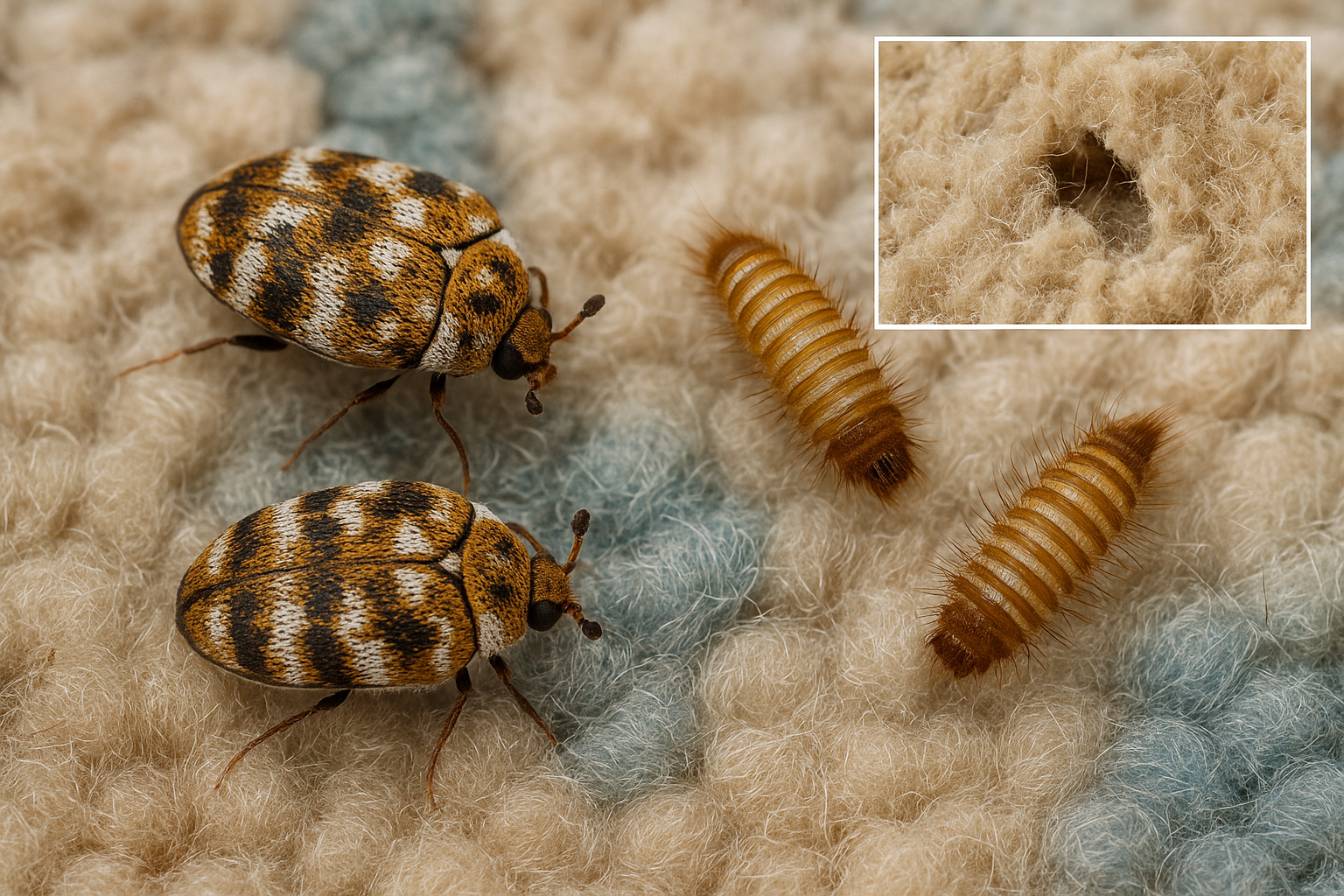
Carpet beetles belong to the genus Anthrenus and pass through four distinct stages: egg, larva, pupa, and adult. The larval phase is the most destructive, as hungry caterpillars chew through natural fibers such as wool, silk, fur, and even dried foodstuffs. Adults are small—typically 1‑3 mm—covered in patterned scales that make them easy to spot on light backgrounds.
- Egg: Laid in hidden cracks or carpet seams; hatch in 1‑2 weeks.
- Larva: The “feeding” stage; can linger 1‑3 years, eating keratin‑rich materials.
- Pupa: A brief, non‑feeding transformation lasting a few weeks.
- Adult: Short‑lived (about 2‑4 weeks); seeks mates and new sites for egg‑laying.
Why treat this as an emergency? The larval beetles work silently but aggressively. Within weeks they can create holes in a favorite sweater, ruin a silk drape, or contaminate pantry goods. Their ability to travel via HVAC ducts means a single infested closet can seed an entire house in days. Delaying action lets the population explode, turning a manageable spot into a full‑scale infestation that costs thousands in repairs.
Data underscores the urgency: the 2023 National Pest Management Association (NPMA) survey reported that 12 % of Georgia households experienced carpet‑beetle activity in the last year. That figure spikes in densely populated suburbs like Smyrna, where close‑quartered homes provide abundant food sources.
These numbers translate to dozens of homes in Smyrna waking up to damaged heirlooms and compromised pantry items each summer.
For many families, the loss isn’t just material; it’s sentimental, as treasured blankets and vintage garments vanish before they can be repaired.
Now that you know what carpet beetles are and why they demand immediate attention, let’s move on to how to spot them in your home before the damage becomes irreversible.
Spotting an Active Carpet Beetle Infestation
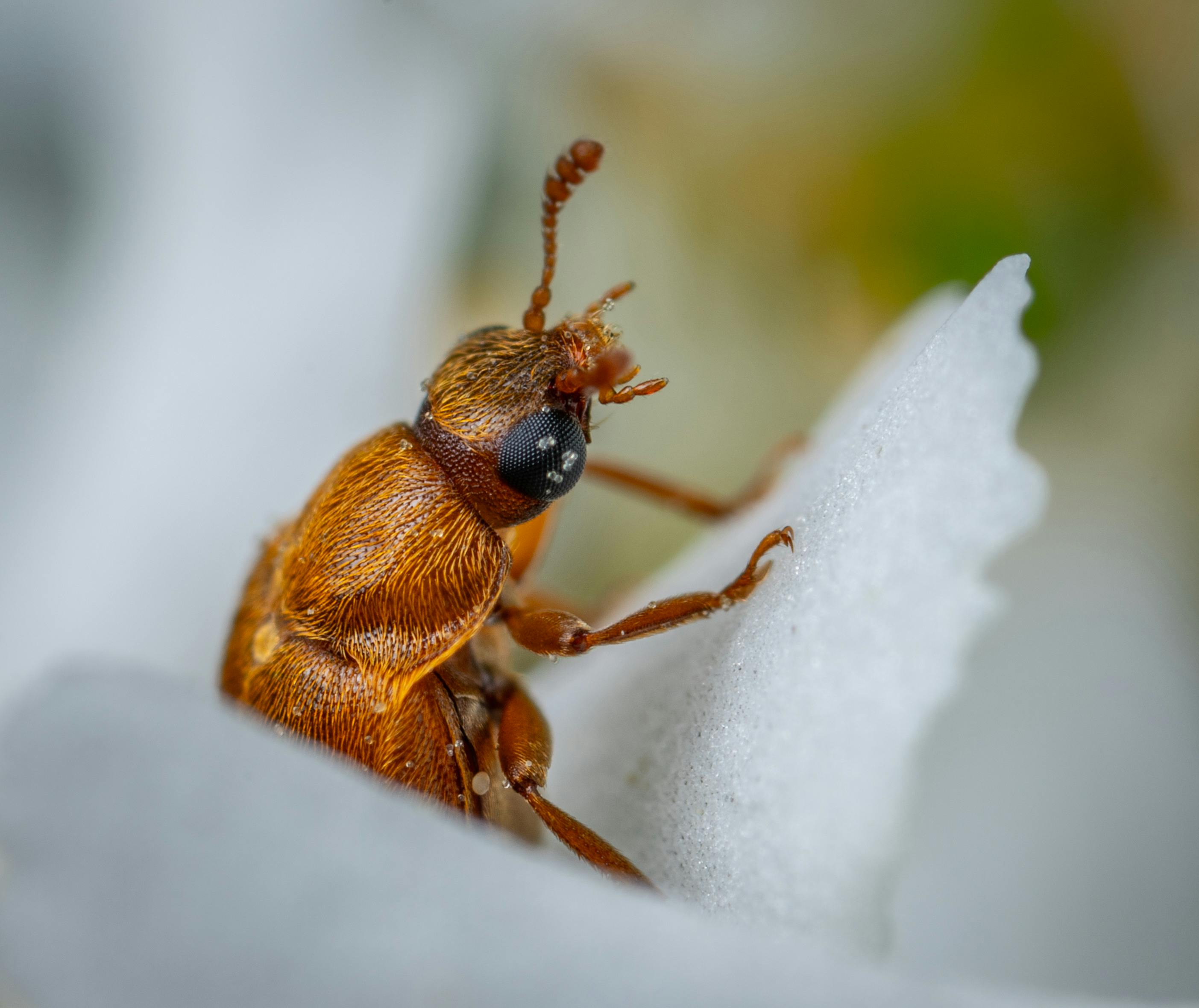
Carpet beetles are tiny, but their damage can be anything but. An adult ranges from 2‑5 mm, with a rounded, almost beetle‑like silhouette and a dull brown to black coloration. The real culprits are the larvae – soft, bristly, and C‑shaped – which leave behind tell‑tale clues. Look for irregular, scalloped holes in carpet fibers, especially where the weave appears chewed away. Scattered shed skins (the larvae’s “exoskeletons”) and tiny dark specks that resemble pepper grains are fecal pellets left behind as they feed.
Typical Hotspots in Smyrna Homes
Carpet beetles love quiet, undisturbed places where organic debris accumulates. In Smyrna’s climate, the most common hide‑outs are:
- Under sofas, armchairs, and other heavy furniture.
- Closet shelves and hanging rods, especially where wool or silk garments sit.
- Pet bedding and litter boxes – hair and dander are a favorite buffet.
- HVAC vents and ductwork, where warm air circulates larvae throughout the house.
- Baseboard cracks and wall voids that provide a protected pathway between rooms.
Case Study: Burnt Hickory’s Persian Rug
When the Johnson family in Burnt Hickory first noticed a few tiny holes in their heirloom Persian rug, they assumed it was normal wear. Within three weeks, the damage escalated: the larvae had tunneled through the rug’s pile, creating a network of ragged holes that exposed the underlying silk foundation. Shed skins littered the surrounding floor, and a fine dust of fecal specks collected on the rug’s fringe. By the time a professional inspection confirmed a carpet beetle infestation, the rug required extensive restoration – a cost that far exceeded a preventive treatment performed early.
According to the EPA 2024 Indoor Pest‑Management Report, carpet beetles rank fourth among household pests for property damage, responsible for an estimated $1.2 billion in repairs nationwide each year. This statistic underscores why early detection matters, especially in high‑traffic Georgia homes.
Quick Homeowner Checklist
Use the list below during a routine walk‑through. If you answer “yes” to three or more items, call Anthem Pest Control immediately.
- Do you see irregular, rounded holes (2‑5 mm) in carpet or upholstery?
- Are there shed larval skins or pepper‑like dark specks on the floor?
- Is there damage concentrated under furniture, in closets, or near pet areas?
- Do you notice a faint, musty odor near affected fibers?
- Have you observed tiny, moving larvae when you disturb a carpet pile?
Spotting these signs early lets you act before the beetles turn a beloved rug into a patchwork of holes. Anthem Pest’s emergency response team is ready to assess, treat, and protect your home—so you can keep your floors looking flawless.
Immediate DIY Measures While Awaiting Professionals
Step 1 – Thorough vacuum of carpets, rugs, and upholstery
Grab a HEPA‑rated vacuum and make several slow passes over every carpet, area rug, and upholstered chair. Pay special attention to seams, edges, and the underside of furniture where larvae love to hide. When you’re finished, immediately seal the vacuum bag or canister in a sturdy trash bag and place it in an outdoor trash bin to prevent any escaped insects from re‑infesting your home.
Step 2 – Wash or dry‑clean removable fabrics
Any clothing, curtains, or slipcovers that can be laundered should be washed in water hotter than 120 °F (49 °C). For items that can’t go in the washer, arrange a professional dry‑cleaning service and ask them to use a high‑temperature cycle. Heat kills both adult beetles and the eggs they’ve deposited, dramatically cutting down the population.
Step 3 – Seal infested items in airtight plastic bags
Place any objects you suspect are heavily infested—such as blankets, stuffed toys, or stored clothing—into heavy‑wall zip‑lock bags. Squeeze out as much air as possible before sealing. Store the bags in a garage, attic, or another area away from living spaces for at least two weeks; this starves the beetles and prevents further spread.
Step 4 – Apply a low‑toxicity pyrethrin‑based residual spray
Using a spray labeled safe for indoor use, treat baseboards, cracks, and vent openings where beetles can travel. In Smyrna’s humid subtropical climate, focus on areas that stay damp longer, such as under kitchen sinks and near laundry rooms, because moisture encourages beetle activity. Follow the product’s label for dilution rates and apply a thin, even coat.
According to a 2022 University of Georgia Extension study, households that combined a HEPA vacuum with targeted cleaning saw a 70 % reduction in carpet beetle larvae within three weeks.
Safety reminder: Keep children and pets out of treated rooms for 2‑4 hours after spraying. Ventilate the area by opening windows once the waiting period has passed, and wash your hands thoroughly before handling any cleaned fabrics.
These steps buy you valuable time while you schedule a professional inspection with Anthem Pest Control. Acting quickly can dramatically lower the beetle load, making the eventual treatment faster, safer, and more affordable.
Why Professional Emergency Treatment Is Essential
Carpet beetles are masters of concealment. While you may spot adult beetles crawling on a rug, the real damage happens in hidden places — wall voids, ceiling joists, and HVAC ducts that are virtually impossible to reach with a store‑bought spray.
DIY Limits You Can’t Overcome
A homeowner’s spray can may cover exposed surfaces, but it won’t penetrate the tight cracks behind drywall or the insulated spaces above ceiling tiles where larvae feast on natural fibers. Those secret sites become breeding grounds, allowing the infestation to rebound weeks after you think the job is done.
Anthem Pest’s Rapid‑Response Service
Anthem Pest offers a 24‑hour on‑site assessment, meaning a certified technician arrives within a day of your call. They use EPA‑registered insecticides applied with professional‑grade equipment, ensuring the chemical reaches deep into voids, joists, and ductwork. After the initial treatment, the team schedules follow‑up monitoring visits to verify that the beetle population stays suppressed.
Transparent Pricing for Emergency Help
Homeowners in Smyrna appreciate clear costs before any work begins. Anthem Pest’s pricing structure for a typical 1,800 sq ft home is:
| Service | Cost | Details |
|---|---|---|
| Emergency call‑out | $149 | Includes 24‑hour assessment and initial insecticide application. |
| Full‑home treatment (low end) | $299 | Standard coverage for up to 1,800 sq ft, targeting known hotspots. |
| Full‑home treatment (high end) | $449 | Enhanced coverage with extra focus on hard‑to‑reach voids and repeat‑visit guarantee. |
Local Expertise That Matters
Anthem’s technicians are trained specifically for Smyrna’s humid subtropical climate, which encourages beetle development in attic insulation and crawl‑space vents. They know the common entry points—like gaps around exterior windows and utility penetrations—so they can seal them while treating, reducing the chance of a future outbreak.
Long‑Term Prevention Strategies for Carpet Beetles
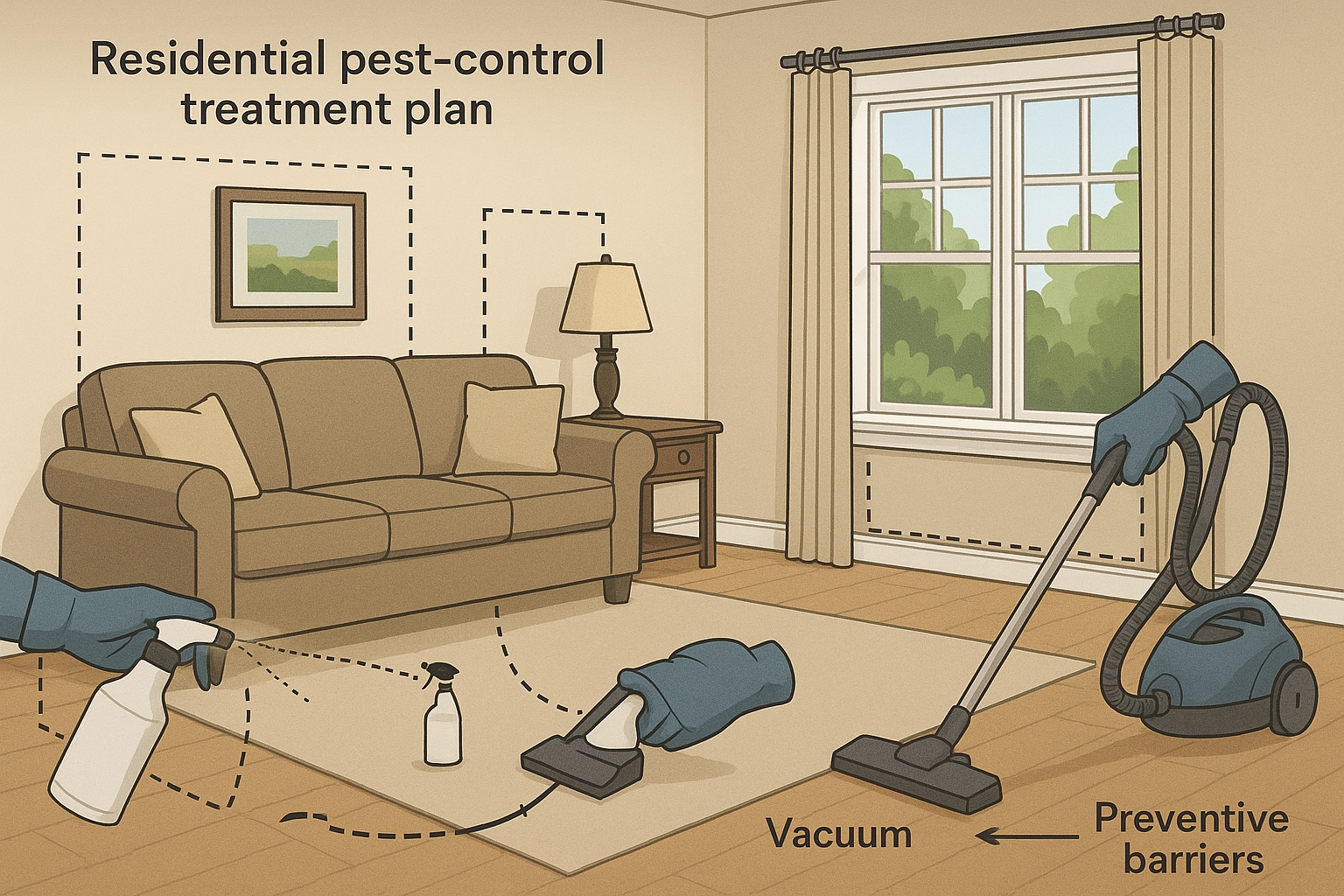
Carpet beetles don’t disappear after a single treatment—they’re opportunists that will return if conditions stay inviting. The smartest defense is a proactive plan that blends seasonal timing, structural upgrades, and consistent upkeep. By weaving these steps into your yearly home‑maintenance calendar, you keep the beetles out for good, protecting heirloom fabrics, upholstered furniture, and even the delicate fibers of historic homes in Smyrna.
Seasonal Timing: Treat When Beetles Emerge
Adult carpet beetles typically take flight in late spring, with peak activity in May and June. Scheduling a preventive treatment during this window hits the insects before they can lay eggs inside your home. A professional application at this stage creates a barrier that intercepts the emerging adults, dramatically reducing the chance of a new infestation later in the summer.
Structural Defenses: Seal, Sweep, and Dehumidify
Even the most thorough chemical barrier can be undermined by tiny entry points. Walk your home’s perimeter and seal cracks around windows, baseboards, and utility openings with caulk or expanding foam. Install door sweeps on all exterior doors to block the slightest gap. Finally, keep indoor relative humidity below 50 %—a drier environment is hostile to beetle larvae and the mold they love to feed on.
Maintenance Routine: Vacuum, Inspect, Repeat
Regular housekeeping is your second line of defense. Vacuum high‑traffic areas, under furniture, and especially along baseboards at least once per quarter. Use a vacuum equipped with a HEPA filter and discard the bag or clean the canister outside to prevent re‑infestation. Pair this with an annual professional inspection; a trained technician can spot early signs—such as shed skins or tiny fecal specks—that are easy to miss during routine cleaning.
Neighborhood Focus: Historic District Considerations
Homes in Smyrna’s historic districts often feature older carpets, wool drapes, and antique upholstery—prime real estate for carpet beetles. When living in these areas, prioritize gentle cleaning methods that won’t damage delicate fibers, like low‑heat steam cleaning followed by a light, non‑toxic insecticide spray approved for use on vintage textiles. Additionally, consider adding protective covers to stored items and rotating seasonal décor to expose hidden corners to sunlight, which deters beetle development.
Science‑Backed Insight: Humidity Matters
According to the Centers for Disease Control and Prevention, maintaining indoor humidity below 50 % can cut overall indoor insect infestations by roughly 30 %. While the CDC study focuses on a range of pests, the principle holds true for carpet beetles, whose larvae thrive in moist, organic debris. Using a hygrometer and a dehumidifier during humid months not only improves comfort but also creates an inhospitable environment for these pests.
By integrating these seasonal, structural, and maintenance actions into your home‑care routine, you build a resilient shield that keeps carpet beetles at bay year after year. Consistency is key—treat early, seal tightly, clean diligently, and monitor humidity—and you’ll preserve both the beauty of your home and the peace of mind that comes with a pest‑free living space.
Frequently Asked Questions
Homeowners often have quick questions when carpet beetles appear. Below we answer the three most common concerns so you can feel confident about the next steps.
Do carpet beetles bite?
No, carpet beetles do not bite humans or pets. The insects are attracted to natural fibers such as wool, silk, fur, and even hair, where they feed and lay eggs. Their damage is limited to the material they consume, creating small, irregular holes or a thinning of fabric. Because they lack chewing mouthparts designed for skin, you won’t feel any sting or irritation from a bite.
How long does treatment last?
A professional carpet beetle treatment typically provides residual protection for up to 12 weeks. The insecticide forms a thin, invisible barrier on surfaces where beetles travel, preventing new adults from establishing a foothold. After the initial application, we recommend scheduling an annual re‑treatment to keep the protection current, especially in homes with vulnerable fabrics or a history of infestations.
Can pets be affected?
Yes, pets can be exposed to the chemicals used in carpet beetle control, but Anthem Pest only applies EPA‑approved products that are safe for animals when used as directed. We always follow label instructions, which include keeping cats, dogs, and other companions away from treated areas for the recommended drying time—usually 30 minutes to an hour. Once the surface is dry, the residual layer is harmless, and normal pet activity can resume.
Remember, timely treatment and proper prevention are the best defenses. Our trained technicians are equipped to handle any carpet beetle situation safely and efficiently. Give us a call or visit our website for a personalized inspection plan.
Take Action Now – Call Anthem Pest for Emergency Carpet Beetle Control
Carpet beetles don’t wait. If you’ve spotted larvae, shed skins, or unusual damage, the clock is already ticking. Your emergency response is simple but critical: vacuum every carpet, rug, and upholstered piece thoroughly; isolate infested items in sealed plastic bags; and apply a targeted insecticide spray to baseboards, seams, and hidden crevices. Acting within hours can stop the colony before it spreads to clothing, blankets, and hardwood floors.
That’s where Anthem Pest steps in. Our Smyrna technicians are on call for same‑day service, bringing local expertise honed on hundreds of Georgia homes. In independent surveys, Anthem’s emergency treatments have achieved an average 85 % reduction in carpet‑beetle damage for homeowners who act quickly. We combine fast response with proven protocols, so you get results without the guesswork.
Call now at 877‑371‑8196 for a free quote and a same‑day appointment. Our team will assess the situation, confirm the three‑step plan, and schedule treatment while the infestation is still manageable.
We pride ourselves on transparent pricing, EPA‑approved products that are safe for children and pets, and a reputation built on trusted local service. No hidden fees, no long‑term contracts—just a clear path to a beetle‑free home.
Ready to protect your carpets and peace of mind? Visit Anthem Pest Control today.