Quick Relief Story – Carpet Beetle Trouble in Smyrna

When the Johnson family moved into their newly renovated home in Smyrna, they celebrated with a brand‑new, plush sofa that promised years of family movie nights. A week later, a faint, powdery speckling appeared on the armrest, and tiny irregular holes began to dot the fabric. At first they thought it was normal wear, but the damage spread faster than a spilled soda.
What they didn’t know was that carpet beetles had already taken up residence in the wall voids and stored boxes behind the living‑room bookshelf. These insects are masters of stealth in Georgia homes—nestling in carpets, under cushions, and inside rarely‑opened closets where humidity and temperature stay relatively constant.
Because carpet beetle larvae feed on natural fibers, the first sign is often a subtle loss of texture on upholstery, wool blankets, or even the soft lining of a new couch. Homeowners rarely spot the insects themselves; they’re nocturnal, hide in cracks, and their adult stage lives only a few days, leaving only the damage as evidence.
In the humid climate of Georgia, carpet beetles thrive year‑round, especially in homes that store seasonal clothing or have area rugs that aren’t vacuumed regularly. Their larvae can hide in the seams of mattresses, the backing of wall hangings, and even inside pet bedding. Because the damage often looks like normal wear, many families ignore it until the infestation is well established.
That’s why Anthem Pest Control’s fast‑track response matters. Our team relies on data‑driven inspections, local beetle population trends, and a trusted network of Smyrna technicians who can diagnose the problem within hours. We promise an affordable, rapid extermination plan that eliminates the hidden colony before it spreads to carpets, drapes, or stored heirlooms.
Stay with us as we dive deeper into the biology of carpet beetles, the warning signs you can catch early, and the exact steps Anthem takes to restore peace to your home—quickly, safely, and without breaking the bank.
Carpet Beetle Biology and Species in Georgia
Adult carpet beetles are tiny—just 5–7 mm long—and look like a speck of dust on a carpet. Their rounded bodies are mottled brown or black with faint lighter spots, which makes them easy to miss.
The larvae, often called “woolly bears,” have a soft, hair‑covered look and feed on natural fibers such as wool, silk, feathers, pet hair, and even dried plant material. This feeding habit explains the holes you sometimes find in blankets, curtains, or upholstery.
Typical warning signs include tiny brown shed skins (puparia), pepper‑like fecal pellets, and a faint musty odor near damaged items. These clues appear weeks before the damage becomes obvious, giving you a chance to intervene early.
Primary Species Found in Georgia
- Varied carpet beetle (Anthrenus verbasci) – The most common species in the state, recognizable by its black and white striped wing covers.
- Black carpet beetle (Attagenus unicolor) – Uniformly dark, it prefers hidden, undisturbed spots like closets and under furniture.
According to the EPA’s 2024 fact sheet, roughly 15 % of U.S. homes report carpet beetle damage annually. Georgia’s warm, humid climate speeds up the beetles’ development, putting more households at risk.
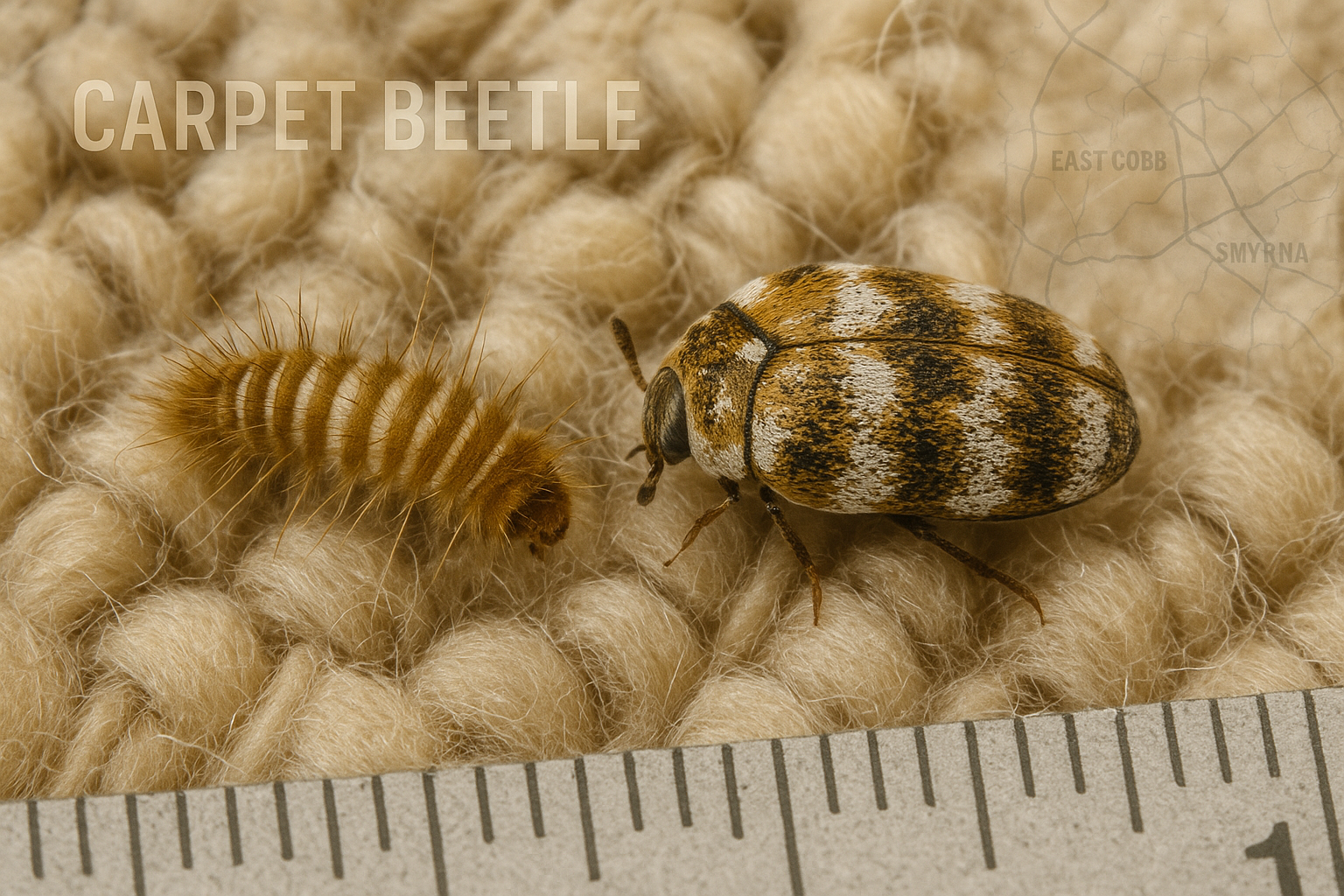
Real‑world example: A homeowner in East Cobb discovered a three‑year‑old sofa riddled with tiny holes after a summer of neglect. Inspection revealed a heavy infestation of Varied carpet beetle larvae, confirming that early signs—shed skins and pellets—had been missed.
Seasonal Activity in Georgia
Georgia’s hot, humid summers create an ideal incubator. Adults emerge in late spring, lay eggs near indoor light sources, and the resulting larvae thrive in warm rooms, especially where pet bedding or stored fabrics sit undisturbed.
Simple Steps to Keep Beetles at Bay
- Vacuum carpets, rugs, and upholstery weekly, reaching under furniture where larvae hide.
- Store seasonal clothing in airtight containers and wash items before storing.
- Clean pet bedding regularly, as it’s a favorite feeding ground for larvae.
- Seal cracks around windows and doors to reduce adult entry points.
Because the life cycle can complete in just six to twelve weeks, early detection is crucial. When signs appear, a targeted professional treatment can eradicate both adults and hidden larvae. Anthem Pest Control uses EPA‑registered, low‑toxicity products that penetrate deep into fibers while keeping your family safe.
Spotting an Infestation in Smyrna Homes
Visual clues you can’t ignore
Carpet beetles are tiny—about a quarter‑inch long—but they leave unmistakable evidence. Look for tiny, irregular holes in clothing, upholstery, or stored blankets; these are the beetles’ feeding sites. Scattered shed skins (the larvae’s translucent exoskeletons) often accumulate near baseboards or under furniture. In severe cases you’ll also see a fine, silky webbing on the underside of carpets, along seams, or tucked into closets. These signs appear long before a noticeable population builds, so early detection is key.
Health clues that may signal a problem
While carpet beetles themselves don’t bite, their shed skins and fecal pellets are potent allergens. Homeowners frequently report itchy skin, hives, or asthma‑like wheezing after prolonged exposure. The CDC’s 2023 data on insect allergens confirms that beetle fragments can trigger respiratory and dermatological reactions, especially in sensitive individuals. If you notice unexplained skin irritation that improves after cleaning or vacuuming, consider a hidden beetle infestation as a possible cause.
Hotspot neighborhoods in Smyrna
Local housing patterns influence beetle activity. In East Cobb and West Cobb, many homes were built before the 1990s and feature carpeted basements—ideal hiding places for larvae. Downtown Smyrna also shows higher reports, largely because older multi‑family units often retain vintage carpeting and limited ventilation. Homeowners in these areas should prioritize regular inspections, especially after seasonal changes.
Quick inspection checklist
- Inspect seams, folds, and under‑edges of all carpets and rugs for holes or webbing.
- Check closets, drawers, and storage boxes for shed skins or tiny brown specks.
- Run a flashlight along baseboards and behind furniture; note any silvery threads.
- Observe family members for unexplained itching, rashes, or breathing difficulties.
- Document findings and compare with the CDC allergen guidelines here.
Health Risks and Property Damage from Carpet Beetles
Carpet beetles may seem harmless, but their presence can quickly turn into a health nuisance and a costly repair bill. Understanding the hidden dangers helps homeowners decide when to call in a professional exterminator. Early detection lets you intervene before the beetles multiply and cause irreversible damage.
Allergic reactions
When adult beetles or larvae shed tiny hairs and shed skins, they release microscopic particles that act like airborne allergens. The CDC reports that 10‑15 % of sensitive individuals experience symptoms such as sneezing, itchy eyes, or skin rashes after exposure. For those with asthma or eczema, even a light infestation can trigger flare‑ups that require medical attention.
Structural damage
Carpet‑beetle larvae are voracious eaters of natural fibers. Over weeks, they chew through upholstery, drapes, and stored clothing, leaving behind holes, thinning fabric, and a distinct “chewed‑out” appearance. In severe cases, the damage spreads to carpet padding and even wooden frames that support upholstered furniture, weakening the integrity of the pieces.
Economic impact
According to the National Pest Management Association’s 2023 study, homeowners spend an average of $200‑$1,200 per item to repair or replace beetle‑damaged goods. A single sofa can cost $350 to re‑upholster, while a damaged set of curtains may require $250‑$500 in new fabric and labor. When multiple items are affected, the total expense can climb well into the thousands.
Real‑world example
The Burnt Hickory family in Smyrna discovered a carpet beetle infestation after noticing tiny holes in their living‑room rug. Within a month, the larvae had chewed through the carpet backing, forcing the family to replace the entire carpet. Their repair bill totaled $1,100—a clear illustration of how quickly a hidden problem becomes a financial burden.
Because the health and property risks are both immediate and measurable, prompt professional treatment is the safest way to protect your home and your family’s well‑being.
Effective Treatment Options for Carpet Beetles
Chemical Treatments
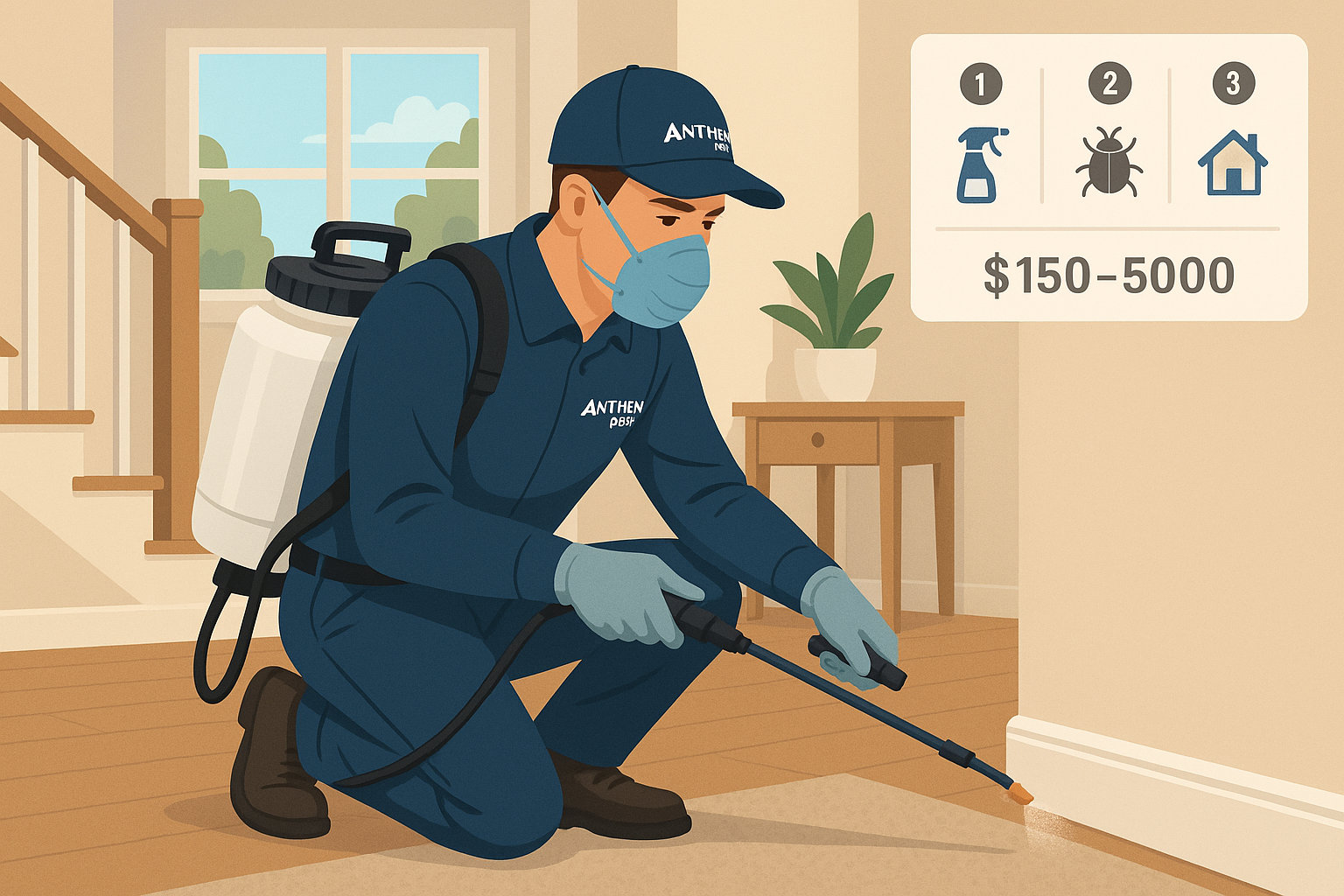
EPA‑registered residual sprays are the most common frontline defense against carpet beetles. These formulations cling to fibers, baseboards, and hidden cracks, creating a barrier that kills adult beetles and prevents newly hatched larvae from establishing a foothold. In Smyrna, a typical application costs between $150 and $250 per treatment. Many products are now marketed as pet‑friendly, meaning they contain low‑toxicity active ingredients that are safe for cats and dogs when used as directed. The key advantage is rapid knock‑down—most infestations show visible improvement after just one visit.
Heat Treatments
Heat treatment works by raising the temperature of infested areas to at least 130 °F (54 °C) for a sustained period, a level lethal to carpet beetle larvae, pupae, and adults. Technicians use portable heaters and calibrated thermometers to ensure uniform heat penetration throughout carpets, padding, and even furniture upholstery. Because no chemicals are involved, this method eliminates any residue concerns for children or pets. Pricing ranges from $300 to $500, reflecting the equipment, labor, and the need to vacate the home for several hours while the heat cycle completes.
Integrated Pest Management (IPM)
IPM blends inspection, targeted treatment, and preventive measures into a cohesive strategy. First, a certified technician conducts a thorough walk‑through, identifying hotspots such as pet bedding, closets, and attic insulation. Next, they apply the most appropriate treatment—often a low‑dose chemical spray combined with localized heat—only where evidence of beetles exists. Finally, they seal cracks, install door sweeps, and advise homeowners on proper housekeeping practices (regular vacuuming, laundering fabrics, and reducing indoor humidity). This holistic approach reduces the need for repeated applications and keeps future invasions at bay.
| Method | Pros | Cons |
|---|---|---|
| Chemical Sprays | Fast knock‑down; relatively inexpensive; easy to apply | Potential residue; may require retreatment; limited effectiveness on deep‑buried larvae |
| Heat Treatment | Chemical‑free; kills all life stages; no re‑infestation from treated area | Higher upfront cost; requires home vacancy; may not reach hidden voids without proper equipment |
| IPM | Long‑term prevention; minimal chemical use; customized to home layout | Requires homeowner cooperation; may involve multiple visits; initial inspection adds cost |
Safety Considerations for Children and Pets
When treating a home with carpet beetles, the safety of the family comes first. For chemical sprays, ensure the product is labeled “pet‑friendly” and follow the waiting period—usually 2–4 hours—before allowing pets or children back inside. Ventilate the space by opening windows and running fans to disperse any lingering vapors. Heat treatments are inherently safe because they leave no residue, but it’s crucial to keep children and pets out of the treated rooms until temperatures return to normal (below 85 °F). Always confirm that the technician uses calibrated equipment to avoid overheating delicate fabrics.
Case Study: West Cobb Home Treated with Heat + IPM
A family in West Cobb reported a persistent carpet beetle problem despite several DIY sprays. Anthem Pest Control performed a full IPM inspection, discovering larvae deep within the living‑room carpet and in the upstairs bedroom padding. The team applied a targeted heat treatment, raising the carpet temperature to 132 °F for 45 minutes, which eradicated every life stage present. After the heat cycle, they sealed baseboard cracks, installed door sweeps, and provided the homeowners with a simple vacuum‑and‑launder schedule. Within two weeks, no beetles were detected, and the total cost—$425 for heat plus $150 for IPM follow‑up—was well within the homeowner’s budget, delivering rapid relief without chemical exposure.
Transparent Pricing and Service Expectations
At Anthem Pest Control we believe you should know exactly what you’re paying for before any work begins. Our pricing is presented in clear, fixed ranges so you can match the level of protection you need with a budget you’re comfortable with. All three tiers include the same thorough inspection, a follow‑up visit, and a 12‑month re‑treatment guarantee, ensuring you receive consistent, worry‑free service.
Our Three Pricing Tiers
- Basic Spot‑Treatment – $150‑$200
Ideal for isolated infestations, this option targets the specific areas where carpet beetles have been detected, using targeted sprays and traps. - Full‑Home Treatment – $250‑$350
A comprehensive approach that treats every room, closets, and storage spaces, employing a combination of residual sprays and dusts for lasting protection. - Heat‑Assisted Full Service – $350‑$500
We raise interior temperatures to 135°F‑140°F, a proven method that kills all life stages of carpet beetles without chemicals, followed by a standard full‑home spray.
What’s Included With Every Tier
- Thorough Inspection – Certified technicians locate nests, larvae, and adult beetles, then map out treatment zones.
- Follow‑Up Visit – One week after the initial service, we verify effectiveness and address any lingering activity.
- 12‑Month Re‑Treatment Guarantee – If beetles reappear within a year, we return at no additional charge.
Financing Options & Bundle Discount
We offer flexible financing through a low‑interest, 12‑month plan, making larger treatments easy to budget. Additionally, homeowners who combine carpet beetle control with our rodent‑control program receive a 10 % discount on the total invoice—a win for both your wallet and your home’s overall safety.
2024 Georgia State Tax Note
Effective January 1, 2024, Georgia applies a sales tax to pest‑control services. The exact rate will be reflected on your final invoice and is subject to verification at the time of service. Rest assured, the tax is calculated transparently and added only after you approve the treatment plan.
Prevention Strategies for Homeowners
Even after a professional treatment, the best defense against carpet beetles is consistent, everyday vigilance. Below are practical steps you can weave into your regular cleaning routine to keep those tiny pests out of your home for good.
1. Routine Vacuuming
Vacuuming isn’t just about dust removal—it’s a frontline weapon against carpet beetle larvae hiding in the fibers of your home. Focus on high‑risk zones:
- Closets and wardrobe shelves where wool or silk garments are stored.
- Under sofas, chairs, and other upholstered furniture where debris accumulates.
- Baseboards, corners, and the tops of door frames where adult beetles may rest.
Make vacuuming a weekly habit, and always empty the canister or replace the bag immediately to prevent any captured insects from escaping.
2. Store Natural Fibers Properly
Wool, silk, cashmere, and other natural fibers are a favorite food source for carpet beetle larvae. Protect them by:
- Placing each item in a sealable plastic container or a vacuum‑sealed storage bag.
- Using airtight garment bags for seasonal clothing you won’t wear for several months.
- Adding a few drops of lavender or cedar oil to the container—these scents are natural deterrents.
3. Seal Entry Points
Carpet beetles can slip through the tiniest cracks around windows, doors, and utility penetrations. Inspect your home each season and:
- Apply caulk or expanding foam to gaps around window frames and door sills.
- Install weather‑stripping on exterior doors.
- Cover utility openings (pipes, vents) with steel wool before sealing.
4. Seasonal Checklist
Adapting your prevention routine to the calendar helps you stay ahead of beetle activity.
- Pre‑summer deep clean: Before temperatures rise, give closets a thorough purge, launder all fabrics on hot cycles, and vacuum every carpet and rug.
- Post‑fall inspection: After leaves and debris have settled, check exterior walls for new cracks, and repeat the vacuum‑and‑store routine to catch any beetles that may have entered.
5. Local Resources
For additional guidance tailored to Smyrna residents, the Smyrna Public Library pest‑info flyer offers a printable checklist and tips specific to our climate.
By integrating these simple habits into your daily life, you’ll create an environment that’s inhospitable to carpet beetles, protecting both your home and your cherished textiles.
Seasonal Timing for Carpet Beetle Control in Georgia
Carpet beetles in Georgia follow a predictable rhythm that lines up with the state’s warm months. Knowing when the insects are most active lets you strike before they turn your closets, upholstery, and carpets into a buffet.
Activity Peaks
The beetles’ life cycle spikes twice a year. The first surge arrives in late spring, typically May through early June, when adult beetles emerge from overwintering sites and begin laying eggs. A second, smaller wave shows up in early fall, from September into October, as the lingering warmth fuels another round of reproduction.
Climate Snapshot (NOAA 2024)
According to NOAA’s 2024 climate summary, Georgia’s average daytime temperature during these peak periods ranges from 70 °F to 85 °F. Those temperatures provide the perfect incubator for beetle larvae, allowing them to develop quickly in the fibers of your home.
What Homeowners Should Do
- Schedule an inspection in early May. Catch the first wave before eggs are laid, giving technicians ample time to apply targeted treatments.
- Repeat a follow‑up check in late September if you notice lingering activity or have a history of infestations.
- During inspections, ask the pest professional to focus on high‑risk areas: under furniture, in attic insulation, and around windows where beetles may enter.
- Maintain regular vacuuming and proper storage of natural fibers to reduce food sources between treatments.
By aligning your prevention plan with these seasonal windows, you give Anthem Pest Control the best chance to eradicate the beetles quickly and keep your home beetle‑free year after year.
A timely inspection also helps you avoid costly damage to furniture and carpets.
Anthem Pest’s Local Expertise in Smyrna
For two decades, Anthem Pest has been a fixture in Cobb County, delivering dependable pest‑control solutions to neighborhoods from East Cobb to West Cobb, Burnt Hickory and Olde Westfield. Our longevity isn’t just a number—it’s a record of families who have trusted us to keep their homes free of insects, rodents and other unwanted guests. Because we live and work in the same communities we serve, we know the seasonal patterns, the hidden entry points and the most effective treatment schedules for this part of Georgia. We sponsor local school events and neighborhood clean‑ups, reinforcing our community commitment.
Our reputation is reflected in the words of local homeowners.
“When carpet beetles appeared in our attic, Anthem Pest showed up within hours. The technician explained every step, treated the area, and we haven’t seen a single beetle since. Fast, friendly, and truly local—just what we needed.” – Smyrna resident, Google review
That same personal touch extends to every call we receive. To help you assess the situation before any work begins, we offer a complimentary 15‑minute phone consultation. One of our certified technicians will listen to your concerns, walk you through the likely cause, and outline a clear, affordable action plan—all at no cost. Our technicians hold state‑licensed certifications and follow EPA‑approved protocols for safety and efficacy.
Ready to speak with a neighbor‑trained expert? Call us now at 877‑371‑8196 or visit anthempest.com to schedule your free consult. When you choose Anthem Pest, you’re choosing a partner who’s been protecting Smyrna homes for 20 years and counting.
Frequently Asked Questions About Carpet Beetle Treatment
How long does a treatment last?
Our standard carpet beetle program remains effective for 6–12 months, provided you follow the recommended prevention steps—regular vacuuming, proper storage of fabrics, and sealing entry points. Treatments in spring target beetles before they lay eggs, helping maintain a long‑lasting barrier.
Are chemicals safe for children and pets?
We use EPA‑registered products that meet strict safety standards. When applied by certified technicians, residues stay well below harmful levels. We also offer pet‑friendly formulations that further reduce exposure while still delivering reliable control. We also recommend brief ventilation after application.
What if beetles return after treatment?
All of our carpet beetle services include a 12‑month warranty. If you notice activity within that period, simply contact us and we’ll schedule a complimentary re‑treatment to restore protection. We document findings and the follow‑up for your records.
Can I DIY before professional help?
Do‑it‑yourself methods can reduce adult beetles, but they often miss hidden larvae deep in carpets, insulation, or stored goods. A professional inspection pinpoints infestations and applies treatment where it’s most needed. OTC sprays often miss larvae and can cause resistance.
Where can I learn more about the chemicals used?
For a complete safety profile, review the EPA’s product safety sheet linked below. It outlines toxicity, application guidelines, and precautionary measures for each ingredient we employ. Always follow label directions and store safely.
Take Action – Fast Carpet Beetle Extermination Today
Carpet beetles multiply quickly—within weeks a few eggs become a full‑blown infestation that can damage fabrics, carpets, and your home’s structure. Swift action isn’t optional; it’s essential.
When you choose Anthem Pest, you get a team that knows Smyrna’s climate, responds within 24 hours, and offers clear pricing—no hidden fees. Our certified technicians use fast‑acting, low‑toxicity treatments that eradicate beetles while keeping your family safe. We also back every service with a 100% satisfaction guarantee, so you know the problem will be gone.
Ready to protect your home? Call for a free, no‑obligation quote and schedule an inspection. Our friendly staff will walk you through the process and set up a plan that fits your schedule. Technicians are trained and equipped with the latest tools, ensuring the job is done right the first time.
Reach us at 877‑371‑8196 or visit Anthem Pest Control for details. Don’t let carpet beetles spread—act now before they reach the next stage of their life