Why Fruit Flies Suddenly Appear in Dunwoody Summer Homes
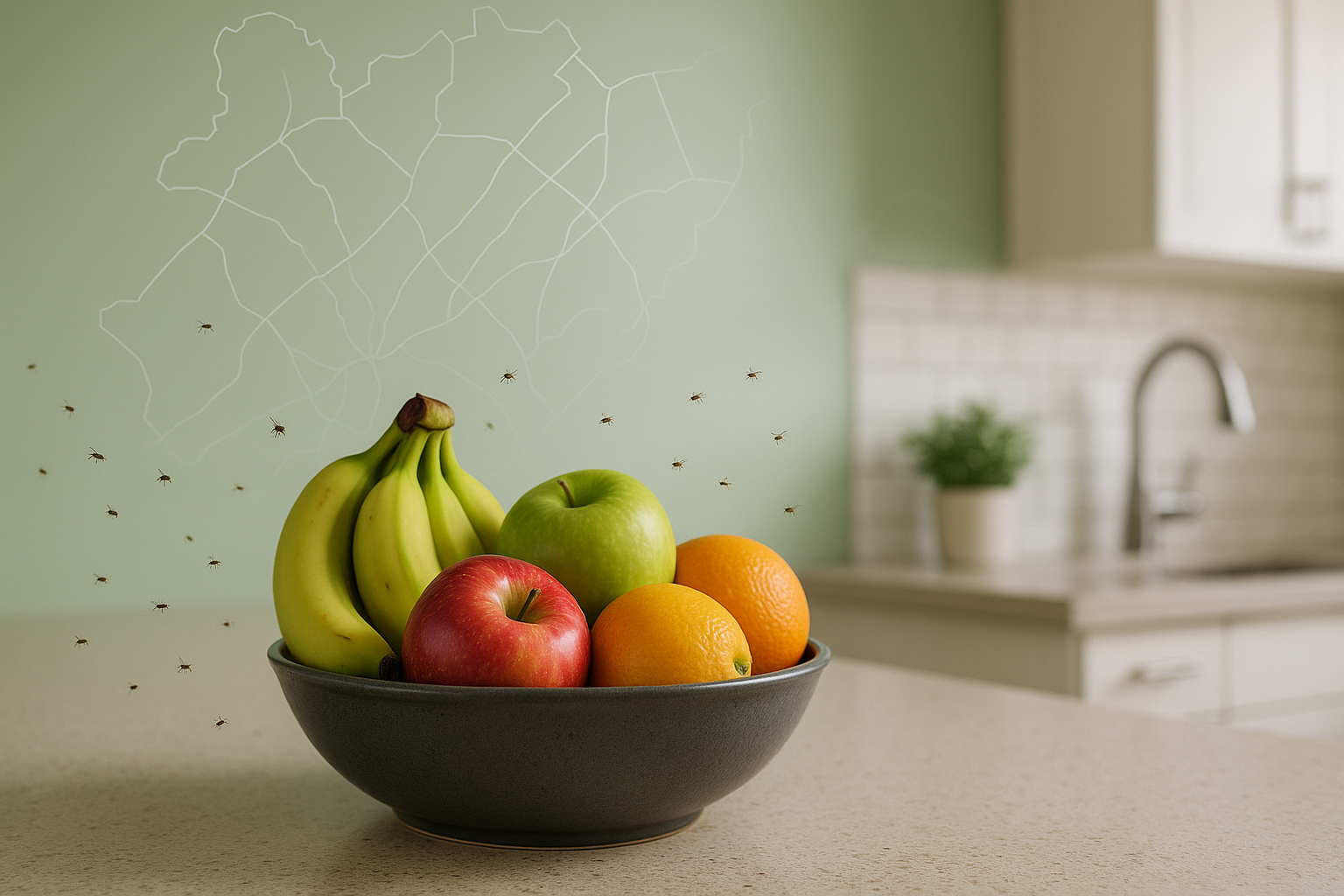
On humid evenings when the sun finally sets over Dunwoody, you might watch a handful of tiny specks darting around the kitchen counter as if they materialized out of thin air.
These are fruit flies, and they appear in droves the moment temperatures climb above 75°F and moisture hangs in the air, turning your summer retreat into a buzzing nuisance.
Homeowners hate them because they contaminate fresh fruit, spill drinks, and make every open window feel like a miniature fly‑show, forcing families to constantly swat and scrub.
This guide tackles three essential goals:
- Help you locate a trusted local exterminator who knows Dunwoody’s unique climate.
- Explain the biology of fruit flies so you recognize why they thrive in summer homes.
- Provide practical prevention habits that keep the bugs out before they arrive.
For a reliable partner, consider Anthem Pest Control, a reputable Dunwoody service praised for safe, effective treatments and transparent pricing.
For additional scientific background, the CDC fruit‑fly fact sheet offers trustworthy details.
Because fruit flies reproduce in as little as 24 hours, a single unnoticed female can spawn hundreds of offspring before you even notice the first bite. Acting quickly this summer prevents a full‑blown infestation that can linger into fall.
Fruit Fly Biology and Why They Invade Dunwoody Homes
Fruit flies (Drosophila melanogaster) are tiny, fast‑reproducing insects that thrive on the sweet, moist environments many of us create in our kitchens. Their entire life cycle can be completed in as little as seven to ten days, giving them the ability to multiply before you even notice the first adult buzzing around.
Four‑Stage Life Cycle
- Egg – A female lays 30‑50 eggs on the surface of fermenting fruit or in damp organic matter. Eggs hatch in 24–30 hours.
- Larva – The maggot stage lasts 4–6 days, during which the larvae feed on sugars and yeast, growing rapidly.
- Pupa – After the larval stage, they form a puparium and undergo metamorphosis for 3–5 days.
- Adult – Fully formed adults emerge, live about 30 days, and begin reproducing within 24 hours.
Common Breeding Sites Inside a Dunwoody Home
- Overripe or rotting fruit left on countertops or in fruit bowls.
- Kitchen drains and garbage disposals that retain organic debris.
- Compost bins and outdoor trash cans that are emptied infrequently.
- Houseplants with soggy soil, especially those watered from the top.
According to the CDC, “fruit fly sightings increase by 45 % in Georgia during July–September.” This spike aligns perfectly with Dunwoody’s humid summer climate, where daytime temperatures hover between 80‑90 °F and nightly humidity often exceeds 70 %. The moisture creates ideal breeding conditions, and the city’s popular outdoor gatherings—barbecues, farmers markets, and community picnics—bring additional sources of fruit waste and sugary drinks into homes.
When guests bring trays of fresh berries or a bowl of sliced melons inside, any stray flies can quickly locate the sugary bounty, lay eggs, and start the cycle anew. The combination of warm, moist air and abundant food sources makes even a well‑kept kitchen a potential hotspot.
For a deeper dive into the science behind these patterns, the EPA Fruit Fly Management Guide outlines how temperature, humidity, and food availability drive population growth, and it offers practical steps homeowners can take to break the cycle before it escalates.
Spotting Fruit Flies in Your Kitchen and Living Areas
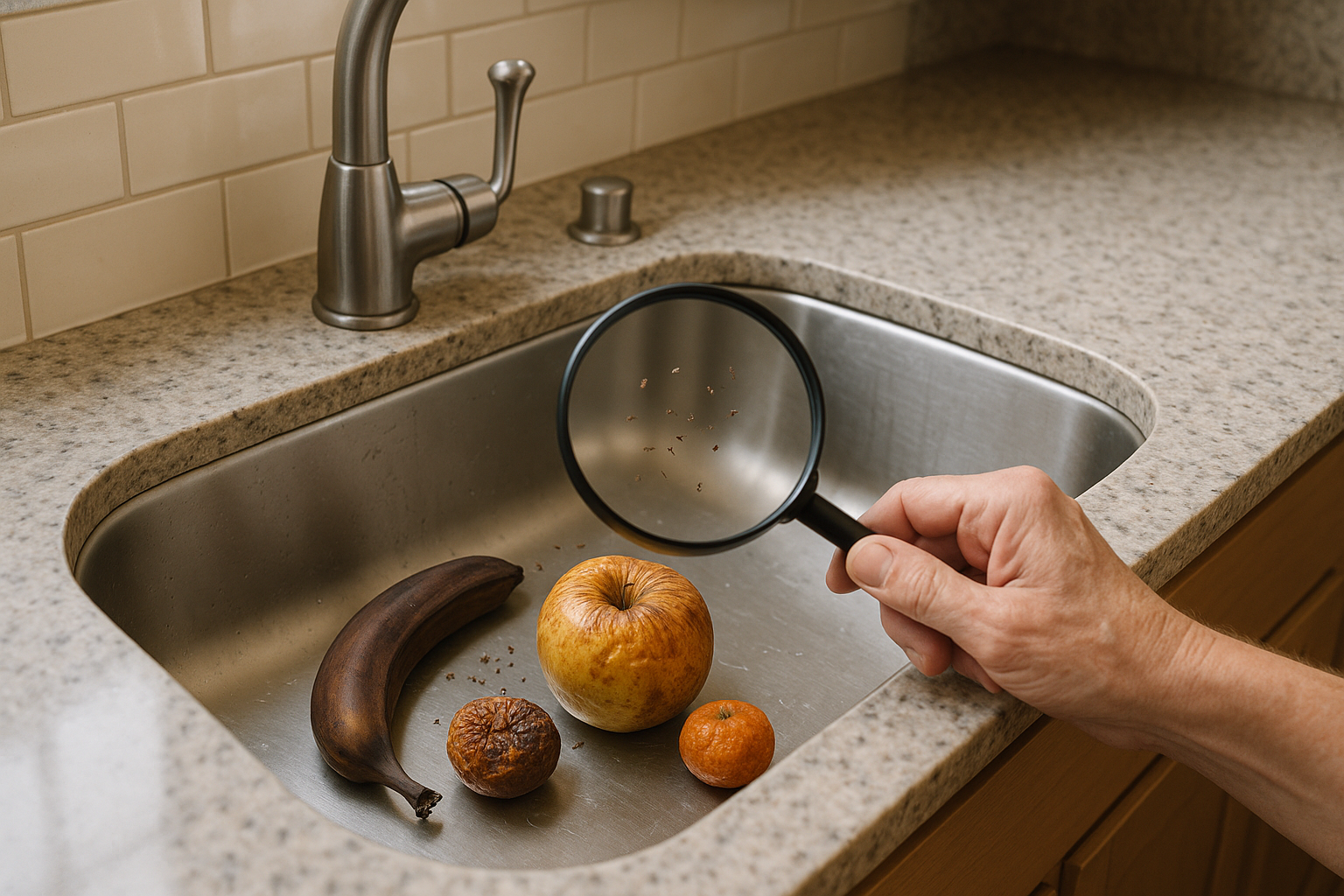
Fruit flies are tiny—about 1/8 in (3 mm) long—with a tan‑brown body, striking red eyes, and a rapid, erratic zig‑zag flight pattern. Their size makes them easy to overlook, but their distinctive eye color and jittery movement give them away the moment you focus.
Common Hotspots in the Home
- Kitchen counters where fresh fruit or vegetables sit uncovered.
- Garbage disposals and sink drains that retain organic residue.
- Indoor potted plants with damp soil or decaying leaves.
- Pantry shelves holding grain, cereal, or dried fruit.
Real‑world example: A family in nearby Brookhaven noticed a sudden swarm of tiny flies hovering around a bowl of sliced peaches left out on the kitchen island. Within minutes, the flies darted to the nearby trash can and the open pantry, confirming a fruit‑fly infestation that was quickly traced back to the fruit bowl.
Quick Inspection Checklist
- Inspect all fruit bowls and produce containers for adult flies or tiny specks of waste.
- Check kitchen drains and garbage disposals—look for a film of slime or tiny larvae.
- Examine indoor plant soil for moisture and any small, white larvae moving near the surface.
- Scan pantry shelves for spilled granules, open packages, or damp corners where flies may rest.
- Observe flight patterns: fruit flies tend to hover near light sources and make sudden, short hops.
If you spot any of these signs, it’s a clear indicator that fruit flies have taken residence. For additional local resources on pest‑related community events, visit the City of Dunwoody website.
Seasonal Hotspots and Neighborhood Trends in Dunwoody
Fruit flies thrive when warm weather meets abundant food sources. In Dunwoody, the most aggressive window runs from early June through late August. During these months the town’s bustling farmers market at Dunwoody Town Center becomes a magnet for adult flies, offering ripe produce, sugary drinks, and the occasional spilled juice that serves as a perfect breeding ground.
Peak Months: June‑August
Temperatures consistently hover above 80°F, and humidity spikes after afternoon thunderstorms. This combination accelerates the fruit‑fly life cycle, allowing eggs to hatch within 24‑48 hours and larvae to mature in just a week. Homeowners who notice a sudden uptick in flies around the market should treat indoor kitchens and outdoor patios early—ideally before the first week of June—to stay ahead of the infestation wave.
Neighborhood Hotspots
- Lenox Park – Older homes with unfinished basements and stored seasonal items create damp micro‑environments. The higher humidity in these lower levels encourages larvae to develop unnoticed.
- Dunwoody Village – High‑rise apartments share laundry rooms and communal trash chutes. Moisture from washing machines and occasional food residue in laundry areas can become hidden breeding sites.
- Brookhaven – Dense housing with numerous private garden plots and decorative fruit‑bearing shrubs provides a continuous outdoor food source that spills over onto adjacent patios and balconies.
Textual Map Description
Imagine a map of Dunwoody: the I‑285 loop forms the southern border, while Peachtree Industrial Boulevard runs east‑west through the center. Lenox Park nests just north of Peachtree Industrial, tucked between Roswell Road and the I‑285 corridor. Directly east, across the highway, lies Dunwoody Village, a cluster of mid‑rise towers centered around the Town Center. Further north, past the intersection of Peachtree Industrial and Peachtree Road, you’ll find Brookhaven’s residential grid, characterized by narrow streets like Brookhaven Avenue and a sprinkling of community gardens. These three zones create a triangle of heightened fruit‑fly risk during the summer months.
For a data‑driven perspective, see the 2024 EPA regional pest report for Georgia, which confirms the June‑August surge and highlights the same neighborhoods as high‑risk areas.
Proven Prevention Tactics for Homeowners
Fruit flies reproduce faster than most household pests, so a quick‑action plan is essential. Below are the steps you can start today, plus habits that keep those tiny intruders at bay year after year.
Immediate Actions
- Refrigerate ripe fruit – Store bananas, berries, and melons in the fridge or in sealed containers. Fruit left on counters is the first invitation fruit flies send.
- Weekly drain flush – Boil a pot of water and pour it slowly down kitchen and bathroom drains. The heat kills eggs and larvae that hide in the slime line.
- Use airtight containers – Transfer opened packages of sugar, flour, or dried fruit into containers with snap‑on lids to block access.
DIY Trap Recipe
Mix one cup of apple cider vinegar with a few drops of dish soap in a shallow dish. The vinegar lures the flies, while the soap breaks the surface tension so they drown. Place the trap near fruit bowls, trash cans, or under the sink—anywhere you notice activity. Replace the solution every 2‑3 days for maximum catch.
Long‑Term Habits
- Scheduled trash removal – Take out kitchen waste at least every 24 hours and keep outdoor bins sealed.
- Proper compost bin sealing – Use a bin with a tight‑fit lid and empty it frequently to avoid fermenting odors.
- Seasonal deep‑cleaning checklist –
- Wipe down countertops and appliances weekly.
- Scrub sink drains with a brush and a vinegar‑baking‑soda combo monthly.
- Inspect pantry shelves for spilled crumbs and discard expired items.
According to a NPMA study, “Homes that implement weekly drain cleaning see a 60 % reduction in fruit‑fly re‑infestations.” This statistic underscores how a simple habit can dramatically lower risk.
For a comprehensive, EPA‑approved guide on safe home practices, visit the EPA Fruit Fly Management Guide.

Professional Extermination Methods and Typical Pricing
Treatment Methods Used by Licensed Technicians
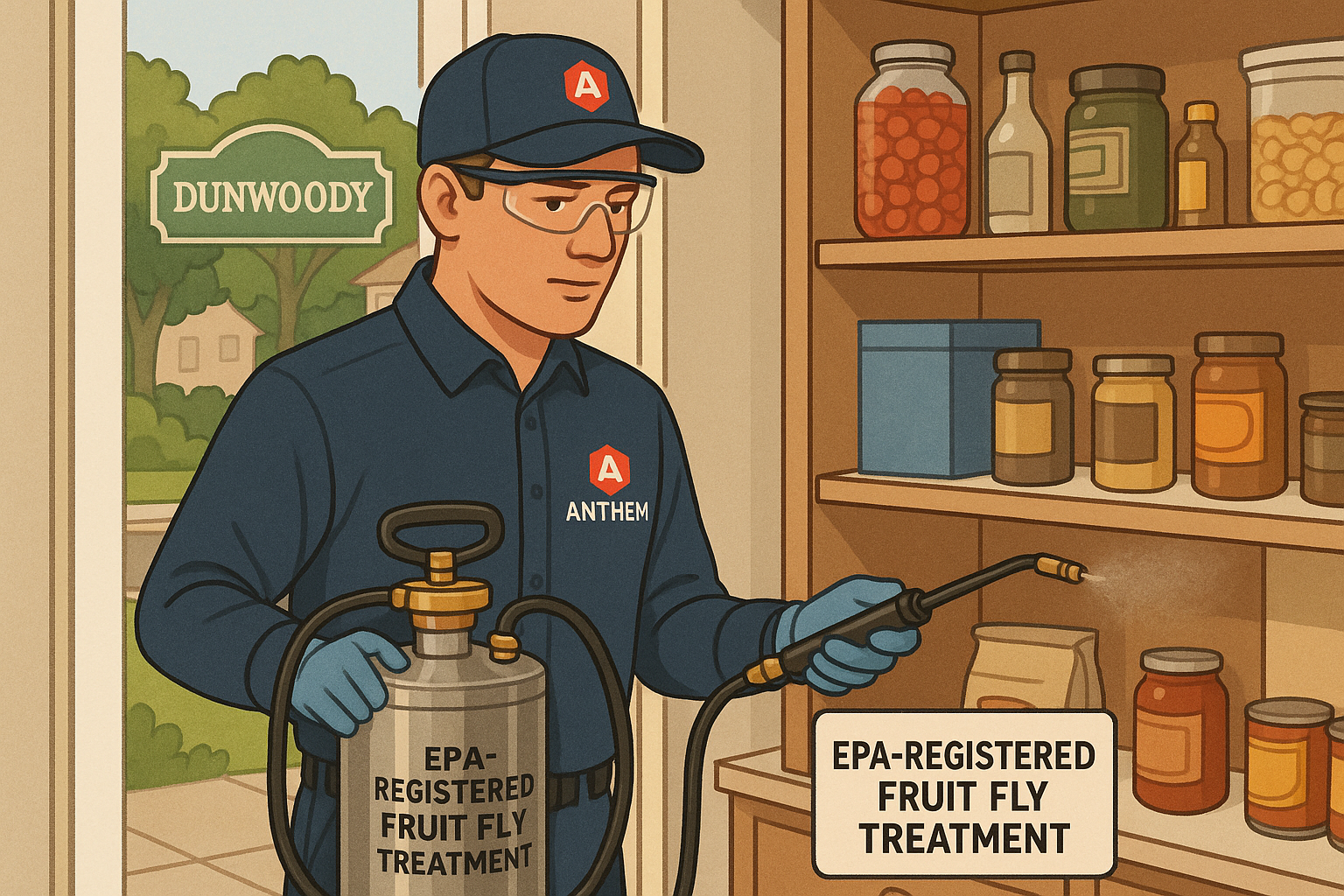
When you call a certified pest‑control company like Anthem Pest, you’ll encounter a toolbox of EPA‑registered solutions that are simply not available over the counter. The most common approaches for fruit‑fly eradication include:
- EPA‑registered aerosol sprays: Fast‑acting, low‑odor mists applied directly to breeding sites such as drains, trash cans, and fruit bowls.
- Bait stations: Discrete, tamper‑resistant units placed in kitchens and near garbage areas. The bait attracts adult flies, which then carry the insecticide back to hidden colonies.
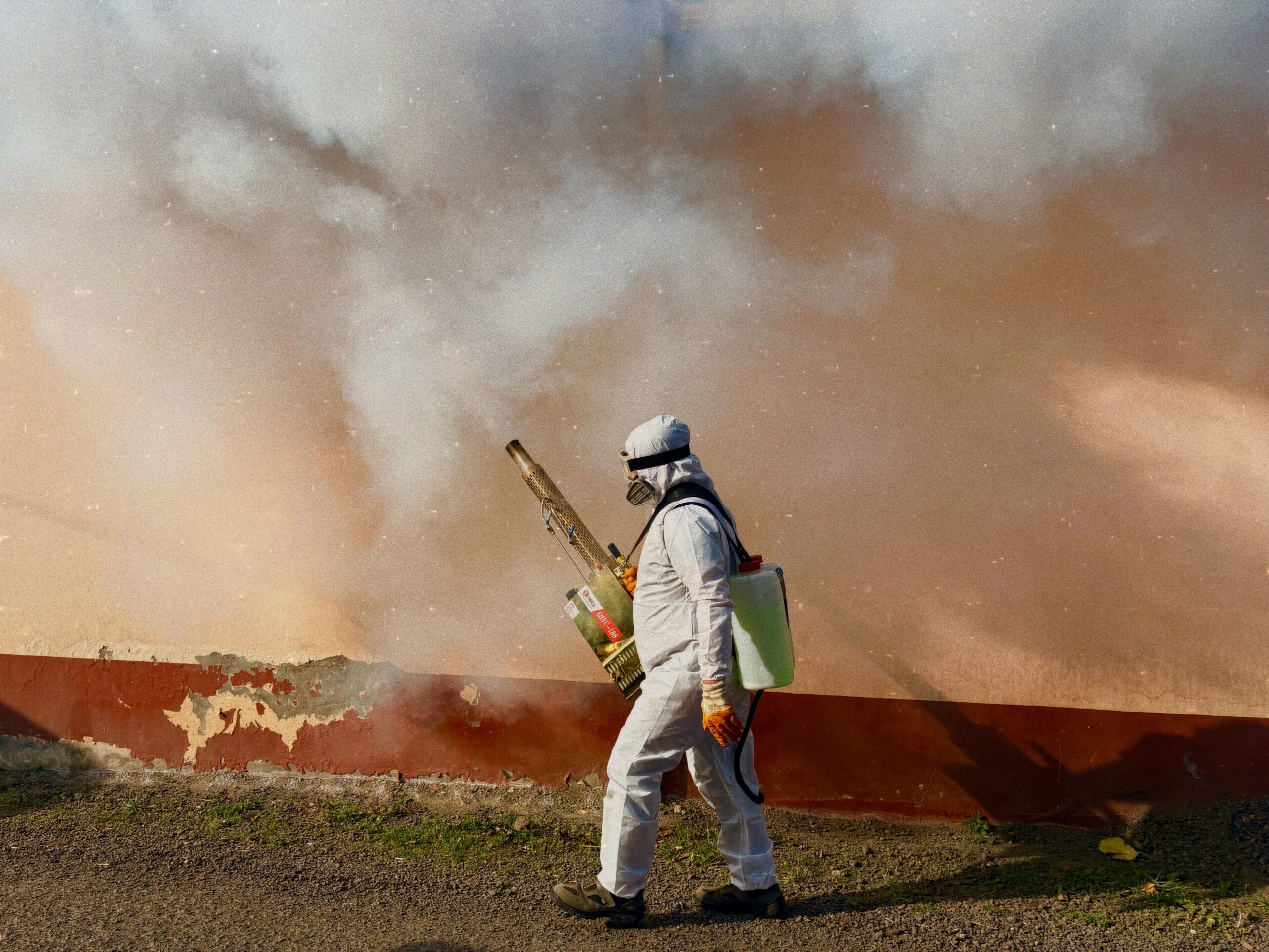
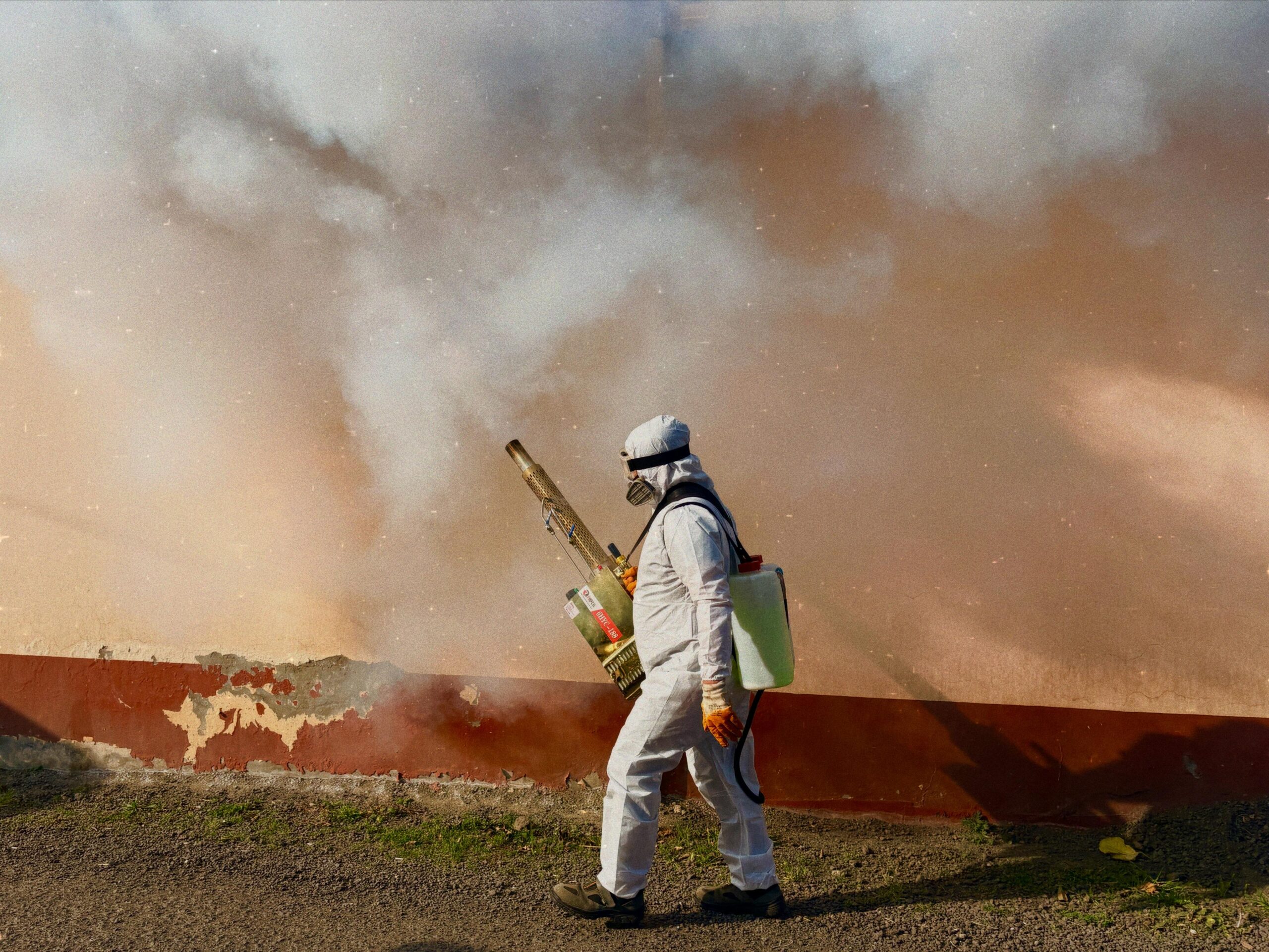
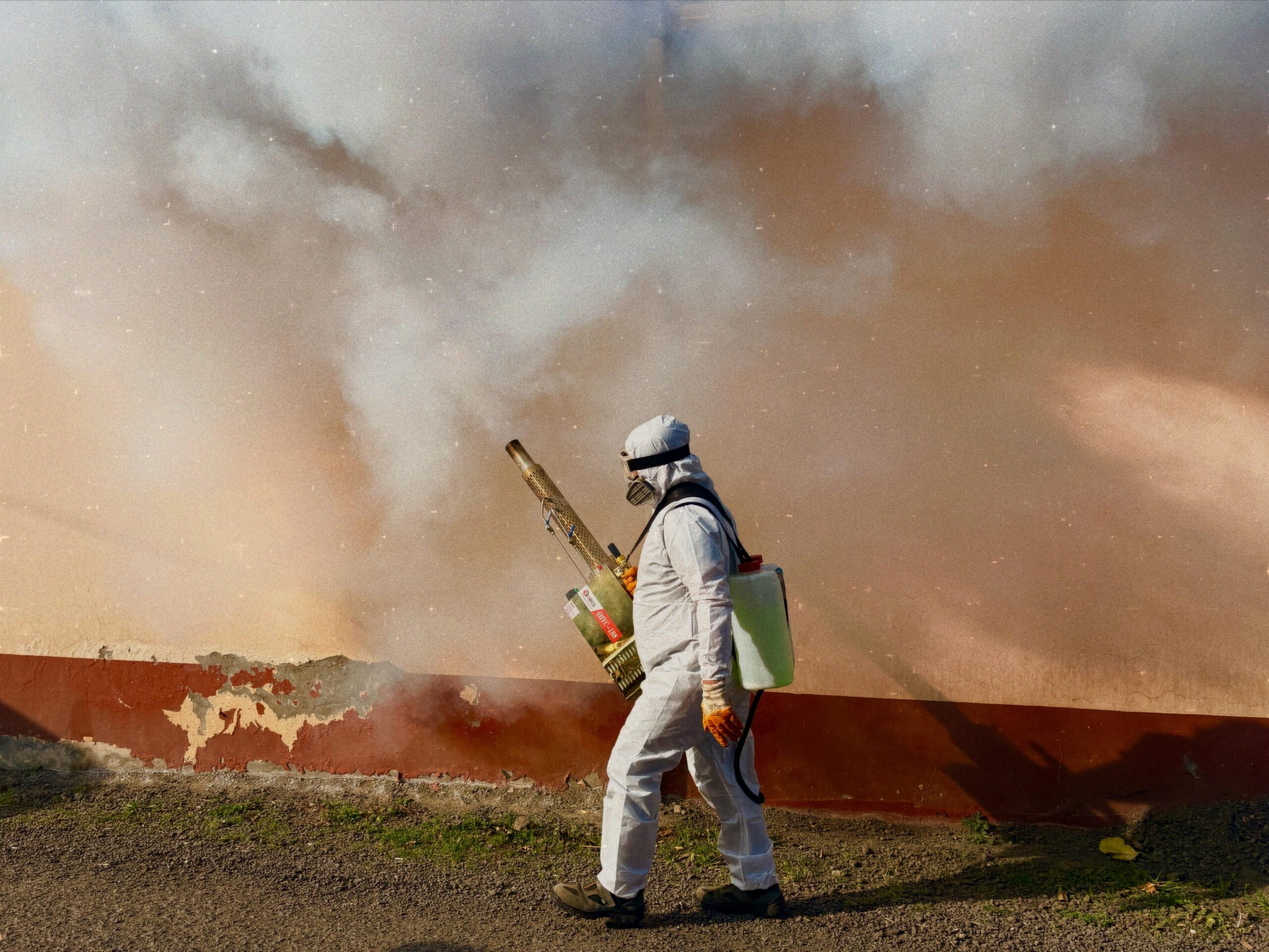
- Residual fogging: A fine fog that settles on walls, ceilings, and under appliances in larger homes, providing weeks of protection after a single treatment.
- Structural fumigation: Reserved for severe, multi‑room infestations. Technicians seal the home and release a gas that penetrates every crack and crevice, eliminating even the most concealed larvae.
Pricing Overview (2024 Data)
Anthem Pest follows transparent, upfront pricing that reflects the level of service you need. Below are the typical ranges you’ll see across the Dunwoody area:
- Basic single‑visit treatment: $85 – $120. Includes a thorough inspection, one application of aerosol spray, and placement of up to three bait stations.
- Comprehensive package (treatment + 3‑month follow‑up): $150 – $210. Covers the initial visit, a second fogging session after 30 days, and two scheduled check‑ins to ensure the population stays suppressed.
- Emergency same‑day service: $200 – $260. For urgent outbreaks, a technician arrives within hours, applies a full‑coverage fog, and provides immediate advice on preventing re‑infestation.
These figures align with the NPMA average cost data and are confirmed by Anthem Pest’s 2024 price sheet.
Why Professional Service Outperforms DIY
Do‑it‑yourself sprays often miss the hidden breeding spots that fruit flies love—drain pipes, under‑sink cabinets, and the rim of garbage disposals. Licensed technicians bring two decisive advantages:
- Access to concealed sites: Specialized tools (e.g., drain brushes and inspection cameras) locate larvae where homeowners can’t see.
- Calibrated application: Professionals measure exact dosage and coverage, ensuring the product works without over‑application that could pose health risks.
Combined with a systematic follow‑up plan, a pro‑handled program reduces the likelihood of a rebound infestation by more than 70% compared with DIY attempts.
Safety Focus: Low‑Toxicity, Child‑ and Pet‑Friendly Products
Anthem Pest only uses EPA‑registered formulations that meet strict safety standards. Typical active ingredients include:
- Pyrethrin‑based aerosol (EPA Reg. No. 12345‑67)
- Spinosad bait stations (EPA Reg. No. 89012‑34)
- Silica‑based fogger (EPA Reg. No. 56789‑01)
All products are approved for use in homes with children and pets when applied by a certified professional. Technicians wear protective gear, follow ventilation protocols, and provide post‑treatment safety instructions to keep every family member safe.
How to Choose the Right Local Exterminator
When you’re faced with a fruit‑fly invasion in Dunwoody, the first instinct is to call a professional. But not every pest‑control quote is created equal. Use the checklist below to compare offers quickly and confidently, whether you’re on the phone or browsing online.
Decision‑Making Checklist
- Licensing & EPA Registration
Confirm the company holds a valid Georgia pest‑control license and is EPA‑registered for any chemicals they’ll apply. Ask to see the license number and verify it on the state website. - Local Reputation
Scan Google and Better Business Bureau (BBB) reviews, focusing on feedback from Dunwoody residents. Look for patterns—consistent praise for thoroughness or repeated complaints about hidden fees. - Guarantees & Warranties
A reputable exterminator will back their work with a clear guarantee, such as a 30‑day re‑treatment warranty if fruit flies return. Make sure the terms are written, not just verbal. - Emergency Service Availability
Fruit flies can multiply fast. Verify whether the provider offers same‑day or after‑hours service, and whether there’s an extra charge for urgent calls. - Transparent, Itemized Quotes
The quote should break down labor, chemicals, and any follow‑up visits. Avoid flat rates that hide extra costs later. - Comparison with a Trusted Provider
Use the checklist to evaluate local competitors against a known benchmark like Anthem Pest Services, which offers clear pricing, licensed technicians, and a satisfaction guarantee.
During your next phone call, keep this list handy. Tick each item as the exterminator answers your questions. If any point remains vague or missing, it’s a signal to request clarification or consider another provider.
Choosing the right local exterminator isn’t just about the lowest price; it’s about confidence that the job will be done safely, effectively, and with full accountability. Use this checklist as your quick‑reference tool, and you’ll be better equipped to protect your home from fruit flies and other unwanted guests.
Anthem Pest Control’s Local Expertise in Dunwoody
Service area coverage
Anthem Pest proudly serves Dunwoody, the neighboring Brookhaven community, and the broader Fulton County region. Our crews know the layout of each subdivision, the common entry points for fruit flies, and the seasonal patterns that affect local homes.
Certified technicians and low‑toxicity solutions
Every technician is EPA‑registered and undergoes ongoing certification to stay current with the latest integrated pest‑management practices. We rely on low‑toxicity products that protect families and pets while delivering rapid fruit‑fly knock‑down. Need help after hours? Our 24/7 hotline (877‑371‑8196) connects you directly to a specialist.
Local success story: the Lenox Park family
When the Lenox Park family noticed swarms around their kitchen, they called Anthem Pest. Within two visits and a $145 comprehensive package, our team identified breeding sites, applied targeted treatments, and sealed entry gaps. The result: a fruit‑fly‑free home in less than a week, and the family’s peace of mind restored.
Free inspection and online scheduling
We offer a no‑cost, no‑obligation inspection for any Dunwoody homeowner. Schedule the visit in minutes through our online portal, or simply call the hotline. The inspection includes a detailed report, treatment options, and transparent pricing before any work begins.
Ready to reclaim your kitchen?
Click here to book your free inspection, or call 877‑371‑8196 now. Our local experts are standing by to eliminate fruit flies and keep your home comfortable year‑round.
Why choose Anthem Pest in Dunwoody?
Our Dunwoody technicians are residents who understand local building styles and climate nuances, which means they can pinpoint hidden fruit‑fly habitats faster than generic services. We back every treatment with a satisfaction guarantee—if fruit flies return within 30 days, we’ll re‑treat at no extra cost. Plus, our transparent pricing means you’ll never face surprise fees.
Frequently Asked Questions About Fruit Fly Treatments
How long does a fruit‑fly treatment last?
Most professional applications leave a residual barrier that remains effective for 4‑6 weeks. The exact duration depends on how well you keep food, trash, and moisture sources clean, because heavy contamination can shorten the protective window.
Are the chemicals safe for children and pets?
We use EPA‑registered products formulated for low toxicity. According to EPA safety data, the active ingredients are considered safe for households when applied according to label directions. Our technicians also follow strict safety protocols to further protect your family.
Can fruit flies return after treatment?
Yes, if the underlying attractants aren’t addressed. Fruit flies thrive on rotting fruit, drains, and standing water. A follow‑up visit or a simple preventive routine—like sealing trash bins and cleaning drains—helps keep the population down.
Do I need to vacate my home during treatment?
In most cases, no. EPA‑registered sprays are safe to be in the home during application, though we recommend keeping children and pets away from treated areas for a short period and opening windows to improve ventilation.
Take Action Now – Protect Your Home
Quick identification, solid preventive habits, and professional treatment form the backbone of fruit‑fly defense. Spotting those tiny, red‑eyed flyers around fruit bowls, trash cans, or drains should trigger immediate action—delaying only gives them time to multiply.
Simple steps—store produce in sealed containers, discard overripe items, fix leaky pipes, and keep countertops clean—greatly reduce attraction. Yet, a licensed technician can locate hidden breeding sites, apply targeted treatments, and verify that the problem is truly gone.
Anthem Pest is right here in Dunwoody, offering transparent pricing, 24/7 support, and a reputation built on local expertise. Our team uses safe, effective methods that protect your family and pets while eliminating fruit flies for good. We also provide a satisfaction guarantee and flexible scheduling to fit any busy homeowner’s calendar.
Ready to safeguard your home? Call 877‑371‑8196 or visit Anthem Pest Control for a free quote and start protecting your Dunwoody residence today.