Introduction to House Fly Challenges in Marietta

In Marietta’s quiet neighborhoods, the hum of a house fly is more than a minor annoyance—it’s a signal that a resilient pest has found its way inside your home. House flies (Musca domestica) thrive in the same spaces where families gather: kitchens, patios, and garbage areas. Their presence is almost inevitable in a region where outdoor living is part of the lifestyle, but their rapid multiplication can quickly turn a simple nuisance into a full‑blown infestation.
Health Risks You Can’t Ignore
Beyond the irritation, house flies are notorious disease vectors. According to the Centers for Disease Control and Prevention (CDC), these insects can mechanically transmit over 100 bacterial and viral pathogens, including E. coli, Salmonella, and even Shigella. When a fly lands on a pile of rotting fruit, then hops onto your countertop, it deposits microscopic contaminants that can survive for days. For families with children, seniors, or anyone with a compromised immune system, the health stakes rise dramatically.
Why Marietta’s Climate Fuels Infestations
Marietta’s warm, humid climate creates a perfect breeding ground for house flies. Temperatures consistently hovering between 75°F and 90°F accelerate the fly’s life cycle, allowing eggs to hatch in as little as 24 hours. High humidity prolongs the viability of eggs and larvae in organic waste, meaning a single uncovered trash bin can become a nursery overnight. During the summer months, a single female can lay up to 150 eggs, leading to exponential population growth if conditions remain favorable.
The Need for Prompt, Professional Control
Because flies reproduce so quickly, waiting even a few days to act can result in dozens of new adults buzzing around your home. Professional pest control offers three critical advantages: accurate identification of breeding sites, targeted treatment that minimizes chemical exposure to people and pets, and preventive measures that keep future generations at bay. At Anthem Pest Control, we combine EPA‑approved products with a strategic approach—trapping, exclusion, and sanitation—to protect both your family’s health and your property’s integrity.
Looking Ahead: The Biology Behind the Buzz
Understanding why flies are such tenacious invaders starts with a look at their biology. In the next section, we’ll break down the fly’s life stages, feeding habits, and the specific behaviors that make them thrive in Marietta homes. Armed with that knowledge, you’ll see why a proactive, science‑backed plan is the most effective defense against these airborne troublemakers.
Understanding House Flies in Marietta
Life Cycle at a Glance
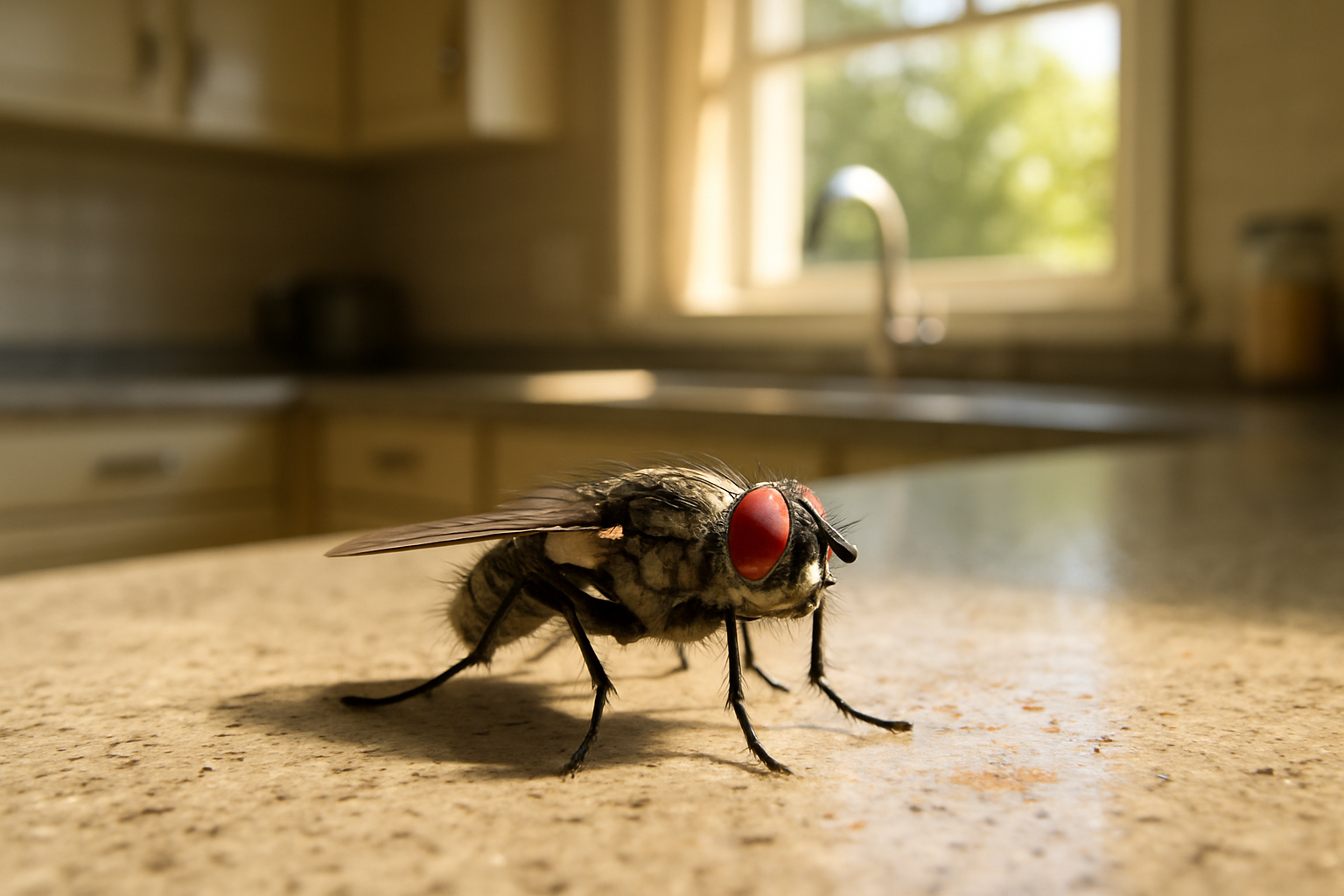
House flies (Musca domestica) move through four distinct stages, each with its own timeline:
- Egg: Females deposit tiny, white eggs in clusters of 75–150 on moist, organic material. Eggs hatch in 12–24 hours.
- Larva (maggot): The grub feeds on the surrounding waste, growing rapidly. This stage lasts 3–5 days under warm conditions.
- Pupa: Larvae spin a protective casing and transform. Pupation takes 3–6 days, depending on temperature and humidity.
- Adult: A fully formed fly emerges, ready to mate within 24 hours. Adults live about 2–4 weeks, but can survive longer in cooler weather.
Because each phase can be completed in under two weeks when temperatures hover around 80 °F, a single breeding site can generate dozens of flies in a matter of days.
Reproductive Powerhouse
The EPA reports that a healthy female house fly can lay up to 150 eggs per day. That means one fly can produce more than 1,000 offspring in a week if conditions stay favorable.
Typical Breeding Sites in Marietta
Flies need a moist, nutrient‑rich environment to lay eggs. In Marietta homes and neighborhoods, the most common hotspots include:
- Garbage cans: Unlined bins or those left open for long periods become perfect incubators.
- Pet waste: Dog or cat droppings in yards, especially under decks, retain moisture and attract flies.
- Decaying organic matter: Rotting fruit, compost piles, or fallen leaves provide a buffet for maggots.
Local Hotspots You Might Overlook
While the above sites are universal, Marietta’s layout creates a few neighborhood‑specific problem areas:
- East Marietta: Older apartment complexes often have shared trash chutes that aren’t cleaned regularly.
- Kennesaw: The proximity to the rail yard means occasional waste spills that linger in the surrounding grass.
- Historic Town Square outdoor dining: Restaurants with patio seating generate food scraps that can accumulate in nearby planters or under tables.
Quick Homeowner Checklist: Spotting an Infestation
Use this short visual guide to determine whether flies have taken up residence on your property:
- Visible signs: Small, white egg clusters on the rim of trash cans, in compost, or on damp surfaces.
- Foul odors: A sour, rotting smell near garbage or pet areas often signals maggot activity.
- Fly activity patterns: Large numbers of flies congregating near doors, windows, or outdoor dining areas, especially in the early morning or late afternoon.
- Sticky traps: If you’re catching dozens of flies on a single trap within a day, the population is likely breeding nearby.
Why Early Detection Matters
Because a single female can unleash a cascade of eggs, catching the problem at the egg or larval stage can prevent a full‑blown infestation. Simple actions—tightening trash‑can lids, promptly cleaning pet waste, and keeping compost bins sealed—interrupt the life cycle before it reaches the adult stage.
What’s Next?
If you’ve ticked several items on the checklist, it’s time to act. Professional fly control in Marietta involves targeted treatments that eliminate larvae in hidden breeding sites while also addressing adult flies that have already entered your home. At Anthem Pest Control, we combine safe, EPA‑approved products with a thorough inspection to pinpoint and eradicate the source.
Why Professional Control Beats DIY
OTC Sprays vs. EPA‑Registered Professional Products
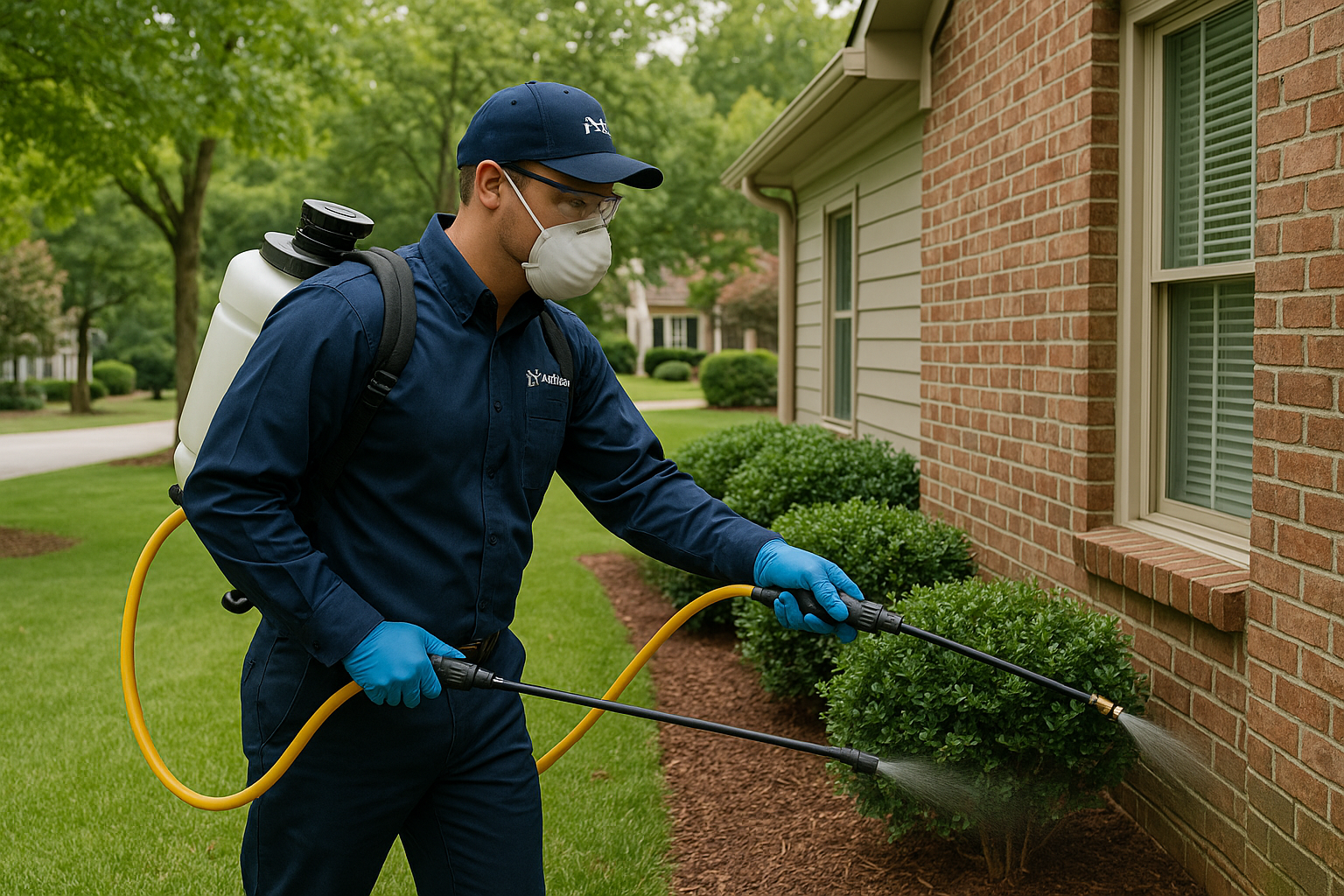
When you reach for a can of over‑the‑counter (OTC) fly spray, you’re buying a product that was formulated for short‑term knock‑down, not long‑term eradication. Most retail sprays contain low‑dose pyrethroids that evaporate quickly and leave only a thin residual layer. In contrast, licensed technicians use EPA‑registered formulations that are calibrated for the exact square footage of your home, applied at the proper concentration, and backed by rigorous field testing. The result is a treatment that keeps flies at bay for weeks rather than hours.
Resistance Management Benefits
House flies are remarkably adaptable. Repeated use of the same OTC active ingredient can select for resistant populations, rendering the spray ineffective after just a few applications. Professional pest control programs rotate chemicals and incorporate synergists based on resistance‑monitoring data. This strategic approach not only restores efficacy but also reduces the total amount of pesticide needed, protecting both your family and the environment.
Safety Advantages for Your Household
Every spray you apply in a DIY effort adds to the chemical load in your living space. For homes with children, pets, or elderly residents, that exposure can be a real concern. Licensed technicians follow the Georgia Department of Agriculture pesticide licensing guidelines, which mandate:
- Proper personal protective equipment (PPE) for applicators.
- Strict adherence to label rates and re‑entry intervals.
- Documentation of product use for future reference.
By outsourcing the job, you keep potentially harmful residues out of your hands and reduce the risk of accidental ingestion or skin contact.
Real‑World Success: A Marietta Homeowner’s Story
John M., a homeowner in Marietta, tried three different OTC sprays over a two‑week period, yet the flies kept returning. After scheduling a single professional service with Anthem Pest Control, his technician performed a thorough inspection, identified breeding hotspots, and applied a targeted EPA‑registered treatment. Within 48 hours, John reported a 90 % reduction in fly activity, and the remaining few flies disappeared after the second follow‑up visit. The whole process cost less than the cumulative expense of his DIY attempts and saved him countless hours of frustration.
Health Risks Highlighted by the CDC
House flies are more than a nuisance; they are vectors for bacterial and viral pathogens. According to the CDC, flies can mechanically transmit agents that cause food poisoning, dysentery, and even eye infections. Proper control isn’t just about comfort—it’s a public‑health measure that protects your family’s well‑being.
Quick Comparison: OTC vs. Professional Treatment
| Feature | OTC Spray | Professional Service |
|---|---|---|
| Active Ingredient Strength | Low‑dose, short‑acting | High‑dose, long‑lasting |
| Coverage Area | Limited per can | Calculated per square foot |
| Re‑application Frequency | Every few days | Every 4–6 weeks (as needed) |
| Resistance Management | None – same ingredient repeatedly | Rotating chemistries & synergists |
| Safety Precautions | Homeowner‑handled, higher exposure risk | Licensed applicator, PPE, compliance |
Choosing a licensed professional isn’t just a convenience—it’s the smartest, safest, and most cost‑effective way to keep house flies from turning your Marietta home into a breeding ground for disease.
Treatment Options Available in Marietta
When house flies turn your porch into a buzzing nuisance, knowing the right control method can save you time, money, and headaches. In Marietta, homeowners typically choose from four proven strategies: residual sprays, bait stations, exclusion & sanitation, and an Integrated Pest Management (IPM) program. Below, we break down how each works, what you gain, what you trade off, and how long you can expect a protective barrier to last.
Residual Sprays
Residual insecticide sprays are the workhorse of fly control. Professionals apply them to high‑traffic zones—window sills, door frames, ceiling corners, and outdoor patio railings—using a fine mist that adheres to surfaces. Most Marietta providers rely on EPA‑registered pyrethroids such as bifenthrin, permethrin, or cypermethrin. These compounds knock down flies on contact and remain active until they degrade from sunlight or cleaning.
- Advantages
- Fast knock‑down; flies die within minutes of contact.
- Creates a lasting chemical barrier that deters new arrivals.
- Can be applied both indoors and outdoors with a single visit.
- Disadvantages
- Effectiveness diminishes after heavy rain or frequent cleaning.
- Potential sensitivity for pets or children if applied incorrectly.
- Does not address underlying sanitation issues.
- Typical Control Duration
- Indoor applications: 2–4 weeks.
- Outdoor, sheltered areas: up to 6 weeks.
Bait Stations
Bait stations combine an attractant with a slow‑acting insecticide, allowing flies to feed and spread the toxin to others. Placement is strategic: near trash cans, under eaves, and along fence lines where flies congregate. Modern stations are designed to be tamper‑resistant, minimizing exposure to pets, children, and beneficial insects.
- Advantages
- Targets flies that are already foraging, reducing the visible population.
- Low visual impact; stations blend into landscaping.
- Reduced need for frequent re‑applications compared with sprays.
- Disadvantages
- Effectiveness hinges on proper placement and regular bait refresh.
- Non‑target safety relies on the station’s design; accidental access can be a risk.
- May not control flies that are attracted to indoor lighting.
- Typical Control Duration
- Bait life: 4–6 weeks before replacement is recommended.
Exclusion & Sanitation
Even the best chemicals won’t keep flies at bay if they can simply walk in through an open door or feast on rotting organic matter. Exclusion means sealing every potential entry point—installing tight‑fitting screen doors, repairing window screens, and caulking gaps around vents. Sanitation focuses on eliminating the food and breeding sources that attract flies: regular garbage removal, proper compost handling, and prompt cleanup of pet waste.
For a quick reference to your neighborhood pickup days, consult the Marietta waste‑collection schedule. Keeping bins closed and taking out trash before collection day can cut fly populations dramatically.
- Advantages
- Long‑term, chemical‑free reduction of fly pressure.
- Improves overall home hygiene and reduces other pests.
- Cost‑effective; many measures are DIY.
- Disadvantages
- Requires upfront effort and occasional maintenance.
- May need professional inspection for hard‑to‑reach gaps.
- Doesn’t provide immediate knock‑down of an existing infestation.
- Typical Control Duration
- When properly maintained, exclusion can keep flies out indefinitely.
- Sanitation benefits persist as long as good habits are kept.
Integrated Pest Management (IPM)
IPM is a data‑driven, multi‑layered approach that blends the best of the methods above. A qualified technician first conducts a fly‑activity audit—identifying hotspots, monitoring population trends, and noting sanitation gaps. Based on that data, they deploy targeted residual sprays or bait stations, reinforce exclusion measures, and set up a schedule for follow‑up inspections. The goal isn’t just to kill flies; it’s to prevent future outbreaks by addressing the root causes.
- Advantages
- Customizable to your property’s unique challenges.
- Reduces chemical usage by focusing treatments where they’re needed most.
- Provides ongoing monitoring, so you stay ahead of seasonal spikes.
- Disadvantages
- Higher initial cost due to comprehensive assessment.
- Requires homeowner cooperation with sanitation recommendations.
- Success depends on regular follow‑up visits.
- Typical Control Duration
- Each treatment cycle (spray or bait) lasts 3–6 weeks.
- When combined with exclusion, overall protection can extend 3–4 months before the next assessment.
Choosing the right mix depends on your fly pressure, budget, and willingness to engage in preventive habits. At Anthem Pest Control, we tailor each plan to Marietta homeowners—balancing rapid knock‑down with long‑term protection so you can enjoy a fly‑free home year‑round.
Cost Breakdown for Marietta Homeowners
Typical 2024 Pricing for Fly‑Control Services
When you call a local pest‑control professional in Marietta, the first thing you’ll hear is a price range. In 2024 the most common options look like this:
- Basic spray treatment: $80 – $120 per application. This service targets adult flies on interior surfaces and is ideal for a one‑time knock‑down.
- Comprehensive Integrated Pest Management (IPM): $180 – $250 per visit. IPM combines chemical sprays, bait stations, exclusion work, and follow‑up monitoring to keep flies from returning.
- Quarterly maintenance contracts: $60 – $90 per visit, with a typical 10 % discount when you sign a 12‑month agreement. This spreads the cost over four visits and maintains a fly‑free environment year‑round.
What Drives the Price?
Several variables can shift these numbers up or down. Understanding them helps you compare quotes more intelligently.
- Property size: Larger homes or sprawling yards require more product and longer labor time, increasing the bill.
- Infestation severity: A light, occasional fly problem costs less than a heavy, breeding‑site‑rich situation that demands extra bait and thorough sanitation.
- Seasonal timing: Spring and early summer see the highest demand; rates may be higher then, while off‑season appointments sometimes qualify for discounts.
- Additional services: Adding rodent exclusion, trash‑area sealing, or outdoor lighting adjustments can raise the total but also boost long‑term effectiveness.
- Contract length and frequency: Longer contracts lock in a lower per‑visit price, whereas single‑visit treatments carry a premium.
DIY vs. Professional: A Cost‑Benefit Comparison
| Service Type | Approx. Cost | Time Investment | Expected Efficacy |
|---|---|---|---|
| DIY aerosol sprays & traps | $20 – $45 (one‑time purchase) | 15‑30 minutes per application, plus repeat use every 2‑3 weeks | Low to moderate – works for minor sightings but rarely eliminates breeding sources |
| Professional basic spray | $80 – $120 per visit | 5‑10 minutes of homeowner preparation; technician handles application | High – immediate knock‑down of adult flies with residual protection for 2‑3 weeks |
| Professional IPM program (incl. quarterly visits) | $180 – $250 per visit (or $216 – $300 annually after 10 % contract discount) | Minimal homeowner effort; technician conducts inspection, treatment, and follow‑up | Very high – addresses breeding sites, prevents re‑infestation, and integrates exclusion measures |
Getting the Best Deal
Before you sign on the dotted line, request written estimates from at least two local providers. Verify that each quote includes the same service scope—whether it’s a single spray, a full IPM package, or a maintenance contract. Ask about any hidden fees, such as travel charges or extra visits for severe infestations. By comparing line‑item details, you’ll avoid surprise costs and ensure you’re paying a fair market rate for the level of protection your Marietta home truly needs.
Seasonal Timing & Prevention Tips
In Marietta, house flies reach their highest activity from May through September. The Centers for Disease Control and Prevention (CDC) tracks seasonal fly data and shows a sharp rise in adult fly counts once daytime temperatures consistently exceed 70°F (21°C). During these warm months, the combination of abundant outdoor food sources and ideal breeding conditions creates a perfect storm for rapid population growth.
Monthly Prevention Checklist
Staying ahead of the flies means treating your property as a series of small, manageable tasks each month. Below is a month‑by‑month guide that aligns with the fly life cycle and local climate patterns.
- May – Trash Management: Ensure all outdoor garbage cans have tight‑fitting lids, and empty them nightly. Flies love rotting food, so a clean trash area removes their primary attractant.
- June – Compost Cover: Keep compost piles covered with a breathable tarp or use a sealed compost bin. Moist, decomposing organic matter is a favorite breeding site for flies.
- July – Screen Inspection: Examine window and door screens for tears or gaps. Repair any damage promptly to prevent flies from slipping inside during the hottest part of the day.
- August – Outdoor Lighting Adjustments: Replace bright white bulbs with amber or sodium‑vapor lights on patios and porches. Flies are drawn to ultraviolet light, so dimmer, warmer lighting reduces nighttime attraction.
- September – Final Sweep: Conduct a thorough sweep of outdoor dining areas, pet feeding stations, and barbeque grills. Remove any leftover food scraps and clean surfaces with a diluted bleach solution.
How Weather Shapes Fly Breeding Cycles
Rainfall and humidity are the hidden drivers behind a fly outbreak. After a rainstorm, organic debris becomes soggy, creating a moist environment where fly eggs can hatch in as little as 24 hours. High humidity (above 60%) prolongs the larval stage, allowing more flies to reach adulthood before the weather dries out. Conversely, a dry spell can temporarily suppress activity, but it also forces flies to seek out the few remaining moist sites—often your kitchen trash or a compost heap.
Because Marietta experiences a pronounced wet season in late spring, the best defensive move is to treat early in the spring, before the first heavy rains arrive. A pre‑emptive perimeter spray around doors, windows, and outdoor waste stations creates a chemical barrier that discourages adult flies from entering and laying eggs in your yard.
Early‑Spring Pre‑Emptive Treatment
Our technicians recommend scheduling a professional fly‑control service in late March or early April. During this visit, we:
- Apply residual insecticide to potential entry points and high‑traffic outdoor zones.
- Inspect and seal any cracks or gaps in siding, foundation, and utility penetrations.
- Provide homeowners with a customized action plan that aligns with the monthly checklist above.
By treating before the first wave of adult flies appears, you interrupt the breeding cycle at its source, reducing the need for reactive sprays later in the summer.
For a deeper dive into the CDC’s seasonal fly statistics, visit the CDC seasonal statistics page. Understanding the data behind the peaks empowers you to plan your prevention steps with confidence.
Local Success Stories & Neighborhood Insights
East Marietta: High‑Density Housing Near Community Parks
East Marietta’s tightly packed homes and nearby green spaces create a perfect breeding ground for house flies. Residents often notice swarms hovering around playgrounds, dog parks, and shared trash areas, especially during the warm summer months. Anthem Pest recognized that a one‑size‑fits‑all spray schedule wouldn’t cut it. Instead, we combined targeted perimeter fogging with a community‑wide sanitation program, encouraging homeowners to secure waste containers and eliminate standing water.
“We were fed up with flies every evening on our porch. After Anthem’s team set up the perimeter treatments and showed us how to keep the trash cans sealed, the fly activity dropped dramatically. It’s a relief to finally enjoy our backyard again.” – Maria L., East Marietta resident
By focusing on the park’s high‑traffic zones and coordinating with the homeowners’ association, Anthem Pest reduced fly sightings by more than 70% within the first two weeks. The ongoing Integrated Pest Management (IPM) plan now includes quarterly inspections and community education workshops, keeping the area fly‑free year after year.
West Cobb: Newer Developments with Screened Porches
West Cobb’s newer subdivisions feature modern screened porches and open‑concept layouts that, while stylish, can trap moisture and attract flies if not properly ventilated. Homeowners reported occasional fly intrusions despite the screens, especially after outdoor gatherings.
Anthem Pest tailored a solution that combined interior misting with exterior barrier treatments, focusing on doorways, screened enclosures, and the surrounding landscaping. We also installed low‑odor fly traps in strategic locations to monitor activity without disrupting family life.
“The technicians explained why our screened porch was still a problem and gave us a simple maintenance checklist. Since the first visit, we’ve seen far fewer flies, and the traps are practically invisible. It feels like we finally have control.” – James K., West Cobb homeowner
With regular IPM visits every six weeks and homeowner participation in simple upkeep—like cleaning porch screens and removing overripe fruit—the fly incidence in West Cobb has stayed below the city average, offering residents peace of mind without invasive chemicals.
Downtown Marietta: Restaurants, Outdoor Markets, and Commercial‑Grade Needs
Downtown Marietta’s bustling restaurants, outdoor farmers’ markets, and historic streets attract both visitors and flies. Business owners face strict health‑code requirements, making rapid and effective fly control essential.
Anthem Pest approached this challenge with a commercial‑grade program that blends high‑potency fogging, UV‑light fly traps, and waste‑management consulting. We worked closely with each establishment to schedule treatments during off‑peak hours, ensuring no disruption to diners while delivering maximum impact.
“Our outdoor patio used to be a fly magnet, and we were losing customers. Anthem’s team set up UV traps and treated the surrounding alleys. Within days, the flies were gone, and our customers noticed the difference.” – Linda M., Downtown restaurant owner
The customized plan also included staff training on waste disposal and the strategic placement of fly‑repellent plants. As a result, participating businesses reported a 60% drop in fly complaints and an uptick in patio seating during peak summer evenings.
Anthem Pest’s Tailored Approach Across Marietta
What ties these three success stories together is Anthem Pest’s commitment to listening first, then designing a solution that fits the unique characteristics of each neighborhood. Whether it’s coordinating with a homeowners’ association, fine‑tuning treatments for screened porches, or meeting commercial health standards, our team adapts the IPM toolkit to deliver lasting fly control.
Homeowners and business owners alike benefit from transparent pricing, clear treatment timelines, and ongoing support. By blending science‑backed methods with local knowledge, Anthem Pest turns fly‑infested spaces into comfortable, fly‑free environments—one Marietta neighborhood at a time.
Choosing the Right Provider – Why Anthem Pest Stands Out
Licensed Georgia Technicians You Can Trust
When a house fly invasion threatens your kitchen, you need a team that knows Georgia’s climate, building styles, and local pest habits. All Anthem Pest technicians are fully licensed by the State of Georgia and undergo annual continuing‑education courses that keep them ahead of emerging fly‑control techniques. Because they are EPA‑registered, they are authorized to apply the most effective, low‑toxicity products safely around children and pets. If a fly lands on your countertop at 2 a.m., our 24‑hour response line guarantees a qualified professional will be on the way.
Transparent Pricing – No Surprises
Homeowners often dread hidden fees after a service call. Anthem Pest eliminates that anxiety with a clear, itemized quote before any work begins. The pricing structure covers the initial inspection, the customized treatment plan, and any follow‑up visits required to achieve a fly‑free home. What you see is what you pay—no extra charges for travel, equipment, or “mandatory” add‑ons. This upfront approach lets you budget confidently and compare options without guessing.
Step‑by‑Step Protocol for Lasting Fly Control
Our proprietary fly‑control protocol is designed like a checklist, ensuring nothing is overlooked:
- Thorough Inspection: Technicians examine interior and exterior entry points, waste areas, and breeding sites, using a flashlight and moisture meter to locate hidden hotspots.
- Customized Treatment Plan: Based on the inspection, we select EPA‑registered baits, residual sprays, and strategic trap placement tailored to your home’s layout and fly pressure level.
- Application & Safety Briefing: We apply products with precision, then walk you through safety steps—what to keep pets away from and how long to wait before resuming normal activity.
- Follow‑Up Visit: Within 7‑10 days, a second technician returns to assess results, re‑treat any persistent zones, and reinforce exclusion measures.
This systematic approach turns a one‑time spray into a sustainable solution, reducing the chance of reinfestation.
Data‑Driven Results and Customer Satisfaction
Anthem Pest doesn’t rely on guesswork. Every treatment is logged in our cloud‑based service platform, where key performance indicators—fly count reduction, response time, and repeat‑visit frequency—are tracked in real time. Homeowners receive a concise report showing pre‑ and post‑treatment metrics, so you can see the exact impact of our work. Our satisfaction surveys consistently score above 95 % for effectiveness, professionalism, and overall experience, reinforcing our reputation as Marietta’s go‑to fly‑control provider.
Why Those Details Matter to You
Choosing a pest‑control partner is about more than just killing flies; it’s about peace of mind. With licensed technicians, EPA‑registered products, a transparent quote, a proven step‑by‑step protocol, and measurable results, Anthem Pest delivers a service that protects your family, your home, and your budget. If you’re ready to reclaim your kitchen from buzzing intruders, give us a call at 877‑371‑8196 or visit anthempest.com for a free, no‑obligation estimate.
Frequently Asked Questions
How quickly will I see results?
Most professional fly treatments start working within the first 24‑48 hours after application. Our EPA‑registered adulticide begins attacking adult flies as soon as it contacts their nervous system, and you’ll typically notice a sharp drop in activity by the next day. If you still see a few lingering flies after 48 hours, it’s usually because they entered the home after the spray was applied or were hiding in hard‑to‑reach spots. In those cases, a follow‑up visit can target the remaining pockets and bring the count down to zero.
Are the chemicals safe for pets?
We prioritize low‑toxicity products that meet the EPA’s safety standards. The active ingredients we use are approved for indoor use around children and pets when applied according to label directions. Our technicians follow strict ventilation and placement guidelines, so pets can remain in the home during and after treatment, provided they stay out of treated areas for the short re‑entry period noted on the label. For households with especially sensitive animals, we can discuss alternative, non‑chemical options such as fly traps and exclusion techniques.
Do flies return after treatment?
Flies are opportunistic; they’ll come back if food, waste, or standing water remain attractive. That’s why we pair chemical control with a sanitation plan. Removing uncovered food, tightening trash‑can lids, and cleaning up pet waste are essential steps. We also recommend a quarterly maintenance schedule to keep the fly population suppressed year‑round, especially during Georgia’s warm months. Consistent upkeep dramatically reduces the chance of a reinfestation, turning a one‑time spray into a long‑term solution.
Can I treat my own home?
In Georgia, only licensed applicators may purchase and apply most residential pesticides, as mandated by the Georgia Department of Revenue’s pest‑control licensing program. Attempting a DIY treatment without proper certification can lead to legal penalties and, more importantly, unsafe exposure for you and your family. We encourage homeowners to contact a certified provider like Anthem Pest Control, where our technicians are fully trained, insured, and authorized to use the most effective products safely.
For additional information on fly‑borne diseases and public‑health guidelines, visit the CDC’s fly resource page. If you have more questions or need a personalized assessment, give us a call at 877‑371‑8196 or explore our services at anthempest.com.
Take Action for Fly‑Free Living in Marietta
When a house fly invasion turns your kitchen into a buzzing nuisance, speed matters. Fast, professional fly control not only stops the irritation but also prevents the health risks that come with disease‑carrying insects. In Marietta, the most cost‑effective options combine targeted treatments with proven prevention strategies, giving you relief without breaking the bank.
Why Choose a Professional Service?
DIY sprays can offer a quick fix, but they rarely address the root cause—breeding sites, entry points, and lingering attractants. A licensed technician from Anthem Pest conducts a thorough inspection, identifies hidden sources, and applies EPA‑approved products that are safe for families and pets. The result is lasting protection and peace of mind.
Health Protection and Peace of Mind
House flies are more than a nuisance; they can spread bacteria like E. coli and Salmonella from waste to food surfaces. By entrusting Anthem Pest, you secure a healthier environment for your loved ones. Our certified team follows strict safety protocols, ensuring that every treatment leaves your home clean, safe, and fly‑free.
Free Inspection, No‑Obligation Quote
We understand that budgeting is a top concern for homeowners. That’s why Anthem Pest offers a complimentary inspection and a transparent, no‑obligation quote. Our experts will walk you through the findings, explain the recommended plan, and answer any questions before any work begins.
Ready to schedule your free inspection? Call us today at 877‑371‑8196. Our friendly staff will find a convenient time that fits your schedule, and you’ll receive a clear, written estimate before any service is performed.
Ready to reclaim your home from flies? Our certified team is standing by to design a tailored plan that fits your budget and schedule. We’ll target the hotspots, seal entryways, and set up ongoing monitoring so you never have to worry about another buzzing invasion.
Take the first step toward a fly‑free household. Visit Anthem Pest Control for more information, or simply pick up the phone and call 877‑371‑8196 for your free, no‑obligation quote today.