Why Gnat Problems Matter in Marietta

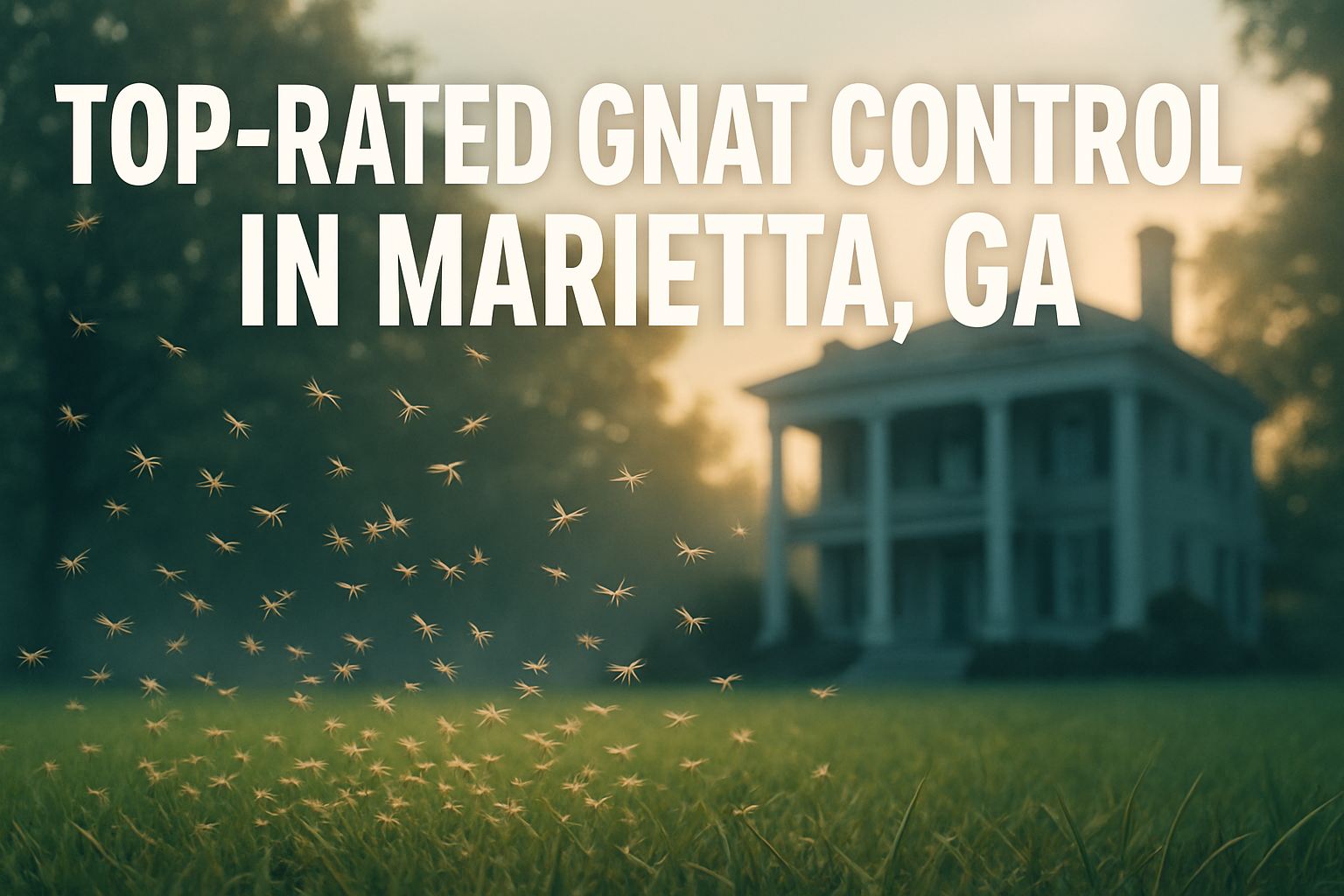
Gnats are the size of a pinhead, but in Marietta’s warm, humid climate they can quickly turn from harmless curiosities into a relentless nuisance. These tiny, flying insects thrive in the moisture‑rich environments that Southern summers create—think damp soil, over‑watered lawns, and decaying organic matter. When they migrate indoors, they form dense clouds around lights, windows, and even your kitchen sink, making everyday activities feel like a constant battle against an invisible swarm.
Beyond the irritation of swarming, gnats can affect your home’s comfort in two key ways. First, their constant buzzing and landing on skin can distract you from relaxing on the porch or enjoying a family dinner. Second, many species—especially biting midges—deliver a mild bite that leaves a red, itchy welt. While most bites are harmless, they can trigger allergic reactions in sensitive individuals, leading to swelling, hives, or prolonged skin irritation. The CDC notes that insect‑related skin reactions are a common cause of outpatient visits during the summer months, underscoring the health relevance of even the smallest pests.
Gnats are also warning signs. A sudden surge often points to excess moisture or fungal growth somewhere in your property—conditions that can invite mold, carpenter ants, or even termites. Ignoring the problem can let these secondary issues fester, turning a simple gnat annoyance into a costly structural concern.
That’s why Anthem Pest is ready to step in. Our 24‑hour response line (877‑371‑8196) connects you instantly with technicians who know Marietta’s neighborhoods inside and out. From Cherokee County’s leafy suburbs to the historic districts downtown, we’ve helped countless homeowners identify the source of gnat activity and apply targeted, safe treatments that restore peace of mind.
Understanding why gnats matter sets the foundation for the comprehensive guide that follows—covering identification, prevention, and the most effective treatment options tailored for Marietta’s unique environment.
What Exactly Is a Gnat
In everyday conversation a “gnat” is any tiny, mosquito‑like fly that seems to appear out of nowhere, but scientifically it belongs to a handful of distinct fly families. The most common groups are the fungus‑gnat family Sciaridae, the grass‑fly family Chloropidae, and a range of non‑biting midges that are often lumped together under the term “gnat.” These insects are typically 1–4 mm long, have delicate wings, and thrive in moist environments where organic material is abundant.
- Sciaridae – fungus gnats, attracted to damp soil and decaying plant matter.
- Chloropidae – grass flies, often found near lawns and compost.
- Non‑biting midges – small flies that hover near water sources but do not feed on blood.
A quick fact that puts the problem in perspective: more than 90 % of the gnats you’ll encounter inside a home are non‑biting fungus gnats. They are drawn to houseplants, indoor potting mixes, and any area with excess moisture, which is why a single over‑watered fern can become a breeding hotspot.
The National Pest Management Association (NPMA) ranks gnats among the top 5 indoor nuisance pests nationwide in its 2024 pest‑world survey. NPMA 2024 notes that homeowners report gnats as the third most frequent indoor complaint, underscoring how prevalent they are across the United States, including the Marietta, Georgia area.
While the majority of indoor gnats are harmless, a few species do bite. The most notable are the biting midges of the genus Culicoides, sometimes called “no‑see‑ums.” These tiny blood‑suckers can cause itchy welts and are more common outdoors near standing water. Understanding whether you’re dealing with a non‑biting fungus gnat or a biting midge is the first step toward selecting the right control method.
The Gnats You’ll Encounter Around Marietta
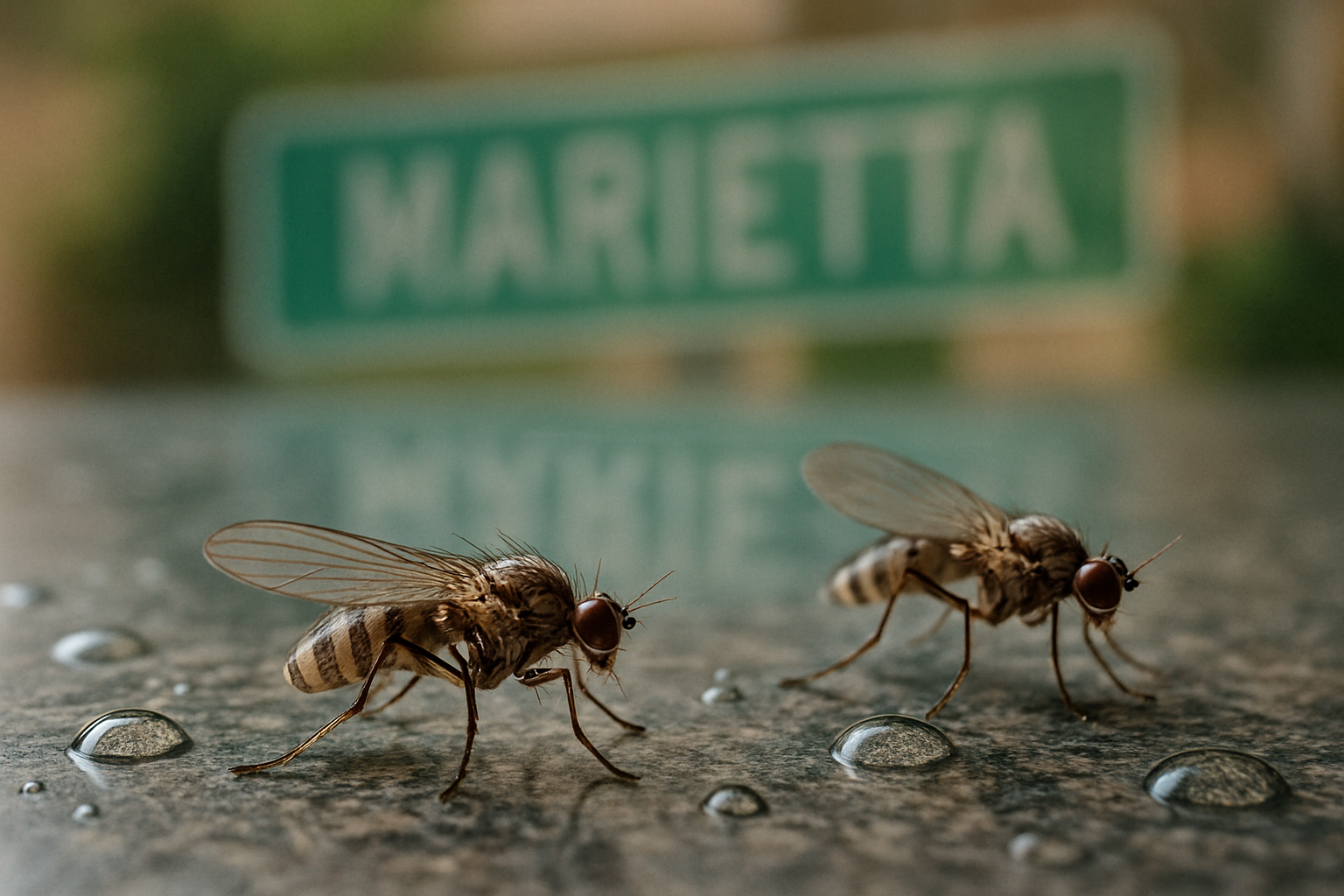
Marietta’s climate and landscape create perfect habitats for several gnat species that often surprise homeowners.
Fungus Gnats
Fungus gnats are tiny, dark‑winged insects that love the damp soil of over‑watered houseplants. In Marietta homes with indoor foliage, you’ll often see them hovering near windows or crawling on the soil surface. Their larvae feed on fungal growth, so a soggy pot is a perfect nursery. Expect the highest numbers in late spring through early summer when temperatures rise and indoor watering peaks.
Shore Flies
Shore flies, sometimes called marsh flies, are attracted to standing water and the organic debris that accumulates along its edge. The Marietta Water Works ponds and nearby drainage ditches provide ideal breeding grounds, so you may notice these gnats buzzing around patios or garden paths adjacent to the water. Their populations peak in midsummer, especially after a period of heavy rain.
Biting Midges (No‑See‑Ums)
Biting midges, commonly known as no‑see‑ums, are the smallest gnats you’ll encounter, but their bite can feel like a pinprick of fire. They thrive in wet, shady yards, especially near wetlands, irrigation lines, or compost piles. In Marietta, they are most active from late June through September, taking advantage of warm nights and high humidity.
Knowing which gnat you’re dealing with helps you choose the right treatment timing.
Beyond Annoyance: Risks of Gnat Infestations
Skin irritation from biting midges
Not all gnats are harmless. The tiny biting midges of the genus Culicoides can leave itchy, red welts that linger for days. According to the CDC (2023), repeated bites may trigger allergic skin reactions, especially in sensitive individuals or those with asthma. For a homeowner, those unsightly bumps are more than a cosmetic nuisance—they can disrupt sleep and outdoor enjoyment. These bites can also lead to secondary infections if scratched excessively, adding another layer of concern for families with children.
Fungus gnats threaten indoor greenery
Fungus gnats thrive in the moist soil of houseplants. While they don’t bite, the adults carry fungal spores from decaying organic matter to healthy roots. Over time, the spores germinate, causing root rot that weakens or kills beloved foliage. A single infestation can turn a thriving indoor garden into a costly replacement project, and the loss of plants also reduces the natural air‑filtering benefits they provide. When soil stays soggy for weeks, the gnats lay eggs that hatch within days, creating a rapid cycle that overwhelms even diligent gardeners.
Moisture‑driven mold growth
Gnats need damp breeding sites—think over‑watered pots, clogged drains, or leaky basements. Those same moisture reservoirs create ideal conditions for mold and mildew to proliferate. Mold spores become airborne, lowering indoor air quality and aggravating respiratory issues such as allergies or asthma. In extreme cases, unchecked mold can damage walls, ceilings, and even structural components of the home. Persistent dampness not only fuels mold but can also attract other pests like termites, compounding the structural threat.
Understanding these hidden hazards helps homeowners see why a prompt, professional gnat control plan—like the one Anthem Pest offers—can protect both health and property before the problem escalates.
When Gnats Peak in the Peach State
In Marietta, gnat activity isn’t year‑round—it surges during two distinct windows. The first wave arrives in late spring, roughly April through June, when new foliage and warm days give adult gnats plenty of places to lay eggs. The second surge hits late summer, from July into September, as lingering heat and abundant moisture create perfect breeding conditions.
Both peaks line up tightly with the state’s rain patterns. According to the Georgia Climate Office 2023 data, Marietta sees an average of more than 4 inches of rain each month during these periods. The extra moisture raises humidity levels, softens soil, and keeps organic debris damp—exactly what gnat larvae need to thrive.
Quick tip: Watch the forecast
Set a simple reminder to check your local weather forecast each week. When a stretch of rain (≥ 0.5 in) is predicted for the next 3‑5 days, treat your yard or outdoor spaces within 24 hours. Early intervention stops the larvae from maturing, keeping the summer swarms at bay before they become a nuisance inside your home.
How to Spot a Gnat Infestation Early
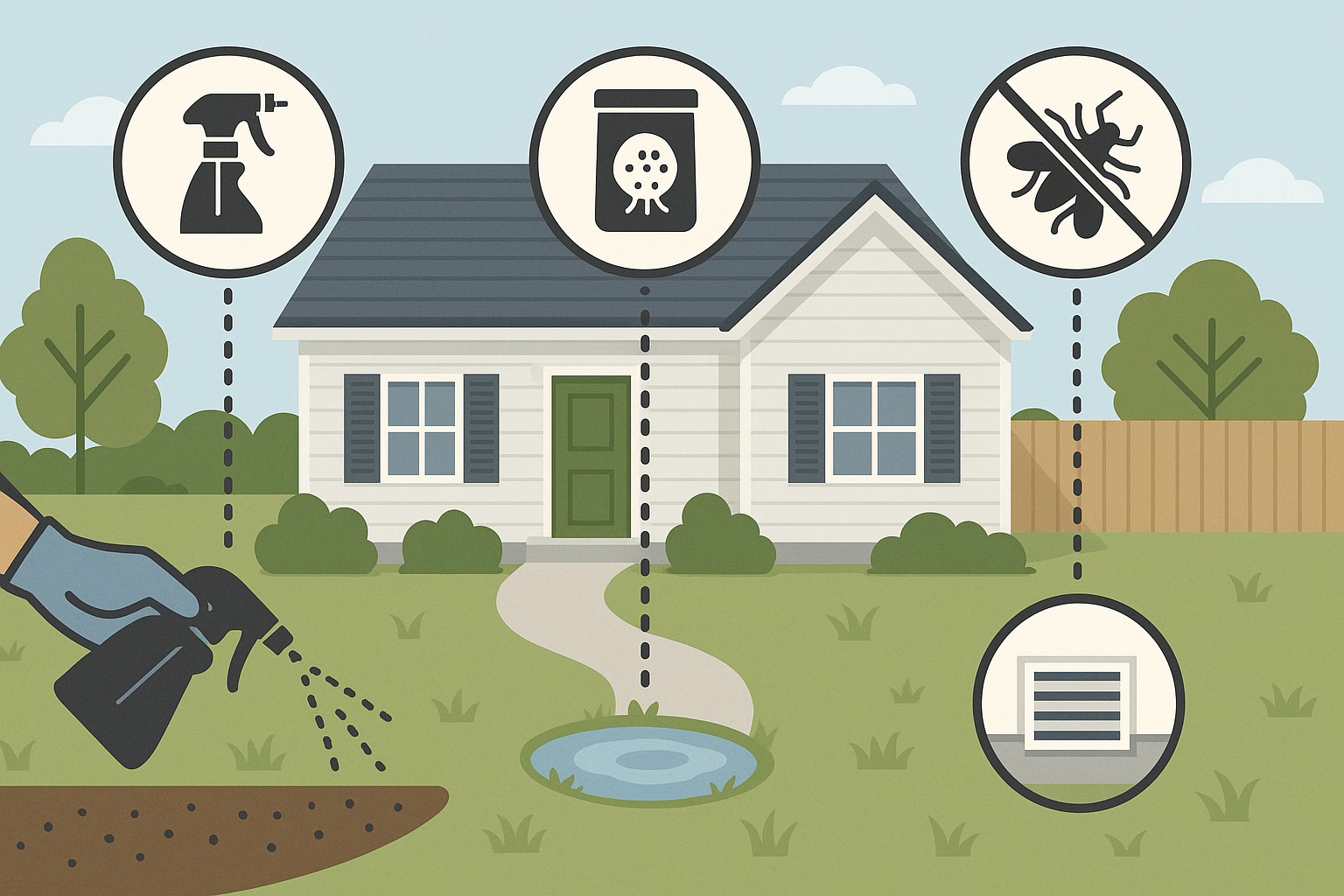
Gnat problems often start quietly, hidden in the places where moisture lingers. Catching the signs before the swarm takes off saves you time, money, and the frustration of a full‑blown infestation. Below is a step‑by‑step visual guide to the most common hotspots inside and outside a Marietta home.
Indoor clues you can’t ignore
Start where you keep your houseplants. Over‑watered soil stays damp for days, creating a perfect breeding ground for gnat larvae. Gently lift the top inch of soil—if it feels soggy or you see tiny, worm‑like larvae, you’ve found a nursery.
Next, head to the kitchen. Adult gnats love the organic film that builds up in drains, garbage disposals, and sink traps. Run water and look for a faint, musty odor or a few tiny flies hovering near the surface. A quick flush with boiling water can disrupt their life cycle.
Outdoor hotspots
Outside, check any standing water: birdbaths, clogged gutters, or low spots in the lawn. Even a shallow puddle can hatch dozens of eggs. Mulch that stays wet for more than 24 hours also serves as a breeding pad.
Confirm with a UV light trap
Set a UV light trap near suspected areas after dusk. The insects are drawn to the light and become trapped, giving you a clear picture of the species present. This simple tool separates gnats from fruit flies or fungus gnats, helping you choose the right treatment.
Quick‑Reference Inspection Checklist
- Inspect indoor plant soil for dampness and visible larvae.
- Examine kitchen drains, garbage disposals, and sink traps for adult gnats.
- Check birdbaths, clogged gutters, and low‑lying outdoor areas for standing water.
- Look at mulch and garden beds for prolonged moisture.
- Deploy a UV light trap after dark to verify species presence.
- Document findings and act promptly with targeted treatment.
Effective Gnat Control Methods
When gnats invade your home or yard, a layered approach works best. Combining targeted chemicals with smart cultural practices not only knocks down the current infestation but also cuts off future breeding sites.
Chemical Treatments
For indoor surfaces, EPA‑registered adulticides such as pyrethrin‑based sprays are the go‑to choice. They act quickly on flying adults while breaking down into harmless by‑products once they dry. To attack larvae before they emerge, professionals often apply Bacillus thuringiensis israelensis (Bti) granules or liquid formulations to moist soil and standing water. Bti is a naturally occurring bacterium that kills mosquito and gnat larvae but leaves beneficial insects, pets, and people untouched. For detailed label guidance, see the EPA 2024 Bti guidelines.
Non‑Chemical Controls
Reducing moisture is the cornerstone of non‑chemical control. Ensure garden beds, compost piles, and drainage areas stay dry; a simple soil‑drying schedule can eliminate most larval habitats. Install or clean existing drainage systems to prevent water pooling, and consider adding a few strategically placed fans on patios—air movement makes it harder for gnats to hover. Sticky traps placed near doors and windows capture adult gnats without chemicals. For a biological edge, predatory nematodes can be introduced into the soil; they seek out and consume gnat larvae, providing a self‑sustaining control loop.
DIY vs. Professional
Homeowners often wonder whether a DIY kit will suffice. A typical 5‑lb bag of Bti granules costs between $30 and $80, covering roughly 1,000 sq ft. In contrast, a professional gnat treatment from Anthem Pest runs $150–$250 per visit, which includes thorough inspection, precise application, and a follow‑up guarantee.
- Cost: DIY is cheaper upfront, but multiple applications may be needed.
- Efficacy: Professionals use calibrated equipment and EPA‑approved formulations that reach hidden breeding sites.
- Convenience: A licensed technician handles setup, safety checks, and disposal, freeing you from the hassle.
Safety First
Both Anthem Pest and reputable DIY products prioritize child‑ and pet‑safe formulations. The company’s technicians are trained to apply the lowest effective dose, wear proper PPE, and keep treated areas off‑limits until dry. By choosing a trusted partner, you gain peace of mind knowing that the chemicals used meet strict EPA safety standards while the non‑chemical tactics protect the entire household.
Long‑Term Gnat Prevention Checklist
Keeping gnats at bay isn’t a one‑time fix; it’s a year‑round habit. By tackling breeding sites, sealing entry points, and timing professional inspections, you can enjoy your yard without the irritating buzz. Follow this seasonal checklist and let Anthem Pest handle the heavy lifting when you need it.
Core actions you can start today
- Eliminate standing water. Empty birdbaths, clean clogged gutters, and treat ornamental ponds with a mosquito‑type larvicide approved for use around pets and children.
- Dry out potting mixes. Let containers dry between waterings; a thin sand layer on top discourages larvae from developing.
- Screen openings. Install fine‑mesh (≤1 mm) screens on doors and windows to block adult gnats from entering.
- Seal trash containers. Use cans with tight‑fitting lids and keep them away from direct sunlight to reduce moisture.
- Schedule professional inspections. Book Anthem Pest for early May and early September visits—these are the optimal windows to catch any buildup before it spikes.
Why these steps matter: standing water is a gnat nursery, while damp soil lets larvae thrive unnoticed. Proper screens act as a physical barrier, and sealed trash removes a hidden food source. Combining DIY habits with Anthem Pest’s bi‑annual inspections creates a double‑layer defense that keeps gnats from returning.
Quick‑reference seasonal table
| Season | Key Actions |
|---|---|
| Spring (Mar‑May) | Clear gutters, refill birdbaths with fresh water, apply larvicide to ponds, start May inspection. |
| Summer (Jun‑Aug) | Keep soil surface dry, add sand top‑layer, ensure screens stay intact, monitor trash cans. |
| Fall (Sep‑Nov) | Conduct September inspection, remove fallen leaves, store outdoor furniture, reduce watering. |