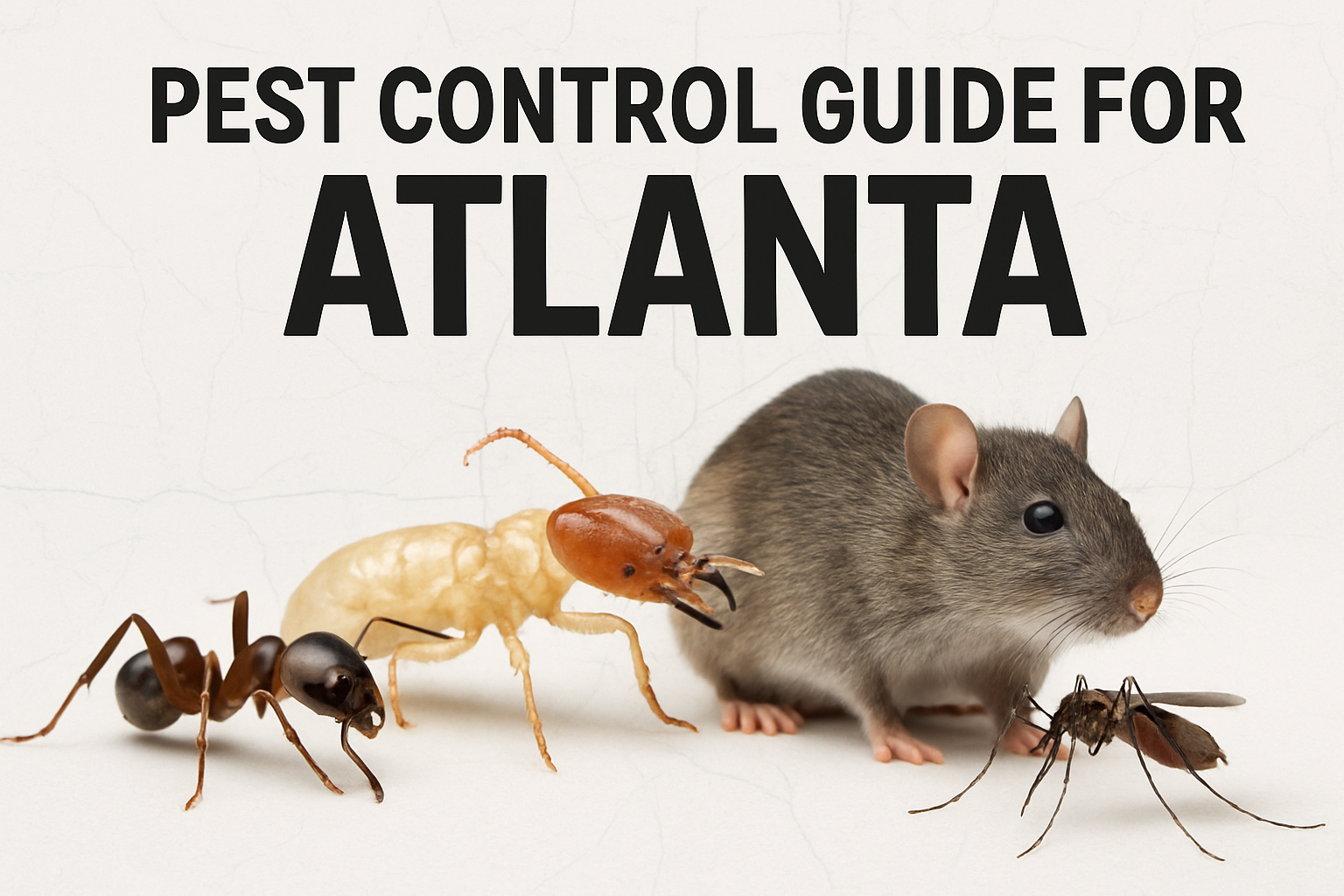
Why Pest Prevention Matters in {{city}}
Every year, pests cost the United States an estimated $5 billion to $10 billion in property damage, lost productivity, and healthcare expenses. While those figures sound national, they translate into a tangible threat for homeowners in {{city}}. If a single family home experiences a termite infestation, repair costs can easily exceed $5,000, and that’s just the tip of the iceberg. Multiply that by thousands of households across the city, and the local economic impact quickly climbs into the millions.
Health risks that go beyond a nuisance
The Centers for Disease Control and Prevention (CDC) reports that pests are vectors for a range of illnesses—from Salmonella and E. coli carried by cockroaches to Lyme disease transmitted by ticks that often hitch a ride on rodents. Even when the insects themselves don’t bite, their droppings and shed skins can trigger asthma attacks and severe allergic reactions, especially in children and seniors. In a typical summer, a single mosquito season can expose an entire neighborhood to West Nile virus and other mosquito‑borne diseases, increasing local healthcare costs and putting vulnerable residents at risk.
What the EPA says about residential pest costs
The EPA’s 2023 residential pest cost report confirms that pest‑related expenses are not just a matter of inconvenience. The study found that average homeowners spend $1,200 annually on pest control, repairs, and medical bills linked to pest exposure. That figure rises sharply when infestations go unchecked, underscoring the financial advantage of proactive prevention.
Early prevention saves money—and peace of mind
- Repair avoidance: A small ant colony can chew through electrical wiring, leading to fire hazards and costly rewiring. Treating the problem before it spreads prevents expensive emergency repairs.
- Medical expense reduction: Prompt rodent control reduces the likelihood of hantavirus exposure, which can require hospitalization and long‑term care.
- Property value protection: Homes with documented pest‑prevention plans retain higher resale values, as buyers trust that the property has been well maintained.
By scheduling regular inspections and targeted treatments, homeowners in {{city}} can cut potential repair costs by up to 70 % and avoid the hidden medical bills associated with pest‑borne illnesses. The savings compound year after year, turning a modest preventive budget into a substantial long‑term investment.
Anthem Pest Control: Your local prevention partner
Anthem Pest Control understands the unique pest pressures that {{city}} homeowners face—from seasonal mosquito spikes to year‑round rodent activity. Our team combines EPA‑approved methods with a focus on safety and affordability, delivering transparent pricing and a clear action plan for every home. By partnering with Anthem, you gain access to:
- Customized inspection schedules based on your property’s layout and surrounding environment.
- Integrated treatment solutions that target insects, rodents, and the conditions that attract them.
- Ongoing education on warning signs, so you can spot trouble before it escalates.
Investing in early pest prevention isn’t just about keeping bugs out of the kitchen; it’s a strategic move to protect your family’s health, preserve your home’s structural integrity, and keep your finances in check. In {{city}}, where pest pressures can shift with the seasons, a proactive approach with a trusted local expert makes all the difference.
The Top 5 Pests Every {{city}} Homeowner Faces
Knowing what to look for is the first line of defense against a household invasion. In {{city}}, the climate and building styles create a perfect backdrop for five culprits that show up year after year. Below are the tell‑tale signs that will help you spot each pest before damage spirals out of control.
Termites
What to look for: Fine, sand‑like pellets (often called “frass”) near foundation walls, hollow‑sounding wood, and mud tubes crawling up the exterior of your home. Inside, you might notice warped floorboards or a faint clicking sound when tapping wood surfaces.
Typical hotspots: Sub‑slab foundations, wooden decks, and any area where wood contacts soil. In {{city}}, older homes with slab foundations are especially vulnerable.
USDA insight: The 2023 USDA National Pest Complaint Survey recorded 1,842 termite reports from {{city}}, accounting for roughly 12% of all pest calls in the region. The agency notes that termite damage in the Midwest averages between $3,000‑$5,000 per home, underscoring the financial impact of delayed detection.

Mosquitoes
What to look for: Swarms of buzzing insects around standing water, especially at dusk. Look for bite clusters on exposed skin that appear in a line or “break‑up” pattern.
Typical hotspots: Birdbaths, clogged gutters, and poorly drained yards. In {{city}}, the humid summer months turn even small puddles into breeding grounds.
USDA insight: The same USDA report logged 2,310 mosquito complaints in {{city}} last year, a 15% rise from the previous season. Residents reported an average of 12 bites per person per week during peak months, highlighting the nuisance and disease‑risk factor.
Rodents
What to look for: Gnaw marks on wood, plastic, or wiring; droppings that resemble small black grains; and the unmistakable sound of scurrying in walls or attics.
Typical hotspots: Attics, basements, and any opening larger than a quarter inch—think utility line gaps, vent covers, and cracked foundation blocks.
USDA insight: {{city}} reported 3,467 rodent sightings in the 2023 USDA survey, making rodents the most frequently reported pest. The agency estimates that a single mouse can cause up to $150 in structural damage per year through wiring chews and insulation loss.
Cockroaches
What to look for: Dark, oval-shaped insects scurrying at night, egg casings in hidden corners, and a faint, oily odor near kitchens or bathrooms.
Typical hotspots: Kitchen cabinets, behind appliances, and any area with food crumbs or moisture. The photo above illustrates a typical kitchen infestation.
USDA insight: The USDA survey noted 1,589 cockroach complaints from {{city}} in 2023, a 9% increase over 2022. Households with untreated cockroach problems reported an average of four health‑related incidents per year, ranging from allergies to food contamination.
Ants
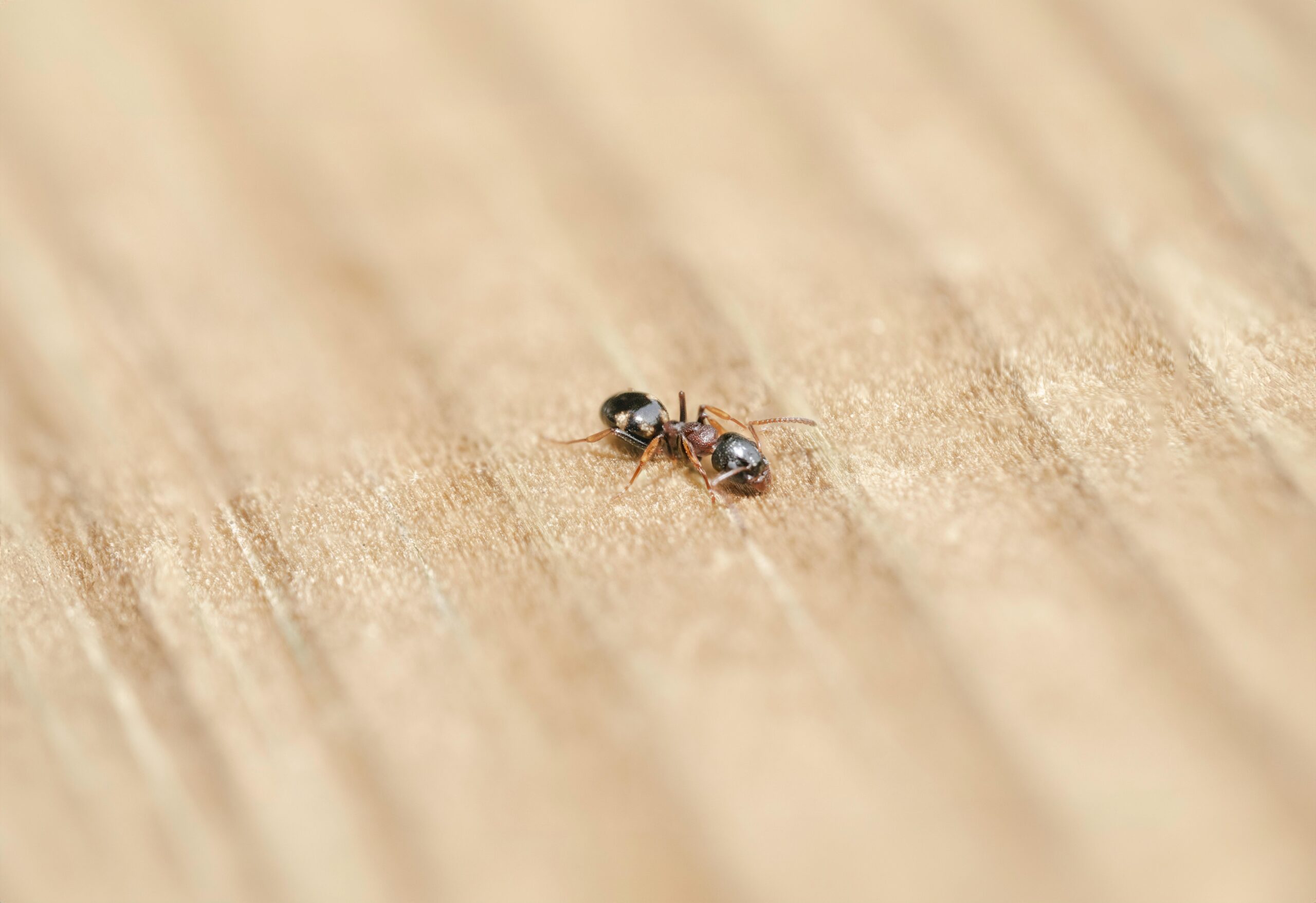
What to look for: Trails of tiny, uniform ants marching between the outdoors and interior spaces, often leaving a faint, sweet scent. Look for small piles of soil near entry points.
Typical hotspots: Kitchen counters, pet food dishes, and cracks around windows or doors. In {{city}}, the most common species are odorous house ants that thrive in warm, humid environments.
USDA insight: {{city}} recorded 2,045 ant complaints in the latest USDA data set. The agency highlights that ant infestations can lead to up to $250 in structural repairs when colonies establish nests within wall voids.
When to Act: Seasonal Pest Peaks in {{city}}

Every pest has a calendar, and knowing that schedule is the fastest way to keep your home pest‑free. In {{city}}, the climate creates distinct windows when termites, mosquitoes, rodents, and other common invaders are most active. By aligning your inspections and treatments with these natural peaks, you can stop problems before they become emergencies, save on costly follow‑ups, and enjoy a more comfortable living space year‑round.
Spring (March – May)
As temperatures climb, many insects emerge from overwintering shelters. Termites begin swarming, while ants and cockroaches increase their foraging activity around outdoor lights. This is also the first wave of mosquitoes, especially species that carry West Nile virus. Homeowners should look for mud tubes on foundations, increased ant trails near doors, and standing water that could become breeding sites. Treating for termites and applying a mosquito barrier in early April gives you a solid defensive line before populations explode.
Summer (June – August)
Summer is the high‑gear season for pests that thrive in heat and humidity. Mosquitoes reach their peak breeding in June through July, making outdoor evenings especially risky. Rodents seek cooler indoor spaces, often entering through gaps around utility lines. Bed bugs can also become more noticeable as people travel more. A targeted mosquito larvicide treatment in May, followed by a repeat in July, cuts the breeding cycle short. Seal entry points and schedule a rodent inspection before the hottest weeks to prevent nesting.
Fall (September – November)
When the heat recedes, pests shift their focus. Termites may launch a secondary swarm in September, while stink bugs and spider mites start seeking shelter inside homes. Rodents intensify their search for warmth, often moving into attics and basements. Conduct a thorough perimeter inspection in early September, treat any exposed termite galleries, and install door sweeps and window screens to keep fall‑seeking insects out. Early fall is also an ideal time to set up perimeter rodent bait stations before they become fully active.
Winter (December – February)
Even in the coldest months, pests don’t completely disappear. Rodents are the most persistent, gnawing through insulation to stay warm. Some cockroach species remain active in heated interiors, especially in kitchens. Bed bugs can continue feeding year‑round, hidden in mattresses and furniture. Winter is the perfect season for a deep‑cleaning inspection: check for gnaw marks, replace damaged weatherstripping, and run a final indoor pesticide treatment to eliminate any hidden cockroach harborage before the spring surge.
According to the CDC’s 2024 mosquito‑borne disease trends, the Midwest, including {{city}}, saw a 12% rise in West Nile virus cases last summer, underscoring the importance of early mosquito control. Treating your yard in May–July, before the first major breeding wave, reduces adult mosquito populations by up to 70% and protects your family from disease exposure.
To stay ahead of the curve, schedule a pre‑season inspection with Anthem Pest Control at the start of each season. Our certified technicians will:
- Identify emerging pest hotspots specific to {{city}}’s microclimate.
- Apply season‑appropriate barriers—termite bait stations in spring, mosquito larvicides in early summer, rodent exclusion in fall, and indoor residual sprays in winter.
- Provide a customized treatment calendar so you know exactly when to expect follow‑up visits.
By matching your pest‑management actions to the natural rhythm of each season, you’ll keep {{city}} homes comfortable, safe, and pest‑free all year long.
Proactive Steps to Keep Pests Out
Living in {{city}} means dealing with a unique mix of insects, rodents, and critters that love the comforts of a well‑maintained home. The good news? Most infestations can be stopped before they start—if you seal the gaps, keep the house clean, and manage the landscape wisely. Below is a data‑driven, DIY checklist you can follow right now, plus neighborhood‑specific tips for Oakwood and Riverdale.
1. Seal Every Possible Entry Point
Research from the University of Illinois shows that sealing foundation cracks can cut rodent entry by up to 80 %. Focus on these high‑risk spots:
- Foundation cracks: Use a polyurethane‑based sealant for gaps larger than ¼ in. For smaller hairline cracks, apply a latex caulk followed by a thin layer of expanding foam.
- Vent screens: Install stainless‑steel mesh (¼‑in × ¼‑in) over attic, dryer, and bathroom vents. Replace any torn screens immediately.
- Pipe and utility penetrations: Wrap around pipes with steel wool, then seal with silicone caulk. For larger openings, use metal flashing.
- Door thresholds: Fit weatherstripping that compresses snugly when the door closes. Check quarterly for wear.
2. Adopt Pest‑Resistant Sanitation Practices
Food and waste are the biggest attractants. The National Pest Management Association reports that homes with proper food storage see 30 % fewer ant sightings. Follow these steps:
- Food storage: Keep all pantry items in airtight containers. Label leftovers and discard them within 48 hours.
- Waste management: Use trash cans with tight‑fitting lids. Empty outdoor bins at least twice a week and keep them at least 3 ft from the house.
- Pet feeding areas: Remove bowls after meals and wash them daily. Store pet food in sealed containers.
- Cleaning routine: Sweep crumbs, mop spills, and vacuum vacuumed corners weekly. Pay special attention to kitchen backsplashes and under appliances.
3. Landscape Management That Denies Pests Access
Exterior upkeep is just as important as indoor hygiene. Studies by the University of Georgia indicate that trimming vegetation within 2 ft of a home reduces termite activity by 45 %. Implement these practices:
- Tree and shrub trimming: Keep branches at least 2 ft away from foundations and rooflines. This eliminates bridges for squirrels, raccoons, and carpenter ants.
- Standing water removal: Empty birdbaths, plant saucers, and clogged gutters weekly. Mosquitoes need just ½ in of water to breed.
- Mulch placement: Spread mulch no closer than 12 in to the house foundation. This reduces moisture buildup that attracts termites and ants.
- Gravel or stone barriers: Install a 3‑in‑wide gravel strip around the perimeter where soil meets the foundation. It discourages burrowing rodents.
4. Neighborhood‑Specific Trimming Recommendations
Oakwood and Riverdale each have distinct foliage patterns that affect pest pressure.
- Oakwood: Mature oak trees often overhang homes. Trim branches to a minimum of 3 ft from the roofline to prevent carpenter ants from using the canopy as a highway.
- Riverdale: The neighborhood’s ornamental shrubs tend to grow densely near sidewalks. Prune them back to 2 ft from the house and keep the base clear of leaf litter to reduce rodent shelter.
Printable DIY Prevention Checklist
Print this list, hang it on your refrigerator, and tick off each task as you complete it. Consistency is the key to a pest‑free home.
- Seal foundation cracks with polyurethane sealant.
- Install stainless‑steel vent screens.
- Wrap pipes with steel wool and seal.
- Apply weatherstripping to all exterior doors.
- Store pantry items in airtight containers.
- Empty trash cans twice weekly and keep lids tight.
- Remove pet bowls after each meal.
- Sweep and mop kitchen floors weekly.
- Trim trees and shrubs to at least 2 ft from foundations.
- Keep mulch ≥12 in from the house.
- Empty standing water containers weekly.
- In Oakwood, trim oak branches to ≥3 ft from roofs.
- In Riverdale, prune shrubs to ≥2 ft from walls.
By following this checklist, you’ll create a hostile environment for pests while keeping your {{city}} home comfortable and safe. If you ever need a professional second opinion, Anthem Pest Control is just a call away at 877‑371‑8196 or visit anthempest.com.
What Works and How Much It Costs
When you’re staring at a line of ants marching across the kitchen counter or hearing the high‑pitched whine of a mosquito at night, you need clear answers fast. Below, we break down the most common treatment methods, what you can realistically expect in terms of effectiveness, and the price ranges you’ll see from reputable providers in {{city}}.
Chemical Barrier Treatments
A chemical barrier creates an invisible shield around your home’s foundation, crawl spaces, and perimeter. It’s the gold standard for termites, ants, and many crawling insects because it stops them before they even reach your structure.
- Termite barrier: $1,200 – $1,800 per treatment.
- General insect barrier (ants, cockroaches, spiders): $900 – $1,400.
These figures reflect the cost of high‑quality, EPA‑approved products applied by licensed technicians. The upfront price may seem steep, but the long‑term protection often saves homeowners from costly structural repairs.
Bait Station Programs
Bait stations work like a “Trojan horse,” luring pests to a concealed food source that contains a slow‑acting insecticide. Rodents, termites, and some ant species respond well to this method.
- Rodent bait stations: $150 – $300 for a full‑property setup.
- Termite bait network: $1,500 – $2,200, depending on property size.
Bait stations require periodic monitoring, usually every 3–6 months, which is factored into the overall service agreement.
Ultrasonic Devices
Ultrasonic repellents emit high‑frequency sound waves that claim to deter pests such as rodents and insects. While they’re inexpensive to purchase, independent studies show mixed results, and they rarely replace a professional treatment.
- Device cost: $50 – $150 per unit.
- Installation/consultation (optional): $75 – $120.
If you choose an ultrasonic device, treat it as a supplemental measure rather than a primary solution.
Eco‑Friendly Alternatives
For homeowners who prioritize safety for children, pets, and the environment, there are several green options. These include botanical sprays, diatomaceous earth applications, and low‑toxicity granules.
- Botanical spray (e.g., pyrethrin‑based): $200 – $350 per visit.
- Diatomaceous earth (whole‑home treatment): $180 – $260.
- Integrated Pest Management (IPM) plans: $400 – $750 annually.
Eco‑friendly methods often require more frequent follow‑ups, but they align with a growing demand for sustainable pest control.
Pricing Benchmarks from the Industry
Our numbers line up with the NPMA 2023 pricing guide, which tracks national averages for common services. By using these benchmarks, we ensure that our quotes are transparent and competitive.
Why Anthem Pest Control Stands Out
Beyond the raw cost, you deserve confidence in the service you’re buying. Anthem backs every treatment with a 30‑day satisfaction guarantee—if pests return within that window, we’ll re‑treat at no extra charge. Our 24/7 support line means you can reach a real technician any time you spot a problem, and all of our technicians hold the state‑required licensing and certifications for the treatments they perform.
Quick Comparison Table
| Method | Effectiveness | Cost Range (USD) |
|---|---|---|
| Chemical Barrier | High – long‑term protection against termites, ants, and crawling insects | $900 – $1,800 |
| Bait Stations | Medium – excellent for rodents and targeted termite colonies | $150 – $2,200 |
| Ultrasonic Devices | Low – supplemental, results vary by species | $50 – $150 (device) + $75 – $120 (consult) |
| Eco‑Friendly Alternatives | Medium – safe for families, may require more frequent visits | $180 – $750 |
Choosing the right approach depends on the pest you’re battling, your budget, and how quickly you need results. A chemical barrier may be the most cost‑effective for long‑term termite control, while an IPM plan offers a balanced, environmentally conscious solution for a variety of household pests.
Whatever you decide, remember that transparent pricing and a solid guarantee are hallmarks of a trustworthy provider. Anthem Pest Control combines industry‑standard rates with a 30‑day guarantee, round‑the‑clock support, and fully licensed technicians—so you can focus on enjoying a pest‑free home rather than worrying about hidden fees or ineffective treatments.
Why Anthem Pest Control Is the Right Choice for {{city}}
Local credentials you can count on
When you call a pest‑control professional, you want to know that the company is fully qualified and uses the safest, most effective tools. Anthem Pest Control meets every standard that matters to homeowners in {{city}}:
- State‑issued licensing: All technicians hold the required state licenses for pesticide application, ensuring compliance with local regulations.
- EPA‑approved products: We only apply treatments that have passed the Environmental Protection Agency’s rigorous safety and efficacy tests.
- Decades of experience: With more than 15 years of service across the United States, our team brings a depth of knowledge that only time can build.
- Transparent pricing: Every quote includes a detailed breakdown so you never face hidden fees.
2023 Oakwood termite eradication – a local success story
Earlier this year, a homeowner in the Oakwood neighborhood of {{city}} discovered extensive termite activity in the foundation walls of a 30‑year‑old ranch home. The damage threatened structural integrity and could have led to costly repairs if left unchecked. Anthem dispatched a senior field specialist within 24 hours, performed a thorough inspection, and designed a customized treatment plan that combined:
- Liquid termiticides applied to the soil perimeter.
- Targeted bait stations placed in high‑risk zones.
- A follow‑up heat‑treatment for interior wood that showed active infestation.
After a three‑month monitoring period, the bait stations recorded zero new termite activity, and the homeowner reported complete peace of mind. The project not only saved an estimated $12,000 in potential repairs but also earned a commendation from the local homeowners’ association for rapid, effective response.
“Anthem’s team showed up the same day we called, explained every step, and got the termites out of our house fast. Their technicians were courteous, answered all our questions, and the results speak for themselves. We finally feel safe in our home again.” – Maria L., Oakwood resident
We’re part of the {{city}} community
Anthem isn’t just a service provider; we’re neighbors. Our local offices employ technicians who grew up in {{city}} and understand the unique pest pressures that come with our climate and building styles. Throughout the year we sponsor the annual Neighborhood Clean‑Up Day, partner with the city’s Tree Preservation Society, and offer free pest‑identification workshops at the community center. These initiatives reinforce our commitment to keeping {{city}} homes healthy, safe, and pest‑free.
Preparing you for the next step
Choosing a pest‑control partner is a big decision, and the evidence speaks loudly: licensed experts, EPA‑approved solutions, proven local results, and a genuine investment in the community. When you’re ready to protect your home, Anthem Pest Control is positioned to deliver the expertise and responsiveness you deserve.
Take Action and Protect Your Home Today
When it comes to protecting your home, timing and vigilance are your best allies. Spotting a pest problem early, acting during the right season, and combining simple preventive steps with professional treatment can keep unwanted guests out for good.
- Early identification: regular inspections catch infestations before they spread.
- Seasonal timing: treat pests when they’re most active for maximum impact.
- Preventive actions: sealing entry points and eliminating food sources reduces future risk.
- Professional treatment: licensed technicians apply safe, EPA‑approved solutions tailored to your home.
Early detection isn’t just about stopping damage—it also saves you money. A small colony of ants discovered in spring can be eradicated with a single treatment, whereas waiting until summer allows the infestation to multiply, leading to costly structural repairs and increased chemical usage.
Our integrated pest management approach blends chemical treatments with physical barriers and ongoing monitoring, ensuring that we address the root cause rather than just the symptoms. This holistic strategy reduces the need for repeat visits and aligns with environmentally responsible practices that many homeowners value.
At Anthem Pest Control, we back every recommendation with a commitment to safety, effectiveness, and affordability. Our technicians use industry‑approved products that protect your family and pets while delivering results you can see.
Affordability doesn’t mean cutting corners. Anthem offers transparent, upfront pricing so you know exactly what you’re paying for—no hidden fees, no surprise add‑ons. We work with most major insurance providers and can tailor payment plans to fit any budget, ensuring protection is never out of reach.
That’s why we offer a complimentary home inspection—no obligation, just a clear picture of what’s happening inside your walls, crawl spaces, and yard. Our experts will walk you through a customized plan, outlining exactly which steps will keep your home pest‑free.
Imagine coming home after a long day knowing that the walls, attic, and garden are protected by a proven, professional solution. That peace of mind is priceless, and it’s exactly what Anthem delivers with every service call.
Ready to take the next step? Call us today at 877‑371‑8196 or visit our website to schedule your free inspection. Our friendly team is standing by to answer questions and set up a time that fits your schedule.
Visit Anthem Pest Control to learn more and request your free quote.