The High Cost of Pest Damage and Why Early Action Matters
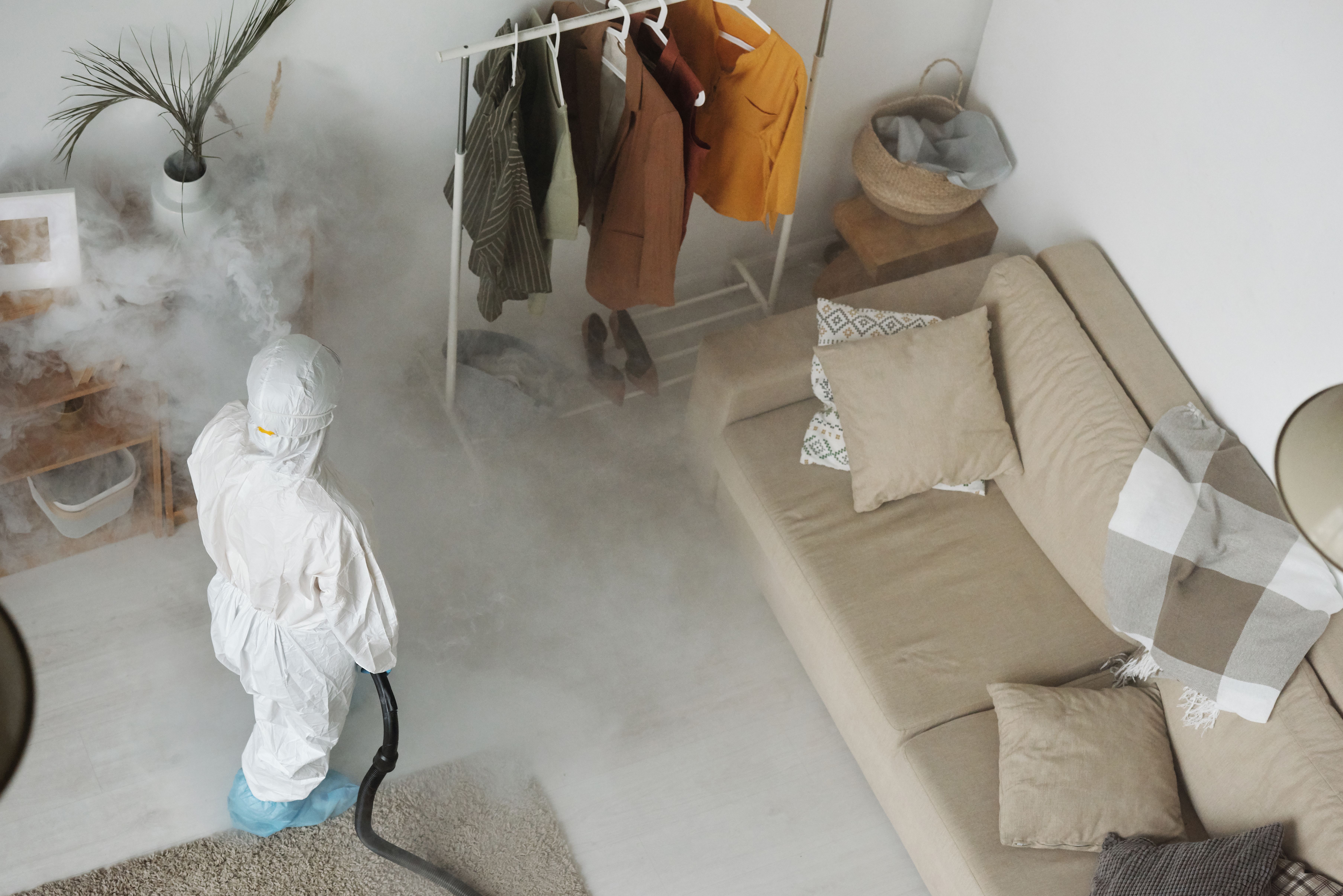
According to the EPA, pests cause $5 billion in property damage annually in the U.S. That number isn’t just a headline—it translates into cracked foundations, ruined drywall, and costly repairs that most homeowners never budget for.
When insects or rodents infiltrate a home, they don’t stop at chewing wood. Termites weaken structural beams, rodents gnaw electrical wiring, and cockroaches leave droppings that compromise indoor air quality. Food‑borne pests such as ants and pantry moths jeopardize food safety, turning a pantry into a health hazard.
Early detection flips the script. Spotting a few tell‑tale signs—tiny mud tubes, droppings, or unusual noises—allows you to intervene before an infestation spreads. Preventive measures like barrier treatments or regular inspections can save homeowners up to 70 % of the repair costs that would otherwise be required after extensive damage.
That’s where Anthem Pest Control steps in. Our mission is simple: deliver safe, data‑driven pest solutions backed by local technicians who know the quirks of every neighborhood. We combine cutting‑edge monitoring technology with proven treatment protocols, ensuring you get the right solution at the right time.
Transparency is built into everything we do. Our pricing is clear, with no hidden fees, and you can call us any hour—day or night—thanks to our 24/7 emergency service. Whether it’s a sudden rodent sighting or a slow‑building termite problem, we’re ready to respond quickly and efficiently.
Understanding the true cost of pest damage makes early action a no‑brainer. In the next section, we’ll walk you through the most common household pests, how to spot them, and why catching them early is the smartest investment you can make for your home’s safety and your family’s health.
Know Your Enemy – Common Household Pests and How to Spot Them

Identifying a pest before it multiplies saves you time, money, and stress. Below you’ll find the most common invaders in U.S. homes, their size ranges, favorite hide‑outs, and the unmistakable clues they leave behind.
Ants
Most household ants measure between 2 mm and 10 mm. They thrive in kitchens, pantry shelves, and any damp woodwork. Look for thin, irregular trails of tiny black specks (ant droppings) and, for carpenter ants specifically, fine sawdust‑like frass near wooden frames.
Carpenter ants are often found near damp wood, leaving frass trails.
Cockroaches
Adult German cockroaches are about 12 mm long, while American cockroaches can reach 30 mm. They favor warm, moist areas such as basements, bathrooms, and behind appliances. Spotting greasy smears, egg casings, or a faint, musty odor signals a growing infestation.
Rodents
House mice range from 6 mm to 10 mm in body length; Norway rats can exceed 20 mm. They nest in walls, attics, and stored‑food areas. Fresh dropples (dark, rice‑shaped), gnawed wires, and faint squeaking are classic tell‑tale signs.
Termites
Subterranean termites are tiny—3 mm to 10 mm—yet cause massive damage. They hide in moist wood, crawl spaces, and foundations. Look for mud‑tube pathways on exterior walls, hollow‑sounding wood, and tiny pellets (frass) near baseboards.
Mosquitoes
Adult mosquitoes measure roughly 3 mm to 6 mm. They breed in standing water, from birdbaths to clogged gutters. A sudden increase in biting activity, especially at dawn or dusk, and tiny, dark specks on walls indicate they’re nesting nearby.
Flies
House flies are about 6 mm to 8 mm, while fruit flies are smaller at 2 mm to 4 mm. They congregate near food waste, garbage cans, and overripe fruit. Persistent buzzing, tiny black spots on surfaces, and a noticeable foul odor point to a fly problem.
Quick‑Reference Table
| Pest | Typical Entry Points | Primary Health Risks |
|---|---|---|
| Ants | Cracks in foundation, gaps around windows, damp wood | Food contamination, allergic reactions |
| Cockroaches | Utility openings, plumbing gaps, vent grills | Asthma triggers, bacterial pathogens |
| Rodents | Open doors, vent shafts, pipe penetrations | Hantavirus, salmonella, property damage |
| Termites | Foundation cracks, wood‑to‑soil contact, crawl‑space vents | Structural damage, costly repairs |
| Mosquitoes | Open screens, uncovered containers, eaves | West Nile virus, Zika, other mosquito‑borne diseases |
| Flies | Unscreened doors, trash openings, pet doors | Foodborne illness, eye irritation |
All size and behavior details are drawn from EPA fact sheets on pest management. For deeper species‑specific guidance, visit the EPA – Pest Management resource.
Seasonal Peaks – When Pests Are Most Active
Understanding when pests are most active lets you plan inspections before an infestation takes hold. In the United States, climate drives the timing of termite swarms, mosquito breeding, rodent nesting, and many other nuisances. Below is a quick regional calendar that separates the South and the Midwest into the four classic seasons, giving you a clear “when‑to‑look” guide for each major pest group.

Spring: Termite Swarms and Early Mosquito Activity
- South – Soil temperatures rise above 55 °F in March, triggering a surge of subterranean termite swarms. Look for winged termites near foundations and on sunny walls.
- Midwest – Swarms typically appear in late April to early May as the ground thaws. Early detection is critical because colonies can expand rapidly before summer.
Both regions also see the first wave of mosquito breeding. While numbers are modest, this is the optimal time to start eliminating standing water and applying barrier treatments.
Summer: Mosquito‑Borne Disease Spike
- South – Warm, humid conditions from June through August create perfect breeding grounds. According to the CDC’s vector‑borne disease data, the South reports the highest incidence of West Nile virus and other mosquito‑transmitted illnesses during this period.
- Midwest – Mosquito populations peak in July. Lakes and irrigation ditches become hotspots, so barrier sprays and regular yard maintenance are essential.
Fall: Rodent Ingress and Ant Foraging
- South – Cooler nights prompt rodents to seek shelter in homes. Inspect crawl spaces and attics before temperatures dip below 60 °F.
- Midwest – Ant species, especially carpenter ants, increase foraging as they prepare for winter colonies. Seal cracks and clear wood debris in September.
Winter: Dormant Pests and Hidden Threats
- South – Many insects remain active year‑round, but termites often retreat deeper into the soil, making surface inspections less reliable.
- Midwest – Rodents are the primary concern; they nest inside walls and basements. A January‑February inspection can catch early signs of gnawing or droppings.
Printable Calendar Snapshot
Think of the calendar as a simple checklist: March–April – schedule a professional termite inspection; May – apply a mosquito barrier; June–July – conduct weekly standing‑water checks; September – seal entry points for ants and rodents; January–February – perform a winter rodent audit. The graphic is designed for easy printing and hanging on the refrigerator.
NPMA’s 2024 seasonal activity charts reinforce these timelines, showing peak activity windows that align with our regional breakdown. Use the calendar as a cue for the DIY steps outlined in the next section—such as trimming vegetation, installing door sweeps, and setting up bait stations—so you stay ahead of pests before they become a problem.
Proactive Protection – DIY Prevention Steps for Homeowners
Before you pick up the phone to schedule a professional visit, there are several low‑cost, high‑impact actions you can take around the house. These DIY steps target the most common entry routes and conditions that invite rodents, insects, and other pests. By tightening up the building envelope, managing waste, and controlling moisture, you create an environment that’s far less attractive to unwanted guests.
Seal Entry Points
Most pests slip inside through tiny gaps around doors, windows, and utility openings. Start by installing weather‑stripping on exterior doors; a standard 1‑inch strip costs between $15 and $30 per door and can be applied in minutes with a utility knife. Next, caulk cracks around baseboards, foundation walls, and pipe penetrations—most caulk tubes run $5–$15 and a single tube will cover several linear feet. Finally, attach door sweeps to the bottom of exterior doors; these inexpensive $10–$25 accessories block rodents and insects while still allowing the door to close smoothly. An EPA 2023 study reported an 80 % reduction in rodent entry when these three measures were combined.
Manage Waste
Food residues and standing water are a magnet for ants, cockroaches, and flies. Secure trash cans with tight‑fitting lids—budget models are available for $10–$30 per unit. Eliminate any sources of standing water by fixing leaky hoses or installing a simple drainage channel; DIY solutions range from free (re‑grading the ground) to $50 for a basic French drain kit. Compost should be kept in a sealed bin away from the house; a sturdy compost tumbler costs roughly $0–$20 if you repurpose an existing container.
Control Moisture
Moisture not only attracts pests but also creates conditions for mold and wood‑decay insects. Inspect all plumbing fixtures for drips and repair them promptly; a simple pipe‑repair clamp is often under $5, while larger pipe replacements may run up to $200. In basements and crawl spaces, run a dehumidifier set to 45–55 % relative humidity—portable units are priced between $50 and $150. Keep gutters clear of leaves and debris so water is directed away from the foundation; a basic gutter cleaning kit costs $0–$100 depending on the tools you already own.
Landscaping Tips
Vegetation that brushes against the house provides a bridge for pests. Trim shrubs, vines, and tree branches at least 18 inches from the foundation and keep lawn grass mowed short. When possible, replace soil directly against the foundation with a 3‑inch layer of gravel; gravel barriers typically cost $30–$100 per linear foot and improve drainage while deterring crawling insects.
DIY Fix Cost Summary
Below is a quick reference table that consolidates the typical price ranges for each preventive measure, based on HomeAdvisor estimates.
| DIY Fix | Typical Cost Range | Key Notes | ||||||
|---|---|---|---|---|---|---|---|---|
| Weather‑stripping doors | $15–$30 per door | Self‑adhesive foam or rubber | ||||||
| Caulking cracks | $5–$15 per tube | Silicone or acrylic; replace every 5‑7 years | ||||||
| Door sweeps | $10–$25 each | Metal or brush style | ||||||
| Secure trash cans | $10–$30 each | Lids with latch mechanism | ||||||
| Standing‑water mitigation | Free–$50 | Re‑grade, install simple drain kit | ||||||
| Compost bin | $0–$20 | Repurpose container or buy small tumbler | ||||||
Leak repairs
Effective Treatments and Transparent PricingTreatment Modalities You’ll EncounterProfessional pest control isn’t a one‑size‑fits‑all service. The most common approaches include a chemical barrier that creates a protective wall around your home, baiting systems that lure pests to a poisoned source, and strategically placed traps for immediate removal. For long‑term resilience, many providers adopt an Integrated Pest Management (IPM) plan that blends monitoring, habitat modification, and targeted treatments to keep pests below damaging levels. Each modality serves a specific purpose. A chemical barrier works best for termites and ants that travel along foundations, while baiting excels against roving ants and cockroaches. Traps are ideal for rodents and occasional stinging insects, and IPM provides a holistic framework that reduces reliance on chemicals over time. 2024 National Price Ranges (NPMA Data)
Anthem Pest’s Transparent Pricing ModelAt Anthem Pest, we keep the math simple. Every homeowner receives a flat‑rate inspection fee—no surprise mileage or hourly charges. Once the inspection is complete, you’ll see a clear, itemized quote that includes only the services you need. Our “no‑hidden‑fee guarantee” means the price you approve is the price you pay, eliminating the dreaded “extra charge” email after work is done. This transparency isn’t just a marketing gimmick; it reflects our confidence in delivering value. By standardizing fees across regions, we can focus on the science of pest control rather than the art of upselling. Case Study: Austin, TX Homeowner Saves $500When Maria from Austin scheduled her early‑spring inspection, the technician identified early signs of subterranean termite activity. Anthem Pest recommended a full‑perimeter chemical barrier—a treatment that typically costs $2,200 in Texas. Because the infestation was caught before any damage, the barrier was applied during the inspection visit, avoiding the need for expensive structural repairs later. Maria’s total out‑of‑pocket expense was $1,700, thanks to a seasonal discount and the flat‑rate inspection credit. Had she waited until visible damage appeared, a professional repair could have easily exceeded $2,200, meaning she saved roughly $500 by acting early. Why Early Treatment Beats Costly RepairsPests like termites, carpenter ants, and rodents can silently compromise wood, insulation, and even electrical wiring. The cost of fixing a compromised joist or rewiring a wall often dwarfs the price of a preventive barrier. By treating early, you lock in a predictable expense and protect the structural integrity of your home. Early interventions also reduce the need for repeated visits. A single, well‑placed barrier or baiting system can keep a pest population under control for months, whereas a delayed response may require multiple follow‑ups, each adding labor and product costs. EPA‑Approved Products for Safety and EfficacyAll Anthem Pest treatments are formulated with EPA‑approved active ingredients. These products have undergone rigorous testing for human health and environmental impact, ensuring they’re safe for families, pets, and beneficial insects when applied by our certified technicians. Our commitment to approved solutions means you get the strongest protection without compromising safety. Frequently Asked Questions About Home Pest ControlHow often should I schedule a professional inspection?Homeowners should arrange at least one thorough inspection each year. In regions with higher pest pressure—such as the Southern United States—semi‑annual visits are advisable, especially after major seasonal shifts like spring emergence or fall cooling. Commercial properties or homes with a history of infestations may benefit from quarterly checks. Regular inspections let technicians spot early activity, verify existing barriers, and adjust treatment plans before an infestation takes hold. The EPA recommends routine monitoring for homes in high‑risk zones to keep pesticide use both effective and minimal, and to align with Integrated Pest Management best practices. Are the chemicals safe for children and pets?Anthem Pest Control relies exclusively on EPA‑approved, low‑toxicity formulations. These products are designed to target pests while posing minimal risk to humans and animals when applied correctly. They leave low residue and break down quickly under normal household conditions. Always follow label directions: keep children and pets away from treated areas until the product has dried, ensure proper ventilation during and after application, and store any leftover material out of reach. By adhering to EPA safety guidelines and our own strict application protocols, we maintain a protective environment for your family. What is the warranty on termite treatments?Our standard termite barrier installation comes with a five‑year warranty. This coverage includes the integrity of the chemical barrier and annual monitoring visits to confirm that the line remains uninterrupted. The warranty also provides a written service agreement that outlines re‑treatment procedures at no additional cost if a breach is detected during the covered period. Annual monitoring includes moisture assessments and visual inspections, giving homeowners peace of mind for half a decade. Protect Your Home Today – Free Assessment and Next StepsThroughout this guide we’ve stressed the importance of catching pests early, respecting seasonal activity peaks, and using simple DIY steps—like sealing entry points and removing food sources—to keep infestations at bay. When the problem outgrows your DIY toolbox, choosing a professional treatment with transparent, upfront pricing ensures you get the right solution without hidden fees.
Proactive pest control isn’t just about avoiding an itchy bite or a gnawing sound—it can save homeowners millions in structural damage and protect family health from allergens, disease vectors, and stress. A small, regular investment now prevents costly emergency repairs and the health risks that come with unchecked infestations. Think of it as insurance: a brief inspection and treatment can stop termites before they eat through your foundation, stop rodents before they chew wiring, and keep mosquitoes from turning your porch into a bite zone. The savings from avoiding repairs, replacements, and medical bills quickly outweigh the modest annual service fee. Ready for peace of mind? Call 877‑371‑8196 for a free home assessment or visit our website to schedule your service. Visit Anthem Pest Control today and take the first step toward a pest‑free home. Related articles Emergency Spider Control in Brookhaven, Georgia: What to Do Right NowA fast‑acting, homeowner‑focused guide on identifying, handling, and preventing spider emergencies in Brookhaven, GA, with clear steps, pricing details, and trusted local solutions from Anthem Pest.  Top-Rated Ant Control in Brookhaven, Georgia: Cost, Treatment & TipsDiscover Brookhaven’s best ant control options, detailed pricing, proven treatment methods, and expert prevention tips to keep your home ant‑free year round.  Fast Stink Bug Exterminator in Vinings, GA: Quick Relief for Your HomeDiscover rapid, reliable stink bug removal for Vinings homeowners. Learn how Anthem Pest’s expert treatment, local insights, and transparent pricing deliver quick relief and lasting protection.  Fast Fruit Fly Exterminator in Peachtree City, GA: Quick Relief for Your HomeDiscover fast, reliable fruit fly extermination in Peachtree City, GA, with proven strategies, local service options, and cost‑transparent plans that protect your home year‑round.  Top-Rated Silverfish Control in Decatur, Georgia: Cost, Treatment & TipsDiscover expert silverfish control in Decatur, GA—learn identification, treatment costs, proven methods, and actionable prevention tips from local specialists at Anthem Pest.  Find a Carpet Beetle Exterminator Near You in Dunwoody, GA: Local GuideA comprehensive guide for Dunwoody homeowners on identifying carpet beetles, preventing infestations, and hiring a trusted local exterminator with transparent pricing and proven results. 
trust the top google rated pest company in georgia!
Get a Free Quote for Pest, Mosquito & Termite ControlAnthem Pest experts are trained to identify and treat all types of pest issues. Since every home is unique, we customize a treatment plan tailored specifically to your property and needs.
trust the top google rated pest company in georgia!
Get a Free Quote for Pest, Mosquito & Termite Control Today!Anthem Pest experts are trained to identify and treat all types of pest issues. Since every home is unique, we customize a treatment plan tailored specifically to your property and needs.   Duluth Office
3305 Breckenridge Blvd
Ste 130 Duluth, GA 30096 |