Why Pest Control Matters for Every Homeowner

When you’re juggling mortgage payments, kids’ activities, and weekend projects, the last thing you want is a silent invader chewing through your walls or spreading germs. That’s why proactive pest control isn’t a luxury—it’s a safeguard for your wallet, your health, and your peace of mind.
Hidden costs you don’t see coming
Most homeowners think pest control is just a line‑item on a monthly budget. In reality, infestations can trigger a cascade of hidden expenses:
- Structural damage: Termites, carpenter ants, and rodents gnaw at wood, insulation, and wiring, leading to costly repairs.
- Higher utility bills: Blocked vents or damaged ducts from insects and rodents force HVAC systems to work harder, inflating energy consumption.
- Lost inventory: A pantry overrun by cockroaches or pantry moths can spoil food, forcing you to replace groceries.
Health risks that bite back
Beyond the financial hit, pests are vectors for real health concerns. Allergies flare up from cockroach droppings, while mosquitoes and ticks transmit West Nile virus, Lyme disease, and other illnesses. Rodent urine can trigger hantavirus, and bed bugs cause itchy, sleepless nights that affect mental‑well‑being.
The stress of spotting droppings or hearing rodents at night can erode your sense of safety. Regular inspections give you confidence, letting you focus on family activities rather than pest worries.
The numbers speak for themselves
According to the National Pest Management Association, U.S. households collectively spend over $5 billion on pest control services each year—a clear indicator that families recognize the cost of inaction (2024).
How Anthem Pest Control helps
Anthem Pest Control partners with homeowners to eliminate these hidden threats before they become emergencies. Our licensed technicians conduct thorough inspections, identify the species responsible, and apply safe, targeted treatments that protect your home’s structure and your family’s health—all with transparent pricing you can trust.
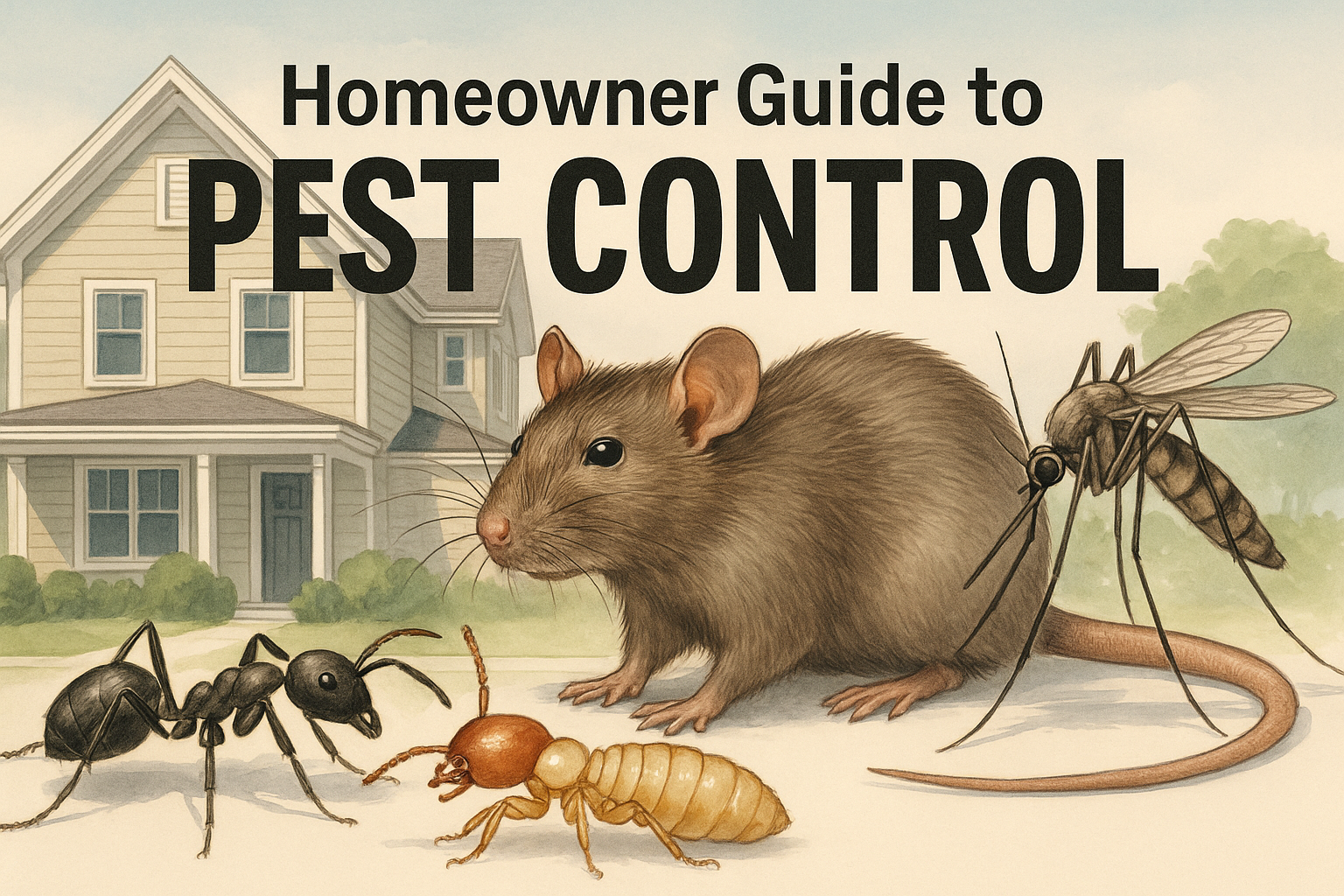
The Usual Suspects: Ants, Termites, Rodents, Mosquitoes, and Cockroaches
Ants
Biology: Ants are eusocial insects with a queen, workers, and soldiers, capable of building colonies that can stretch over several acres.
Why they target homes: They scout for sugary foods, protein leftovers, and moisture‑rich cracks that provide easy entry points to kitchens and pantries.
Seasonal activity peaks: In the Northeast and Midwest, foraging intensifies in late spring (May‑June) as colonies expand. In the Southeast (EPA Zone 3), ants remain active year‑round, with a noticeable surge after summer rains.
Termites
Biology: Subterranean termites are wood‑eating insects that live in colonies underground, sending out mud‑tunnel “highways” to locate cellulose sources.
Why they target homes: They’re attracted to moist, untreated wood, foundation cracks, and any water intrusion that softens structural timber.
Seasonal activity peaks: The Pacific Northwest (EPA Zone 1) sees peak swarming in early summer (June‑July), while the Gulf Coast (EPA Zone 4) experiences continuous activity with a peak in late summer after high humidity.
Rodents
Biology: House mice and Norway rats are mammals with keen hearing and rapid reproductive cycles, allowing populations to explode quickly.
Why they target homes: They seek shelter in wall voids, attics, and basements, and they’re drawn to stored grains, pet food, and any accessible water source.
Seasonal activity peaks: In the Midwest (EPA Zone 2), rodent activity climbs in fall as they seek indoor warmth. The Southwest (EPA Zone 5) sees a spike in winter when outdoor food becomes scarce.
Mosquitoes
Biology: Mosquitoes are flying insects whose larvae develop in standing water; adult females require blood meals to produce eggs.
Why they target homes: They locate stagnant water in gutters, birdbaths, or clogged drains, and they are attracted to carbon dioxide and body heat from indoor occupants.
Seasonal activity peaks: The Southeast (EPA Zone 3) endures a long season from early spring through fall, with a peak in July‑August after heavy rain. In the Northeast (EPA Zone 2), activity peaks in midsummer (June‑July) when temperatures consistently exceed 70°F.
Cockroaches
Biology: Cockroaches are hardy, nocturnal insects that can survive weeks without food and reproduce rapidly in warm, humid environments.
Why they target homes: They thrive in kitchens, bathrooms, and basements where food crumbs, grease, and moisture are plentiful.
Seasonal activity peaks: In the Southwest (EPA Zone 5), populations rise sharply during the hot summer months (July‑September). The Pacific Northwest (EPA Zone 1) experiences a modest increase in late summer when humidity spikes.
Knowing each pest’s biology, motivations, and regional seasonal peaks lets homeowners time inspections and treatments for maximum effectiveness, aligning with the 2024 EPA regional pest‑risk maps.
Spotting Ant Activity Early
Ants are masters of stealth, and a tiny breadcrumb of activity can blossom into a costly infestation if you miss the warning signs. Recognizing the early signs lets you act before colonies establish nests inside walls or cabinets.

What an ant trail looks like
Foraging ants leave a thin, often glossy line of pheromone that other workers follow like a highway. The trail may appear as a faint dusting of tiny footprints or a faint sheen on smooth surfaces such as countertops, baseboards, or windowsills. Trails are most active at night, so a quick flashlight sweep can reveal hidden traffic.
Common culprits in Colorado homes
Two species show up most often in the Denver metro area. Carpenter ants (Camponotus spp.) are larger, black or reddish, and prefer moist wood for nesting. Odorous house ants (Tapinoma sessile) are smaller, dark brown, and emit a faint rotten‑egg smell when crushed. Both species create conspicuous foraging lines when food sources are nearby.
Real‑world example: Cherry Creek kitchen
Last summer a homeowner in Cherry Creek reported a faint line of activity along the edge of their granite countertop. The ants were traveling from a tiny gap behind the sink to a sugary spill near the coffee maker. Within days the trail thickened, and a few workers were spotted inside a wall cavity, indicating a budding colony.
DIY verification: the 10% sugar‑water test
Mix one part granulated sugar with nine parts water, stir until dissolved, and place a shallow dish near the suspected trail. If ants are actively foraging, they’ll be drawn to the solution within 15‑30 minutes. A steady stream of ants confirms an active infestation and helps you pinpoint the entry point.
Quick prevention steps
Keep all food surfaces spotless—wipe crumbs, mop spills, and store sugary items in sealed containers. Seal exterior cracks and interior gaps with silicone caulk, paying special attention to baseboards, window frames, and the area around utility penetrations. A clean, sealed environment removes the attractant and the gateway, making early detection far easier.
Termite Warning Signs You Can’t Ignore
Drywood vs. Subterranean: What’s the Difference?
Drywood termites live entirely inside the wood they consume, creating galleries that can be several inches deep before the colony moves on. Their life cycle is compact—egg, nymph, and adult all develop within the same piece of timber, so you’ll often see isolated damage without any soil contact. Subterranean termites, on the other hand, build their nests in the soil and send foraging workers up through mud tubes to reach wood structures. Their colonies can number in the millions, and damage spreads quickly along foundations, crawl spaces, and any wood that touches the ground.
Key Damage Patterns to Spot
Mud tubes are the hallmark of subterranean activity. These pencil‑thin, mud‑lined pathways may appear on exterior walls, concrete footings, or even the underside of siding. Follow a tube and you’ll likely find the source colony hidden in the soil.
Wood hollowing is common to both species, but the look differs. Drywood termites leave smooth, clean tunnels that can be as large as a pencil, often leaving a thin veneer of wood intact. Subterranean termites produce more irregular, ragged galleries, and you may notice sagging or buckling in floor joists where moisture has accumulated.
Visible frass (termite droppings) is another giveaway. Drywood termites eject dry, pellet‑shaped frass that resembles tiny sawdust nuggets, usually collecting near exit holes. Subterranean termites produce a wetter, sand‑like frass that may be found near mud tubes or in crawl‑space corners.
Statistic: “Termites cause $5 billion in property damage each year in the U.S.” (2024 EPA report).
Local Example: Lakewood, CO
In Lakewood, Colorado, homeowners frequently report subterranean termite infestations in homes built before 1990. The high water table and expansive clay soils create ideal conditions for colonies to thrive beneath foundations. Residents who ignored the first signs—tiny mud tubes along the foundation and occasional wood shrinkage—found extensive damage to their crawl spaces and basement walls within a single summer.
Quick Inspection Checklist for Homeowners
Use this short list during a routine walk‑through to catch an invasion early:
- Look for mud tubes on exterior walls, foundations, and concrete slabs.
- Inspect wooden beams, door frames, and window sills for smooth, pencil‑wide galleries.
- Search for dry, pellet‑shaped frass near any wood exit holes.
- Check for sagging or warped flooring, especially in areas above crawl spaces.
- Feel for hollow sound when tapping wood; a dull thud can indicate internal damage.
- Examine the perimeter for signs of dampness or water pooling that may attract subterranean colonies.
- Open attic doors and look for discarded wings from swarmers—an early sign of a drywood colony.
- If any of these signs appear, contact a professional pest service like Anthem Pest Control at 877‑371‑8196 for a thorough inspection.
When Rats and Mice Move In
Spotting the Tell‑Tale Signs
Rodents are masters of stealth, but they leave a breadcrumb trail you can follow. Look for dark, pellet‑shaped droppings near food sources, along baseboards, or in hidden corners. Gnaw marks on wood, plastic, or wiring signal their constant need to chew. A nest of shredded paper, fabric, or insulation is another red flag, especially under appliances or in attic corners. Finally, listen for scurrying or scratching noises after dark—most rodents are strictly nocturnal.
Common Entry Points – A Real‑World Example
In Arlington, VA, we frequently find homeowners surprised by a sudden infestation that originated at the basement ventilation system. Small gaps around vent covers, utility penetrations, and crawl‑space doors provide perfect entryways. In one recent case, a ¼‑inch crack beside a basement vent allowed a family of house mice to slip inside, quickly establishing a hidden nest behind the furnace. Identifying these exact locations early can stop the invasion before it spreads to living spaces.
Seal the Deal: Simple Prevention Steps
Once you’ve pinpointed likely entry spots, seal them with steel‑wool, caulk, or copper mesh—materials rodents can’t chew through. Install door sweeps on all exterior doors and repair any damaged weather‑stripping. Keep garbage in sealed containers and remove food waste promptly; rodents are drawn to easy meals. Finally, maintain a tidy yard by trimming vegetation away from the foundation, eliminating bridge routes that rodents love to travel.
Visual Guide to Typical Entry Locations

What Pests to Expect Each Season
Mapping these patterns onto a simple calendar helps you stay one step ahead. Mark the months when each pest is most active, then schedule inspections or treatments before they become a problem. A quick glance at your wall calendar can remind you to clear standing water in May, seal cracks in September, and call a professional before the first frost.
Spring – Ants and Termites
When the soil thaws and temperatures climb above 60°F, ant colonies awaken and termites begin their foraging missions. Warmth accelerates their metabolism, prompting workers to scout for food and mates. Homeowners often notice marching lines of ants along foundations or damp basements, while subtle wood damage signals termite activity. Early spring inspections let you catch these invaders before they establish a foothold.
Summer – Mosquitoes and Flies
Hot, humid days create perfect breeding grounds for mosquitoes and flies. Stagnant water in birdbaths, clogged gutters, or forgotten pool covers becomes a nursery where mosquito larvae thrive. Flies are drawn to exposed garbage and pet waste, multiplying quickly in the heat. Reduce standing water, keep trash sealed, and consider perimeter fogging to keep these summer nuisances at bay.
Fall – Rodents Seeking Shelter
As daylight fades, rodents start scouting for warm shelter inside homes. Mice and rats can squeeze through openings as small as a dime, so gaps around utility lines, foundation cracks, and attic vents become invitation letters. In the fall you’ll hear scratching in walls or find gnaw marks on stored food. Sealing exterior gaps and trimming back vegetation removes easy entry points and forces critters to look elsewhere.
Winter – Indoor Cockroach Activity
Cold weather drives cockroaches indoors, where they seek moisture from leaky pipes, under‑sink cabinets, and damp basements. Even a slow drip can sustain a hidden infestation throughout winter months. Look for droppings, a faint oily sheen, or a musty odor as warning signs. Fixing leaks, using dehumidifiers, and scheduling a professional inspection can keep these resilient pests from turning your home into their winter hideout.
Proactive Steps to Keep Pests Out
Keeping unwanted visitors out of your home starts with a few simple habits that most homeowners can adopt today. Below is a practical checklist you can follow each season to seal entry points, eliminate food sources, and manage moisture—three factors that attract insects, rodents, and other pests.
1. Seal Cracks and Gaps
- Inspect the foundation, windows, and exterior walls for any cracks larger than a quarter‑inch. Use a high‑quality caulk or expanding foam to fill gaps.
- Install door sweeps on all exterior doors, especially garage and back‑yard doors, to block the tiniest openings.
- Check utility penetrations (pipes, wires, vents) and apply sealant around them.
Effective Treatments and What They Cost
When a pest problem strikes, knowing how a treatment works and what it will cost helps you make a confident decision. Below is a quick guide to the most common methods Anthem Pest uses, plus transparent pricing ranges you can expect.
Baiting (Ants)
Ant baiting relies on a slow‑acting poison mixed into a food attractant. Workers locate the bait, carry it back to the colony, and share it with the queen and other ants. Because the poison spreads internally, a single application can eliminate an entire nest over several days. Anthem Pest typically places bait stations along ant highways and near entry points, then monitors them for two weeks to ensure the colony is fully suppressed.
Barrier Sprays (Mosquitoes, Roaches)
Barrier sprays create an invisible, residual wall that kills insects on contact. For mosquitoes, technicians apply a low‑toxicity pyrethroid around yard perimeters, deck railings, and shaded areas where adults rest. For roaches, a concentrated spray targets cracks, baseboards, and under‑sink spaces. One treatment usually covers 1,500 – 2,000 sq ft and remains effective for 30‑45 days, after which a re‑application may be recommended during peak season.
Structural Fumigation (Severe Infestations)
When an infestation overwhelms conventional methods—such as a massive termite colony or a cockroach outbreak in a multi‑unit building—structural fumigation becomes necessary. Technicians seal the entire structure, introduce a gas (often sulfuryl fluoride) that penetrates wood, walls, and hidden voids, and maintain a safe exposure period. After thorough aeration and clearance testing, the home is declared safe. This process follows strict OSHA and EPA protocols, and only certified fumigation crews perform it.
Eco‑Friendly Options
Homeowners increasingly seek low‑impact solutions. Anthem Pest offers botanical sprays derived from neem, rosemary, or citrus oils that disrupt pest feeding without lingering residues. Low‑toxicity baits use food‑grade diatomaceous earth or boric acid, which are safe around children and pets when placed correctly. While eco‑options may require slightly more frequent applications, they provide peace of mind for families prioritizing environmental stewardship.
Pricing Snapshot
Anthem Pest believes in clear, upfront pricing. Below are typical cost ranges for the most requested services:
| Treatment | Cost Range |
|---|---|
| Ant baiting | $80 – $120 |
| Termite barrier | $1,200 – $2,500 |
| Rodent exclusion | $150 – $300 |
What Influences the Bottom Line?
Several factors can shift the final invoice:
- Square footage: Larger homes require more product and longer labor times, especially for barrier sprays.
- Infestation severity: A light ant trail may need a single bait station, whereas a deep‑rooted termite colony demands extensive trenching and barrier installation.
- Seasonal discounts: Anthem Pest often runs promotions in early spring or late fall when demand dips, offering 10‑15 % off standard rates.
- Access difficulty: Tight crawl spaces, multi‑story decks, or historic homes may add travel or setup fees.
By understanding each method and its associated price range, you can weigh effectiveness against budget and choose the solution that best protects your home.
Why Anthem Pest Control Is Your Best Choice
When you’re dealing with unwanted guests in your home, you need a partner that combines expertise, reliability, and peace of mind. Anthem Pest Control delivers all three, backed by a track record that homeowners across the country trust.
Credentials You Can Count On
- Licensed technicians: Every field professional holds the state‑required licenses and ongoing training to stay ahead of emerging pest threats.
- EPA‑approved products: We use only solutions vetted by the Environmental Protection Agency, ensuring effective control while protecting your family and pets.
- 24/7 emergency service: Pests don’t keep office hours, and neither do we. Call anytime, day or night, for rapid response.
Our success isn’t just a claim—it’s visible in the neighborhoods we serve. From the high‑altitude homes of Denver to the suburban streets of Lakewood**, from the upscale enclaves of Buckhead to the desert‑side residences of Scottsdale**, homeowners consistently report lower pest activity and faster resolution after choosing Anthem.
“[Homeowner testimonial goes here – a brief, genuine statement about how Anthem solved a pest problem quickly and professionally.]”
Ready to see the difference for yourself? We offer a free, no‑obligation inspection to assess your home’s unique needs. Call us today at 877‑371‑8196 and let a certified Anthem technician put your pest worries to rest.
FAQ – Quick Answers for Homeowners
Do I need a yearly plan?
Yes. A yearly plan gives continuous monitoring and proactive treatments that keep pests from returning. Regular inspections let Anthem Pest spot early activity, apply preventive barriers, and adjust strategies before an infestation takes hold. This saves time, reduces emergency visits, and often lowers overall costs versus one‑time fixes.
Are treatments safe for pets?
All of our products are EPA‑approved and selected for low toxicity. We use pet‑friendly formulations and follow strict safety guidelines. In most cases pets can return to treated areas within a few hours after the spray dries. Non‑chemical options are also available if you prefer a completely chemical‑free approach.
How quickly can I see results?
Results depend on the pest. Cockroaches and ants usually drop within 24‑48 hours. Rodents may need a week as traps work. Termites and bed bugs require several visits over weeks for full control. We always give you a clear timeline during the initial consult.
What guarantees are offered?
We back our work with a satisfaction guarantee. If pests reappear within the warranty period, we’ll return at no extra charge for a follow‑up treatment. Service agreements also include scheduled revisit visits to keep protection ongoing.
Do you offer payment plans?
Yes. Anthem Pest offers flexible financing, including monthly installments and no‑interest plans for qualified homeowners. This lets you protect your home now while spreading the cost over time.
References and How to Get Help
Verified Sources
Verification Process
We only use peer‑reviewed data from recognized authorities, guaranteeing the advice you follow rests on solid research.
- Check the publication date to confirm the data is current.
- Review the methodology section for sample size and data collection methods.
- Cross‑reference the figure with at least one other reputable source.
Need Professional Assistance?
Ready to protect your home and family? Contact Anthem Pest Control today for a complimentary inspection and a transparent quote. Our experts are standing by to tailor a solution that fits your neighborhood and budget.
Phone: 877‑371‑8196
During the free inspection, our certified technicians examine each room, locate entry points, and suggest a targeted treatment plan for your home.
You’ll receive a clear, itemized quote before any work begins, so there are no surprises.
Visit Anthem Pest Control to schedule your free home inspection.