Why Pest Awareness Matters for Every Homeowner

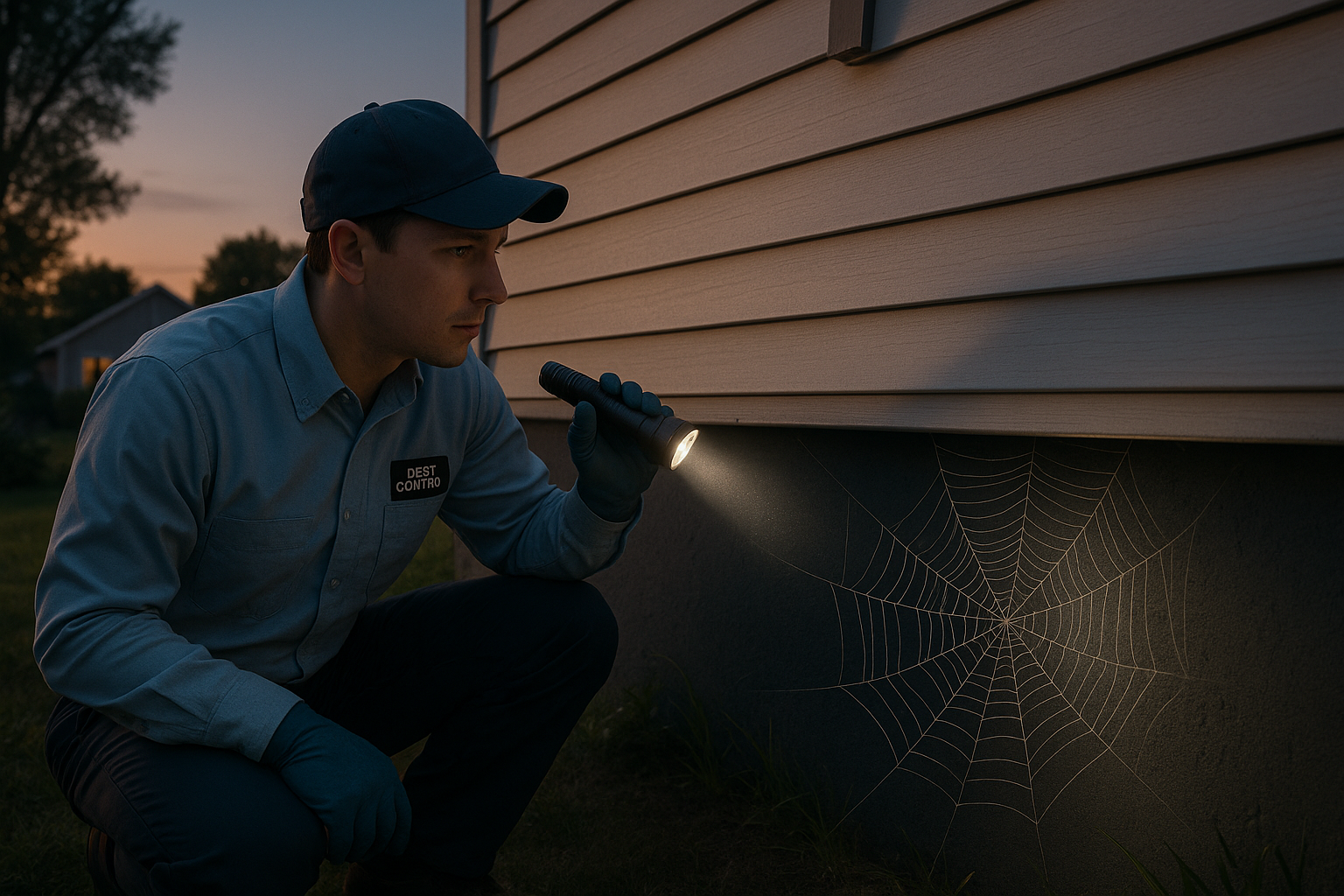
“Pest awareness” isn’t just a buzzword—it’s the habit of regularly scanning your home for early signs of insects, rodents, or other unwanted guests. By staying alert, you give yourself the chance to intervene before a tiny problem balloons into a costly repair or a health emergency. In short, awareness is the first line of defense for protecting the structure, the utility bills, and the well‑being of every family member.
Hidden Costs of Ignoring Pests
- Structural damage: Termites, carpenter ants, and wood‑boring beetles can silently chew through framing, flooring, and roof supports, leading to expensive repairs that often run into thousands of dollars.
- Higher utility bills: Rodent nests and insect infestations can block vents, damage insulation, or force HVAC systems to work harder, pushing monthly energy costs higher.
- Health hazards: Cockroaches
The Top Five Pests You’ll Encounter in City
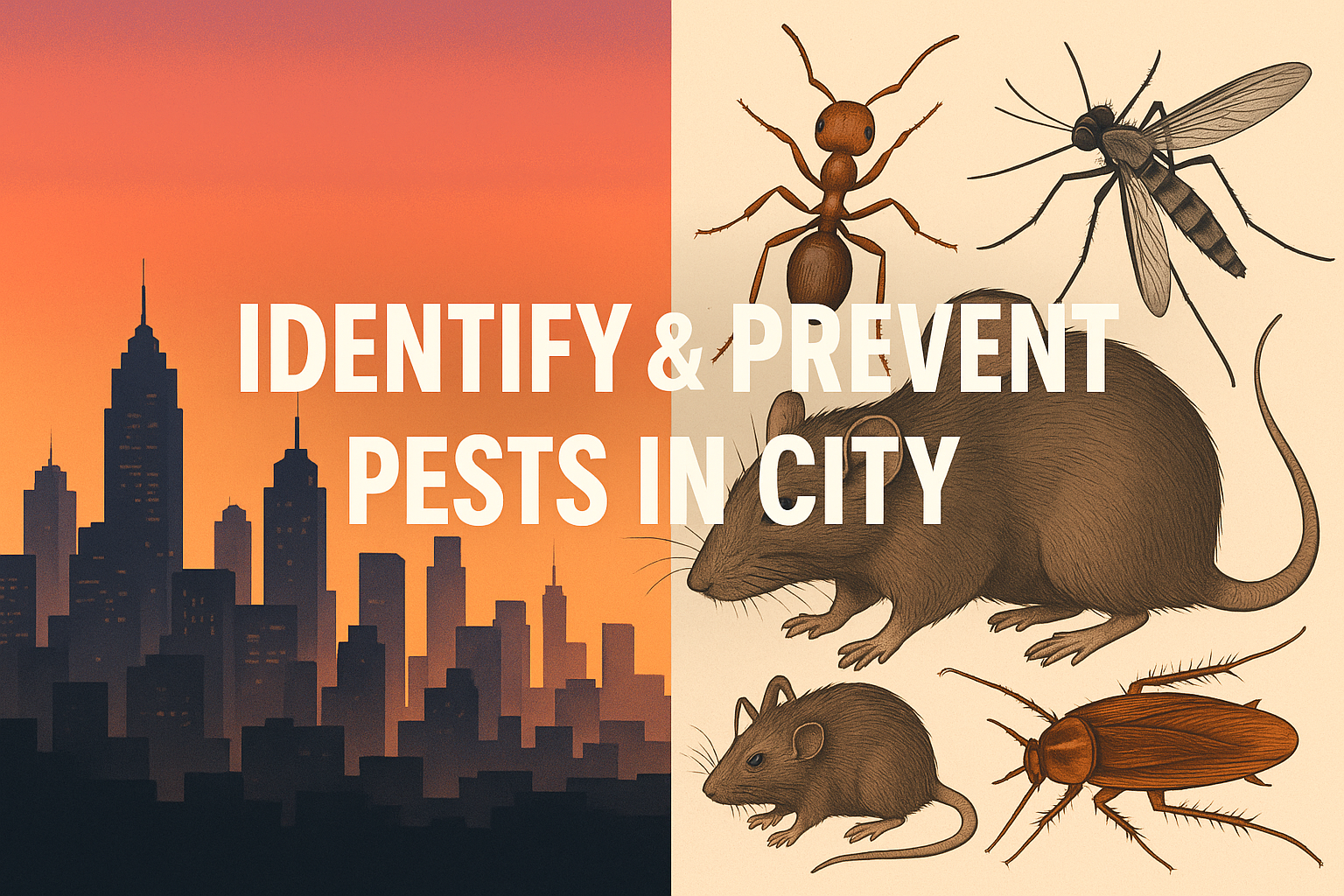
Living in a bustling city brings convenience, but it also invites a handful of resilient critters. Below is a quick guide to the five pests that most often set up shop in urban homes, their biology, and the signs that tell you they’re present.

AI-generated image Ants
Ants are
When Each Pest Is Most Active in the City
Knowing the time of year each pest is most likely to appear lets you act before an infestation takes hold. Below is a seasonal snapshot of the biggest threats you’ll face in a typical city home.
Spring: Ant Swarms and Early Termite Foraging
As soil warms, ant colonies send out massive nuptial flights, and you may notice sudden swarms inside kitchens or near windows. Look for thin, translucent wings on the floor and a faint sweet odor. Termites also emerge from the ground in early spring, probing wood for moisture. Early signs include hollow‑sounding wood and mud‑tube galleries along foundation walls.
Summer: Mosquito Breeding Surge
Standing water in bird baths, clogged gutters, or discarded tires becomes a perfect breeding ground once temperatures climb above 70 °F, the CDC’s 2024 West Nile report notes a “30 % increase in cases during July‑August,” underscoring the health risk. Expect more bites at dusk, and watch for larvae wriggling near the water’s surface.
Fall: Rodent Entry as Temperatures Drop
When nights grow cold, rats and mice look for warm shelter inside walls, attics, and crawl spaces. Common entry points include gaps around utility pipes, cracked foundation blocks, and unscreened vent openings. Signs of activity are gnaw marks, droppings, and a fresh, musky odor.
Winter: Termite Activity Shifts Underground
Termites retreat deeper into the soil but continue to feed on any wood in contact with the foundation. Because they are hidden, damage can go unnoticed until spring. Regular inspections are still crucial; a professional can spot subtle signs like cracked plaster or moisture stains that indicate underground activity.
Quick‑Reference Calendar
Imagine a simple 12‑month grid: each month features a colored bar indicating peak activity—green for ants and termites in March‑May, teal for mosquitoes in June‑August, orange for rodents in September‑November, and gray for underground termite work in December‑February. The bar’s length corresponds to risk intensity, giving you a visual cue for when to schedule treatments.
Effective Treatments and What They Cost
Chemical Sprays
When pests are spotted inside a home—especially roaches, spiders, or flying insects—a targeted chemical spray is often the quickest way to knock them down. Technicians apply a fine mist to baseboards, entry points, and hidden cracks, creating a barrier that kills on contact and prevents re‑entry for weeks. The typical cost for a single‑visit spray ranges from $80 to $150, depending on the size of the property and the specific formulation used. All products we apply are registered with the U.S. Environmental Protection Agency (EPA) and follow the agency’s safe‑use guidelines, ensuring minimal risk to children, pets, and indoor air quality.
Bait Stations for Ants and Rodents
Bait stations provide a discreet, long‑lasting solution for colonies of ants and for rodent populations that hide in walls or attics. The key to success is strategic placement: stations should be positioned along known travel routes, near food sources, and in concealed corners where pests are most active. A typical homeowner can expect to pay between $40 and $90 per station, with most service plans including 3‑5 stations per treatment visit. Because the bait is enclosed, it reduces direct exposure to the active ingredient, aligning with EPA recommendations for reduced human contact.
Heat Treatment for Termites
Heat treatment is a non‑chemical, environmentally friendly method for eradicating dry‑wood termites. Technicians raise the temperature of the affected structure to 120–130 °F (49–54 °C) for several hours, a range lethal to termites at every life stage. This process eliminates the need for liquid termiticides and leaves no residue behind. However, the equipment and labor required make heat treatment a premium service, typically priced between $2,500 and $5,000 for an average single‑family home. The upfront cost is offset by the long‑term protection it offers, especially in regions where termite pressure is high.
ULV Fogging for Mosquitoes
Ultra‑Low Volume (ULV) fogging disperses a fine aerosol of EPA‑approved insecticide into the air, creating a temporary shield against adult mosquitoes during peak season. The treatment is most effective when applied in the early evening, just before mosquitoes become active, and it can cover large yards or community spaces in a single pass. Seasonal pricing fluctuates with demand; homeowners typically see charges from $100 to $250 per fogging session, with discounts available for recurring quarterly applications. While ULV fogging offers rapid relief, it is a short‑term measure and should be paired with source‑reduction strategies for lasting control.
Pricing Comparison Table
Average Cost Ranges for Common Pest‑Control Treatments (2025 Industry Survey) Treatment Type Typical Price Range Primary Use EPA Regulation Highlights Chemical Sprays $80 – $150 per visit Indoor insects (roaches, spiders, flies) Label‑approved indoor use; restricted re‑entry time Bait Stations (Ants & Rodents) $40 – $90 per station Colony control & rodent infestations Enclosed bait; low‑exposure formulation Heat Treatment (Termites) $2,500 – $5,000 per home Dry‑wood termite eradication Non‑chemical; no pesticide residues ULV Fogging (Mosquitoes) $100 – $250 per session Seasonal adult mosquito knock‑down EPA‑registered aerosol; short‑term exposure Why EPA Regulations Matter
Every treatment we perform at Anthem Pest Control adheres to EPA regulations that govern pesticide classification, application methods, and worker safety. These rules are designed to protect homeowners from accidental exposure, ensure that products work as intended, and safeguard the environment. For example, the EPA mandates specific re‑entry intervals after indoor sprays, requires child‑proof bait station designs, and limits the concentration of active ingredients in fogging aerosols. By following these standards, we not only stay compliant—we give you peace of mind that each service is both effective and responsibly applied.
Why Anthem Pest Is the Trusted Partner for City Homeowners
When a pest problem strikes, City homeowners need a partner who understands both the science of control and the nuances of local regulations. Anthem Pest delivers that blend by deploying fully licensed technicians who are trained to handle everything from marching ants to hidden termites, and by offering round‑the‑clock service so help is never more than a phone call away. We also partner with local homeowner associations to run seasonal education workshops, reinforcing our role as a community resource, not just a service provider.
Licensed Technicians and 24/7 Service
Every Anthem field agent holds a state‑issued pest‑control license and completes annual continuing‑education courses that keep them current on the latest treatment protocols. Whether it’s midnight or a holiday, the 24‑hour hotline connects you to a dispatcher who can schedule an immediate visit, minimizing the window pests have to damage your home.
EPA‑Registered Products and Transparent Pricing
Anthem only applies treatments that are EPA‑registered, meaning they have passed rigorous safety and efficacy reviews. Homeowners receive a detailed estimate before any work begins, and the invoice breaks down each product and service so you know exactly what you’re paying for—no hidden fees, no surprise add‑ons.
Local Certifications and State Regulator Verification
In City, Anthem holds the Certified Local Pest Control Provider (CLPCP) badge issued by the Department of Health, and our operations are regularly audited by the state’s pest‑control board. Those audits confirm that our technicians follow the exact application rates, record‑keeping standards, and disposal protocols required by law, giving you an extra layer of confidence that the work is both legal and effective.
What Riverside Homeowners Are Saying
“We called Anthem after spotting a line of ants in our kitchen. Within two hours a certified tech arrived, identified the source, and treated the whole house with a low‑odor EPA‑approved spray. The ants were gone by the next morning, and the follow‑up inspection confirmed the problem was fully resolved.” – Maria L., Riverside
Get Help Today
Ready to protect your home with a trusted local expert? Call Anthem Pest at 877‑371‑8196 or visit our service page to schedule a free inspection. Our team will assess the situation, explain the treatment plan in plain language, and set a timeline that fits your schedule—so you can enjoy a pest‑free home without the guesswork.
FAQ – Quick Answers for Busy Homeowners
We know you don’t have time to wade through technical manuals, so here are the quick answers you’re looking for.
How soon will I see results after treatment?
Results vary by pest, but most homeowners notice a drop in activity within a few days. Typical timelines are:
- Ants & roaches: 1‑2 days.
- Bed bugs: 7‑14 days (after a full life cycle).
- Termites: 2‑4 weeks for colony collapse.
- Mosquitoes: Immediate relief, lasting 2‑4 weeks.
- Rodents: 1‑3 days for trap success.
If you still see activity after these windows, give us a call for a follow‑up.
Are the chemicals safe for pets?
All products we apply are EPA-registered and meet NPMA safety standards. We follow label directions, keep pets away from treated zones for the recommended drying time—usually 2‑4 hours for indoor sprays and 24‑48 hours for foggers. For families with cats or dogs, we also offer low‑odor, pet‑friendly formulations that work just as well. If you have a particularly sensitive animal, let the technician know; we’ll adjust the method or schedule accordingly.
What’s the warranty on termite work?
Our termite programs come with a manufacturer‑backed warranty that typically runs five years for liquid barrier treatments and ten years for structural wood‑termite warranties. The warranty covers any re‑infestation caused by the original pest and includes a free retreatment, plus labor, if the problem returns within the covered period. Warranty claims require a routine inspection report and proof that the property has been maintained according to our recommendations. You’ll receive a copy of the warranty card after service, and we’re happy to walk you through the fine print.
These FAQs are meant to give you confidence in choosing Anthem Pest Control for a fast, safe, and guaranteed solution.
Protect Your Home with a Free Inspection Today
Staying vigilant about pests—recognizing the signs, tracking seasonal activity, and taking preventive steps—can save you time, stress, and money. When you combine that awareness with regular, professional monitoring, you create a strong front line against termites, rodents, ants, and other invaders.
A certified Anthem Pest inspector can spot hidden colonies, structural damage, or breeding hotspots that most homeowners miss, preventing minor nuisances from turning into expensive repairs.
During the walkthrough, we’ll examine entry points, inspect interior and exterior structures, and provide a detailed report with clear recommendations—no hidden fees, no pressure to purchase.
Our technicians use safe, EPA‑approved treatments that protect your family and pets while eliminating the infestation.
Take advantage of our complimentary, no‑obligation inspection. Just call 877‑371‑8196 or click the link below, and we’ll schedule a visit at your convenience.
Protect your home before pests become a problem—visit Anthem Pest Control today and let our experts keep your space safe.