Why Seasonal Pest Awareness Matters

Seasonal pest awareness is the practice of recognizing which insects, rodents, or arthropods become active at specific times of the year and preparing your home accordingly. For a homeowner, this isn’t just a calendar exercise—it’s a proactive shield that stops a tiny invader from turning into a costly, long‑term problem. By syncing treatment plans with the natural life cycles of pests, you can intervene before populations explode, keeping your living space comfortable and your budget intact.
Hidden costs you won’t see coming
When pests slip past your radar, the financial fallout can be startling. Consider these three categories that often catch homeowners off guard:
- Property damage: Termites silently chew through structural wood, while rodents gnaw wiring, raising the risk of fire and expensive repairs.
- Health risks: Cockroaches and dust‑mite allergens exacerbate asthma, and bed‑bug bites can lead to secondary skin infections.
- Rising treatment expenses: Early, targeted interventions cost a fraction of emergency exterminations that require multiple visits and stronger chemicals.
Each of these hidden costs compounds when a small infestation is left unchecked, often turning a simple inspection into a full‑scale renovation project.
Health implications backed by data
The Centers for Disease Control and Prevention (CDC) estimates that 1 in 5 U.S. households experiences a pest‑related health issue each year (2024 data). That means millions of families are dealing with allergic reactions, respiratory problems, or disease transmission caused by insects and rodents that could have been prevented with timely, seasonal action. By staying informed about the pests most active in your region—whether it’s spring‑time ants or summer mosquitoes—you reduce the likelihood of these health setbacks.
A data‑driven, locally focused approach
Anthem Pest Control relies on regional monitoring data, climate trends, and historic infestation patterns to tailor recommendations for each neighborhood. This isn’t a one‑size‑fits‑all checklist; it’s a science‑backed roadmap that tells you exactly when to schedule a pre‑emptive treatment, what species to watch for, and how to adjust your home’s defenses as the weather shifts. Homeowners who follow this data‑driven schedule typically see a 30‑40 % reduction in repeat calls and lower overall service costs.
Preparing for the seasonal breakdown ahead
Understanding why seasonal awareness matters sets the foundation for the detailed month‑by‑month guide that follows. In the next sections, we’ll walk through the primary pests that dominate each season, the warning signs you should look for, and the optimal timing for professional or DIY interventions. Armed with this knowledge, you’ll be able to protect your home before a tiny pest becomes a big problem.
The Most Common Household Pests by Season
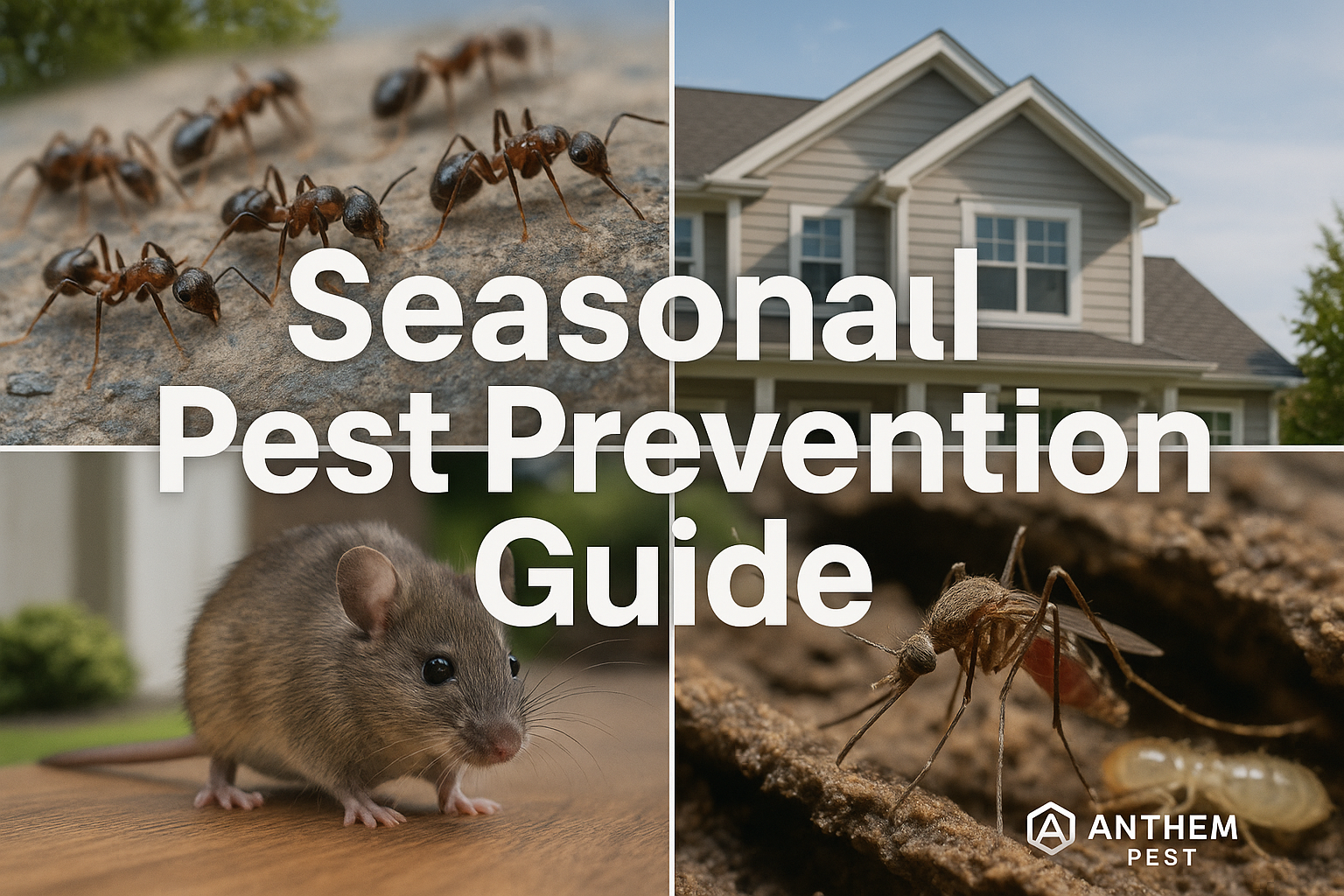
Every season brings its own set of unwelcome visitors. Knowing which pests are most active and how they get inside helps you act before they become a full‑blown problem. Below is a quick‑reference guide that pairs national trends with local hot spots you’ll recognize in Texas.
Spring: Ants & Aphids
As temperatures climb, ant colonies emerge from their underground nests to forage for sugary foods, while aphids take advantage of budding plants to multiply. Both insects can slip through tiny cracks around doors, windows, and utility lines.
- Entry points: foundation gaps, window screens, and unsealed pipe penetrations.
- Warning signs: trails of ants on countertops, sticky honeydew on indoor plants, and curled leaf edges.
- Prevention tip: Seal exterior cracks and keep vegetation trimmed at least 2 feet from the house.
Summer: Mosquitoes & Termites
Summer heat fuels mosquito breeding and accelerates termite activity. Mosquitoes not only bite; they transmit diseases, while termites silently chew through wood, jeopardizing structural integrity.
- Health impact: The EPA reported a 30% rise in mosquito‑borne disease cases during summer 2023.
- Local hotspot: Austin’s Zilker District sees higher mosquito counts near the lake and park trails.
- Termite hot spot: Dallas’ Oak Cliff neighborhood reports increased subterranean termite activity due to moist soil conditions.
- Entry points: Standing water, clogged gutters, and untreated wood-to‑soil contact.
- Prevention tip: Eliminate standing water, schedule a professional termite inspection before the rainy season, and use EPA‑registered repellents.
Fall: Rodents
Cooler nights drive rats and mice indoors in search of warmth and food. They’re notorious for nesting in attics, walls, and crawl spaces, where they can cause insulation loss and chew electrical wiring.
- Nesting behavior: Builds nests from insulation, paper, and fabric; prefers secluded voids near heat sources.
- Property concerns: Chewed wires raise fire risk, and droppings contaminate food prep areas.
- Entry points: Gaps around doors, vent openings, and utility lines as small as ¼ inch.
- Prevention tip: Install door sweeps, seal cracks, and keep food stored in airtight containers.
Winter: Cockroaches
While many pests retreat, cockroaches thrive inside heated homes. They hide in kitchen cabinets, behind appliances, and within wall voids, emerging at night to forage.
- Survival tactics: Can live without food for weeks, but need moisture; they’ll congregate near leaky pipes or damp basements.
- Warning signs: Smear marks, egg cases in dark corners, and a faint oily odor.
- Entry points: Small cracks around plumbing, gaps under appliances, and vent grilles.
- Prevention tip: Fix leaks promptly, keep countertops clear, and consider a professional baits and gel program.

By matching each pest to its peak season and typical entry points, you can time inspections and treatments for maximum effectiveness. Anthem Pest Control’s local expertise means we know exactly where Austin’s Zilker District or Dallas’ Oak Cliff face the greatest pressure, allowing us to tailor a prevention plan that keeps your home comfortable year‑round.
Proactive Steps to Keep Pests Out Year‑Round
Keeping your home pest‑free isn’t a one‑time job—it’s a seasonal habit. By matching your prevention routine to the habits of insects, rodents, and other unwelcome guests, you can stay ahead of infestations and avoid surprise service calls.
Spring: Seal, Drain, and Trim
As temperatures rise, pests emerge from hidden overwintering spots. Start by walking the exterior of your house and sealing cracks around windows, doors, and utility penetrations with caulk or weather‑stripping. Next, eliminate standing water in birdbaths, clogged gutters, and low‑lying landscape depressions—mosquitoes and gnats love any stagnant pool. Finally, trim back shrubs, trees, and groundcover at least six inches from the foundation; overgrown vegetation creates bridges for ants, spiders, and rodents to reach your home.
Summer: Screen, Repel, and Inspect
Hot weather drives insects indoors in search of shade. Install tight‑fitting screens on all operable windows and vents; replace any torn mesh promptly. Apply EPA‑approved repellents—such as permethrin‑based sprays—to door frames, deck railings, and outdoor seating areas to deter mosquitoes, fire ants, and stinging insects. Summer is also the prime time for termite activity, so schedule a professional termite barrier inspection. A thorough inspection can catch early colony signs before costly damage occurs.
Fall: Fortify Foundations and Manage Firewood
Cooler evenings encourage rodents to seek warm shelter. Weather‑proof your foundation by adding a layer of gravel or crushed stone around the perimeter to improve drainage and discourage burrowing. Store firewood at least a foot off the ground and away from the house; stack it on a pallet and keep it covered to prevent it from becoming a rodent haven. As leaves accumulate, clear gutters and downspouts to avoid creating hidden pathways that cockroaches and beetles use to infiltrate your home.
Winter: Control Moisture and Guard Entry Points
Indoor humidity spikes when heating systems run continuously, creating an ideal environment for dust mites and silverfish. Use a hygrometer to keep indoor humidity below 50 % and run a dehumidifier in damp areas like basements and crawl spaces. Inspect attic insulation for gaps that allow cold air to condense on interior surfaces—condensation fuels mold and attracts pests. Finally, maintain door sweeps on all exterior doors; replace worn‑out sweeps to block entry for mice, rats, and other winter‑seeking critters.
Typical Service Costs
| Service | Cost Range (USD) |
|---|---|
| Mosquito barrier application | $120 – $180 |
| Termite inspection | $99 – $149 |
| Rodent trap placement (per visit) | $80 – $130 |
| Seasonal perimeter treatment | $150 – $250 |
Pricing data are based on the National Pest Management Association’s 2024 average pricing survey, reflecting nationwide rates for residential services.
Safe, Effective Solutions from Anthem Pest Control

Why Choose Integrated Pest Management (IPM) over Straight‑Chemical Approaches?
Traditional pest control often leans on a single, broad‑spectrum chemical spray. While that can knock out pests quickly, it also leaves a residue that may linger on surfaces, pose risks to children and pets, and encourage resistant pest populations over time. Non‑chemical methods—such as sealing entry points, habitat modification, and mechanical traps—address the root causes without relying solely on toxins.
Anthem’s philosophy blends the best of both worlds through Integrated Pest Management (IPM). IPM starts with a thorough inspection, gathers data on pest activity, and then layers multiple control tactics. The goal is to achieve lasting suppression while minimizing chemical use, protecting the home’s occupants, and preserving the surrounding environment.
Real‑World Success: A Denver Capitol Hill Family
When a family on Denver’s historic Capitol Hill block began noticing nightly rodent scurrying, they called Anthem for help. The home’s age, dense vegetation, and nearby construction had created a perfect conduit for mice and rats. Anthem’s technician performed a detailed inspection, mapping rodent pathways, identifying food sources, and noting structural gaps.
Over a three‑month IPM plan, the team installed stainless‑steel mesh around utility openings, set strategically placed snap traps, and applied a low‑dose, EPA‑registered rodenticide only in concealed voids. They also educated the homeowners on proper food storage and waste management. By month three, the family reported an 85 % drop in sightings, and a follow‑up inspection confirmed that all active nests had been eliminated.
This case illustrates how data‑driven, locally tailored actions can outperform a one‑size‑fits‑all chemical spray. The family’s peace of mind returned without exposing their children or pets to unnecessary chemicals.
Transparent Pricing Packages
| Package | Price | What’s Included |
|---|---|---|
| Basic | $99 | Initial inspection, one‑time treatment for common pests, and a follow‑up visit |
| Comprehensive | $299 | All Basic features plus quarterly inspections, multi‑pest protection, and a 12‑month warranty |
| Seasonal Protection Plan | $499 / year | Year‑round IPM monitoring, unlimited treatments, priority scheduling, and a dedicated service advisor |
Safe Products for the Whole Household
Every chemical Anthem applies carries an EPA registration, confirming that it meets rigorous safety standards for humans, children, and pets. Our technicians receive ongoing training to ensure proper dosage, placement, and ventilation, reducing any chance of accidental exposure. When a chemical is necessary, we choose the lowest‑effective concentration and apply it only where pests hide—behind walls, in attics, or inside crawl spaces.
Data‑Driven, Locally Tailored Solutions
Anthem doesn’t rely on generic spray‑and‑forget tactics. We collect real‑time data from each inspection—temperature, humidity, pest activity logs, and neighborhood trends—to customize a plan that fits the specific micro‑climate of your property. This scientific approach means we can predict seasonal spikes, target emerging infestations early, and adjust treatments before pests become a full‑blown problem.
By marrying local knowledge with a robust data platform, Anthem delivers solutions that are both effective and economical. Homeowners receive clear reports showing what was done, why it mattered, and how future risks are being mitigated.
Quick Answers for Homeowners
How often should professional inspections be scheduled?
Most experts recommend a bi‑annual inspection—once in the spring before insects emerge and again in the fall before they seek shelter. This timing catches termites, mosquitoes, rodents and other pests at the edges of their activity cycles, giving you a chance to intervene before populations explode. Scheduling inspections ahead of peak seasons also aligns with warranty requirements for many treatment plans, ensuring coverage stays valid. During a bi‑annual visit a certified technician will inspect foundation walls, crawl spaces, and any known entry points, using moisture meters and infrared cameras to spot hidden activity before it becomes visible. If an issue is detected, the technician can recommend a targeted treatment plan on the spot, saving you weeks of waiting for a contractor to schedule a follow‑up.
Are DIY traps as effective as professional services?
While a DIY trap can catch a few insects, the National Pest Management Association (NPMA) reports that homeowner‑installed traps achieve roughly 60 % lower success rates compared with professionally‑installed, monitored systems. The gap stems from placement expertise, lure selection, and ongoing maintenance that only trained technicians provide. Professionals also rotate lure chemistries and replace devices on a schedule that matches pest life cycles, something most homeowners overlook. Because the service includes regular data review, you receive a clear report that shows trap counts over time, allowing you to gauge whether additional actions are needed.
For the full NPMA study, see NPMA research on DIY trap efficacy.
What insurance claims are available for termite damage?
Termite damage is
Why Choose Anthem Pest Control?
Two Decades of Proven Performance
When you call a pest‑control professional, you want confidence that the job will be done right the first time. Anthem Pest Control brings 20 years of industry experience to every home we service, and we’ve earned the trust of more than 4,500 satisfied customers across the country. Our longevity isn’t just a number; it reflects a track record of adapting to new pest‑management technologies, staying ahead of seasonal infestations, and consistently delivering results that keep families safe and comfortable.
Round‑the‑Clock Emergency Support
Pests don’t wait for business hours, and neither do we. Anthem’s 24/7 emergency line means a homeowner can reach a certified technician at any hour—whether a wasp nest appears in the middle of a summer night or a rodent invasion threatens a pantry at dawn. Our rapid‑response team is trained to assess the situation, prioritize safety, and deploy an effective treatment plan within minutes of your call, minimizing damage and stress.
A Nationwide Footprint, Local Roots
Our service map spans three distinct regions: Phoenix, AZ, Charlotte, NC, and Boise, ID. Within each city, Anthem maintains a network of local specialists who know the unique pest pressures of urban neighborhoods and the surrounding suburbs. From the desert‑dwelling termites of Phoenix’s outskirts to the carpenter‑ant hotspots in Boise’s foothills, our technicians use region‑specific data to target infestations before they spread.
Data‑Driven, Transparent Pricing
Homeowners deserve clear, upfront costs—no hidden fees, no surprise add‑ons. Anthem’s pricing model is built on a data‑driven approach that factors in the type of pest, the size of the property, and the local infestation history. Before any treatment begins, we provide a detailed estimate that breaks down labor, materials, and follow‑up visits, so you know exactly what you’re paying for and why.
What Our Neighbors Are Saying
“Anthem saved our family from a relentless ant invasion in our Charlotte suburb. The technician arrived within an hour of our emergency call, explained the treatment plan in plain language, and the price matched the estimate—no surprises. We’ve never felt more confident about our home’s protection.”
– Maria L., Charlotte, NC
Local Expertise You Can Rely On
Beyond the numbers, what truly sets Anthem apart is our commitment to community. Each technician is trained not only in the science of pest control but also in the nuances of the neighborhoods they serve. We stay current on local building codes, seasonal pest trends, and environmentally responsible practices, ensuring that every solution is both effective and respectful of your home’s ecosystem.
Take Action to Protect Your Home Today
Seasonal pest awareness isn’t just a checklist—it’s the frontline defense that keeps unwanted guests out of your home all year long. By staying alert to the shifting patterns of insects, rodents, and other critters, you give yourself the upper hand before an infestation can take root. Pair that vigilance with a trusted partner, and you’ve built a two‑pronged shield: your own knowledge plus the expertise of professionals who know exactly how, when, and where to intervene.
Ready to turn insight into action? Schedule a free home inspection today, or simply download our seasonal pest‑prevention checklist for a quick, printable guide. Both options are designed to give you a clear roadmap—whether you’re tackling a spring ant surge or a fall rodent migration.
At Anthem Pest Control, our locally trained technicians combine science and experience to keep your home safe—all at transparent prices. We don’t hide fees behind jargon or surprise you with hidden charges. Instead, we bring a data‑driven approach, using the latest treatment methods while respecting the health of your family and pets.
Taking the next step is easy. Call us at 877‑371‑8196 and speak directly with a pest‑control specialist who can tailor a plan for your property. If you prefer to browse online, visit Anthem Pest Control for a free quote, detailed service descriptions, and customer testimonials that illustrate our commitment to quality.
Remember, pests don’t wait for the perfect season—they exploit any opening. By acting now, you lock down the vulnerabilities before they become costly problems. A quick inspection, a simple checklist, or a brief phone call can make the difference between a calm, pest‑free home and an emergency call in the middle of the night.
Don’t let another season pass without a proactive plan. Reach out, schedule that free inspection, and let Anthem’s experts handle the rest. Your home deserves the protection that only a dedicated, science‑backed team can provide.