Introduction to Ant Problems in Kennesaw
Ants are the most common household pest in Georgia, causing structural damage and food contamination. From tiny odorous house ants marching across kitchen counters to aggressive fire ants nesting in yards, their presence is more than a nuisance—it can threaten the integrity of your home and the safety of your family.
Kennesaw’s humid subtropical climate creates an ideal breeding ground for a wide range of ant species, from carpenter ants that tunnel into wood to pavement ants that thrive in cracked sidewalks. Seasonal rains and warm summers accelerate colony growth, leaving homeowners with recurring infestations if they lack a clear, locally‑focused action plan.
This guide breaks down exactly what you need to know: transparent cost estimates for common ant treatments, a comparison of chemical, bait, and integrated pest‑management options, and practical prevention tips you can implement each season. Throughout, we’ll highlight why Anthem Pest stands out—local expertise, guaranteed results, and pricing you can understand before any work begins.
Our approach is grounded in data from local surveys, seasonal activity reports, and proven industry standards, so you’ll receive advice that’s both scientific and easy to follow. By the end of this article, you’ll feel confident choosing the right treatment pathway and knowing exactly how Anthem Pest can protect your Kennesaw home from future ant invasions.
Climate‑Driven Ant Activity and Common Species in Kennesaw
Kennesaw’s humid summers and relatively mild winters create a nearly year‑round buffet for ants. Warm temperatures accelerate colony growth, while the summer humidity fuels foraging trips, allowing ants to travel farther from their nests in search of food and water. Even during cooler months, the moderate winter lows rarely dip below freezing, so colonies remain active and can re‑emerge quickly when the first warm day arrives.
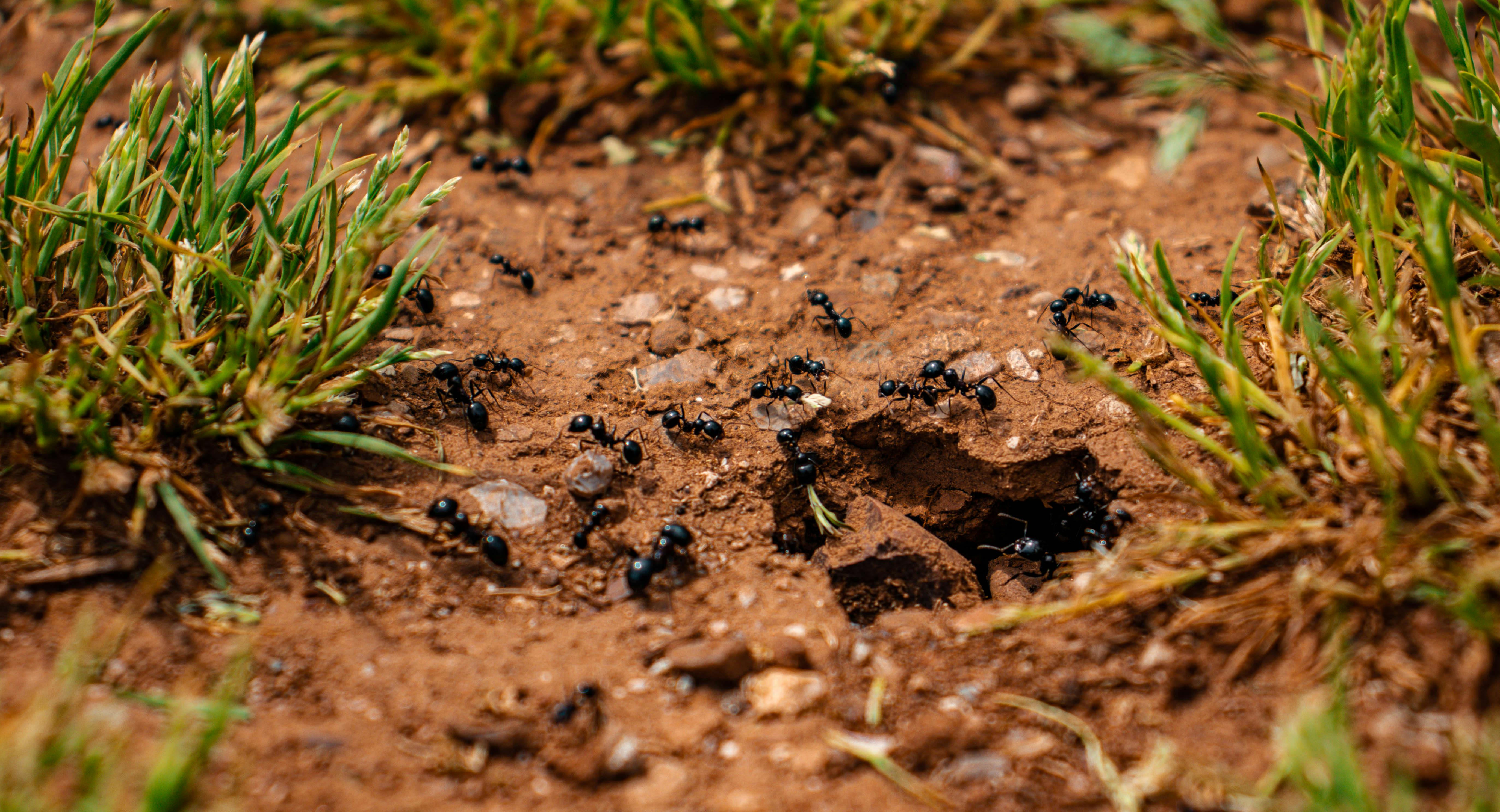
Species You’ll Encounter Most Often
Carpenter Ant
Carpenter ants are the silent structural threat in many Kennesaw homes. Workers excavate galleries inside damp or decayed wood, hollowing out support beams, floor joists, and window frames. Over time, the damage can compromise the integrity of a house, making early detection crucial.
Pavement Ant
Pavement ants are the indoor foragers you’ll see marching across kitchen counters or along baseboards. They nest under sidewalks, driveways, or in wall voids, then wander inside in search of sugary crumbs. While they don’t chew wood, they contaminate food stores and can trigger allergic reactions in sensitive individuals.
Fire Ant
Fire ants are the outdoor nuisance that packs a painful punch. Their mound colonies thrive in sunny, well‑drained soil, and workers will sting any foot or pet that disturbs them. Stings cause a burning sensation, swelling, and, in rare cases, severe allergic reactions.
According to the Georgia Department of Agriculture pest report, ants affect 68 % of homes annually across the state, underscoring how pervasive these pests are in our climate.
Seasonal peaks: Pavement and carpenter ants reach their highest indoor activity in late spring through early fall, while fire ant mound expansion peaks during the hot, humid months of July and August. Knowing these cycles helps homeowners time inspections and treatments for maximum effectiveness.
How to Identify Ant Activity and Locate Nests

Ants leave a trail of pheromones that looks like a thin line of crumbs or a faint dusting on surfaces. Spotting these trails, tiny soil mounds, winged alates after a rain, or even subtle wood damage can tell you an infestation is already underway.
Visual clues you can’t miss
- Ant trails: Silky, irregular lines on countertops, floors, or along baseboards.
- Soil mounds: Small, sand‑like piles near foundations, garden beds, or under potted plants.
- Winged alates: Shiny, winged ants that appear in late spring or after heavy rains.
- Wood damage: Fine, saw‑dust‑like particles or hollowed sections in wooden decks and siding.
Common nest locations
- Inside walls and crawl spaces: Warm, hidden cavities where moisture accumulates.
- Under decks and patios: Dark, undisturbed soil that stays damp.
- Garden beds and mulch zones: Loose organic material provides both food and shelter.
Quick DIY inspection checklist
- Walk the perimeter and look for soil mounds or disturbed mulch.
- Inspect kitchen counters, sinks, and pantry shelves for trails.
- Check baseboards, window sills, and door frames for tiny entry holes.
- Lift sections of decking or patio stones to feel for soft, crumbly soil.
- After rain, scan outdoor lights for winged alates gathering to mate.
Finding these signs early lets you act before a small crew turns into a full‑blown invasion. Prompt identification means fewer chemicals, lower costs, and a quicker return to a pest‑free home.
Ant Control Pricing in Kennesaw – What to Expect
When you call a professional ant‑control service in Kennesaw, the first line item you’ll see is the inspection fee. Most reputable companies charge between $80 and $150 for a thorough walk‑through, identification of the species, and a detailed written report that outlines the infestation hotspots and recommended treatment plan.
Typical Service Fees
- Inspection fee: $80‑$150 – includes a comprehensive report and pest‑identification.
- Baiting program: $120‑$250 per cycle – usually 2‑3 visits, with bait stations placed strategically around the home.
- Full‑service barrier spray: $300‑$600 – price varies with square footage and the level of outdoor exposure.
These numbers reflect the cost of a one‑time treatment. If you opt for a recurring maintenance contract, many providers bundle the inspection, baiting, and barrier spray into a single monthly or quarterly fee, which can lower the per‑visit expense while keeping your home continuously protected.
How Kennesaw Prices Compare to National Averages
The EPA’s national averages for ant control hover around $100 for inspections, $150‑$300 for baiting cycles, and $350‑$700 for barrier applications. Kennesaw’s range is comfortably in line with—or slightly below—these benchmarks, meaning you’re not paying a premium simply because you live in a smaller Georgia market.
Anthem Pest’s Transparent Pricing & Financing
Anthem Pest stands out by publishing every cost up front—no hidden fees, no surprise add‑ons. The company’s price‑transparency promise guarantees that the quote you receive on the phone matches the final invoice. For homeowners who prefer to spread the expense, Anthem offers flexible financing plans with low‑interest options and easy monthly installments, allowing you to protect your home without straining your budget.
Professional Treatment Options and Application Process

Chemical Barrier Sprays
Barrier sprays create a continuous, invisible wall around a home’s perimeter, killing ants on contact and preventing new colonies from entering. The pros include rapid knock‑down and long‑lasting protection—often up to 12 weeks. The cons are potential residue on outdoor surfaces and the need for careful re‑application after heavy rain.
Technicians wear EPA‑approved respirators, chemical‑resistant gloves, and eye protection while applying these products. All chemicals used are listed on the EPA’s Reduced‑Risk Pesticide Program, ensuring minimal impact on humans, pets, and the environment.
Bait Stations
Bait stations contain slow‑acting insecticides that worker ants carry back to the nest, eventually eradicating the colony. According to a recent NPMA study, professionally placed bait stations achieve an 85% colony elimination success rate.
Stations are discreet, weather‑proof, and placed along ant trails, entry points, and near food sources. Because the active ingredient works slowly, homeowners see a gradual decline in ant activity over a 2‑ to 4‑week period.
Dusts and Granules for Wall Voids & Crawl Spaces
Dust formulations such as silica‑based powders penetrate deep cracks, voids, and crawl spaces where sprays can’t reach. Granular products are broadcast on soil around foundations, creating a barrier that ants must cross.
These methods are especially effective for carpenter ants and fire ants that nest in hidden cavities. Technicians use low‑dust‑dispersion tools to minimize airborne particles, adhering to OSHA safety standards.
Eco‑Friendly Alternatives
For homeowners who prefer non‑synthetic options, we offer diatomaceous earth and botanical oils like pyrethrin. Diatomaceous earth works mechanically, abrading the exoskeleton of ants and causing dehydration. Pyrethrin, derived from chrysanthemum flowers, provides rapid knock‑down with a short residual life, reducing long‑term environmental exposure.
Both alternatives are EPA‑registered and safe for indoor use when applied by a certified technician, though they may require more frequent re‑application compared with conventional chemicals.
Step‑by‑Step Professional Application Workflow
- Inspection: A certified technician conducts a thorough visual assessment, identifies ant species, and maps activity hotspots.
- Preparation: Homeowners are advised to clear pets, cover food, and move outdoor furniture to allow unobstructed access.
- Treatment: Depending on the findings, the technician applies barrier sprays, places bait stations, dusts voids, or uses eco‑friendly products. All applications follow EPA label directions and company safety protocols.
- Documentation: Treatment locations, product names, and application rates are recorded for future reference and warranty purposes.
- Follow‑Up: A post‑treatment visit (usually 2 weeks later) verifies colony reduction, replenishes baits if needed, and answers any homeowner questions.
EPA Compliance & Technician Certification
Every Anthem Pest Control technician holds a state‑issued pesticide applicator license and completes annual EPA compliance training. This ensures that all products are applied at label‑specified rates, with proper personal protective equipment, and that disposal of any waste follows federal guidelines.
Our commitment to EPA standards not only protects your family and pets but also safeguards the surrounding ecosystem, giving you confidence that the ant problem is solved responsibly.
Selecting the Right Local Ant Control Provider
Check Licensing and Certifications
In Georgia, every reputable pest‑control business must hold a valid Georgia State Pest Control License. This license proves the technicians have completed state‑mandated training on pesticide safety, application methods, and proper disposal. Ask to see the license number and verify it on the Georgia Department of Agriculture website. Companies that also carry certifications from organizations such as the National Pest Management Association (NPMA) demonstrate a commitment to industry best practices. A licensed operator is also required to carry liability insurance, protecting you from accidental damage during treatment.
Why Local Knowledge Matters
Ant species differ from one county to the next, and the climate in Kennesaw influences colony cycles. A locally based provider can correctly identify whether you’re dealing with carpenter ants, pavement ants, or invasive fire ants, and will schedule treatments when the insects are most vulnerable. This precision reduces the number of applications needed and keeps costs down. Seasonal timing, such as treating in early spring before colonies expand, can dramatically improve success rates.
Anthem Pest Highlights
- 15‑year service record serving Kennesaw and surrounding neighborhoods.
- BBB A+ rating, reflecting consistent customer satisfaction and ethical business practices.
- 24‑hour response line (877‑371‑8196) for emergencies and rapid follow‑up.
Assess Guarantees, Follow‑Up Plans, and Reviews
Look for a clear service guarantee that outlines what happens if ants return within the warranty period. Effective providers will include a post‑treatment inspection and, if necessary, a complimentary retreat. Scan online review platforms—Google, Yelp, and the Better Business Bureau—to gauge real‑world performance. Pay attention to comments about punctuality, technician professionalism, and how quickly the company resolves complaints.
Take the Next Step
When you’ve narrowed your list, request a written estimate that breaks down inspection fees, treatment options, and any recurring maintenance plans. For a trusted, locally knowledgeable partner, visit Anthem Pest’s ant services page and schedule a free inspection today.
Frequently Asked Questions About Ant Treatments
Below are quick, expert answers to the most common questions homeowners ask about ant treatments.
How long does a treatment last?
Our standard barrier spray and bait program keep ants at bay for roughly six to twelve months, depending on the species, property size, and seasonal activity. The spray forms a protective perimeter that insects must cross, while bait stations work continuously underground. After the initial period, we recommend a follow‑up visit to refresh the barrier and replenish baits, ensuring year‑round protection.
Are the chemicals safe for pets?
Yes. All products we use meet EPA safety standards and are applied at concentrations proven safe around animals. Our technicians follow strict timing guidelines, applying treatments when pets are indoors and allowing a brief drying period before they return to the yard. We also offer pet‑friendly formulations that contain low‑toxicity active ingredients, so your cats and dogs can roam freely after treatment.
What’s the warranty period?
Anthem Pest backs every ant treatment with a 12‑month warranty that covers re‑treatment if ants return within that window. The warranty includes a free follow‑up inspection to verify the issue and apply additional control as needed. For homes in high‑risk areas we can extend coverage up to 18 months at no extra charge, giving you extra peace of mind.
Protect Your Home – Call Anthem Pest Today
By now you know how to pinpoint the ant species invading your yard, what the typical treatment costs look like, and why timing your service with the season makes a big difference. Trusting a local, Kennesaw‑based team that understands these nuances ensures the job is done right the first time.
- Identify the culprit – carpenter, odorous, or pavement ants.
- Know the price range for inspection, treatment, and follow‑up.
- Act during peak activity for maximum impact.
- Rely on Anthem Pest’s certified technicians and transparent pricing.
All of our technicians are licensed, use EPA‑approved products, and follow a proven, low‑impact protocol.
Ready to safeguard your home? Call us for a free, no‑obligation quote at 877‑371‑8196 or schedule your service online. Download our complimentary “Kennesaw Ant Prevention Checklist” to stay one step ahead.
Visit Anthem Pest Control today and let our experts handle the rest.