Why Millipedes Keep Showing Up in Roswell Homes
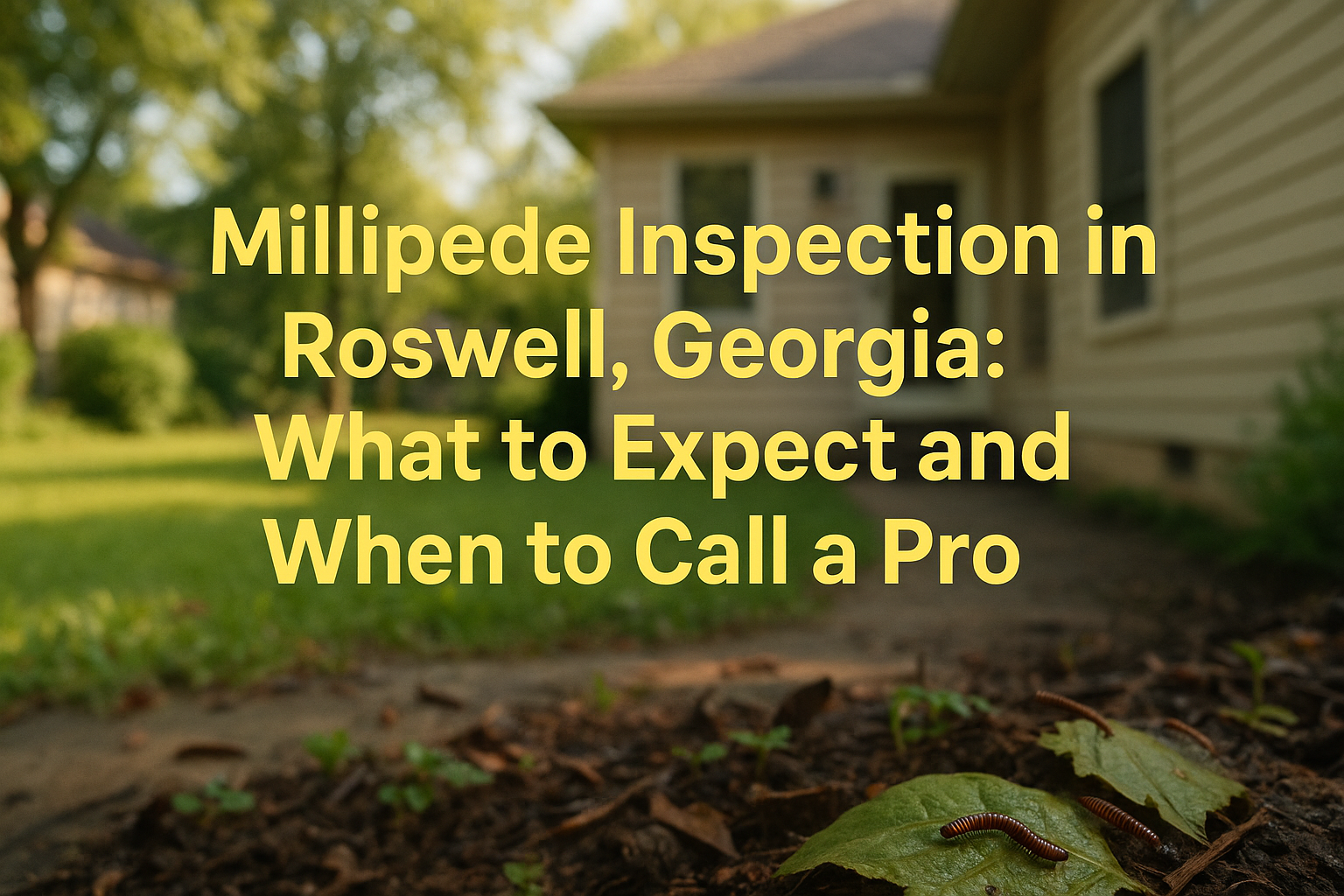
If you live near Chattahoochee River or Big Creek Greenway in Roswell (30075, 30076), you know the drill: after a big rain or once the weather gets sticky, all those little millipedes come out of nowhere and try to move in. These pests love the Georgia humidity, and they’ll sneak into basements, bathrooms, and even bedrooms if there’s too much dampness, rotting leaves, or just an easy crack in your foundation—often making a millipede inspection Roswell homeowners rely on a smart first step.
When the rain pours down or the seasons change, it’s like clockwork—local pest control companies start fielding call after call about millipede invasions. You might even see entire lines of them crawling along your baseboards or clustered at your back door. It doesn’t just look creepy—left alone, the problem tends to get worse, turning your home into an accidental spa for millipedes every spring or fall.
Trying to handle them with DIY sprays or barriers might buy you a little time, but it rarely solves the actual problem. Millipedes are great at hiding and can keep coming back if the root moisture issues or entry points aren’t fixed. Anthem Pest and other Roswell pros see this all the time—sometimes homes even get repeat break-ins from these pests after you thought you’d knocked them out once and for all.
If you’re wondering what it costs to really get ahead of things, here’s the local lowdown: a professional inspection to scope out the situation often runs from free to about $75 for the initial visit. From there, treatment plans—especially those that come with follow-up maintenance—usually start around $100 per treatment and can reach $200 or more for larger yards or homes with chronic moisture trouble. Some folks bundle millipede prevention in with broader pest control, saving a bit by tackling everything at once.
The best advice? Get ahead of the problem. An early inspection and some simple fixes can save you the headache (and smell!) that comes with big infestations or surprise reappearances. In the rest of this post, we’ll break down the nitty-gritty of inspection options, what drives costs, and what you can do right now to keep your Roswell home millipede-free—plus, we’ll make it clear when to call in a pro for peace of mind.
What Drives Millipede Inspection and Treatment Pricing in Roswell?
If you’ve spotted a sudden wave of millipedes wriggling across your floors, you’re probably wondering, “How much is it going to cost to handle this?” The truth is, pricing for a millipede inspection Roswell homeowners schedule—along with any necessary treatment— isn’t one-size-fits-all, since there are several real-world factors that can tip the scale up or down.
Scope Makes a Difference
Larger homes, properties with a guest house, or buildings with multiple crawlspaces are going to need more time and materials. If you’ve got a sprawling property with wooded edges or sheds, the cost will reflect that extra effort to hunt down all their hiding spots.
Severity of the Situation
An occasional millipede in the garage is one thing. But seeing them pile up on baseboards, especially in the basement after every heavy rain? That likely means multiple service visits. Severe or recurring problems tend to require tailored plans that may mean a little more investment upfront but offer more peace of mind in the long run.
Methods and Materials Matter
Some folks just want a one-time indoor spray for peace of mind. Others prefer full perimeter outdoor barrier treatments or quarterly plans with ongoing protection. Odorless or child/pet-friendly products, crawl space dusting, or pest bundle packages do increase cost — but they also increase your protection and convenience.
Where You Live and Your Lot
If your home backs up to wooded space or sits near rivers and creeks — think East Roswell, Orchard Lake, or neighborhoods off Old Alabama Rd — you’re probably dealing with higher humidity and soil moisture. Those areas are prime real estate for millipedes. Homes in these zones typically need more frequent or intensive service, since it’s easier for millipedes to find their way inside after a Georgia rain.
What’s the Ballpark?
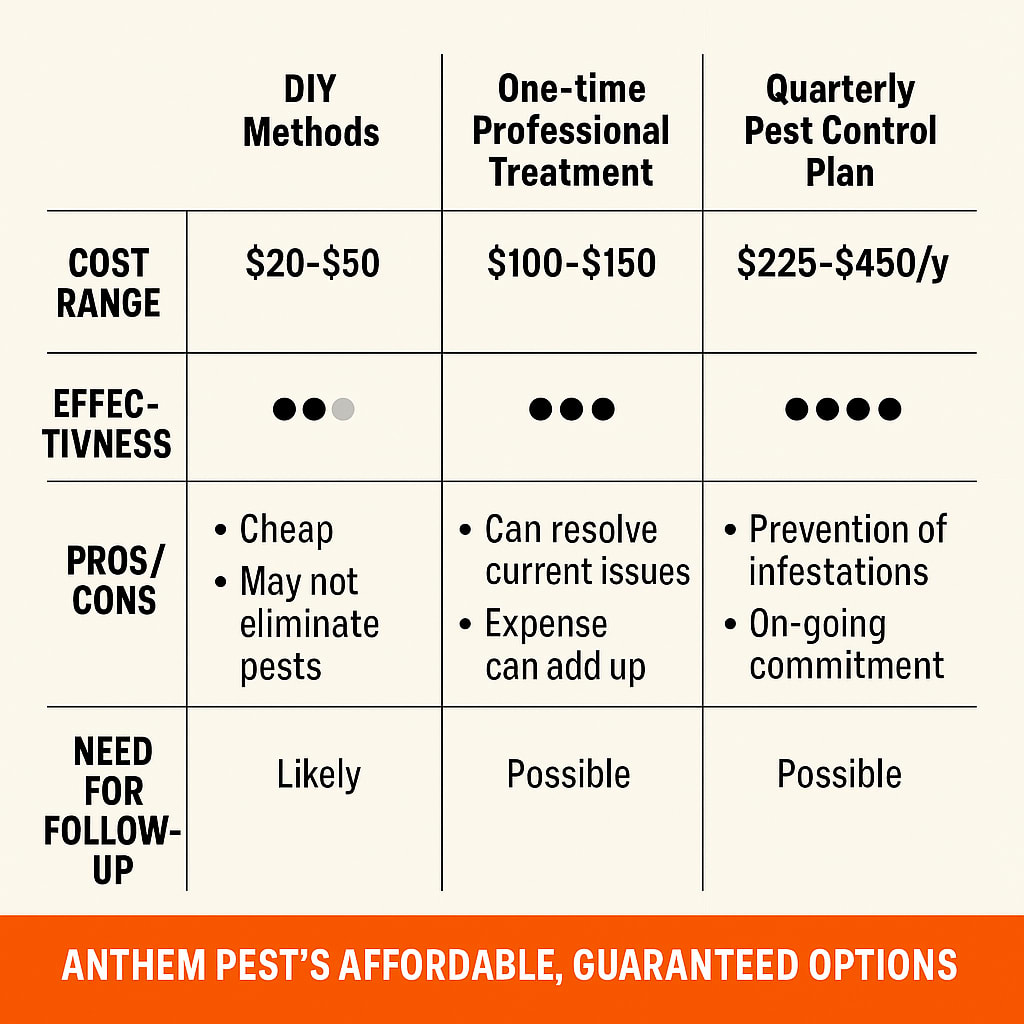
- Basic inspection: Free to $75 depending on whether you just need advice, or want a full site assessment.
- Single treatment: $100 to $150
- Quarterly prevention plan: $225 to $450 per year depending on home and yard size, plus any extra services.
At Anthem Pest, we build the plan around your property, your peace of mind, and your long-term needs — not just a one-off fix. Want a deep dive on what affects Roswell millipede control pricing? See the detailed cost breakdown here, and don’t be shy — our team will walk your property (virtually or in-person) and lay out your options, straight up.
What Drives Millipede Inspection and Treatment Pricing in Roswell?
If you’ve spotted a sudden wave of millipedes wriggling across your floors, you’re probably wondering, “How much is it going to cost to handle this?” The truth is, pricing for millipede inspection Roswell homeowners request—along with any follow-up treatment— isn’t one-size-fits-all, as there are several real-world factors that can tip the scale up or down.
Scope Makes a Difference
Larger homes, properties with a guest house, or buildings with multiple crawlspaces are going to need more time and materials. If you’ve got a sprawling property with wooded edges or sheds, the cost will reflect that extra effort to hunt down all their hiding spots.
Severity of the Situation
An occasional millipede in the garage is one thing. But seeing them pile up on baseboards, especially in the basement after every heavy rain? That likely means multiple service visits. Severe or recurring problems tend to require tailored plans that may mean a little more investment upfront but offer more peace of mind in the long run.
Methods and Materials Matter
Some folks just want a one-time indoor spray for peace of mind. Others prefer full perimeter outdoor barrier treatments or quarterly plans with ongoing protection. Odorless or child/pet-friendly products, crawl space dusting, or pest bundle packages do increase cost — but they also increase your protection and convenience.
Where You Live and Your Lot
If your home backs up to wooded space or sits near rivers and creeks — think East Roswell, Orchard Lake, or neighborhoods off Old Alabama Rd — you’re probably dealing with higher humidity and soil moisture. Those areas are prime real estate for millipedes. Homes in these zones typically need more frequent or intensive service, since it’s easier for millipedes to find their way inside after a Georgia rain.
What’s the Ballpark?
- Basic inspection: Free to $75 depending on whether you just need advice, or want a full site assessment.
- Single treatment: $100 to $150
- Quarterly prevention plan: $225 to $450 per year depending on home and yard size, plus any extra services.
At Anthem Pest, we build the plan around your property, your peace of mind, and your long-term needs — not just a one-off fix. Want a deep dive on what affects Roswell millipede control pricing? See the detailed cost breakdown here, and don’t be shy — our team will walk your property (virtually or in-person) and lay out your options, straight up.
What Makes Roswell Homes a Magnet for Millipedes?
If you’ve lived in Roswell for a while, you know our weather is a mixed bag—plenty of warm days, sticky humidity, and more than our share of downpours. That’s paradise for millipedes, and it spells extra headaches for homeowners. Every corner of Roswell, from the shaded lanes by Big Creek Greenway to those beautiful old neighborhoods full of century oaks and thick mulch beds, has its own millipede quirks.
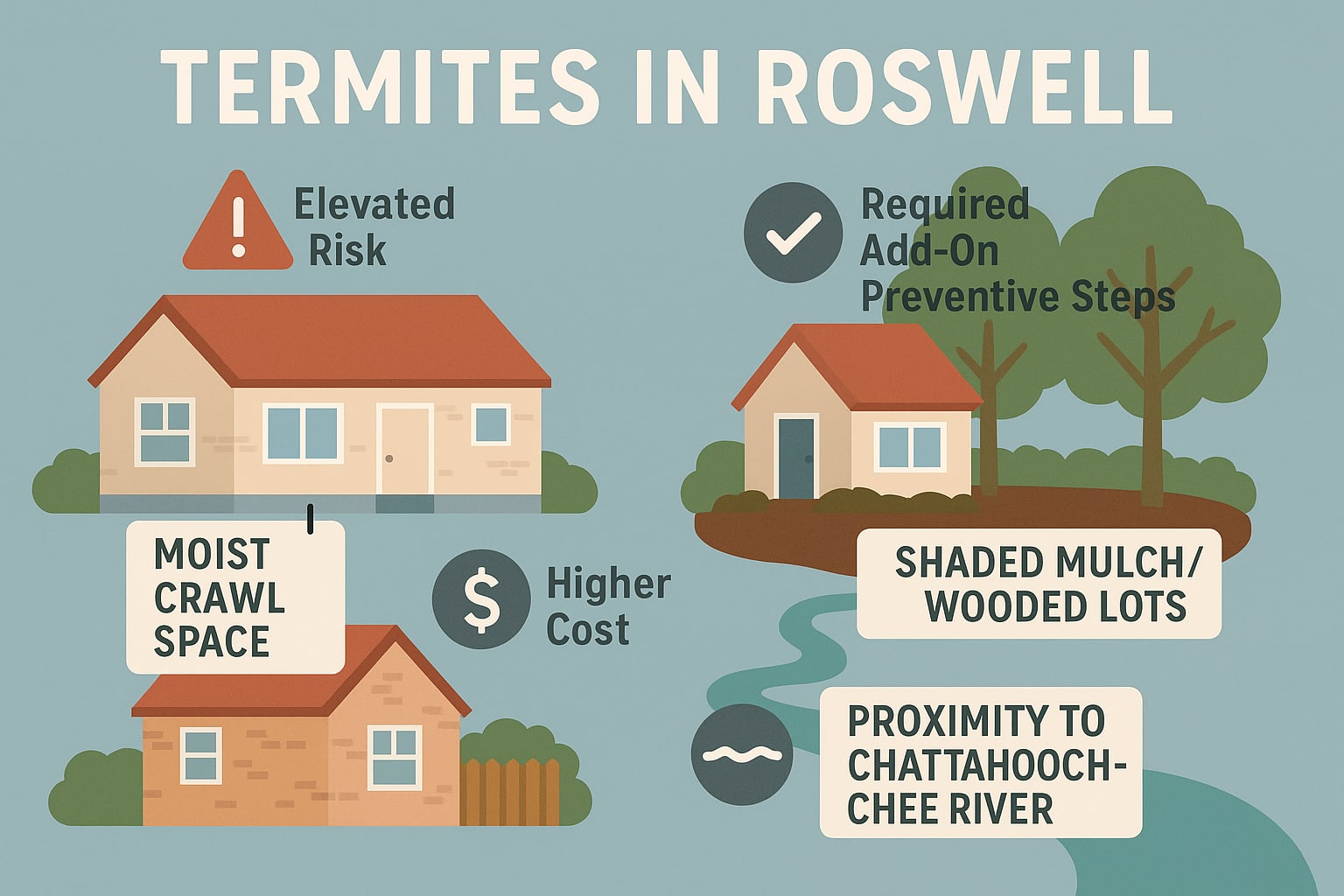
Let’s get real: Older homes, especially with crawl spaces or basements, are prime targets. If your place has wood siding, mulch tucked right up against the foundation, or a yard full of pine straw, you’re giving millipedes five-star accommodations right at ground level. Add in a few cracks, gaps, or a botched drainage system, and you’re rolling out the welcome mat for these moisture-loving critters. Once they find enough damp hiding spots, those millipedes start making their way inside—often right after a stretch of heavy rain.
And not all neighborhoods are hit the same. If you’re tucked away near the greenway, or your lot gets plenty of shade, you might notice you need pest treatments more often. The big trees and lush landscapes that make Roswell so charming also drop lots of leaves, and all that decaying plant material keeps things moist and perfect for a millipede population boom. On the other hand, brand new homes with sealed foundations and slick modern drainage are a tougher nut to crack for these pests. Still, nobody’s immune—weather swings can tip the balance anywhere in town.
At the end of the day, what you pay for millipede prevention or control in Roswell really can depend on what your home and yard look like, and what Mother Nature’s serving up. The more moisture, hiding spots, and entry points you’ve got, the more often you’ll need help staying millipede-free. Coming up next, we’ll take a closer look—visually—at how these local conditions all connect to your inspections and treatments.
Simple Steps to Keep Millipedes at Bay (And Your Wallet Happy)
If you’d rather not see another millipede scooting across your floor—or keep paying someone else to get rid of them—there’s plenty you can do to make your Roswell home a lot less attractive to these critters, especially after a millipede inspection Roswell homeowners rely on to pinpoint problem areas. Here are some straightforward steps that really make a difference:
- Tame the Damp: Millipedes love moisture. Grab a dehumidifier for those musty basements or crawl spaces and fix any leaky pipes. Every bit of dryness helps.
- Clear Out Yard Clutter: Rake up leaves, mulch, or decaying stuff—especially within a 3-foot ring around your house. Less cover means fewer hiding spots for millipedes and other pests.
- Seal It Up: Take a walk around your home and look for cracks, gaps, or loose vents near the ground. Caulk and weatherstripping go a long way toward shutting out unwanted guests.
- Watch Your Water: Keep gutters clean and double-check that sprinklers aren’t flooding right by the foundation. A quick tweak to your drainage can keep puddles from forming where millipedes like to gather.
- Stay Ahead of Trouble: Schedule routine pest inspections, especially after those heavy spring or fall rains. Catching a problem early keeps things cheaper and simpler—and your peace of mind intact.
- Choose Smarter Mulch: Swapping wood mulch for gravel right against your foundation gives millipedes fewer places to hide and cuts down on ground moisture.
Stay in the habit of checking around your property. These basic steps won’t just push millipedes out—they’ll help you dodge surprise pest control bills later on. Good old prevention beats fixing a major infestation any day.
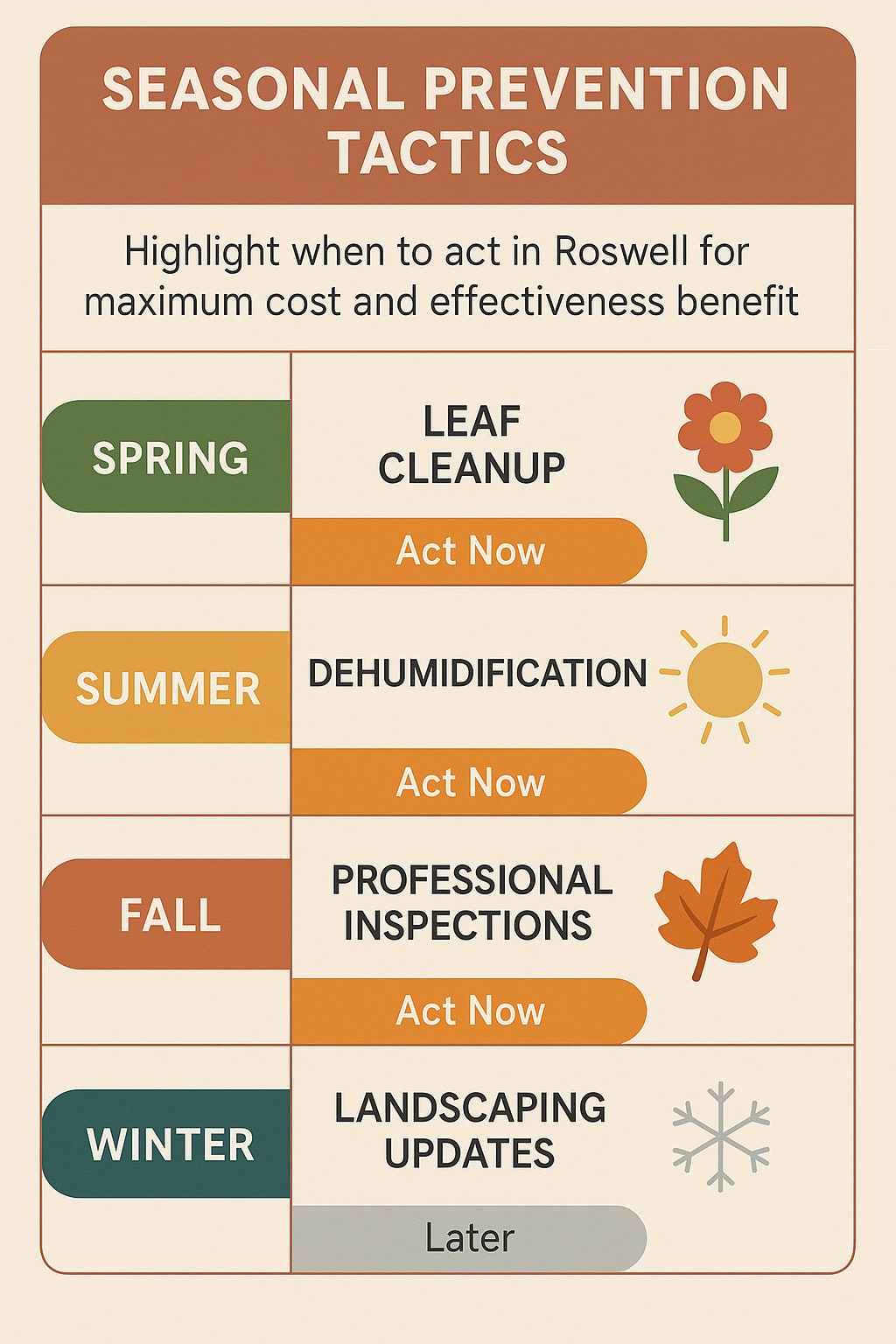
See below for a quick checklist that breaks down which prevention tips work best in each season, so you can keep your home pest-free all year long.
When Should You Schedule a Millipede Inspection in Roswell?
If you’re in Roswell, you know the routine—drizzle sets in, the ground gets soggy, and suddenly, there’s a millipede wave ready to cross your threshold. Most homeowners start noticing millipede problems after heavy spring rains or as summer winds down and the first leaves fall, which is often when a millipede inspection Roswell homeowners trust becomes especially important. Honestly, if you’re waiting until you’ve stepped on a crunchy one in your kitchen, you’ve waited too long.
The smartest move is to get ahead of the game. An inspection right before or just after those rainy periods can keep populations from exploding. And if you live close to woods or along the river, you’re in a millipede hotspot—early checks are a lifesaver. Most locals who’ve dealt with these crawlers book service in late winter or early spring, sometimes even before the rain comes, just for the peace of mind.
Preventive treatments—or simple things like sealing up cracks and checking those window sills—done before the spring rush or in the early fall can save you a heap of trouble (and cleaning). Fall inspections are also fantastic, especially with those big migration waves when the weather cools.
Bottom line: The absolute best time to call us is before millipedes make themselves at home—or the moment you notice that first one inside. Still, if you want year-round protection without the guesswork, a quarterly pest plan is the way to go. It keeps your home covered, come rain or shine, and you won’t be counting legs on your way to the coffee pot.
Check the comparison image above for a quick look at when these critters are most active. Either way, don’t wait for a full-blown invasion—get your home checked and sealed, and enjoy a millipede-free season all year long.
Ready to Kick Millipedes Out of Your Home?
You don’t have to live with millipedes crawling across your floors or worry about what else is going on with the moisture in your Roswell home. Let Anthem Pest make your life easier. Give us a quick call at 877-3718-5196 or schedule your FREE millipede inspection right here. Our friendly Roswell team will check your property top to bottom and show you exactly what’s needed to solve the problem—all with a straightforward quote and zero pressure.
We’re local, we know millipedes, and we stand behind every job with a satisfaction guarantee. Don’t wait for a bigger headache or an even worse infestation. Get peace of mind and protect your home today!
Roswell Millipede FAQ: What Homeowners Want to Know
- What brings millipedes into my Roswell home?
They love moisture—think damp basements, thick mulch, shaded yards, and places where water collects. Decaying wood and leaf piles, and even small cracks along your foundation, are like open invitations for them. - Are millipedes a danger to me or my pets?
No need to worry—millipedes are just a nuisance. They don’t bite, sting, or spread disease, but spotting them inside could mean there’s a moisture issue to tackle. - How long does a millipede inspection take?
Most professional millipede inspections take 30 to 45 minutes. Expect a thorough look inside and out, plus a prevention plan tailored to your home. - Can I handle millipedes myself?
If you only see a couple, vacuuming them up and sealing cracks works fine. But if they keep coming back, or you’re seeing lots at once, it’s smart to call a pro. That’s the only way to stop them for good. - Are millipedes covered in standard pest control plans?
Yes! Companies like Anthem Pest include millipede protection in their regular and bundled service plans, so you’re covered if they show up. - When should I book service?
Best bets are early spring or fall—just before they get active. But if you spot a cluster indoors, don’t wait—call right away to shut down the problem before it spreads. - How much does millipede control cost?
One-time service usually runs $100–$150. If you want year-round peace of mind, full prevention plans with quarterly visits average about $225–$450 per year. - Will I need to leave during treatment?
Nope—most providers use odorless, people- and pet-friendly products. There’s no need to pack up or leave your home during millipede treatments.
Still have questions about millipedes or want a professional millipede inspection Roswell homeowners trust? Reach out to the local experts—you’ll get answers, a plan, and real peace of mind.