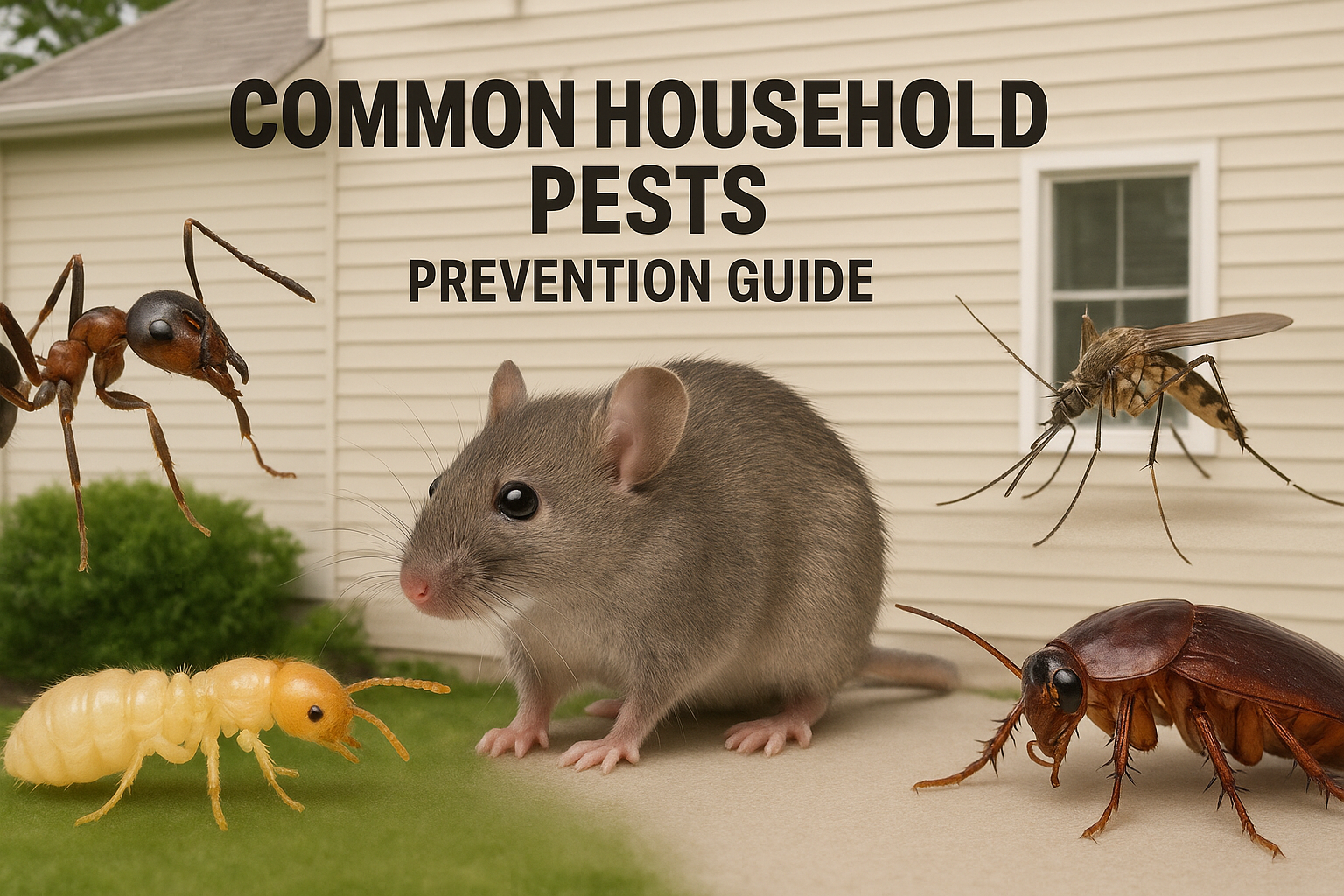
Rat Problems in Suwanee, GA: An Overview

Living in Suwanee means enjoying mild winters, warm, humid summers, and a blend of newer subdivisions and older, tree‑lined neighborhoods. Those same conditions—ample vegetation, plentiful water sources, and a mix of single‑family homes, townhouses, and duplexes—create an inviting environment for rats. The region’s average annual rainfall of about 50 inches keeps lawns lush, but it also leaves gutters, basements, and crawl spaces damp, which rats love for nesting and foraging.
How often do Suwanee homeowners see rats?
Local pest‑monitoring data show that roughly 1 in 4 households in Suwanee reports a rat sighting at least once a year. In the most active neighborhoods—especially those bordering wooded parks or with older, unsealed foundations—the rate climbs to nearly 35 %. Seasonal spikes are typical in late summer and early fall, when outdoor food sources dwindle and rats seek shelter indoors. These numbers underscore why many residents consider rodent control a routine part of home maintenance.
Why the fuss? Health and property risks
Rats are more than a nuisance; they are vectors for serious diseases such as leptospirosis, hantavirus, and salmonella. Their droppings, urine, and gnawed materials can contaminate food preparation areas, posing a direct threat to family health. Beyond health, rats chew through electrical wiring, insulation, and even structural wood, increasing the risk of fire hazards and costly repairs. A single infestation can easily cause thousands of dollars in damage if left unchecked.
What’s coming up in this guide?
Now that you understand how common and potentially damaging rat problems are in Suwanee, the rest of this article will walk you through the essential steps to protect your home. We’ll cover how to identify early signs of rodent activity, compare effective treatment options (from snap traps to professional baiting programs), break down typical pricing structures, and explain the best times of year to act. Finally, we’ll share tips for choosing a reputable, local exterminator—like Anthem Pest Control—who can deliver safe, affordable, and long‑lasting results.
Spotting Rat Activity in Your Home
Rats are masters of stealth, but they can’t stay invisible forever. Catching the first hint of a rodent presence gives you a huge advantage—treatment can be localized, costs stay lower, and you protect your family’s health before a tiny problem turns into a full‑blown infestation. Below are the tell‑tale signs every Suwanee homeowner should know, plus a quick‑step inspection you can run yourself.

Visual cues
What you see often tells the loudest story. Small, dark pellets about the size of a grain of rice are rat droppings; they’re usually found along baseboards, in cupboards, or near food storage. Fresh droppings are glossy, while older ones turn matte and may crumble. Look for gnaw marks—rats love to chew wood, plastic, and even drywall to sharpen their teeth. A fresh gnaw will have clean, shiny edges, whereas older bites appear rough and splintered. Grease trails, the oily smears left by a rat’s fur, often outline the routes they travel along walls or under appliances. Finally, burrows in insulation, crawl‑space corners, or garden mulch signal a colony that’s already established a home base.
Auditory clues
Rats are nocturnal, so the quiet of night is when you’ll hear them most. Scratching, scurrying, or faint squeaking behind walls, in the attic, or within crawl spaces are classic signs. The sound is usually a rapid, irregular scratching that intensifies when the house is quiet. If you hear a sudden, louder “thump” followed by a flurry of movement, a rat may have been startled while navigating a concealed passage.
Olfactory indicators
A strong, musky odor is a dead giveaway. It’s often described as a combination of wet fur and a faint ammonia‑like bite. The smell becomes more pronounced in enclosed areas—behind appliances, inside cabinets, or in the attic. If you notice a lingering, sour scent that doesn’t dissipate after cleaning, it’s likely a rat’s scent marking territory.
Behavioral signs
Rats are opportunistic eaters. If you notice food disappearing faster than usual, especially dry goods like cereal or pet food, they may be feeding unseen. Chewed electrical wiring is a serious red flag—not only does it confirm activity, it also creates fire hazards. Look for shredded paper, fabric, or insulation used as nesting material. These “rat nests” are usually found in hidden corners, under appliances, or within wall cavities.
How to conduct a simple home inspection
- Start at the ground level. Walk around the perimeter of your home, checking for droppings, gnaw marks, and grease trails along baseboards, behind cabinets, and near utility entry points.
- Listen. Turn off lights and appliances for a few minutes. Stand quietly in the kitchen, attic, and crawl space and listen for scratching or scurrying sounds.
- Sniff it out. Take a slow breath near suspected areas. A musky, ammonia‑like smell that lingers after ventilation is a strong indicator of rats.
- Inspect food storage. Open pantry doors and examine all packaged goods. Discard any items with torn packaging or signs of nibbling.
- Check wiring and insulation. Look for frayed wires, exposed copper, or shredded insulation—especially around outlets, light fixtures, and HVAC ducts.
- Document findings. Use a phone to take photos of droppings, gnaw marks, and any nests. This record helps professionals pinpoint hot spots when you call Anthem Pest Control.
Spotting these clues early gives you the upper hand. If you find multiple signs, it’s time to call a licensed professional—like Anthem Pest Control—to assess the extent, seal entry points, and apply a targeted treatment plan that safeguards your home and your budget.
Effective Rat Control Methods
Exclusion Techniques
Before you set a trap or pour chemicals, the most reliable way to keep rats out is to block their entry points. Inspect the foundation, crawl spaces, and attic for gaps as small as a quarter‑inch—rats can squeeze through surprisingly tiny openings. Install door sweeps on all exterior doors, and fit vent covers with fine mesh to deny access to the roof and utility vents. Pros: permanent solution, no chemicals, low ongoing cost. Cons: requires thorough inspection and occasional maintenance, and may need professional sealing for larger structural gaps.
Trapping Strategies
When rats have already infiltrated your home, traps become essential. Snap traps deliver a quick, lethal kill and are inexpensive, but they must be placed strategically along walls and near known activity zones. Live‑catch traps allow you to relocate the rodent, appealing to homeowners who prefer a humane approach; however, they demand frequent checking and proper release far from your property, which may be illegal in some municipalities. Bait stations combine a concealed poison with a tamper‑proof housing, offering a discreet option for hidden infestations. Their main drawback is the need for careful placement to avoid pets and children, and they often require professional monitoring to ensure effectiveness.
Chemical Controls
Rodenticides remain a powerful tool, especially for severe infestations that resist mechanical methods. Modern products are formulated to target rodents while minimizing risk to non‑target species, but they still pose safety concerns. Pros: high efficacy, can treat hard‑to‑reach areas, and often provide residual action for weeks. Cons: potential toxicity to pets, children, and wildlife; strict handling regulations; and the possibility of rats developing bait aversion. Because of these risks, Anthem Pest Control recommends that rodenticides be applied by licensed technicians who can assess dosage, placement, and local compliance.
Integrated Pest Management (IPM) Approach
IPM blends exclusion, trapping, and monitoring into a coordinated program that adapts to the severity of the problem. First, seal all entry points (exclusion), then deploy a mix of snap traps and bait stations (trapping), and finally, set up monitoring stations to track activity levels. This layered strategy reduces reliance on chemicals, cuts long‑term costs, and provides measurable results. The key to IPM success is regular data collection—if monitoring shows continued activity, adjustments are made promptly, such as adding more traps or re‑sealing missed gaps.
Importance of Follow‑Up Inspections
Even the best‑planned rat control program can fall short without diligent follow‑up. A single inspection after treatment may miss new entry points created by seasonal weather or home renovations. Anthem Pest Control schedules post‑treatment visits at 2‑week and 4‑week intervals to verify that traps remain effective, bait stations are still active, and no new signs of activity appear. These inspections also give homeowners a chance to ask questions, learn maintenance tips, and ensure that the rat problem stays solved for the long haul.
Rat Control Service Pricing Explained
Understanding the Pricing Models
When you call a pest‑control pro in Suwanee, you’ll usually encounter two basic pricing structures. A one‑time treatment is a single visit that targets the current infestation, ideal for a small, isolated problem. An ongoing service plan spreads the cost over several months, includes routine inspections, and helps keep rats from returning after the initial knock‑out.
Both models aim to protect your home, but they differ in how they allocate labor, materials, and follow‑up visits. Knowing which model fits your situation can prevent surprise invoices and ensure you get the right level of protection.
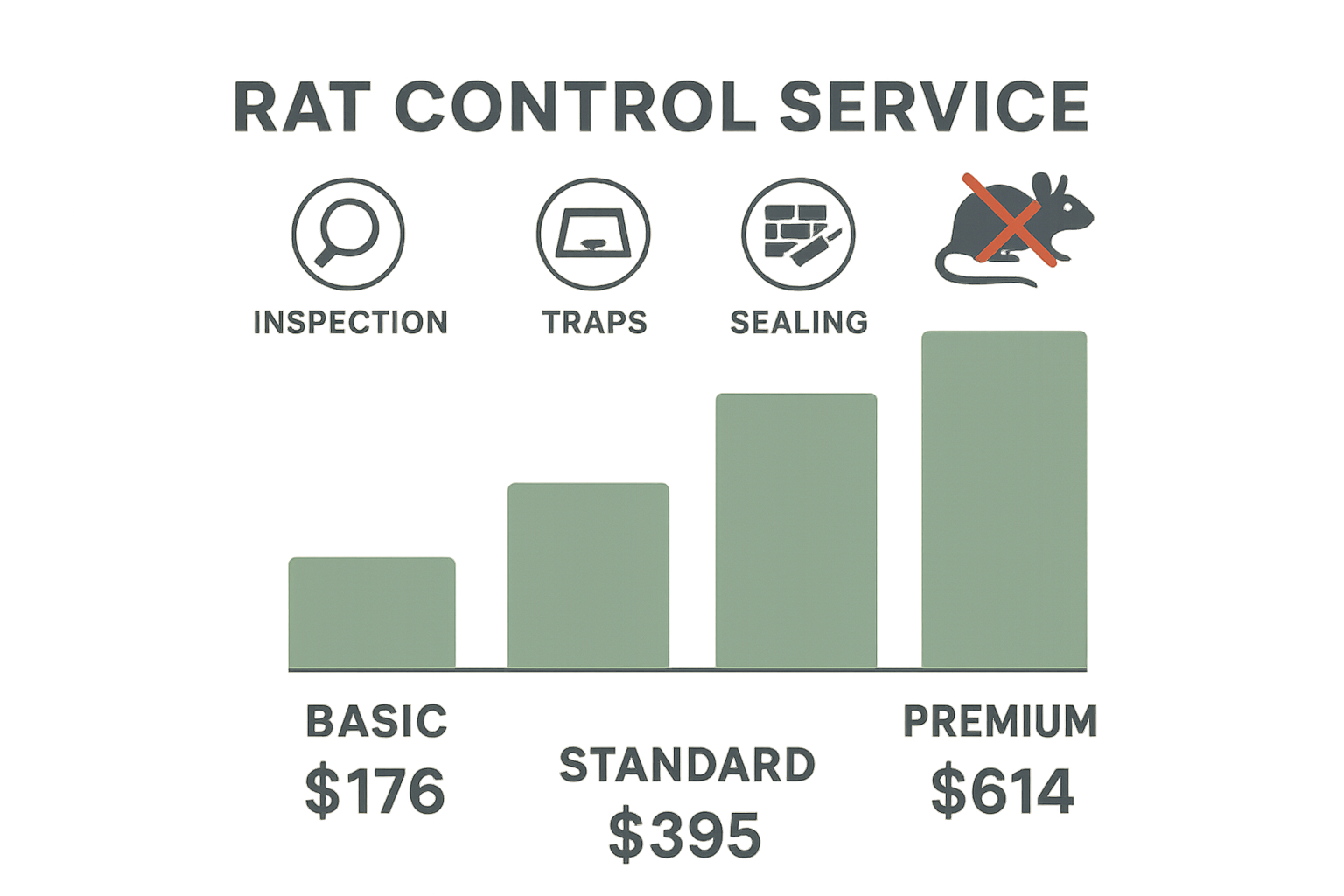
Three Service Tiers: What You Get for Your Money
| Tier | What’s Included | Typical Price (Suwanee, GA) |
|---|---|---|
| Basic |
|
$120 – $180 |
| Standard |
|
$250 – $350 |
| Premium |
|
$480 – $620 |
Average Price Ranges in Suwanee, GA
Based on local market data, a typical one‑time treatment in Suwanee runs between $150 and $300, depending on the scope of work. Ongoing plans, especially the Premium tier, can range from $400 to $650 for a six‑month commitment. These figures reflect the cost of trained technicians, quality traps, and the labor involved in sealing a home’s vulnerable spots.
Factors That Influence Your Bill
- Infestation size: A handful of rats requires fewer traps and less labor than a full‑blown colony.
- Property type: Single‑family homes, townhouses, and multi‑unit buildings each present unique access challenges.
- Access difficulty: Cramped crawl spaces, attics with limited entry, or homes built on concrete slabs can increase labor time.
- Seasonality: Spring and fall see higher rodent activity, which may affect availability and pricing.
- Additional services: Sealing large gaps, installing bait stations, or providing a pest‑proofing warranty adds to the total cost.
Why Transparent Pricing Matters
At Anthem Pest Control, every quote breaks down the exact services you’ll receive. No hidden fees, no surprise add‑ons after the technician leaves. When you see a clear line item for “inspection,” “trap placement,” and “follow‑up visit,” you know exactly where your money is going. This openness builds trust, lets you compare options confidently, and ensures you’re not paying for services you never use.
Local Pricing Reference
For a deeper dive into Suwanee‑specific rates, check out the detailed breakdown on Anthem Pest’s pricing page: Anthem Pest Rat Control Cost Suwanee GA. The page lists real‑world examples, seasonal discounts, and FAQs that can help you decide which tier aligns with your budget and pest‑control goals.
Seasonal Rat Activity in Suwanee, GA
Why Temperature and Food Drive Rat Behavior
Rats are cold‑blooded opportunists, so their breeding cycles and foraging habits are tightly linked to the weather and the availability of edible scraps. When daytime highs climb above 60°F (15°C), metabolism speeds up, prompting females to breed and young rats to venture farther from burrows in search of food. Conversely, a hard freeze forces them back into insulated nests, reducing visible activity. In Suwanee, the abundance of outdoor trash, fallen fruit, and garden debris during the growing season provides a buffet that fuels rapid population growth.
Seasonal Activity Overview
Understanding the ebb and flow of rat movements lets homeowners schedule inspections and treatments when they’ll be most effective. Below is a concise visual of the typical activity pattern across the year.
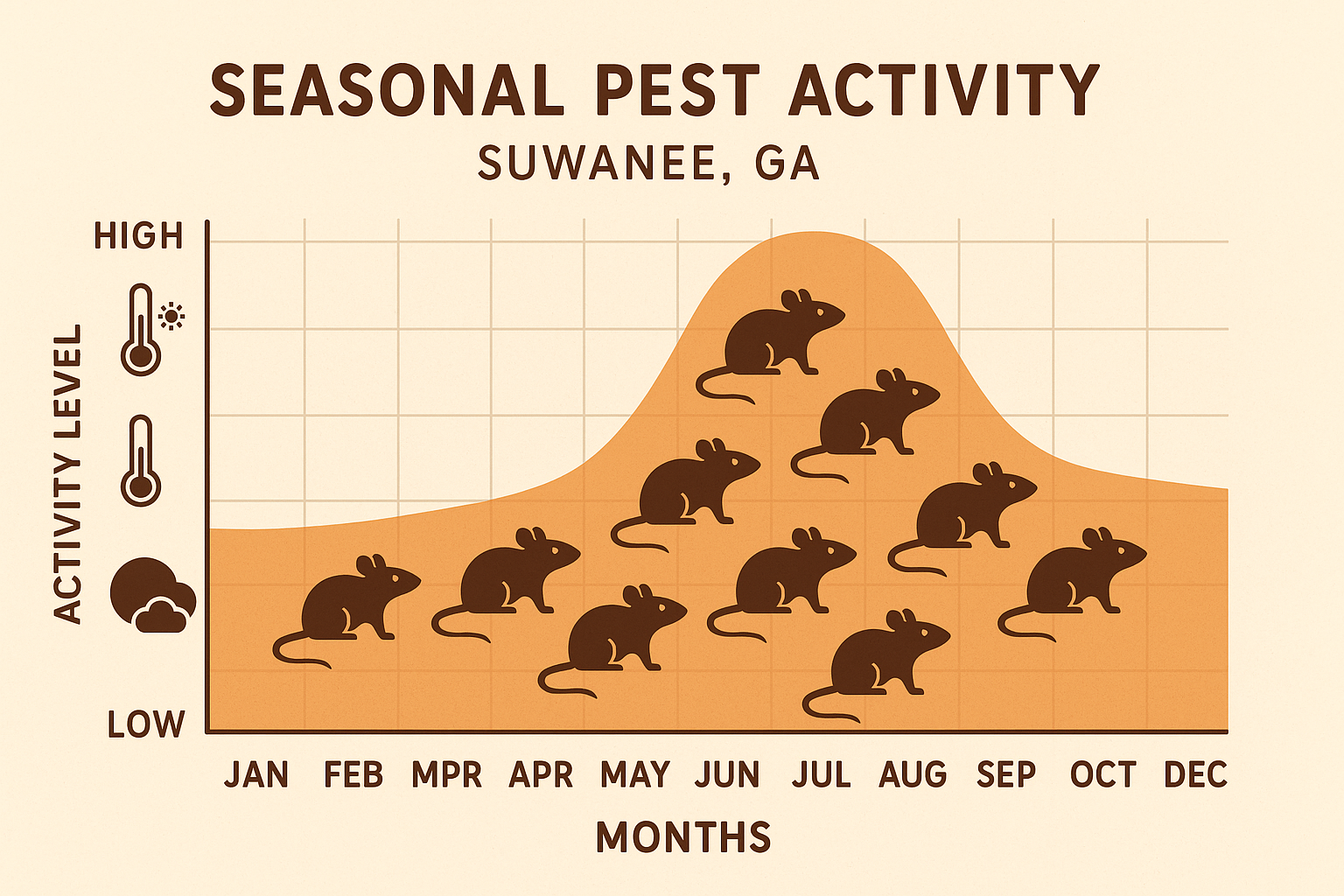
| Month | Activity Level |
|---|---|
| January | Low |
| February | Low |
| March | Moderate |
| April | Moderate |
| May | High |
| June | High |
| July | Peak |
| August | Peak |
| September | Peak |
| October | High |
| November | Moderate |
| December | Low |
Pre‑emptive Inspections Before the Peak
Schedule a professional inspection in late February or early March—right before the activity begins to climb. During this visit, technicians will check for entry points, assess nesting sites, and identify hidden food sources. Early detection lets you seal cracks, trim vegetation, and set up bait stations before the summer surge, dramatically lowering the number of rats that can establish a foothold in your home.
Seasonal Sanitation Tips
- Clear fallen leaves, grass clippings, and garden debris each month to eliminate hiding places.
- Store firewood at least 18 inches off the ground and away from the house foundation.
- Use sealed, rat‑proof containers for pet food and birdseed; avoid leaving bowls out overnight.
- Keep trash cans covered with tight‑fitting lids and empty them frequently during warm months.
- Trim tree branches and shrubs so they don’t brush against the roof, creating easy bridges for rodents.
Timing Your Treatment for Maximum Impact
Aligning chemical or bait‑based treatments with the identified peaks—late summer through early fall—offers the best chance to curb a burgeoning population. A pre‑emptive application in early June creates a toxic barrier just as juveniles emerge, while a follow‑up in September targets any survivors before they seek winter shelter. Combining these timed treatments with the sanitation steps above ensures that when rats do appear, they encounter a hostile environment and have nowhere comfortable to hide.
Why Choose a Professional Pest Control Partner
Accurate Identification and Targeted Treatment
Rats aren’t the only critters that can set up shop in your Suwanee home. A single sighting could actually be a sign of mice, voles, or even a larger infestation of squirrels. A licensed professional like Anthem Pest Control knows how to differentiate these species quickly, which means the treatment plan hits the right target from day one. Misidentifying the pest often leads to wasted effort, repeated visits, and higher costs. By trusting experts, you eliminate guesswork and get a solution that’s built for the exact problem you’re facing.
EPA‑Approved Products and Advanced Equipment
DIY kits typically rely on over‑the‑counter baits or sprays that may not meet EPA standards for indoor safety or long‑term efficacy. Our technicians carry industry‑grade, EPA‑approved rodent control products that are proven to work in the specific climate and building styles of Suwanee. In addition, we use heat‑mapping tools, infrared cameras, and bait‑tracking stations—equipment that’s simply unavailable to the average homeowner. These tools let us locate hidden entry points, monitor activity, and adjust treatment in real time, delivering a faster, more reliable knock‑out.
Guarantees and Warranties that Protect You
When you hire Anthem Pest Control, you’re not just paying for a one‑time service; you’re gaining a safety net. Our contracts include warranties that cover re‑treatment if the rats return within the guaranteed period. DIY methods lack any formal guarantee, leaving you to foot the bill for every follow‑up visit. A professional guarantee gives you peace of mind and a clear path to resolution if the problem persists.
Time Savings and Safety for Families
Every hour you spend hunting for traps, setting baits, and sealing holes is an hour taken away from work, school, or family time. Our technicians arrive prepared, complete the inspection, treatment, and follow‑up in a single, efficient visit. Moreover, handling rodent control chemicals without proper training can expose children and pets to unnecessary risks. We follow strict safety protocols, wear protective gear, and use low‑toxicity products that protect the people and animals you love.
Local Knowledge of Suwanee’s Pest Pressures and Regulations
Suwanee’s humid subtropical climate, combined with its mix of residential neighborhoods and wooded areas, creates a perfect breeding ground for rodents. Local regulations also dictate how and where certain control methods can be applied. Anthem Pest Control’s technicians live and work in the area, so they understand the seasonal peaks, common entry points, and municipal guidelines that affect treatment. This insider knowledge translates into a plan that complies with local codes while staying one step ahead of the rats.
Choosing a professional partner means you’re investing in expertise, safety, and a proven track record. With Anthem Pest Control, you get a licensed team that brings the right tools, the right products, and the right local insight—all backed by guarantees that protect your home and your budget.
Protect Your Home with Anthem Pest Control
When it comes to rats, timing is everything. Spotting the first signs—scratching noises, droppings, or gnaw marks—allows you to act before an infestation spreads to walls, insulation, and wiring. Early detection, paired with the right treatment at the right moment, is the most reliable way to keep your Suwanee home safe, clean, and structurally sound.
Transparent Pricing That Fits Your Budget
Anthem Pest Control believes you shouldn’t have to guess how much a rat‑control job will cost. Our pricing tiers are laid out clearly on our website, so you know exactly what you’re paying for—whether you need a one‑time removal, a seasonal monitoring program, or a comprehensive prevention package. We also factor in seasonal considerations: spring and fall bring higher rodent activity, so we often recommend pre‑emptive treatments during these periods to lock out new invaders before they settle in.
Safe, Effective, and Affordable Solutions
Our technicians use EPA‑approved baits, traps, and exclusion methods that protect your family, pets, and the environment. Each treatment plan is customized after a thorough on‑site inspection, ensuring we target the specific entry points and nesting sites unique to your property. Because we focus on long‑term prevention, you’ll see fewer repeat visits and lower overall costs.
Why Choose Anthem Pest?
- Local expertise: Our Suwanee team knows the neighborhood’s rodent habits and the best times to intervene.
- Commitment to safety: All products are applied by certified professionals following strict safety protocols.
- Affordability: Transparent pricing, no hidden fees, and flexible payment options keep pest control within reach.
- Customer‑first approach: We stand by a no‑obligation quote policy, so you can make an informed decision without pressure.
Ready to Safeguard Your Home?
Our experts are standing by to assess your situation and provide a free, no‑obligation quote. Whether you’re dealing with a current rat problem or simply want to fortify your home against future invasions, we’ll design a plan that fits your schedule and budget.
Call now at 877-371-8196 or visit Anthem Pest Control to schedule your inspection. Protect your home today—let us keep your Suwanee property rat‑free.