Recognizing Common Stink Bugs
Stink bugs become a household nuisance when they migrate indoors seeking shelter from cooler temperatures or a place to overwinter. In Peachtree City, their numbers can swell quickly, and a few stray insects on a windowsill can turn into a full‑blown invasion. Knowing exactly what you’re looking at helps you act fast, prevents unnecessary panic, and makes it easier for a professional service to target the right pest.
What Makes Stink Bugs a Household Nuisance?
Unlike ants or flies, stink bugs do not reproduce inside your home; they simply hitch a ride and look for cracks, window frames, or attic spaces to spend the winter. While they don’t cause structural damage, their presence is unsettling, and the defensive odor they release when disturbed can linger on furniture, clothing, and food surfaces.
General Appearance: Size, Shape, and Smell
All stink bugs share a distinctive shield‑shaped body that tapers slightly at the rear. Adults measure roughly ½ – ¾ inch (12‑19 mm) long, making them easy to spot on light‑colored surfaces. Their exoskeleton is smooth and glossy, and when threatened they emit a characteristic “stink” that many describe as a mix of cilantro and burnt rubber. This odor is a reliable giveaway that you’re dealing with a true stink bug, not a harmless beetle.
Spotting the Brown Stink Bug
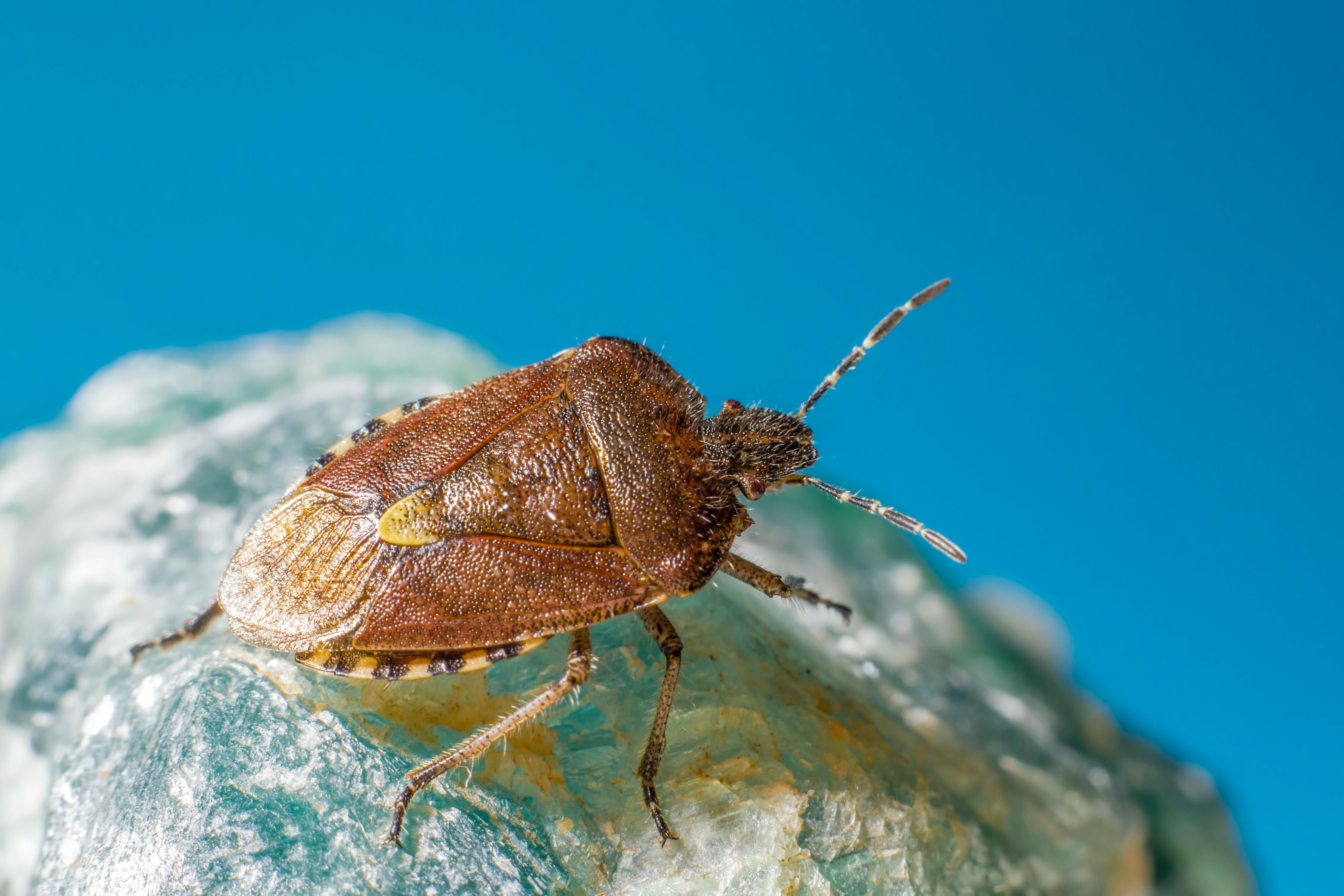
The most common culprit in Georgia homes is the brown stink bug (Euschistus servus). It displays a mottled brown coloration with faint, irregular darker patches along the edges of its wings. The body is rounded rather than sharply angular, and the antennae are relatively short, ending in a subtle club shape. These bugs often congregate on sunny windows, porch lights, and the undersides of outdoor plants, especially during late summer and early fall.
How to Tell Them Apart from Look‑Alikes
Several insects can be mistaken for stink bugs, but a few key differences make identification simple:
- Shield bugs usually have a more pronounced, triangular “shield” and brighter, often metallic hues.
- Beetles possess hardened forewings (elytra) that cover the entire abdomen and lack the characteristic stink‑producing glands.
- Ladybugs are much smaller, dome‑shaped, and display bright red or orange shells with distinct black spots.
Quick Inspection Checklist
Use this short list during your next walk‑through to confirm whether you’re dealing with stink bugs:
- Check windowsills and light fixtures for small, rounded insects.
- Inspect outdoor plants, especially tomatoes and beans, for clusters of brown bugs.
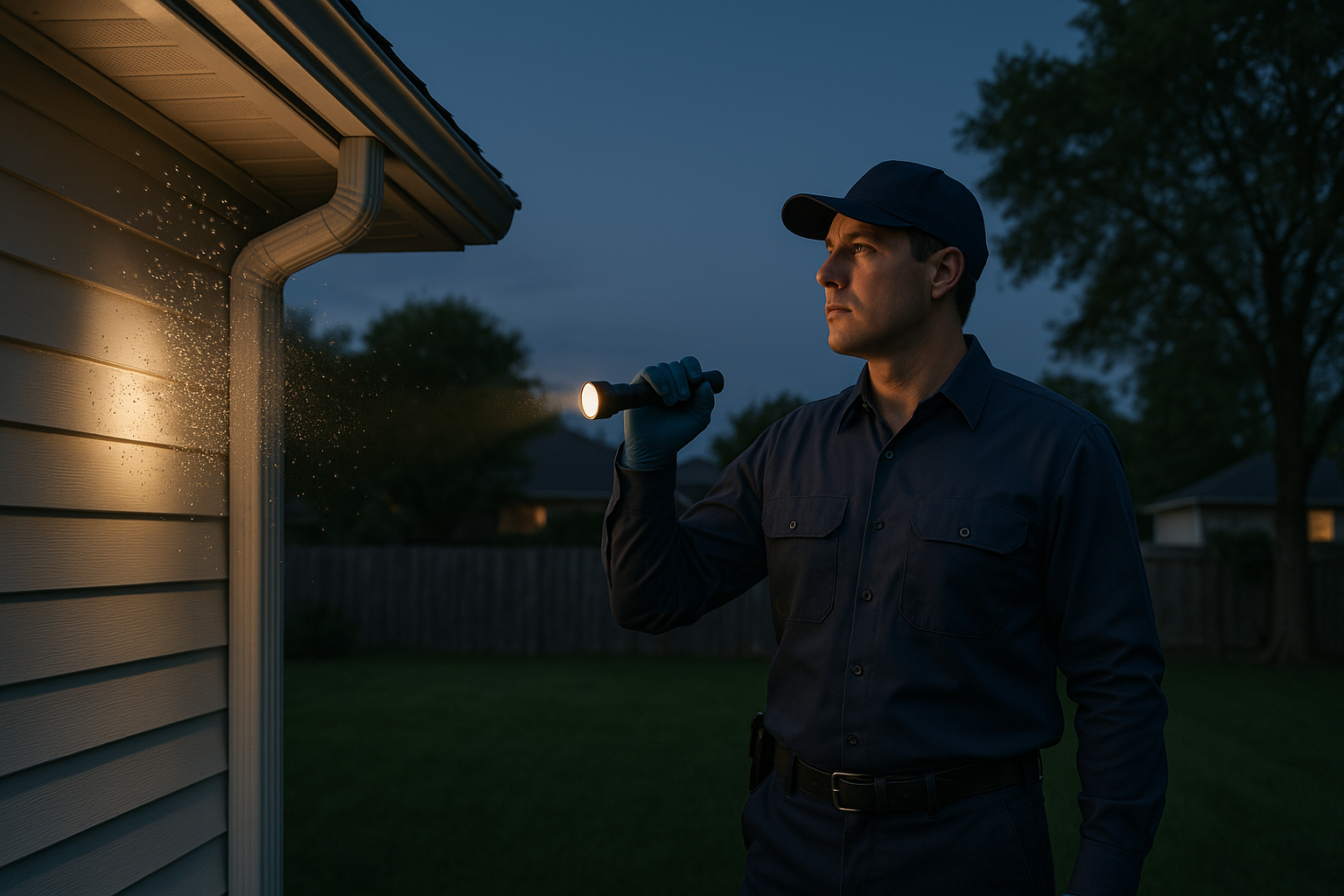
- Look under eaves, soffits, and attic vents where they may hide.
- Notice any faint, cilantro‑like odor when you disturb a suspect insect.
- Confirm size (½ – ¾ in) and mottled brown coloration before calling a professional.
Spotting the Invasive Brown‑Marmorated Stink Bug
Origin and spread of BMSB in the United States
The brown‑marmorated stink bug (BMSB) Halyomorpha halys hails from East Asia, where it lives alongside a suite of natural predators. It first slipped across the Pacific in the late 1990s, hitchhiking in shipping containers and wooden pallets. Within a decade it had established footholds in the Midwest, the Mid‑Atlantic, and the Southeast, including Georgia. Today, the insect is a common sight from Atlanta to Savannah, and its range continues to expand as warmer winters and global trade create new pathways.
Distinctive features that set BMSB apart
Even a quick glance can separate a BMSB from native stink bugs. Look for a shield‑shaped body about ½‑inch long, uniformly dark brown to black. The antennae are unmistakable: each segment displays a pale white‑yellow band, giving the legs a “striped” appearance. Most telling is the V‑shaped marking on the dorsal side—two dark lines that converge toward the center of the back, forming a bold “V.” These visual cues are reliable identifiers, especially when paired with the bug’s characteristic “stink” when disturbed.
Typical entry points into homes
Unlike many garden pests, BMSBs are opportunistic indoor explorers. They exploit the smallest gaps:
- Unsealed cracks around exterior doors and sliding windows.
- Openings around vent fans, dryer exhausts, and attic hatches.
- Spaces beneath eaves, soffits, and roof shingles.
Because the bugs are attracted to light, they often congregate on sun‑lit walls and windows during the day, then slip through any available opening as night falls.
Seasonal behavior that drives indoor sightings
From late July through early October, BMSBs enter a “search‑for‑warmth” phase. As outdoor temperatures dip, they seek shelter to survive the winter. This is the window when homeowners in Peachtree City report the highest indoor activity—clusters of bugs gathering behind baseboards, in wall voids, or inside kitchen cabinets. The influx can feel sudden, but it follows a predictable seasonal rhythm.
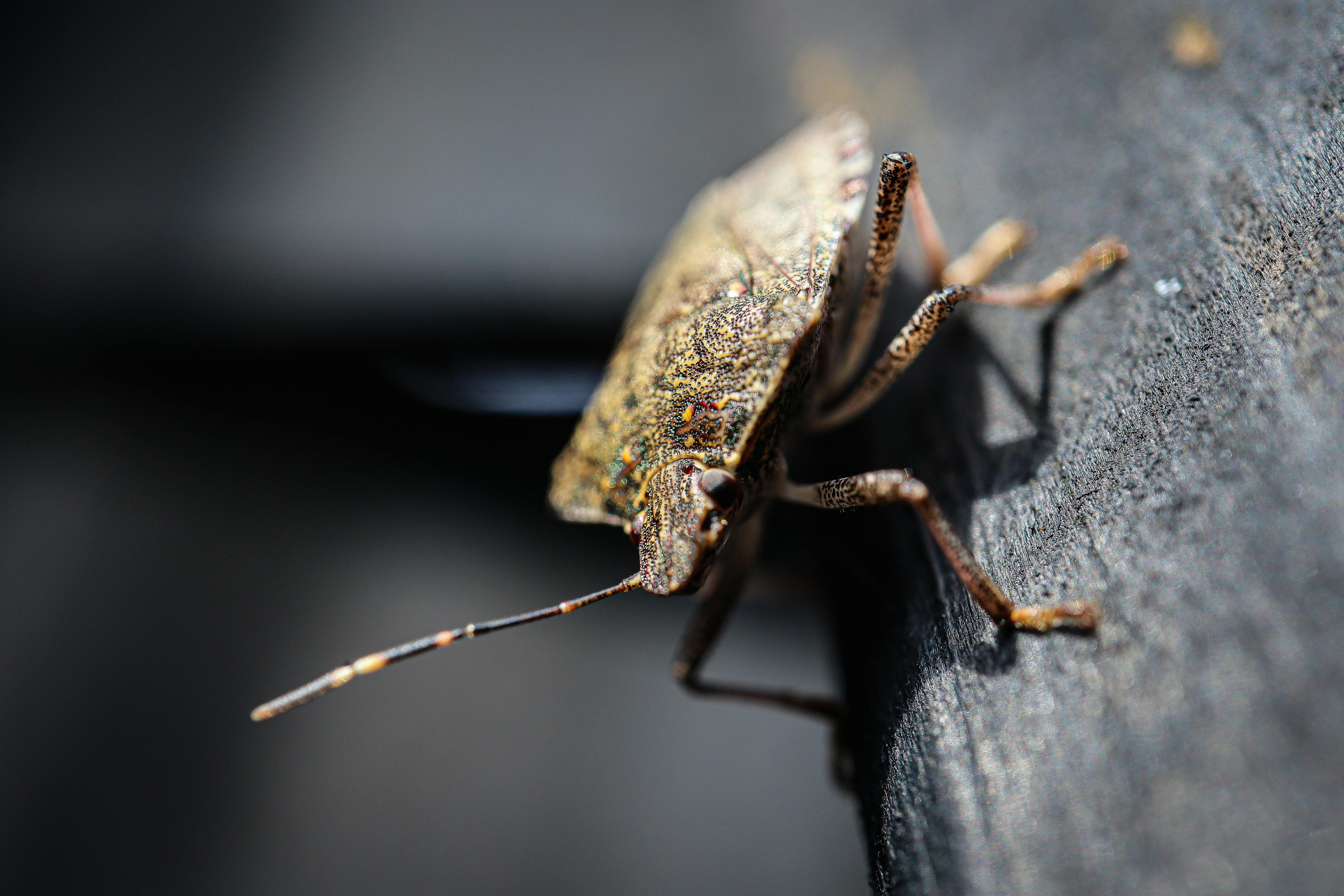
Tips for confirming a BMSB sighting using the macro photo
When you spot a suspicious bug, a quick visual check against a macro photograph can save you time and unnecessary panic. Follow these steps:
- Zoom in on the insect’s antennae—BMSBs have alternating dark and pale segments.
- Look for the V‑shaped dorsal pattern; it’s absent on most native stink bugs.
- Check the overall body length—about 12‑15 mm, slightly larger than garden‑variety stink bugs.
- If the bug is still alive, gently coax it onto a clear surface for a side‑view photo; compare side‑profile shape to the reference image.
- When in doubt, capture the bug (using a small container) and contact Anthem Pest Control for expert verification.
When Stink Bugs Peak in Peachtree City, GA
Peachtree City’s humid subtropical climate is a perfect breeding ground for stink bugs. Warm springs, hot, moist summers, and mild autumns create a year‑round food supply of fruits, vegetables, and ornamental plants. The average temperature climbs above 80 °F (27 °C) from May through September, while nighttime lows rarely dip below 60 °F (15 °C). These conditions accelerate the bug’s development from egg to adult, allowing multiple generations to emerge in a single season. Understanding how temperature, humidity, and rainfall interact helps you anticipate when the insects will move from the yard into your home.
Indoor vs. Outdoor Activity Throughout the Year
Stink bugs spend most of their lives outdoors, feeding on crops and garden plants. During the early growing season (April–June), they are primarily active in the canopy, where they mate and lay eggs on fruit trees and vegetable beds. As summer peaks, the bugs proliferate and begin to explore the perimeter of homes, seeking shelter from the afternoon heat. By late summer (August–September), cooler evenings trigger a massive migration indoors. They slip through tiny cracks around windows, doors, and utility openings, looking for a warm, dry place to overwinter. In the winter months (December–February), the majority remain hidden inside walls, attics, and crawl spaces, emerging only when indoor heating raises temperatures above 70 °F (21 °C).
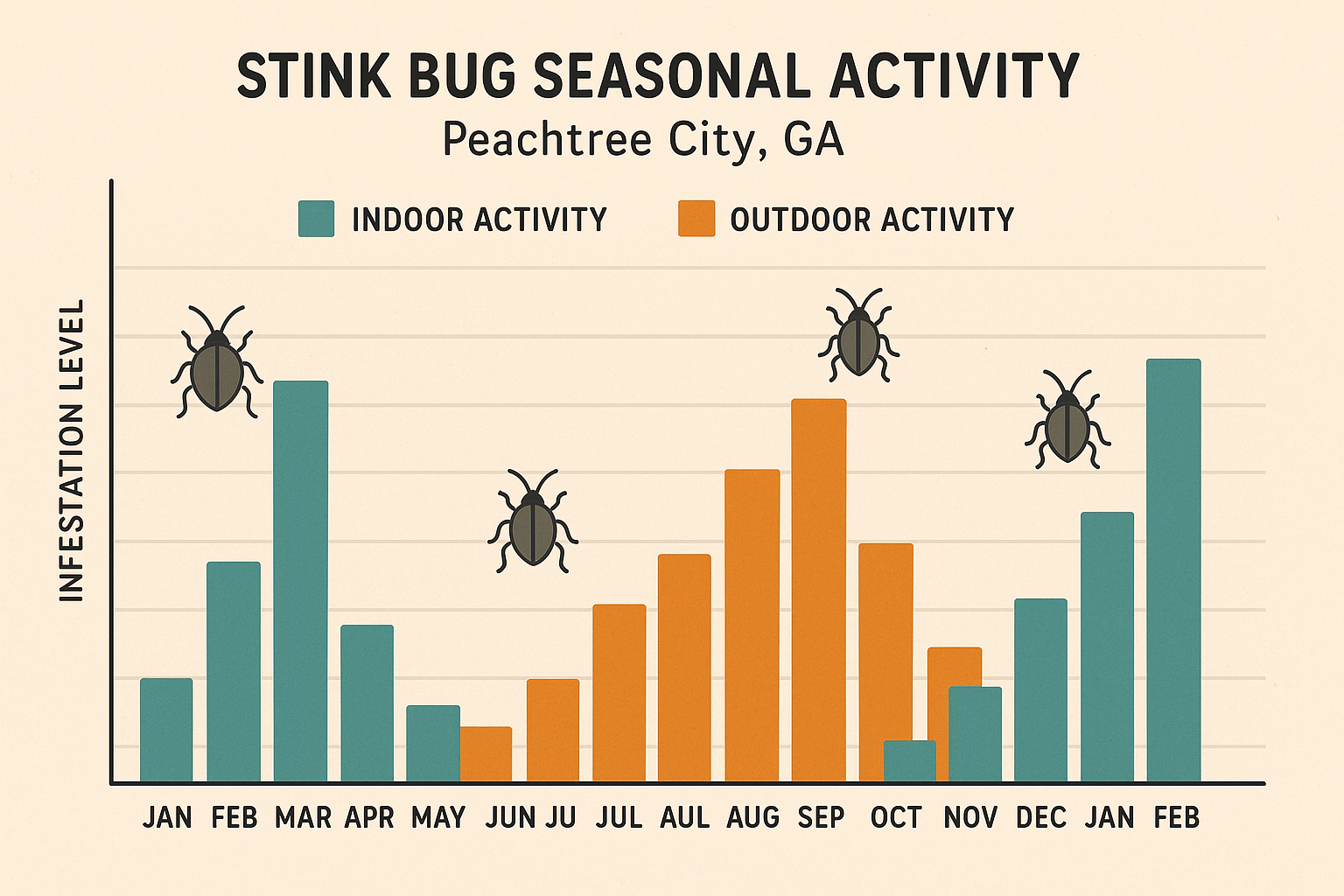
Reading the Seasonal Activity Chart
The chart above visualizes the typical stink‑bug pressure in Peachtree City. Notice the gentle rise beginning in May, which marks the first wave of outdoor activity. The steepest incline appears in August and September—these are the months with the highest indoor pressure. By mid‑October, the curve plateaus as most bugs have already found shelter inside. The lowest point occurs in February, indicating that only a few survivors are still active before the next generation awakens. Homeowners should treat the August‑September window as the critical “peak period” when indoor infestations are most likely to surge.
Practical Timing for Inspections and Treatments
To stay ahead of the stink‑bug invasion, schedule a pre‑emptive exterior inspection in early summer (late May to early June). During this visit, a technician can seal entry points, trim vegetation away from the foundation, and apply a perimeter barrier that deters bugs from crossing into the home. As the fall surge approaches (late August), arrange a targeted indoor treatment—often a low‑toxicity spray applied to wall voids, attic spaces, and utility penetrations. This two‑step approach reduces the number of bugs that make it inside and minimizes the chance of a large winter‑time population.
For homeowners who like to dig deeper into the data, the University of Georgia Cooperative Extension maintains a detailed stink‑bug monitoring page for the Atlanta metro area, which includes Peachtree City. Their seasonal reports and trap counts can help you fine‑tune your treatment schedule. Visit the UGA Extension site for the latest regional updates.
Emergency Treatment Options – DIY vs. Professional
When a swarm of stink bugs suddenly invades your living room or contaminates your kitchen pantry, the situation feels urgent. Large indoor swarms can trigger allergic reactions, foul odors, and, if left unchecked, can quickly spread to neighboring rooms. Homeowners need a rapid response that not only knocks out the current infestation but also prevents the bugs from returning.
DIY Spray Kit
A DIY spray kit is the most accessible option for homeowners who want immediate relief without waiting for a service call. Typical kits contain a blend of pyrethrin‑based insecticide, a surfactant to help the solution cling to surfaces, and a simple applicator bottle. The application steps are straightforward:
- Ventilate the area by opening windows and doors.
- Mix the concentrate with water according to the label instructions.
- Spray all entry points, cracks, and directly onto visible bugs.
- Repeat the treatment after 24 hours if activity persists.
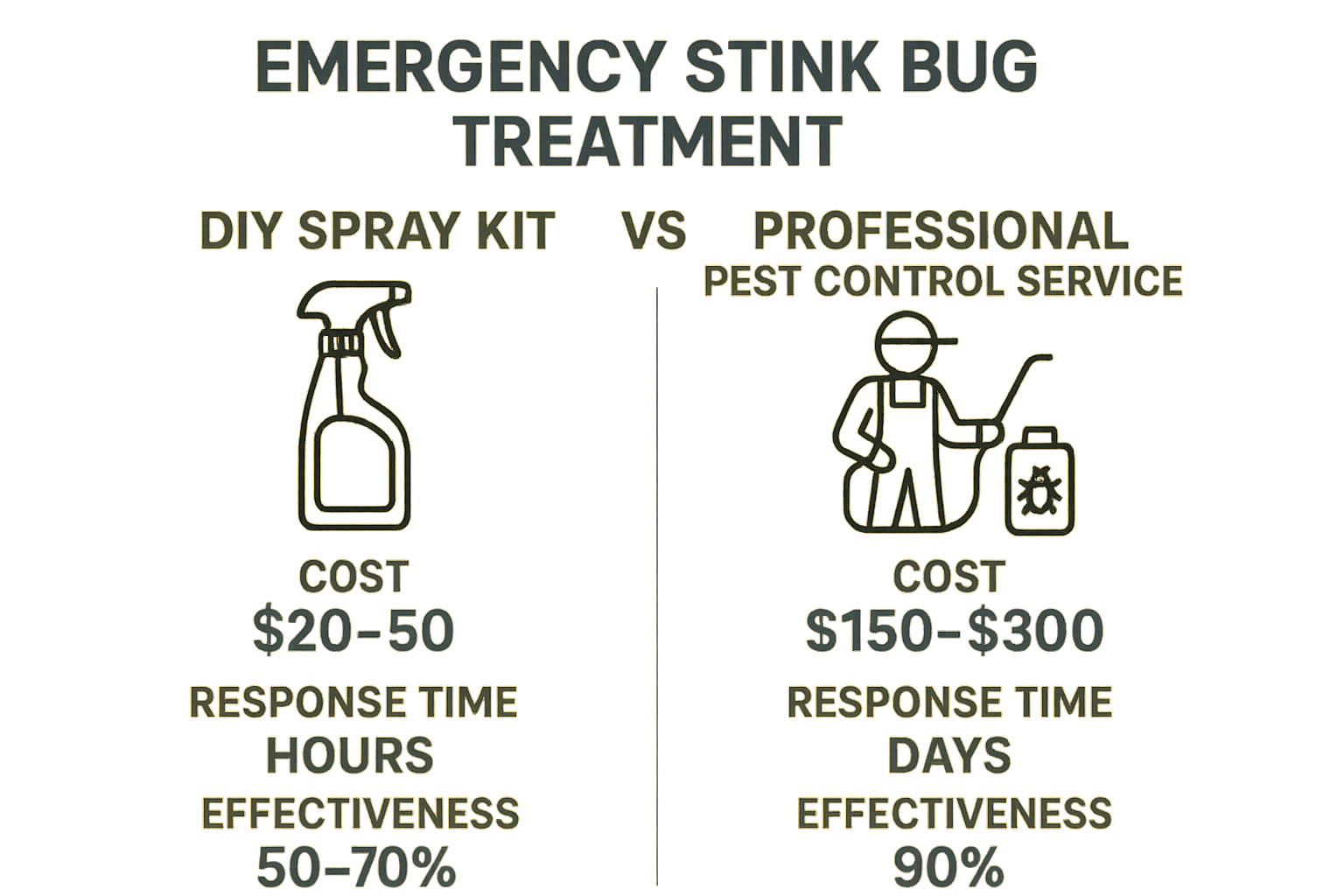
Cost ranges from $15 to $30, making it a budget‑friendly choice. Because the chemicals act on contact, you can expect a same‑day response—the bugs you spray are knocked down within minutes. When applied correctly, DIY kits achieve roughly 60‑70% effectiveness. However, they often lack residual protection, so re‑infestations are common if the source isn’t addressed.
Professional Pest‑Control Service
Calling a licensed technician brings a systematic, high‑impact approach. A professional visit typically includes:
- Comprehensive inspection to locate hiding spots and entry points.
- Targeted treatments using EPA‑approved, residual insecticides that continue working for weeks.
- Strategic placement of bait stations or perimeter sprays for long‑term control.
- A follow‑up visit to verify results and adjust the plan if needed.
Pricing for a single emergency visit falls between $120 and $250, reflecting the expertise, equipment, and warranty that accompany the service. Most companies, including Anthem Pest Control, can schedule a technician within 24 hours** of the call. Effectiveness rates climb to **90‑95%**, largely because professionals treat both the visible swarm and the hidden source.
Pros and Cons at a Glance
| Aspect | DIY Spray Kit | Professional Service |
|---|---|---|
| Cost | $15‑$30 (one‑time purchase) | $120‑$250 per visit |
| Response Time | Immediate – same day | Typically within 24 hours |
| Effectiveness | 60‑70% (contact only) | 90‑95% (residual + source control) |
| Safety | Requires careful handling; risk of over‑application | Technician follows safety protocols; often includes warranty |
| Long‑Term Prevention | Limited; no follow‑up | Included in treatment plan; optional maintenance contracts |
Recommendation Matrix for Homeowners
| Scenario | Recommended Approach | Why |
|---|---|---|
| Small, isolated swarm in a single room | DIY Spray Kit | Low cost, immediate action, and the infestation is limited. |
| Large indoor swarm affecting multiple rooms | Professional Service | Higher effectiveness needed; technician can treat hidden sources. |
| Food‑contamination concerns (pantry, refrigerator) | Professional Service | Ensures thorough decontamination and minimizes health risks. |
| Budget‑tight but willing to re‑treat | DIY Spray Kit (followed by a professional visit later) | Initial control now; professional follow‑up for long‑term peace of mind. |
| Need for warranty and ongoing prevention | Professional Service | Most companies offer guarantees and scheduled maintenance plans. |
In an emergency, speed matters, but so does the likelihood of fully eradicating the problem. If you’re dealing with a minor, localized incident and want to save money, a DIY spray kit can buy you a few hours of relief. For anything beyond that—especially large swarms, food‑related contamination, or repeated sightings—calling Anthem Pest Control delivers the thoroughness, safety, and warranty that a DIY solution simply can’t match. Whatever you choose, act quickly; stink bugs multiply fast, and the longer they linger, the harder they become to control.
DIY Treatment Steps and When to Call Professionals
Safety First
Before you reach for any spray bottle, protect yourself. Wear a pair of nitrile gloves, a long‑sleeve shirt, and safety glasses to keep chemicals away from skin and eyes. Open windows or use a portable fan to improve ventilation, especially if you’re working indoors. Choose an EPA‑registered insecticide labeled for stink bugs, or opt for a homemade solution of liquid dish soap mixed with water (about one tablespoon per quart). Both options work, but the commercial product offers faster knock‑down, while the soap solution is a low‑toxicity alternative for those who prefer a greener approach.
Step‑by‑Step DIY Process
- Locate entry points and seal gaps. Inspect the exterior of your home for cracks around windows, doors, siding, and utility penetrations. Use caulk, weather‑stripping, or expandable foam to close these pathways. The fewer doors the bugs have, the easier the treatment.
- Apply spray to hiding spots. Focus on the underside of eaves, window frames, soffits, and any dark crevices where stink bugs congregate. Follow the label directions for distance and dwell time. Lightly mist the area; oversaturation can attract other insects and create slippery surfaces.
- Set up sticky traps for monitoring. Cut double‑sided tape into 12‑inch strips and affix them near known entry points or along baseboards. The bright color and adhesive surface will capture wandering bugs, giving you a visual gauge of activity.
- Dispose of dead bugs properly. Collect trapped or sprayed insects with a disposable paper towel, place them in a sealed bag, and discard them in an outdoor trash bin. This prevents the characteristic odor from lingering inside your home.
Monitoring Your Results
After treatment, give the chemicals 24–48 hours to work before checking the sticky traps. If you still see a steady stream of live stink bugs after three days, re‑apply the spray to any missed spots and reassess the seal integrity. Consistent monitoring for at least one week will reveal whether the population is truly declining or if the bugs are simply relocating within the structure.
Red Flags That DIY Isn’t Enough
- Persistent indoor populations despite repeated applications.
- Visible damage to garden plants, fruit trees, or ornamental shrubs that DIY methods haven’t halted.
- Allergic reactions such as skin irritation, respiratory discomfort, or worsening asthma symptoms after spraying.
- Large numbers of bugs found in hard‑to‑reach areas like attic insulation or crawl spaces.
- Repeated re‑infestation after you thought the problem was solved.
When to Let Anthem Pest Control Take Over
If any of the red flags above appear, it’s time to call in the professionals. Anthem Pest Control conducts a thorough inspection to pinpoint hidden colonies, structural vulnerabilities, and the source of outdoor breeding. Their technicians then design a customized treatment plan that may include perimeter sprays, targeted baits, and advanced exclusion techniques—options that are not available to the DIY homeowner. Plus, Anthem offers a guaranteed follow‑up visit to ensure the stink bug population stays under control, giving you peace of mind without the guesswork.
Protect Your Home with Expert Stink Bug Control
By now you’ve learned how to spot a stink bug, understand why they surge in late summer, and evaluate your treatment options—from DIY sprays to professional heat treatments. Those basics are the foundation, but the real protection comes from pairing knowledge with a rapid, reliable response.
When a professional steps in, you gain four decisive advantages:
- Rapid response: Trained technicians arrive within hours, preventing a small infestation from turning into a full‑blown invasion.
- Higher efficacy: We use EPA‑approved products and targeted application techniques that reach hidden cracks, wall voids, and roof eaves where bugs hide.
- Ongoing prevention: After the initial knock‑down, we set up a seasonal monitoring plan that catches new arrivals before they settle.
- Peace of mind: Knowing a certified expert has sealed entry points and treated your home lets you relax—no more late‑night swats or lingering odors.
That’s why homeowners in Peachtree City trust Anthem Pest Control for stink‑bug emergencies. Our local teams understand the area’s climate patterns, so we schedule treatments at the optimal window—just as the bugs are seeking shelter but before they become entrenched.
Ready to safeguard your kitchen, bedrooms, and outdoor living spaces? A quick, no‑obligation inspection can pinpoint entry routes and give you a clear action plan. Simply give us a call at 877‑371‑8196 or click the link below to request your free quote.
When you choose Anthem, you’re not just hiring a service; you’re partnering with the trusted local expert who has helped countless Peachtree City families reclaim their homes from stubborn pests. Let us handle the stink bug crisis so you can enjoy a fresh‑smelling, bug‑free environment year‑round.