What Is a German Cockroach and Why It Matters
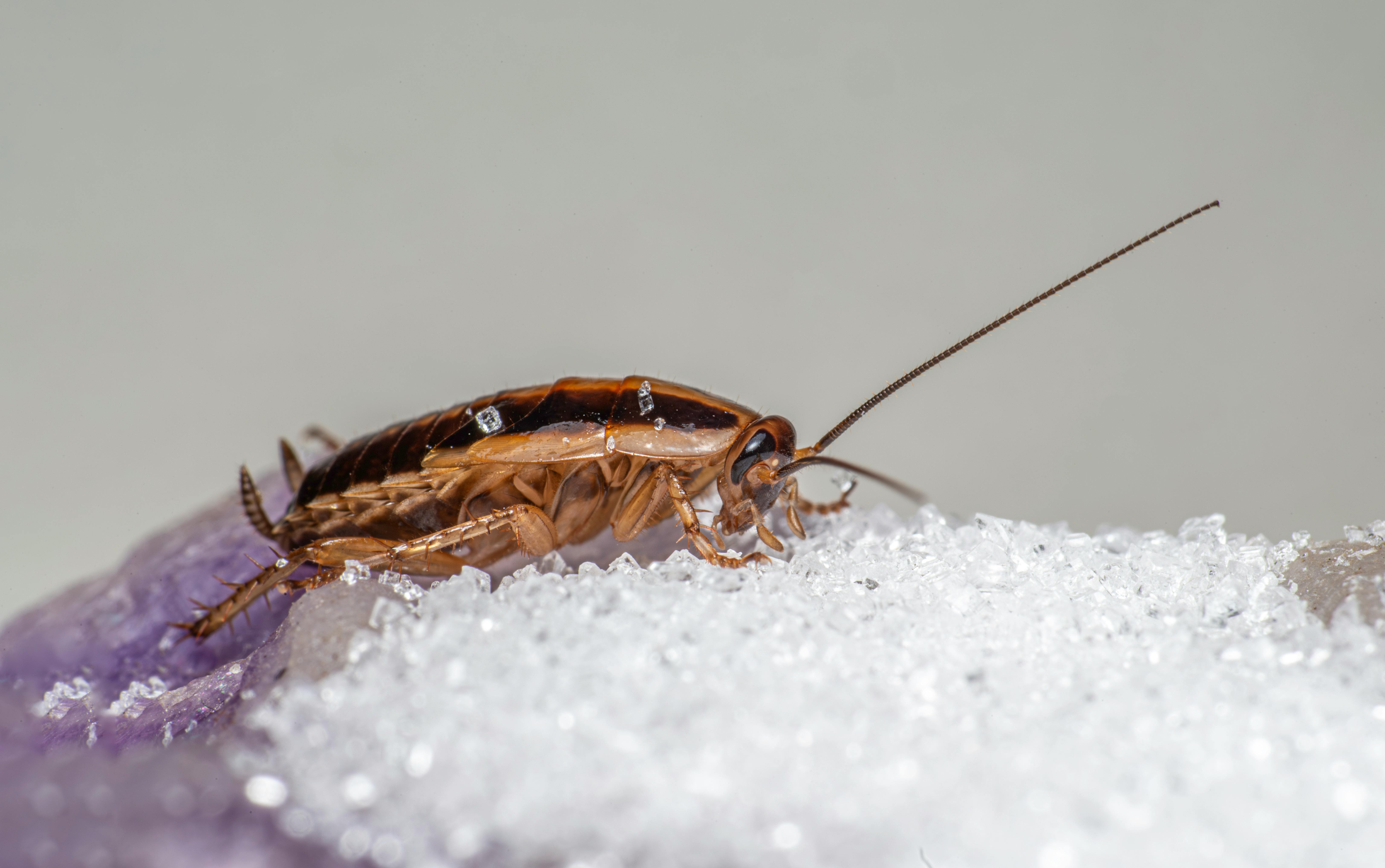
The German cockroach (Blattella germanica) may sound like a harmless houseguest, but its presence is anything but benign. Measuring just 1/2 to 5/8 inch long, these light‑tan insects sport two distinctive dark stripes on the pronotum (the “neck” area) and a slightly oval, flattened body that lets them slip into the tiniest cracks. Originating from tropical regions of Europe and Asia, they have adapted perfectly to modern homes, thriving in the warm, humid micro‑environments we create in kitchens, pantries, and bathrooms.
Where You’ll Find Them Inside Your Home
German cockroaches are indoor specialists. Unlike many of their outdoor relatives, they rarely venture beyond the walls of a house. Typical hotspots include:
- Kitchens: Around stoves, under refrigerators, and behind cabinets where food crumbs and grease accumulate.
- Pantries: Inside boxes of cereal, flour, or pet food—any place that offers a steady supply of carbohydrates.
- Bathrooms: Around sinks, under tubs, and in the cracks behind tiles where moisture is plentiful.
Because they hide in dark, secluded spots, a small infestation can go unnoticed for weeks, allowing the population to explode before the homeowner even realizes there’s a problem.
Reproduction Rate That Defies Belief
One of the most alarming traits of the German cockroach is its reproductive efficiency. A single female can produce up to 40 eggs in a single ootheca (egg case) and can carry multiple oothecae throughout her life. Under optimal conditions—temperatures between 75–85 °F (24–29 °C) and relative humidity above 60 %—that egg case hatches in just 28 days. The resulting nymphs mature to reproductive adults in as little as 50 days.
Put that into perspective: In less than three months, a lone female can give rise to a population of several hundred cockroaches. Their rapid life cycle means that what starts as a few stray sightings can quickly become a full‑blown infestation, overwhelming even the most diligent cleaning routines.
Why It’s the Most Common Household Pest in the United States
According to the National Pest Management Association, German cockroaches top the list of indoor pest complaints across the country. Their dominance stems from three key factors:
- Adaptability: They can survive on a surprisingly wide diet—everything from crumbs and spilled soda to soap residue and even non‑food items like cardboard.
- Resilience: Their exoskeleton provides protection against many common insecticides, and they quickly develop resistance when exposed to sub‑lethal doses.
- Stealth: Their nocturnal habits and preference for hidden crevices make early detection difficult, allowing populations to establish before any signs appear.
Because they are carriers of bacteria such as Salmonella and E. coli, and can trigger asthma and allergic reactions, their impact goes far beyond a mere nuisance. Homeowners who ignore early warnings risk both health hazards and costly remediation.
Quick Reference: CDC’s German Cockroach Fact Sheet
For a concise, science‑backed overview of health risks and control recommendations, the Centers for Disease Control and Prevention (CDC) offers an excellent resource. Visit the CDC German Cockroach Information page to learn more about disease transmission, sanitation tips, and when to call a professional.
Understanding the biology and behavior of the German cockroach is the first step toward effective control. At Anthem Pest Control, we combine this knowledge with safe, targeted treatments to keep your home cockroach‑free—so you can focus on living comfortably, not battling pests.
Health Risks and Warning Signs of a German Cockroach Infestation
Allergens and asthma triggers
German cockroaches produce microscopic droppings, shed skins, and saliva that easily become airborne in kitchens and bathrooms. When these particles settle on surfaces or are inhaled, they can irritate the lining of the nose, eyes, and throat. For sensitive individuals—especially children and those with existing asthma—the result is increased coughing, wheezing, and even asthma attacks. Studies show that homes with a persistent cockroach presence have higher indoor allergen levels than homes without pests.
Bacterial contamination of food
These insects are attracted to food residues, grease, and moisture, making kitchens their favorite hunting ground. As they crawl across countertops, dishes, and stored pantry items, they carry bacteria such as Salmonella and E. coli on their legs and bodies. A single cockroach can spread thousands of bacterial cells, turning a seemingly clean pantry into a breeding ground for food‑borne illness. The risk escalates when droppings or shed skins contaminate uncovered food, leading to nausea, vomiting, or severe gastrointestinal distress.
Psychological impact and reputation concerns
Beyond the physical health threats, a visible cockroach problem can cause significant stress and embarrassment. Homeowners often report anxiety, sleeplessness, and a loss of confidence in their ability to keep the house safe. If you rent or host guests, a cockroach sighting can damage your reputation and, in extreme cases, affect property values or rental agreements.
Visual signs of an early infestation
- Live sightings: German cockroaches are small (½‑inch), tan to reddish‑brown, and move quickly across countertops or walls.
- Egg cases (oothecae): Look for brown, capsule‑shaped packets about the size of a grain of rice, often hidden in cracks, behind appliances, or inside cardboard boxes.
- Fecal spots: Tiny dark specks resembling pepper flakes appear on surfaces, especially near food sources.
- Smears and oily residue: A faint, greasy streak may be left on walls or cabinets where cockroaches travel.
- Sweet, oily odor: A subtle, musty scent can indicate a growing population, especially in warm, damp areas.
Behavioral signs to watch for
- Increased activity at night—German cockroaches are nocturnal and will emerge once lights dim.
- Attraction to warm, moist environments such as under sinks, behind refrigerators, and inside dishwasher seals.
- Rapid reproduction: a single female can produce up to 40 eggs per ootheca, with multiple oothecae over her lifetime.
When to call a professional versus trying DIY first
Homeowners can start with basic sanitation: seal food, fix leaks, and vacuum regularly to reduce hiding spots. Over‑the‑counter baits and traps may suppress a very light infestation, but they rarely eradicate a well‑established colony. If you notice any of the visual or behavioral signs listed above, especially repeated sightings or egg cases, it’s time to bring in a licensed exterminator. Professionals have access to targeted insect growth regulators, residual sprays, and monitoring tools that break the life cycle safely and efficiently. Choosing a reputable company—such as Anthem Pest Control—ensures the treatment complies with local regulations, protects pets and children, and provides a guarantee that DIY methods simply cannot match.
Seasonal Activity Patterns and the Best Time to Treat
German cockroaches are tiny but relentless, and their numbers are driven almost entirely by the environment inside and outside your home. Warm temperatures and high humidity create the perfect breeding ground, accelerating their life cycle from egg to adult in just a few weeks. When the mercury drops or the air dries out, their activity slows, giving you a natural lull that can be leveraged for treatment.
How temperature and humidity steer the breeding cycle
At 80°F (27°C) with 70% relative humidity, a single female can lay up to 40 eggs in one ootheca, and those eggs hatch in about 28 days. Raise the temperature to 90°F (32°C) and you shave off a week from that timeline. Conversely, if humidity falls below 50%, the eggs may fail to develop, and the nymphs struggle to survive. This is why you’ll see a surge in sightings during the warm, humid months of late spring and summer in Peachtree City.
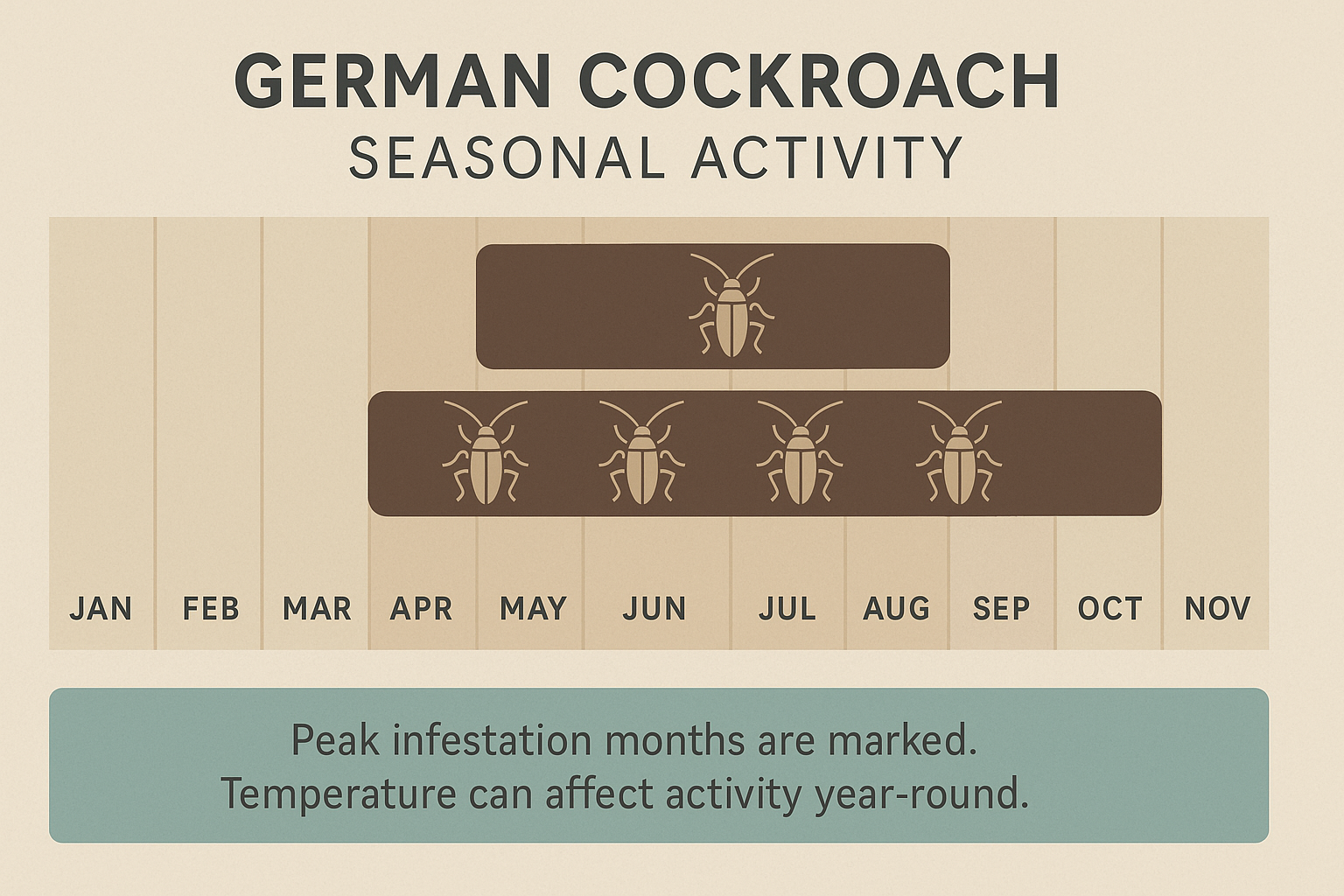
Reading the seasonal activity chart
The chart above breaks the year into four distinct phases. The first rise begins in April, climbs sharply through May and June, and hits its apex in July and August—these are the months when you’ll likely find the most activity. September sees a gradual decline, and by November the population drops to a baseline level that can persist through the colder winter months (December–February). Understanding these peaks helps you schedule treatments when they’ll have the greatest impact.
Indoor climate control: a double‑edged sword
Many homeowners assume that cranking the air conditioner in summer will keep roaches at bay, but a consistently cool, moist indoor environment can actually sustain a hidden infestation. Air‑conditioned spaces often maintain temperatures between 72‑78°F (22‑26°C) with humidity levels that hover around 60%, which is still comfortable for German cockroaches. Likewise, heating in winter can raise indoor humidity if you use humidifiers, unintentionally extending the breeding season. Managing both temperature and moisture is key to flattening those seasonal peaks.
Optimal treatment windows
- Early spring (April‑early May): Treat before the population explodes. A pre‑emptive spray or bait program can knock down the initial breeding cohort.
- Late summer (late August‑September): Target the tail end of the peak. This timing helps eliminate survivors before they seek shelter for the winter, reducing the “over‑wintering” population.
Scheduling a professional inspection during these windows gives you the best chance to catch the roaches when they’re most vulnerable, rather than fighting a full‑blown infestation later in the year.
Seasonal prevention tips for homeowners
- Maintain a strict cleaning schedule. Wipe down countertops, sweep crumbs, and vacuum cabinets weekly, especially after cooking.
- Store food in sealed containers. Even pet food left out overnight can become a banquet for roaches.
- Control moisture. Fix leaky faucets, use a dehumidifier in basements, and keep bathroom vents running.
- Seal entry points. Inspect window screens, door sweeps, and utility penetrations each season and caulk any gaps.
- Rotate bait placements. Move gel or bait stations every 4‑6 weeks to prevent cockroaches from learning the location.
Monitoring signs throughout the year
Keep an eye on common indicators such as small brown droppings, a faint musty odor, or the occasional sighting of a fast‑moving insect near food prep areas. Setting out sticky traps in kitchens, bathrooms, and dark corners can give you a clear picture of activity levels and help you decide whether an immediate treatment is warranted.
Impact of climate variations
Unusually warm winters or extended humid periods can shift the traditional peaks, causing earlier infestations or prolonged activity. If you notice higher-than‑normal sightings during traditionally low‑activity months, treat sooner rather than waiting for the next “official” window.
Seasonal treatment recommendations
| Season | Recommended Action | Reason |
|---|---|---|
| Early Spring | Pre‑emptive spray & bait placement | Interrupt first breeding wave |
| Late Summer | Heavy‑dose treatment & trap refresh | Eliminate peak population before winter |
| Winter | Maintenance monitoring | Catch any survivors that overwinter |
By aligning your prevention habits with the natural ebb and flow of German cockroach activity, you’ll stay one step ahead of the infestation. If you suspect a problem or want a professional “seasonal reset,” give Anthem Pest Control a call at 877‑371‑8196 or visit our website to schedule an expert visit.
Treatment Options – DIY Methods vs Professional Services
When a cockroach makes a cameo in your kitchen, the first instinct is often to grab the nearest spray can or set out a cheap trap. While those quick fixes can offer temporary relief, understanding the full spectrum of treatment options helps you decide whether a weekend project will suffice or if a licensed technician should be called in.
DIY Tools You’ll Find at Home Improvement Stores
- Bait stations – pre‑filled containers with gel or granular attractants that cockroaches carry back to their nests.
- Sticky traps – adhesive pads that capture wandering roaches for monitoring purposes.
- Boric acid – a fine powder that disrupts the insect’s digestive system when ingested.
- Diatomaceous earth – microscopic silica particles that abrade the exoskeleton, causing dehydration.
- Spray aerosols – contact killers that provide an instant knock‑down but often lack lasting residual effect.
All of these products are marketed as “easy‑use” solutions, and they can be effective against a handful of isolated insects. The key advantage is cost: a single bait station or a bag of diatomaceous earth typically runs under $20, making it an attractive first line of defense for budget‑conscious homeowners.
Effectiveness and Limitations of DIY Approaches
DIY treatments excel at coverage in small, well‑ventilated spaces where you can directly apply the product. However, cockroaches are masters of concealment—they hide in wall voids, under appliances, and inside plumbing cracks that are out of sight and out of reach. Because most over‑the‑counter solutions rely on direct contact or ingestion, they struggle to reach these hidden colonies.
Resistance is another concern. Over time, roach populations can develop tolerance to common insecticides, rendering sprays and baits less potent. Safety is also a factor; powders like boric acid and diatomaceous earth can irritate the eyes, lungs, and skin if not handled correctly, especially in homes with children or pets.
When DIY Might Be Sufficient
If you’ve only spotted a lone roach or two, and there’s no evidence of a larger infestation (no egg casings, no droppings, no foul odor), a targeted DIY approach can be a reasonable stopgap. Place a few bait stations in corners, seal obvious entry points, and keep food storage airtight. Maintain this routine for a couple of weeks and monitor trap captures; if numbers stay low, you’ve likely contained the problem.
For seasonal spikes—such as during warm, humid months when roaches are more active—a short‑term DIY blitz can keep numbers manageable until you’re ready to schedule a professional assessment.
Professional Services: What the Experts Bring to the Table
Licensed pest control companies like Anthem Pest Control start with a thorough inspection. Trained technicians know the anatomy of a home and can locate hidden harborages that DIY users miss. Using flashlights, moisture meters, and sometimes even thermal imaging, they map out the infestation’s scope.
From there, they employ a combination of targeted baiting and residual sprays. Baits are placed in precise locations—inside wall voids, beneath appliances, and near plumbing—to ensure roaches encounter them on their regular routes. Residual sprays, applied with professional‑grade equipment, leave a protective layer that continues to work for weeks, reducing the chance of a resurgence.
Most reputable firms also incorporate Integrated Pest Management (IPM) principles. This means they don’t just spray chemicals; they also advise on sanitation, moisture control, and structural repairs that eliminate the conditions roaches thrive in.

The Role of a Trained Technician
A technician’s expertise lies in identifying hiding spots that are invisible to the untrained eye. They know that cockroaches love the dark, damp gaps behind refrigerators, the voids around dishwasher hoses, and the cracks in baseboards. By positioning baits and sprays exactly where roaches travel, they maximize product efficiency while minimizing waste.
Proper product placement also reduces the amount of chemical needed. Instead of spraying an entire room, a professional can target the 10‑15% of space where roaches are most active, which translates to a safer environment for your family.
Safety Advantages of Licensed Pest Control
Professional pest control operators are required to use regulated chemicals that have been evaluated for human and pet safety when applied correctly. They follow strict application guidelines, wear protective gear, and keep detailed records of product usage. This level of accountability dramatically lowers the risk of accidental exposure compared to DIY sprays that may be over‑applied or used in poorly ventilated areas.
Furthermore, technicians are trained to handle emergencies—such as accidental spills or allergic reactions—ensuring prompt mitigation. Their knowledge of local regulations also means they stay current with any changes in pesticide approvals, keeping your home compliant and protected.
Bottom Line: Choose the Right Tool for the Job
DIY methods are a cost‑effective first response for minor sightings, but they often fall short when faced with a well‑established infestation. Professional services bring diagnostic precision, targeted treatment, and a safety net that DIY products can’t match. For homeowners in Peachtree City, GA, weighing the severity of the problem against budget and time constraints will guide the decision. When in doubt, a quick inspection from Anthem Pest Control can clarify whether a simple bait station will do—or if a comprehensive, licensed treatment plan is the smarter, long‑term solution.
Understanding Pricing – Basic vs Premium Cockroach Services
When you call a pest‑control professional, the first thing you’ll notice on the estimate is the pricing structure. In Peachtree City, most exterminators use one of three models: a flat‑fee package, an hourly rate, or a charge based on square footage. A flat fee bundles inspection, treatment, and a set number of follow‑ups into a single price, making budgeting simple. Hourly rates give you flexibility for custom jobs but can add up quickly if the infestation is extensive. Square‑foot pricing scales the cost to the size of your home, ensuring larger homes pay for the extra product and labor they require.
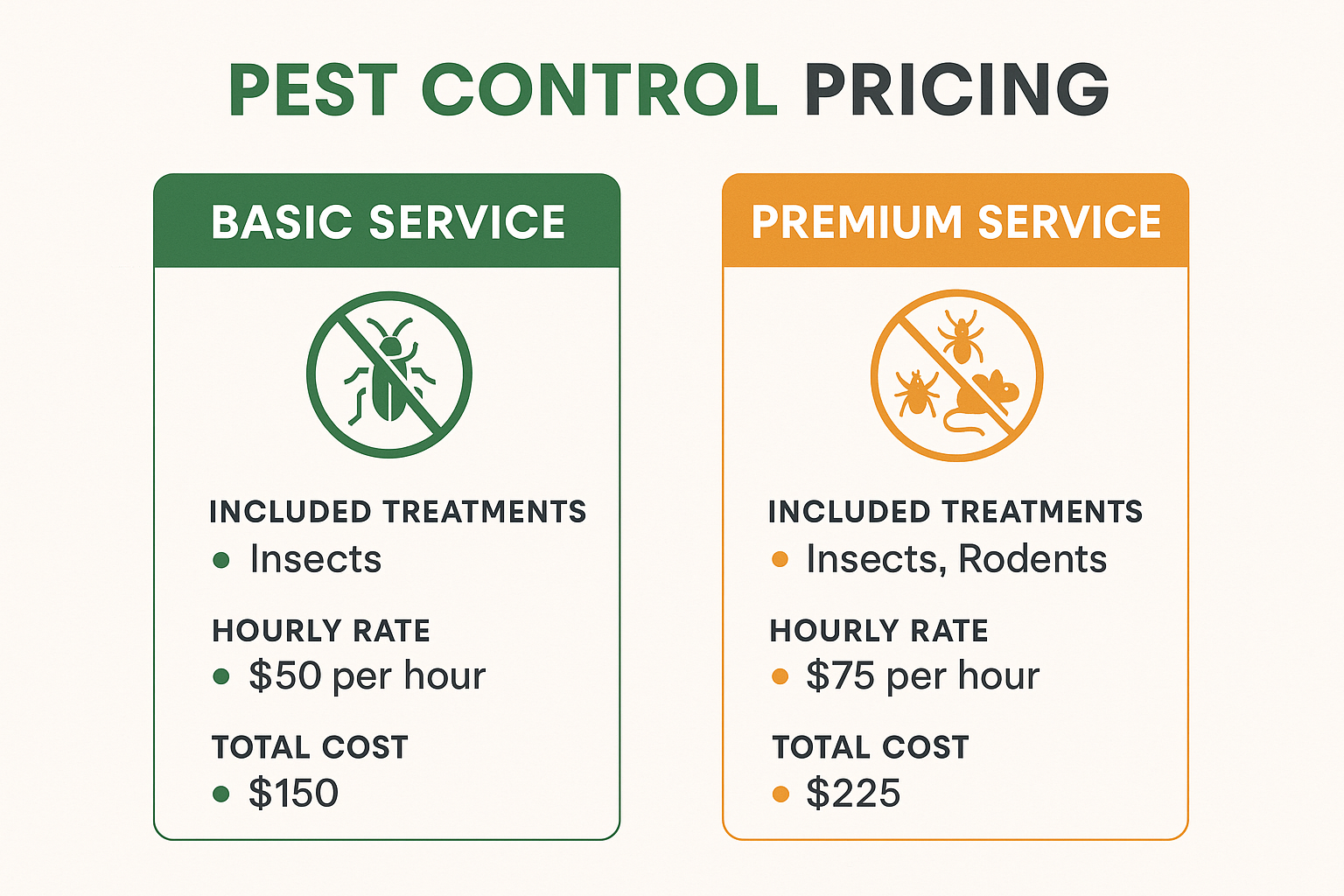
What’s included in a Basic Service?
A basic cockroach treatment is designed for homeowners who suspect a light to moderate problem and want a cost‑effective solution. Typically, a basic package covers:
- Initial inspection: A technician walks through your home, identifies hotspots, and notes entry points.
- Standard bait placement: Gel or bait stations are positioned in common hideouts such as kitchens, bathrooms, and dark corners.
- One follow‑up visit: After 7–10 days, the technician returns to assess bait consumption and apply a touch‑up if needed.
This level usually runs between $150 and $250 for an average 2,000‑sq‑ft home, depending on the provider.
What does a Premium Service provide?
For severe infestations or homeowners who want peace of mind, a premium service expands both the scope and the guarantees. A premium package generally includes:
- Comprehensive inspection: Detailed assessment of interior and exterior, including voids, crawl spaces, and utility penetrations.
- Multiple bait types: Combination of gel, stations, and dust formulations to target different cockroach species.
- Ongoing monitoring: Smart traps or remote‑monitoring devices that report activity between visits.
- Guaranteed result: Many companies pledge a “no‑cockroaches after treatment” guarantee, often backed by a free re‑treatment.
Because of the added labor and products, premium plans typically range from $350 to $550 for the same square footage.
Hourly Rates vs. Total Package Cost
Some homeowners compare the hourly option to the flat‑fee packages to see which yields better value. Below is a quick snapshot of how the numbers often break down:
| Pricing Model | How Charged | Typical Range (USD) |
|---|---|---|
| Flat‑Fee (Basic) | One‑time payment for inspection, bait, 1 follow‑up | $150 – $250 |
| Flat‑Fee (Premium) | All‑inclusive package with monitoring & guarantee | $350 – $550 |
| Hourly | $80 – $120 per hour; typically 2–4 hrs for a full job | $160 – $480 |
| Per‑Square‑Foot | $0.08 – $0.20 per ft², includes materials | $160 – $400 (2,000 ft² home) |
When you multiply an hourly rate by the time needed for a thorough treatment, the cost often converges with the premium flat‑fee. The advantage of a package is predictability—you know the total outlay up front, and you avoid surprise charges if the job takes longer than expected.
Assessing ROI Based on Infestation Severity and Home Size
Think of pest control as an investment in your home’s health. A light infestation in a 1,500‑sq‑ft house may be fully resolved with a basic service, delivering a high return on a modest spend. Conversely, a heavy infestation across multiple levels or a property with many cracks and crevices can quickly become a costly problem if left untreated. In those cases, the premium service’s guaranteed result and ongoing monitoring reduce the risk of recurring treatments, ultimately saving you money and protecting your family’s well‑being.
To determine the best fit, weigh the severity of the problem against the size of your home and the level of assurance you need. If you’re unsure, request a free, no‑obligation quote from Anthem Pest Control. A personalized estimate will break down the exact costs for both basic and premium options, letting you choose the plan that delivers the most value for your specific situation.
Protect Your Home Today with Anthem Pest Control
German cockroaches aren’t just a nuisance; they’re a genuine health risk. These tiny insects thrive in kitchen cabinets, behind appliances, and even in the cracks of your walls, where they can contaminate food, spread bacteria, and trigger asthma or allergic reactions. Their rapid breeding cycle means a few sightings can quickly turn into an infestation that compromises both comfort and hygiene throughout your home.
Timing is everything when it comes to eradicating these pests. The best window for treatment is early in the infestation—before populations explode and before they hide deeper within structural voids. Professional pest technicians bring the advantage of targeted baits, precise spray applications, and thorough inspections that a DIY approach simply can’t match. Their expertise ensures that every harboring spot is addressed, reducing the chance of a resurgence and saving you time, money, and the stress of repeated treatments.
Anthem Pest Control stands out for its commitment to safe, effective, and affordable solutions. Every service is backed by transparent pricing, so you know exactly what you’re paying for—no hidden fees, no surprise add‑ons. Their technicians use EPA‑approved products that protect your family and pets while delivering rapid knock‑down of cockroach colonies. Plus, Anthem offers a comprehensive follow‑up plan to keep your home cockroach‑free long after the initial visit.
If you suspect a German cockroach problem or simply want the peace of mind that comes with a professionally protected home, we invite you to reach out for a free, no‑obligation quote. A quick call to 877‑371‑8196 connects you with a local specialist who will assess your situation, explain the treatment process, and provide a clear estimate—no pressure, just information.
Ready to take the next step? Visit Anthem Pest Control and discover how easy it is to safeguard your home against German cockroaches and other unwanted guests.